
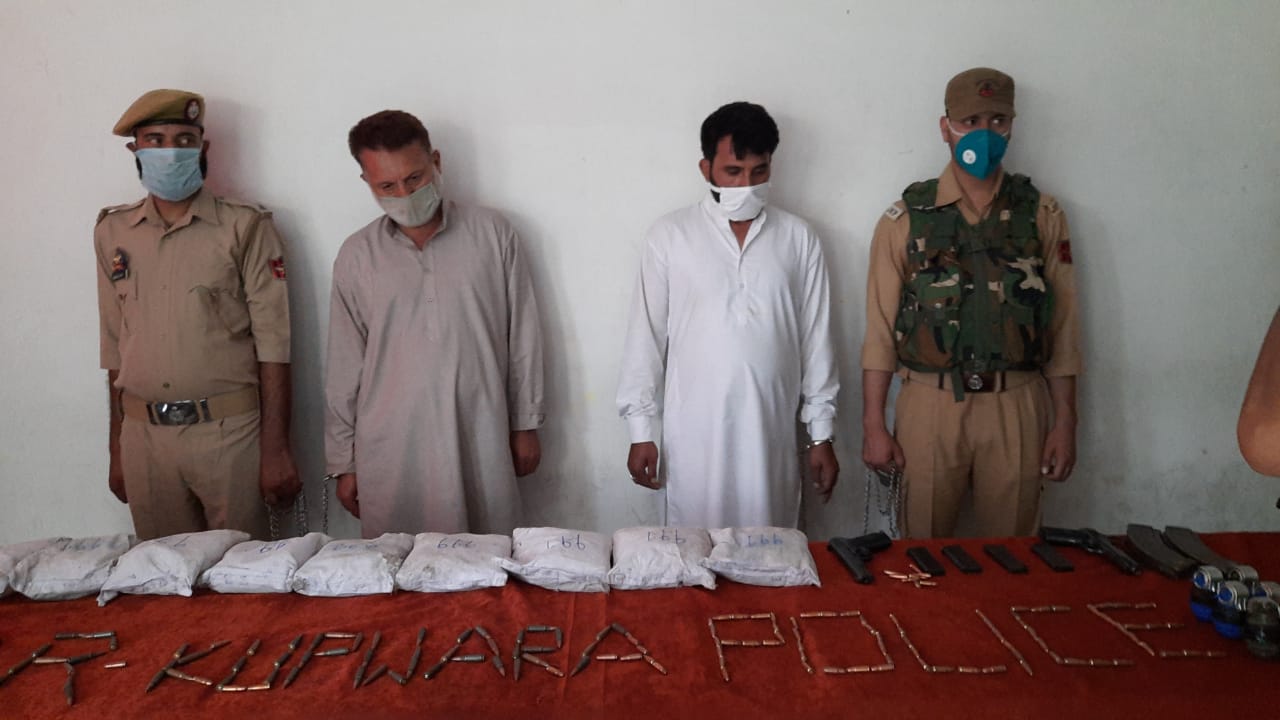
In Jammu and Kashmir, a silent war is being fought — and this war is to save the future of children and youth. The region is facing a serious drug crisis. More than 13.5 lakh people are using drugs, including about 1.68 lakh children between the ages of 10 and 17. This is not just a health problem; it is also linked to narco-terrorism, where drugs are used to harm society and create unrest.
Police officers say that parents play the most important role in saving their children from addiction. They are the first line of defence. The fight is difficult, but it can be won if families, communities, and authorities work together. Real change begins at home and grows through society. The situation is getting worse. Along with traditional drugs, many people are now misusing painkillers and other medicines like tapentadol and tramadol, and even animal drugs. These substances are cheaper, easy to get, and harder to detect.
De-addiction centres such as the Institute of Mental Health and Neurosciences (IMHANS) in Srinagar receive 5 to 10 new patients every day. Years of conflict, unemployment, and hopelessness have made young people more vulnerable to this problem. Parents are the strongest shield against drug abuse. A loving and understanding relationship between parents and children can protect them from drugs.
Parents should talk openly with their children about how drugs can destroy health, education, and family life. They should also look for warning signs like changes in friends, poor school performance, secretive behaviour, or sudden need for money. Simple daily habits like eating meals together, knowing your child’s friends, and spending time with them can make a big difference.
Children who feel loved and supported are less likely to fall into addiction. However, parents cannot fight this battle alone. Narco-terrorism is a much bigger threat, and drugs are being used to fund terrorism and destroy the social fabric of society. Everyone must come together to fight this menace. Schools and colleges should include lessons on mental health, awareness, and how to handle stress. Religious and community leaders should also talk about this issue in mosques, temples, and community centres. Training programs like those at IMHANS, where imams and scholars are taught to spread awareness, can help reduce stigma and guide people in the right direction.
Law enforcement must continue to take strict action against drug peddlers and smugglers, while the government should open more rehabilitation centres, especially for women who often suffer silently. Some data and comprehensive plans are required to fight this menace. We need clear data on where drugs are most common, who is affected, and which drugs are spreading fastest.
Regular surveys, hospital records, and police data should be used to map the hotspots. Based on this information, practical plans must be made, more and better rehabilitation centres, mobile treatment units for remote areas, targeted school programs, training for teachers, helplines, and support for families. Plans should also include job training and small business support so young people have lawful ways to earn a living. Women-only services and safe spaces must be part of every plan.
Coordination between health services, police, schools, religious bodies, and local communities is essential for these plans to work. The fight against drugs in Jammu and Kashmir is a fight for the soul of the region. The future of an entire generation is at stake. If we act now with compassion, clear data, and strong plans, we can save countless lives. For parents, your love, time, and guidance can save your child. For society, we must replace silence with awareness and judgment with understanding. Every child saved from drugs is a victory for the family, the community, and the nation.