Home Blog Page 320

I never wanted a ‘size zero’ figure. And yes, I am perfect

1

All through my life, I had suffered from weight issues. No matter what size I was, I was never thin enough! I struggled with body issues since the time I learnt about waistlines and cellulites. I would not even look at the mirror as I hated my body and how it made me look. Nothing suited me and I was envious of women who had the perfect figure or a slim body. I would look in the mirror and suck in my stomach until I couldn’t breathe.

I hated the way I looked and never felt comfortable in my skin. I was more comfortable wearing baggy or very loose clothes throughout my life. It was very frustrating and depressing. There were days when I would starve myself in the name of dieting. What made things worse was being body shamed by people around me. I recall instances where a close relative told me that I would never become thin in life and I had more chances of contriving diseases sooner than other unhealthy people.

Often women are perceived and assumed to be lazy, unfit or eat unhealthily if they are bulky or are simply fat. But it isn’t as simple as that. I personally after my second pregnancy felt physically tired and exhausted most of the time. I realized later in life that I was suffering from what is called ‘postpartum depression’.

However, one good thing was that I always had faith in me that I would someday overcome this issue sometime in my life. I had attempted all kinds of fad diets like the keto diet, intermediate fasting to name a few, but it wasn’t until I trusted and began on home cooked or balanced meal along with proper workout. Also not to forget the importance of good sleep and rest. I learnt with time that there is no easy way or quick fixes to lose weight.

With this realisation, I took control of my health and started working out and taking a balanced diet. During my weight loss journey, my husband became my only support. His helped determined me further. For almost many weeks I did not see much changes in my body and weight but I did not lose hope. I consistently focused on myself and continued with my new regime.

Soon everyone around me noticed the changes in me. I lost more than 30 kg and body goals were achieved. This achievement was possible because I learnt the importance of being healthy and became the healthier version of myself. I also learnt that working out and eating healthy can be fun. There’s not a single day since I started working out that I have skipped being active. Even if I do not exercise properly I still maintain my 10,000 steps every day. I do light walks, dance or play with my kids.

Divya Burman had to face body-shaming for being overweight (left photo), but with a positive outlook she has transformed herself and now leads a healthier and happier life (right photo).

My day starts with one hour workout. Initially, when I started working out I started walking and then joined aerobics and Zumba classes. There I found my interest in dancing as a workout. So its always important to do what you love otherwise one tends to get bored with the same kind of exercise and very easily gives up. My classes continued till everything came to a halt due to COVID-19. All the classes and gyms were suspended. Fortunately, until the pandemic I had already had the habit of working out so I didn’t require external motivation any more and started practicing what I had learnt and found Google to be helpful in trying to find fun ways of working out at home. During this time I lost most weight while still eating a healthy home-cooked meal.

I am enjoying the best time of my life as peoples’ opinions hardly matter anymore as opinions are there to stay. Today, I don’t need anyone to tell me how beautiful I look or I don’t need any particular outfit to make me look pretty. I am not size zero today and never wanted to be. But what I learnt is to love yourself unconditionally as beauty comes in all shapes and sizes.

An Edge of Heterodox Economics 1 – Everything has a History

1

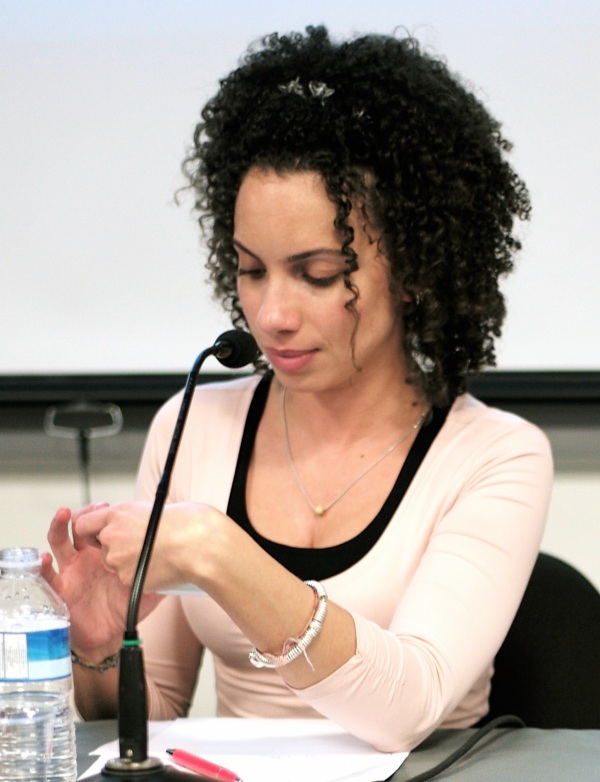
Dr. Carolina Cristina Alves is a Joan Robinson Research Fellow in Heterodox Economics at Girton College at the University of Cambridge, a co-founder of Diversifying and Decolonising Economics, and an editor of the Developing Economics blog. She sits on the Rebuilding Macroeconomics Advisory Board, the Progressive Economy Forum Council and the Positive Money. This educational series will focus on Heterodox Economics with emphasis on heterodoxy, Dr. Alves’s research, the current research situation, and decolonizing economics. Here we talk about the necessity of Heterodox Economics.

Scott Douglas Jacobsen: Today, Dr. Carolina Alves joins us. She is the Joan Robinson Research Fellow in Heterodox Economics at Girton College at the University of Cambridge. This educational series focuses on the subject matter of Heterodox Economics covering the expertise of Dr. Alves. We will emphasize heterodoxy regarding economics, where mainstream economics becomes ‘homodox economics,’ the broad strokes of Dr. Alves’s research, the current developments or situation in Heterodox Economics, and then aspects of decolonizing economics. To begin today, when an individual enters into the field of economics, what is economics?

Dr. Carolina Christina Alves: Economics as a discipline has had many definitions through time. These definitions, often, understood economics as a discipline concerned with the creation, appropriation, and distribution of wealth, where the social and political contexts were of equal concern to economists. However, as the discipline evolved, we saw growing debates around what economics is, with tensions, for example, related to the scientificity of economics and its normative and positive aspects. 

It was not until 1932, with Lionel Robbin’s An essay on the Nature and Significance of Economic Science, when the profession seemed to head to an agreement on the definition of economics. With a view understanding that the technical condition of production and the history of the social construction of the ‘means’ are not directly part of the occupation of an economist, Robbins argues economics is “the science which studies human behaviour as a relationship between [given] ends and scarce means which have alternative uses.”

Robbins’ definition of economics is widely used and accepted. Thus, nowadays, there seems to be no doubt that economics narrowed down to studying human behaviour in the distribution of scarce means, with a focus on market analysis and choices. 

Jacobsen: Following from the previous question, how is this considered mainstream or ‘homodox’ economics, henceforth economics or orthodox economics? “Orthodox economics,” in this sense, is descriptive, not pejorative. It is the mainstay of economics.

Alves: Modern economics, or what we call orthodox economics, is about studying human interaction mainly through markets, where markets are theorized as being about the interaction between demand and supply, with equilibrium as a central concept and enduring reliance upon methods of mathematical modelling. This approach went to become ‘the mainstream economics,’ as it is the main and widely taught and researched approach. 

An important point here is that the definition of economics cannot be separated from the methods and methodology used by economists. It is not a coincidence that Robbin’s Essay paved the way for a decade where economic methodology would be widely questioned. Engagements with Robbin’s Essay focused on issues of economic theory versus empirical analysis, how economic theory is to be conceived, and the role of ethics in economics. It is not a coincidence either that Robbin’s definition came to ‘stay.’ As Backhouse and Medema (2009) argue, insofar as the Robbinsian conception deals with the influence of scarcity and human behaviour, it becomes an analytical definition. As a consequence, it allows for regularities and the homogeneity of the market economy. For  Wootton (1938), a fierce critic of Robbins’ definition, it is like if all market processes ought to have a certain objectivity comparable to the regularities of the natural world, so that changes in the market can be predictable and show uniformity – not being subjected to ‘arbitrary caprice.’

For this reason, Robbin’s definition fitted very well to a familiar argument dating back to Walras’ and his idea that economics would gradually evolve into a scientific discipline similar to hard sciences, with economic laws being rational, precise, and as incontrovertible as the laws of astronomy. With a trend drifting economics towards a more inductive approach, largely limited to understanding social behaviour through the lens of equilibrium solution of mathematical models, the scientificity brought by Robbins wrapped in the ideas of equilibrium and generalization about human behaviour represented a happy – albeit some may argue unnatural –  marriage that has since then flourished and become stronger. 

There were many events in the last century that contributed to strengthening this marriage, which could be summaries in terms of a formalization and also uniformization of the economics profession since the 1950s. In this process, not only economics became apolitical and ahistorical, but also economists uncritically accepted the standard choice of taking market equilibrium and human rationality as the starting point of their analysis. This context led to the definition of orthodox economics mentioned above and to an increasing number of economists thinking of themselves as modellers, ‘simplifying’ reality through models and invoking the necessary assumptions regarding equilibrium, representative agents, and optimisation (see also Alves and Kavangraven, 2020).

Jacobsen: What made Heterodox Economics come forward into the fray of economics discourse?

Alves: Heterodox Economics, in the modern sense used, can be traced back to the 1960s; although not many economists, at the time, would not put their hands up and call themselves heterodox economists. The 1960s and 70s experienced the developments mentioned in the previous questions as a gradual and constant exclusion of theories and economists whose intellectual traditions did not lie within what would become orthodox economics. From institutional, evolutionary, and feminist economics to Marxian, Keynesian and structuralist economics, these years witnessed the formation of various different communities of economists who at the time were not necessarily connected or self-identified as heterodox (See Lee, 2009). 

The stronger the movement narrowing down the definition and methods within economics, the greater was the need for other approaches to find a new home, institutional support. Therefore, it should not be a surprise that we see the Union of Radical Political Economy being founded in 1968, the establishment of Post-Keynesian Economics from 1970 onwards, the creation of the Council for the Development of Social Science Research in Africa (CODESRIA) in 1970, and efforts to revive and develop the Association for Institutional Thought (AFIT) in 1979. 

The political, institutional, and ideological marginalization of other approaches and ways to do economics was violent; it did not take long for these communities to start claiming the need for pluralism within our profession. By the 1980s and 1990s, there was a slow integration of these various communities, which can be seen, for example, with the creation of The International Confederation of Associations for Pluralism in Economics in 1993, the Progressive Economics Forum in 1998, the Association for Heterodox Economics (AHE) in 1999 and the Society of Heterodox Economists in 2002 (See Lee 2009). Meanwhile, new heterodox organizations kept emerging, such as the European Association for Evolutionary Economics (1988) and the International Association for Feminist Economics (1992).

So, heterodox economics comes forward into the fray of economics discourse due to a battle within the profession over who defines and shapes the economics researched and taught in our field. The term is a large umbrella that will continue to expand as long as orthodox economics carries on being narrow and intolerant towards other approaches to economics.

Note, some economists like to argue: heterodox economics is everything that is not orthodox economics; it is a self-definition in terms of the other. Swiftly referring back to the etymological meaning of the word, Wikipedia or dictionaries, these scholars are adamant that no other definition is possible. This is wrong. If anything, it implies an economics that emerges as a sort of reaction to mainstream economics, which is not accurate, as approaches under the heterodox economics umbrella go way back to any coherent idea of mainstream economics. 

Further, to think that heterodox economics can be defined by the negative denies agency to a rich and useful bunch of research that, quite frankly, could not care less about what’s happening in the orthodoxy of economics. Finally, in social sciences, one can only wish that concepts used to try and make sense of a word can be reduced to dictionary definitions.

Serious thought about what heterodox economics is starts with an investigation of when and how heterodox economics became a consistent and identifiable object. Two aspects stand out here: 1 –  to trace back the term in history (where we look into the intellectual history of the term – how and when the term was first used and so on); and also 2 – to understand how different communities of economists started organizing themselves (that is, the sociology of heterodoxy). 

In this sense, although the term heterodox economics can be traced back as far as 1863, the key point for us is that the more economics started narrowing down its methods, theory, and approaches during the last century (to then go and become essentially mathematical modelling and econometrics), the more other ways of doing economics were excluded from departments, syllabuses, funding, and journals. 

These [excluded] economists essentially started looking for a home to live. That’s why the term is of crucial importance for our current historical moment. To think that the term is a mere definition of what is not is to overlook the institutional power within the discipline itself; it is to be complacent to the exclusion of many equally ‘rigorous’ and ‘legit’ economic approaches.

Jacobsen: In particular, what makes Heterodox Economics necessary for the advancement of the universe of discourse seen in homodox economics?

Alves: Pluralism of methods and ideas is key for the progress of any social science. Despite enjoying being the queen of social science, economics is not exempt from these dynamics. Mainstream economists like to argue that we are where we are because of the ‘evolution’ of economic ideas. Something like an evolutionary process where other approaches to economics were not able to survive. This could not be further from the truth, especially considering that these approaches were systematically excluded and marginalized. 

Also, it is quite problematic to assume that one single approach and method is enough to understand social reality. Authors such as Colander (2009) and Coyle (2013) argue that the profession has been more open. For them, the inclusion of endogenous growth theory, behavioural and experimental economics, complexity economics, and other theoretical innovations have reduced the dominance of mainstream economics. Although this may be partially true – and, indeed, there are criticisms of economics coming from within – we have to ask ourselves two questions: 1) the extent to which these criticisms mean that economics, at the research and teaching level, became more open to different ways to do economics, to different communities of economists that are not placed within the mainstream basket; 2) the extent to which these changes also mean changes at the very core methodological assumptions and theories of orthodoxy. That is, are these changes and criticisms challenging mathematical deductivism, the idea of rational actors, selfish individuals maximizing their own interest, individuals as the units of analysis, the equilibrium state of the economic system, and so on?

Diversity of approaches and methods is necessary for our field. Both orthodoxy and heterodoxy have the same object of analysis, the economy, but their tools and assumptions are different, which can then lead to different policy recommendations, conclusions. We need a rich and vibrant intellectual environment where competing approaches allow us to see all the options available to tackle an economic problem. We need a situation where Queen Elizabeth II would not knock at the LSE door asking, “Why did no one see it coming?”, but, rather, “Why did orthodox economics not see it coming;  what is the heterodoxy saying about all this?”

My brilliant co-author, Ingrid Kvangraven, whose ideas have helped and shaped most of the arguments expressed in this interview, and I have been forcefully vocal about the need to both i) acknowledge the existence of heterodox economics as a body of economists who rely on different methods and theories to analyze the economy, and ii) bring this body of economists together. This is partially a political strategy to reclaim a rightful space within departments of economics and partially a genuine attempt to open up the profession with the aim to build a more inclusive, just, and fair society.

For this reason,  we have engaged in a bumpy path to look at the history of heterodox economics and these different communities of economists to try and define heterodox economics. In stark contrast with the definition by Robbins mentioned at the beginning of this interview, for us:

heterodox economics is concerned with the study of production and distribution of economic surplus, including the role of power relations in determining economic relationships, the study of economic systems beyond market relations, and the employment of theories focusing on these issues (Kvangraven and Alves 2019)

Jacobsen: Thank you for the opportunity and your time, Dr. Alves.Alves: My pleasure! Thank you very much for inviting me.

Photo by NeONBRAND on Unsplash

Male ‘Religious’ Misfits: or, Man on Mammon, God Gone Dogged

0

Christian is a Philosopher that comes from Belgium. What identifies him the most and above all is simplicity, for everything is better with “vanilla ice cream.” Perhaps, for this reason, his intellectual passion is criticism and irony, in the sense of trying to reveal what “hides behind the mask,” and give birth to the true. For him, ignorance and knowledge never “cross paths.” What he likes the most in his leisure time, is to go for a walk with his wife.

Scott Douglas Jacobsen: With this American election ongoing, what is the most striking fact of the American situation now?

Dr. Christian Sorensen: I think that the most surprising, is the fact to perceive a polarized society, between parts, that defend what I will name as individualistic rights, and that fight, as counterpart, for social rights, by voguing what for me is an integrationist society, in the sense of being one, more humane and just, not because of a liberalism ill-conceived, but because commonwealth prevails, in what I understand as the good of the people, in contrast to what would be personal good, which leads in the case of the last, to social self-referentiality, and therefore pushes to conflict, in the context of disintegration, in consequence, ultimately unable to reach synthetic terms as plausible instances, from prior antithetical premises.

Jacobsen: There have been direct restrictions and repeals of women’s reproductive rights. Mostly, this happens with male leaders. Which isn’t saying much because, most leaders in the world are male. So, maybe, a more interesting line of thought is the following question: “Why those particular male leaders, e.g., Jair Bolsonaro, Donald Trump, Recep Tayyip Erdoğan, Abdel Fattah el-Sisi, Xi Jinping, Vladimir Putin, or Rodrigo Duterte, and so on?” So, Christian, why those particular leaders?

Sorensen: What happens, is because most of these leaders are Christians, and if not, they’re close to some kind of religious fanaticism. All of them have in common, the fact of always climbing over the rights of women, since they have the will, of turning them, into what I will name the apple of discord, since they have perceived them as threats, because from the optical prism of a patriarchal society, and according to their philosophy of life, they firmly express the possibility of women to master their own body, which would imply in turn, a feminine self-sufficiency, that in time, due to an increasing disappointment, can reach to dispense with masculine need, and further carry, the loss of control over the gift of life, due to the reason, that if this logical sequence is followed, then the right to life, would be intrinsically linked to the reproductive rights of women.

Jacobsen: Looking at the consequences of the actions of these individuals, the general tale is one of oppression or suppression of the majority of the population to prevent garnering more equality with the richer minority of the population. Is it all about mammon? Have these, excluding China, highly religious countries succumbed, surrendered to both the temptation of mammon and God?

Sorensen: They have established, what I will name the eugenics of richness, since relying on different resources, that are used for mass extermination, such as it could be the current or other pandemics, which regardless of whether they have caused them or not, they have known well how to utilize these, as control mechanisms, in order to achieve said end, which ultimately is a covered expectative, for eliminating anything human, that humanely can hinder any minority of humans, especially, if they succumb to necessity, since the last would be highly threatening. Nevertheless, what’s not generally noticed, is the fact that the richest, are the only ones who place the burden and yoke, at the same time that they naively convince themselves, of being forced to bend their will, in order to subsidize subsidiarily the neighbor, meanwhile they have been artificially creating since ever, the unequal distribution for everything that could be invested, with feelings leading to the possession of something, and therefore, to the suffering associated with the state of lackness. In other words, some men have placed man, at the center of its own maelstrom and nightmare, by wanting to make him believe, that he’s fighting against the arms of giants, when actually what he has in front, are just the blades of windmills that turn. In this sense, it could be said, that minorities determine and control the destiny of the majorities, which paradoxically is exactly the opposite, of the principle that rules democracy, because in pragmatic terms, in my opinion, what occurs is that the richest, represent God in the world, and consequently, these are the ones who define, existentially speaking, the significance of desire, the object towards which it is cathected, and the goal to which it is headed. Therefore, strictly speaking, and contrary to what it’s commonly believed, it’s not the minority, who succumbs to the temptation of wealth and to God, but on the opposite, they have become God, and then, the temptation of wealth, has been placed in front of the vast majority, since when man, recognizes the existence of a reality that’s beyond the numerical unity, is when the imperiousness of necessity appears, and in consequence, is then this is what leads the majority, to fall into the idolatry of a small God, who basically is any other fellow man, to whom is given the character of omnipotence, for the simple fact of possessing what awakens the desire, but whose only need and temptation, respectively, is the need of the most needy, and their paralyzing feeling of resignation.

Jacobsen: What is the utility of international rights organizations and the United Nations now?

Sorensen: I think it depends, because the United Nations sometimes works with a quota system, that obeys to underlying political interests, which have nothing to do with their natural functions, while some international human rights organizations, also exhibit biases in favor of certain ethnic groups, which demonstrates as such, a sort of invisible bad marriage of convenience, with certain interest groups, respect to whom, they have ideological or political affinities. Under this frame of reference, I think that both fulfill what for me, would only be instrumental objectives, that are at the service of third parties, who telemetrate with an iron hand, these organizations, for placing them far away from their original missions, which in turn, derives in practical and ethical consequences, since a significant number of issues, related with the inhumane conditions of victims, who suffer the scourge of some type of oppression, remain adrift. The aforementioned, enables to state, that fundamental rights, are being constantly trampled, in front of their eyes, which means in concrete, that United Nations and international human rights organizations, are perfectly aware of everything around them, but simply they want to ignore what is happening, and act as if they weren’t knowing anything, which is the same, to say that coincidences do not exist, because when human rights violations appear everywhere, as if it were by chance, what has occured, is that these organizations, in order to follow faithfully the framework of international cooperation agreements, or to remain under the umbrella of certain cultural and religious beliefs, they actually see, out of the corner of their eye, all these catastrophes, nevertheless, they have preferred to let them pass, or directly and unfortunately, to let them pass away.

Jacobsen: What isn’t a utility in them? They are flawed organizations after all.

Sorensen: I think that the fact that these are defective organizations, in no case, makes them a cause for scandal, because like any other organization, they are made up of human beings, and therefore, are inherently imperfect, although they can progress, and then they’re perfectible, nevertheless the aforementioned, does not justify, regarding the pragmatic purposes pursued, the high level of distortions reached within their structures, which as such, is something completely different, from the fact of being defectives or useless under some aspects. In other words, what is ethically reprehensible about them, is their denialist attitude in front of abusive situations, that are linked, in my opinion, with their vested interests and secondary gains, that in some sense, allow them to get a slice of the cake, and leads these organizations, not to want to recognize nor to assume a reality, that irrefutably demonstrates, severe violations of basic human rights, which are morally and politically unacceptable, in a society that proclaims itself, to be culturally and ethically avant-garde.

Jacobsen: With the decades of embarrassment of Christian sects around the world, what will become of their image in the 2020s?

Sorensen: I think that currently, one of the difficulties that Christian sects face, in addition to being, in the particular case of the Roman Catholic Church, an extemporaneous religion, is the fact that they do not have any image, and therefore, that actually they have nothing to project of themselves anywhere, in this sense, I think that what has evolved within them, is what I will name the phenomenon of transfiguration, since there’s an absence as form of form’s negation, where there isn’t any possibility of retaining nothing within themselves, in terms of a determined generator of contents as figures, therefore Christians show, by going through supposed images, and eclipsing of senses, that is to say, the expression of something that specularly is not equivalent, because what is seen from the inside, ends up not being, what is seen from the outside, and in consequence finalizes not being nothing in absolute, in this manner, what has occurred to these sects, is that they have fallen, from their level of figurative image, because of a irreparable break point, that drives them into a process of unstoppable dissolution, which will be given, by what I’m going to denominate phenomenon of identity diffusion, since carries within them, a crisis of self-concept, and of sense of internal coherence, due to the intricate web of aberrations, in which they have been implied, and that lastly, has sealed their destiny, not only in a moral sense, but also from a gnoseological perspective, because Christian sects, have intended to confront, what for me, are essentially incompatible polarities, that along time, not only have not been able to integrate, but that they have also brought in the après quoi, with some lines of expression on their faces, which translates, as those facts have been already consummated, which ultimately means, that each time, they are more screwed and perturbated, when it comes to wanting to generate, dogmatic precepts and ethical values. In consequence, beyond the manipulative efforts, through which, Christian sects try to seek communicational strategies, for discovering conquering formulas, in order to raise a downcast image, what’s happening, is that their failure of coherence and false truths, has been internally converted, in a rupture of unity, that has thrown them, towards a dynamic of continuous deterioration, that I will name process of progressive spoiling, since by it, they’re going to continue expressing, instances of degradation, which will work as cumulative strings, that will turn them into landfills. The aforementioned means, that the more Christians try to correct their deviations, greater is going to be the intensity of these manifestations, therefore within the near future, they will hatch, due to saturation, with other signs and symptoms, which are going to obey to a second process, that I’m going to denominate, involution on behalf of the anguishing splitting.

Jacobsen: How will this impact the political situations in many countries where religion is political, is politics?

Sorensen: In countries where religion is political, politicians have historically established, with extraordinary success within their population, what for me is the dialectic of master and slave, since through it, they have managed to subdue the people, by stagnant mechanisms of educational and cultural precariousness, that have driven them to act, more as collective masses than as thinking subjects. Probably this paternalistic and political strategy, that is founded on figures, who present themselves with omnipotence, will be seen as saviour of nations, since people need to project their patriarchal religious beliefs and feelings onto it, nevertheless and paradoxically, it will begin to succumb progressively, once they recognize, what has kept them numbed and duped, within the terror of Christian theocracies, although there’s also a latent risk, because they can become politically and existentially disoriented, if there is no other worldview able to confort them, and therefore, that’s capable to take the place of a Christian paradigm, that didn’t have much more to give. In this sense, I think that it is essential, to strengthen the channels of quality education in these countries, taking into account the fact, that besides, this is one of the fundamental human rights, which if it’s taken widely, not only should be focused in the development of cognitive resources, but that also must promote, the consolidation of democratic and civic values, which may enable them, to get out, of what for me is the entropic political vicious circle, to whom the vast majority of these Christian countries, have been praying, and paying religious orders for more than a century.

Jacobsen: Thank you for the inside insight in sight on this site, Dr. Sorensen.

Sorensen: Looking forward that reflects the inside, you’re welcome, Mr. Jacobsen.

Image Credit: Christian Sorensen.

Canada – The Right to Vote for All is Recent in Our Society

0

Since the inception of Canadian society as a nation-state, there has been turmoil as a colonial country and then as a post-colonial Member State of the United Nations in which the main objective of the majority and the minority of the population has been increasing their own rights insofar as they deem them rights and can claim them as such.

Indeed, with the creation of Canada, our general mandate as a society, now, appeals to some of the better instincts of the Canadian populace with the alignment with some of the international sentiments at some of the highest levels of legitimate democratic authority, e.g., the United Nations.

At the beginning of the country in the middle of the 19th century into the early portions of the 20th century, insofar as a democratic country counts the personhood of citizens as the capability to vote in relevant elections, women were not participatory members of the democratic state.

In that, women were considered second-class citizens by some metrics, but, in actuality, in my manner of thinking on the topic; they were thought as no-class citizens because of the non-viability of their ability to vote. It was a separate kind of vote to become a lower-class vote in a democratic state, as in 3/5ths of a person.

No, it was based on the arrogant presumption of women as not people, i.e., as in not being able to vote in the democratic processes of the State in selecting leadership. In turn, we can stipulate: Women were not people in the 19th and early 20th century of Canadian society by the base standards of democracy.

In 1916, these foundings began to shift, as women won some provincial election rights, as in Alberta, Manitoba, and Saskatchewan. Subsequently, in 1917, British Columbia and Ontario awarded the same right to women, the right to vote.

On principle, this should have been clear as day. However, as turns out over time, the general principle, as things start out for democracies, isn’t generally applied, as in women are not seen as persons, fundamentally democratically.

As these provincial rights to vote changed in 1916 and 1917, Canada, federally, passed the War-time Elections Act granting women who are in the military and who had male relatives fighting in WWI the same rights to vote.

This was a tremendous win for the equality and egalitarian movements. In 1918, all white or Caucasian women in Canada were granted the right to vote. A right, in my opinion, that all women deserved from the outset and were denied whole cloth.

Still, several provinces failed to grant women the right to a provincial vote. This is another national failing in the history of Canada society that deserved correction far earlier; a mistake that never should have been, in the first place. This is also sidestepping an entire conversation of the right for minority groups’ rights to vote.

Now, as a matter of historical fact, Quebec was the last province permitting women the right to vote in 1940, while the Northwest Territories was the last one to permit the right to vote of the territories in 1951. That’s quite a while after the original ones. That’s more than 20 years; that’s an entire generation until the corrective actions for women’s equality were made by the province and a generation and a half for the territory.

By 1960, the final crime of the denial of voting rights was corrected with Aboriginal or Indigenous men and women permitted the right to vote. Happily, we have a number of organizations changing the situation, where I did contribute editing, researching, and writing, and some administrative work, for three years to the former UN Women Canada branch, which became the Almas Jiwani Foundation. As far as I can gather, UN Women and then the Canadian national branch or committee, UN Women Canada, had a falling out, which created tension between the international body and the national committee.

Unfortunately, the national committee doesn’t exist anymore, while it became a foundation, which is when I came on board. Outside of great international rights work of the Almas Jiwani Foundation, where I was a Board Member, or the international efforts of Human Rights Watch, Amnesty International, and UN Women, Canada has a number of national organizations committed to making sure the failings do not continue to happen into the future.

These include Royal Commission on the Status of Women, Oxfam Canada, The MATCH International Women’s Fund, Nobel Women’s Initiative, Vancouver Women’s Caucus, Local Council of Women of Halifax, Canadian Women’s Suffrage Association, Equal Voice, LEAF, Abortion Rights Coalition of Canada, National Action Committee on the Status of Women, and Pauktuutit, Canadian Women’s Press Club, CARE Canada, REAL Women of Canada, Fédération des femmes du Québec, Vancouver Rape Relief & Women’s Shelter, Department for Women and Gender Equality Almas Jiwani Foundation, National Council of Women of Canada, Canadian Association of Elizabeth Fry Societies, Canadian Women’s Foundation, and Manitoba Political Equality League.

It’s important to maintain the wins while bearing in mind; nothing is set firm or guaranteed in the history of these movements. Therefore, these organizations and this provincial, territorial, and national history, become important markers as to what is needed to be kept, whether in memory or in rights, to succeed where prior generations failed.

Photo by Jimmy Dean on Unsplash

Recent Proposal for Freedom of the Will and Consciousness

1

Dr. Mir Faizal is an Adjunct Professor in Physics and Astronomy at the University of Lethbridge and a Visiting Professor in Irving K. Barber School of Arts and Sciences at the University of British Columbia – Okanagan.

One of the more interesting colleagues, for me, is quantum cosmologist and string theorist professor Mir Faizal. I am always keen to have conversations on a wide range of subject matter with him, including cosmology and consciousness.

Recently, in the International Journal of Geometric Methods in Modern Physics, he published a solo article entitled “Quantifying consciousness using quantum uncertainty in the brain.”

The paper on consciousness has been published. He makes the basic premise assumption of the undefinability of consciousness followed by the quantifiability of freedom of the will. In that, with quantum uncertainty, there is a proportional increase with coupling, so Faizal argues, with neurological complexity.

Perhaps, this terminology could be extended to computational complexity, as the premise is quantifiability, then the quantifiable more readily accessibly to colloquial expression comes in the form of computation rather than neurology.

In neurology, as a discipline, the premise is something of gross anatomy and examination in contrast to neuroscience, for example, where precision and process reign supreme. Computation covers the big and the small in one as a more generic and generally applicable term.

The real intriguing aspects of the proposal in the paper are the seemingly bold assertions of two items. One, the existence of freedom of the will. Two, the possibility to quantify the degree of freedom of the will.

One of the implications of such a view is the finite form of freedom of the will derived from the argument. As Faizal describes, he sees a direct relationship between consciousness and free will. In that, if an organism is more conscious, then the organism has more free will.

He sees free will as something related to a deep idea of ontological lack of information. As he has described to me, there is an epistemological form of a lack of information. For example, when we think about something in the ordinary world, the way in which we know things inevitably leads to a lack of information.

As epistemology is how we know, it is in the way in which we know that we derive a lack of information. You may have some information about an archaeological dig. However, you have some general coordinates, and then begin the dig and search for the buried remnants. There’s a there to be discovered with the quality of the discovery depending on the epistemology.

Or think of the scientific method, its general methodology leads to a lack of information because of its epistemology, but the empirical knowledge exists. It’s an epistemological lack of information. As to how the universe seems fundamentally, it appears to lack information about itself.

At bottom, the universe, in some manner, lacks sufficient internal information to communicate with itself entirely. In this sense, we come to an ontological lack of information. Where, the way we know isn’t the issue, epistemological lack of information, but the way the universe is, is the problem, ontological lack of information.

In this way, it doesn’t have to do with how you know, your epistemology, because, fundamentally, you will not have complete access to the universe; no matter the precise epistemology or way of knowing applied.

According to Faizal, the more information lacked, then the more freedom of will, which, as he interprets, the more consciousness connected to the system. Furthermore, as an example, with only a particle and two holes, there is an ontological lack of information about the end-point of the particle in terms of which of the two tubes.

To Faizal, this can be considered freedom of the will. If considered as a closed system, then this can be considered a system with the property of freedom of the will and, in turn, quantifiable freedom of the will.

Any further systems with more holes added would mean more freedom of the will due to ontological lack of information rather than epistemological lack of information. Faizal’s argument for freedom of the will is highly interesting due to its foundational thinking, as in ontology, where the basic premise is more rigid in its fundaments.

In that, it doesn’t matter how much one changes the system of knowing, because the freedom of the will links to the basic nature of the world as a consequence of how the world operates quantum mechanically, a specialty for him.

Here, the higher the degree of lack of ontological information, i.e., the more holes, then the more freedom of the will for the system. Quantifiable freedom of the will, where 2-hole systems have less free will than 3-hole systems, than 4-hole systems, and so on, to the nth-hole systems.

He argues that the classical uncertainty is epistemologically true and the quantum mechanical uncertainty is ontologically true. In this interpretation, Faizal argues two things: 1) free will exists, and 2) free will is calculable, as per the above example and reasoning.

He couples the increases in quantum uncertainty with more complexity of a system, including “neurological complexity” or computational complexity, with more free will. Think about it in this manner, the more complexity, neurologically or computationally, amounts to more holes “to the nth-hole,” which means more uncertainty grows with more cognition and so more freedom of the will in the system.

This would not count as a classical formulation of the freedom of the will with an infinite capacity for change of an agent. It would not define the “spirit” or “soul” of an organism, or even assume such an extra-corporeal entity, so as to argue for that which would be free in and of itself as if the organism was a puppet on the spirit’s freely willing strings.

With larger brains, there will be more complexity, more neurological complexity, and more computational complexity, so more quantum uncertainty and, therefore, more freedom of the will in the system.

Faizal, following from the above reasoning, argues for more free will directly following from larger consciousness, so neither free will nor consciousness are illusions. He argues for metaphysical implications of such an argument, for which few true models fit.

Photo by Michael Dziedzic on Unsplash

Philosophy of Economics Crash Course 11 – Thou Shalt Philosophize

0

Dr. Alexander X. Douglas‘s biography states: “I am a lecturer in philosophy in the School of Philosophical, Anthropological, and Film Studies at the University of St. Andrews. I am a historian of philosophy, interested in the philosophy of the human sciences, particularly from the early modern period. I am interested in theories of human reasoning, desire, choice, and social interaction – particularly work that questions the foundations of formal theories in logic and economics from a humanistic perspective. I am particularly interested in the thought of Benedict de Spinoza, which continues to inspire alternatives to the dominant paradigm in economics and social science. My first book, Spinoza and Dutch Cartesianism, proposed a new interpretation of Spinoza, situating him in the context of debates within the Dutch Cartesian tradition, over the status of philosophy and its relation to theology. I am completing a book manuscript, which aims to introduce and develop Spinoza’s theory of beatitude. This is the culmination of Spinoza’s theory of desire, since it describes the condition of ultimate satisfaction. Although Spinoza saw the revelation of true beatitude as the ultimate goal towards which his philosophy reached, there are few interpretative works devoted primarily to this theme. Spinoza’s theory of beatitude is, in my view, the keystone that holds together diverse parts of his philosophy – his theory of desire and the emotions, his metaphysics of time, his theory of human sociability, and his philosophy of religion. These are often studied separately; my introduction to beatitude aims at helping readers understand Spinoza’s philosophy as a unified whole. I have also published a book examining the concept of debt from the perspective of language, history, and political economy. I’m interested in the philosophy of macroeconomics, which receives considerably less attention from philosophers than microeconomics. I am a member of the Centre for Ethics, Philosophy, and Public Affairs, the Executive Committee of the Aristotelian Society, the Management Committee of the British Society for the History of Philosophy, and a Research Scholar at the Global Institute for Sustainable Policy.”

In this series, we discuss the philosophy of economics. For this session, we come back after some time with session 11 on ‌fundamental‌ ‌premises‌, ‌utility-maximization‌ ‌automata, ‌a‌choice, ‌Dr.‌ ‌Carolina‌ ‌Christina‌ ‌Alves‌, ‌human‌ ‌behaviour‌, ‌a metaphysical‌ ‌theory‌ ‌of‌ ‌fundamentally‌ “rational”‌ ‌human‌ ‌nature, ‌normative‌ ‌stance‌ ‌or‌ ‌ethic‌ ‌reflective‌ ‌of‌ ‌ ‌ideology, ‌political‌ ‌examples‌ ‌of‌ ‌Optimal‌ ‌Control‌ ‌Theory, ‌‌profit-motive‌ ‌examples‌ ‌of‌ ‌Optimal‌ ‌Control‌ ‌Theory, ‌understanding‌ ‌colonial‌ ‌narratives‌, and ‌the‌ ‌pretense‌ ‌of‌ ‌“control.”

Scott‌ ‌Douglas‌ ‌Jacobsen:‌ ‌Here’s‌ ‌something‌ ‌following‌ ‌from‌ ‌something‌ ‌else‌ ‌in‌ ‌session‌ ‌9,‌ ‌we‌ ‌talked‌ ‌about‌ ‌this‌ ‌“objective‌ ‌trait‌ ‌of‌ ‌human‌ ‌nature‌ ‌assumed‌ ‌in‌ ‌the‌ ‌framework”‌ ‌(quoting‌ ‌myself)‌ ‌and‌ ‌this‌ ‌“maximization‌ ‌fo‌ ‌preferences”‌ ‌(quoting‌ ‌you)‌ ‌or‌ ‌‘people‌ ‌choosing‌ ‌what‌ ‌they‌ ‌most‌ ‌prefer,‌ ‌given‌ ‌known‌ ‌constraints’‌ ‌(paraphrasing‌ ‌you).‌ ‌Okay,‌ ‌neat,‌ ‌fine,‌ ‌great,‌ ‌there‌ ‌are‌ ‌so‌ ‌many‌ ‌intelligent,‌ ‌and‌ ‌super‌ ‌smart,‌ ‌people‌ ‌in‌ ‌economics‌ ‌working‌ ‌today,‌ ‌and‌ ‌in‌ ‌the‌ ‌past.‌ ‌But‌ ‌if‌ ‌they‌ ‌plug‌ ‌in‌ ‌not‌ ‌necessarily‌ ‌the‌ ‌wrong,‌ ‌but‌ ‌imprecise‌ ‌and‌ ‌poor,‌ ‌assumptions‌ ‌for‌ ‌premises,‌ ‌or‌ ‌hidden‌ ‌premises‌ ‌rather,‌ ‌in‌ ‌this‌ ‌manner‌ ‌of‌ ‌looking‌ ‌at‌ ‌the‌ ‌world,‌ ‌they‌ ‌come‌ ‌to‌ ‌seemingly‌ ‌correct‌ ‌estimations‌ ‌about‌ ‌human‌ ‌psychology‌ ‌based‌ ‌on‌ ‌output‌ ‌–‌ ‌the‌ ‌6.2%‌ ‌vs.‌ ‌6.3%‌ ‌example.‌ ‌Yet,‌ ‌it’s‌ ‌a‌ ‌house‌ ‌of‌ ‌cards‌ ‌from‌ ‌an‌ ‌old‌ ‌water-soaked‌ ‌deck.‌ ‌The‌ ‌whole‌ ‌thing‌ ‌simply‌ ‌collapses‌ ‌on‌ ‌some‌ ‌more‌ ‌critical‌ ‌analysis‌ ‌of‌ ‌this‌ ‌supposed‌ ‌armature‌ ‌of‌ ‌utility-maximization.‌ ‌That’s‌ ‌all‌ ‌a‌ ‌long-winded‌ ‌way‌ ‌to‌ ‌call‌ ‌utility‌ ‌analyses‌ ‌wrong‌ ‌at‌ ‌root,‌ ‌and‌ ‌right‌ ‌in‌ ‌some‌ ‌loose‌ ‌approximation,‌ ‌maybe‌ ‌good‌ ‌for‌ ‌some‌ ‌introductory‌ ‌theory‌ ‌in‌ ‌economics‌ ‌if‌ ‌I‌ ‌am‌ ‌gathering‌ ‌the‌ ‌right‌ ‌analysis‌ ‌from‌ ‌you,‌ ‌while‌ ‌inadequate‌ ‌in‌ ‌its‌ ‌fundamental‌ ‌premises‌ ‌of‌ ‌endeavouring‌ ‌to‌ ‌understand‌ ‌human‌ ‌psychology‌ ‌and‌ ‌behaviour‌ ‌‌en‌ ‌masse‌.‌ ‌

Dr.‌ ‌Alexander‌ ‌Douglas:‌ ‌‌Yes,‌ ‌I‌ ‌think‌ ‌that’s‌ ‌right.‌ ‌There‌ ‌are‌ ‌some‌ ‌incredibly‌ ‌clever‌ ‌ways‌ ‌that‌ ‌people‌ ‌have‌ ‌found‌ ‌to‌ ‌explain‌ ‌how‌ ‌an‌ ‌observed‌ ‌social‌ ‌outcome‌ ‌can‌ ‌be‌ ‌represented‌ ‌as‌ ‌a‌ ‌balance‌ ‌of‌ ‌rationally‌ ‌self-interested‌ ‌forces‌ ‌-‌ ‌an‌ ‌equilibrium.‌ ‌But‌ ‌there‌ ‌is‌ ‌a‌ ‌very‌ ‌big‌ ‌step‌ ‌from “can‌ ‌be‌ ‌represented‌ ‌as”‌ ‌to‌ ‌“is‌ ‌in‌ ‌fact”,‌ ‌and‌ ‌I‌ ‌really‌ ‌haven’t‌ ‌seen‌ ‌the‌ ‌justification‌ ‌for‌ ‌taking‌ ‌that‌ ‌step,‌ ‌at‌ ‌least‌ ‌not‌ ‌in‌ ‌most‌ ‌cases.‌ ‌

There’s‌ ‌also‌ ‌the‌ ‌issue‌ ‌of‌ ‌modelling.‌ ‌We’ve‌ ‌had‌ ‌a‌ ‌pretty‌ ‌stark‌ ‌example‌ ‌of‌ ‌the‌ ‌dangers‌ ‌of‌ ‌depending‌ ‌too‌ ‌much‌ ‌on‌ ‌modelling‌ ‌human‌ ‌behaviour‌ ‌recently.‌ ‌The‌ ‌UK‌ ‌government‌ ‌repeatedly‌ ‌claimed‌ ‌to‌ ‌be‌ ‌“following‌ ‌the‌ ‌science”‌ ‌in‌ ‌handling‌ ‌the‌ ‌pandemic,‌ ‌but‌ ‌many‌ ‌scientists‌ ‌were‌ ‌troubled‌ ‌by‌ ‌how‌ ‌completely‌ ‌it‌ ‌was‌ ‌depending‌ ‌on‌ ‌modelling‌ ‌-‌ ‌even‌ ‌the‌ ‌scientists‌ ‌building‌ ‌the‌ ‌models.‌ ‌And‌ ‌terrible‌ ‌mistakes‌ ‌were‌ ‌made.‌ ‌Care‌ ‌homes‌ ‌were‌ ‌modelled‌ ‌as‌ ‌being‌ ‌shielded,‌ ‌so‌ ‌long‌ ‌as‌ ‌visits‌ ‌were‌ ‌controlled.‌ ‌That‌ ‌turned‌ ‌out‌ ‌to‌ ‌be‌ ‌wrong.‌ ‌There‌ ‌were‌ ‌open‌ ‌channels‌ ‌into‌ ‌the‌ ‌care‌ ‌homes.‌ ‌They‌ ‌weren’t‌ ‌in‌ ‌the‌ ‌models,‌ ‌because‌ ‌nobody‌ ‌put‌ ‌them‌ ‌there.‌ ‌The‌ ‌problem‌ ‌with‌ ‌depending‌ ‌entirely‌ ‌on‌ ‌models‌ ‌is‌ ‌that‌ ‌there‌ ‌is‌ ‌no‌ ‌model‌ ‌to‌ ‌tell‌ ‌you‌ ‌what‌ ‌to‌ ‌put‌ ‌in‌ ‌the‌ ‌model.‌ ‌

There’s‌ ‌a‌ ‌lesson‌ ‌here‌ ‌for‌ ‌economics. ‌Dani‌ ‌Rodrik‌ ‌says‌ ‌that‌ ‌choosing‌ ‌models‌ ‌is‌ ‌the‌ “art” ‌of‌ ‌economics, ‌whereas‌ ‌building‌ ‌models‌ ‌is‌ ‌the‌ ‌“science.” ‌But‌ ‌there‌ ‌is‌ ‌no‌ ‌clear‌ ‌method‌ ‌for‌ ‌this‌ “art”, ‌no‌ ‌quality-control, ‌nothing‌ ‌but‌ ‌instinct‌ ‌-‌ ‌and‌ ‌we‌ ‌shouldn’t‌ ‌want‌ ‌to‌ ‌live‌ ‌by‌ ‌the‌ ‌instincts‌ ‌of‌ ‌people‌ ‌who‌ ‌are‌ ‌experts‌ ‌on‌ ‌building‌ ‌models‌ ‌but‌ ‌amateurs‌ ‌on‌ ‌everything‌ ‌else. ‌

Jacobsen:‌ ‌What‌ ‌seem‌ ‌like‌ ‌symptoms‌ ‌of‌ ‌a‌ ‌“false‌ ‌psychological‌ ‌theory”‌ ‌or,‌ ‌rather,‌ ‌a‌ ‌false‌ ‌mass‌ ‌psychology‌ ‌theory?‌ ‌Is‌ ‌there,‌ ‌in‌ ‌some‌ ‌sense,‌ ‌an‌ ‌assumed‌ ‌idea‌ ‌of‌ ‌human‌ ‌beings‌ ‌in‌ ‌groups‌ ‌as‌ ‌automata,‌ ‌utility-maximization‌ ‌automata?‌ ‌As‌ ‌someone‌ ‌who‌ ‌has‌ ‌loved,‌ ‌i.e.,‌ ‌received‌ ‌and‌ ‌given‌ ‌deep‌ ‌love‌ ‌in‌ ‌intimate‌ ‌settings,‌ ‌this‌ ‌purported‌ ‌framework‌ ‌of‌ ‌“utility-maximization”‌ ‌hardly‌ ‌captures‌ ‌its‌ ‌contours‌ ‌–‌ ‌let‌ ‌alone‌ ‌fine‌ ‌details‌ ‌–‌ ‌if‌ ‌at‌ ‌all.‌ ‌

Douglas:‌ ‌‌What ‌you’ve‌ ‌brought‌ ‌up‌ ‌is,‌ ‌I‌ ‌think,‌ ‌that‌ ‌human‌ ‌actions,‌ ‌choices,‌ ‌feelings,‌ ‌preferences‌ ‌-‌ ‌they‌ ‌all‌ ‌have‌ ‌‌meanings‌.‌ ‌The‌ ‌action‌ ‌of‌ ‌pulling‌ ‌out‌ ‌the‌ ‌reproductive‌ ‌organs‌ ‌of‌ ‌plants,‌ ‌carrying‌ ‌them‌ ‌somewhere,‌ ‌and‌ ‌then‌ ‌depositing‌ ‌them‌ ‌isn’t‌ ‌an‌ ‌expression‌ ‌of‌ ‌love‌ ‌in‌ ‌itself.‌ ‌It‌ ‌becomes‌ ‌one‌ ‌under‌ ‌the‌ ‌description‌ ‌of‌ ‌picking‌ ‌flowers‌ ‌for‌ ‌your‌ ‌beloved.‌ ‌But‌ ‌meanings‌ ‌are‌ ‌by‌ ‌definition‌ ‌excluded‌ ‌from‌ ‌economic‌ ‌explanations.‌ ‌The‌ ‌explanatory‌ ‌models‌ ‌are‌ ‌mathematical‌ ‌models,‌ ‌whose‌ ‌variables‌ ‌range‌ ‌over‌ ‌various‌ ‌things‌ ‌that‌ ‌affect‌ ‌and‌ ‌are‌ ‌affected‌ ‌by‌ ‌human‌ ‌behaviour‌ ‌-‌ ‌prices,‌ ‌for‌ ‌instance.‌ ‌What‌ ‌doesn’t‌ ‌appear‌ ‌in‌ ‌the‌ ‌models,‌ ‌and‌ ‌therefore‌ ‌isn’t‌ ‌relevant,‌ ‌is‌ ‌the‌ ‌descriptions‌ ‌under‌ ‌which‌ ‌the‌ ‌human‌ ‌actions‌ ‌fall,‌ ‌and‌ ‌therefore‌ ‌their‌ ‌meaning.‌ ‌

Jacobsen:‌ ‌You‌ ‌stated,‌ ‌“Economists‌ ‌can‌ ‌only‌ ‌avoid‌ ‌having‌ ‌it‌ ‌falsified‌ ‌by‌ ‌adding‌ ‌so‌ ‌much‌ ‌noise‌ ‌into‌ ‌the‌ ‌environmental‌ ‌factors…”‌ ‌It’s‌ ‌a‌ ‌choice.‌ ‌It‌ ‌looks‌ ‌as‌ ‌if‌ ‌a‌ ‌choice:‌ ‌From‌ ‌the‌ ‌dehumanizing‌ ‌language‌ ‌to‌ ‌the‌ ‌false‌ ‌mass‌ ‌psychology‌ ‌theory‌ ‌to‌ ‌‌ad‌ ‌hoc‌ ‌‌terminology‌ ‌to‌ ‌the‌ ‌complex‌ ‌mathematical‌ ‌models‌ ‌to‌ ‌the‌ ‌implied‌ ‌metaphysical‌ ‌theory.‌ ‌Why‌ ‌do‌ ‌these‌ ‌professionals‌ ‌make‌ ‌these‌ ‌choices?‌ ‌Why‌ ‌have‌ ‌they‌ ‌consistently‌ ‌made‌ ‌these‌ ‌choices?‌ ‌

Douglas:‌ ‌‌I’m‌ ‌not‌ ‌sure‌ ‌it‌ ‌is‌ ‌a‌ ‌choice,‌ ‌exactly.‌ ‌The‌ ‌profession‌ ‌has‌ ‌ended‌ ‌upon‌ ‌following‌ ‌the‌ ‌path‌ ‌you‌ ‌describe.‌ ‌I‌ ‌guess‌ ‌at‌ ‌every‌ ‌stage‌ ‌there‌ ‌was‌ ‌a‌ ‌choice,‌ ‌and‌ ‌the‌ ‌combined‌ ‌choices‌ ‌led‌ ‌to‌ ‌where‌ ‌we‌ ‌are‌ ‌now.‌ ‌But‌ ‌I‌ ‌don’t‌ ‌know‌ ‌if‌ ‌anyone‌ ‌would‌ ‌have‌ ‌chosen‌ ‌in‌ ‌advance‌ ‌to‌ ‌go‌ ‌down‌ ‌the‌ ‌whole‌ ‌path.‌ ‌One‌ ‌thing‌ ‌philosophy‌ ‌is‌ ‌quite‌ ‌good‌ ‌at,‌ ‌as‌ ‌a‌ ‌discipline,‌ ‌is‌ ‌taking‌ ‌a‌ ‌broad‌ ‌view‌ ‌of‌ ‌how‌ ‌it‌ ‌has‌ ‌developed‌ ‌over‌ ‌time‌ ‌and‌ ‌reflecting‌ ‌on‌ ‌whether‌ ‌it‌ ‌might‌ ‌have‌ ‌done‌ ‌better‌ ‌to‌ ‌take‌ ‌a‌ ‌different‌ ‌road.‌ ‌Economics‌ ‌has‌ ‌been‌ ‌much‌ ‌less‌ ‌successful‌ ‌at‌ ‌doing‌ ‌this.‌ ‌Generally,‌ ‌economists‌ ‌are‌ ‌taught‌ ‌a‌ ‌set‌ ‌of‌ ‌techniques‌ ‌and‌ ‌then‌ ‌succeed‌ ‌by‌ ‌pushing‌ ‌those‌ ‌techniques‌ ‌further.‌ ‌To‌ ‌be‌ ‌honest,‌ ‌I‌ ‌think‌ ‌philosophy‌ ‌is‌ ‌less‌ ‌good‌ ‌at‌ ‌broad-view‌ ‌self-reflection‌ ‌than‌ ‌it‌ ‌used‌ ‌to‌ ‌be.‌ ‌Maybe‌ ‌it’s‌ ‌something‌ ‌to‌ ‌do‌ ‌with‌ ‌the‌ ‌current‌ ‌institutional‌ ‌structure‌ ‌of‌ ‌research.‌ ‌But‌ ‌the‌ ‌result‌ ‌is‌ ‌that‌ ‌nobody‌ ‌seems‌ ‌to‌ ‌be‌ ‌choosing‌ ‌to‌ ‌take‌ ‌the‌ ‌approach‌ ‌they‌ ‌take:‌ ‌you‌ ‌sign‌ ‌up‌ ‌to‌ ‌do‌ ‌economics,‌ ‌or‌ ‌philosophy,‌ ‌and‌ ‌then‌ ‌they‌ ‌tell‌ ‌you‌ ‌how‌ ‌to‌ ‌do‌ ‌it.‌ ‌You‌ ‌can‌ ‌get‌ ‌into‌ ‌the‌ ‌big‌ ‌journals‌ ‌and‌ ‌have‌ ‌a‌ ‌career,‌ ‌or‌ ‌you‌ ‌can‌ ‌do‌ ‌things‌ ‌your‌ ‌own‌ ‌way‌ ‌as‌ ‌an‌ ‌amateur‌ ‌blogger.‌ ‌

Jacobsen:‌ ‌In‌ ‌reference‌ ‌to‌ ‌Joan‌ ‌Robinson‌ ‌in‌ ‌session‌ ‌9,‌ ‌Dr.‌ ‌Carolina‌ ‌Christina‌ ‌Alves‌ ‌is‌ ‌the‌ Joan‌ ‌Robinson‌ ‌Research‌ ‌Fellow‌ ‌in‌ ‌Heterodox‌ ‌Economics‌ ‌at‌ ‌Girton‌ ‌College‌ ‌at‌ ‌the‌ ‌University‌ ‌of‌ ‌Cambridge,‌ ‌where‌ ‌readers‌ ‌can‌ ‌expect‌ ‌an‌ ‌intriguing‌ ‌educational‌ ‌series‌ ‌on‌ ‌Heterodox‌ ‌Economics‌ ‌in‌ ‌this‌ ‌same‌ ‌publication‌ ‌as‌ ‌Philosophy‌ ‌of‌ ‌Economics‌ ‌and‌ ‌Heterodox‌ ‌Economics‌ ‌seem‌ ‌to‌ ‌complement‌ ‌one‌ ‌another‌ ‌nicely.‌ ‌Without‌ ‌proper‌ ‌means‌ ‌by‌ ‌which‌ ‌to‌ ‌make‌ ‌precise‌ ‌demarcations,‌ ‌is‌ ‌orthodox‌ ‌economics‌ ‌left‌ ‌in‌ ‌the‌ ‌muck‌ ‌–‌ ‌so‌ ‌to‌ ‌speak‌ ‌–‌ ‌without‌ ‌the‌ ‌recourse‌ ‌to‌ ‌simplicity‌ ‌or‌ ‌parsimony‌ ‌available‌ ‌to‌ ‌the‌ ‌pure‌ ‌mathematician‌ ‌or‌ ‌the‌ ‌particle‌ ‌physicist?‌ ‌Simply‌ ‌put,‌ ‌there’s‌ ‌too‌ ‌many‌ ‌confounds‌ ‌for‌ ‌legitimate‌ ‌alternative‌ ‌theorizing‌ ‌in‌ ‌many‌ ‌directions.‌ ‌

Douglas: ‌‌I’m‌ ‌glad‌ ‌you’re‌ ‌speaking‌ ‌with‌ ‌Carolina. ‌She‌ ‌has‌ ‌a‌ ‌very‌ ‌interesting‌ ‌insider’s‌ ‌perspective‌ ‌on‌ ‌this, ‌which‌ ‌I‌ ‌don’t‌ ‌have, ‌and‌ ‌she’s‌ ‌worthy‌ ‌of‌ ‌the‌ ‌great‌ ‌Robinson‌ ‌legacy. ‌

Yes,‌ ‌I‌ ‌think‌ ‌that’s‌ ‌a‌ ‌good‌ ‌way‌ ‌of‌ ‌putting‌ ‌it.‌ ‌Economics‌ ‌goes‌ ‌off‌ ‌in‌ ‌so‌ ‌many‌ ‌different‌ ‌directions,‌ ‌even‌ ‌within‌ ‌the‌ ‌“orthodox”‌ ‌space.‌ ‌When‌ ‌you‌ ‌question‌ ‌economists‌ ‌about‌ ‌gaps‌ ‌in‌ ‌their‌ ‌theory,‌ ‌it‌ ‌feels‌ ‌a‌ ‌bit‌ ‌like‌ ‌being‌ ‌run‌ ‌around‌ ‌a‌ ‌bureaucracy.‌ ‌You‌ ‌get:‌ “oh,‌ ‌my‌ ‌model‌ ‌doesn’t‌ ‌have‌ ‌money‌ ‌in‌ ‌it;‌ ‌that’s‌ ‌for‌ ‌macroeconomists/monetary‌ ‌economists”;‌ ‌“oh,‌ ‌experimental‌ ‌economists‌ ‌work‌ ‌on‌ ‌that”;‌ “oh,‌ ‌that’s‌ ‌something‌ ‌behavioural‌ ‌economists‌ ‌work‌ ‌on”;‌ ‌”oh,‌ ‌that’s‌ ‌a‌ ‌problem‌ ‌for‌ ‌social‌ ‌choice‌ ‌theory”;‌ ‌“there’s‌ ‌probably‌ ‌some‌ ‌game-theoretic‌ ‌explanation‌ ‌for‌ ‌that”,‌ ‌et‌ ‌cetera‌ ‌ad‌ ‌nauseum.‌ ‌With‌ ‌many‌ ‌of‌ ‌the‌ ‌special‌ ‌sciences,‌ ‌you‌ ‌get‌ ‌these‌ ‌piecemeal‌ ‌snapshots,‌ ‌like‌ ‌the‌ ‌images‌ ‌from‌ ‌an‌ ‌MRI‌ ‌machine.‌ ‌You‌ ‌can‌ ‌then‌ ‌run‌ ‌them‌ ‌all‌ ‌together‌ ‌into‌ ‌a‌ ‌solid‌ ‌picture.‌ ‌With‌ ‌economics,‌ ‌it‌ ‌feels‌ ‌like‌ ‌the‌ ‌snapshots‌ ‌are‌ ‌all‌ ‌at‌ ‌different‌ ‌angles,‌ ‌and‌ ‌cut‌ ‌across‌ ‌each‌ ‌other‌ ‌in‌ ‌baffling‌ ‌ways.‌ ‌If‌ ‌you‌ ‌run‌ ‌them‌ ‌together,‌ ‌you‌ ‌get‌ ‌a‌ ‌pure‌ ‌tangle.‌ ‌

Despite‌ ‌the‌ ‌plurality‌ ‌of‌ ‌approaches,‌ ‌I’m‌ ‌not‌ ‌convinced‌ ‌that‌ ‌economics,‌ ‌at‌ ‌least‌ ‌orthodox‌ ‌economics,‌ ‌can‌ ‌tell‌ ‌us‌ ‌much‌ ‌about‌ ‌what‌ ‌we‌ ‌really‌ ‌want‌ ‌to‌ ‌know.‌ ‌Economists‌ ‌can‌ ‌go‌ ‌on‌ ‌their‌ ‌instincts‌ ‌about‌ ‌a‌ ‌fair‌ ‌wage,‌ ‌a‌ ‌fair‌ ‌level‌ ‌of‌ ‌inequality,‌ ‌etc.,‌ ‌and‌ ‌how‌ ‌we‌ ‌might‌ ‌get‌ ‌there.‌ ‌But‌ ‌I‌ ‌don’t‌ ‌see‌ ‌any‌ ‌‌scientific‌‌ ‌approach‌ ‌to‌ ‌answering‌ ‌these‌ ‌questions‌ ‌emerging.‌ ‌The‌ ‌models‌ ‌can‌ ‌do‌ ‌things‌ ‌like‌ ‌determine‌ ‌a‌ ‌wage‌ ‌level‌ ‌assuming‌ ‌a‌ ‌certain‌ ‌distribution‌ ‌of‌ ‌income,‌ ‌but‌ ‌that’s‌ ‌assuming‌ ‌the‌ ‌most‌ ‌contentious‌ ‌thing.‌ ‌As‌ ‌a‌ ‌layperson,‌ ‌I‌ ‌probably‌ ‌like‌ ‌institutional‌ ‌economics‌ ‌the‌ ‌best,‌ ‌but‌ ‌perhaps‌ ‌that’s‌ ‌because‌ ‌large‌ ‌parts‌ ‌of‌ ‌it‌ ‌resemble‌ ‌social‌ ‌anthropology‌ ‌and‌ ‌other‌ ‌hermeneutic‌ ‌disciplines.‌ ‌

Jacobsen:‌ ‌Why‌ ‌does‌ ‌human‌ ‌behaviour‌ ‌seem‌ ‌non-algorithmic?‌ ‌

Douglas:‌ ‌‌Because‌ ‌it‌ ‌has‌ ‌meaning.‌ ‌Algorithms‌ ‌can‌ ‌be‌ ‌represented‌ ‌by‌ ‌mathematical‌ ‌equations.‌ ‌Can‌ ‌you‌ ‌represent‌ ‌what‌ ‌somebody‌ ‌‌does‌‌ ‌mathematically?‌ ‌Sure‌ ‌-‌ ‌you‌ ‌can,‌ ‌e.g.,‌ ‌find‌ ‌an‌ ‌equation‌ ‌that‌ ‌tracks‌ ‌a‌ ‌person’s‌ ‌movement‌ ‌through‌ ‌space‌ ‌over‌ ‌time.‌ ‌But‌ ‌the‌ ‌meaning‌ ‌of‌ ‌her‌ ‌behaviour‌ ‌wouldn’t‌ ‌come‌ ‌out‌ ‌that‌ ‌way.‌ ‌You‌ ‌can‌ ‌describe‌ ‌the‌ ‌meaning‌ ‌of‌ ‌an‌ ‌action‌ ‌in‌ ‌words,‌ ‌or‌ ‌maybe‌ ‌in‌ ‌painting‌ ‌or‌ ‌music,‌ ‌but‌ ‌those‌ ‌only‌ ‌work‌ ‌because‌ ‌they‌ ‌conjure‌ ‌thoughts‌ ‌of‌ ‌meanings‌ ‌in‌ ‌our‌ ‌minds.‌ ‌Take‌ ‌the‌ ‌meaning‌ ‌out‌ ‌of‌ ‌words‌ ‌and‌ ‌they‌ ‌become‌ ‌grunts‌ ‌and‌ ‌scribbles.‌ ‌Take‌ ‌the‌ ‌meaning‌ ‌out‌ ‌of‌ ‌action‌ ‌and‌ ‌it‌ ‌becomes‌ ‌dead‌ ‌motion.‌ ‌R.G.‌ ‌Collingwood‌ ‌said‌ ‌that‌ ‌every‌ ‌rational‌ ‌human‌ ‌action‌ ‌expresses‌ ‌some‌ ‌sort‌ ‌of‌ ‌meaning.‌ ‌To‌ ‌study‌ ‌it‌ ‌algorithmically‌ ‌keeps‌ ‌the‌ ‌syntax,‌ ‌at‌ ‌best,‌ ‌and‌ ‌throws‌ ‌the‌ ‌semantics‌ ‌away.‌ ‌But‌ ‌meaning‌ ‌is‌ ‌everything‌ ‌in‌ ‌human‌ ‌life.‌ ‌

But‌ ‌look,‌ ‌even‌ ‌if‌ ‌you’re‌ ‌not‌ convinced‌ ‌by‌ ‌that‌ ‌point,‌ ‌the‌ ‌way‌ ‌that‌ ‌modern‌ ‌orthodox‌ ‌economics‌ ‌treats‌ ‌human‌ ‌behaviour‌ ‌leaves ‌out‌ ‌almost‌ ‌everything‌ ‌that‌ ‌people‌ ‌ought‌ ‌to‌ ‌care‌ ‌about‌ ‌in‌ ‌political‌ ‌economy.‌ ‌Marx‌ ‌made‌ ‌the‌ ‌point‌ ‌that‌ ‌”bourgeois”‌ ‌economics‌ ‌obscures‌ ‌relations‌ ‌among‌ ‌people‌ ‌behind‌ ‌relations‌ ‌among‌ ‌‌things‌:‌ ‌the‌ ‌prices‌ ‌at‌ ‌which‌ ‌things‌ ‌exchange.‌ ‌The‌ ‌trick‌ ‌here‌ ‌is‌ ‌to‌ ‌say‌ ‌that‌ ‌prices‌ ‌can‌ ‌be‌ ‌determined‌ ‌if‌ ‌we‌ ‌hold‌ ‌something‌ ‌else‌ ‌fixed:‌ ‌the‌ ‌preferences‌ ‌of‌ ‌individuals.‌ ‌But‌ ‌then‌ ‌prices,‌ ‌especially‌ ‌wages‌ ‌and‌ ‌profits,‌ ‌determine‌ ‌the‌ ‌incomes‌ ‌of‌ ‌individuals.‌ ‌Others‌ ‌might‌ ‌not‌ ‌feel‌ ‌as‌ ‌strongly‌ ‌as‌ ‌me‌ ‌that‌ ‌our‌ ‌desires‌ ‌and‌ ‌preferences‌ ‌are‌ ‌determined‌ ‌by‌ ‌our‌ ‌social‌ ‌situation,‌ ‌but‌ ‌few‌ ‌would‌ ‌deny‌ ‌that‌ ‌our‌ ‌desires‌ ‌and‌ ‌preferences‌ ‌are‌ ‌determined‌ ‌by‌ ‌our‌ ‌income‌.‌ ‌The‌ ‌only‌ ‌way‌ ‌the‌ ‌neoclassical‌ ‌models‌ ‌work‌ ‌is‌ ‌if‌ ‌we‌ ‌assume‌ ‌that‌ ‌people‌ ‌have‌ ‌some‌ ‌hard‌ ‌core‌ ‌of‌ ‌unvarying‌ ‌preferences‌ ‌that‌ ‌remain‌ ‌unmoved‌ ‌by‌ ‌all‌ ‌changes‌ ‌in‌ ‌income‌ ‌and‌ ‌social‌ ‌position.‌ ‌That’s‌ ‌a‌ ‌strong‌ ‌dose‌ ‌of‌ ‌philosophical‌ ‌anthropology‌ ‌to‌ ‌take‌ ‌as‌ ‌an‌ ‌axiom.‌ ‌

Jacobsen:‌ ‌You‌ ‌said,‌ ‌“I‌ ‌find‌ ‌that‌ ‌the‌ ‌scholarly‌ ‌literature‌ ‌often‌ ‌presents‌ ‌it‌ ‌as‌ ‌a‌ ‌‘black‌ ‌box’‌ ‌whereas‌ ‌textbooks‌ ‌suggest‌ ‌that‌ ‌we‌ ‌really‌ ‌do‌ ‌think‌ ‌and‌ ‌act‌ ‌according‌ ‌to‌ ‌the‌ ‌economist’s‌ ‌definition‌ ‌of‌ ‌rationality…‌ ‌rationality,‌ ‌on‌ ‌the‌ ‌economist’s‌ ‌conception,‌ ‌seems‌ ‌to‌ ‌involve‌ ‌some‌ ‌normative‌ ‌element.‌ ‌Being‌ ‌rational‌ ‌is‌ ‌something‌ ‌to‌ ‌be‌ ‌proud‌ ‌of;‌ ‌being‌ ‌irrational‌ ‌is‌ ‌something‌ ‌to‌ ‌be‌ ‌ashamed‌ ‌of.”‌ ‌It‌ ‌comes‌ ‌out‌ ‌in‌ ‌colloquial‌ ‌phrases‌ ‌of‌ ‌non-academic‌ ‌culture‌ ‌too:‌ ‌“You’re‌ ‌being‌ ‌irrational”‌ ‌or‌ ‌“that’s‌ ‌irrational.”‌ ‌It’s‌ ‌saying‌ ‌they’re‌ ‌temporarily‌ ‌wrong‌ ‌in‌ ‌the‌ ‌head.‌ ‌In‌ ‌that,‌ ‌it‌ ‌sort‌ ‌of‌ ‌gives‌ ‌part‌ ‌of‌ ‌the‌ ‌social‌ ‌game‌ ‌away,‌ ‌and,‌ ‌in‌ ‌turn,‌ ‌may‌ ‌hint‌ ‌at‌ ‌some‌ ‌of‌ ‌the‌ ‌same‌ ‌instant‌ ‌filler‌ ‌happening‌ ‌in‌ ‌academic‌ ‌economics‌ ‌circles.‌ ‌To‌ ‌make‌ ‌the‌ ‌normative‌ ‌charge,‌ ‌“You’re‌ ‌irrational.”‌ ‌It‌ ‌is‌ ‌to‌ ‌say‌ ‌that‌ ‌they’re‌ ‌not‌ ‌precisely‌ ‌conforming‌ ‌to‌ ‌some‌ ‌abstracted‌ ‌ideal‌ ‌human‌ ‌being‌ ‌who‌ ‌would‌ ‌act‌ ‌rational‌ ‌in‌ ‌such‌ ‌a‌ ‌circumstance,‌ ‌where‌ ‌this‌ ‌“irrational”‌ ‌individual‌ ‌is‌ ‌failing‌ ‌to‌ ‌achieve‌ ‌this‌ ‌idealized‌ ‌state.‌ ‌It‌ ‌hints‌ ‌at‌ ‌the‌ ‌‌faux‌‌ ‌precision‌ ‌of‌ ‌the‌ ‌mathematical‌ ‌modelling‌ ‌and‌ ‌the‌ “metaphysical‌ ‌theory”‌ ‌that‌ ‌you‌ ‌talked‌ ‌about‌ ‌before.‌ ‌A‌ ‌metaphysical‌ ‌theory‌ ‌of‌ ‌fundamentally‌ “rational”‌ ‌human‌ ‌nature.‌ ‌

Douglas:‌ ‌‌Yes,‌ ‌in‌ ‌the‌ ‌medieval‌ ‌and‌ ‌early‌ ‌modern‌ ‌period‌ ‌rationality‌ ‌was‌ ‌often‌ ‌understood‌ ‌in‌ ‌terms‌ ‌of‌ ‌this‌ ‌abstract,‌ ‌ideal‌ ‌human‌ ‌being;‌ ‌it‌ ‌was‌ ‌even‌ ‌argued‌ ‌that‌ ‌since‌ ‌rationality‌ ‌is‌ ‌a‌ ‌specifically‌ ‌human‌ ‌trait,‌ ‌the‌ ‌ideal‌ ‌human‌ ‌would‌ ‌be‌ ‌purely‌ ‌rational.‌ ‌But‌ ‌I‌ ‌think‌ ‌there’s‌ ‌a‌ ‌sleight-of-hand‌ ‌here.‌ ‌People‌ ‌make‌ ‌it‌ ‌look‌ ‌as‌ ‌if‌ ‌they‌ ‌start‌ ‌from‌ ‌the‌ ‌idea‌ ‌of‌ ‌rationality‌ ‌and‌ ‌then‌ ‌derive‌ ‌an‌ ‌ideally‌ ‌rational‌ ‌agent‌ ‌from‌ ‌that.‌ ‌I‌ ‌think‌ ‌what‌ ‌really‌ ‌happens‌ ‌is‌ ‌that‌ ‌they‌ ‌start‌ ‌with‌ ‌their‌ ‌conception‌ ‌of‌ ‌an‌ ‌ideal‌ ‌agent‌ ‌and‌ ‌then‌ ‌define‌ ‌rationality‌ ‌in‌ ‌terms‌ ‌of‌ ‌what‌ ‌approaches‌ ‌that‌ ‌exemplar.‌ ‌Spinoza‌ ‌explains‌ ‌this‌ ‌in‌ ‌the‌ ‌Preface‌ ‌to‌ ‌Part‌ ‌Four‌ ‌of‌ ‌his‌ ‌‌Ethics‌.‌ ‌

Hume‌ ‌came‌ ‌in‌ ‌with‌ ‌this‌ ‌idea‌ ‌that‌ ‌what‌ ‌is‌ ‌rational‌ ‌for‌ ‌you‌ ‌is‌ ‌purely‌ ‌subjective‌ ‌-‌ ‌relative‌ ‌to‌ ‌your‌ ‌passions‌ ‌and‌ ‌desires.‌ ‌Reason‌ ‌is‌ ‌just‌ ‌the‌ ‌“slave-hand”;‌ ‌it‌ ‌works‌ ‌out‌ ‌how‌ ‌to‌ ‌satisfy‌ ‌your‌ ‌desires‌ ‌and‌ ‌cater‌ ‌to‌ ‌your‌ ‌passions,‌ ‌but‌ ‌it‌ ‌doesn’t‌ ‌determine‌ ‌them.‌ ‌Thus,‌ ‌you‌ ‌might‌ ‌think,‌ ‌there‌ ‌is‌ ‌no‌ ‌abstract‌ ‌ideal,‌ ‌and‌ ‌Hume’s‌ ‌notion‌ ‌is‌ ‌in‌ ‌line‌ ‌with‌ ‌Enlightenment‌ ‌liberalism.‌ ‌But‌ ‌this,‌ ‌again,‌ ‌is‌ ‌deceptive.‌ ‌Christine‌ ‌Korsgaard‌ ‌has‌ ‌a‌ ‌thought‌ ‌something‌ ‌like‌ ‌this:‌ ‌suppose‌ ‌that‌ ‌I‌ ‌passionately‌ ‌want‌ ‌an‌ ‌ice-cream,‌ ‌am‌ ‌happy‌ ‌to‌ ‌pay‌ ‌for‌ ‌one,‌ ‌know‌ ‌that‌ ‌there‌ ‌is‌ ‌an‌ ‌ice-cream‌ ‌van‌ ‌nearby,‌ ‌and…‌ ‌stand‌ ‌there‌ ‌doing‌ ‌nothing.‌ ‌Even‌ ‌on‌ ‌Hume’s‌ “slave-hand”‌ ‌conception,‌ ‌I’m‌ ‌being‌ ‌very‌ ‌irrational.‌ ‌Reason‌ ‌is‌ ‌failing‌ ‌as‌ ‌the‌ ‌instrument‌ ‌of‌ ‌my‌ ‌desires.‌ ‌But‌ ‌what‌ ‌does‌ ‌it‌ ‌mean‌ ‌to‌ ‌say‌ ‌that?‌ ‌Either‌ ‌it‌ ‌means‌ ‌nothing‌ ‌at‌ ‌all,‌ ‌or‌ ‌it’s‌ ‌somehow‌ ‌normative:‌ ‌I’m‌ ‌not‌ ‌being‌ ‌as‌ ‌I‌ ‌‌ought‌‌ ‌to‌ ‌be;‌ ‌I’m‌ ‌falling‌ ‌short ‌of‌ ‌an‌ ‌ideal‌ ‌version‌ ‌of‌ ‌myself.‌ ‌But‌ ‌then‌ ‌you‌ ‌see‌ ‌that‌ ‌Hume‌ ‌is‌ ‌pushing‌ ‌an‌ ‌ideal‌ ‌after‌ ‌all:‌ ‌the‌ ‌Enlightenment‌ ‌ideal‌ ‌of‌ ‌the‌ ‌unrepressed,‌ ‌self-possessed‌ ‌agent‌ ‌who‌ ‌follows‌ ‌his‌ ‌passions‌ ‌and‌ ‌does‌ ‌what‌ ‌he‌ ‌desires.‌ ‌This‌ ‌is‌ ‌just‌ ‌the‌ ‌moderate‌ ‌hedonist‌ ‌of‌ ‌that‌ ‌‘commercial‌ ‌society’‌ ‌Hume‌ ‌so‌ ‌admired.‌ ‌You‌ ‌find‌ ‌the‌ ‌same‌ ‌ideal‌ ‌type‌ ‌painted‌ ‌and‌ ‌explicitly‌ ‌celebrated‌ ‌in‌ ‌Sterne’s‌ ‌‌Sentimental‌ ‌Journey‌.‌ ‌So‌ ‌it‌ ‌turns‌ ‌out‌ ‌that‌ ‌Hume,‌ ‌in‌ ‌defining‌ ‌rationality,‌ ‌was‌ ‌defining‌ ‌a‌ ‌type‌ ‌after‌ ‌all‌ ‌-‌ ‌a‌ ‌type‌ ‌that‌ ‌was‌ ‌needed‌ ‌for‌ ‌the‌ ‌sort‌ ‌of‌ ‌society‌ ‌he‌ ‌wanted‌ ‌to‌ ‌promote.‌ ‌Later‌ ‌economists‌ ‌do‌ ‌the‌ ‌same‌ ‌thing.‌ ‌

Jacobsen: ‌Following‌ ‌from‌ ‌the‌ ‌Joan‌ ‌Robinson‌ ‌point‌ ‌before, ‌what‌ ‌is‌ ‌the‌ ‌ideology‌ ‌behind‌ ‌this‌ ‌“metaphysical‌ ‌theory‌ ‌of‌ ‌fundamentally‌ ‘rational’‌ ‌human‌ ‌nature” ‌as‌ ‌an ‌normative‌ ‌stance‌ ‌or‌ ‌ethic‌ ‌reflective‌ ‌of‌ ‌the‌ ‌ideology? ‌

Douglas:‌‌ ‌Robinson‌ ‌said‌ ‌that‌ ‌one‌ ‌self-appointed‌ ‌task‌ ‌of‌ ‌economics‌ ‌is‌ ‌to‌ ‌“justify‌ ‌the‌ ‌ways‌ ‌of Mammon‌ ‌to‌ ‌man.”‌ ‌That‌ ‌means‌ ‌justifying‌ ‌the‌ ‌status‌ ‌quo‌ ‌-‌ ‌after‌ ‌all,‌ ‌the‌ ‌status‌ ‌quo‌ ‌must‌ ‌be‌ ‌what the‌ ‌wealthy‌ ‌approve‌ ‌of,‌ ‌or‌ ‌they‌ ‌would‌ ‌have‌ ‌paid‌ ‌to‌ ‌stop‌ ‌it.‌ ‌Well,‌ ‌one‌ ‌easy‌ ‌way‌ ‌to‌ ‌justify‌ ‌the‌ ‌status‌ ‌quo‌ ‌is‌ ‌to‌ ‌present‌ ‌it‌ ‌as‌ ‌the‌ ‌outcome‌ ‌of‌ ‌fairly‌ ‌rational‌ ‌choices‌ ‌by‌ ‌fairly‌ ‌rational‌ ‌agents.‌ ‌Now‌ ‌that‌ ‌we‌ ‌know‌ ‌that‌ ‌”rational”‌ ‌really‌ ‌just‌ ‌means‌ ‌”ideal‌ ‌according‌ ‌to‌ ‌some‌ ‌model”,‌ ‌we‌ ‌see‌ ‌how‌ ‌this‌ ‌becomes‌ ‌an‌ ‌endorsement.‌ ‌

Of‌ ‌course,‌ ‌we‌ ‌need‌ ‌to‌ ‌accept‌ ‌the‌ ‌ideal‌ ‌model‌ ‌in‌ ‌the‌ ‌first‌ ‌place.‌ ‌This‌ ‌is‌ ‌worked‌ ‌at‌ ‌subtly.‌ ‌The‌ ‌”typical‌ ‌household”‌ ‌in‌ ‌an‌ ‌economic‌ ‌model‌ ‌maximizes‌ ‌consumption,‌ ‌lifetime-income,‌ ‌perhaps‌ ‌intergenerational‌ ‌income.‌ ‌In‌ ‌other‌ ‌words,‌ ‌it‌ ‌is‌ ‌a‌ ‌household‌ ‌that‌ ‌works‌ ‌hard,‌ ‌saves‌ ‌carefully‌ ‌for‌ ‌the‌ ‌future,‌ ‌and‌ ‌prudently‌ ‌enjoys‌ ‌the‌ ‌rewards‌ ‌of‌ ‌its‌ ‌labour.‌ ‌This‌ ‌is‌ ‌the‌ ‌same‌ ‌“hard-working‌ ‌family”‌ ‌that‌ ‌the‌ ‌politicians‌ ‌are‌ ‌always‌ ‌parading‌ ‌before‌ ‌us.‌ ‌The‌ ‌point‌ ‌isn’t‌ ‌merely‌ ‌description,‌ ‌nor‌ ‌is‌ ‌it‌ ‌merely‌ ‌praise;‌ ‌it’s‌ ‌an‌ ‌instruction:‌ ‌‌be‌ ‌like‌ ‌this‌.‌ ‌There’s‌ ‌really‌ ‌a‌ ‌double‌ ‌meaning‌ ‌in‌ ‌the‌ ‌notion‌ ‌of‌ ‌an‌ ‌“economic‌ ‌model”:‌ ‌the‌ ‌model‌ ‌consumer,‌ ‌model‌ ‌household,‌ ‌even‌ ‌model‌ ‌government‌ ‌is‌ ‌something‌ ‌for‌ ‌us‌ ‌to‌ ‌be‌ ‌like,‌ ‌an‌ ‌exemplar‌ ‌of‌ ‌our‌ ‌nature.‌ ‌Economics‌ ‌is‌ ‌like‌ ‌a‌ ‌sort‌ ‌of‌ ‌Confucianism.‌ ‌It‌ ‌tells‌ ‌us‌ ‌which‌ ‌model‌ ‌to‌ ‌emulate,‌ ‌and‌ ‌then‌ ‌justifies‌ ‌emulation‌ ‌in‌ ‌terms‌ ‌of‌ ‌the‌ ‌greatness‌ ‌of‌ ‌the‌ ‌model.‌ ‌

Jacobsen: ‌What‌ ‌are‌ ‌some‌ ‌political‌ ‌examples‌ ‌of‌ ‌Optimal‌ ‌Control‌ ‌Theory? ‌

Douglas:‌ ‌‌Optimal‌ ‌Control‌ ‌Theory‌ ‌is‌ ‌a‌ ‌branch‌ ‌of‌ ‌mathematics‌ ‌that‌ ‌was‌ ‌used‌ ‌in‌ ‌engineering,‌ ‌to‌ ‌solve‌ ‌various‌ ‌sorts‌ ‌of‌ ‌optimization‌ ‌problems,‌ ‌such‌ ‌as‌ ‌trying‌ ‌to‌ ‌set‌ ‌the‌ ‌right‌ ‌throttle-response‌ ‌in‌ ‌an‌ ‌engine‌ ‌to‌ ‌maximize‌ ‌fuel‌ ‌efficiency.‌ ‌Macroeconomists‌ ‌took‌ ‌it‌ ‌over‌ ‌in‌ ‌sort‌ ‌of‌ ‌a‌ ‌weird‌ ‌way:‌ ‌they‌ ‌wanted‌ ‌to‌ ‌represent‌ ‌the‌ ‌economy‌ ‌as‌ ‌a‌ ‌set‌ ‌of‌ ‌sectors‌ ‌simultaneously‌ ‌solving‌ ‌different‌ ‌optimization‌ ‌problems:‌ ‌e.g.,‌ ‌the‌ ‌government‌ ‌trying‌ ‌to‌ ‌maximize‌ ‌some‌ ‌social‌ ‌welfare‌ ‌function,‌ ‌households‌ ‌trying‌ ‌to‌ ‌maximize‌ ‌lifetime‌ ‌consumption,‌ ‌and‌ ‌firms‌ ‌trying‌ ‌to‌ ‌maximize‌ ‌profits.‌ ‌Stitching‌ ‌the‌ ‌different‌ ‌problems‌ ‌together‌ ‌involves‌ ‌an‌ ‌odd‌ ‌mathematical‌ ‌trick:‌ ‌you‌ ‌solve‌ ‌each‌ ‌one‌ ‌assuming‌ ‌that‌ ‌the‌ ‌others‌ ‌are‌ ‌solved,‌ ‌and‌ ‌then‌ ‌in‌ ‌the‌ ‌end‌ ‌you‌ ‌have‌ ‌a‌ ‌circular‌ ‌justification‌ ‌for‌ ‌your‌ ‌assumptions.‌ ‌Brian‌ ‌Romanchuk‌ ‌tells‌ ‌the‌ ‌story‌ ‌of‌ ‌how‌ ‌Optimal‌ ‌Control‌ ‌Theory‌ ‌fell‌ ‌out‌ ‌of‌ ‌favour‌ ‌with‌ ‌engineers‌ ‌-‌ ‌http://www.bondeconomics.com/2017/11/why-parameter-uncertainty-is-inadequate.html‌.‌ ‌In‌ ‌effect‌ ‌it‌ ‌has‌ ‌to‌ ‌assume‌ ‌a‌ ‌certain‌ ‌model‌ ‌of‌ ‌a‌ ‌system‌ ‌without‌ ‌knowing‌ ‌that‌ ‌it‌ ‌is‌ ‌the‌ ‌correct‌ ‌model.‌ ‌It’s‌ ‌interesting‌ ‌to‌ ‌reflect‌ ‌on‌ ‌how‌ ‌it‌ ‌has‌ ‌received‌ ‌a‌ ‌second‌ ‌life‌ ‌at‌ ‌the‌ ‌hands‌ ‌of‌ ‌macroeconomists.‌ ‌

Jacobsen: ‌What‌ ‌are‌ ‌some‌ ‌profit-motive‌ ‌examples‌ ‌of‌ ‌Optimal‌ ‌Control‌ ‌Theory? ‌

Douglas:‌ ‌‌It‌ ‌was‌ ‌used‌ ‌by‌ ‌engineers‌ ‌in‌ ‌response‌ ‌to‌ ‌the‌ ‌profit-motive:‌ ‌I‌ ‌guess‌ ‌it‌ ‌was‌ ‌hoped‌ ‌that‌ ‌it‌ ‌would‌ ‌be‌ ‌useful‌ ‌for‌ ‌getting‌ ‌the‌ ‌best‌ ‌results‌ ‌at‌ ‌the‌ ‌lowest‌ ‌cost‌ ‌when‌ ‌producing‌ ‌complex‌ ‌equipment.‌ ‌There’s‌ ‌some‌ ‌significance‌ ‌in‌ ‌the‌ ‌fact‌ ‌that‌ ‌something‌ ‌with‌ ‌such‌ ‌a‌ ‌clear‌ ‌commercial‌ ‌application‌ ‌is‌ ‌then‌ ‌used‌ ‌to‌ ‌model‌ ‌the‌ ‌entire‌ ‌economy.‌ ‌Modelling‌ ‌the‌ ‌economy‌ ‌as‌ ‌an‌ ‌engineering‌ ‌problem‌ ‌means‌ ‌you‌ ‌get‌ ‌a‌ ‌picture‌ ‌where‌ ‌everyone‌ ‌is‌ ‌looking‌ ‌for‌ ‌economies‌ ‌and‌ ‌efficiencies‌ ‌all‌ ‌the‌ ‌time;‌ ‌if‌ ‌they‌ ‌aren’t,‌ ‌they’re‌ ‌failing‌ ‌at‌ ‌their‌ ‌purpose.‌ ‌Again,‌ ‌reality‌ ‌starts‌ ‌to‌ ‌converge‌ ‌to‌ ‌the‌ ‌model.‌ ‌Even‌ ‌organisations‌ ‌that‌ ‌aren’t‌ ‌really‌ ‌pursuing‌ ‌efficiency‌ ‌are‌ ‌always‌ ‌frantic‌ ‌to‌ ‌‌look‌ ‌‌as‌ ‌if‌ ‌they‌ ‌are:‌ ‌universities‌ ‌are‌ ‌a‌ ‌clear‌ ‌example.‌ ‌Being‌ ‌exploited‌ ‌for‌ ‌the‌ ‌profit-motive‌ ‌is‌ ‌bad‌ ‌enough,‌ ‌but‌ ‌public-sector‌ ‌employees‌ ‌are‌ ‌exploited‌ ‌as‌ ‌a‌ ‌sort‌ ‌of‌ ‌performative‌ ‌ritual,‌ ‌to‌ ‌appease‌ ‌the‌ ‌gods‌ ‌of‌ ‌the‌ ‌Model.‌ ‌

Jacobsen: ‌How‌ ‌is‌ ‌understanding‌ ‌colonial‌ ‌narratives‌ ‌important‌ ‌for‌ ‌the‌ ‌comprehension‌ ‌of‌ ‌the‌ ‌emergence‌ ‌of‌ ‌ideology-laden‌ ‌disciplines, ‌including‌ ‌orthodox‌ ‌economics, ‌and‌ ‌the‌ ‌ethics‌ ‌incorporated‌ ‌into‌ ‌them‌ ‌connected‌ ‌to‌ ‌the‌ ‌terminology‌ ‌and‌ ‌metaphysical‌ ‌theories‌ ‌of‌ ‌them, ‌too? ‌

Douglas:‌ ‌‌I‌ ‌know‌ ‌that‌ ‌Carolina‌ ‌has‌ ‌looked‌ ‌at‌ ‌this,‌ ‌and‌ ‌I’m‌ ‌sure‌ ‌she‌ ‌has‌ ‌more‌ ‌interesting‌ ‌things‌ ‌to‌ ‌say‌ ‌than‌ ‌I‌ ‌do.‌ ‌But‌ ‌there‌ ‌might‌ ‌be‌ ‌an‌ ‌analogy‌ ‌with‌ ‌philosophy.‌ ‌I‌ ‌recently‌ ‌taught‌ ‌a‌ ‌very‌ ‌interesting‌ ‌article‌ ‌by‌ ‌Kirstie‌ ‌Dotson,‌ ‌called‌ ‌“How‌ ‌is‌ ‌this‌ ‌Paper‌ ‌Philosophy.”‌ ‌She‌ ‌links‌ ‌a‌ ‌certain‌ ‌perception‌ ‌that‌ ‌philosophy‌ ‌is‌ ‌a‌ ‌”white‌ ‌man’s‌ ‌game”‌ ‌with‌ ‌the‌ ‌intense‌ ‌boundary-policing‌ ‌that‌ ‌can‌ ‌go‌ ‌on‌ ‌at‌ ‌philosophy‌ ‌events.‌ ‌People‌ ‌are‌ ‌asked‌ ‌to‌ ‌justify‌ ‌how‌ ‌their‌ ‌work‌ ‌counts‌ ‌as‌ ‌philosophy,‌ ‌and‌ ‌this‌ ‌requires‌ ‌pointing‌ ‌to‌ ‌what‌ ‌Dotson‌ ‌calls‌ “a‌ ‌set‌ ‌of‌ ‌commonly‌ ‌held,‌ ‌univocally‌ ‌relevant,‌ ‌historical‌ ‌precedents.”‌ ‌Now‌ ‌we‌ ‌know‌ ‌that‌ ‌those‌ ‌historical‌ ‌precedents‌ ‌developed‌ ‌in‌ ‌an‌ ‌age‌ ‌of‌ ‌colonialism,‌ ‌the‌ ‌aggressive‌ ‌assertion‌ ‌of‌ ‌a‌ ‌dominant‌ ‌culture,‌ ‌and‌ ‌the‌ ‌exclusion‌ ‌of‌ ‌many‌ ‌voices.‌ ‌Thus‌ ‌if‌ ‌your‌ ‌intellectual‌ ‌heritage‌ ‌runs‌ ‌back‌ ‌to‌ ‌the‌ ‌excluded‌ ‌voices‌ ‌rather‌ ‌than‌ ‌the‌ ‌dominant‌ ‌ones,‌ ‌you’ll‌ ‌struggle‌ ‌to‌ ‌stand‌ ‌up‌ ‌to‌ ‌the‌ ‌boundary-policing.‌ ‌In‌ ‌trying‌ ‌to‌ ‌protect‌ ‌a‌ ‌conception‌ ‌of‌ ‌genuine‌ ‌philosophy,‌ ‌the‌ ‌discipline‌ ‌ends‌ ‌up‌ ‌preserving‌ ‌the‌ ‌intellectual‌ ‌legacy‌ ‌of‌ ‌colonialism.‌ ‌People‌ ‌who‌ ‌aren’t‌ ‌of‌ ‌the‌ ‌“right”‌ ‌heritage‌ ‌are‌ ‌thus‌ ‌discouraged‌ ‌from‌ ‌entering‌ ‌the‌ ‌discipline,‌ ‌and‌ ‌the‌ ‌problem‌ ‌compounds.‌ ‌

Now‌ ‌economics‌ ‌is‌ ‌subject‌ ‌to‌ ‌similar‌ ‌boundary-policing.‌ ‌So‌ ‌I’m‌ ‌sure‌ ‌a‌ ‌similar‌ ‌thing‌ ‌happens.‌ ‌Economists‌ ‌could‌ ‌defend‌ ‌themselves‌ ‌by‌ ‌saying‌ ‌that‌ ‌they‌ ‌speak‌ ‌a‌ ‌culturally-neutral‌ ‌language‌ ‌of‌ ‌mathematics‌ ‌and‌ ‌empirics.‌ ‌But‌ ‌I‌ ‌hope‌ ‌I’ve‌ ‌shown‌ ‌how‌ ‌deep‌ ‌the‌ ‌implicit‌ ‌anthropology‌ ‌in‌ ‌economics‌ ‌runs:‌ ‌how‌ ‌rich‌ ‌it‌ ‌is‌ ‌in‌ ‌ideals‌ ‌and‌ ‌rituals‌ ‌and‌ ‌conceptions‌ ‌of‌ ‌what‌ ‌is‌ ‌right‌ ‌and‌ ‌normal.‌ ‌No‌ ‌disciplines‌ ‌need‌ ‌more‌ ‌of‌ ‌a‌ ‌cultural‌ ‌shake-up‌ ‌than‌ ‌philosophy‌ ‌and‌ ‌economics,‌ ‌in‌ ‌my‌ ‌view.‌ ‌

Jacobsen: ‌Why‌ ‌keep‌ ‌the‌ ‌pretense‌ ‌of‌ ‌“control,” ‌as‌ ‌in‌ ‌the‌ ‌case‌ ‌of‌ ‌computers‌ ‌by‌ ‌analogy, ‌with‌ ‌human‌ ‌beings? ‌All‌ ‌this‌ ‌sounds‌ ‌reminiscent‌ ‌of‌ ‌‌1984‌. ‌Is‌ ‌the‌ ‌vision‌ ‌that‌ ‌bleak‌ ‌of‌ ‌the‌ ‌utility-maximization‌ ‌economists? ‌

Douglas:‌ ‌‌I‌ ‌exaggerated‌ ‌for‌ ‌effect.‌ ‌But‌ ‌a‌ ‌key‌ ‌ambition‌ ‌of‌ ‌social‌ ‌science‌ ‌is‌ ‌to‌ ‌guide‌ ‌policy.‌ ‌And‌ ‌the‌ ‌way‌ ‌our‌ ‌political‌ ‌system‌ ‌works,‌ ‌that‌ ‌means‌ ‌making‌ ‌a‌ ‌calculation‌ ‌that‌ ‌your‌ ‌policy‌ ‌will‌ ‌deliver the‌ ‌right‌ ‌benefits‌ ‌to‌ ‌the‌ ‌right‌ ‌voters.‌ ‌There‌ ‌is‌ ‌the‌ ‌Enlightenment‌ ‌ideal‌ ‌that‌ ‌I‌ ‌cited‌ ‌from‌ ‌the‌ ‌Baron‌ ‌d’Holbach‌ ‌-‌ ‌that‌ ‌if‌ ‌we‌ ‌could‌ ‌just‌ ‌understand‌ ‌the‌ ‌laws‌ ‌of‌ ‌human‌ ‌behaviour,‌ ‌policymakers‌ ‌could‌ ‌move‌ ‌people‌ ‌around‌ ‌the‌ ‌way‌ ‌a‌ ‌scientist‌ ‌can‌ ‌move‌ ‌iron‌ ‌filings‌ ‌around‌ ‌with‌ ‌a‌ ‌magnet.‌ ‌The‌ ‌desire‌ ‌for‌ ‌that‌ ‌level‌ ‌of‌ ‌control‌ ‌is‌ ‌purely‌ ‌political;‌ ‌it‌ ‌doesn’t‌ ‌come‌ ‌from‌ ‌economics.‌ ‌But‌ ‌economics‌ ‌is‌ ‌happy‌ ‌to‌ ‌cater‌ ‌to‌ ‌the‌ ‌desire.‌ ‌It‌ ‌would‌ ‌be‌ ‌fine‌ ‌if‌ ‌people‌ ‌just‌ ‌wanted‌ ‌what‌ ‌they‌ ‌wanted,‌ ‌and‌ ‌the‌ ‌social‌ ‌scientist‌ ‌worked‌ ‌out‌ ‌the‌ ‌ways‌ ‌to‌ ‌optimally‌ ‌provide‌ ‌for‌ ‌everyone‌ ‌(though‌ ‌this‌ ‌would‌ involve‌ ‌determining‌ ‌how‌ ‌much‌ ‌income‌ ‌everyone‌ ‌should‌ ‌start‌ ‌with,‌ ‌in‌ ‌order‌ ‌to‌ ‌effectively‌ ‌signal‌ ‌their‌ ‌desires).‌ ‌But‌ ‌I‌ ‌strongly‌ ‌reject‌ ‌the‌ ‌assumption‌ ‌that‌ ‌human‌ ‌desires‌ ‌are‌ ‌”exogenous”‌ ‌in‌ ‌this‌ ‌way.‌ ‌

Our‌ ‌desires‌ ‌are‌ ‌shaped‌ ‌by‌ ‌what‌ ‌our‌ ‌community‌ ‌values‌ ‌-‌ ‌what‌ ‌models‌ ‌it‌ ‌holds‌ ‌up‌ ‌for‌ ‌emulation. ‌I‌ ‌don’t‌ ‌think‌ ‌policymakers‌ ‌should‌ ‌just‌ ‌mess‌ ‌around‌ ‌seeing‌ ‌how‌ ‌best‌ ‌to‌ ‌get‌ ‌us‌ ‌what‌ ‌we‌ ‌want. ‌Humans‌ ‌are‌ ‌not‌ ‌blank‌ ‌slates, ‌but‌ ‌we‌ ‌are‌ ‌incredibly‌ ‌susceptible‌ ‌to‌ ‌emulation. ‌We‌ ‌have‌ ‌to‌ ‌be‌ ‌careful‌ ‌what‌ ‌we‌ ‌are‌ ‌making‌ ‌ourselves‌ ‌into. ‌That’s‌ ‌my‌ ‌opinion. ‌

Jacobsen: ‌Thank‌ ‌you‌ ‌for‌ ‌the‌ ‌opportunity‌ ‌and‌ ‌your‌ ‌time, ‌Dr.‌ ‌Douglas. ‌

Douglas: ‌‌Thank‌ ‌you‌ ‌-‌ ‌great‌ ‌questions, ‌as‌ ‌always! ‌

Photo by Sharon McCutcheon on Unsplash

Page 3 shows the dark underbelly of glamour world

Page 3, directed by Madhur Bhandarkar, revolves around the life of high profile people and their relations with media in Mumbai. It is based on Page 3 journalism, a glamour beat of print journalism, which covers stories, gossips about high profile people, well known personalities and social butterflies.

Madhavi Sharma, played by Konkana Sen Sharma, is an aspiring journalist, who comes to Mumbai, looking for a job. She is hired by Deepak Suri (Boman Irani), an editor of a newspaper. She is assigned to cover celebrity news and articles. She enjoys being a part of the glamour world, till things change when she learns about the dark side behind the lavish lifestyles of the celebrities and shifts to crime beat to do meaningful stories. With Vinayak Mane (Atul Kulkarni), crime beat reporter, who burns midnight oil to get his stories, she roams around the city searching for stories and realizes the real worth of journalism covering stories that are heart wrenching.

The plot takes an interesting turn, when Madhavi investigates a bomb blast story and learns how high- profile personalities are directly or indirectly involved in the crime in the city. When she wants to probe further into the bomb blast case, she is asked by her editor to go back to her original beat and cover parties and is shocked to see the ACP partying while the city was reeling under the effects of the bomb blast.

The movie highlights the nexus between the high profile personalities with the media heads when Madhavi’s expose of a high profile socialite Ramesh Thapar’s involvement in molesting children from rehabilitation homes is put into the garbage and she is asked to quit.

This movie has some meaningful dialogues. The conversation between Madhavi and Vinayak during their stroll at the beach after she was fired is worth mentioning. Vinayak explains to Madhavi how she should tell these stories to people. Vinayak says, “we have to be in the system to change the system” working with honesty is good but what also matters is our wisdom and trust.

Page 3 has some good music and deep meaningful lyrics too. The song “Kitne Ajeeb Rishte Hain Yahan Pe” sung by Lata Mangeshkar gels well with the theme of the movie.

Shashi Kapoor starrer ‘New Delhi Times’ shows the pitfalls of investigative journalism

The Hindi film industry is known to produce commercial movies but when it comes to some thought-provoking movies, the list is not too long. There are some beautifully-written films, which deserve appreciation from the audience. One such film which is remembered as one of the best films ever made on journalism is Shashi Kapoor’s ‘New Delhi Times’. The movie not only shows the true picture of investigative journalism but also tells how politicians use journalists as a tool to fulfill their larger political ambitions. 

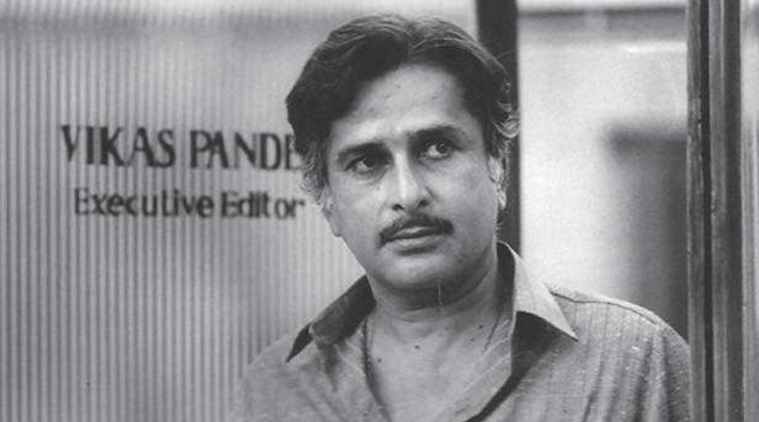
The plot of New Delhi Times revolves around a journalist named Vikas Pandey (Shashi Kapoor), who is the executive editor of a newspaper ‘New Delhi Times’.

The story begins with Vikas’s decision to investigate a communal riot that he witnesses during a trip to his hometown Ghazipur. The probe takes him to further investigate the connection between a case of a murder and the relation of the murder with two politicians – Ajit Singh (Om Puri) and Trivedi, who is the chief minister (CM) of the state. When Vikas is convinced that Singh is behind the riots and the murder, he decides to expose him by writing stories against him in his newspaper. It doesn’t go well with Singh, who in turn threats and pressurises the owner of New Delhi Times.

However, unperturbed by the threats, Vikas continues his expose, thereby drawing the ire of Singh and his goons, who assault him and his wife Nisha (played by Sharmila Tagore). The attacks make Vikas even more determined and this time he directly attacks Singh through his article.

The plot thickens when Vikas’s article is held back by his publisher and he threatens to resign if the article is not published. The climax is even more gripping, as the story takes a U-turn to end all the mysteries.

Big Lessons

The movie explains how a journalist can be used by the politicians and also highlights the nexus between the politicians and journalists. A major takeaway for the journos is that you should never decide in your mind about who is guilty and who is innocent. The  best thing about the movie was the way it shows how a journalist chases a story through which he/she can make or break anyone’s image.

The movie was the directorial debut of Ramesh Sharma for which he won the national award. The movie was written by Gulzar. Shashi Kapoor as Vikas Pandey, Sharmila Tagore as Nisha, Om Puri as Ajit Singh and Kulbhushan Kharbanda as J.K have given powerful performances. The dialogues such as ‘Divide and Rule angrezo ka formula nahi tha, Ek system ka formula hai. Hukumat ka formula hai’ (Divide and rule wasn’t the British formula, It is a system’s formula, a formula of rulers) by Vikas’s father on the Ghazipur communal riots is worth a mention.

Similarly, when the publisher refuses to publish Vikas’s story and says, “Main logo ko batana chahta hoon ki jab jab hamare mulk me dange fasaad hote hain unke peechhe kisi badi shaksiyat ya political party ka haath hota hai’ (I want to tell the people of this country, whenever any riot happens in the country then there is always a big political party’s hand behind it) depicts the views of the common man.

Pakistan arrests Pashtun rights activist Ali Wazir from Peshawar

Ali Wazir, a lawmaker and prominent ethnic Pashtun rights activist was arrested on Wednesday on unspecified charges. A police official who took part in the December 16 arrest in the northwestern city of Peshawar told News Intervention that Wazir was “wanted” in the port city of Karachi, where the police had been registered a case against him. Wazir would be transferred to Karachi, according to the police official. He refused to provide further details about the charges.

Ali Wazir, one of the leaders of the Pashtun Tahafuz Movement (PTM), was arrested while he was attending a public gathering marking the sixth anniversary of the massacre of more than 150 people at a Peshawar school in December 2014, according to Manzoor Pashteen, the civil rights group’s leader.

“The arrest of Ali Wazir in Peshawar is representative of the continuation of repression of state,” Manzoor Pashteen tweeted.

Manzoor Pashteen’s tweet about the arrest of Pashtun rights activist Ali Wazir

In a video uploaded on Twitter earlier in the day, Wazir had said police had barred him from entering Peshawar. His arrest comes days after the PTM staged a massive rally in Karachi on December 6.

International rights groups say Pakistani authorities have banned peaceful rallies organized by the PTM and some of its leading members have been arbitrarily detained and prevented from traveling within the country. Some members have also faced charges of sedition and cybercrimes.

Click on the YouTube link to watch our video report

The movement has campaigned since 2018 for the civil rights of Pakistan’s estimated 35 million ethnic Pashtuns, many of whom live near the border of Afghanistan where Pakistan Army had conducted numerous campaigns, which it claimed were to defeat the Pakistani Taliban.

But the PTM accuses Pakistan’s security services of cooperating with the “good Taliban” fighting in Afghanistan and allowing militants to return to the mountainous area.

The Pashtun Tahafuz Movement (PTM) has attracted tens of thousands of people to public rallies in recent years to denounce the powerful Pakistani Army’s heavy-handed tactics that have killed thousands of Pashtun civilians and forced millions more to abandon their homes since 2003.

PTM has been calling for the removal of military checkpoints in tribal areas and an end to “enforced disappearances,” in which suspects are detained by security forces without due process.

Pakistan’s government rejects allegations that its security forces cooperate with militants, pointing out that the military has lost thousands of soldiers fighting the Pakistani Taliban. It also denies intelligence agents are responsible for forced disappearances.

Disappearance of women and children by Pak Army is height of collective punishment: Dr. Murad Baloch

Dr. Murad Baloch, Secretary-General of Baloch National Movement, termed the abduction and forced disappearances of women and children from Gichk area of Panjgur as a continuation of collective punishment and said that such incidents had been happening frequently in Balochistan.

He added, “Pakistan is inflicting collective punishment on the Baloch nation through its horrific barbarism and genocide, so that the Baloch nation may give up its struggle for independence. But history has shown that nations cannot be suppressed by such crimes, instead, their faith is strengthened. They become aware of the fact that it is impossible to get rid of these atrocities without getting rid of this life of slavery.” Dr. Murad Baloch said that a young girl named Samani daughter of Shay Jan, Ajmal son of Shay Jan, Dur Mohammad son of Hassan and his wife Bibi Maryam, his youngest grandson Rashid son of Awaz, Muhammad Karim son of Yar Mohammad and his wife Shah Pari, Yarjan son of Dilmarad, Waheed son of Qadir Bakhsh, Saleem son of Muhammad, Nazir son of Umeed have been abducted by Pakistani Army from Gichk and transferred to secret cells.

Despite a lapse of several days, their whereabouts are still unknown. He said that with the onset of Musharraf’s imperialist plans to usurp Balochistan, began a renewed and never-ending cycle of Baloch genocide and war crimes. Initially, people were released half-dead after the worst punishment and inhumane torture. But over time, human rights violations in Balochistan took a terrible turn. During the PPP’s Zardari government, the “kill and dump” policy was an addition to it.

Nawaz Sharif continued these crimes and a process of burying people in mass graves started during his rule. His accompliance in these crimes was the then Chief Minister of Balochistan, Dr. Malik and Co. Today, he and his same National Party is trying to use the cases of Baloch enforced disappeared persons against Imran Khan’s government.

The BNM Secretary-General said that nothing has changed for the Baloch nation. The so-called Pakistani Prime Minister Imran Khan before becoming Prime Minister had said in his TV interviews about missing persons that if he were the Prime Minister, no one would be enforced disappeared in Balochistan. Of course, the Baloch nation was convinced at that time that these were all political slogans. Today, during the Imran Khan government, the policy of abduction took a new harsher shape, and women and children have become victims of enforced disappearances, a new addition to the previous policies.

This collective punishment is a brazen war crime. Dr. Murad Baloch concluded, “I appeal to local and international human rights organizations and activists to respond immediately as your silence encourages Pakistan to commit more heinous crimes. The biggest need of the hour is for all organizations and institutions to raise their voices to stop this unbridled and terrorist state from committing Baloch genocide.”