Home Blog

Over 2,000 illegal migrants settled in India since Myanmar coup

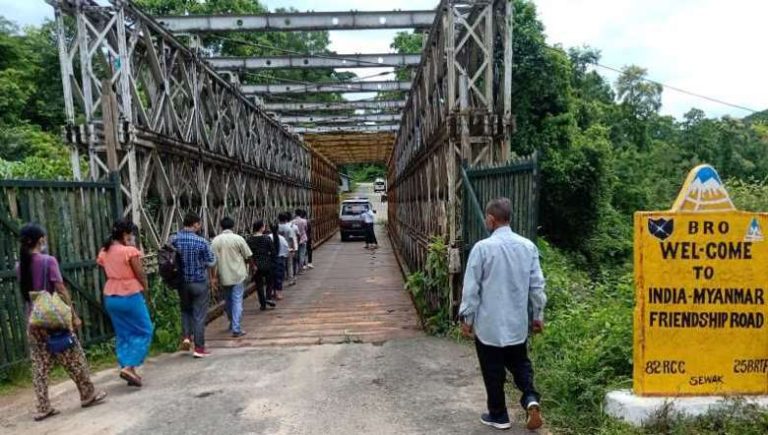
The Sub-committee of the Manipur Cabinet has revealed that 2,187 individuals from Myanmar, classified as illegal immigrants, have established settlements in 41 locations across four districts. The sub-committee, led by Letpao Haokip, the Minister of Tribal Affairs and Hill Development in its report stated that Tengnoupal had the highest number of 1,147 Myanmar nationals residing, followed by 881 in Chandel, 154 in Churachandpur, and five in Kamjong.

In March and April, the sub-committee, including state Ministers Awangbow Newmai and Thounaojam Basanta, visited the tribal-dominated districts. They met with the illegal immigrants, discussing providing humanitarian relief and shelters.

Prior to the outbreak of ethnic violence on May 3, the Manipur government had planned to identify and detain the Myanmar nationals who had sought asylum in the state.

Around 5,000 immigrants, including women and children, have fled from the conflict-ridden Myanmar since the coup by Myanmar Junta in February 2021.

Interestingly, the report is presented by CSC chaired by Letpao Haokip, who himself has aligned with the Kuki causes. He along with nine other tribal MLAs, has called for a separate administration in response to the ethnic violence that occurred on May 3. Among the ten MLAs, seven, including Haokip, belong to the BJP. Recently, Chief Minister N. Biren Singh attributed the ongoing unrest in the state to infiltrators from across the border and militants, emphasizing that it are not a conflict between two communities. Manipur shares a 398 km unfenced border with Myanmar.

Illegal immigration, a reality of decades

According to an official report, illegal immigrants’ identification created a panic among them. During the identification drive, it was observed that they not only have migrated to Manipur in large numbers but also have formed their own village. Concerned by this, government proposed building shelter homes for them. But the illegal immigrants strongly objected to it, contributing to the recent outbreak of violence, as mentioned in the report.

The report also highlights the impact of the Manipur government’s ‘War on Drugs’ campaign on the poppy cultivation and narcotics business run by Myanmar nationals in the state. Influential illegal poppy cultivators and drug lords from Myanmar, who have settled in Manipur, have fueled the recent violence.

Various Kuki Civil Society Organizations (CSOs) have accused the Manipur government of harassing Indian citizens under the pretext of identifying illegal immigrants. However, illegal immigration has been the reality of Manipur. Chins from Myanmar and Kukis belong to same Tibeto-Mongoloid race and hence have linguistic and cultural similarities. This makes it difficult to differentiate between them. Kukis have also been accused of supporting illegal immigration to change the demography of the region.

Joykishan Singh, JD(U)MLA of Manipur, had earlier stated in the Manipur Assembly that between 1971 to 2001, the population of the state grown by 153.3 per cent in the hill districts. However the rise per cent bounced to 250.9% between 2001 and 2011. The valley districts saw a population growth of 94.8% and 125.4% between the same periods respectively.

So far, the state has suffered alot by ethnic violence between the Meitei community, which is predominant in the valley, and the Kuki tribe, which is predominant in the hills. The violence has claimed the lives of over 120 people and left more than 400 injured, belonging to different communities.

Gulmarg Stands Tall. A Tribute to Bravery, Leadership, and Spirit of Selfless Service

0

The stunning mountains of Gulmarg, with snow-capped peaks touching the sky, attract thousands of tourists every year to witness the splendor of nature.


But a recent moment of uncertainty tested the mettle of visitors and rescuers alike. What started as a mechanical breakdown in one of the world’s highest cable car systems quickly turned into a huge rescue operation involving hundreds of people stuck at very high heights midair.


But what could have been a national catastrophe became a brilliant example of courage, readiness, leadership, and humanity.


A technical failure in the running of the Gulmarg Gondola suspended about 60 to 65 tourist-laden cabins in mid-air.


More than 300 passengers, including ladies (a few pregnant), children, and elderly individuals, were suddenly suspended above tough terrain, moreover, under bad weather conditions.


As each minute passed, the safety of those confined inside the cabins was becoming a concern as fear, uncertainty, and dread were beginning to grip those inside. It was a severe matter.

The ground under the gondola was rough. It was raining with a mild hailstorm, and night was falling. The risks would have been far worse if the response had been delayed.


But in this case, Bharat’s emergency response system rose to the occasion, proving its resilience, efficiency, and unshakable commitment to saving lives.

The Indian Army’s High Altitude Warfare School (HAWS), based in Gulmarg and famous across the world for its mountain warfare cum survival skills and rescue missions, sprang into action instantly under the able stewardship of its Commandant.


HAWS personnel, trained in some of the roughest weather and terrain conditions on earth, rushed to the scene without hesitation.
They were joined by the National Disaster Response Force (NDRF), State Disaster Response Force (SDRF), Jammu & Kashmir Police, civil administration, healthcare specialists, and local volunteers, all working towards one goal—getting each of the trapped tourists home safely.

The operation soon became a spectacular demonstration of teamwork and professionalism. Rescue teams developed communications networks and a coordinated command structure and sent trained individuals to the scene with superior mountain rescue equipment.


Teams were deliberately deployed from several directions, taking on steep gradients and harsh weather to reach trapped cottages to ensure multipoint and simultaneous rescue. Every step was measured, every movement thoughtful, every decision centered on saving human life.

Major General Puneet Doval, Commandant, High Altitude Warfare School, led this wonderful operation with total control and interagency synergy.

In an age of leadership that is generally linked with command posts and distant monitoring, Major General Doval personified the ageless military axiom of leading from the front.


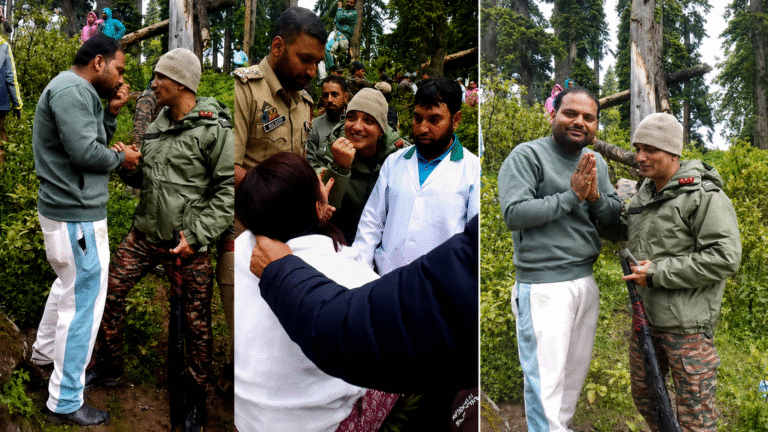
He was on the ground during the operation, personally supervising the rescue and coordinating among authorities and comforting rescued tourists experiencing PTSD.

His assurance gave the rescuers confidence and calmed frightened tourists who were watching in person the resolve of those working relentlessly for their safety.
The success of the procedure was not a coincidence. This was years of training, readiness, and institutional greatness coming together.

The High Altitude Warfare School has long been considered one of the world’s preeminent military schools for mountain warfare and high-altitude operations.

Soldiers train at HAWS to survive, operate, and perform rescue operations in places where even basic movement is difficult.


The Gulmarg rescue has once again demonstrated that such skill is not just the domain of military operations; it is equally critical in safeguarding civilian lives in times of crises.


What made the operation even more important was the faultless execution of the operation, especially when compared to a similar catastrophe in Murree, Pakistan, in January 2022.


A strong snowstorm trapped thousands of tourists in cold conditions, blocked roads, and brought transportation to a halt. As situations worsened, people found themselves stuck in cars for hours and, in many cases, overnight.

The accident killed at least 23, including women and children.
Later inquiries identified strategic, tactical, and operational failures that contributed to the loss of life.


Gulmarg faced a similar challenge. The combination of severe weather, stranded visitors, and possible risk to escalate could have easily turned into a catastrophe.


But it was an entirely unique outcome. Whereas Murree proved to be a terrible lesson in the price of lack of preparedness and delayed response, Gulmarg became a compelling example of how planning, coordination, and decisive leadership can save lives.
Each agency engaged had an important role to fulfill.

The Indian Army brought in unmatched skill and operational leadership.
HAWS workers used specific mountain rescue abilities gained over years of training.

The NDRF and SDRF teams offered crucial disaster response capabilities. The Jammu & Kashmir Police coordinated and provided safety for the public.
The civil administration provided logistical support and assistance.

Medical personnel were on standby to help the rescued individuals, while local volunteers were prepared to offer all necessary assistance.
Together they wove a seamless net of service and dedication.

Maybe the most astonishing feat of the mission was that it resulted in zero casualties, wherein
Rescue teams saved all the stuck tourists safely without a scratch. And every family went home.

All lives were secure. In disaster response work, the numbers often tell a clear story, and here the most significant figure was simple yet profound: not one life was lost.
There is a deeper story of humanity behind the technical success.

The rescue effort served as a reminder to the country that the men in uniform are so much more than border guards. They are guardians of human life, protectors of communities, and signs of confidence in times of distress.


Serving the nation is not limited to the battlefield, as Indian soldiers demonstrate time and again when responding to avalanches, floods, earthquakes, medical emergencies, or rescue operations in distant places.


Furthermore, the events at Gulmarg teach a significant lesson for modern disaster management. Natural disasters and emergencies may be inescapable, but tragedy need not be.

Effective leadership, ready institutions, coordination, and swift response between agencies can be the difference between calamity and survival.


The Gulmarg rescue effort shows how we should utilize these ideas in emergency situations. Today, the rescued tourists are telling their stories and are safely back in their homes.

The nation is deeply indebted to all the people who participated in this expedition.
To the brave soldiers of the Indian Army and the High Altitude Warfare School, to the personnel of NDRF and SDRF, to the officials of Jammu & Kashmir Police, to the civil administration, medical teams, and local volunteers—your dedication converted dread into hope and uncertainty into safety.


Major General Puneet Doval and the personnel of HAWS, Gulmarg, deserve special commendation for their leadership, knowledge, and commitment, which reflected the greatest traditions of military service.
They showed that real leadership is not about rank but about taking the lead when lives are at stake.


The Gulmarg Gondola rescue will not just be remembered as an emergency response operation but as a narrative of courage under duress, leadership in action, and humanity at its best.


It’s a monument to what can be done when institutions are prepared, leaders are bold, and rescuers put the safety of others ahead of their own comfort.


When danger came to the mountains of Kashmir, India’s rescuers didn’t question who needed aid, where they were from or what the challenges ahead were. They just kept going on. And their actions are why they will always be recognized as the real heroes of Gulmarg.

Athletics: Where Discipline Meets Determination

0


Athletics is more than a sport; it is a reflection of discipline, sacrifice, endurance, and determination. It shapes character, strengthens mental resilience, and inspires societies by proving that dedication and hard work can overcome even the most difficult circumstances. Across India, athletics and sports are increasingly becoming instruments of youth empowerment, national pride, and social transformation.

In border regions like Jammu Kashmir, where young people often face geographical isolation, limited opportunities, and socio-economic challenges, sports have emerged as a powerful force of hope and identity.


The true essence of athletics lies not merely in winning medals but in the spirit of persistence.

Every athlete represents years of sacrifice, rigorous training, emotional struggle, and silent determination.

Behind every success story is a family that supported dreams despite hardships, a coach who believed in talent, and an athlete who refused to surrender to limitations.


The border districts of Poonch and Rajouri have produced several remarkable athletes who continue to inspire the youth of Jammu & Kashmir.

Among them is Saqlain Tariq, a talented volleyball player from the border district of Poonch who represented India at the national level. His journey from a remote border region to the Indian national team reflects the immense sporting potential that exists in Jammu Kashmir despite limited infrastructure and opportunities.
Similarly, Abhilove Kour has become a symbol of determination and women empowerment.

Having participated in 14 national-level hockey tournaments, she later earned selection in India’s international Lacrosse team. In 2025, she represented India in Saudi Arabia, where the Indian team defeated Pakistan in the finals, bringing pride and recognition to the nation.

Her achievement demonstrated not only sporting excellence but also the rising role of women athletes from Jammu & Kashmir in representing India on international platforms.
However, her story also exposes a painful reality. In a country where slogans such as “Beti Bachao Beti Padhao” are widely promoted, many talented female athletes still struggle to receive meaningful institutional support.

Despite verbal encouragement from various offices and authorities, the financial and logistical support required for international preparation often remains absent.

Today, Abhilove Kour is preparing for pre-Olympic competitions in Australia, yet athletes like her continue to depend largely on personal struggle and limited resources.

If India truly wishes to become a global sporting power, governments and institutions must ensure that talented athletes are supported not only through speeches and campaigns but through concrete assistance, sponsorships, training infrastructure, and long-term career security.

Another shining example is Tajamul Islam, who has brought laurels to Jammu Kashmir and the nation through her achievements in international kickboxing championships.

Rising from humble beginnings, Tajamul Islam became an inspiration for young girls across India by proving that courage and determination can defeat every social and economic barrier.
The contribution of soldiers in sports also deserves recognition. Chain Singh of the Indian Army has earned recognition for India in athletics through exceptional dedication and discipline.

The armed forces have historically played a crucial role in promoting sports culture in India by nurturing athletes from remote and rural regions, especially border areas where opportunities are limited.
Beyond these names, countless young athletes from Jammu Kashmir continue preparing quietly for national and international competitions. Many train without proper stadiums, advanced coaching facilities, sports equipment, nutritional support, or sponsorship. Yet their determination remains unbroken.

They run on uneven grounds, practice in difficult weather conditions, and continue chasing dreams while carrying the hopes of their families and communities.
Sports in Jammu & Kashmir have also become a powerful response to social challenges such as drug abuse, frustration, unemployment, and violence. Athletics provides youth with discipline, focus, and a constructive direction.

A young athlete preparing for a competition is less likely to fall into destructive influences because sports instill self-respect, ambition, and purpose.
Athletics also strengthens national integration. When athletes from border villages wear the Indian jersey and compete internationally, they become ambassadors of unity and patriotism.

Their victories send a strong message that talent exists in every corner of India and that border youth are equally capable of bringing glory to the nation.
Despite recent improvements in India’s sports ecosystem through initiatives such as Khelo India and Fit India, much more needs to be done at the grassroots level.

Border districts require modern stadiums, athletic tracks, indoor sports facilities, women-specific sports programs, scholarships, nutrition support systems, physiotherapy centres, and transparent talent identification mechanisms.

Special attention must be given to athletes from economically weaker backgrounds who often discontinue their sporting careers due to financial pressures.
Women athletes in particular need stronger institutional protection and encouragement. Safety, travel support, sponsorship opportunities, educational flexibility, and family counseling programs can significantly improve female participation in sports.

Real empowerment is achieved not through slogans alone but through action that enables talented girls to pursue their dreams without barriers.
Athletics ultimately teaches society the values of perseverance, discipline, sacrifice, teamwork, and national pride.

Every athlete who rises from a remote village or border district becomes a symbol of hope for thousands of other young people.

Their success proves that talent does not depend upon geography or privilege; it depends upon opportunity and determination.
Where discipline meets determination, champions emerge.

And when a nation stands behind its athletes with sincerity and commitment, sports become not only a source of medals but a foundation for stronger, healthier, and more united societies.

BRO: Building Borders, Strengthening Bharat : The Silent Warriors of India’s Frontiers

0

The Border Roads Organisation (BRO) stands as one of India’s greatest symbols of resilience, strategic vision, and national commitment.

In the harsh terrains of Jammu & Kashmir, Ladakh, Arunachal Pradesh, and other frontier regions, where nature itself becomes an obstacle, BRO has emerged as the force that transforms isolation into connectivity and uncertainty into confidence.

Every road laid across icy mountains, every bridge erected over dangerous rivers, and every tunnel carved through rocky passes reflects not merely engineering skill, but the spirit of India’s determination to safeguard and develop its border regions.
Established in 1960, the BRO was created with the objective of strengthening India’s border infrastructure in strategically sensitive regions.

Over the decades, the organisation evolved into a critical pillar of national security and regional development.

In Jammu Kashmir and Ladakh, BRO projects have significantly improved mobility for the armed forces while also bringing socio-economic transformation to remote civilian populations.

Roads that once remained inaccessible for months due to snow are now witnessing greater connectivity, tourism, healthcare access, educational opportunities, and economic activity.


The strategic role of BRO becomes especially significant in regions bordering Pakistan and China. Infrastructure in border areas is directly linked to defence preparedness, troop mobilization, logistics, and operational readiness.

Roads such as the Darbuk-Shyok-Daulat Beg Oldie (DSDBO) road in Ladakh have dramatically enhanced military access near the Line of Actual Control.

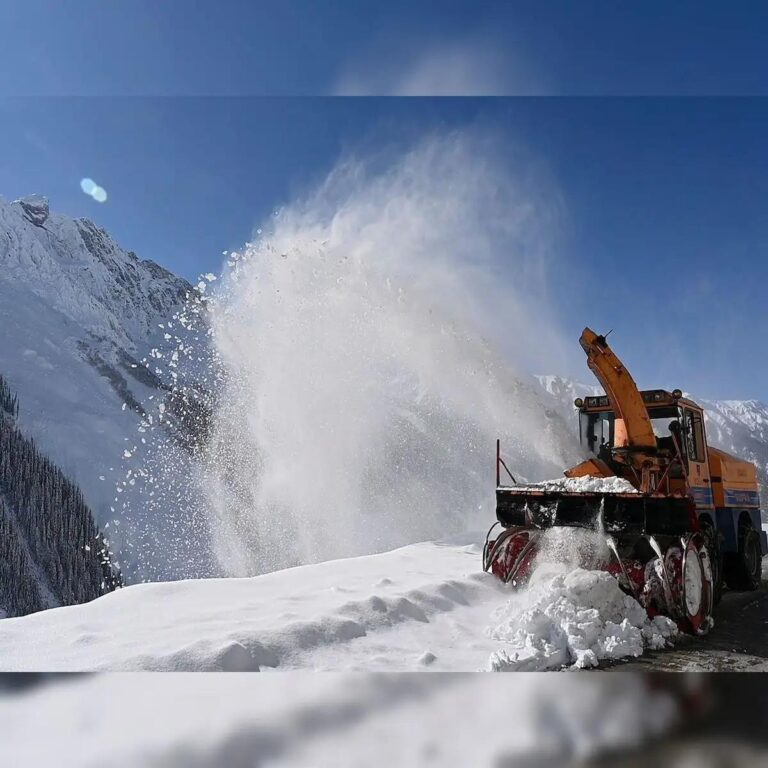
Similarly, rapid snow-clearance operations at passes like Zojila ensure uninterrupted connectivity between Kashmir and Ladakh, demonstrating the operational capability and commitment of BRO personnel working in extremely hostile conditions.


Beyond defense, the BRO has become a catalyst for economic growth and national integration. Improved roads encourage tourism, trade, transport, and local entrepreneurship. Remote villages that were once cut off from mainstream development are now connected to markets, hospitals, schools, and administrative centers.

The psychological impact of such connectivity is equally important because infrastructure development reinforces the feeling of inclusion among people living in distant border regions.


An important and often overlooked aspect of BRO’s functioning is the growing role of outsourcing and consultancy-based execution in infrastructure development.

Due to the technical complexity of modern highway and tunnel projects, BRO increasingly relies upon specialised consultancy firms for alignment studies, topographical surveys, geotechnical investigations, DPR preparation, tunnel designs, environmental clearances, structural engineering, and project management support.

Tender and consultancy documents related to BRO projects clearly show that private consultants are engaged for tasks such as highway alignment planning, detailed project reports, bridge designs, LiDAR surveys, land acquisition studies, environmental clearances, material testing, and software-based project management systems.


Official consultancy tenders associated with BRO projects reveal that consultants are entrusted with detailed alignment verification, tunnel design expertise, topographical surveys using advanced LiDAR technology, geotechnical investigations, environmental clearances, and preparation of technical schedules and contract documentation.

These consultancy arrangements enable BRO to combine military discipline and operational capability with specialised private-sector expertise and modern engineering practices.
The outsourcing of technical and consultancy works are becoming increasingly necessary because infrastructure projects in Himalayan regions require advanced technologies, specialised manpower, environmental compliance mechanisms, and sophisticated survey methods that demand multidisciplinary expertise.

BRO’s integration of consultancy services must reflect the modernisation of India’s border infrastructure ecosystem and demonstrate how strategic projects today involve collaboration between government agencies, engineers, consultants, technology providers, and field experts.

While such outsourcing may be intended to bring technical expertise and accelerate execution, it simultaneously raises serious concerns regarding the protection of sensitive strategic information.


The concern is not about development itself, but about the potential vulnerability created when highly sensitive geographical, military, and logistical information is shared across multiple private stakeholders.

Alignment maps, tunnel locations, alternative military routes, bridge load capacities, terrain vulnerabilities, soil stability reports, and strategic connectivity corridors are not ordinary engineering details.

In border regions, such information may reveal military movement capabilities, supply routes, operational access points, and emergency mobilization plans.
Infrastructure in frontier regions operates within a strategic security ecosystem. Roads constructed by BRO are often used for troop deployment, ammunition transport, heavy military logistics, evacuation operations, and surveillance mobility.

If sensitive technical data related to such projects is widely circulated among consultants, subcontractors, survey teams, software vendors, and outsourced agencies without stringent oversight mechanisms, the risk of information leakage increases significantly.
India today faces complex security challenges, including cross-border terrorism, cyber espionage, satellite surveillance, and intelligence gathering by hostile agencies.

In such an environment, unrestricted outsourcing in strategic infrastructure projects requires serious scrutiny. Even if no deliberate compromise occurs, excessive dependence on external entities may unintentionally expose critical vulnerabilities related to India’s border preparedness.
The issue becomes even more significant because modern infrastructure projects rely heavily on digital mapping technologies, GPS systems, drone surveys, cloud-based project management tools, and online tendering platforms.

Sensitive terrain data stored digitally may become vulnerable to cyber threats, unauthorized access, or external interception if robust security protocols are not enforced.

Strategic road alignments and tunnel designs in border areas should therefore be treated with the same level of confidentiality as defense-related operational information.
This does not mean that private expertise has no role in infrastructure development. Advanced engineering projects often require specialised technical knowledge, modern surveying technology, and scientific expertise that external consultants can provide. However, there is a growing need for strict institutional safeguards, classified data protocols, background verification systems, cybersecurity audits, and enhanced military oversight over all outsourced works connected to strategic infrastructure.


Several experts have argued that highly sensitive alignment planning, tunnel designs, alternate route mapping, and military logistics corridors should preferably remain under direct governmental and defense supervision instead of extensive private handling.

National security cannot be compromised in the pursuit of faster execution or administrative convenience.
The BRO has historically earned respect because of its discipline, operational secrecy, and strategic reliability.

Its personnel have worked under hostile conditions with dedication and patriotism for decades.

Therefore, preserving the strategic integrity of BRO projects is equally important as expanding infrastructure itself.


India’s border infrastructure development must continue at full speed, but the process should ensure that national security considerations remain paramount. Development and security must move together. The challenge before policymakers is to strike a balance between technological modernization and strategic confidentiality.

The mountains of Ladakh, Kashmir, and other frontier regions are not merely construction zones; they are national security frontiers. Every road, bridge, and tunnel in these regions carries strategic significance.

Protecting the confidentiality of infrastructure designs, alignments, and operational details is therefore not just an administrative necessity it is a national responsibility.

Protecting Young Minds: Fighting Drugs in Jammu and Kashmir Through Education : Nasha Mukht Jammu Kashmir

0

The problem of drugs in Jammu and Kashmir is very serious. It is not just a crime or a bad habit.

It is a danger to the health of people, safety of society, future of our youth, and peace of the entire region.

Many young boys and even girls in Jammu and Kashmir are falling into drug addiction. Some take drugs because of stress, unemployment, or bad company.

Others are tempted by dealers who make it look fashionable or a way to escape problems. Many families do not even know that their children are using drugs until it becomes too late. Drug addiction destroys the body and mind.

It damages the heart, brain, liver, and weakens a person’s thinking. Addicted people lose interest in studies, work, or relationships. They fight with families, steal money for drugs, and sometimes get involved in crime.

Drug addiction also spreads diseases when people share needles. Families suffer emotionally and financially. In Jammu and Kashmir, where family bonds are strong, addiction brings shame, sadness, and helplessness.

It also affects the entire society because addicted youth cannot contribute to development, peace, or progress. Another big problem is that drugs are also being used to harm the region from outside.

Pakistan-based smugglers and terror groups are pushing drugs into Jammu and Kashmir to destroy young minds and to earn money for terror activities.

They use drones, secret routes, and local networks to spread heroin, charas, and other harmful substances. This is called narco-terrorism. Their aim is to weaken the youth, break social harmony, and disturb peace in Jammu and Kashmir.

But there is also hope. The government, Indian Army, Jammu and Kashmir Police, Anti Narcotics Task Force, schools, and many social groups are fighting back.

They are trying to stop the supply of drugs, spread awareness, treat addicted people, and save the future of our youth.

The Anti Narcotics Task Force is a special team of Jammu and Kashmir Police that catches drug smugglers, blocks drug supply, and finds out which gangs are supplying drugs from outside and inside the region.

They have arrested many peddlers, seized large quantities of heroin, and broken many drug networks. The Indian Army is also doing an important job.

Army troops guard the borders and stop smugglers from bringing drugs into Jammu and Kashmir. They have caught large drug consignments and noticed how drones from across the border are used to drop drugs.

The Army also conducts awareness camps, sports events, and youth programs to keep young people active and away from drugs. The Government of India has started the Nasha Mukt Bharat Abhiyaan, which means Drug-Free India Campaign.

Under this campaign, schools, colleges, and social groups organize workshops, rallies, street plays, and counselling sessions. They teach youth about the dangers of drugs and guide them towards good habits, sports, and skill development.

The Government of Jammu and Kashmir also has its own mission called Nasha Mukt Jammu Kashmir Abhiyaan.

This mission encourages teachers, parents, religious leaders, health workers, and community members to work together to protect young people. They conduct village meetings, school programs, and treatment camps.

Officials are also opening de-addiction centers in hospitals where addicted youth receive medical treatment, psychological counselling, and training to restart a normal life.

But the strongest and most long-term solution is education. Education does not only mean studying books. It means teaching children about right and wrong, healthy living, emotional strength, and decision-making. When students know how drugs destroy life, they are less likely to try them.

When teachers and parents talk openly about addiction, children feel safe to ask questions and share problems. When schools include life skill lessons, mental health support, and sports activities, young people find purpose, confidence, and happiness.

They do not feel the need to escape into drugs. Education also helps society understand that addiction is not always a crime.

It is often a disease, and people need help to recover. When society supports recovering addicts instead of judging them, they have a better chance of starting a new life. Education helps remove stigma and builds kindness, care, and unity.

We must also understand that only police action or army security cannot completely solve this problem.

If there is demand, someone somewhere will supply drugs. That is why we must stop demand through awareness, discipline, emotional support, and hope. Young people must feel that they have opportunities, dreams, and a purpose in life.
When youth feel strong and hopeful, they reject drugs naturally. Yes, there are challenges.

Education and awareness take time. Some schools and families still avoid talking about addiction. Some people feel ashamed to seek help. But slowly, attitudes are changing. More families are coming forward for treatment.

More children are saying no to drugs. More communities are joining awareness drives. This change must grow. Jammu and Kashmir is going through an important time in history. Roads, bridges, tourism, farming, business, and technology are improving. But the real future depends on the mental and physical health of its youth.

If young people are healthy, educated, strong, and drug-free, Jammu and Kashmir will rise as a model of peace and progress. If they fall into addiction, no development will be meaningful.

The fight against drugs is not only a police duty. It is a duty of every teacher, every parent, every religious leader, every soldier, every doctor, and every youth.

Together, with firm action, kind support, and strong education, we can protect our children from drugs and protect Jammu and Kashmir’s future.

Haq Insaaf Council Submits Representation to Divisional Commissioner Kashmir on Illegal Land Deals and Constructions

0

Demanded Implementation of RERA in letter and Spirit

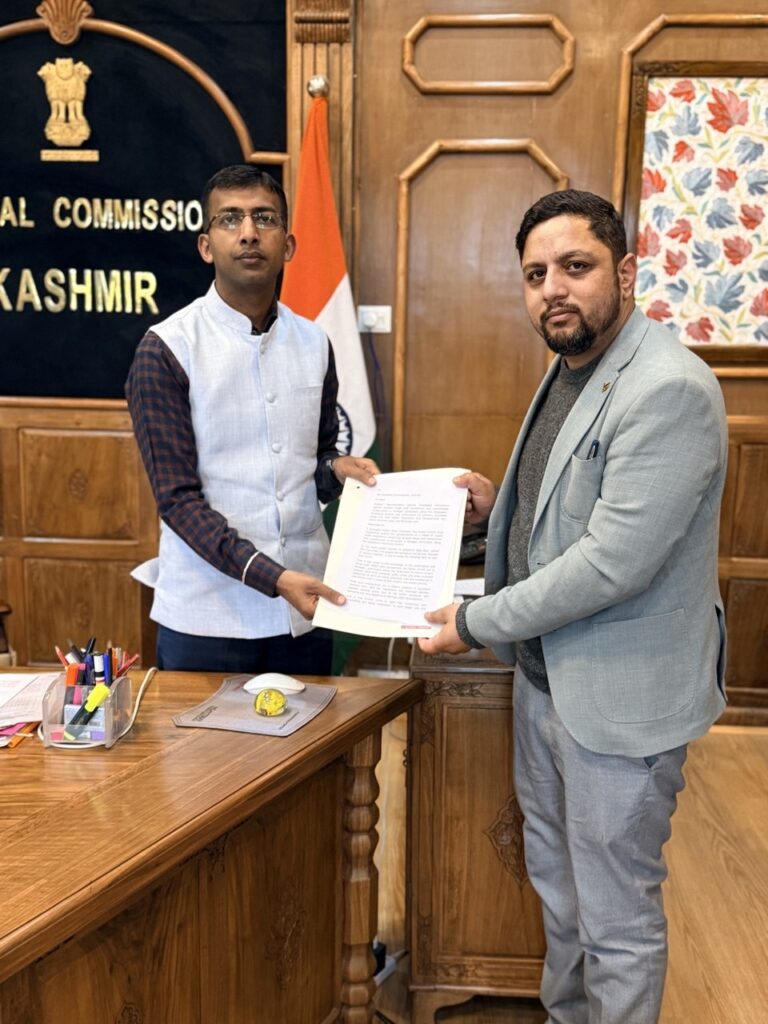
Advocate Zeshan Syed, Chairman of Haq Insaaf Council, today called upon the Divisional Commissioner Kashmir and submitted a detailed representation highlighting the alarming rise in illegal land transactions and unauthorized constructions in Srinagar, particularly along the Hyderpora–Humhama stretch.

During the meeting, Advocate Zeshan Syed brought to the notice of the Divisional Commissioner the existence of a well-organized nexus of land brokers and certain officials allegedly involved in the illegal sale of state land, wetlands, buffer zones, and other protected categories of land.

He emphasized that such activities are in blatant violation of revenue and municipal laws, causing huge losses to the public exchequer and undermining the rule of law.

The representation also highlighted the growing concern of large-scale cash transactions in land dealings, which not only facilitate black money circulation but also pose serious security implications.

Advocate Zeshan Syed stressed that unauthorized constructions in environmentally sensitive areas are severely damaging Srinagar’s fragile ecology and increasing the risk of urban flooding.

He urged the Divisional Commissioner to take immediate and decisive action, including the constitution of a high-powered committee to investigate illegal land transactions and constructions, particularly in the Hyderpora–Humhama corridor.

He further demanded strict implementation of the Real Estate (Regulation and Development) Act (RERA), identification and registration of all land brokers, and stringent action against those operating without licenses.

Advocate Zeshan Syed also called for an immediate halt to all unauthorized constructions and sought directions to the Srinagar Municipal Corporation to enforce building regulations in letter and spirit. He emphasized the need for fixing accountability and retrieving illegally occupied state land.

The Divisional Commissioner gave a patient hearing to the concerns raised and assured that appropriate and necessary action will be initiated in accordance with law.

Reaffirming his commitment to justice and public welfare Advocate Zeshan Syed stated that Haq Insaaf Council will continue to raise issues affecting common citizens and work towards transparency, accountability, and protection of the environment.

Social Justice in Action: Evaluating Welfare Schemes in J&K

0

Social justice is not merely an abstract ideal rooted in constitutional philosophy; it must be visible in governance, policy execution, and everyday life. In Jammu & Kashmir, where history, geography, and conflict intersect, the pursuit of social justice carries deeper importance. Welfare schemes introduced by central and local governments aim to reduce disparities and uplift marginalized communities. Their effectiveness depends on reach, impact, and real transformation at the grassroots level.

The socio-economic fabric of Jammu & Kashmir reflects both diversity and disparity. Urban areas have seen development and improved services, while rural and border regions still face serious challenges. Areas like Poonch, Rajouri, Doda, Kishtwar, Kupwara, and Bandipora struggle with limited infrastructure and accessibility. Welfare schemes in such regions act as lifelines, bridging the gap between opportunity and deprivation.

Financial inclusion and poverty alleviation have been key focus areas. Direct financial aid, employment schemes, and banking access have empowered weaker sections. Expansion of banking networks and self-help groups has integrated rural populations into formal financial systems. This shift has improved transparency, security, and access to credit for many households.

Employment generation programs, especially in rural areas, have created both income and infrastructure. Initiatives have led to the construction of roads, irrigation systems, and community assets. In a region facing seasonal unemployment and limited industrial growth, such schemes provide a crucial safety net and long-term benefits.

Agriculture remains the backbone of the region’s economy, supported by various welfare measures. Farmers benefit from subsidies, insurance, and productivity initiatives. Horticulture has emerged as a strong sector, especially in apple and saffron cultivation. These interventions have increased income and diversified rural livelihoods.

Education and healthcare form the foundation of social justice. New schools, colleges, and skill centers have expanded opportunities for youth. Scholarships ensure that financial constraints do not block education. In conflict-affected areas, these initiatives restore continuity and hope.

Healthcare improvements include expanded infrastructure and insurance schemes, reducing financial burden on families. Mobile medical units have reached remote areas, overcoming geographic challenges. Preventive care and awareness campaigns have also improved overall health outcomes.

Women’s empowerment has become central to welfare efforts. Programs supporting self-help groups, skills, and entrepreneurship have increased women’s participation in the economy. Initiatives focusing on education, health, and safety have strengthened their role as agents of change.

Special attention has been given to marginalized communities like Gujjars and Bakarwals. Mobile schools, healthcare services, and livelihood support address their nomadic lifestyle challenges. These targeted interventions ensure inclusivity in the pursuit of social justice.

Infrastructure development has played a transformative role. Roads, electricity, water supply, and digital connectivity have improved living standards. Border regions are now better connected to markets, education, and healthcare systems, strengthening integration and economic growth.

Despite progress, challenges remain in implementation, awareness, and monitoring. Many beneficiaries are unaware of schemes or face bureaucratic barriers. Improving transparency, accountability, and efficiency is essential for better outcomes.

Community participation is crucial for success. Welfare schemes are most effective when aligned with local needs. Panchayati Raj institutions can bridge the gap between government and people, ensuring better planning and implementation.

Technology has enhanced welfare delivery through direct benefit transfers and digital monitoring. These systems reduce leakages and improve efficiency. However, bridging the digital divide remains necessary to ensure inclusivity.

Welfare schemes also contribute to peace and stability. By addressing socio-economic gaps, they reduce alienation and create opportunities. For youth, access to education and employment serves as a positive alternative to negative influences.

Social justice is an ongoing process requiring continuous evaluation and adaptation. Policies must evolve with changing needs. Collaboration between government, civil society, and communities is essential for sustained impact.

Jammu & Kashmir stands at a critical juncture, balancing progress with persistent challenges. Strengthening institutions, raising awareness, and ensuring accountability will unlock the full potential of welfare schemes.

Ultimately, social justice is about transforming lives and ensuring dignity for every individual. The success of welfare schemes must be measured not only by numbers but by the empowerment and hope they bring.

Access to Justice: Role of Legal Aid Cells & Lok Adalats in Jammu Kashmir

0

Access to justice is the cornerstone of any democratic society governed by the rule of law. It reflects not only the existence of laws and institutions but also the ability of individuals, regardless of their socio-economic status, to seek and obtain remedies through formal or informal justice mechanisms.

In a region like Jammu Kashmir, with its unique socio-political history, geographical challenges, and periods of prolonged conflict, ensuring access to justice has always been both a necessity and a challenge.

Over the years, institutions such as legal aid cells and Lok Adalats have emerged as crucial pillars in bridging the gap between the justice delivery system and the common people, particularly those belonging to marginalized and vulnerable sections of society.

The concept of legal aid in India is rooted in the constitutional vision of equality before law and equal protection of laws.

It draws strength from the fundamental rights framework, particularly the guarantee that no person shall be denied justice due to economic or other disabilities.

In Jammu Kashmir, where large sections of the population reside in remote, border, and hilly areas, the importance of accessible legal services becomes even more pronounced.

For many individuals, especially those living in districts like Poonch, Rajouri, Doda, Ramban, Reasi and Kishtwar, physical access to courts itself can be a daunting task, let alone navigating the complexities of legal procedures.  Legal aid cells, functioning under the aegis of the Legal Services Authorities at various levels, have played a transformative role in addressing these challenges.

These cells are tasked with providing free legal assistance to eligible individuals, including women, children, scheduled tribes, economically weaker sections, and victims of conflict and violence.

Their role extends beyond mere representation in courts; they also engage in legal awareness, counselling, and pre-litigation support. In Jammu Kashmir, where lack of awareness about legal rights often compounds issues of injustice, such outreach efforts are of immense significance.

The evolution of legal aid in the region has been marked by a gradual expansion of both infrastructure and outreach. District Legal Services Authorities have been established to ensure that services reach the grassroots level.

Legal aid clinics in villages and educational institutions serve as the first point of contact for many individuals seeking guidance. Para-legal volunteers, often drawn from local communities, act as a bridge between the people and the formal legal system. Their familiarity with local languages, customs, and socio-cultural dynamics enhances their effectiveness in disseminating legal knowledge and facilitating access to services. In conflict-affected areas, the role of legal aid assumes an added dimension.

Individuals affected by cross-border shelling, displacement, loss of property, or detention require timely legal intervention to safeguard their rights. Legal aid cells have been instrumental in assisting such individuals in securing compensation, filing claims, and navigating administrative processes.

They also play a crucial role in ensuring that the rights of detainees are protected and that due process is followed. In this context, access to legal representation is not merely a procedural requirement but a safeguard against potential misuse of power. Parallel to the formal legal aid framework, Lok Adalats have emerged as an effective alternative dispute resolution mechanism that emphasizes speed, accessibility, and amicable settlement.

The concept of Lok Adalat, or people’s court, is deeply rooted in the traditional practices of community-based dispute resolution. It has been institutionalized to provide a platform where disputes can be resolved through compromise and mutual consent, without the need for prolonged litigation. In Jammu Kashmir, Lok Adalats have gained prominence as a means of reducing the burden on courts while delivering timely justice to the people.

The functioning of Lok Adalats is characterized by simplicity and informality. Proceedings are conducted in a manner that is less intimidating than conventional courtrooms, encouraging participation from individuals who might otherwise be hesitant to engage with the legal system.

Cases commonly taken up in Lok Adalats include matrimonial disputes, motor accident claims, land and property disputes, and matters related to public utilities. The emphasis is on achieving a resolution that is acceptable to all parties, thereby preserving relationships and promoting social harmony.

One of the key advantages of Lok Adalats is their ability to provide expeditious justice. In a system where delays in courts can often stretch over years, the swift resolution of disputes through Lok Adalats offers much-needed relief to litigants.

The decisions, or awards, passed by Lok Adalats are deemed to be decrees of civil courts and are binding on the parties. Importantly, there is no provision for appeal against such awards, which underscores the finality of the settlement and reduces the likelihood of prolonged legal battles.

In Jammu & Kashmir, the impact of Lok Adalats has been particularly significant in addressing the backlog of cases and in providing relief to individuals who may not have the resources to pursue lengthy litigation.
Mega Lok Adalats and special drives have been organized periodically to dispose of large numbers of cases in a single day. These initiatives not only enhance efficiency but also reinforce public confidence in the justice delivery system.

For many individuals, especially in rural and border areas, Lok Adalats represent a practical and accessible avenue for resolving disputes.

The synergy between legal aid cells and Lok Adalats is a defining feature of the justice delivery framework in the region.

Legal aid cells often identify suitable cases for settlement through Lok Adalats and facilitate the process by providing counseling and support to the parties involved.

This integrated approach ensures that individuals are not only aware of their rights but also have access to mechanisms that can deliver timely and effective remedies.

It reflects a shift from a purely adversarial system to one that prioritizes resolution and reconciliation.

Despite these advancements, challenges remain in ensuring universal access to justice in Jammu & Kashmir. Geographical barriers, limited infrastructure in remote areas, and occasional lack of awareness continue to impede the reach of legal services.

Additionally, socio-cultural factors, including stigma and reluctance to engage with formal institutions, can deter individuals from seeking legal remedies. Addressing these challenges requires sustained efforts to strengthen institutional capacity, expand outreach, and build trust within communities.

The role of technology in enhancing access to justice is increasingly being recognized. Digital platforms have the potential to bridge distances and to bring legal services closer to the people.

Online legal aid applications, virtual hearings, and digital awareness campaigns can significantly improve accessibility, particularly in remote and underserved areas.

In the context of Jammu Kashmir, where terrain and weather conditions can often disrupt connectivity, leveraging technology can play a transformative role in ensuring continuity and reach of services.

Another critical aspect is the need for continuous training and capacity building of legal aid providers and para-legal volunteers. Ensuring that they are equipped with up-to-date knowledge and skills is essential for maintaining the quality and effectiveness of services.

Collaboration with civil society organizations, educational institutions, and community leaders can further enhance the impact of legal aid initiatives. Such partnerships can help in identifying local issues, tailoring interventions, and fostering a culture of legal awareness and empowerment.

The importance of access to justice extends beyond individual cases; it is integral to the broader goals of social justice and inclusive development. When individuals are able to assert their rights and seek remedies, it contributes to the strengthening of democratic institutions and the rule of law.

In a region like Jammu Kashmir, where the legacy of conflict has left deep imprints on society, the availability of accessible and effective justice mechanisms is essential for building trust and fostering stability.

Legal aid cells and Lok Adalats, in this context, are not merely institutional mechanisms; they are instruments of empowerment. They provide a voice to those who might otherwise remain unheard and offer pathways to resolve disputes in a manner that is both just and humane.

Their continued evolution and strengthening are vital for ensuring that the promise of justice is not confined to statutes and courtrooms but is realized in the everyday lives of the people.

As Jammu Kashmir continues its journey towards peace and development, the role of accessible justice systems will remain central.

The challenges are significant, but so are the opportunities. By building on the foundations already laid and by embracing innovation and inclusivity, the region can move closer to a future where justice is not a privilege but a right that is truly accessible to all.

From Pahalgam to Poonch: Understanding the Changing Nature of Terrorism in JK

0

Jammu Kashmir, often celebrated as the crown jewel of India, has long stood at the crossroads of history, geopolitics, and conflict. From the serene valleys of Pahalgam to the rugged and strategically sensitive terrains of Poonch along the Line of Control, the region has witnessed a complex and evolving security landscape.

Terrorism in Jammu Kashmir today is not the same phenomenon that emerged in the late 1980s. It has transformed in its methods, objectives, and operational structures, reflecting broader global trends while retaining its unique regional characteristics. Understanding this transformation is essential to grasp the realities of the present and to shape a more secure and stable future.

The origins of terrorism in Jammu Kashmir can be traced back to a mix of political discontent, perceived injustices, and external interference. In its early phase, the insurgency had a distinctly local character, with many young individuals from within the Valley taking up arms.

The motivations were varied, ranging from political aspirations to ideological influences, and the movement initially relied heavily on local support networks. However, as time progressed, the dynamics began to shift.

The involvement of external actors, particularly Pakistan-based terror organizations, altered the nature of the conflict significantly. Groups such as Lashkar-e-Taiba and Jaish-e-Mohammed brought with them not only resources and training but also a more radical and transnational ideology that redefined the contours of terrorism in the region.

By the early 2000s, the conflict had entered a phase where foreign terrorists played a dominant role. The tactics employed during this period became more sophisticated and lethal, including high-profile suicide attacks targeting security installations and government institutions. Border districts like Poonch and Rajouri gained prominence as key infiltration routes, owing to their challenging terrain, dense forests, and proximity to the Line of Control.

These areas, which had historically experienced sporadic violence, began to feature more prominently in the security discourse as infiltration attempts increased. In recent years, however, the nature of terrorism in Jammu & Kashmir has undergone another significant transformation.

What has emerged is a more decentralized and diffused form of terrorism, often described as hybrid terrorism. This new model blurs the lines between civilians and militants.

Individuals who appear to lead normal lives may suddenly engage in acts of violence and then return to anonymity, making detection and prevention exceedingly difficult.

This shift has introduced a new level of unpredictability and has challenged traditional counter-insurgency frameworks. Alongside hybrid militancy, the rise of lone-wolf attacks has added another layer of complexity. Influenced by global extremist narratives and often radicalized through online platforms, individuals can carry out attacks with minimal logistical support. This reduces the need for organized networks and makes it harder for security agencies to intercept plans before they are executed.

The increasing use of digital tools for communication, propaganda, and recruitment has turned cyberspace into a critical battleground. Social media platforms and encrypted messaging applications are now being used not only to coordinate activities but also to shape perceptions and influence vulnerable minds.

Another disturbing trend in the evolving landscape of terrorism in Jammu Kashmir is the rise in targeted civilian killings. These attacks are often aimed at minorities, migrant workers, and local representatives who are seen as symbols of stability and normalcy.

The objective is not merely to inflict physical harm but to create an atmosphere of fear and uncertainty, thereby disrupting the social fabric of the region. Such acts highlight a strategic shift towards psychological warfare, where the impact of violence extends far beyond the immediate victims. Geographically, there has been a noticeable shift in the focus of terrorist activities.

While South Kashmir once served as the epicentre of insurgency, increased counter-insurgency pressure in the Valley has led to a redistribution of terrorist’s presence towards border districts such as Poonch and Rajouri. These regions offer certain tactical advantages, including easier access for infiltration and natural cover provided by forests and mountainous terrain.

The recent surge in encounters and ambushes in these areas suggests a deliberate attempt to expand the conflict zone and to test the resilience of regions that have traditionally remained relatively stable. One of the most alarming dimensions of this evolving threat is the nexus between terrorism and narcotics trafficking.

The phenomenon of narco-terrorism has emerged as a dual-edged strategy aimed at both financing militant activities and weakening society from within. Drugs smuggled across the border are used to generate funds for terror operations while simultaneously targeting the youth, leading to addiction and social decay.

This convergence of security and social challenges underscores the need for a holistic approach that addresses both aspects simultaneously. The role of technology in shaping modern terrorism cannot be overstated.

The digital age has enabled militants to operate with greater anonymity and efficiency. Encrypted communication channels allow for secure coordination, while social media platforms serve as powerful tools for propaganda and recruitment.

The ability to disseminate content rapidly and widely has amplified the reach of extremist narratives, making it imperative for counter-terrorism strategies to incorporate digital intelligence and cyber capabilities.Pakistan’s strategy in Jammu Kashmir has also evolved in response to changing circumstances. While direct infiltration and large-scale operations have declined due to increased international scrutiny, there has been a shift towards more covert and innovative methods.

The use of drones for the delivery of arms and narcotics, the encouragement of local recruitment, and the emphasis on hybrid terrorism is all indicative of an adaptive approach aimed at sustaining the conflict while maintaining plausible deniability. This underscores the persistent challenge posed by cross-border support for terrorism, even as its manifestations continue to change.

In response to these evolving threats, India has adopted a multi-faceted counter-insurgency strategy that combines military precision with community engagement and technological innovation. Intelligence-based operations have become the cornerstone of security efforts, enabling targeted actions that minimize collateral damage.

At the same time, initiatives aimed at winning the trust of local communities have gained prominence. Programs focused on youth engagement, education, and skill development seek to address the root causes of alienation and to provide constructive alternatives to vulnerable populations.

The integration of advanced technologies has further strengthened the security apparatus. Surveillance systems, drones, and data analytics are being used to enhance situational awareness and to improve response times. Legal and administrative measures have also been implemented to disrupt terror financing networks and to dismantle support structures.

The emphasis on grassroots democracy, particularly through Panchayati Raj institutions, reflects an understanding that sustainable peace requires inclusive governance and local participation. Despite these efforts, the human cost of terrorism remains significant. Civilians continue to bear the brunt of violence, facing not only physical threats but also psychological trauma and economic hardship.

The disruption of daily life, the loss of livelihoods, and the impact on education have long-term consequences that extend across generations. Yet, amidst these challenges, there are signs of resilience and hope.

Increasingly, local communities, especially the youth, are rejecting the path of violence and embracing opportunities for growth and development. Poonch, in particular, stands as a powerful example of this resilience. Situated along the Line of Control and frequently exposed to cross-border tensions, the district has demonstrated remarkable strength in the face of adversity.

Its people have endured shelling, infiltration attempts, and economic disruptions, yet they continue to uphold communal harmony and a spirit of perseverance. Their lived experiences provide a unique perspective on the realities of conflict and position them as credible voices in advocating for peace and truth on larger platforms.

The path forward requires a comprehensive and sustained effort that addresses both the symptoms and the underlying causes of terrorism. Strengthening local governance structures, enhancing counter-radicalization initiatives, and investing in the development of border areas are critical components of this strategy.

Education and awareness programs must be designed to counter extremist narratives and to promote values of tolerance and coexistence. At the same time, international engagement is necessary to hold accountable those who support and perpetuate terrorism, ensuring that global norms and responsibilities are upheld.

The story of terrorism in Jammu Kashmir, from Pahalgam to Poonch, is one of constant evolution. It reflects the interplay of local dynamics and global influences, of traditional tactics and modern innovations. While the challenges are formidable, the response has also grown in strength and sophistication.

The resilience of the people, the commitment of the security forces, and the determination of the nation together form the foundation of a future where peace and stability can prevail. At this critical juncture, the choices made will shape the trajectory of the region for years to come.

The fight against terrorism is no longer confined to the battlefield; it extends to the realms of ideology, information, and social cohesion. Success will depend not only on the ability to neutralize threats but also on the capacity to build a society that is resilient, inclusive, and forward-looking.

Jammu Kashmir stands at a defining moment, and the journey from conflict to peace will require unwavering resolve, collective effort, and a vision that transcends the challenges of the present.

Breaking Barriers: Women Officers and Soldiers in the Indian Army

0

For decades, the image of the Indian soldier was almost exclusively male an archetype shaped by history, tradition, and structural limitations.

Yet over the past three decades, a quiet but transformative shift has unfolded within the ranks of the Indian Army. Women have not merely entered the institution; they have reshaped its internal culture, expanded its operational diversity, and challenged long-standing assumptions about gender roles in defence services.

The story of women officers and soldiers in the Indian Army is not simply about representation it is about resilience, institutional reform, and the evolution of a modern democratic force. The induction of women into the Army began in the early 1990s when they were commissioned as officers in select branches.

Initially restricted to Short Service Commissions and limited arms and services, their participation reflected a cautious institutional opening. Over time, however, demonstrated professionalism, consistent performance, and changing societal expectations catalysed deeper reform.

The expansion of roles, greater access to command opportunities, and judicial affirmation of gender equality accelerated the pace of integration. Breaking barriers in a traditionally male-dominated institution required more than policy amendments.

It demanded cultural adaptation, infrastructure reform, and attitudinal change. Women officers entering the Army navigated dual challenges meeting rigorous professional standards while confronting implicit biases regarding capability and endurance.

Gradually, competence replaced scepticism. Performance became the most persuasive argument. In recent years, landmark developments have significantly strengthened the position of women within the Army.

The grant of Permanent Commission in multiple branches provided long-term career stability and institutional parity. Women officers began assuming command appointments an essential milestone that shifted the discourse from participation to leadership.

Their presence in decision-making positions reaffirmed the foundational principle that leadership in uniform is defined by merit, discipline, and professional excellence rather than gender.

The induction of women into the Corps of Military Police marked another historic development, expanding opportunities beyond officer ranks to include soldier-level roles.

Although still evolving, this step signalled institutional confidence in widening participation while maintaining uniform training standards.

The Army’s ethos remains clear: professionalism and operational capability are non-negotiable benchmarks.

Today, women officers serve across diverse arms and services Signals, Engineers, Intelligence, Logistics, Army Aviation, Air Defence, and the Medical Corps. Their responsibilities encompass operational planning, technical coordination, administrative command, field deployment, and high-altitude postings.

In counter-insurgency environments and extreme terrains, women officers have demonstrated resilience equal to operational demands. Their integration reflects normalization rather than exception.

Beyond core operational responsibilities, women officers contribute significantly to institutional innovation and civil-military engagement. In culturally sensitive areas such as Jammu & Kashmir and the Northeast, their presence enhances outreach initiatives, medical camps, and awareness programs.

In communities where interaction with women may otherwise be socially restricted, women officers serve as effective bridges between the Army and local populations, strengthening trust and inclusivity.

The symbolic power of women in uniform cannot be overstated. For young girls in remote villages, witnessing a woman officer lead a formation, address a gathering, or command a unit expands the horizon of possibility.

Representation transforms aspiration. When daughters of farmers, teachers, and daily wage earners don the olive-green uniform, it signals that national service transcends geography, socio-economic background, and gender.

Institutional change has not been frictionless. Integrating women into a force built on long-standing traditions required infrastructural adjustments accommodation arrangements, equipment considerations, and gender-sensitive administrative mechanisms. Yet these adaptations represent modernization rather than concession.

A professional military evolves in alignment with constitutional values while preserving its operational core. The evolution of women’s participation also reflects India’s broader constitutional commitment to equality. Judicial affirmations granting Permanent Commission to women officers reinforced the principle that opportunity within national institutions must mirror democratic ideals. These decisions strengthened not only gender parity but also the moral legitimacy of the institution.

Critics have occasionally questioned whether expanded gender integration might affect combat readiness. However, both international military experience and domestic evidence indicate that professional standards not gender determine effectiveness. The Indian Army’s training systems ensure that all officers and soldiers meet rigorous operational benchmarks. Capability remains the defining criterion. Leadership dynamics within the Army have also evolved with greater inclusion. Modern conflict environments demand not only tactical competence but also negotiation skills, emotional intelligence, and cultural sensitivity.

In counter-insurgency and peacekeeping missions, these attributes enhance operational effectiveness. Women officers have contributed meaningfully to such multidimensional roles. On the international stage, women officers strengthen India’s representation in United Nations peacekeeping operations. Their engagement with civilian populations, especially women and children affected by conflict, reinforces India’s image as a progressive contributor to global stability and humanitarian engagement.

In border regions, women officers embody resilience emerging from vulnerability. Several hail from districts historically affected by conflict and instability. Their journeys from frontier villages to positions of leadership within the Army illustrate a cycle of empowerment: communities once dependent on protection now produce protectors.

The trajectory of reform becomes clearer when viewed through the individual journeys of trailblazing officers who redefined precedent. Lieutenant General Madhuri Kanitkar rose to the rank of Lieutenant General in the Armed Forces Medical Services, becoming one of the few women to attain a three-star rank. A distinguished pediatric nephrologist, she served as Dean of the Armed Forces Medical College (AFMC), Pune, and later as Deputy Chief of Integrated Defence Staff (Medical).

Her elevation represented the breaking of institutional ceilings at the highest professional levels. Earlier, Lieutenant General Punita Arora made history as the first woman in the Indian Armed Forces to achieve the rank of Lieutenant General. Having also held the rank of Vice Admiral in the Indian Navy’s medical services, her career marked a decisive moment in demonstrating that senior command ranks were attainable for women.

In operational visibility, Captain Tania Shergill became the first woman officer to lead an all-male contingent during the Army Day Parade in 2020. As an officer of the Corps of Signals, her leadership symbolized operational confidence and public recognition of women’s competence.

The Corps of Engineers witnessed a landmark development when Captain Shiva Chauhan became the first woman officer to be operationally deployed on the Siachen Glacier one of the world’s most challenging military environments. Her deployment signified institutional readiness to assign women officers to extreme high-altitude operational roles.

Colonel Sofiya Qureshi gained prominence as the first woman officer to lead an Indian Army contingent in a multinational military exercise. An officer of the Corps of Signals, she later represented the Army in strategic briefings, reinforcing confidence in women officers in high-responsibility communication roles.

Similarly, Colonel Geeta Rana became one of the first women officers selected to command an independent field unit following the Supreme Court ruling on Permanent Commission.

Her appointment reflected the transition from symbolic participation to substantive command authority. At the foundational stage of transformation, Priya Jhingan, often referred to as “Lady Cadet No. 001,” holds historical significance as one of the first women inducted into the Army in 1992. Her pioneering entry paved the way for subsequent generations.

Together, these officers represent layered transformation from medical leadership to glacier deployment, from parade command to field unit command. Their careers demonstrate that the breaking of barriers has evolved from symbolic milestones into operational normalization. The journey toward full parity continues.

Ongoing discussions regarding expanded combat roles and equal opportunity across all arms reflect institutional introspection. Such debates signify maturity rather than discord. A confident institution evaluates reform while safeguarding its core ethos. Ultimately, the story of women officers and soldiers in the Indian Army is one of disciplined transformation.

It reflects an institution rooted in tradition yet responsive to constitutional values. It demonstrates that strength and equality are not opposing forces but complementary pillars of modern nationhood.

Breaking barriers is not an event but a sustained process. Each batch of women cadets entering military academies adds to a growing legacy of perseverance. Each command appointment reinforces institutional credibility.

Each woman officer addressing a gathering in a remote border village reshapes imagination. When the olive-green uniform is worn by sons and daughters alike, the message is unmistakable: national service belongs to all.

The evolution of women’s leadership within the Indian Army affirms that professionalism, dedication, and courage transcend gender and that the future of national defence is strengthened, not diminished, by inclusion.

From Seat of Sovereignty to Symbol of Neglect: The Decline of Poonch

0

The historic fort of Poonch is not merely an architectural marvel; it is the living legacy of the once-powerful Poonch a semi-autonomous political entity that shaped the identity, governance, and cultural continuity of the Peer Panjaal region.

For centuries, this fort stood as a symbol of authority and regional pride. Today, it stands as a symbol of neglect.

This transformation is not accidental it is the result of prolonged administrative apathy and a deeply entrenched step-motherly attitude towards border heritage.

While grand monuments elsewhere receive global attention, structured conservation, and sustained investment, Poonch Fort has been left to decay in silence.

Built in the early 18th century by Raja Abdul Razak Khan and completed by Raja Rustam Khan, the fort evolved through successive regimes.

Additions during the rule of Maharaja Ranjit Singh strengthened its military character, while expansions under Maharaja Gulab Singh and other Dogra rulers introduced architectural refinement, even incorporating European influences.

Spread across nearly 7,500 square meters (around 15 kanals), the fort became the administrative heart under Raja Baldev Singh, functioning as the secretariat for over two centuries.

This was not just a fort it was the seat of governance, justice, and authority. Decisions taken within its walls shaped the lives of generations across the frontier belt. It represented sovereignty, identity, and continuity.

And yet, what stands today is a shadow of that legacy.

The condition of Poonch Fort has steadily deteriorated, particularly after the October 2005 earthquake. Instead of a serious restoration effort, what followed was indifference.

Successive governments have failed to recognise its importance, reducing a monument of national significance to a neglected structure struggling for survival.

Even more disturbing is the systematic encroachment of land historically belonging to the fort complex. Illegal constructions have engulfed the monument, shrinking its original boundaries and destroying its historic landscape.

What was once an open and commanding royal complex has now been choked by unplanned urbanisation. The absence of strict land enforcement and heritage zoning reflects a complete failure of governance.

Perhaps the most shocking example of this neglect is the existence of two petrol pumps one in front of the fort and another at its rear.

This is not merely poor planning; it is a direct insult to heritage. Such developments near a centuries-old monument would be unthinkable in other parts of the country. Why, then, is Poonch treated differently?

The argument that renovation efforts are underway does little to inspire confidence. Earlier works by the Tourism Department were limited to superficial improvements.

The recent facade restoration project by the Public Works Department Jammu & Kashmir, with an estimated cost of ₹2.99 crore, is a step in the right direction but remains grossly inadequate in scope. Cosmetic repairs cannot substitute for a comprehensive conservation strategy.

The issue here is not just restoration, it is recognition. Poonch Fort has been excluded from the mainstream heritage narrative, much like the region itself. Border districts are remembered in times of conflict but forgotten when it comes to preserving their history and identity.

This must change.

There is an urgent need for decisive intervention. The Union Government, the Lieutenant Governor’s administration, and the UT Government of Jammu Kashmir must act without delay.

The fort should be handed over to the Archaeological Survey of India, an institution equipped with the expertise, resources, and legal mandate to protect monuments of national importance.

Encroachments must be identified and removed. Heritage boundaries must be clearly demarcated. Commercial activities in the immediate vicinity must be strictly regulated.

Most importantly, Poonch Fort must be integrated into a broader heritage and tourism framework that acknowledges its historical significance.

Poonch Fort is not just a monument of the past it is a test of our commitment to preserving history. Its neglect is not just a failure of policy; it is a failure of responsibility.

If action is not taken now, we will not just lose a monument we will lose a part of our collective identity.