Home Blog Page 21

Punjabi Pak Army forcefully stop Pashtun Qaumi Jirga’s visit to Kurram

In an attempt to restore peace, a delegation from the Pashtun Qaumi Jirga (PQJ) visited Bagan Bazar, a site devastated by recent sectarian riots. The delegation, consisting of esteemed leaders, scholars, and influential figures from the Pashtun community, made it clear that the suffering of Kurram’s people is their own. However, their efforts are thwarted at every turn by the heavy hand of the Punjabi Pak Army, which has consistently hindered their attempts at reconciliation.

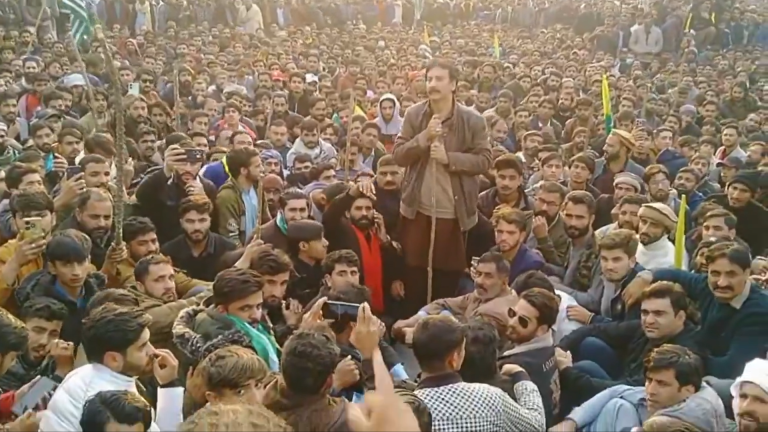
The PQJ, which has been making efforts to mediate peace in Kurram, faced repeated obstacles in reaching the region. Despite trying three times to enter Kurram, their efforts were blocked by the Pak forces. For the past three days, over 100 elder leaders of the PQJ have made their way through Kurram, making stops in Sadda and Parachinar, areas most affected by the violence. They have taken time to examine the damage caused by the riots, held discussions with local leaders, and even recited Fatiha for the martyrs of Kurram. Their focus remains on finding a permanent, peaceful solution, and they’ve assured the local population of their unwavering support.

The visit, which also included a meeting with the people and leaders of Parachinar, continued to emphasize messages of peace and brotherhood. Despite these positive overtures, the true nature of the violence in Kurram remains disturbingly clear. The situation in the region, including the November attack where armed Shia groups retaliated by burning a market in Bagan, appears to be a direct consequence of deeper, more sinister motives orchestrated by the Pakistan Army.

While on the surface, the unrest may appear as a Sunni-Shia conflict or as a result of local land disputes, the reality is far more insidious. For centuries, Sunni and Shia Pashtuns in Kurram District coexisted peacefully, relying on their traditional jirga system to resolve disputes. Yet, recent years have seen a disturbing pattern of sectarian violence, orchestrated violence, and instability. This violence is a calculated move by the Pakistan Army, which has long utilized its colonial tactics to destabilize regions of strategic importance.

By fueling sectarian tensions and creating chaos, the Army’s objective is to displace local Pashtuns, ensuring that the region is strategically aligned for Pakistan’s “New Dollar War,” and to increase its control over Kurram.

Armed assailants shoot dead Kukikhel Pashtun school teacher in Khyber

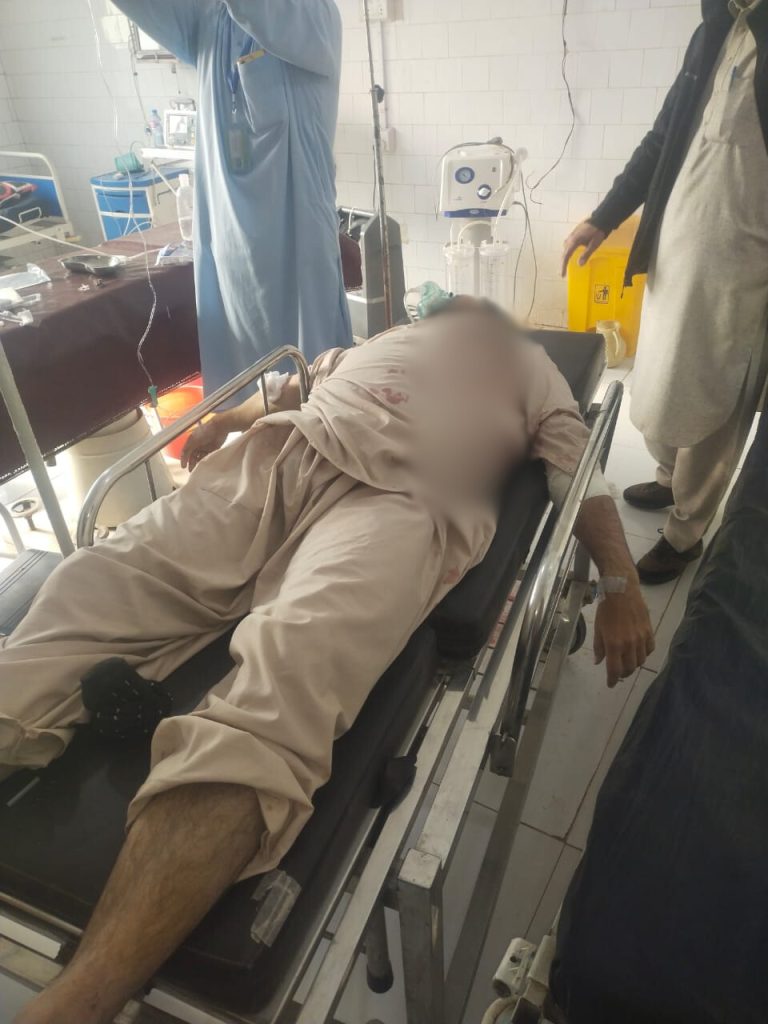
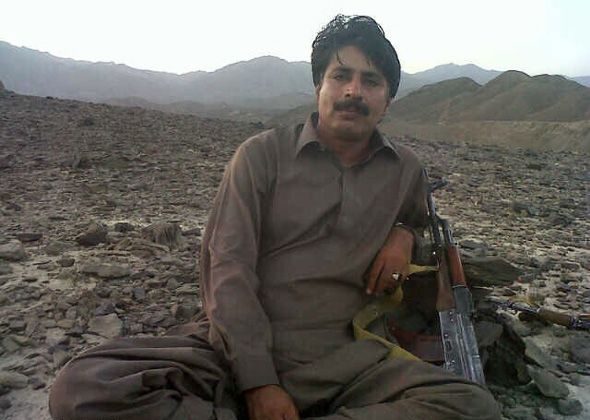
A tragic incident unfolded in the Shanko area of Bara Burqambakhel, where unknown gunmen shot and killed school teacher Rooh Ul Amin Kuki Khel. This latest killing is a stark reminder of the lawlessness and anarchy that continue to plague the region, exacerbated by the ongoing involvement of the Punjabi Pak Army and its proxies, who have systematically destabilized the area for years.

Bara, once a thriving part of Khyber Agency, has suffered from an appalling lack of basic infrastructure, with communities struggling to rebuild in the wake of relentless military operations. The death of Rooh Ul Amin, a schoolteacher is not just a loss for his family, but also a tragic blow to a community already devastated by violence and neglect. The killing underscores the extent of lawlessness in the region, which has been exacerbated by the military’s heavy-handed tactics and the presence of armed groups linked to the establishment.

The Pak Army, notorious for its oppressive and destabilizing actions in the tribal areas, has played a significant role in the erosion of peace in Kurram and Bara. Moreover, the Pakistan Army has taken active steps to block the return of the displaced Kukikhel Pashtun community, who were forcibly evicted from their ancestral lands in 2013. Despite years of struggle, the displaced Kukikhel families have been denied the right to return home, as the Army has actively obstructed their efforts.

POB: Assassination of Baloch female lawyer, Samiya Hussain in Zahedan

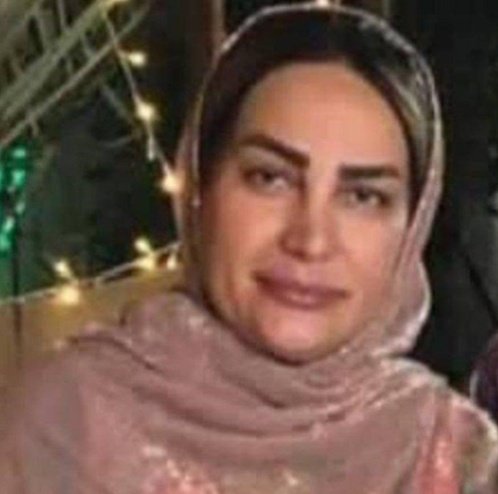
In a horrifying act of violence, an unknown armed group shot and killed Baloch female lawyer Samiya Hussain Malazai in Zahedan on the evening of December 3. The attack, which occurred around 6:30 p.m.at Bozorg Mehr Street. Samiya, a dedicated lawyer from the Gishk area of Saravan, had been residing in Zahedan when the tragic incident unfolded. She was shot four times in the head as she was exiting her vehicle, an attack that left her critically wounded. Despite being rushed to Imam Ali Hospital, Samiya succumbed to her injuries shortly after arrival.

The attack comes amid the increasing instability in the region, which has long been a target of Pakistan’s brutal military operations aimed at silencing dissent and asserting control over the Baloch population. The Pak military, notorious for its colonial mindset and its ongoing human rights abuses in POB, has fostered an environment where violence against Baloch intellectuals, activists, and community leaders is rampant. This incident, much like the countless others before it, is a stark reminder of the cost of resisting Pakistan’s oppressive rule.

The motives behind the attack remain unclear, though many suspect it may be linked to the larger pattern of targeted killings of Baloch activists and intellectuals who have long been the targets of Pakistan’s military-backed proxies. These shadowy forces, operating with impunity in POB, often collaborate with the Army to eliminate voices of dissent and to instill fear in the local population.

BLA attacks Pak Army across Pak-occupied Balochistan

In a series of coordinated strikes, the Baloch Liberation Army (BLA) has launched three attacks against Pak military forces and their local collaborators in the Panjgur, Nushki and Turbat regions. The attacks, which occurred over the past 24 hours, underscore the escalating violence and lawlessness fuelled by the Pakistan Army’s relentless campaign of repression in POB.

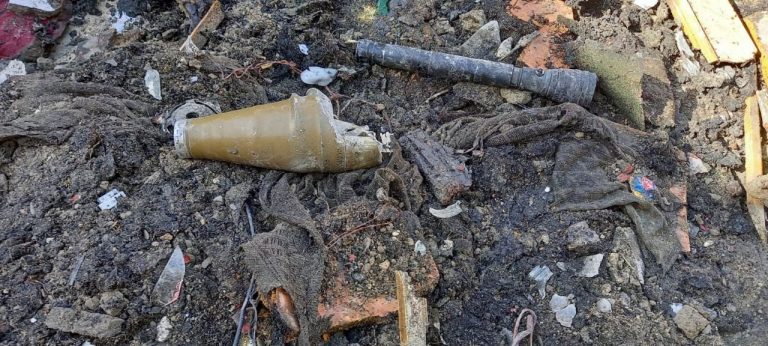
The first assault took place in the Prom area of Panjgur when BLA fighters used a remote-controlled IED to target a convoy of Pak forces moving through the area. The explosion resulted in significant damage to one military vehicle and left two soldiers dead and three others injured. This attack highlights the growing resistance against the Pak military’s occupation, as the region remains under the tight grip of Pakistan’s colonial-style occupation forces, who have long disregarded the rights of the indigenous Baloch people.

The second attack occurred the previous night in Nushki, where BLA fighters targeted a Pak military post in the Ghalangor area. Armed with advanced weaponry, the fighters struck swiftly, killing one soldier and injuring at least two others. This operation further exposes the vulnerability of the Pak military in POB.

BLA launches coordinated attacks

In the third attack, the BLA targeted and killed a collaborator, Gharam, in the Nods area of Turbat. Gharam, who had been working with the military and intelligence agencies, was directly involved in aiding the forces of occupation and participating in the oppression of the Baloch people. His involvement in blackmailing residents, assisting in military operations, and engaging in criminal activities, including drug trafficking, was a betrayal to the local population. Gharam’s death marks a significant blow to the network of collaborators who serve the interests of the Pak military at the expense of their own people.

This latest round of attacks is a stark reminder of the Pak military’s brutal and unchecked oppression in POB, where extrajudicial killings, forced disappearances, and the displacement of entire communities are routine tactics. The Pak military’s continued reliance on proxy collaborators to maintain control over POB has only deepened the resentment and resistance among the Baloch population, who have suffered under decades of occupation and violence.

The BLA’s actions serve as a direct response to the ongoing brutality of the Pak Army for carrying out genocidal tactics against the Baloch people. With its heavy-handed military operations and its systematic effort to crush Baloch autonomy, the Army has exacerbated the conflict in the region, creating a breeding ground for further violence.

Dr. Allah Nazar warns Baloch against Pak-aligned groups Haq Do Tehreek & Jamaat-e-Islami

Dr. Allah Nazar Baloch, the head of the Balochistan Liberation Front (BLF), has issued a scathing critique of Jamaat-e-Islami and the Haq Do Tehreek, urging the Baloch community to distance themselves from these organizations. The statement was shared through his official account on the social media platform Bluesky.

Dr. Allah Nazar questioned the relevance of the Haq Do Tehreek in addressing the current issues faced by the Baloch people. He accused the movement of exploiting the guise of sympathy to further its own objectives, pointing to its controversial history, particularly in Bangladesh, as evidence of its duplicity.

He extended his criticism to Maulana Hidayat-ur-Rehman, the leader of the Haq Do Tehreek and a key figure in Jamaat-e-Islami, alleging that such religious organizations prioritize hidden agendas over solving the pressing issues of the Baloch people. He appealed to his fellow Baloch to remain wary of Jamaat-e-Islami and other extremist groups, calling them detrimental to the interests of the community.

The Haq Do Tehreek, which originated in the coastal city of Gwadar, gained significant traction under the leadership of Maulana Hidayat-ur-Rehman, who also serves as the provincial head of Jamaat-e-Islami. The movement propelled Maulana to widespread popularity, culminating in his election as a Member of the Provincial Assembly (MPA) from Gwadar in the previous elections.

However, discontent has been brewing within Baloch circles. Maulana has failed to honor the promises he made during his rise to prominence. Instead of delivering on public expectations, he has followed the same path as other parliamentary leaders, betraying the hopes of the people and diluting the objectives of the movement.

Armed assailants attack Pak journalist Syed Muzammil Shah’s home

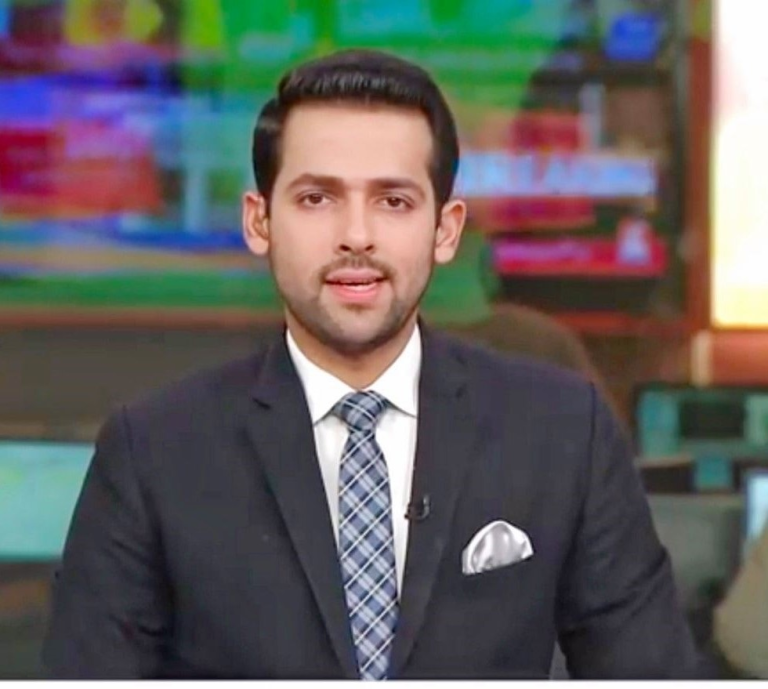
The rising tide of radicalization and intolerance in Pakistan has once again manifested in a violent attack, this time targeting prominent talk show host and journalist Syed Muzammil Shah. On December 4, 2024, two armed men stormed Shah’s residence, firing aerial shots with automatic weapons and attempting to breach the doors of his home in his absence. Shah’s family narrowly escaped harm as they called the police, but the attackers continued their brazen display of violence, even firing shots in the presence of law enforcement.

One of the attackers managed to escape, and while two FIRs have been registered, the main culprit, identified as Naveed, remains at large. Naveed had openly threatened to kill Shah, apparently offended by the journalist’s recent political opinions. Shah took to Twitter to recount the harrowing experience, describing it as “the cost of being a journalist in this country” and expressing frustration over the authorities’ failure to apprehend the culprits.

Recently, renowned journalist and New News YouTube anchor, Matiullah Jan, was abducted from the parking lot of PIMS Hospital in Islamabad. This incident is emblematic of the growing hostility toward journalists and dissenting voices in Pakistan, fueled by an atmosphere of unchecked extremism and intolerance. The attack not only highlights the increasing personal risks faced by media professionals but also exposes the inability—or unwillingness—of law enforcement to act decisively against perpetrators of such violence.

Pakistan’s authorities have fostered an environment where radical elements operate with impunity, emboldened by the lack of accountability. The shrinking space for free speech, combined with the growing influence of extremist ideologies, has made Pakistan one of the most dangerous countries for journalists. Pakistan ranks 150th out of 180 countries in the 2024 World Press Freedom Index by Reporters Without Borders, a stark reminder of the difficult conditions faced by journalists in the country.

While Shah has taken the brave step of speaking out, the trauma inflicted on his family and the continued threat to his safety underline the dire need for systemic reforms to curb radicalization and ensure the protection of journalists and dissenting voices.

Radical Islamists vandalise another Hindu temple in Bangladesh

The Loknath Baba Temple in the Doyara Bazar area of Sunamganj district, Bangladesh, was attacked and vandalized by Islamists on the night of December 3, 2024. The assault left the temple in ruins, with the sacred Murti desecrated and all valuable items looted.

This attack is yet another grim reminder of the escalating hostility faced by minorities in Bangladesh. The Hindu community, already marginalized and vulnerable, has repeatedly called on the government to protect their religious sites, but their pleas seem to fall on deaf ears. Despite the gravity of the incident, authorities have yet to take meaningful action to address the growing threat of Islamist violence or ensure the safety of minority communities.

The Bangladeshi government is turning a blind eye to such incidents, prioritizing appeasement of extremist elements over safeguarding minorities. While leaders often issue hollow statements of condemnation, concrete steps to prevent these attacks and hold perpetrators accountable remain alarmingly absent.

The assault on Hindu temples and the systematic abduction and conversion of Hindu women are a testament to the increasing radicalization of parts of Bangladesh’s political and religious landscape.

Baloch protestors block Quetta-Karachi highway as Pak Army kidnappings increase

Families of the forcibly disappeared Syed Hussain Shah and his son, Syed Akhtar Shah, have blocked the Quetta-Karachi highway for over 12 hours, demanding their safe release. The protest at Midway has paralyzed traffic, stranding hundreds of passengers and freight vehicles in freezing temperatures. Yet, true to their characteristic apathy, Pak authorities have neither initiated dialogue nor shown the slightest concern for the suffering of the protesters or stranded travelers.

Syed Hussain Shah, an elderly man, was abducted along with over 40 others during a brutal military operation in Kalat’s Eskeleko area just days ago. Pak forces reportedly besieged the region, raiding homes, abducting residents, and violating the sanctity of private spaces—a gross transgression of human rights that has become the norm under Pakistan’s colonial approach towards POB. Locals recounted horrifying tales of violence, with residents beaten, confined to their homes, and their dignity trampled upon.

Quetta-Karachi Highway Paralyzed

Two months ago, the same forces abducted Hussain Shah’s son, Syed Akhtar Shah, during a raid on their home in Kalat’s Pendrani Abad. The family’s ordeal, like countless others, has been met with complete silence from Pak authorities.

The protest is marked by the participation of women and children, their anguish piercing through the cold air. They demand the immediate release of their loved ones or, at the very least, their production in a court of law. But justice, it seems, is a concept foreign to the Paki establishment when it comes to the Baloch people. The protesters have vowed not to reopen the highway until the disappeared individuals are safely returned.

This wave of enforced disappearances is part of Pakistan’s long-standing campaign to crush the Baloch community. The Army has weaponized abductions, extrajudicial killings, and intimidation to silence the voices that demand dignity and autonomy. The Pak Army, notorious for its colonial mindset, continues to treat the resource-rich region as a colony, looting its wealth while subjecting its people to abject misery. The Baloch Yakjehti Committee has backed the protest, urging human rights organizations worldwide to intervene and break their deafening silence.

Pak Army loot homes, abduct Baloch family in Dera Bugti Raids

In Dera Bugti, the Pak Army and intelligence agencies launched a series of raids on homes in the Patoch village of Siyah Aaf. During these operations, Army conducted rampant looting, followed by the abduction of two individuals, whose whereabouts remain unknown.

The victims, identified as Johau, son of Bari Bugti, and Jona, son of Nokaf Bugti, belong to the Karmanzi branch of the Bugti tribe. Their forced disappearances are the latest in a long and bloody campaign by the Paki establishment to suppress Baloch community and intimidate the local population into submission.

The wave of terror did not end there. On Tuesday night, in the Girani neighborhood of Sui, another raid was conducted by the forces, during which Sikandar, son of Ajab Khan Bugti, was also forcibly taken away. This surge in abductions coincides with a recent visit by Chief Minister Sarfraz Bugti to the region, a visit that has resulted in an intensification of enforced disappearances and further militarization of the area. The Army-backed death squads—that operate with full impunity—have been supplied with additional weaponry, escalating the already dire situation.

The Pak Army and its proxies have long employed brutal tactics to crush dissent in POB, including enforced disappearances, extrajudicial killings, and the infamous “kill-and-dump” policy. While the families of the disappeared live in agony, the Pak Army perpetuates a narrative of denial, blaming innocent victims as “anti-state elements” to justify its atrocities.

Recovery of six Baloch bodies in 24 hours as Pak Army violence escalates

In POB, six bodies were recovered from various locations within the last 24 hours. The latest discoveries lay bare the brutality of the Pakistan Army and its accomplices, whose systematic campaign of enforced disappearances and extrajudicial killings continues to terrorize the region.

On Monday, the body of Amanullah, a young boy who went missing a month ago in Quetta’s Khrotabad area, was discovered in the mountains of Nohisar. Meanwhile, in Kech district’s Kalg area, an elderly woman who disappeared on Sunday evening near Aliabad Road was found dead the next morning by Levies forces. This marks the second woman’s body recovered in Turbat this week.

In Khuzdar’s Zehri area, remains of Abid Hussain and Masti Khan, missing for eight years, were unearthed on Monday. On Sunday, two more bodies, identified as Faqir Jan and Essa, were discovered in Awaran. Both had also been missing for years.

The systematic discovery of unidentified and mutilated bodies across POB exposes the Pak Army’s draconian policies aimed at silencing and subjugating the Baloch people. The so-called “law enforcement agencies” and intelligence apparatus, led by the Army and the ISI, have turned POB into a graveyard for its inhabitants, operating death squads that abduct, torture, and kill those they deem a threat.

These atrocities are not mere “incidents” but a deliberate strategy to crush the spirit of Baloch nationalism, which has grown in response to decades of exploitation and repression since Pakistan’s illegal annexation of Balochistan in 1948. The discovery of these bodies is part of a larger campaign of terror, where enforced disappearances and extrajudicial killings are wielded as tools to stifle voices demanding justice and autonomy.