Home Blog Page 25

BLA launches coordinated attacks on Pak Army across POB

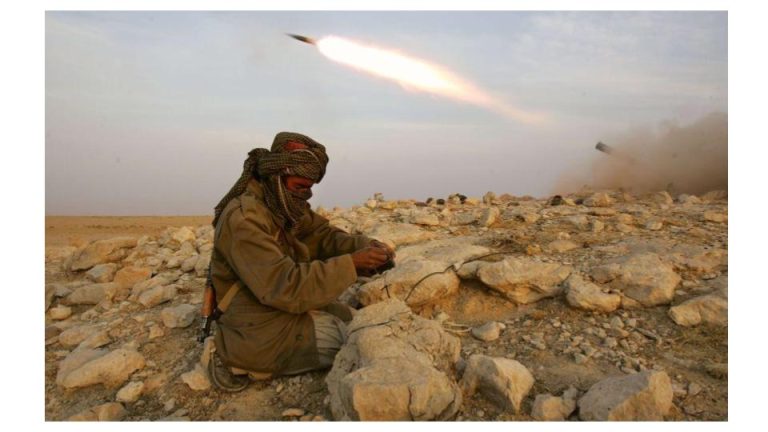
The Baloch Liberation Army (BLA) has launched a series of targeted attacks against the Pakistan Army and its collaborators in Noshki, Quetta, and Turbat. In a statement issued by BLA spokesperson Jeeyand Baloch, the group detailed three separate operations, which they assert were carried out in retaliation to the military’s ongoing aggression and human rights violations in Pak-occupied-Balochistan. The attacks reportedly resulted in the deaths of three individuals, including a state informant, and injuries to four Pak soldiers.

The first attack occurred on Thursday night in the Gorbarat area of Noshki, where BLA fighters ambushed Pak military personnel engaged in operations against local civilians. Using automatic weapons and grenade launchers, the fighters killed two soldiers on the spot and injured four others. The spokesperson said that the Pakistan Army was conducting a violent campaign of terror in Noshki since November 19, targeting civilian populations in Manjro, Mokhbili, Gorbarat, and surrounding areas. The military set homes ablaze and indiscriminately fired mortar shells and rockets, causing widespread destruction and displacement among the local population.

Jeeyand Baloch condemned these actions as part of a broader campaign by the Pakistan Army to suppress the Baloch people and seize control of their lands. He emphasized that the BLA remains resolute in its mission to protect the Baloch population and warned that any aggression would be met with fierce resistance.

BLA Hits Pak Army Posts

In a second operation, BLA fighters targeted and eliminated a state informant in Quetta. Nasibullah, also known as “Chhiya,” was shot dead in the Killi Beig area of Saryab Road. According to the BLA, Nasibullah had surrendered to the military alongside another collaborator, Habib Khan Marri, and subsequently worked as a key operative for the intelligence agencies. The spokesperson added that Nasibullah was instrumental in forming an informant network under the supervision of a Pakistan Army officer, Major Sher Jan. He was also accused of direct involvement in the abduction and extrajudicial killing of Zahoor Marri, a prominent Baloch activist whose mutilated body was found after his forced disappearance.

The BLA claimed to have seized Nasibullah’s mobile phone, uncovering critical information about the informant network operating under the Pakistan Army’s direction. The group stated that further operations against these collaborators are imminent.

Later the same night, the BLA attacked a military checkpoint on Airport Road in Turbat, using hand grenades to inflict casualties and damage on the Pak forces stationed there. The spokesperson said that this operation was a continuation of their efforts to disrupt the military’s oppressive control over Balochistan.

The BLA’s statement also highlighted the Pakistan Army’s long history of violence and exploitation in POB, as Paki establishment is committing war crimes and systematically suppressing Baloch voices. The group criticized the establishment for its colonial mindset, and as it plunders POB’s resources while silencing dissent through forced disappearances, extrajudicial killings, and the use of informants to target activists.

The statement concluded with a vow to intensify their resistance against the occupying forces, reiterating that the BLA would continue to target both the Pakistan Army and its collaborators as part of their struggle for Baloch liberation.

Bangladeshi muslims attack and harass Hindus during Rangpur rally

In a stark display of state-backed oppression, Hindu protesters in Bangladesh were met with brutal force and obstruction as they attempted to attend a rally in Rangpur organized by the Samilito Sanatani Jagran Manch. The rally, which sought to draw attention to the systematic persecution of Hindus under the authoritarian regime of Md Yunus, was aggressively disrupted by the police and radical Islamist groups.

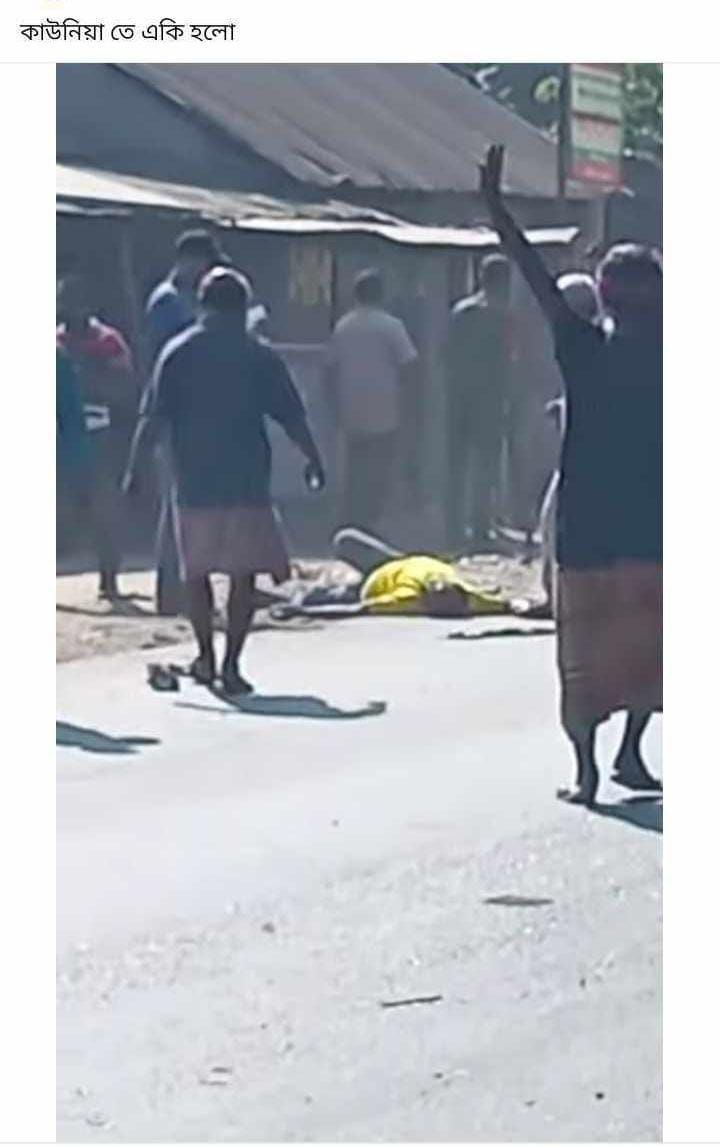
Police forces reportedly stopped buses and cars carrying Hindu participants, preventing many from reaching the rally site. In numerous instances, protesters were subjected to physical violence, with some being beaten by law enforcement. A particularly heinous attack occurred when a Hindu man on his way to the protest was assaulted by members of the banned militant organization Jamaat-e-Islami, leaving him hospitalized with severe injuries.

The Hindu minority in Bangladesh has long endured systemic violence, but the events in Rangpur underscore the worsening conditions under the Yunus government. Despite the rally being a peaceful demonstration against extremist policies and the growing marginalization of minorities, the regime’s response was emblematic of its undemocratic and oppressive approach. The collaboration between state forces and Islamist extremists further highlights the precarious position of Hindus in the country.

Amid the violence, the resilience of the Hindu community shone through. Thousands braved the threats and repression to gather, voicing their demands for justice and safety.

Pak Army enforces Section 144 to curb increasing protests & strikes in POB

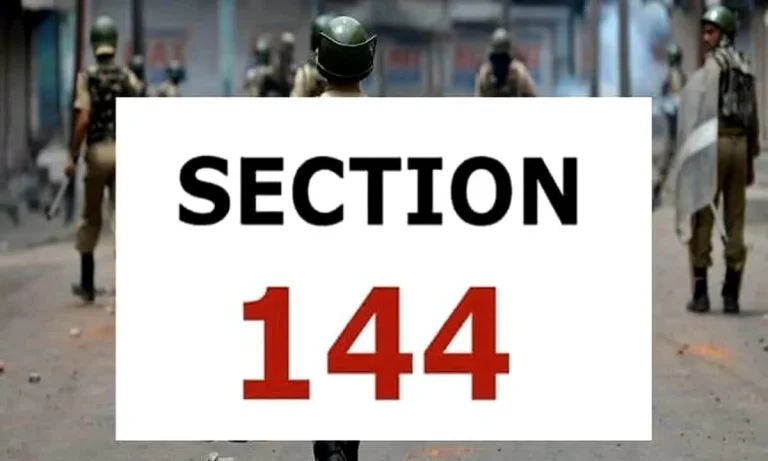
In response to the worsening law and order situation, the occupied-Balochistan government has enforced Section 144 across the province. The decision aims to curb unrest as protests and demonstrations continue to mount against enforced disappearances and other grievances.

A notification issued by the Home Department of Balochistan announced a ban on carrying weapons and public gatherings of more than five people. Authorities have vowed strict enforcement of the order, including a crackdown on illegal assemblies and the use of firearms.

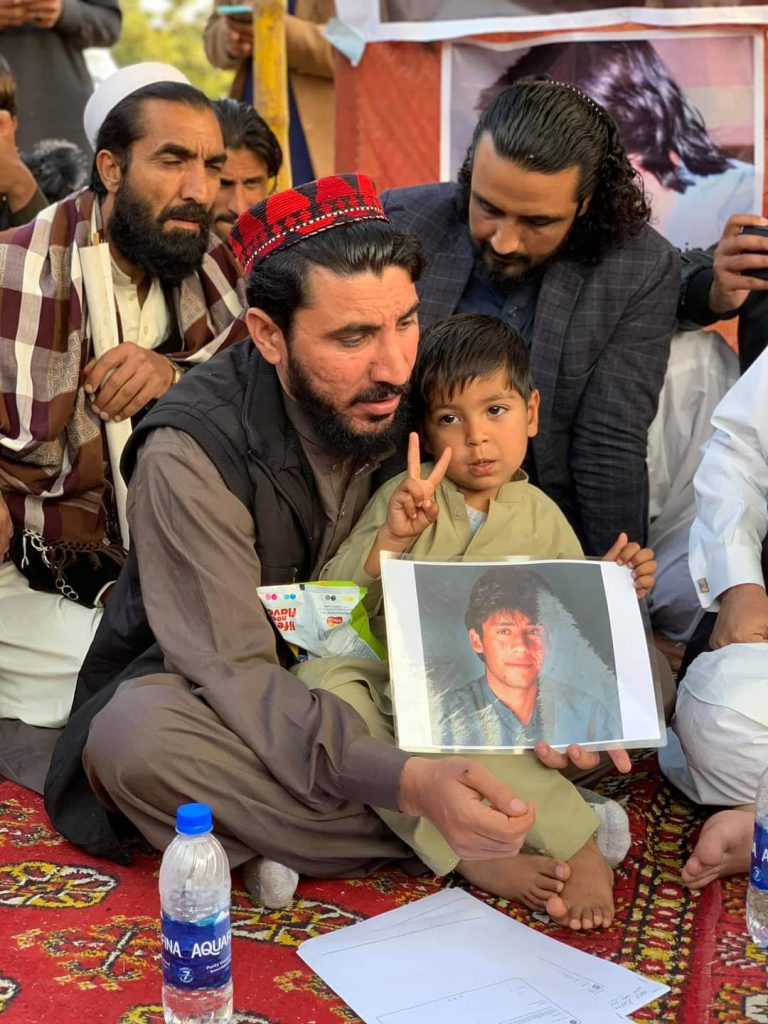
The move comes amid heightened tensions in the province. In Awaran, a sit-in protest persists against the enforced disappearance of Diljan Baloch, while in Quetta, demonstrators at Serena Chowk have been demanding the recovery of missing student Muhammad Masoor for the past nine days.

Adding to the unrest, an all-parties coalition has called for a province-wide shutdown strike on November 25 to protest the state’s inaction on critical issues.

The imposition of Section 144 highlights the volatile situation in POB, where tensions between the occupied-authorities and local communities continue to escalate over issues such as enforced disappearances, lack of accountability, and suppression of dissent.

Amid Pak Army’s orchestrated violence more than fifty Shias killed in Kurram

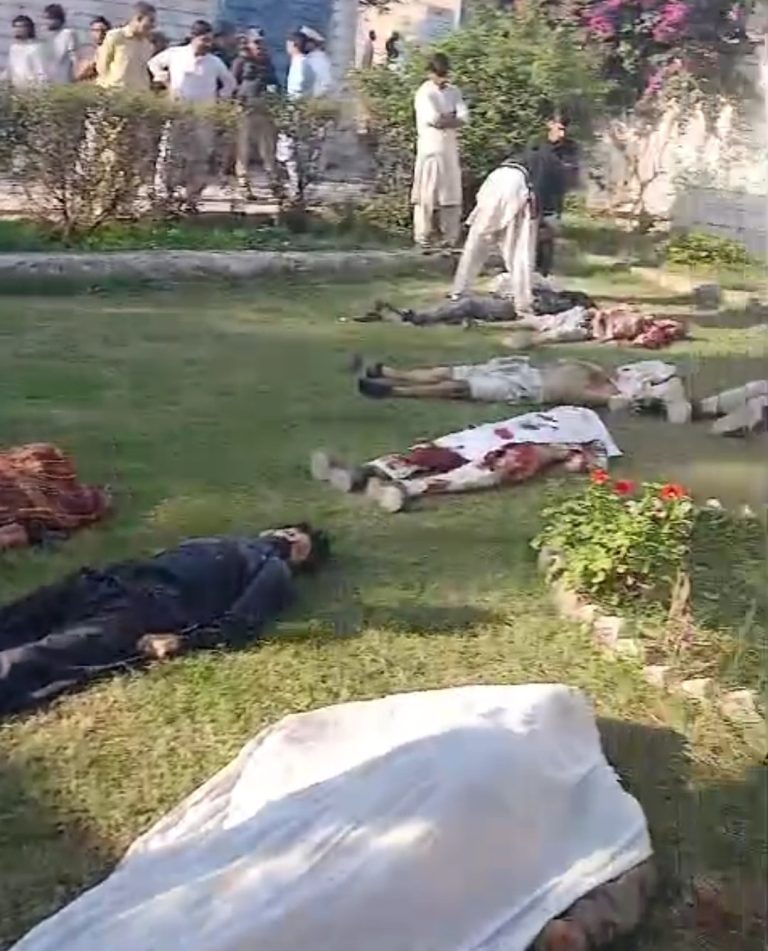
In a harrowing incident, violence erupted in Parachinar, Kurram district, where more than 100 Shia passenger vans traveling in a convoy were ambushed by Deobandi Muslim residents of Bagan, Charlhail, and Manduri in Lower Kurram. The brutal attack claimed the lives of over 50 individuals, including women and infants, leaving scores injured. The region, located in Khyber Pakhtunkhwa and bordering Afghanistan’s Khost and Loya Paktia regions, has become a flashpoint of violence since the Taliban’s rise to power, with thousands killed in escalating conflicts.

While the unrest is often attributed to Sunni-Shia sectarian divides or internecine land disputes, these explanations fail to capture the deeper motives. Sunni and Shia Pashtuns have coexisted in Kurram for centuries without such atrocities, raising questions about the recent surge in violence. The region’s strategic importance has increased for the Pakistan Army, as they are deliberately stoking unrest to force residents to flee, clearing the area for geopolitical and financial gains for the “New Dollar War.”

This violence is not unique to Kurram. Similar bloodshed has been reported in Bajaur, Waziristan, Bannu, and other Pashtun-majority areas, where no Sunni-Shia tensions or significant land disputes exist. The Paki establishment is actively fueling conflicts under various pretexts to assert control and exploit the region’s resources.

Kurram’s Tragedy

Historically, disputes in Kurram have been resolved through Pashtun-led jirgas, with little to no involvement from the occupied-Army-state. In the past two years, Pashtuns from Bangash, Orakzai, and Hangu have successfully mediated peace through such traditional councils. On October 11, Sunni and Shia youth sat together in a Pashtun National Court Jirga, reaffirming their commitment to peace. They jointly demanded the withdrawal of the Punjabi Pak Army from Kurram and called for a jirga to resolve lingering issues.

However, as plans for a Kurram Jirga were finalized this month, violence erupted again. The Punjabi Pak Army, threatened by the prospect of Pashtun unity, signaled armed groups to incite bloodshed and derail local peace efforts.

This tragic attack is now being compared to other infamous incidents of Pashtun suffering, such as Babara, Takkar, Qissa Khwani, Kharqamar, and the Army Public School massacre. For the Pashtuns, Kurram’s bloodshed is yet another dark chapter in their history of systemic oppression, one they vow to neither forgive nor forget.

Slogans for independence from Paki regime echoes across PoGB

Slogans of independence reverberated across Pakistan-occupied Gilgit-Baltistan (PoGB), reflecting the region’s deepening resentment against the exploitative policies of the Paki establishment. Decades of systematic neglect, combined with the recent introduction of a controversial land reform bill, have exacerbated the anger of local residents, who now view Islamabad’s control as a colonial stranglehold on their resources and future.

The newly proposed land reform bill has sparked outrage for its blatant disregard of local rights and its opaque provisions. Lawyers and activists have condemned the bill, highlighting its potential to allow the government to seize both partible and impartible lands, with the bill’s vague definitions deliberately leaving room for abuse. Points 1, 2, and 4 of the bill, as cited by the lawyers, are particularly egregious, posing direct threats to the personal interests of the residents. Adding insult to injury, the bill includes provisions exempting its representatives from impeachment or legal accountability, enabling unchecked corruption. These representatives are mere puppets of the occupied-government, serve Islamabad’s interests at the expense of their own people.

Legal professionals and bar associations across PoGB, including the Gilgit-Baltistan Bar Council and the Supreme Court Bar Association, have united in protest, demanding urgent amendments to safeguard public interests, particularly in the region’s unsettled areas, where the bill’s implications are most damaging. Among the most controversial provisions is the appointment of a non-local secretary planner, a move that disregards the unique jurisdictional needs of PoGB and further alienates its people.

PoGB Demands Freedom

Meanwhile, the exploitation of PoGB’s rich natural resources continues unabated. The region, known for its vast deposits of gold, copper, and rare earth minerals, has become a target for foreign entities operating under Islamabad’s watchful eye. These extraction projects are shrouded in secrecy, with no transparency or consultation with local communities. As minerals are siphoned off to line the pockets of the Punjabi elite, the people of PoGB are left impoverished and powerless, excluded from any share in their own wealth.

The situation is worsened by the abysmal state of infrastructure and basic services in the region. Roads and bridges lie in disrepair, and development projects are perpetually delayed or abandoned. Education, a critical tool for empowerment, has been weaponized against the people of PoGB. A deliberate recruitment ban on new teachers has left students struggling without adequate instruction, a calculated move to suppress education and prevent the population from challenging Islamabad’s oppressive control.

While the people of PoGB endure exploitation and neglect, political and religious leaders across the region remain conspicuously silent. Their complicity speaks volumes about their allegiance to Islamabad, prioritizing their political survival over the welfare of the people they claim to represent.

The Paki establishment’s deliberate strategy to suppress the region—economically, politically, and socially—is a stark reminder of its exploitative agenda. For the people of PoGB, the path forward lies in resistance, as their voices grow louder in demanding autonomy, dignity, and justice.

Pak Army kidnaps Baloch student for second time from Quetta

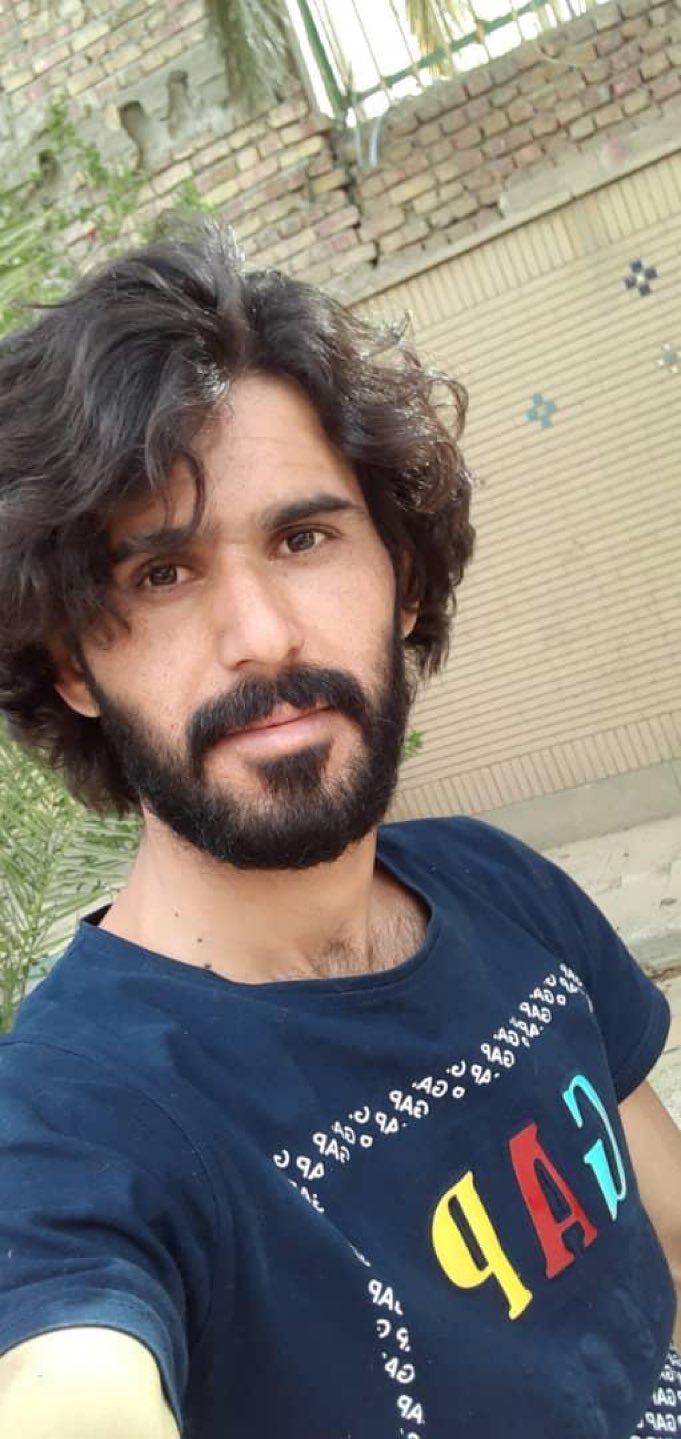
In the latest incident of enforced disappearances, Pak Army have once again targeted a young man, Behzad Dilavari, who was forcibly taken from his home in Quetta late Thursday night. At around midnight, Behzad, along with personnel from the Frontier Corps (FC), Counter Terrorism Department (CTD), and police, was abducted from A-One City in Quetta and transferred to an undisclosed location, adding to the already escalating human rights violations in POB.

This marks the second time Behzad has been forcibly disappeared by the CTD without any legitimate cause. Previously, he was abducted on November 30, 2021, from Panjgur, only to be released later. Despite his innocence, Behzad has now become another victim of the Pak Army’s systematic targeting of students and activists. At the time of his abduction, Behzad was preparing for his Public Service Commission exams in Quetta, a peaceful pursuit now shattered by the heavy hand of the Pak military and security forces.

The Pak military, along with the establishment, continues to suppress the voices of Baloch youth through fear and violence. This latest disappearance is a direct reflection of the military’s unchecked power in POB, where human rights violations have become commonplace. The Army’s disregard for its citizens’ safety is evident in its relentless pursuit of violence under the pretext of maintaining order. By focusing its efforts on quelling any dissent, the Paki establishment is pushing POB further into turmoil, exacerbating the region’s bloodshed and violence.

POB faces an ongoing crisis of forced disappearances and extrajudicial killings. Despite growing international condemnation, Paki establishment continue to turn a blind eye to the suffering of the region’s people. The silence of these officials only serves to worsen the situation, turning POB into a region of fear and oppression.

It is time for the international community, and the people of Pakistan, to raise their voices and demand justice for Behzad Dilavari and countless others who have fallen victim to the Army’s oppressive policies.

Pakistan: Fifty year old muslim man forcefully converts and marries 15 year old Hindu girl

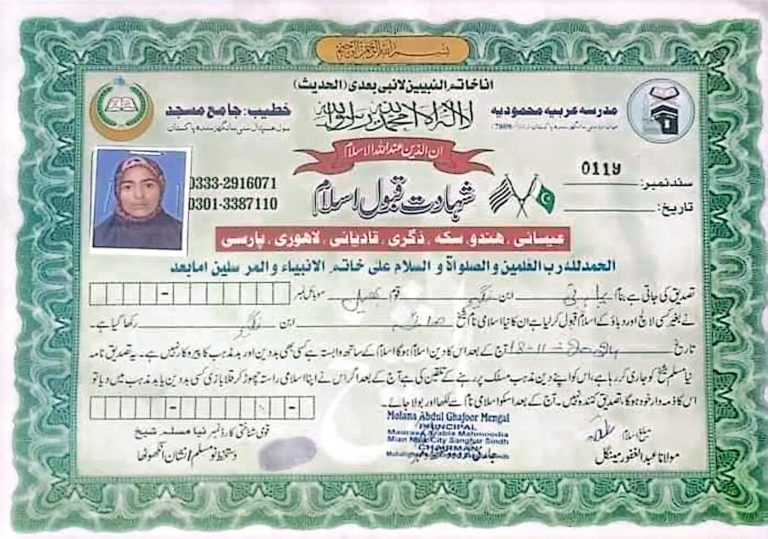
In Pakistan, another minor Hindu girl, Parthi, has fallen victim to the appalling practice of forced conversion and marriage. The 15-year-old girl was reportedly converted to Islam and married off to a 50-year-old man, Bagh Ali Jalbani, in Sanghar, Sindh.

This latest incident underscores the grim reality faced by religious minorities in Pakistan, particularly the Hindu community, which has long been subjected to systemic discrimination, exploitation, and violence. Forced conversions and marriages of minor Hindu girls remain a widespread issue, especially in Sindh province, home to a significant Hindu population. Despite repeated outcries from human rights activists and minority groups, the Paki establishment continues to turn a blind eye to these heinous acts.

The case of Parthi is not an isolated one but part of a broader, well-documented pattern. Each year, hundreds of Hindu, Christian, and other minority girls—many underage—are abducted, coerced into converting to Islam, and married to much older Muslim men. The complicity of local authorities, religious institutions, and even parts of the judicial system has ensured the perpetuation of this practice, leaving the victims and their families without any recourse to justice.

Many families of the victims report being harassed, threatened, or forced into silence by influential local figures and law enforcement agencies. Legal challenges, when pursued, are often met with blatant judicial bias favoring the perpetrators. Legislation meant to protect minorities, such as laws against child marriage, is routinely ignored or circumvented by religious justifications.

The continued abuse of young Hindu girls like Parthi is not only a failure of law enforcement but also a reflection of a society deeply fractured along religious lines. The lack of accountability for these crimes emboldens perpetrators and underscores the Islamic Republic’s disregard for its minority citizens.

PTM calls for protests demanding justice and an end to Pakistan’s exploitation in Pakhtunkhwa

The Pashtun Tahafuz Movement (PTM) has called for widespread protests across Khyber Pakhtunkhwa, demanding the release of hundreds of innocent detainees and drawing attention to the worsening unrest in the region, which is attributed to Pakistan’s “dollar-driven” war on Pashtun lands. The PTM emphasized that these demonstrations aim to expose the occupied-state’s exploitative policies that have turned the region into a battleground for profit and suppression.

The protests, organized under the banner of justice and accountability, will be held at various locations across the province, with times and venues determined by local organizers. PTM has urged all segments of society to participate, highlighting the importance of unity in the face of systemic oppression.

A PTM spokesperson expressed the movement’s frustration, saying, “For decades, the Pashtun people have suffered under the guise of counterterrorism operations. Our lands are mined, our youth are disappeared, and our voices are silenced—all while our resources are plundered in a war funded by foreign dollars.”

The Paki establishment is militarizing Pashtun territories under the pretext of security, exploiting international aid meant for counterterrorism to fuel its own agenda. The PTM argues that this “dollar war” has not only destabilized the region but also exacerbated economic hardships for ordinary Pashtuns.

The economic crisis in Pakhtunkhwa, characterized by rampant inflation, unemployment, and exploitation of natural resources, has further fueled resentment. The PTM protests aim to bring attention to the systematic marginalization of the Pashtun people and demand accountability from the Punjabi Pak Army elites.

The PTM’s call for action comes amid growing discontent in the region, with residents voicing anger over military checkpoints, land mines in residential areas, and enforced disappearances. This protests could gain significant traction, as they tap into the collective frustration of a people long denied their rights.

TTP suicide bomber kills twelve Pak Army soldiers in Khyber Pakhtunkhwa

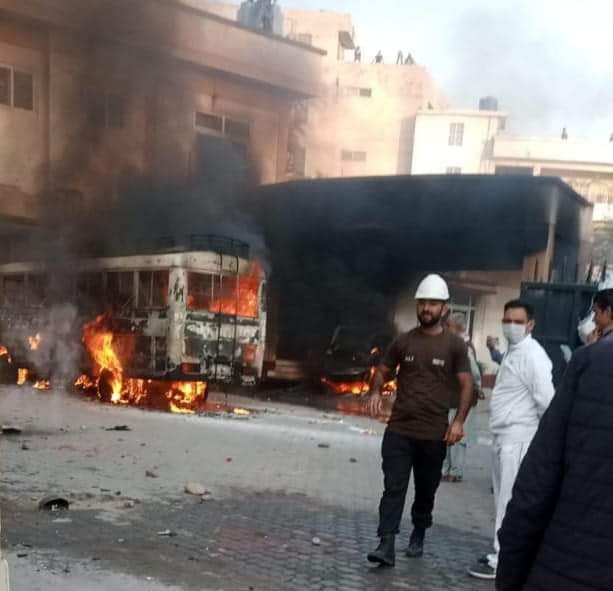
A suicide bomber detonated an explosives-laden vehicle at perimeter wall of the outpost in northern Khyber Pakhtunkhwa province, and damaged the adjoining infrastructure during the attack on Tuesday evening, killing at least 12 security personnel and injuring several others, according to intelligence and security officials.

The Hafiz Gul Bahadur group, a breakaway faction of the Pakistani Taliban, claimed responsibility for the deadly attack, one of the most devastating in recent months in Khyber Pakhtunkhwa province. Security forces launched an operation to apprehend those responsible, but the occupied-authority has yet to issue an official statement.

The attack coincided with high-level meetings in Islamabad where the country’s political and military leadership was discussing measures to counter surging militant violence.

Violence in Pakistan has risen sharply since November 2022, when the Pakistani Taliban, also known as Tehrik-e-Taliban Pakistan (TTP), ended a ceasefire with the Paki establishment. The TTP, which has ideological and operational ties with Afghanistan’s Taliban, has been emboldened since the latter’s takeover of Kabul in 2021.

This attack underscores the growing threat posed by militant groups in the region. In December 2023, a suicide bombing at a police station in Dera Ismail Khan killed 23 troops.

Abdullah Khan, a senior defense analyst at the Pakistan Institute for Conflict and Security Studies, said that over 900 security personnel have been killed in militant attacks since the TTP ended its truce. “Militant groups like TTP are expanding their operations, recruiting more fighters, and securing funding and weapons,” Khan said.

Khan emphasized the need for political stability to effectively counter insurgency. Pakistan has faced political turmoil since former Prime Minister Imran Khan was ousted in 2022. His subsequent imprisonment in 2023 has led to widespread protests by his supporters, adding to the nation’s instability.

Radical mullah weaponizes blasphemy to incite mob violence in Peshawar

Once again, the controversial blasphemy laws of Pakistan have proven to be a weapon of mass persecution rather than a safeguard for religious sanctity. In a recent incident, an individual named Humayun has been accused of desecrating the Quran during a domestic altercation. Instead of handling the matter through proper investigation, a local cleric incited violence by displaying a torn Quran atop a shop roof, inflaming the sentiments of radical groups.

Following this, Charsadda Road has been shut down entirely due to the violent protests of Islamists, while police contingents scramble to prevent further escalation. However, the history of blasphemy cases in Pakistan paints a grim picture. Recently, Dr. Shahnawaz Kumbhar, a physician falsely accused of blasphemy, was savagely murdered by a mob while under the supposed “protection” of Sindh Police. In another case a suspect in Quetta, arrested on similar charges, was gunned down inside the Cantonment Police Station by a constable who acted as judge, jury, and executioner.

Such incidents reveal a systematic failure where law enforcement either actively enables or passively allows extremist violence. Extremist groups like Tehreek-e-Labbaik Pakistan (TLP) operate freely, exploiting the blasphemy laws to spread fear and chaos. These laws, far from ensuring justice, have become tools of oppression, disproportionately targeting religious minorities and marginalized communities.

The Paki establishment’s role in perpetuating this cycle of violence cannot be overlooked. By nurturing extremist ideologies for political leverage, they have cultivated an environment where mob justice prevails. Individuals accused of blasphemy are denied due process, facing not only public lynching but also Army-state complicity in their persecution.

Minorities like Christians, Hindus, and Ahmadis have borne the brunt of these laws. A mere accusation can result in imprisonment, death threats, or outright murder. The fear of radical backlash silences dissenting voices, while victims and their families are left with no recourse.

Pakistan’s unchecked blasphemy laws are not just a domestic issue but a global one. These laws have been condemned by international human rights organizations, yet the establishment continues to use them as a political weapon to appease radical factions.