Home Blog Page 43

POB citizens block Red Zone as protest against enforced disappearances by Pak Army

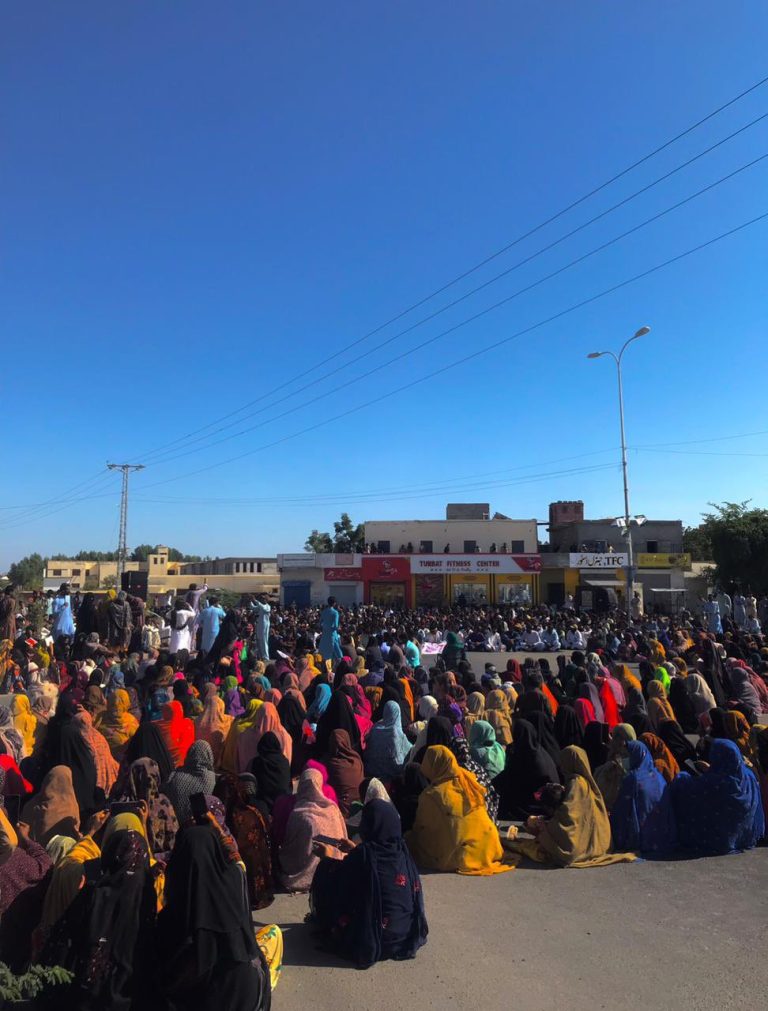
In Kharan, Pak-occupied-Balochistan, citizens have blocked the Red Zone in protest against the police’s refusal to register cases regarding the enforced disappearances of Amanullah, Muhammad Dawood, Irshad Ahmed, and Aminullah. Relatives of the missing individuals have completely shut down the road, voicing their outrage over the abduction of innocent citizens. Among the protesters are women holding posters of their loved ones, demanding accountability.

The families said that Amanullah Muhammad Hasni was a respectable citizen trying to earn a livelihood, while the relatives of the other three missing men were taken without reason from Killi Jungle Rahmatullah by the Pak Army. They demand that if any of the four have committed a crime, they should be brought before the courts.

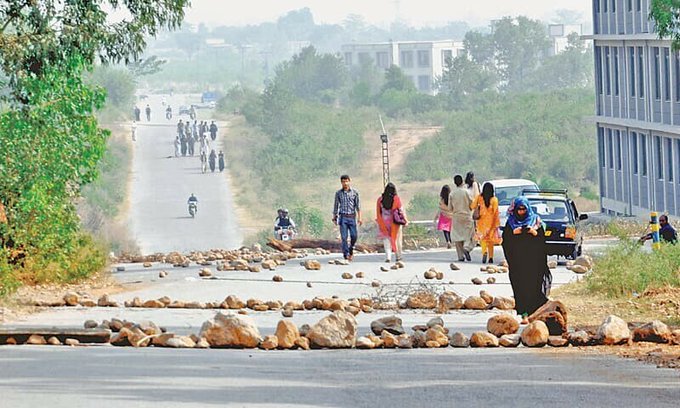
Furthermore in Quetta, relatives are staging a protest against the police’s refusal to file a case concerning the abduction of Sohail Ahmed Bazai, a resident of the Chashma Achuzai area in Quetta. Relatives have completely blocked traffic on the Quetta-Chaman and Zhob highways at the Bileli location. Due to the highway closure, dozens of vehicles are stranded, and the road is entirely blocked.

Families Protest 

Sohail Khan Kakr, son of prominent transporter Haji Habib Rahman from Bileli Mehtarzi, was abducted at 9 PM by armed masked individuals near the School in Chashma Achuzai, along with his vehicle. The incident of abduction occurred over a financial dispute, and protests have been ongoing since 9 AM on the National Highway at Bileli against the incident. The family maintains that the police have refused to register an FIR, and negotiations are currently underway between the police and the protesters.

This situation in POB has become a systemic feature of Pakistan’s oppressive regime. Since the forceful occupation of POB in 1948, the military has adopted a “kill and dump” policy, where abducted individuals are murdered and their bodies discarded to instill fear and silence any form of resistance.

Family members and local activists have long suffered at the hands of the military for the abduction of individuals without accountability, often leaving families in anguish as they seek answers about their loved ones’ fates.

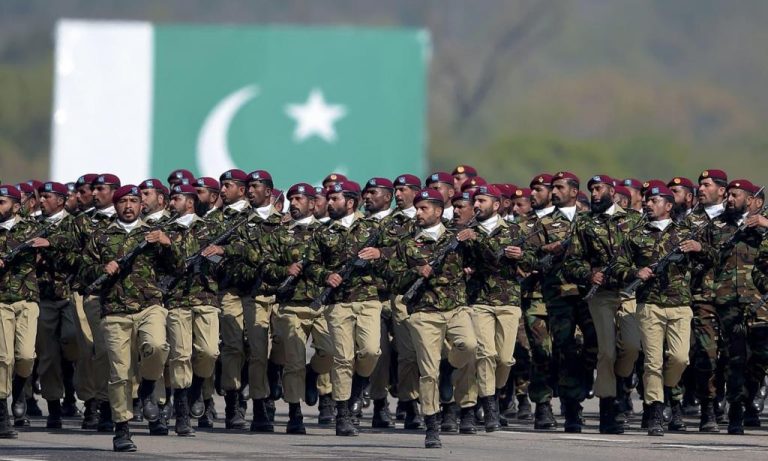
This incident is the latest example of the Pakistan Army’s brutal suppression tactics against the Baloch community. Enforced disappearances, extrajudicial killings, and the notorious “kill and dump” policy have become hallmarks of the military’s strategy to stifle dissent and silence calls for Baloch autonomy since it forcefully occupied the region in 1948.

Pakistan Army intensifies military operations yet again in Kech

In the Dasht area of Kech district in Pak-occupied-Balochistan, the Pakistan Army is conducting significant troop movements, with military helicopters frequently flying over the region.

Reportedly, a substantial number of Pakistan Army personnel are currently engaged in movements in Dasht and its surroundings, with at least twenty military trucks and various other vehicles observed advancing through the area. Helicopter flights have also been noted in the Saijji mountain range, further intensifying local concerns.

Residents in the area are expressing alarm over the possibility of a large-scale military operation. Earlier on Friday, helicopter flights were also observed in the mountain range adjacent to the city of Nushki, while yesterday, military helicopters and surveillance drones operated continuously in the Bolan area and its surroundings.

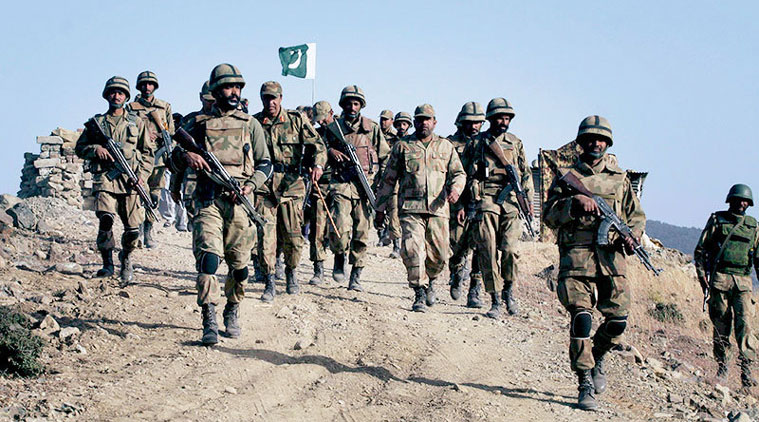
This surge in military activity reflects the Pakistan Army’s relentless campaign to maintain a grip of terror and oppression in the region. The Army has a long-standing history of committing human rights violations, including enforced disappearances and extrajudicial killings, as well as exploiting local resources for the benefit of the Punjab’s elite. Such actions further exacerbate the already tense situation in POB.

Israeli airstrikes strike Beirut, targeting top Hezbollah leader Hassan Nasrallah

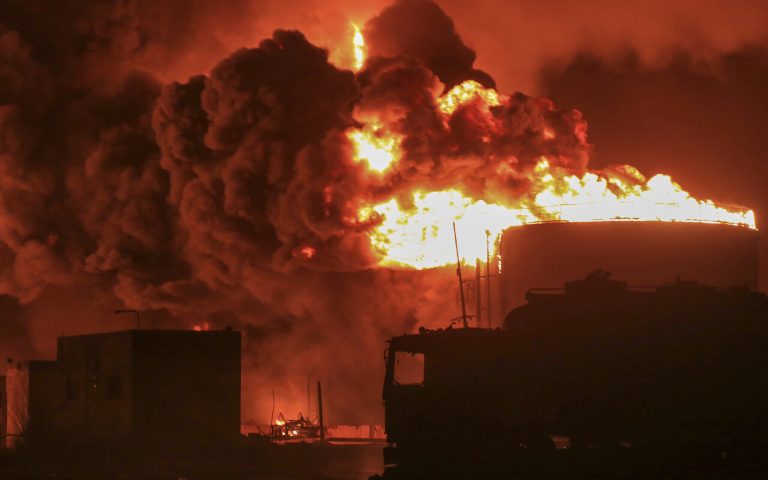
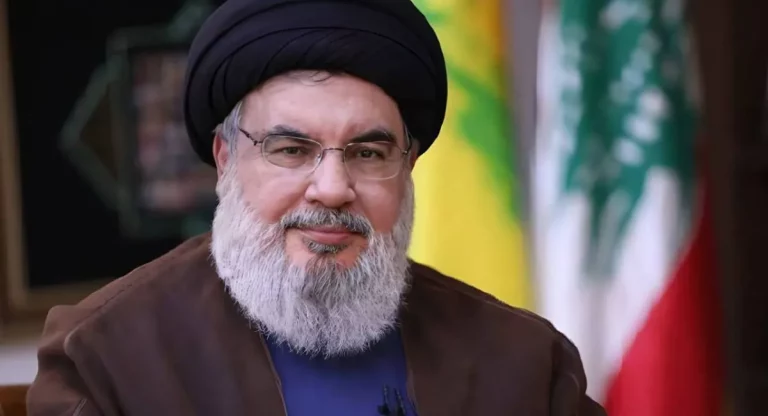
A series of intense airstrikes rocked Beirut’s southern suburbs early Saturday morning as Israel intensified its military campaign against Hezbollah, following a significant assault on the Iran-backed group’s command center that reportedly aimed at leader Hassan Nasrallah.

Witnesses reported over 20 airstrikes before dawn, prompting thousands of Lebanese residents to flee their homes. Many congregated in downtown Beirut, parks, and seaside areas in search of safety. “They want to destroy Dahiye; they want to destroy all of us,” said a man named Sari, who had evacuated after receiving an Israeli order to leave. Nearby, the newly displaced were seen attempting to rest in Martyrs Square.

The Israeli military reported that around ten projectiles had crossed into Israeli territory from Lebanon, with some intercepted. This escalation followed Friday’s unprecedented five-hour barrage, the most severe bombardment of Beirut during the ongoing conflict with Hezbollah.

The recent attacks have raised alarm over the potential for the conflict to escalate further, possibly drawing in Iran, Hezbollah’s primary ally, and the United States. Although there has been no official confirmation regarding Nasrallah’s status, a source close to Hezbollah indicated he was unreachable following the strikes. Meanwhile, an Israeli official noted that senior Hezbollah commanders were specifically targeted.

Israeli Prime Minister Benjamin Netanyahu addressed the United Nations, asserting Israel’s right to continue its campaign against Hezbollah. “As long as Hezbollah chooses the path of war, Israel has no choice but to act,” he declared, following which several delegations walked out during his speech.

Air Assault in Beirut

Lebanese health authorities reported six fatalities and 91 injuries from the initial attack on Friday, marking the fourth strike on Hezbollah-controlled areas in a week and the heaviest since the 2006 war. The death toll from the recent violence is expected to rise, with reports indicating over 700 casualties across Lebanon in the past week.

In response to the ongoing violence, Hezbollah has launched numerous rockets towards Israel, targeting cities including Tel Aviv and Safed, with some civilians reported injured. The Israeli military, however, has maintained that its air defense systems have mitigated significant damage from these attacks.

As tensions soar, Iran condemned Israel’s actions, claiming they crossed “red lines” and accused Israel of using U.S.-made bombs. Meanwhile, U.S. Defense Secretary Lloyd Austin stated that Washington was not informed of the recent strikes in advance, and President Joe Biden is being kept updated on the situation.

The international community has expressed growing concern, with France proposing a 21-day ceasefire. U.S. Secretary of State Antony Blinken reiterated the importance of diplomatic solutions, urging all parties to seek a peaceful resolution. The ongoing conflict, which escalated after a missile barrage from Hezbollah following the October 7 attack by Hamas in Gaza, continues to threaten stability in the region.

Tensions escalate as Pak Army fires on PTM members preparing for October 11 Jirga

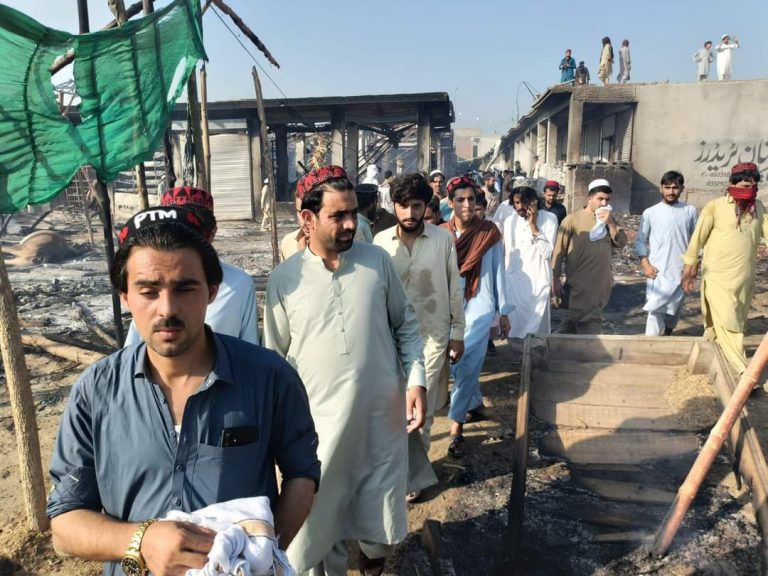
In a clear display of this intensifying repression, PTM workers in Karachi’s Sultanabad were fired upon on Friday during a meeting in preparation for the upcoming October 11 Jirga—a national gathering aimed at exposing the Pak Army’s atrocities. Several PTM activists were arrested during the violent raid, orchestrated by ISI operative and Karachi Police SHO Ghulam Hussain.

Such actions reflect the Punjabi Pak Army’s increasing desperation to crush the movement, which has emerged as the strongest voice against the Army’s systemic abuses. PTM has consistently called for an end to the occupied-state’s relentless brutality, which includes shelling, abductions, extrajudicial killings, and staged encounters in Pashtun areas. This oppressive grip dates back to the 1947 forceful occupation of the Khyber region, during which the Pak Army has subjected the Pashtun people to unimaginable violence, exploitation, and discrimination.

The hysterical response from the Paki establishment underscores the fact that the PTM’s peaceful struggle is hitting a nerve. Manzoor Pashteen’s leadership has galvanized a movement that dares to challenge the very foundations of the Punjabi-Pak military’s stranglehold on ethnic minorities. Instead of addressing these long-standing grievances, the brutal-occupied-state has chosen to eliminate the movement’s leadership, hoping to stamp out dissent by any means necessary.

Pak Army issues death threats to PTM leader Manzoor Pashteen

Punjabi Pak Army has issued direct death threats to Manzoor Pashteen, leader of the Pashtun Tahafuz Movement (PTM), as part of a growing effort to silence his activism for Pashtun rights. Pashteen, who has long been vocal about the Pak Army’s abuses and the marginalization of Pashtuns, is now in immediate danger, with Paki establishment warning they will kill him if he continues his advocacy.

As the October 11 Jirga—a peaceful gathering of Pashtuns—approaches, Paki establishment is ramping up their campaign of repression. Harassment, intimidation, restrictions and abduction of the PTM members of the movement are being used to sabotage the event. The occupied Punjabi state has launched smear campaigns to discredit Pashteen and the PTM while deliberately ignoring the genuine concerns over human rights abuses in Pashtun areas.

This heavy-handed approach by the Pakistan Army is nothing new but instead of addressing decades of military operations, enforced disappearances, and systemic discrimination against the Pashtun people, the occupied-government has chosen to strike at the heart of the peaceful movement calling for justice.

Pakistan Army’s drastic step of threatening Pashteen’s life reveals a deeper unwillingness to confront the systemic issues facing the Pashtun community, preferring to target its leadership rather than engage in meaningful dialogue. The Army’s heavy-handed tactics, including intimidation and propaganda, are being used to crush the peaceful movement rather than address the historical injustices suffered by the Pashtun people.

The international community, United Nations, and human rights organizations are being urged to intervene. Calls have been made to ensure Pashteen’s safety under international law and to condemn Pakistan’s threats and intimidation. If left unchecked, Pakistan’s actions could lead to further repression of dissenting voices and exacerbate the crisis.

Protests erupt in POGB over chronic power cuts & wheat quota reductions

Traders and locals in Pak-occupied-Gilgit Baltistan are expressing their outrage over the relentless power outages and Pak occupied-authority’s inaction that are crippling their livelihoods. The ongoing electricity shortages, marked by daily loadshedding that strikes early and often, have left the community in despair. As the local authorities fail to address the dire situation—highlighted by the absence of a chief engineer in the electricity department—frustration has boiled over into protests.

The people of PoGB have taken to storming grid stations in an attempt to confront the escalating power crisis, revealing the depth of their desperation. Traders in Gilgit are increasingly vocal against the Pak Army backed-occupied-authority’s chronic incompetence.

Moreover, a separate protest led by members of the Tahafuz Wheat Movement outside the Gilgit Press Club has brought to light another pressing issue: significant cuts to the wheat quota and the distribution of substandard flour. Demonstrators, representing a cross-section of the community, demanded immediate government intervention to improve flour quality and accessibility. Protesters highlighted a shocking disparity: “In jails across Pakistan, inmates receive 12 kg of flour per month, while we are provided with less than that.”

The sourcing practices have also come under fire, as the authorities are purchasing inferior-quality wheat from Ukraine at inflated prices, leaving the community dependent on foreign supplies rather than supporting local farmers. “Eighty percent of our wheat is imported, while local agriculture is neglected,” said one protester.

The wheat crisis in PoGB is emblematic of the broader neglect by the Paki establishment. The region is facing severe shortages and skyrocketing prices for this staple food, leading to increasing food insecurity among residents. Compounded by oppressive policies and lack of basic infrastructure, the community is demanding a responsible and effective response. These protests in PoGB serves as a powerful reminder of the ongoing struggle against the Pakistan Army’s exploitation of marginalized regions like occupied-Gilgit-Baltistan.

PTM Islamic scholar condemns Pakistan’s reckless use of blasphemy laws

A member of the Pashtun Tahafuz Movement (PTM) and an Islamic scholar have denounced Pakistan’s blasphemy laws, highlighting the stark disparities in their enforcement between religious leaders and common citizens. He emphasized the critical distinction between genuine blasphemy and mere verbal errors, warning against the reckless use of such laws to justify violence. “Do not kill everyone in the name of blasphemy; otherwise, one day, you may find your own neck under the hands of these very extremists,” he said.

He underscored how these laws, ostensibly designed to protect religious sentiments, have become instruments of oppression, selectively applied to target vulnerable individuals while often sparing influential clerics. This critical perspective has gained urgency following the controversy surrounding Mufti Tariq Masood, a well-known Deobandi scholar who has previously advocated for the death penalty for blasphemy.

Masood now finds himself on the receiving end of the very extremist rhetoric he once championed, as Shia Islamists in Pakistan-occupied Gilgit-Baltistan call for a blasphemy case against him. Their demands were ignited by Masood’s recent remarks suggesting that the Quran contains grammatical errors and that Prophet Muhammad was illiterate, statements that have triggered widespread outrage and mob protests.

The irony of Masood’s predicament cannot be overstated. As he now calls for his remarks to be “understood in context,” it raises critical questions about the very laws he once defended. For years, these draconian measures have been used to silence critics, often resulting in tragic outcomes for those who are falsely accused or belong to minority communities. In Pakistan, mere allegations of blasphemy can lead to extrajudicial killings and severe societal repercussions, particularly against those who lack the protection afforded by a powerful Punjabi demographic.

J&K: NIA launches extensive raids in ongoing investigation of Reasi pilgrim bus attack

The National Investigation Agency (NIA) launched coordinated searches at seven locations in the Rajouri and Reasi districts on Friday as part of its ongoing investigation into the deadly June terror attack on a bus carrying pilgrims returning from the Shiv Khori temple. The tragic incident, which occurred on June 9, resulted in the deaths of nine individuals, including seven pilgrims from outside Jammu and Kashmir, and left 41 others injured.

Reportedly, the bus was ambushed by terrorists in the Pouni area of Reasi, prompting the driver to lose control and veer off the road, ultimately plunging into a deep gorge near Teryath village. The case was handed over to the NIA on June 17 by the Ministry of Home Affairs, following escalating concerns over the attack.

So far, authorities have arrested one suspect, Hakam Khan of Rajouri, who is alleged to have provided food, shelter, and logistical support to the terrorists, in addition to helping them conduct reconnaissance in the area prior to the assault.

As part of the current operation, multiple NIA teams have been searching various sites linked to hybrid terrorists and Over-Ground Workers (OGWs) since early Friday morning. The agency previously conducted searches at five locations in Rajouri on June 30, aimed at uncovering further connections to the attack.

The latest raids come amidst ongoing investigations that have highlighted the troubling nexus between local militants and their supporters. Items seized during earlier searches have provided evidence of linkages between the arrested suspects and the perpetrators of the attack.

The Jammu and Kashmir police previously reported that at least two terrorists were involved in the ambush, underscoring the continuing threat posed by militant groups in the region.

IED attack targets Pak police vehicle in Dera Ismail Khan

In a troubling incident, an IED explosion struck the vehicle of the police Superintendent (SP) of the President Circle while he was en route to oversee the anti-polio campaign on Kot Daulat Hathala Road in the Kulachi tehsil of Dera Ismail Khan. SP Khalid Usman, along with his guard and driver, escaped unharmed from the blast.

Furthermore, in Peshawar, militants launched an attack on the Nisar Bagh police station near Jumma Khan Khor. Gunfire continued for an extended period; however, initial reports indicate no casualties or financial losses resulting from the assault.

Meanwhile, in South Waziristan’s Sararogha area, a drone strike on a residential house has resulted in the death of one civilian, with three others reported injured.

Despite the growing violence, the Punjabi Pak military’s focus remains more on silencing innocent Pashtuns who dare to criticize its military operations. These operations, which include shelling, enforced disappearances and extrajudicial killings, have become a notorious part of the military’s oppressive strategy. As militants continue their attacks and the Punjabi Pak Army retaliates, it is the Pashtun population that finds itself caught in the crossfire, bearing the brunt of both the militants’ violence and the military’s heavy-handed response.

Quetta Bar Association vows continued boycott over female lawyer’s license suspension

The Quetta Bar Association has announced an indefinite court boycott, condemning the revocation of a female lawyer’s license by the High Court. The association vowed to continue their protest until the license of Advocate Farzana, suspended following an incident where she allegedly locked the judge’s chamber, is fully reinstated.

The association’s president, Qari Rehmatullah, criticized the unilateral decision made by the Chief Justice, stating that the female lawyer was not given a fair chance to defend herself before her license was suspended. He declared that the boycott will persist until the lawyer’s license is restored.

“The issue is not just about one lawyer; it is about the respect and dignity of all lawyers in POB,” Rehmatullah said. He emphasized that the decision had been made without hearing the lawyer’s side of the story, which the association considers a violation of due process.

They warned that if the lawyer’s license is not restored, the courts across the region will come to a standstill. The judiciary is nothing but a tool in the hands of the Paki establishment.

Judicial Overreach in Quetta

The association demanded an immediate reversal of the decision, calling for the transfer of the judicial magistrate involved, and issued a stark warning: if their demands are not met within two days, a province-wide protest will escalate. A meeting of all POB lawyers’ unions has been scheduled for September 30, where further actions, including rallies and the closure of courtrooms, will be considered. “We will not let these courts operate until justice is served,” the lawyers declared.

The lawyers concluded by affirming that they would not back down until their demands are met. “We respect the courts, but they must respect us in return. The boycott will continue until justice is served and Advocate Farzana’s license is fully restored.”

The boycott gains added significance as Advocate Farzana represents a rare and significant presence in the patriarchal legal landscape of Pak-occupied-Balochistan. Her position as a female lawyer is a remarkable achievement, breaking barriers in a society where women in the any profession are often sidelined.

She stands as a symbol of inclusivity and excellence in an otherwise male-dominated field. However, the Chief Justice’s decision to revoke her license without allowing her to defend or explain her side not only undermines the legal profession but also defies the basic human rights that the courts are meant to uphold.