Home Blog Page 43

Iran launches over 180 missiles at Israel, Israel & U.S. promise strong retaliation

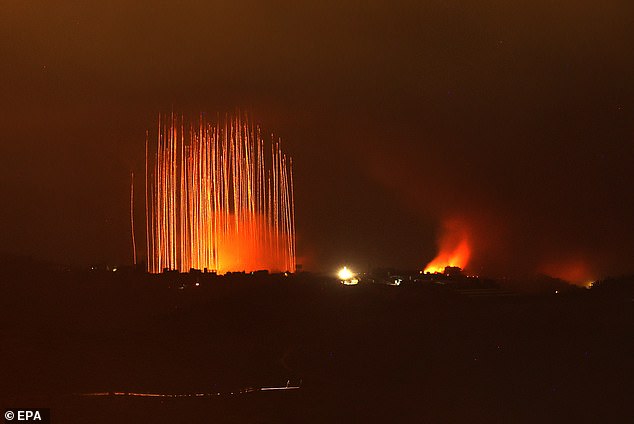
Iran announced on Wednesday that its largest-ever missile assault on Israel had concluded, barring further provocations. This comes after Tehran launched over 180 ballistic missiles at Israeli military targets on Tuesday night, marking a significant escalation in the ongoing conflict. Despite calls for a ceasefire from the United Nations, the United States, and the European Union, fighting between Israel and Hezbollah continued, raising fears of a broader regional war.

On Wednesday, Israel resumed its bombardment of Beirut’s southern suburbs, a stronghold of the Iran-backed Hezbollah group. At least a dozen airstrikes hit what Israel described as Hezbollah targets, sending plumes of smoke billowing over the area. The strikes followed new evacuation orders from Israel, as the suburbs had largely emptied after days of heavy bombardment.

Hezbollah claimed it repelled Israeli forces attempting to infiltrate the Lebanese town of Adaisseh early on Wednesday, forcing them to retreat.

Iran’s ‘Defensive’ Attack

Tehran described its missile barrage as a defensive move aimed solely at Israeli military facilities, responding to recent Israeli operations that killed senior leaders of Hezbollah and Hamas. Iranian state media confirmed that three Israeli military bases were targeted in Tuesday’s attack.

“Our action is concluded unless the Israeli regime decides to invite further retaliation. In that scenario, our response will be stronger and more powerful,” Iranian Foreign Minister Abbas Araqchi stated in a post on X (formerly Twitter) early Wednesday.

Israeli Prime Minister Benjamin Netanyahu vowed swift retaliation, declaring, “Iran made a big mistake tonight – and it will pay for it.” Netanyahu convened an emergency security cabinet meeting following the missile assault, signaling that a response was imminent.

The United States, Israel’s key ally, quickly pledged support, with U.S. Secretary of Defense Lloyd Austin assuring that Washington was “well-postured” to defend its interests in the Middle East. Austin confirmed that U.S. Navy warships had launched interceptors against Iranian missiles targeting Israel and promised to remain in close coordination with Israeli defense officials.

“Nearly 200 missiles were launched at Israel, and the U.S. defense coalition played a crucial role in intercepting them,” Israeli Rear Admiral Daniel Hagari said. He called the missile attack a “severe and dangerous escalation.”

While Iran boasted that 90% of its missiles hit their targets, Israel claimed that most of the projectiles were intercepted. Iran’s Revolutionary Guards reported using hypersonic Fattah missiles for the first time in the conflict, signaling the sophisticated nature of the assault.

International Calls for Ceasefire

Despite calls for restraint, tensions in the region continue to mount. French President Emmanuel Macron strongly condemned Iran’s missile attack and confirmed that France had mobilized military resources in the Middle East to support Israel’s security.

At the United Nations, Israel’s U.N. Ambassador Danny Danon warned that Iran would soon “feel the consequences” of its actions. “The response will be painful,” he said, while the White House echoed similar sentiments, promising “severe consequences” for Tehran.

U.S. President Joe Biden backed Israel, describing Iran’s attack as “ineffective,” but warned that the U.S. would act if necessary to defend its interests. Vice President Kamala Harris also underscored Washington’s commitment to standing by Israel, warning that Iran would face repercussions for its actions.

Israel’s ground operations in southern Lebanon, which began earlier this week, have resulted in mounting casualties. Lebanese government statistics show nearly 1,900 people killed and over 9,000 wounded in nearly a year of cross-border fighting, with most of the casualties occurring in the past two weeks.

The United Nations Security Council scheduled an emergency meeting to address the escalating conflict, while the European Union called for an immediate ceasefire to prevent further bloodshed.

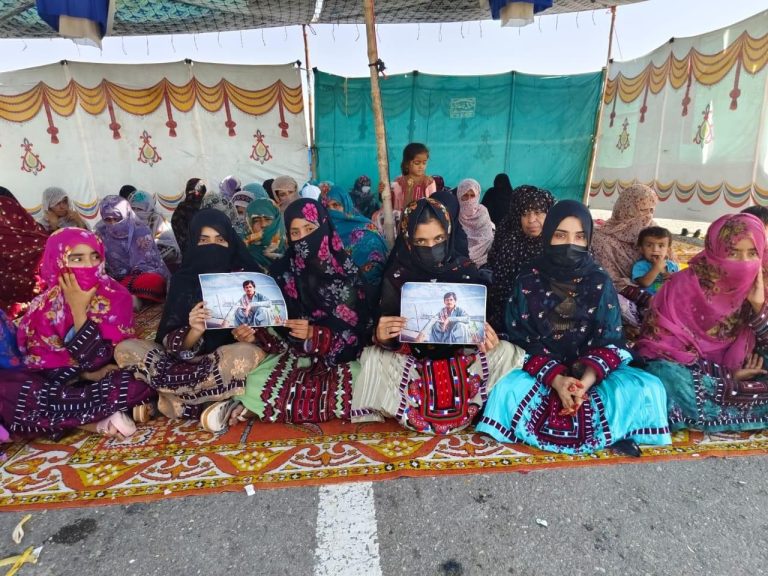
Families block CPEC road in Panjgur after Pak Army abducts Baloch brothers

In a bold act of defiance, the families of two brothers abducted by Pak Army have blocked the CPEC Road in Pak-occupied-Balochistan’s Panjgur district, protesting the Pak military’s continued reign of terror in the region. The brothers, Sabir Noor and Abid, were forcibly taken into custody during a raid in the Tar Office area of Panjgur, further inflaming local resentment against the oppressive tactics of the Pak Army.

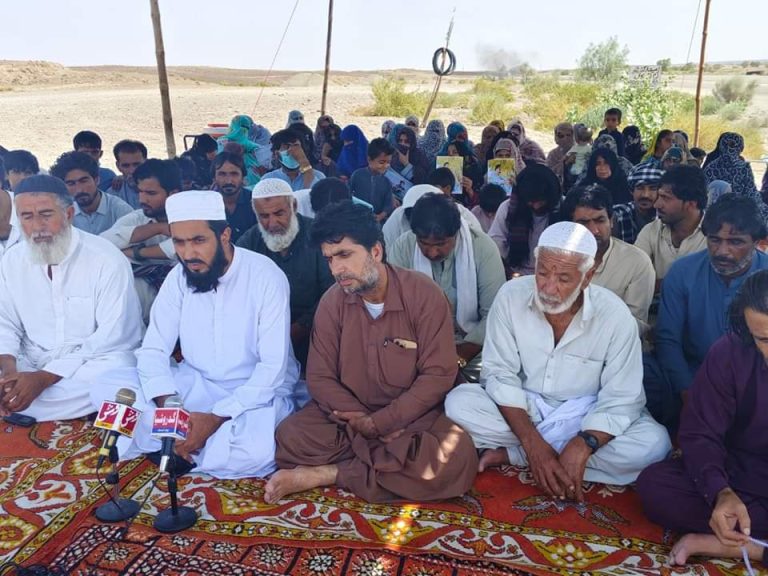
The families, along with local supporters, staged a sit-in at the Zam Zam Hotel in Panjgur’s Saradak area, bringing the crucial CPEC route to a standstill. This protest comes after a press conference earlier on Monday, where the families gave authorities until 2 p.m. to release the brothers. When no action was taken, the families followed through on their threat, blocking the road and drawing attention to the brutal tactics employed by the occupied-state.

This incident is just the latest in a long string of abductions carried out by the Pakistan Army, which has been wreaking havoc in POB for decades. The Army has systematically targeted Baloch civilians, abducting and forcibly disappearing them to show their dominance in the region. The disappearance of Sabir Noor and Abid highlights the military’s unchecked power, as local families are left helpless against the might of the Paki establishment.

Since its forceful occupation of Balochistan in 1948, the Pakistan Army has terrorized the local population, using fear and violence to suppress dissent. Today’s abductions and the subsequent protest underline the urgency of addressing the ongoing human rights abuses in the region. The continued abductions, forced disappearances, and violent crackdowns by the military are creating a climate of fear and instability, turning POB into a battleground of occupied-state-sponsored terror.

POB:Pak Army targets Baloch activists under anti-terrorism laws

The Baloch Yakjehti Committee (BYC) has criticized the Paki establishment for its discriminatory use of anti-terrorism laws against peaceful political activists, labeling it as both unacceptable and a reflection of the occupied-state’s oppressive tactics in Pak-occupied-Balochistan.

According to the Baloch Yakjehti Conference (BYC), the recent placement of Shaji Sighatullah, a prominent member of the organization, in the Fourth Schedule of the Anti-Terrorism Act of 1997 starkly illustrates the authoritarian and colonial mindset of the occupied-state towards the Baloch people. The BYC asserts that Shaji’s activism is fundamentally a resistance against Army policies that contribute to the ongoing genocide of the Baloch community.

The committee emphasized that under both the Pakistan’s constitution and international human rights law, every citizen is entitled to the rights of freedom of expression, movement, and peaceful assembly. They condemned the Pak Army’s efforts to equate peaceful political struggle with terrorism, asserting that such comparisons violate global democratic principles and jeopardize human lives.

Moreover, the BYC pointed out that the occupied-state’s tactics to violate the basic rights of political activists in POB serve as a calculated strategy to suppress dissent and silence legitimate grievances. The Pakistan Army has long relied on fear and violence to maintain its grip on power, using draconian laws to target those who dare to oppose its narrative.

The use of anti-terrorism legislation without substantial evidence against political activists not only breaches the International Covenant on Civil and Political Rights but also amounts to systemic racism.

In light of these developments, the BYC has called upon the international community and human rights organizations to voice their concerns regarding these oppressive practices. They urge all segments of Baloch society to unite in resistance against the colonial laws imposed by the state, which aim to further marginalize the voices of the Baloch people.

Israel escalates airstrike operations, attacks Damascus

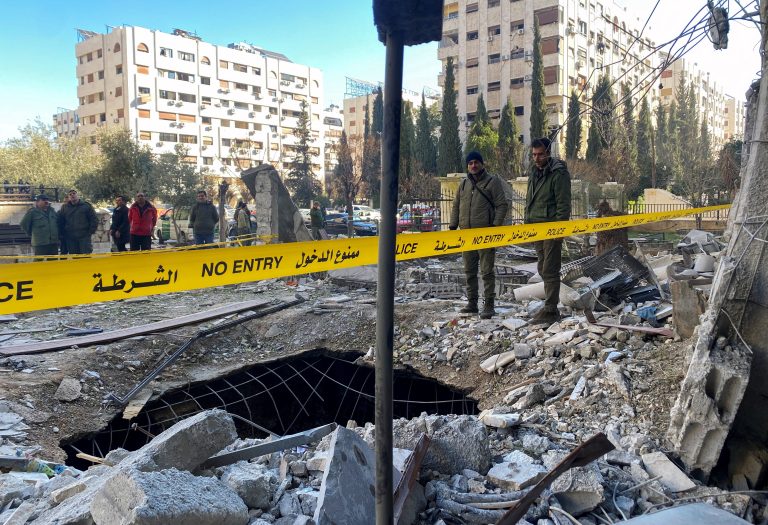
An Israeli airstrike early Tuesday has resulted in the deaths of three civilians and left nine others injured, according to Syrian state media citing a military source. The strike targeted the Syrian capital, Damascus, causing significant damage to private property.

State television reported the death of one of its presenters in the attack; however, it remains unclear if this individual is among the three civilians confirmed deceased by state media.

Furthermore, Syrian air defenses successfully intercepted “hostile targets” over Damascus three times during the night, following a series of explosions that reverberated through the capital.

When approached for comments regarding the strike, the Israeli military declined to address the situation, maintaining its policy of not commenting on foreign media reports.

Israel has been conducting strikes on Iran-linked targets in Syria for several years, a campaign that has intensified since the October 7 attack by Hamas on Israeli territory last year.

Punjab (Pak) police rearrests PTM leader Ali Wazir soon after release from Adiala prison

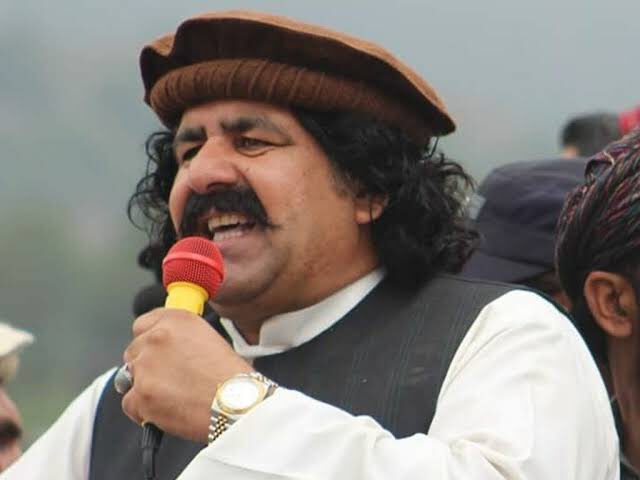
In a disturbing continuation of repression, former Member of the National Assembly (MNA) and prominent leader of the Pashtun Tahafuz Movement (PTM), Ali Wazir, has been arrested once again, shortly after his release from Adiala Jail. This latest arrest follows a pattern of unlawful detentions that have characterized the Paki establishment’s attempts to silence dissenting voices within the Pashtun community.

Ali Wazir was taken into custody by Punjab police and individuals in plain clothes as he exited the jail. He was transferred to an undisclosed location by the police and plainclothes personnel.

Ali Wazir was arrested again just after being released from Adiala Jail, where he had spent two months. According to local police, Ali Wazir has been transferred to Jhelum District in Punjab. The Deputy Commissioner of Jhelum District has placed Ali Wazir under detention for 15 days under Section 3 of the MPO.

Ali Wazir was initially arrested on 3 August following an accident in Islamabad. Although he managed to secure bail in three separate cases, he was subsequently arrested twice under the Maintenance of Public Order (MPO) ordinance.

The illegal detention of Wazir is emblematic of the occupied-state’s overarching policy of repression, aimed at quelling political consciousness and public resistance. By continuously targeting courageous leaders like Wazir, the occupied-authorities reveal their unconstitutional character and their fear of growing dissent among the Pashtun populations.

The timing of Wazir’s recent arrest raises significant concerns, as it aligns with a broader effort to suppress opposition ahead of a planned Pashtun National Court event scheduled for October 11. Authorities appear increasingly anxious about the rising influence of nationalist movements, which pose a challenge to the military’s long-held dominance in the region.

Ali Wazir’s repeated arrests serve as a grim reminder of the ongoing persecution faced by the PTM and its supporters. His situation highlights the severe risks that ordinary Pashtuns encounter when a prominent leader is victimized by the occupied-state.

Armed men attack Pakistan Army camp in Kech

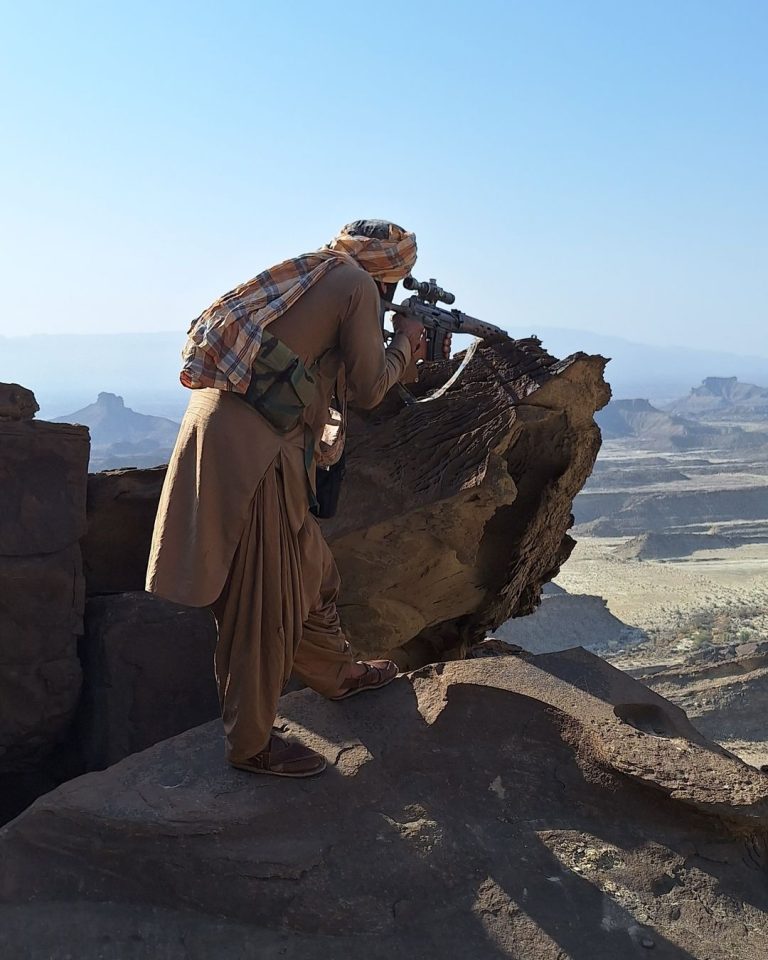
In a recent escalation of violence in Pak-occupied-Balochistan, unidentified armed attackers targeted a Pak forces’ camp in the Kech district. The camp, located in the Tump Rodban area, was struck late last night, with residents reporting the sounds of heavy gunfire and explosions echoing through the region.

Although details of the attack remain unclear, and no official statement has been issued by authorities. Baloch nationalist groups, known to operate in the region, are often linked to such attacks. However, as of now, no group has claimed responsibility.

The Kech district, located in southwestern POB, has long been a hotspot for clashes between Pak forces and Baloch fighters, who have been fighting for independence since Pakistan’s forceful occupation of POB in 1948.

Death of Hezbollah chief Nasrallah, sparks violent protests near US Consulate in Karachi

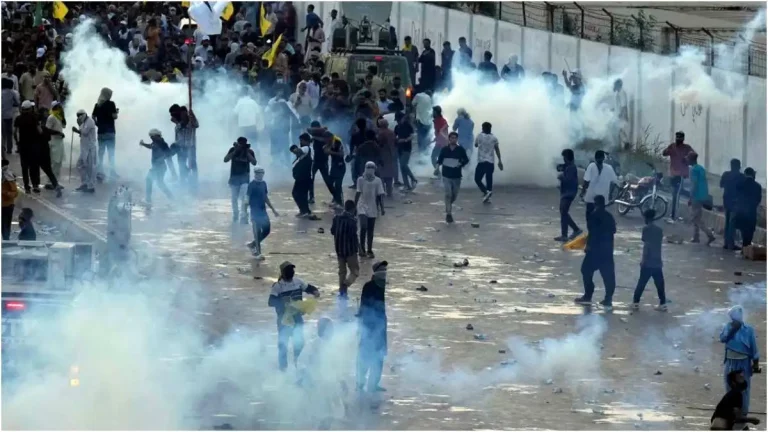
Violent protests erupted in Karachi, Pakistan, on Sunday as demonstrators clashed with police while attempting to march towards the US Consulate. The unrest followed the death of Hezbollah leader Sayyed Hassan Nasrallah in an Israeli airstrike in Lebanon.

The protest, organized by Majlis Wahdat-e-Muslimeen (MWM), saw a rally of around 3,000 people and participation from multiple political-religious groups. Demonstrations against Nasrallah’s killing spread across various regions of Pakistan, including Karachi, where the protests turned particularly volatile.

In an effort to control the crowd, officers resorted to lathi charges, tear gas shelling, and aerial firing. During the chaos, two police vehicles were damaged, and a motorcycle was set ablaze by the protesters. The Station House Officer (SHO) of Mach, who was critically injured by stone-pelting, was rushed to a nearby hospital for treatment.

Protesters chanted “Death to America,” while carrying posters of Nasrallah.

Sindh Interior Minister Zia-ul-Hasan Linjar called for increased security measures to protect civilians and journalists. He emphasized the need for additional police deployment to restore order in the city.

The protests were triggered by an Israeli strike on Beirut on Friday, which resulted in the death of Nasrallah, a key Hezbollah leader. In response, Israeli Prime Minister Benjamin Netanyahu warned Iran’s Ayatollah regime, stating that those targeting Israel would face severe consequences and that “no location” in Iran or the Middle East is “beyond Israel’s reach.”

Netanyahu referred to Nasrallah as “the main engine of Iran’s axis of evil,” asserting that Nasrallah was not just another terrorist, but the architect behind Iran’s plans to destroy Israel.

Pak Army abducts Baloch youth who was a victim of Pasni attack

In a fresh wave of violence in Pak-occupied-Balochistan, two civilians were critically injured when unidentified armed motorcyclists opened fire in the coastal town of Pasni. One of the victims, Doda Nasir, who was previously abducted and later recovered, is reported to be in serious condition. The attack took place in Bangla Bazaar, where Nasir and another man, Riaz, were sitting at Nasir Service when they were targeted. Both men were rushed to Pak Oman Hospital, where Nasir’s condition remains critical.

This attack is part of a disturbing pattern in the region. Doda Nasir is not the only individual who has been targeted after being forcibly disappeared and later recovered. This is the second or third such incident to occur recently, raising alarm over the occupied-state’s actions in POB. Individuals who go missing under mysterious circumstances, at the hands of Pak Army and intelligence agencies, are later targeted in life-threatening attacks.

Balochistan has long been a battleground for resistance against the Pak military’s oppressive regime. Since the forceful occupation of Balochistan in 1948, the Army has employed brutal tactics to suppress dissent, including the infamous “kill and dump” policy. Under this policy, abducted individuals are murdered, and their bodies are discarded to send a message to those who dare resist. This latest attack on Doda Nasir highlights how deeply entrenched these tactics have become.

Chemical warfare in Waziristan; Pak Army’s latest atrocities against Pashtuns

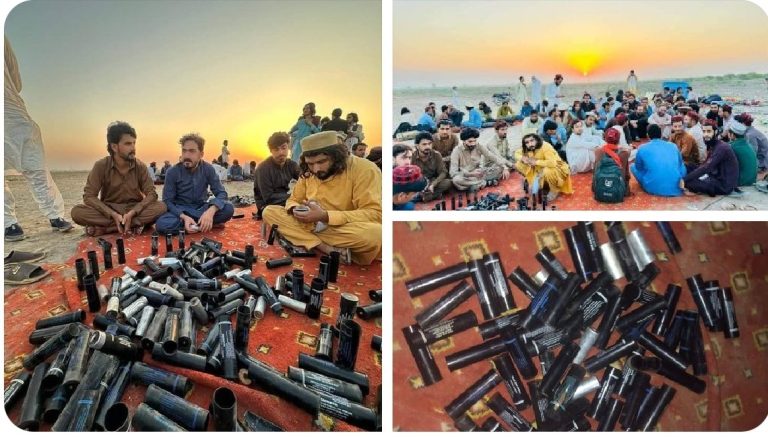
Following recent artillery shelling by the Pakistan Army, local activists in north Waziristan have reported a concerning spike in diseases among the population, raising the use of chemical phosphorus during the bombardments. Such actions represent a blatant violation of international laws prohibiting the use of chemical and biological weapons, underscoring a new level of barbarity inflicted upon the Pashtun community, whom the Paki establishment has historically marginalized and viewed as alien.

Recently, over 25 cows and buffaloes were killed by mortar fire in Mir Ali, as the Pak Army indiscriminately targeted residential areas. The animals, trapped in a cattle market, were burnt alive, illustrating the grim reality of the Pak military’s policies that extend beyond human casualties to encompass the very means of livelihood for residents.

This incident is part of a broader pattern of systematic persecution faced by the Pashtuns in the region where the Army’s relentless shelling and military operations have left the community in dire straits. The Pak Army’s tactics appear to be designed to destabilize the region further, ensuring it remains under military control while exploiting both its natural resources and its people.

The ongoing violence and destruction faced by the Pashtuns have been met with silence from the Paki establishment, which continues to prioritize its military objectives over the welfare of its citizens.

Baloch community unites to protect Syed Hashmi reference library

Recently, a program was held at the Syed Zahoor Shah Hashmi Reference Library to address pressing issues such as the destruction of agricultural lands and environmental pollution caused by the Malir Expressway in the villages of Malir. The event brought together community leaders and activists who voiced their grievances against the detrimental impact of Paki establishment’s oppressive policies on local populations.

During the program, participants criticized the Pak Army’s role in perpetuating the systematic marginalization of the Baloch people. They highlighted how the Paki establishment continues to exploit the region’s resources for the benefit of the Punjabi elite, particularly the Army, leaving Baloch communities disenfranchised and impoverished. The resolution passed at the event called for the redesign of the interchange being constructed on the Malir Quaidabad Bridge, stressing the need to protect the local communities and the Syed Zahoor Shah Hashmi Reference Library from potential harm.

Moreover, the resolution demanded proper management of the Malir River to prevent further ecological degradation and emphasized the importance of safeguarding surveyed lands belonging to local residents from the adverse effects of the Malir Expressway. It also urged occupied-authorities to refrain from demolishing ancient cemeteries and historical and cultural sites, recognizing their significance to the Baloch identity.

The demands were presented by Advocate Imran Baloch, Secretary of the Library Committee, alongside other notable speakers including Salman Baloch, Azeem Dhakan, Kaleemullah Lashari, Usman Baloch, Zulfiqar Ali Bhutto Jr., and Professor Ramadan Bamari. The event was hosted by Comrade Hafeez Baloch, reflecting a united front against the injustices faced by the Baloch community.

The Baloch Yakjehti Committee has also expressed its dismay stating the atrocities that Pak Army is committing by demolishing houses and the Sayed Hashumi Reference Library at Gulam Muhammad Goth Malir on the indigenous people of Malir, the Balochi language, and cultural heritage.

The Army is taking steps for constructing Malir Expressway, a road construction project by the Defence Housing Authority, a multi-billion housing scheme to demolish Goth Gulaam Muhammad.