Home Blog Page 46

Pak Army’s shelling ravages Pashtun livelihood & livestock in Waziristan

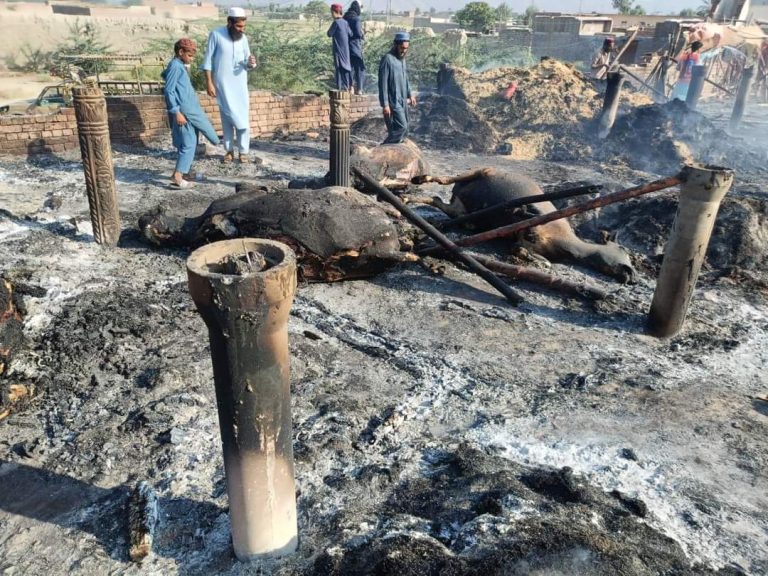
The Pakistan Army’s relentless violence against the Pashtun population continues to claim innocent lives, both human and animal, in the heavily militarized region of Waziristan. In the latest incident, more than 25 cows and buffaloes were killed by mortar fire in Mir Ali, North Waziristan, as Pakistan’s Army indiscriminately bombarded residential areas. The livestock, caught in the crossfire of the Army’s artillery shelling, were burned alive in a cattle market—another grim reminder of the occupied-state’s cruel policies that now extend beyond human casualties.

The Army’s systematic persecution in Pashtunkhwa has spared neither the people nor their means of survival. The Pashtuns of Waziristan, who have long been victims of the Paki establishment’s militarization and exploitation, now find their very livelihoods under attack. The Punjabi Pak Army’s daily shelling of civilian areas is part of a broader campaign to destabilize the region, ensuring that it remains under military control while continuing to exploit its people and natural resources.

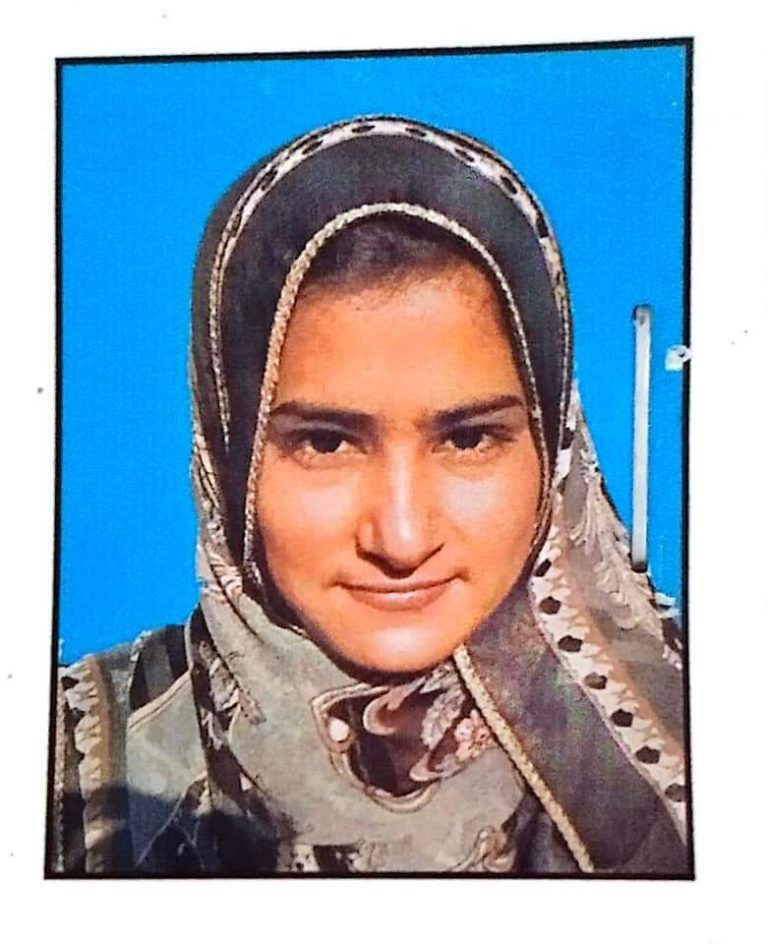
In recent weeks, the brutality has escalated even further. Just 13 days ago, two Pashtun were killed, and seven others were injured when the Army shelled a pine nuts forest in South Waziristan’s Birmal area. Less than a week later, a 15-year-old girl was killed by shelling from a Pak Army gunship helicopter in the Tirah Maidan region near the Afghan border. These are not isolated incidents but part of a calculated effort to suppress and depopulate a resource-rich region.

Military Shelling Wipes Out Pashtun Livestock

The Paki establishment, loaded with the Punjabi military elite, has a long history of exploiting the other ethnics, especially Baloch and Pashtuns while using them as pawns in its so-called fight against terrorism. Waziristan, once a vibrant hub of Pashtun culture and resilience, is now an epicenter of devastation, riddled with military checkpoints, artillery fire, and indiscriminate bombing campaigns. Under the guise of security operations, the Army has unleashed a reign of terror that includes forced disappearances, extrajudicial killings, and systematic exploitation of local resources.

This is not just a military occupation but a war economy designed to sustain the Army’s control over Pashtun lands. The Army’s indiscriminate violence is part of a broader strategy to keep the region unstable, allowing for continued exploitation while denying the Pashtuns their rights. The endless cycle of violence and destruction serves to further marginalize the Pashtuns, who have been subjected to decades of humiliation, ethnic profiling, and systemic discrimination.

The time has come for the international community to recognize the atrocities being committed by the Pak military in Pashtun territories. The exploitation of resources, the use of Pashtuns as cannon fodder in a never-ending war, and the destruction of both human lives and livelihoods must be condemned. The Punjabi-Pak Army cannot continue to wage war on its own people with impunity.

Sindh: First FIR registration of abduction & forced conversion of minor Hindu girl

In a significant development, an FIR has been registered for the first time in the history of the Digri Police Station under the Sindh Child Marriage Restraint Act, marking a small victory for activists like Shiva Kachi and the Central Chairman of the Minority Rights Organization, who have long advocated for the protection of religious minorities in the region. This action comes amid a disturbing backdrop of forced conversions and child marriages targeting vulnerable communities, particularly Hindus.

The case at hand involves Meena Lohar, a minor Hindu girl of 7th standard who was abducted, forcibly converted, and married off against her will. Family members of Meena arrived at the Pakistan Dravidian Union’s head office in Sindh to file the FIR, underscoring the urgency and gravity of the situation. IG Sindh, Ghulam Nabi Memon, has pledged to ensure the enforcement of laws aimed at preventing early marriage and protecting minority rights.

As 15 days have passed since Meena’s abduction, the lack of decisive action by the authorities shows their lack of intention to safeguard minority rights. The Paki establishment continues to conspire against the life, safety and dignity of its minority citizens.

However, this incident is not just a singular case; it is emblematic of a larger, systemic issue plaguing Pakistan’s religious minorities. The ongoing persecution and radicalization against Hindus, Christians, and Sikhs highlight a deeply entrenched extremist mindset within the Islamic Republic, where the belief that minorities should be forcibly converted to Islam prevails.

The case of Meena Lohar serves as a chilling reminder of the precarious position religious minorities find themselves in. Instead of protecting its citizens, the Paki establishment allows radical elements to thrive. While the registration of the FIR is a step forward, it cannot mask the larger crisis that religious minorities face in Pakistan.

Kurram: Shia-Sunni tensions ignite deadly clashes, 14 lives lost

A land dispute in Kurram has spiraled into violent sectarian riots, with Sunni and Shia tribes launching missile and mortar attacks against each other. The conflict, which began on the night of September 22, has already claimed the lives of 14 individuals and left over 30 others injured.

The clashes have intensified over the past three days, fueled by rising tensions between the communities. Reportedly, Shia Muslims in Parachinar have demanded a blasphemy case against Sunni Muslims in Sadda. In retaliation, the Sunni community has labeled Shia residents as heretics and has insulted revered figures, deepening the rift.

The violence has its roots in longstanding grievances, as Shia residents in the area have faced insecurity and vulnerability, a consequence of the Pak Army’s inadequate response to extremist threats. The ongoing attacks have resulted in numerous innocent casualties, fostering a sense of frustration and anger among the minority Shia population.

According to police officials, the fighting initially erupted over a dispute regarding the construction of trenches between local tribes in Boshehra but has since spread to neighboring areas. The only road connecting Parachinar to the rest of the country remains closed, leaving the local population trapped and without access to essential resources.

POB: Pak Army abducts five more Baloch students as repression escalates

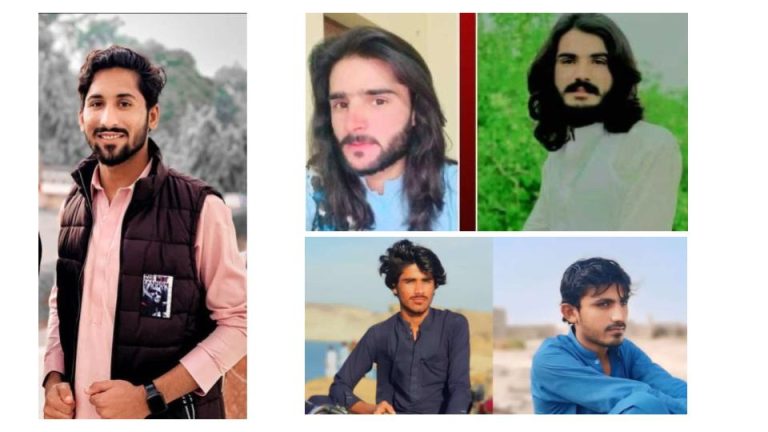
In yet another act of oppression, Pak forces abducted two Baloch students, Musa Khaliq Dad and Sameer Majeed, from Dasht Doro near a military checkpoint on September 22. The students were on their way from Gwadar to Kapkapar when they were forcefully detained by the Pak Army. Since their disappearance, neither has been seen or heard from, deepening fears of yet another episode in the ongoing series of enforced disappearances in Pak-occupied Balochistan (POB).

Hamid Khan Mohammad, a seventh-semester sociology student at the University of Sargodha, has also fallen victim to enforced disappearance. He was taken by law enforcement agencies (LEAs) from Bahadur Shah Zafar Road, right in front of Ibrahim Hospital in Sargodha District, Punjab.

This incident is part of a growing pattern where the Pak Army, along with the establishment, has resorted to brutal tactics to suppress the Baloch community. In addition to the students from Gwadar, two more from Kalat and one from Sargodha have also been reportedly abducted by security forces. Moreover, the lives of Baloch citizens—students, professors, and activists—remain perilous as hundreds have been placed on the Fourth Schedule list, effectively marking them as suspects in the eyes of the occupied-state, simply for existing.

Families of those disappeared are left in an agonizing state, waiting for answers that never come. The cases of Akhtar Shah and Sahaj Mengal are just the latest in this gruesome trend, where victims are dragged into illegal torture cells, never to be seen again. Despite continuous appeals from human rights organizations like Baloch Voice for Justice, the occupied- authorities remain indifferent, perpetuating these grave human rights violations.

This situation in Balochistan is no longer an isolated issue—it has become a systemic feature of Pakistan’s oppressive regime. Since the forceful occupation of Balochistan in 1948, the military has adopted a “kill and dump” policy, where abducted individuals are murdered and their bodies discarded to instill fear and silence any form of resistance.

J&K Assembly elections: Phase 2 underway with strong voter turnout

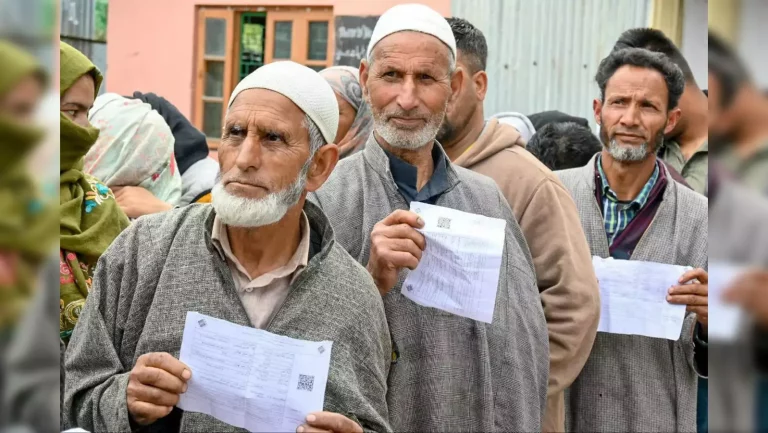
The second phase of the Jammu and Kashmir Assembly elections is underway today, with voters across six districts heading to the polls. A total of 26 constituencies are up for election in this phase, with over 2.5 million voters set to determine the fate of 239 candidates. The Election Commission of India (ECI) has established 3,502 polling stations to ensure a smooth electoral process, including 1,056 in urban areas and 2,446 in rural regions. All stations are equipped with webcasting facilities to promote transparency in the voting process.

Polling, which began at 7 a.m., will continue until 6 p.m. Security forces, including the police, armed police, and central armed paramilitary units, have been deployed at polling booths to ensure the safety of voters and the smooth conduct of the elections.

Notable candidates in this phase include former Chief Minister Omar Abdullah, Jammu and Kashmir Pradesh Congress Committee (JKPCC) President Tariq Hamid Karra, and Bharatiya Janata Party (BJP) Jammu and Kashmir Chief Ravinder Raina. Their participation adds significant weight to this critical phase of the election.

The first phase of voting, held on September 18, saw a 61.13% voter turnout across 24 constituencies in seven districts, reflecting strong engagement from the electorate. The second phase will now continue to build on this momentum as voters in Jammu, Kashmir, and the surrounding regions cast their ballots.

As the day unfolds, long lines of voters can be seen at various locations, particularly in Jammu, Srinagar, and Ganderbal, with facilities such as the Government Middle School in Katra witnessing substantial turnout.

In total, there are 2,578,099 eligible voters for this phase, which includes 1,312,730 male voters, 1,265,316 female voters, and 53 third-gender voters. District administrations have made comprehensive arrangements at polling stations to facilitate free, fair, and transparent elections.

The final phase of polling is scheduled for October 1, with vote counting set to take place on October 8.

BLF operation in Barkhan ends successfully after intense clashes with Pak Army

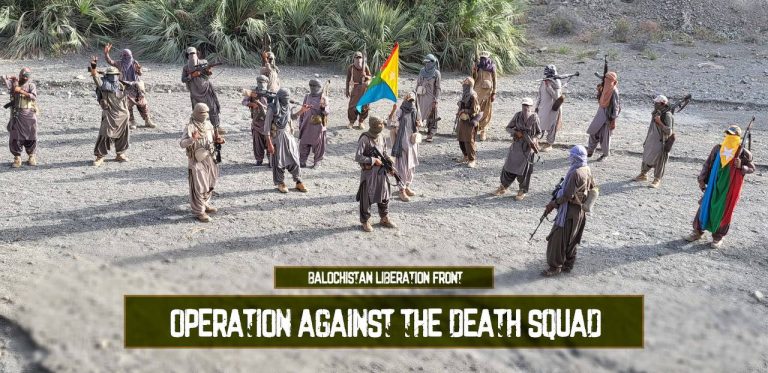
In a significant development in the ongoing conflict in Pak-occupied-Balochistan, the Baloch Liberation Front (BLF) successfully concluded a three-day military operation in the border areas of Barkhan and Dera Bugti. Earlier, the operation, targeting the Pakistan Army-backed “death squads,” began with intense clashes, resulting in the deaths of at least eleven personnel, as confirmed by the BLF.

Major Gwharam Baloch, the spokesperson for the BLF, said that after fierce fighting, the mission was successfully completed at 2:30 PM, and the fighters safely returned to their secure hideouts.

This operation marks a continuation of resistance against the deep-rooted violence and suppression the Baloch community endures at the hands of Paki establishment. The Baloch nationalist movements have long fought for autonomy and control over the province.

Since Pakistan’s forceful occupation of Balochistan in 1948, the Pakistan Army has employed brutal tactics to suppress the local population, including enforced disappearances, extrajudicial killings, and the formation of death squads.

While details of this operation are still emerging, the BLF spokesperson confirmed that a more comprehensive statement would be provided to the media shortly.

Deobandi cleric Tariq Masood faces serious blasphemy charges for comments on Quran

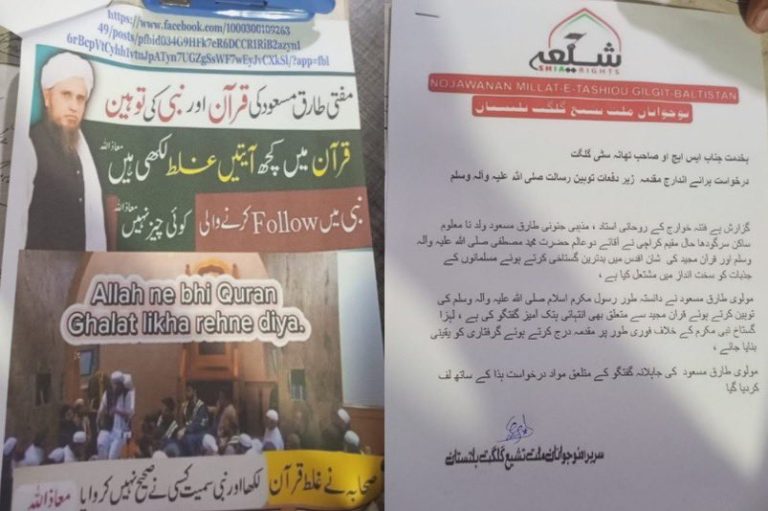
In a striking turn of events, popular Deobandi scholar Mufti Tariq Masood—known for his hardline stance advocating “death for blasphemy”—now finds himself on the receiving end of the same extremist rhetoric. Shia Islamists in Pak-occupied-Gilgit-Baltistan are demanding a blasphemy case against Masood, accusing him of making statements about the Quran that they deem offensive.

The firestorm erupted after Masood stated that the Quran contains grammatical errors and that Prophet Muhammad was illiterate. His remarks have ignited widespread outrage, with mobs now calling for his prosecution under Pakistan’s controversial blasphemy laws—the very laws that Masood himself had fiercely defended in the past.

This sudden reversal has exposed the hypocrisy embedded within Pakistan’s blasphemy laws, long used as a weapon to silence critics or settle personal scores. Masood, who once preached death for anyone accused of insulting Islam, is now pleading for his words to be “understood in context” as fear for his own life grows.

https://twitter.com/srdmk01/status/1837792113150284234

Tariq Masood Faces Blasphemy

Pakistan’s blasphemy laws are notoriously brutal—mere allegations are often enough to seal a person’s fate, especially if the accused belongs to a minority community. The tragic case of Dr. Shahnawaz Kumbhar, a physician in Mirpurkhas, serves as a chilling reminder of this reality. Dr. Kumbhar, accused of blasphemy, was killed while in police custody, with a mob setting his body ablaze. The Sindh Police, complicit in the violence, allowed the mob to carry out the brutal act, demonstrating the chilling depths of Pakistan’s broken justice system.

However, Masood admitted that blasphemy laws have been weaponized, even acknowledging that judges and lawyers often feel pressured to deliver wrongful verdicts. “I am being targeted unfairly. This is not what I meant,” Masood has been quoted as saying, attempting to defuse the backlash.

If Masood’s own fatwas were applied to his current predicament, he would face the same brutal punishment he once endorsed—death by beheading.

BLA launches coordinated attacks on Pak Army in POB

The Baloch Liberation Army (BLA) launched two recent attacks targeting the Pak Army and its collaborators. In a statement released by spokesperson Jeeyand Baloch, the group said that their fighters successfully struck a central military camp in Kharan and a state informant in Quetta, highlighting the ongoing resistance against the atrocities committed by the occupying forces.

According to the BLA, the attack on the military camp, located in the Albatt area of Kharan, involved the use of rockets and heavy weaponry. The spokesperson said that a rocket struck a military checkpoint, resulting in the immediate death of one soldier and inflicting further casualties on the Pak forces. This incident underscores the BLA’s commitment to opposing the relentless military operations that have devastated the Baloch region and its people.

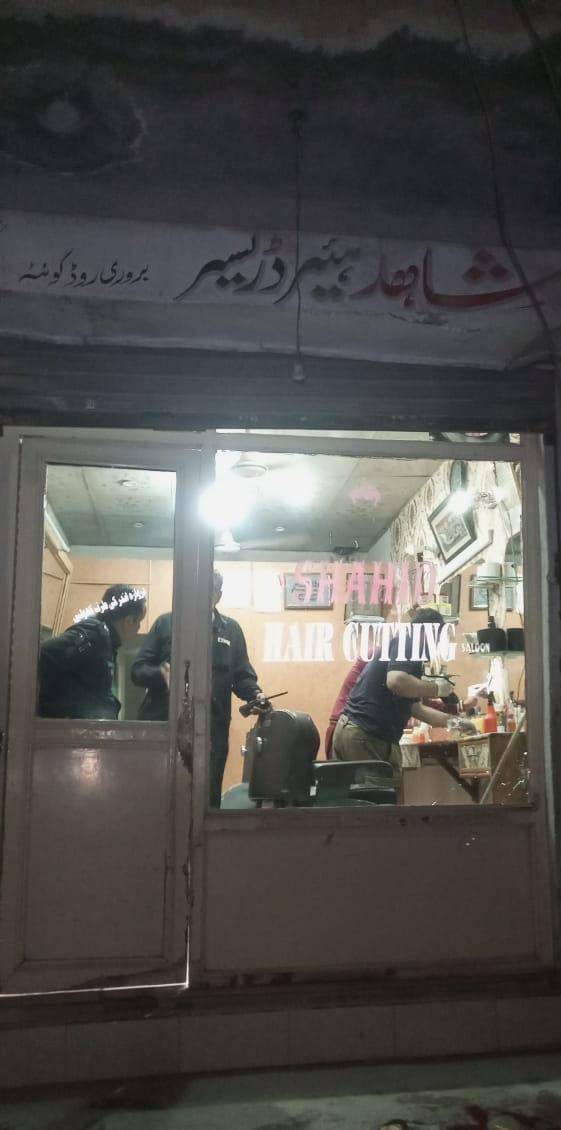
Furthermore, the BLA said that its fighters targeted a collaborator of the Pak military and intelligence agencies in Quetta. The informant, identified as Mujahid from Bahawalpur, Punjab, was reportedly using his barber shop as a cover for espionage activities against the Baloch people.

BLA Responds to Military Aggression

The BLA criticized the occupying- state for utilizing local businesses to facilitate their oppressive regime, as the military is exploiting the civilian population for intelligence-gathering purposes.

The BLA’s attacks serve as a stark reminder of the ongoing struggles faced by the Baloch community, who are subjected to systemic discrimination, military oppression, and violence. The Pak military’s presence in POB has led to widespread human rights violations, including enforced disappearances and extrajudicial killings. These attacks are not only a response to military aggression but also as an essential fight for the rights and dignity of the Baloch people.

This latest series of incidents is part of a broader narrative of resistance against the Paki establishment. The group vowed to continue its struggle until the Baloch community is liberated from an oppressive military occupation.

Islami Jamiat-e-Talaba assaults Baloch students in Punjab University, injures five

In a disturbing incident at Punjab University in Pakistan, two Baloch students are in critical condition following a violent attack by baton-wielding members of the Islami Jamiat-e-Talaba (IJT). The attack, which left five Baloch students injured, highlights the systemic issues of racial profiling and discrimination faced by the Baloch community in educational institutions in Punjab province.

Reportedly, IJT members not only used sticks but also firearms during the assault. Several Baloch students sustained serious injuries, particularly to their heads and other vital areas. The violent episode occurred in Boys Hostel 8, where IJT members supported by university security forces, targeted Baloch students.

Baloch students, often fleeing the dismal educational landscape in Pak-occupied-Balochistan—where Pak military has left education system in ruins—have no choice but to seek education in Punjab province. Unfortunately, this move exposes them to harassment and violence. The educational system in POB suffers from severe infrastructural deficiencies and a lack of faculty, compelling many students to migrate in search of better opportunities.

The Baloch Council in Lahore has condemned the attack, stating that IJT students were responsible for the violence against their fellow students. However, instead of holding the aggressors accountable, Punjab police arrested more than 20 Baloch students, transferring them to the police station while ignoring the IJT members’ culpability. This raises critical questions: if the clashes were merely student rivalries, why were only Baloch students apprehended? And if maintaining peace and discipline is the goal, why are IJT members allowed to operate above the law?

The recent assault is a stark reminder of the long-standing policies of the Paki establishment, which consistently marginalizes the Baloch community. Recent events clearly demonstrate the targeted harassment that Baloch students endure.

The situation reveals the harsh reality that religious extremist groups like the IJT are, in fact, instruments of the university administration and authorities, used to justify the targeting of Baloch students and those from other marginalized communities, such as Pashtuns. This strategic exploitation perpetuates an environment where Baloch students are treated as second-class citizens, facing both systemic discrimination and outright violence.

BLF attacks Pak Army death squads, executes eleven soldiers

The Baloch Liberation Front (BLF) led an operation in Barkhan, targeting the Pakistan Army-backed “death squads”. In an initial statement issued to the media, Major Gwahram Baloch, spokesperson for the BLF, confirmed that eleven personnel had been killed so far, with intense clashes continuing. The operation, which began two days ago, aims to counter the influence of these militias, terrorizing the Baloch population.

“An operation against the death squads has been ongoing in Barkhan since 4 p.m. yesterday. So far, eleven enemy personnel have been eliminated, and more than a dozen wounded,” said Major Gwahram Baloch. “The operation continues with full force, and further details will be released soon.”

The conflict in Pak-occupied-Balochistan between local resistance groups and the Paki establishment has deep roots, with Baloch nationalist movements fighting for greater autonomy and rights over the province’s resources. Since forceful occupation of POB in 1948, the Pak Army has been using brutal tactics to suppress the Baloch population, including enforced disappearances, extrajudicial killings, and the formation of “death squads.”

BLF Hits Pakistan Army

These militias are funded and backed by the Pak military and intelligence agencies, have been linked to widespread violence, targeting activists, intellectuals, and communities merely suspected of supporting the Baloch independence movement.

Baloch nationalist groups like the BLF have consistently opposed these militias, as they are the instruments of Army terror. These “death squads” operate with impunity, acting as proxies for the Pakistan Army to carry out atrocities that terrorize civilians and silence opposition.

The situation has escalated in recent years as pro-independence groups like the BLF have launched coordinated operations in retaliation for military actions that have devastated the region. Major Gwahram Baloch reaffirmed that the BLF will continue its operations until the Baloch people are free from Pak Army’s oppressive colonial rule.