Home Blog Page 101

BNM activists protest fencing around Gwadar by Paki establishment in South Korea

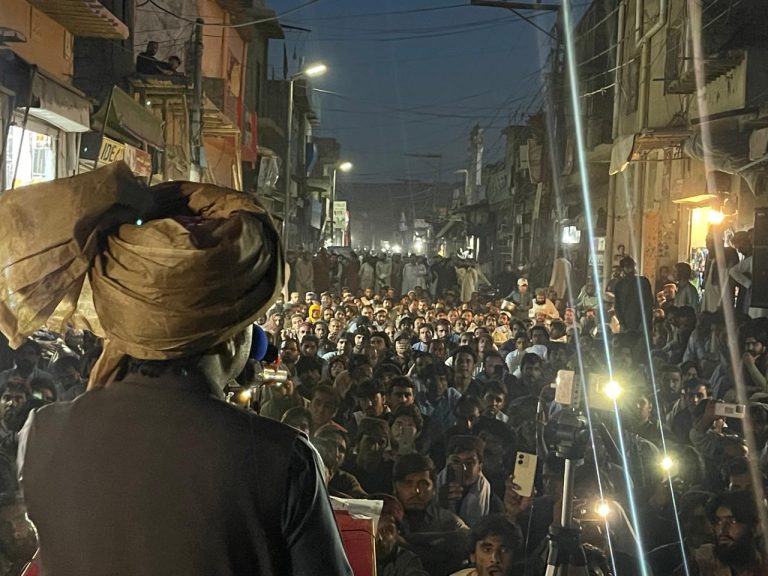
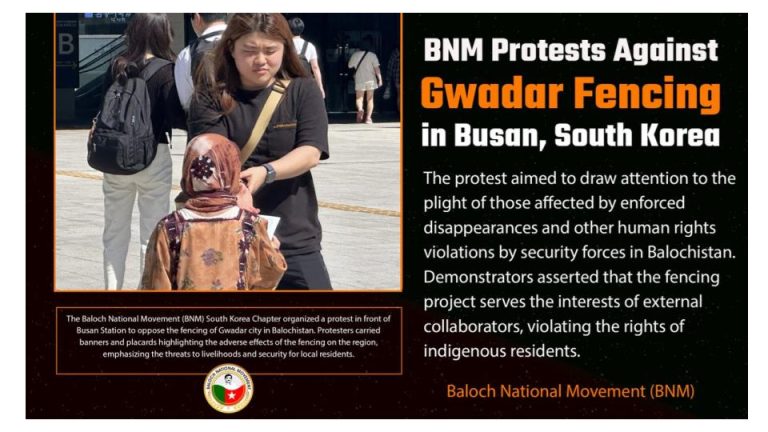
The Baloch National Movement (BNM) South Korea Chapter held a protest demonstration on Saturday in front of Busan Station against the construction of a fence around the city of Gwadar in Pak-occupied Balochistan.

The protesters carried banners and placards highlighting the negative impacts of the fencing project on the local population. They accused Pak authorities of attempting to imprison the residents of Gwadar through this initiative.

“The fencing will pose serious threats to the livelihood and safety of the local residents,” a BNM representative stated during the protest. The demonstration aimed to draw attention to the plight of those affected by enforced disappearances and other human rights violations in Pak-occupied- Balochistan, a region that has witnessed a long-running atrocities and oppression by Pak Army.

Agha Faiz, one of the speakers at the protest, addressed the crowd, saying, “We belong to the Baloch nation, which is occupied by Pakistan. Our people are routinely killed and abducted by state forces. We reject the slavery of the so-called Islamic state of Pakistan.”

The Gwadar fencing project is against the rights of the local people and serves the interests of foreign stakeholders, referring to the China-Pakistan Economic Corridor (CPEC) initiative. “The fencing around Gwadar is part of CPEC, which we consider a neo-colonial project aimed at handing over Gwadar to China,” said one of the protesters.

Since the inception of CPEC, the local residents of Gwadar have faced fear and violence as they are being displaced from their ancestral lands. Previously, Gwadar was surrounded by military cantonments, checkposts, and camps, but now a fence is being erected around the entire city.

The protesters distributed hundreds of pamphlets highlighting the impacts of the fencing on the local Baloch population and the increase in fear due to heightened security control over the area. The fencing project is a grave violation of the United Nations Declaration of Human Rights.

Earlier, Baloch National Movement (BNM) took their message of freedom and justice to the streets of Cambridge to denounce the ongoing Pak Military atrocities, including killings, abductions of civilians, and the prolonged occupation.

Dr Mahrang Baloch to address POB enforced disappearances & human rights in Norway conference

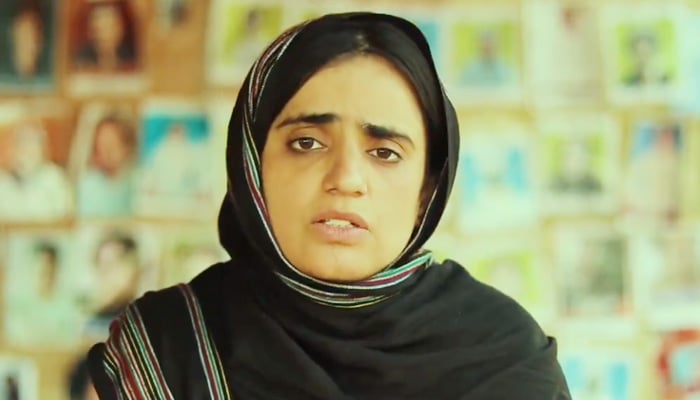
Dr. Mahrang Baloch, the human rights activist from the Pak-occupied-Balochistan, arrived in Oslo, Norway on Wednesday to attend a major international conference on human rights violations.

The leader of the Baloch Yakjehti Committee (BYC) confirmed her arrival in the Norwegian capital through a post on X. She expressed her intent to participate in the grand annual human rights conference that brings together activists from 44 countries worldwide.

“Norway is known for its deep-rooted democratic traditions and the prestigious Nobel Peace Prize. I will be in the country for a few days to attend this significant gathering,” Dr. Baloch said.

During the conference, she plans to shed light on the pressing issues of enforced disappearances, human rights abuses, and extrajudicial killings plaguing the Pak-occupied-Balochistan. Her aim is to provide an international platform to amplify the voices of the oppressed Baloch community, which has faced marginalization under the control of Pak forces since 1948.

Balochistan has endured brutal authority for decades, where the local populace has not only been neglected but also exploited systematically. Various repressive tactics, including enforced disappearances, a “kill and dump” policy, the use of death squads, frequent raids, and indiscriminate killings, have become a grim reality for the Baloch people.

International intervention is urgently needed to address the human rights crisis in Pak-occupied-Balochistan province. The conference aims to shed light on these grave issues and shape global discourse on the plight of the Baloch community.

BMW, Jaguar Land Rover and VW found purchasing goods banned under Uyghur Forced Labor Prevention Act

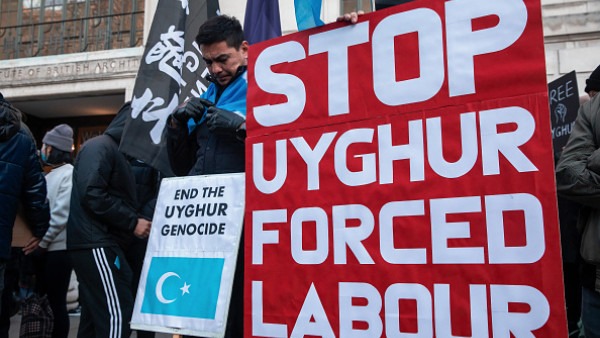
The Senate Finance Committee in its two-year-long research found that car brands like BMW, Lands Rover, Jaguar, and Volkswagen have been purchasing spare parts from Xinjiang, China despite grave concerns about forced labour.

The report titled “Insufficient Diligence: Carmakers Complicit With CCP Forced Labour” stated that despite being aware that their vehicles contained prohibited parts in their supply chain, BMW and Jaguar had persisted in procuring parts from Chinese companies in violation of American law.

Furthermore, according to the Senate Finance Committee’s report, BMW shipped at least 8,000 small cars with banned parts to the US, even after the Chinese supplier had been flagged by the US government for participating in forced labour. Although Volkswagen took steps to correct the same.

The purpose of the investigation report, which was started by Oregon senator Ron Wyden, the chairman of the Senate Finance Committee, was to draw attention to the risks the automakers face when Xinjiang-produced goods are being blocked from entering the US due to the Uyghur Forced Labor Prevention Act.

In a statement, Wyden reportedly said that “automakers are sticking their heads in the sand and then swearing they can’t find any forced labour in their supply chains. Somehow, the Finance Committee’s oversight staff uncovered what multibillion-dollar companies apparently could not: that BMW imported cars, Jaguar Land Rover imported parts and VW A.G. manufactured cars that all included components made by a supplier banned for using Uyghur forced labour,” he added. “Automakers’ self-policing is not doing the job”.

Reportedly, automakers are not buying the components from Sichuan Jingweida Technology Group (JWD) directly but from a series of sub-suppliers.

Volkswagen still operates a facility in Xinjiang via a state-owned enterprise in China. Nonetheless, the automaker asserts that an outside organization conducted an audit and discovered no evidence of forced labour in 2023.

China, however, disputes the existence of any camps for forced labour in Xinjiang. According to the US government, between 2017 and 2019 Xinjiang detained over a million ethnic Uyghurs and other minorities in re-education centers.

The Uyghur population faces harrowing atrocities at the hands of the Chinese government. Reports indicate mass arbitrary detention, forced labour, and systematic suppression of religious and cultural practices. Uyghurs endure relentless surveillance, forced assimilation, and family separations, constituting a grave violation of human rights. Despite vehement denials from Beijing, international outcry continues to mount as evidence of these atrocities emerges, demanding urgent action to address this humanitarian crisis.

Earlier, the World Uyghur Congress (WUC) welcomed a recent call from the United Nations urging the Thai government to release 43 Uyghur refugees who have been arbitrarily detained for over a decade.

14 lives lost as Turbat grapples with deadly dengue outbreak; Paki establishment mum

The city of Turbat in Kech district of Pak-occupied-Balochistan is currently grappling with a severe health crisis due to a devastating outbreak of dengue fever. This outbreak has claimed over 14 lives, deeply impacting the entire community. The situation remains dire, exacerbated by inadequate healthcare facilities and a lack of essential resources.

Dengue fever, a mosquito-borne viral illness, presents with flu-like symptoms including high fever, severe headache, nausea, vomiting, and body aches. In severe cases, it can lead to severe bleeding, organ failure, and death. The disease is transmitted by the Aedes mosquito, which breeds in stagnant water and bites during the day.

Turbat, the second-largest city in Pak-occupied-Balochistan with a population of over 500,000, is experiencing a significant surge in dengue cases. In adequate hospitals are overwhelmed, and sadly patients are being treated under trees and on the ground due to a shortage of beds.

Every second house has two to three dengue patients. The primary healthcare facilities, both public and private, lack adequate medical resources and diagnostic capabilities. Consequently, over 50% of patients are forced to travel to Karachi for treatment, which is approximately 690 kilometers away and a 10-hour journey fraught with challenges.

Accurate data on dengue-related deaths is challenging to obtain due to the vast and dispersed population of Kech District. Although 14 deaths have been reported, they are not reflected in the official records of the district health department. Dr. Ababgar Baloch, the District Health Officer (DHO) of Kech, said that no deaths have occurred during treatment in Turbat, attributing the fatalities to cases treated in Karachi or those who died while traveling there.

Dengue Fever

The individuals who have succumbed to dengue include Karam Dad, Nako Murad, Akram Ghulam, Bachi Abdul Hakeem, Wali, Jalil Noor, Sabzal, Meherdil, Alla Dad, Noor Khatoon, Lal Baksh, Sikandar, and Kaboos.

Efforts to combat the outbreak include fumigation drives, awareness campaigns, and the distribution of mosquito repellents. However, these measures have not been sufficient to control the virus. The lack of a health emergency declaration in Turbat and overall Pak-occupied-Balochistan shows the urgent need for better medical facilities. The situation is further aggravated by extreme summer temperatures approaching 50 degrees Celsius, combined with inadequate electricity and clean drinking water, which are essential for patient recovery.

The dengue outbreak tragically highlights the systemic neglect and oppression of the Baloch population by the Pak establishment. Despite exploiting Pak-occupied-Balochistan’s vast resources, they have failed to provide even basic healthcare infrastructure, leading to over 14 preventable deaths. This disregard for Baloch lives is unacceptable.

The Pak Army has suppressed the rights of the Baloch while doing nothing for the region’s development or health sector. The global community must intervene to ensure the Baloch have access to adequate healthcare – a fundamental human right being violated.

Armed assailants kill Pakistani journalist and activist Kamran Dawar

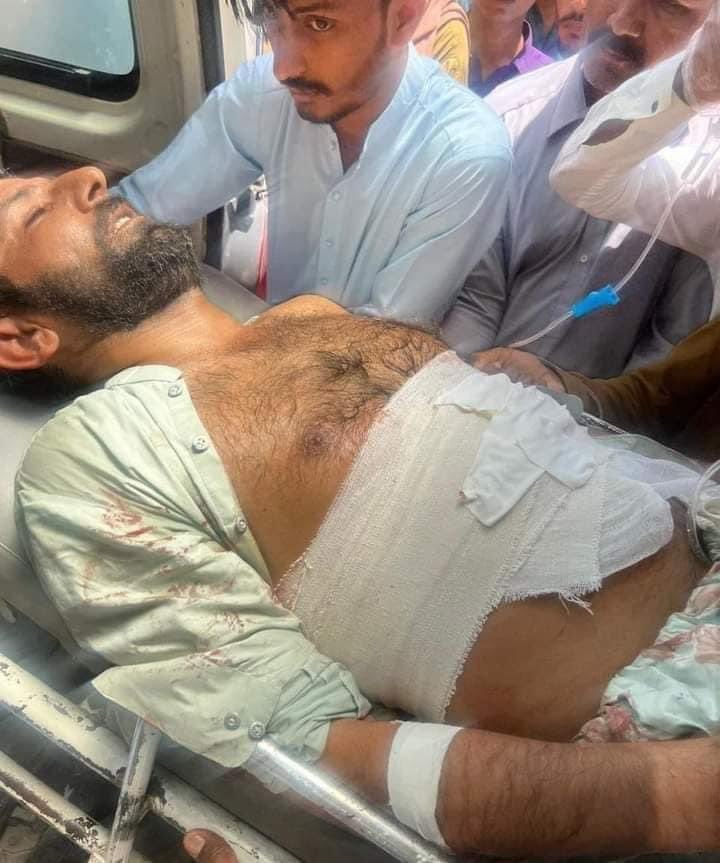
In a tragic incident on Tuesday evening, Kamran Dawar, a prominent social media activist and outspoken critic of the Pakistan Army’s oppression, was shot dead by unidentified gunmen in North Waziristan’s regional headquarters, Miramshah.

Dawar was on his way home to Tappi village when the gunmen opened fire on him. He was critically injured in the attack and succumbed to his injuries while being transported to a hospital.

Kamran Dawar was well-known for his active presence on social media and for his Facebook channel, Waziristan TV, where he regularly voiced his criticisms of the Pakistan Army.

Although the identities of the assailants remain unknown and the motive behind the murder has not yet been established, the location of the incident in the heavily militarized region of North Waziristan raises suspicions about the involvement of the Pakistan Army. The Army is notorious for suppressing dissenting voices, especially those of journalists and activists who challenge its actions and policies.

This latest act of violence highlights the ongoing dangers faced by activists in Pakistan, particularly in regions where the military exerts significant control. The death of Kamran Dawar serves as a stark reminder of the risks that come with speaking out against powerful Pak Army.

ISKP carries out another attack in Afghanistan; 4 killed

In a tragic development, the Islamic State of Khorasan Province (ISKP) launched an attack on May 20, targeting a bus carrying Taliban members in Kandahar city. The explosion, caused by a grenade, occurred at 7:00 AM, resulting in the deaths of at least four individuals.

The Kandahar Police Headquarters reported that security forces swiftly arrived at the scene following the blast and have since initiated an investigation into the incident. The attack has further heightened the already tense security situation in the region.

Earlier attacks by ISKP

Notably, ISKP has been actively involved in orchestrating attacks in Afghanistan. Earlier, on May 17, ISKP terrorists opened fire in the Bamyan market, killing eight people, including four foreign nationals who were reported to be Spanish.

In taking responsibility for the Bamyan attack, it cited sectarian reasons and highlighted Bamyan as a significant tourist site due to its Buddha statues.

It has consistently targeted Afghanistan and has accused the Taliban regime of being apostate, further fueling the violent conflict between the groups.

Protest in Buleda against Pak Frontier Corps

Recent Buleda a region in Kech, Pak-occupied Balochistan witnessed protests as locals condemned the indiscriminate firings by the Frontier Corps (FC) towards Bladey Street in recent days.  

In response to such firings, locals have staged a protest in front of the FC camp in Buleda.

Protestors said that they have been threatened and subjected to mistreatment by the FC personnel, including women and children.

It is important to note that the Pak Army has established large-scale military checkpoints and camps in civilian areas throughout Pak-occupied Balochistan. These checkpoints have become a source of distress to the local population.

The Pak Army under the guise of security checks conducts enforced disappearances, harassment, and violence against the Baloch community. Consequently, the community has protested for the removal of the checkpoints from the populated areas.

Protest by families of forcibly enforced disappearance victims of Pak Army

In a recent turn of events, the families of youths who have been forcibly disappeared from Turbat were extremely disturbed by the authorities’ behaviour and announced protest.

Residents of Turbat in the district of Kech, Pak-occupied Balochistan, released a video statement yesterday expressing condemnation over the enforced disappearances of Mohammad Saleh son of Tariq, Imtiaz son of Iqbal, Wasim son of Hassan, and Ijaz son of Umeed from Turbat in recent days, and criticized the conduct of authorities.

According to the families, the four youths were taken into custody by Pakistani forces from the Absar area of Turbat on the night of May 17 and 18, which has not been made public so far.

As per the relatives, last month the Pak Army raided the homes and took four youths into custody and despite repeated assurances, no action has been taken against the incident by the authorities.

Relatives of the youths who were targeted for enforced disappearance said that they have been repeatedly reassured by authorities regarding the return of their loved ones, but so far, the four youths have not been seen in public.

According to the relatives, the police have refused to file an FIR regarding the incident of enforced disappearances.

The relatives state that if the police falsely accuse them tomorrow, they will file an FIR against our loved ones.

The relatives say that all four youths are employed as drivers.

The families demanded that if the four youths do not appear in public, they will protest by staging a sit-in at the DC office and the main highway to record their protest.

Yesterday, the Pak Army illegally detained & forcibly disappeared Abdul Haq, Abdul Karim, & Gulsher Bugti from Sui, Dera Bugti.

In another event, ten individuals, including Ijaz Ahmad, Muhammad Saleh, Abdul Raheem, Waseem Hassan, Imtiaz Iqbal, Sageer Sajjad (Kech District), Kamran Baloch, Sangat Sana (Kachhi District), Abdulla (Awaran District), and Rasool Bakhsh (Maripur Karachi), have been forcibly disappeared by Pakistani forces in the past two days.

Since Pakistan’s forcible occupation of Balochistan in 1948, the region has endured the exploitation of its resources and the systematic oppression of its people by the Pak Army.

Enforced disappearances, carried out by the Pak Army, have become disturbingly common in Pak-occupied Balochistan, with frequent reports of individuals disappearing without a trace. The grim discovery of bodies, often showing signs of torture, emphasizes the gravity of the situation.

Baramulla Lok Sabha polling validates abrogation of Article 370 with record voter turnout

The fifth phase of the 18th Lok Sabha Elections 2024 concluded on Monday with a historic voter turnout in the Baramulla Lok Sabha seat in Jammu and Kashmir. According to the Election Commission of India’s (ECI) data, the Baramulla constituency witnessed a record-breaking turnout if over 59 per cent.

This turnout marks a significant increase from previous years. Notably, following the abrogation of Article 370, there has been a noticeable rise in voter participation, with Baramulla now recording the highest turnout in the constituency’s last 40 years of parliamentary election history.

In the 2009 parliamentary polls, Baramulla saw over 41 percent voter participation, which dropped to 39.13 per cent in 2014 and further to 34.57 per cent in 2019.

Baramulla’s voter turnout not only surpassed the 1996 record of 46.65 percent but also demonstrated the highest participation rate since 1984. Among the 18 Assembly constituencies under the Baramulla Lok Sabha seat, Handwara registered the highest turnout with over 72 percent of votes cast.

Regarding the contestation, key candidates in the Baramulla constituency include Jammu and Kashmir National Conference (NC) leader and former Chief Minister Omar Abdullah, Jammu and Kashmir People Conference (JKPC) leader Sajad Gani Lone, Independent candidate Engineer Abdul Rashid Sheikh, and Jammu and Kashmir Peoples Democratic Party’s (PDP) Mir Mohammad Fayaz.

PM Modi and HM Shah laud the increased turnout

The increased voter turnout has been attributed to the abrogation of Article 370, which has instilled a renewed sense of hope among the people of Jammu and Kashmir. Moreover, his shift suggests a growing acceptance of their integration into the Indian democratic process and a commitment to development and growth.

Meanwhile, Prime Minister Narendra Modi and Home Minister Amit Shah have praised the highest voter turnout in 40 years, viewing it as a strong response to critics of the abrogation of Article 370. They have lauded the people of Jammu and Kashmir for their enthusiastic participation in the democratic process.

The record turnout in Baramulla is seen as a significant milestone in the region’s electoral history, reflecting a positive shift towards greater political engagement and civic responsibility.

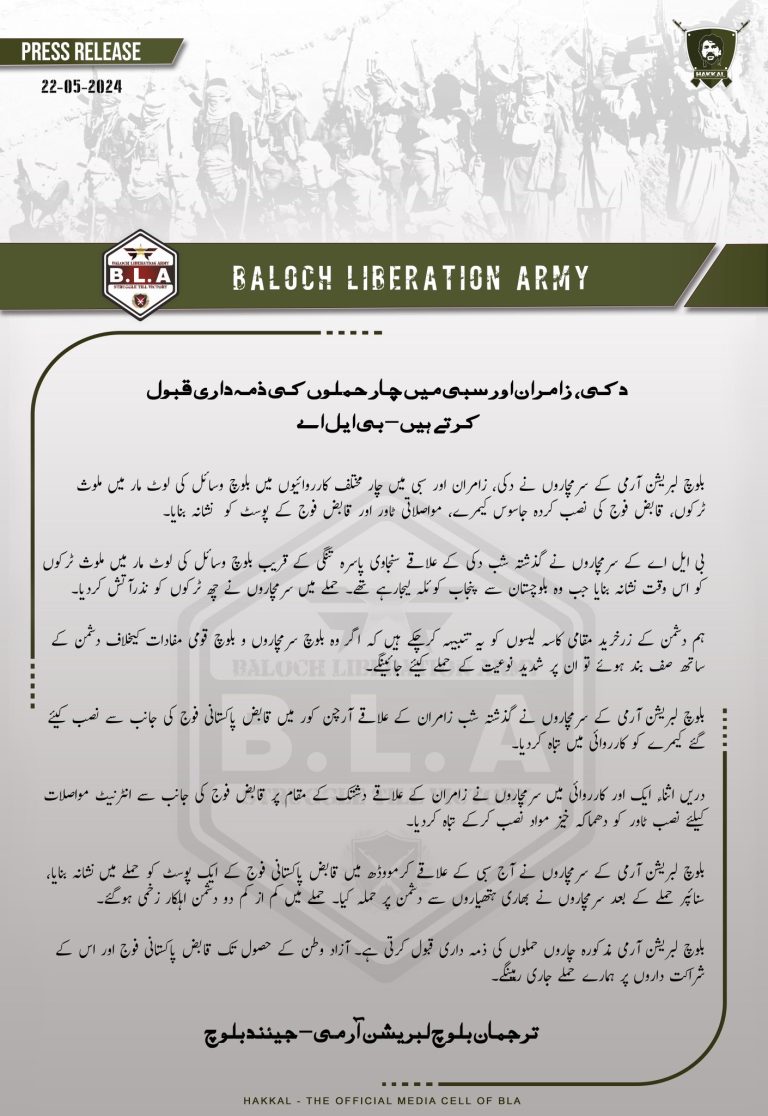
BLA attacks Pak Army in Zamuran, Pak-occupied Balochistan

Recently, in a statement released by the Baloch Liberation Army (BLA) commander Jeeyand Baloch accepted responsibility for the attack on the Pak Army in the Kand Kapiran area of Zamuran that occurred last Thursday.

BLA freedom fighters targeted a vehicle in the convoy of the Pak Army, inflicting heavy casualties with powerful weapons, resulting in both human and material losses for the enemy personnel.

BLA states their actions will continue until the attainment of a free homeland.

Pak-occupied Balochistan has long suffered under the unlawful control of Pakistan, dating back to 1948. In its efforts to maintain control over Pak-occupied Balochistan, the Pak Army has resorted to various oppressive tactics. These include enforced disappearances, extrajudicial killings, and the abduction of students. Additionally, reports suggest Pakistan’s support for death squads, further exacerbating the situation.