Home Blog Page 138

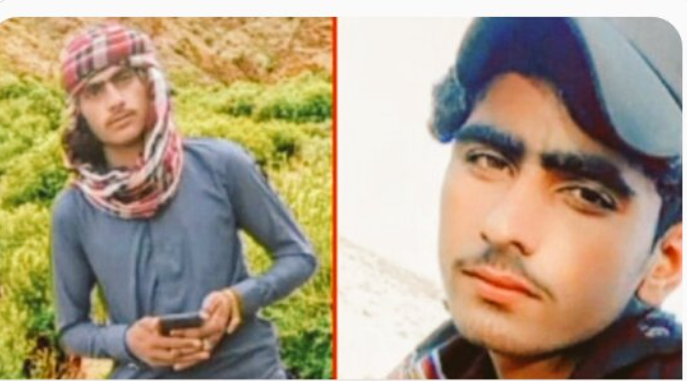
Karachi: Pak Army assaults women & children,abducts four Baloch youth in midnight raid

In a concerning incident last night, the Pak Army forcibly entered a residence without any warrant in Karachi’s Lyari Saeedabad and assaulted Baloch women and children. The incident resulted in the forceful detention and enforced disappearance of four Baloch youths by the Pak Army.

This incident has sparked protests across the region and the outraged citizens are gathering in solidarity to denounce the arbitrary actions of the Pak Army and demanding the immediate release of the disappeared individuals.

This event draws attention to the escalating tensions and occurrence of human rights abuse against the Baloch community by the oppressive Pak Army. The Pak establishment forcefully occupied Balochistan on March 27, 1948, and since then the Baloch people have been fighting against the atrocities and Baloch genocide committed by the Pak Army. Reportedly, atrocities like daily home invasions, enforced disappearance, staged encounters, target killings, torture, embarrassment at checkpoints and kidnappings for ransom, surface daily.  

Pak Army forcibly disappears two youth from Khuzdar

Recently, two Baloch youths identified as Sarwar, son of Muhammad Juma and Rudini Sukna and Sher Jan, son of Azeem Sukna and Nach Khan from Khuzdar, have been forcibly disappeared by the Pak Army.

It’s only the mid of February, yet there have already been numerous reported cases of enforced disappearances. At least 14 individuals were forcibly disappeared in the first week and among them, 6 were brutally killed by Pak Army. Among the victims of enforced disappearance, a father-son duo was also recently disappeared by the Pak Army.

These cases are not unusual and are reported daily since the Pak Army forcibly occupied their region on March 27, 1948, the people of Pak-occupied Balochistan have been fighting against the atrocities and Baloch genocide committed by the Pak Army. Examples of these atrocities include frequent home invasions, disappearances, staged encounters, target killings, torture, embarrassment at checkpoints, and kidnappings for ransom.

Apprehensions of “hybrid militancy” soars as J&K police arrests militants with no previous records

In a startling development, Jammu and Kashmir police have apprehended a previously non-radicalized youth, Aadil Manzoor Langoo, for his alleged involvement in the heinous killing of two non-local migrant workers last week. The incident has brought attention to the growing concern of “hybrid militants,” individuals who disguise themselves as civilians to carry out violent activities.

The arrested individual, a resident of Srinagar, is accused of being part of the February 7 attack that claimed the lives of Amritpal Singh and Rohit Masi, marking the first militant assault on non-locals this year. Aadil Manzoor Langoo, who had no prior militancy background, is believed to have been radicalized through online channels by handlers based in Pakistan. Authorities have confiscated the pistol allegedly used in the commission of the crime.

Addressing the media in Srinagar, additional director-general of police, Vijay Kumar, revealed, “If you dig Aadil Manzoor’s background, he has no previous (militancy) background, nor his family. He was motivated and radicalized through social media.” The term “hybrid militants” gained prominence after the 2019 abrogation of Jammu and Kashmir’s special status. Despite a decrease in the number of known militants in recent months, militancy-related killings persist, underscoring the challenges faced by security forces.

ADGP appeals to parents

Kumar issued a special appeal to parents and teachers, urging them to keep a vigilant eye on their children and report any noticeable behavioural changes to the police. He emphasized the difficulty in identifying such individuals in today’s digital age, stating, “The families of hybrid militants have no clue about their activities. A third person does not know. It only surfaces when he commits the incident. But in today’s digital world, it is difficult for him to escape.”

Highlighting the security forces’ efforts, Kumar mentioned their success in dismantling the majority of such modules, although a few manage to evade capture. In December, authorities revealed a plot involving “hybrid militants” targeting off-duty policemen in Srinagar, following a series of attacks on police personnel enjoying leisure time with family and friends.

The recent arrest of Aadil Manzoor Langoo underscores the evolving nature of militancy in the region, prompting heightened vigilance and collaborative efforts to address the growing challenge of “hybrid militants.”

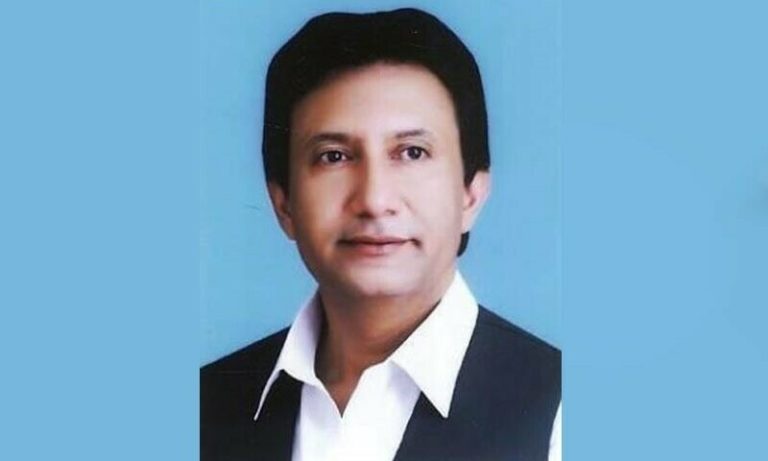
Former PTI member shot dead in Rawalpindi

Rawalpindi, Pakistan: Chaudhry Muhammad Adnan, a former Member of the Provincial Assembly (MPA) for Punjab and ex-member of the Pakistan Tehreek-e-Insaf (PTI) party, was shot and killed by unknown assailants in Rawalpindi on Monday, February 12.

Adnan, who had contested the recent general elections as an independent candidate, was reportedly gunned down in the Civil Lines area, near the city police officer’s office. The motive behind the attack remains unclear, with initial investigations suggesting personal enmity as a possibility.

Police responded by cordoning off the crime scene and launching a manhunt for the perpetrators. Senior officers are actively involved in the investigation, collecting evidence and forming teams to apprehend the suspects.

Adnan, born in 1976, served as an MPA from 2018 to 2023, holding positions as parliamentary secretary for social welfare and revenue during his tenure.

This incident comes amidst heightened tensions in Pakistan following the recent general elections, which saw incidents of violence, manipulation, election rigging and protests. Notably, two PTI workers were killed and several injured in a separate incident last week during a demonstration against electoral fraud.

Protests erupt in Pak-occupied Balochistan over electoral interference by Pakistan Army

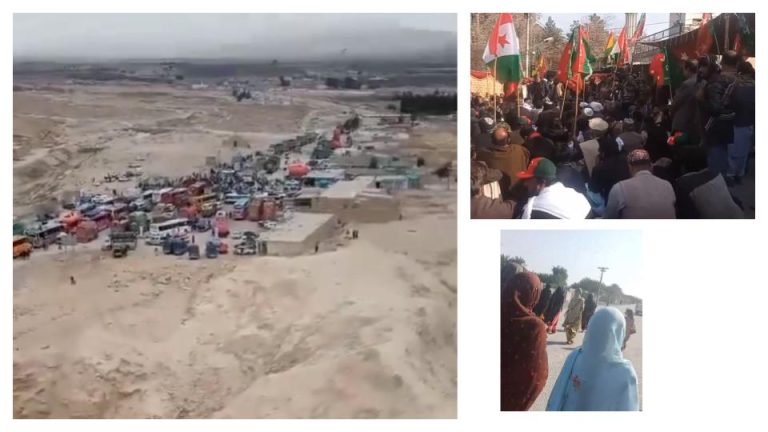
Protests have erupted throughout Pak-occupied Balochistan following Pakistan’s general elections, where widespread electoral interference has favored political parties backed by the Pakistan Army.

The recent victory of the Pakistan Peoples Party (PPP) and the Pakistan Muslim League Nawaz (PML-N) in Pak-occupied-Balochistan has raised concerns about electoral interferences, with manipulation by the Army in areas characterized by lower voter turnout or the absence of polling stations.

Several political parties, including the Balochistan National Party (Mengal), National Party, Pakhtunkhwa Milli Awami Party, Hazara Democratic Party, and religious parties, initiated protests against alleged vote rigging. The demonstrations, ranging from highway blockades to sit-ins, aim to draw attention to their grievances.

https://twitter.com/LoveBizenjo143/status/1756972392566452489

The protests have gained momentum, with thousands gathering outside election commission offices, effectively shutting down large parts of the region. The demonstrations have spread to major and minor cities, including Gwadar, Turbat, Chaghi, Dalbandin, Ziarat, Muslim Bagh, and Loralai.

Emergency all-party meeting against electoral interference

An emergency meeting held in Quetta saw these parties discussing grievances, their refusal to accept the election results, and a decision to launch a joint protest movement in Pak-occupied Balochistan against the election outcomes. The parties also resolved to prevent newly elected candidates from entering the Balochistan Assembly and initiate a public movement against the Pak ‘establishment’s interference in Pak-occupied Balochistan’s political affairs.

The situation took a more complicated turn when Jan Muhammad Buledi, the National Party’s General Secretary and a candidate for PB-25 Kech 1, claimed to have received death threats from an Army officer after accusing the Army of ballot stuffing in his constituency.

Various reports and videos have emerged on social media that showcased the malpractices that occurred during and after the election. Booth rigging, and tampering with ballot boxes, as bags full of stamped ballot papers were found in the Mand area. Furthermore, in Pak-occupied Balochistan, the people refused to vote and asked the polling officials to get away from their area.

These events revealed the true nature of the Pak Army and their intention for the resource-rich province. Not only do they commit electoral fraud but they also have continuously committed human rights violations, Baloch genocide and numerous barbaric acts. These events have prompted the Baloch Raji Aajoi Sangar (BRAS), an alliance of armed pro-independence groups, to launch 161 attacks in the 11 days leading up to the election.

Imran Khan’s supporters block highways to protest against Pakistan’s election results

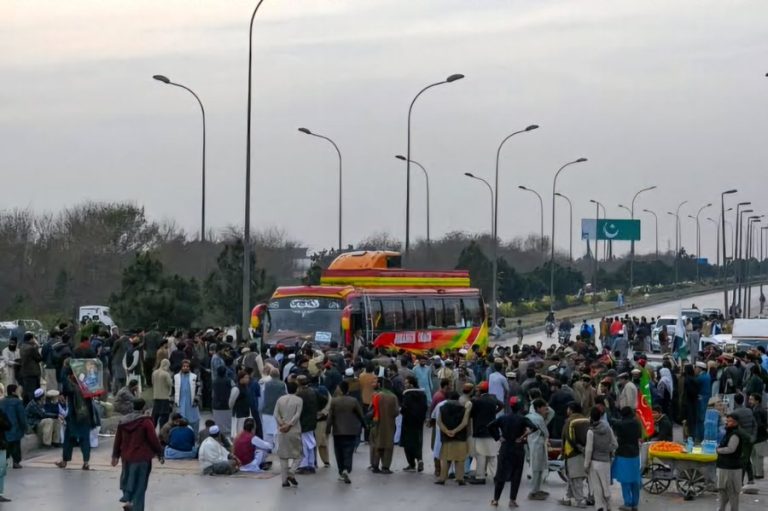
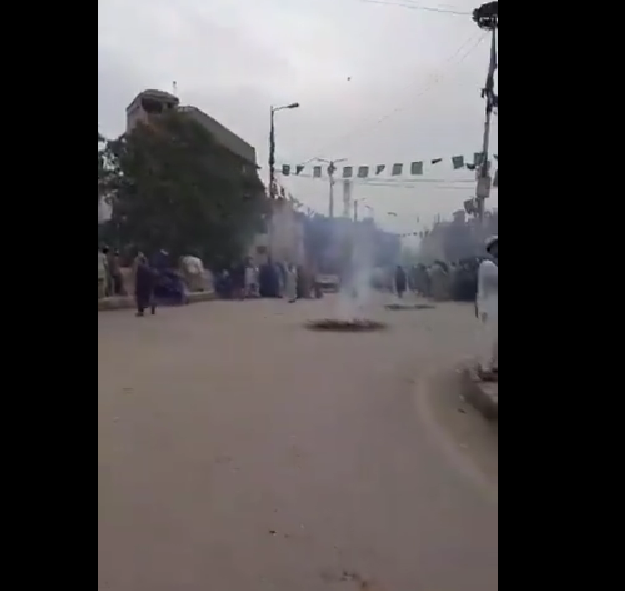
Imran Khan’s supporters and other parties blocked highways to protest the recent controversial election results. Thousands of supporters of Pakistan’s convicted former PM Imran Khan and members of other political parties blocked major highways in Pakistan’s volatile southwest on Monday to protest rigging of last week’s election.

The commencement of a nationwide strike follows Thursday’s parliamentary vote, marked by allegations of electoral malpractice, an unprecedented mobile phone shutdown, and the exclusion of Imran Khan and his Pakistan Tehreek-e-Insaf Party (PTI). Despite the celebration of election winners, PTI and other parties remain adamant in their refusal to acknowledge defeat in numerous constituencies. Over the weekend, dozens of Khan’s supporters were briefly detained in Lahore during a protest against perceived vote-rigging.

Jan Achakzai, the occupying government spokesperson in Pakistan occupied Balochistan, urged Imran Khan’s supporters to “show grace” by accepting defeat and vacating the highways. Imran Khan, unable to contest the election due to criminal convictions he deems politically motivated, saw candidates backed by him winning more seats than the parties that ousted him nearly two years ago. Final figures published on Sunday reveal that no party secured a majority, necessitating negotiations to form a coalition government.

With 101 out of 266 seats in the National Assembly won by candidates allied with Khan, the Pakistan Muslim League (N) led by Nawaz Sharif secured 75 seats, while the Pakistan People’s Party under Bilawal Bhutto Zardari stood third with 54 seats. One result was withheld, and another vote was postponed due to the death of a candidate. Nawaz Sharif is currently engaged in negotiations with allies to form a coalition government, as the new parliament prepares to elect the country’s next prime minister. The campaign to oust Khan in 2022 was jointly led by the Muslim League-N and the PPP.

Pak Army kills and dumps Pashtun youth in Khyber- Pakhtunkhwa

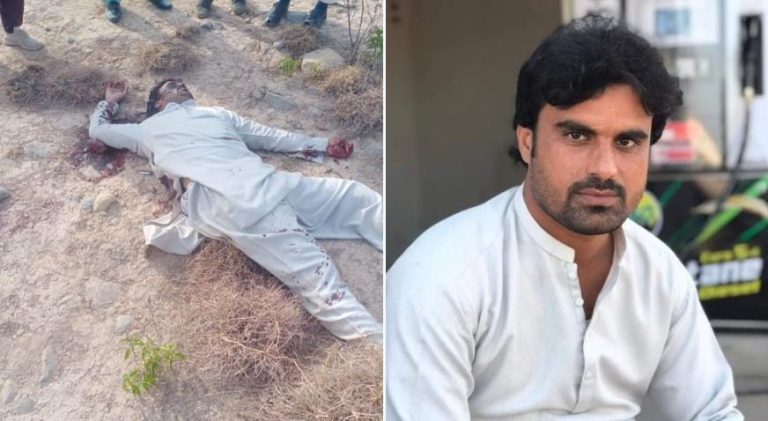
In a harrowing incident that has sent shockwaves through the community, a young Pashtun man named Ghani was found dead after having gone missing just days ago in Bara Akakhel, Khyber District. The circumstances surrounding his disappearance and subsequent demise have raised serious questions about the security of Pashtuns and the prevailing law and order in the region.

Initial reports indicate that Ghani’s disappearance may be linked to Pakistan Army for his vocal stance against Pakistani oppression, a sentiment echoed by many Pashtuns who have faced persecution. Disturbingly, the involvement of the Pakistan Army in the killing, citing a pattern of targeting Pashtuns who speak out against injustices.

Pashtuns, who have long endured mistreatment at the hands of both the Pakistan Army and the Tehrik-i-Taliban Pakistan (TTP), have increasingly voiced their concerns and frustrations. The community has time and again raised the issues of forced disappearances, extrajudicial killings, and overall systemic discrimination.

The death of Ghani, seen as a tragic symbol of the challenges faced by Pashtuns, has reignited calls for justice and accountability. The incident is further fueling the ongoing debate over the need for improved security measures to safeguard the lives of Pashtun individuals and address the broader issues of human rights violations.

Pakistan arrests Pak-occupied Gilgit-Baltistan protestors after promising redressal of issues

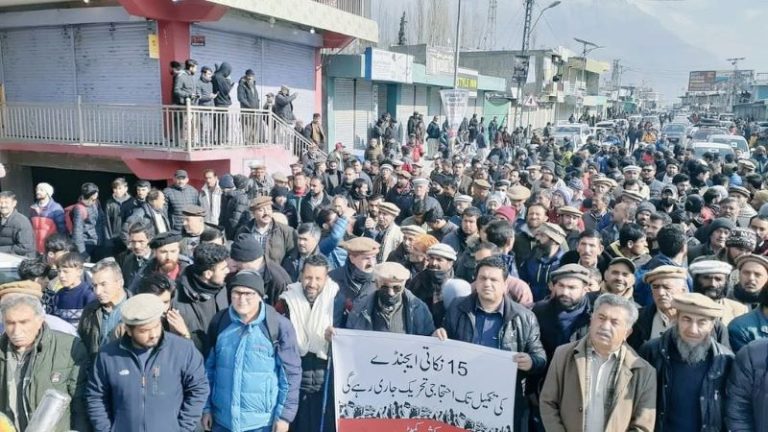
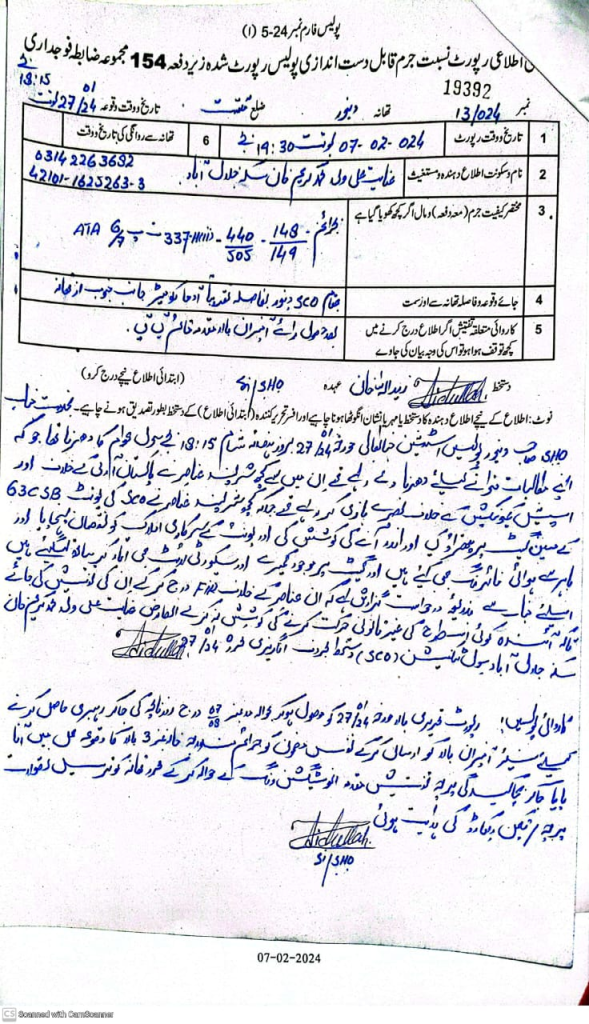
After days of the agreement, the occupying government of POGB launched a crackdown on the POGB Awami Action Committee. As many as six members of the AAC have been booked by the Danyor police for allegedly pelting stone over the telecom service provider SCO’s office in Danyor and breaking CCTV cameras. The apprehended protestors of AAC include Hussain Akbar Shah, Gulbaz Golden, Maqsood, Ibrahim and Minhas. The Awami Action Committee has condemned the arrest and termed it as persecution against the peaceful protestors of Pak occupied Gilgit Baltistan (POGB).

Copy of FIR against Awami Action Committee protestors (Photo: X)

Pakistan’s foul play

It is worth mentioning that people across POGB registered an unprecedented protest under the aegis of Awami Action Committee for about two months before a consensus was reached between the occupying government and the AAC. As per the negotiations, wheat subsidy was reinstated, health cards abolition was revoked, and the controversial Finance Act 2023 was withheld. Rest 12 demands of the AAC were under consideration and on the pretext of solving them, the occupying government asked for a grace period of 21 days, to which AAC agreed.

AAC hoped that the occupying government would take concrete steps but they forgot that the occupying government is just a puppet regime controlled from Islamabad. The only motive of the negotiations was to somehow suspend the protest, which is the hitherto biggest protest in the history of POGB. Since day one of the protest Pakistan only tried to diffuse the pressure from the protests happening at every occupied territory, as the general elections were on the verge. And now when the elections are over, it has initiated its policy of igniting the conflict by creating friction.

Simply put, the Awami Action Committee has been deceived in a bad way. The arrest of the protestors makes it clear that Pakistan has no intention of redressal but escalation of the conflict.   

Ex-minister Rind accuses Pak Establishment of mandate theft, praises Mahrang Baloch’s leadership

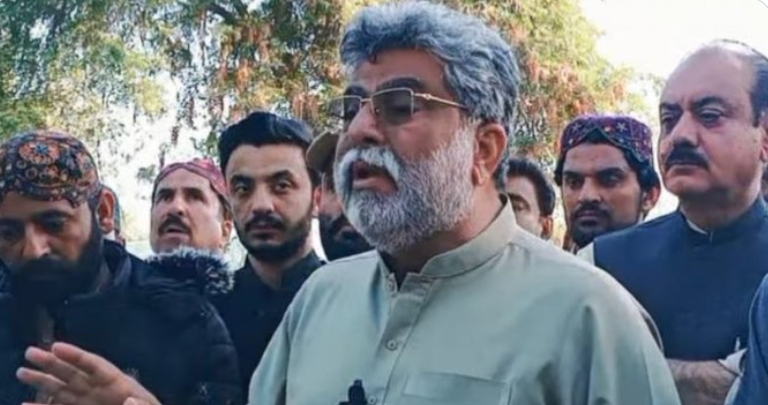
Recently, Sardar Yar Muhammad Rind, the former provincial minister who lost the PB-12 seat for the provincial assembly in the most recent general elections, claimed that the Pak establishment was stealing his mandate. He claimed to be a “patriot” who wished to support his nation and its citizens and that he had never given up on the Baloch land and resources for personal benefit.

In a recent press conference held on Sunday, Rind said “The Election Commission of Pakistan (ECP) has ‘selected’ its favourite candidates for positions,”. Rind questioned the necessity of holding elections if the results are already known. He said that many voters were denied the opportunity to cast their ballots because ECP staff showed up late to multiple polling places in the PB-12. He claimed that although he had been waiting for the results for the previous three days, his victory was turned into a defeat.

He stated that his voice had been muffled inside the Pak-occupied Balochistan assembly and that the Pak establishment had chosen to keep him out of the provincial assembly. He declared that his voice would now be heard throughout Balochistan and that he would not exchange the nation of Baloch resources for anything.

He declared that the situation in the province remained dire and criticized the Pak authorities for bringing in “Jamaloo and Kamaloo,” nicknames for Jamal Raisani and Jam Kamal Khan, the current and former favourites of their establishment in Pak-occupied Balochistan. He used the Mach incident as an illustration of the Baloch resistance, in which the Baloch Liberation Army (BLA) took control of the city for two days and massacred numerous Pak Army.

He further showed his support for Mahrang Baloch and the families of the Baloch people who went missing, marching to Islamabad to demonstrate for their loved ones’ safe return. Speaking to those in his immediate vicinity, he said that it was their duty to raise more Mahrangs in their homes so that they could oppose the establishment and stand up for what was right. He expressed gratitude to his clan and supporters, claiming they had cast ballots for him but were deprived of their option.

It is noteworthy that Rind had informed her a few years prior that it was disgraceful for Baloch women to protest in public when Mahrang Baloch and other Bolan Medical College students were doing so on chilly winter nights in Quetta. In an unexpected change of events, Rind now admires Mahrang’s bravery and tenacity.

Pak Army targets families of Baloch missing persons who participated in the Long March

In a distressing turn of events, the families of Baloch missing persons who actively participated in a recent march are now facing the cruel reality of enforced disappearances orchestrated by the Pak Army. This sinister act aims to undermine the collective efforts of these victim families in their quest for justice and accountability.

The whereabouts of Gul Khan Shikari, Miran Shikari (his son), and Zahid, son of Aktar Muhammad, have remained unknown since their abduction on February 7, 2024. These individuals had joined the march advocating for the release of Nawab Imran and Najeeb Baloch. Their lives are currently in peril, and there is an urgent call for human rights organizations to condemn the barbaric actions of the Pak Army.

It is essential to highlight that in Pakistan-occupied Balochistan, instances of forced disappearances are alarmingly common and are reported daily. Among the recent victims of enforced disappearances are Majeed and Ajeem, a father and son wrongfully detained and disappeared by the Pak Army from Awaran and Mastung districts in Pakistan-occupied Balochistan.

Since the forcible occupation of their region by the Pak Army on March 27, 1948, the people of Pakistan-occupied Balochistan have been steadfastly resisting the atrocities and Baloch genocide perpetrated by the Army. These atrocities include frequent home invasions, disappearances, staged encounters, target killings, torture, humiliation at checkpoints, and kidnappings for ransom.