Home Blog Page 22

Pak Army plunge to new lows in Balochistan

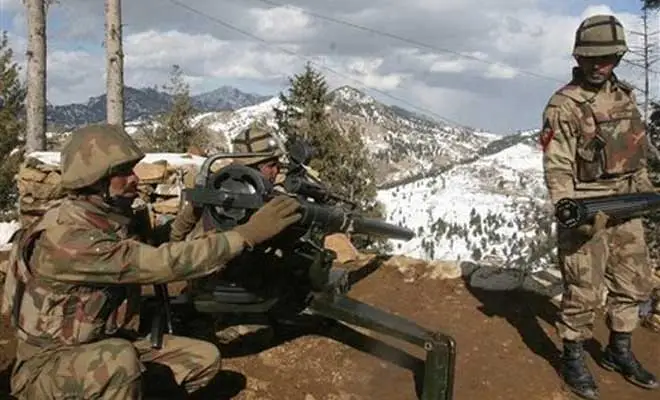
When Chinese ambassador Jiang Zaidong publicly declared that its citizens being attacked twice in only six months,” was “unacceptable,” Pakistan’s Foreign Office reacted by calling this statement “perplexing.” However, it was abundantly clear that Islamabad had sensed the full import of this not-so-discreet warning from its ‘iron brother.” So, Islamabad’s recent announcement regarding a comprehensive military operation against terrorist organisations operating in Balochistan,” comes as no big surprise.

There’s no doubt that terrorism needs to be dealt with firmly. However, it’s equally important that troops involved in counter-terrorist operations don’t go overboard and act with hatred or vengeance because those who have picked up guns against the state are the soldiers’ countrymen. That’s why professional armies in the world have evolved a code of conduct for their rank and file, and soldiers are psychologically conditioned to discharge their duties impartially and without prejudice. 

The human rights record of the Pakistan Army and other security forces under its command however doesn’t quite measure up to expected standards and the reason for this serious shortcoming isn’t too hard to find. Instead of sensitising its rank and file on this issue, the Army hierarchy in Pakistan has instead encouraged creation of an environment that encourages animosity towards their countrymen who have for ideological, political or other reasons picked up the gun.

A Prelude to Atrocity

To further motivate its soldiers, Rawalpindi has even fallen back on Islamic history. In an attempt to downplay popularity of Tehreek-e-Taliban Pakistan [TTP] terrorist group in Khyber Pakhtunkhwa [KP], Pakistan Army chief Gen Syed Asim Munir has given it the moniker “Fitnaal-Khawarij,” a name drawn from an early Muslim group that broke away from mainstream Islam. The idea of portraying TTP as a terrorist group that misuses religion to justify the violence it perpetuates and champions objectives that are un-Islamic is laudable. 

Whereas such a depiction can well arouse religious emotions amongst soldiers and make them feel that they are not professional soldiers but ‘Ghazis’ [defenders of the Faith] and thus sanctify excesses against these so-called ‘enemies of Islam’. Similarly, using the phrase “sent to Hell”while referring to terrorists killed is in bad taste for many reasons, especially when it comes from an Army that prides itself for professionalism and military ethics. 

First, it’s not humans but our creator who decides the final destination of the deceased and so, the pompous declaration that someone has been ‘sent to Hell’, smacks of arrogance and borders on sacrilege. Secondly, it is universally expected that death should have a very sobering effect on the living and so, even though we may harbour intense hostility towards someone, but once he’s no more, to brag about having sent him to Hell is something that’s downright pathetic!

Enforced Disappearances and Body Bags

Human Rights Watch [HRW] 2011 report contains an interesting revelation that clearly reveals the sordid side of Pakistan Army’s counter-terrorism campaigns. Bashir Azeem, the 76-year old secretary general of Baloch Republican Party [BRP] told HRW investigators that during his “unacknowledged detention” in 2010, a Pakistani official had told him that “Even if the president or chief justice tells us to release you, we won’t. We can torture you, or kill you, or keep you for years at our will. It is only the Army chief and the [ISI] chief that we obey.” [Emphasis added].

Even though HRW is a reputed global human rights watch dog and has no axe to grind with Pakistan yet Rawalpindi will undoubtedly rubbish the God-fearing septuagenarian BRP general secretary’s testimony ibid, so purely for the sake of discussion let’s give Pakistan Army the benefit of doubt and take its denial at face value. However, will Rawalpindi care to explain what exactly its media chief implied in 2019 when while replying a question on enforced disappearances in Balochistan by saying, “We don’t want anyone to be missing, but war is ruthless-everything is fair in love and war”? [Emphasis added].

It’s not only rights groups and activists who are critical of the cavalier ways of the Pakistan Army and its utter disregard for human right violations in Balochistan as facts speak for themselves. If enforced disappearances in Balochistan are merely a myth [as Rawalpindi maintains], then what impelled Baloch women who traditionally remained within the four walls of their houses to come out and undertake a 1,800 kilometer long March from Turbat near the Iran border to the Pakistani capital followed by a sit-in in peak winter?

Defence of Human Rights Pakistan [DHRP] is an independent organisation working for release of illegally detained Pakistani citizens headed by Amina Janjua, a half-widow whose husband was forcibly disappeared in 2005. When all efforts to trace him proved futile, instead of approaching the police or judiciary, Ms Janjua ultimately sought the help of Pakistan Army’s media chief in 2019. If the Pakistan Army isn’t complicit in orchestrating enforced disappearances in Balochistan, then why did the knowledgeable DHRP chairperson choose to specifically approach a Pakistan Army General for help?

Balochistan Burns Again

Pakistan Army’s impending campaign in Balochistan will be a bloody one. While on the one hand Baloch fighters are a determined lot and will fight till the end, the Pakistan Army on the other hand will use every ground based and aerial weapon platform at its disposal to pulverise what it believes are terrorist hideouts. Since it’s not accountable to anyone, Rawalpindi will not hesitate in targeting areas inhabited by innocent civilians. Furthermore, imposition of media censorship purportedly for ‘operational reasons’ will ensure that [like always] news of atrocities committed by the Pakistan Army remain unreported.

How will things pan out in Balochistan once the military campaign commences isn’t very difficult to prognose. Pakistan Army will definitely suffer casualties and in order to keep up its own image as well as assuage public anger it will have to produce dead bodies of the attackers, ensuring that they exceed the number of soldiers killed. 

Rawalpindi is also under severe pressure to do something that would placate Beijing, which is enraged by attacks on Chinese citizens by Baloch fighters. The Pakistan Army knows that the easiest way to do this is to create the illusion of having decisively crushed the Baloch separatist movement by producing a surfeit of body bags containing mortal remains of sarmachars [Baloch insurgents] as evidence thereof. 

The only problem is that abducting innocent Baloch youth, murdering them in cold blood and then presenting them as Baloch fighters could lead to widespread public unrest but with years of experience, Rawalpindi has already worked out an alternative. More than 2,500 Baloch men have been forcibly disappeared by the Pakistan Army and its intelligence agencies and even we assume that 50 percentage have been secretly murdered, there are still enough Baloch people lodged in secret jails to cater for the requisite number of corpses to cool down Beijing’s frayed temper and public outrage would be an easy job. As such,  resorting to rampant abductions and producing their corpses for ‘pushing up’ the number of casualties inflicted by the Army won’t be necessary.

“Dead Men Tell No Tales”

Though repugnant, this endeavour is a win-win situation for the Pakistan Army because dead men tell no tales!

Postscript: Excesses committed by the Pakistan Army against the Baloch people would even make the most stone-hearted squirm with horror and revulsion. In an undated video that definitely predates his short lived honeymoon with Rawalpindi, PTI chief Imran Khan can be heard saying, Our Army [is] bombing people in Balochistan, how can we bomb our own people, is there any Army [there that] you are bombing? It is our own people with their children, but it is important to understand are we just bombing our people, just think about the sin of bombing villages with the women and children…You are talking about six million people in the tribal areas that are being bombed, their economy has been shattered, they are living in refugee camps, how are they sustaining, and what about the extra-judicial killing that is going on”?[Emphasis added].

This is unfortunately the raw reality of Pakistan Army military campaigns in POB!

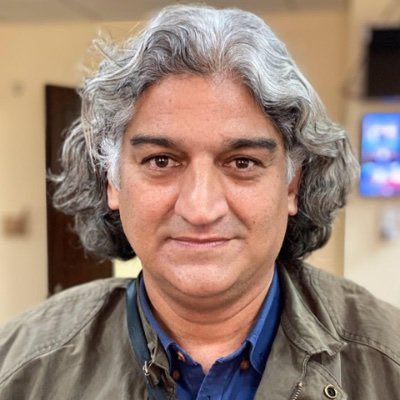
Abduction of anti-Paki regime journalist Matiullah Jan from Islamabad

In a shocking development, renowned journalist and New News YouTube anchor, Matiullah Jan, was abducted late last night from the parking lot of PIMS Hospital in Islamabad. The abduction occurred around 11 p.m, when Jan, who was accompanied by fellow journalist Saqib Bashir, was seized by unknown assailants. Bashir, however, was released later in the I-9 sector. He recounted that both journalists were blindfolded and transported in a van-like vehicle before being separated.

Reportedly, the last known communication with him was at 11 PM on Wednesday night. Since then, all attempts to reach him have been unsuccessful. This marks the second time the veteran journalist has been abducted, with a similar incident occurring in July 2020 when he was taken in broad daylight from the G-6 area of Islamabad and released after 12 hours. That abduction had sparked national and international outcry, drawing attention to the growing climate of fear surrounding journalists in POB.

Matiullah Jan, known for his bold reporting and critical stance, has been a frequent target in the past, with his work on sensitive topics such as military actions and forced disappearances in POB making him a target for the Paki establishment. The latest abduction raises serious concerns about the deteriorating state of press freedom in Pakistan. Journalists in the country have long faced threats ranging from harassment to violent retribution, particularly when covering issues deemed sensitive by the military establishment, such as the ongoing conflict in Balochistan and the growing criticism of the Pak Army’s actions.

Pakistan’s Military Crackdown

Pakistan’s military, which has long been silencing dissent and stifling opposition, appears to have ramped up its intimidation tactics against journalists who dare to report the truth. The growing influence of the Army over media outlets has led to widespread censorship, particularly concerning issues like military operations, forced disappearances, and the persecution of Baloch community. This abduction further underscores the increasingly repressive environment in which journalists are forced to work.

Human rights groups and press freedom organizations have condemned the abduction, demanding the immediate release of Matiullah Jan. Pak journalists’ unions have echoed these calls, stressing the urgent need to safeguard the safety and independence of the media. The growing repression of the press in Pakistan has led to serious concerns about the future of free speech in the country.

Pakistan ranks 150th out of 180 countries in the 2024 World Press Freedom Index by Reporters Without Borders, a stark reminder of the difficult conditions faced by journalists in the country. Journalists are routinely subjected to harassment, abduction, and even murder, while censorship and restrictions on reporting continue to rise, particularly on topics relating to the military and the POB conflict.

Indian security forces nab ten Pak terror operatives in major J&K crackdown

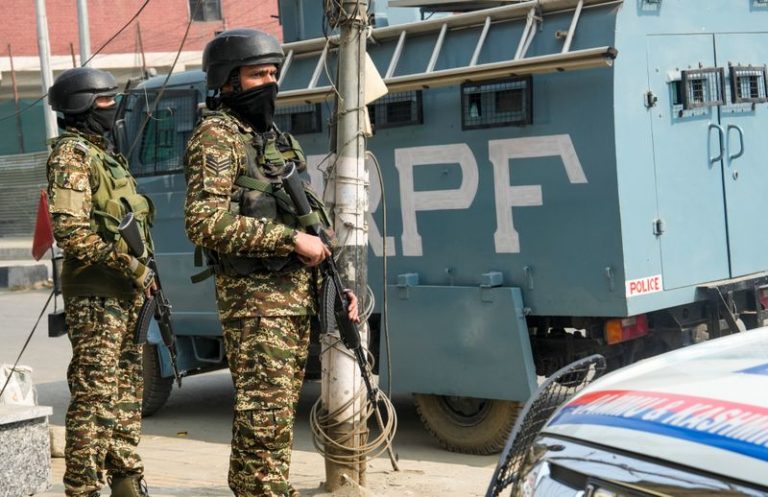
In Jammu and Kashmir’s Kathua district, security forces on Wednesday arrested ten overground workers (OGWs) associated with Pak terror groups, police said.

The large-scale crackdown, jointly carried out by the police and CRPF, targeted 17 locations across Malhar, Bani, and the upper reaches of Billawar, as well as border areas including Kana Chack, Haria Chack, Spral Pain, and Chack Wajir Lahbju. According to a police spokesperson, the operation focused on uncovering networks providing logistical and financial assistance to terrorists operating in the region.

The raids were conducted as part of investigations into three separate FIRs linked to terror-related incidents registered at police stations in Malhar, Billawar, and Bani. These meticulously planned operations led to the identification and subsequent arrest of 10 individuals, who are suspected of being OGWs or linked to terror activities.

This comes shortly after security forces eliminated three foreign terrorists affiliated with the Jaish-e-Mohammad (JeM) in two encounters in the upper reaches of Kathua district and its fringe area with Basantgarh in Udhampur district. The killings dealt a serious blow to terror groups, which have intensified their activities in the region this year.

Over the past few days, police in the Jammu region have ramped up their crackdown on terror networks associated with JeM and Lashkar-e-Taiba (LeT), conducting over 56 raids across districts including Rajouri, Poonch, Udhampur, and Reasi. These operations resulted in the arrest of several OGWs and terror suspects, as well as the recovery of incriminating materials such as electronic devices, documents, unaccounted cash, weapons, and ammunition.

Syrian rebels attack Army, seize territory under President Assad in northern Syria

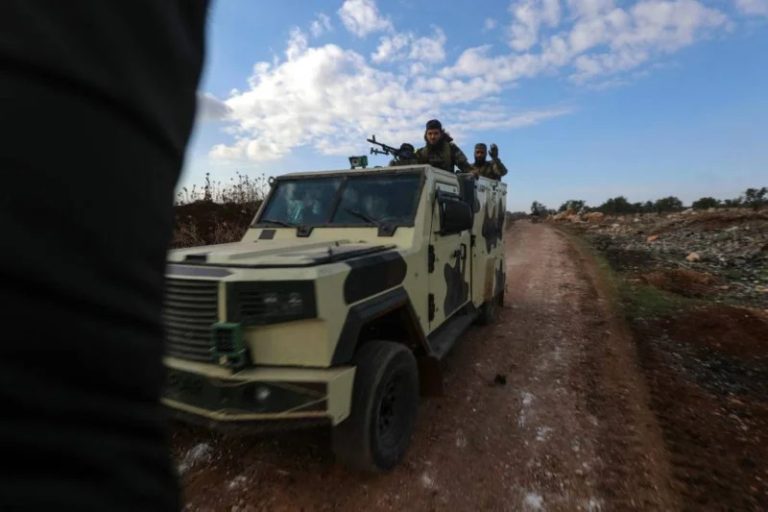
Syrian rebels in the last opposition-held enclave in northern Syria launched a large-scale military offensive against government forces on Wednesday, marking the first major territorial gains in years. The assault, led by the militant group Hayat Tahrir al-Sham (HTS), overran at least ten areas in northwestern Aleppo province.

The rebel forces advanced nearly 10 k.m. (6 miles) from the outskirts of Aleppo city, reaching within a few kilometers of Nubl and Zahra, two Shi’ite towns with a strong militia presence from Lebanon’s Iran-backed Hezbollah. They also attacked Al-Nayrab airport, located east of Aleppo, where pro-Iranian militias maintain significant outposts, an army source reported.

This offensive marks the first substantial territorial advance since March 2020, when a ceasefire brokered by Russia and Turkey temporarily halted large-scale military action in Syria’s northwest. The ceasefire had previously frozen conflict lines in the region, which remains the last major stronghold of opposition forces in the country.

Rebel Gains

The rebels captured several towns in northwestern Aleppo, including Qabtan al-Jabal, Urma al-Sughra, Anjarah, Bala, Jamiyat al-Maari, al-Salloum, and Hawar. However, fierce clashes continue in other areas. Kfar Bissin and Al-Shaykh Aqil remain contested, with heavy resistance reported on the outskirts of Urma al-Sughra. The advance has stalled at Anadan, where Iranian-led units of the Syrian Arab Army (SAA) have fortified positions in strategic hills northwest of Jamiat Nur. In Kafr Naha, the Assad regime retains control of the southern part of the city, resisting rebel incursions.

Notably, Abu Obeida, the military chief of HTS’s Northern Storm Brigade, was killed in intense fighting with soldiers from the SAA’s 46th Regiment in western Aleppo. His death marks a significant blow to the HTS offensive, which appears to be encountering increasing resistance.

Rebel Motivations

Rebel leaders have stated that the operation is a response to intensified airstrikes by Syrian and Russian forces in southern Idlib, which have targeted civilian areas in recent weeks. The campaign is also seen as a preemptive measure against a suspected Syrian army offensive, as government troops have been amassing near rebel frontlines.

In retaliation, the Syrian army has launched heavy bombardments on rebel-held areas, including Idlib city, Ariha, Sarmada, and other towns in southern Idlib province. Pro-government media claimed that dozens of HTS fighters were killed in these counterattacks.

The renewed violence has triggered a fresh wave of civilian displacement. Witnesses reported hundreds of families fleeing to safer areas near the Turkish border, seeking refuge from the escalating conflict.

Hayat Tahrir al-Sham, classified as a terrorist organisation by the United States, remains a dominant force in Syria’s northwest, competing with Turkey-backed rebel groups that control areas along the Turkish border. The group has long been a target of Syrian government and Russian forces.

Bangladesh labels ISKCON as fundamentalist, seeks ban on organization

The Bangladeshi government has described the International Society for Krishna Consciousness (ISKCON) as a “religious fundamentalist organisation” following a writ petition in the High Court seeking a ban on the group. This development comes against the backdrop of escalating tensions in the country, marked by widespread protests after the arrest of Hindu leader Chinmoy Krishna Das Brahmachari and rising attacks on ISKCON and Hindu temples by radical Islamist groups.

Chinmoy Krishna Das, a prominent figure in the Hindu rights movement, recently gained prominence after leading large rallies in Chattogram and Rangpur. However, his arrest earlier this week for allegedly disrespecting the national flag has sparked anger among the Hindu community, which has faced over 200 violent incidents since the fall of Sheikh Hasina’s Awami League government on August 5. The government has maintained that Das was detained for sedition rather than his community leadership.

During a High Court hearing on Wednesday, a lawyer filed a petition demanding a ban on ISKCON, citing the death of Assistant Public Prosecutor Saiful Islam during clashes between security forces and Das’s supporters after his bail was denied. The court directed Attorney General Md. Asaduzzaman to present the government’s stance on ISKCON and provide an update on the law-and-order situation by Thursday.

Responding to the court’s inquiry, Asaduzzaman stated that ISKCON is not a political party but a religious fundamentalist organisation under government scrutiny. This characterization drew sharp criticism from ISKCON leaders, with Vice President Radha Raman Das calling the statement shocking. “We have served millions worldwide, including during floods in Bangladesh, yet we are being labeled a radical terrorist organisation,” Das said, urging international leaders to address the issue.

The arrest of Das has intensified protests from the Hindu community, already reeling from targeted attacks by extremist groups. India, too, expressed concern over the situation. “This incident follows multiple attacks on Hindus and other minorities by extremist elements in Bangladesh,” stated the Ministry of External Affairs.

Shutter-down strike in Gwadar over killing of Bashir Ahmed by Pak Army

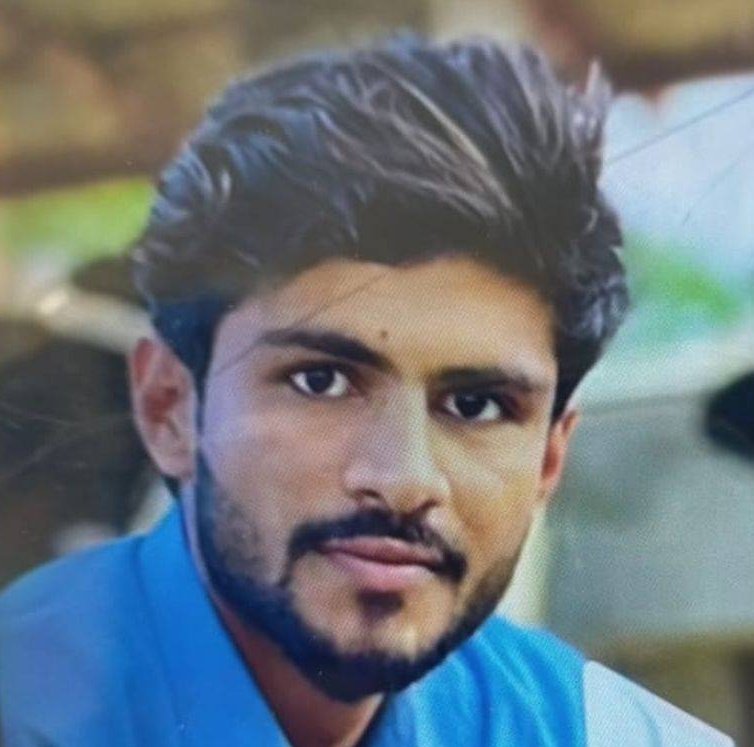
In a fierce protest against the extrajudicial killing of Bashir Ahmed, Haq Do Tehreek Balochistan has announced a complete shutter-down strike across Gwadar district on November 27. This comes after Bashir Ahmed, a victim of forced disappearance, was found dead under suspicious circumstances in Awaran on November 22, 2024.

Hafeez Kiyazai, the central organizer of Haq Do Tehreek, condemned the brutal killing during a press conference in Quetta. He called the act a blatant violation of human rights, describing it as unconstitutional and deeply inhumane. Kiyazai urged the people of Gwadar, including traders and business owners, to unite in the strike as a means to challenge the systemic atrocities committed by the Paki establishment against the Baloch people.

The backdrop of this protest follows the claims made by the Pakistan Army’s media wing, ISPR, on November 22, stating that four individuals, including Bashir Ahmed, were killed during military operations in Awaran, Kech, and Dera Bugti. According to ISPR, the victims died in clashes between security forces and insurgents, although no concrete evidence of their supposed involvement in militant activities has been provided.

Gwadar Strike

Bashir Ahmed, a son of Abdul Ghani, had been forcibly disappeared by Pak Army in May 2024 after being taken from Gwadar. In an official press conference, Counter Terrorism Department (CTD) officials, along with the provincial Home Minister, Zia Lango, confirmed Ahmed’s arrest and accused him of links to the Baloch Liberation Army (BLA). However, despite the occupied-authority’s claims, it was later revealed that Ahmed’s death occurred under suspicious circumstances, and the occupied-authorities attempted to disguise it as a “staged encounter” while he was in their custody.

The forced disappearance and subsequent extrajudicial killing of Bashir Ahmed have sparked outrage among the Baloch community and human rights advocates. Haq Do Tehreek, a prominent political organization fighting for the rights of the Baloch people, has vowed to continue exposing these atrocities committed by the Pak military. Kiyazai emphasized that this case is just one example of the broader ongoing repression of Baloch political activists, whose demands for justice are met with Army violence.

The people of Gwadar and other Baloch regions continue to face a systematic campaign of forced disappearances, torture, and killings at the hands of the Pak military, aimed at suppressing the Baloch community.

Islamists rape & kill 12 year old Hindu girl in Karachi

In yet another horrific reminder of the rampant persecution of minorities in Pakistan, the body of Ganga, a 12 year old Hindu girl, was discovered discarded like refuse in a garbage dump in Karachi’s Saddar Lucky Star area. The girl had been brutally raped before her life was mercilessly taken, her lifeless body dumped without regard in the filth of a city that continues to fail its most vulnerable. Ganga, the daughter of Harichand, had traveled to Karachi from Sukkur with her mother, Mantri, just 20 days prior to care for a sick relative.

The heinous nature of this crime is a reflection of the widespread and institutionalized atrocities faced by Hindu, Christian, and other minority communities in Pakistan. Minorities are routinely subjected to abductions, forced conversions, and sexual violence, while the Paki establishment turns a blind eye or, worse, tacitly enables such barbarities through its inaction.

Karachi has long been a stage for these horrors, where minority girls are hunted with impunity. The justice system offers no respite, with victims and their families often finding themselves at the mercy of a corrupt and complicit establishment. Investigations into such crimes are either sluggish or nonexistent, allowing perpetrators to roam freely, emboldened by a culture of impunity. The country’s judiciary who bows to Islamist hardliners, remains silent, on rampant atrocities on the minority girls.

For years, Hindu families in Sindh, where Ganga’s family originally hails from, have lived in fear. Their daughters are snatched from their homes, forcibly converted under the guise of sham marriages, and silenced forever if they dare to resist. Ganga’s story adds to this grim tally, but her death also underscores the broader decay in Pakistan’s moral fabric, where the lives of non-Muslims are treated as collateral damage in a society consumed by Islamists.

ISKP massacres ten Afghan Sufi worshippers at shrine in Afghanistan

A man opened fire on Sufi worshippers gathered at the Sayed Pacha Agha shrine in Afghanistan’s Nahrin district, killing ten people during a weekly ritual. The attack, which took place on 21 November evening, targeted individuals engaged in a Sufi chant, according to Abdul Matin Qani, a spokesperson for the Ministry of Interior.

Residents discovered the bodies the following morning during prayer hours, with one local said, “They had gathered for their ritual chant, and he shot them,” the resident said. This massacre underscores the persistent danger faced by Sufis in Afghanistan, where their practices are often deemed heretical by extremists and theocratic authorities.

Sufism, a mystical Islamic tradition emphasizing spirituality and love, has been repeatedly targeted in the war-torn country. Extremist groups, particularly the Islamic State Khorasan (ISKP), view Sufis as apostates deserving of death. This ideology has led to numerous atrocities, including an April 2022 attack on a Sufi mosque in Kunduz province that killed 33 people, many of them children, during Friday prayers.

While the Taliban’s return to power in 2021 initially led to a decrease in bombings, ISKP and other extremist factions continue to wage a campaign of terror. In September, IS-K claimed responsibility for an attack that killed 14 people in central Afghanistan who had gathered to welcome pilgrims returning from the holy city of Karbala in Iraq.

The Qur’an explicitly forbids the killing of fellow Muslims (4:92), yet extremist groups justify their attacks by branding Sufis as hypocrites or apostates, enabling them to perpetrate such massacres under the guise of jihad.

Afghanistan’s majority Muslim population remains deeply divided along sectarian lines, exacerbated by the Taliban regime’s strict interpretation of Islamic law, which often clashes with Sufi practices. The lack of security and protection for minority Muslim sects highlights the broader failure of the Taliban authorities to govern inclusively or protect their citizens from extremist violence.

Israel and Hezbollah agree to ceasefire for Lebanon amid rising tensions

A ceasefire between Israel and Hezbollah, an Iran-backed group, took effect at 0200 GMT on Wednesday, following an agreement brokered by the United States and France. U.S. President Joe Biden announced the truce after Israel’s security cabinet approved the deal in a 10-1 vote. The ceasefire is aimed at ending months of hostilities that erupted across the Israeli-Lebanese border in the wake of the Gaza war last year, leaving thousands dead.

Shortly after the ceasefire began, bursts of gunfire echoed across Beirut. While it was unclear whether the gunfire was celebratory or a warning for residents who had missed evacuation alerts from Israel’s military, displaced Lebanese families began their journey back to the south, devastated by months of Israeli airstrikes.

President Biden, addressing the nation from the White House, described the truce as “a permanent cessation of hostilities”, stating that Hezbollah and other militant groups would no longer be permitted to endanger Israel’s security. He outlined plans for Israel’s gradual withdrawal from southern Lebanon over 60 days, with Lebanese army forces assuming control of the border region to prevent Hezbollah from reestablishing its infrastructure.

Meanwhile, Hezbollah has refrained from formally commenting on the ceasefire. However, senior Hezbollah official Hassan Fadlallah stated on Lebanese television that the group supported extending the Lebanese state’s authority but would emerge from the conflict stronger. “Thousands will join the resistance,” he declared, dismissing Israeli efforts to disarm Hezbollah as a failure.

Biden Announces Ceasefire 

The deal also received backing from Iran, a key supporter of Hezbollah, as well as Hamas and Yemen’s Houthi rebels. French President Emmanuel Macron called the agreement the result of months of diplomacy involving Israeli and Lebanese officials in collaboration with the United States. Lebanon’s caretaker Prime Minister Najib Mikati and Foreign Minister Abdallah Bou Habib expressed optimism, with Bou Habib confirming the deployment of 5,000 troops to oversee the transition.

Israeli Prime Minister Benjamin Netanyahu, while endorsing the ceasefire, warned of decisive retaliation should Hezbollah violate the agreement. He emphasized that the truce would enable Israel to redirect focus toward threats from Iran and replenish its military resources. Netanyahu claimed the conflict had left Hezbollah severely weakened, stating, “We have set it back decades, eliminated its top leaders, destroyed most of its rockets and missiles, and obliterated years of terror infrastructure near our border.”

In the hours leading up to the ceasefire, violence escalated as Israeli airstrikes targeted Hezbollah’s financial systems in Beirut and surrounding areas, reportedly killing 18 people. Hezbollah retaliated with a barrage of rockets into Israel, while the Israeli air force intercepted several missile launches from Lebanese territory.

The ceasefire, however, has drawn criticism. Israeli Security Minister Itamar Ben-Gvir argued that the agreement failed to guarantee the safety of northern Israeli residents or adequately address the threat posed by Hezbollah. Lebanese officials, meanwhile, insisted on the return of displaced civilians to southern Lebanon as a key component of the truce.

Islamist Bangladeshi regime refuses to release Hindu monk Chinmoy Krishna Prabhu

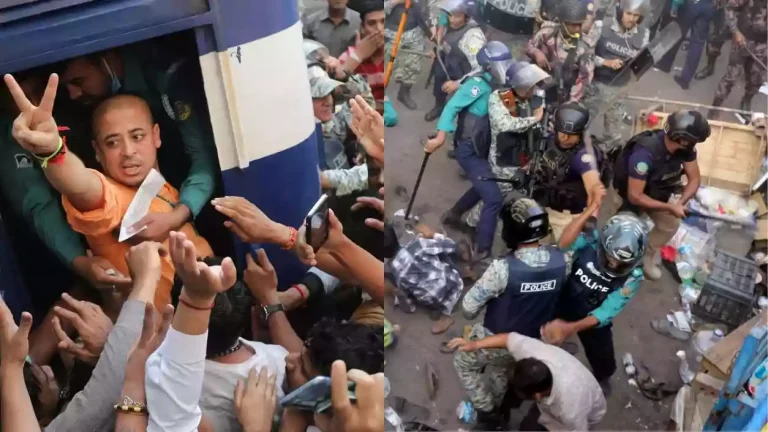
Islamist Bangladeshi regime refuses to release Hindu monk Chinmoy Krishna Prabhu despite massive protests by Bangladeshi Hindus. The Chittagong Metropolitan Magistrate Court has rejected the bail application of Chinmoy Krishna Prabhu and continues to imprison the Hindu monk and leader. “Whatever happens to me, you don’t stop the movement,” Chinmoy Prabhu said to Bangladeshi Hindus from the court premises.

Bangladeshi Hindus have been protesting against the arrest of Chinmoy Krishna Prabhu by the Dhaka Police’s Detective Branch on Monday at Dhaka Airport. Chinmoy Krishna Prabhu, known for his vocal protests against the rising atrocities on Hindu minorities in Bangladesh, is the leader of Sammilita Sanatani Jote and a senior monk of the International Society for Krishna Consciousness (ISKCON). His detention has intensified grievances over the growing persecution of Hindus under the radical Islamist Muhammad Yunus government, which has been marked by violence, forced conversions, and systemic attacks on the community.

https://twitter.com/hindu8789/status/1861314397253312707

Visuals from Dhaka, Chittagong, and other cities showed Hindus rallying against Chinmoy Krishna Prabhu’s arrest. Protesters blocked key roads in Dhaka’s Shahbagh area, chanting slogans and demanding his immediate release. In Chittagong, demonstrators held a flashlight vigil, underscoring their defiance. However, several protesters were injured after being attacked by unidentified assailants, further heightening tensions.

Chinmoy Krishna Prabhu was reportedly arrested for allegedly disrespecting the Bangladeshi flag during a rally in October. However, his supporters argue that the arrest is part of a broader crackdown on Hindu activists who dare to raise their voices against the escalating violence and religious oppression faced by the community.

Since the Islamist Muhammad Yunus government came to power in Bangladesh, reports of targeted violence against Hindus have surged. Temples have been desecrated, Hindu homes burned, and families displaced, while incidents of forced conversions and abductions of Hindu women have become alarmingly frequent. Human rights activists accuse the government of fostering an environment of impunity for perpetrators of such crimes.

Chinmoy Krishna Prabhu’s arrest follows a sedition case filed against him and others over the alleged hoisting of a saffron flag at a rally. His detention has sparked outrage within the Hindu community and beyond, symbolizing the government’s attempts to suppress minority voices demanding justice.