The growth of internet heralded a lot of changes in the mid 90s, including opening up the possibilities of ‘smart cities’. Many countries adopted it for their urban planning, especially in the capitals.
Delhi, the capital of India didn’t trigger any such pathbreaking ideas into the Masterplan 2021.
‘Smart cities’ mean different things to different countries. While the West might talk of sustainability, security, data driven approach, etc., whereas the thrust in the Indian context should’ve been sanitation, infrastructure, supply of modern work and living spaces and quality governance.
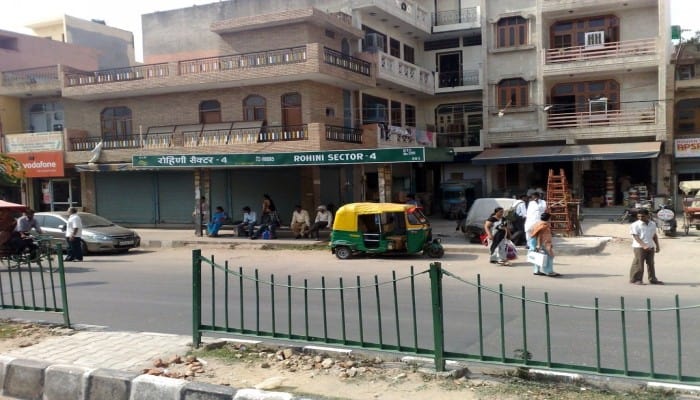
Forget about greenfield developments in the 5 new zones of Delhi, sub cities like Rohini were allowed to mushroom as an aggregation of residential plots converted to unauthorized commercial streets. Though the prices have increased, it no longer affords wide open streets and quality of life.
Rohini had all the plus points to evolve as a planned sub city; the first metro line, connected by motorable roads to other CBD areas, social and physical infra and products at all price points. Not to mention social harmony and homogeneity of occupants.
During the same reckoning period, both DDA & private developers of Gurgaon had access to large land tracts. Private developers in Gurugram developed multiple commercial hubs like Cyber City, Golf course road, Extension, Sohna road, etc., delivering more than a few million sq.ft.
It isn’t surprising that Gurugram is home to more than 250 of Fortune 500 companies. The differentiator was ‘Vision’; which Delhi lacked.
Not all is lost. Delhi need not be a lifelong laggard. It can surge ahead by offering prime well-connected properties to the Private sector to develop modern commercial hubs. Not that DDA does not have access to large land parcels in Delhi or that there isn’t enough Private sector Institutional interest. All that Delhi Masterplan & DDA lack is predictability and single window clearance. Rohini is a clear example of this.
On the one hand, DDA might be sitting on more than 500 Ha of zoned commercial land parcels worth a couple of billion dollars, on the other hand there are scores of new unauthorized colonies mushrooming around business hubs for want of an integrated facility. Why can’t these land parcels be developed by the private sector on the lines of Global city, Whitefield, BKC or even Cyber hub? Why doesn’t DDA sell these land parcels to be developed as modern integrated commercial hubs while DDA plays the role of a facilitator?
There is a clear business opportunity too. DDA land parcels in Rohini are bang in the middle of a developed city, whereas new supply of large developable land in NCR are at least 50 k.m. away from Lutyens Delhi. Gurugram offers land near Manesar and Sohna, YEIDA in Greater Noida, Sonepat has no such large development, Faridabad is re-developing older industrial districts, etc.
Here is Rohini which doesn’t need greenfield development. Even the metro corridor is scheduled to be extended from Rithala to Narela-Bawana. That would cut across these prospective business districts. Importantly, Rohini integrated development can create social infrastructure simultaneously. To support the prospective movement of large corporates to this area, Grade A housing, schools, hospitals, shopping and recreation, etc., can be executed while the commercial campuses evolve.
Don’t forget, large swathes of private development of premium development can take place across the UER-2, under zone N. 10 villages under green belt GDA policy are a mere 5-7 k.m. away. Additionally, DSIIDC has more than 1100 acres of land in the vicinity in Kanjhawla & Ranikhera, which also are reserved for development of ‘Knowledge based Industrial Parks’.
This time next year, UER-2 would be operational. Gurgaon would be a mere 35 minutes’ drive from Rohini, airport about 25-30 mins. Multiple cabs and private transport can save millions of trips a year driving across Delhi to reach Gurugram.
Not to mention the millions of dollar addition to the states GDP as well as to the dipping coffers of DDA. That’s prudent business which we hope DDA opts for.
As the old adage says, “You can actually take the business house to the employee instead of ferrying them long distance to the work-place.”
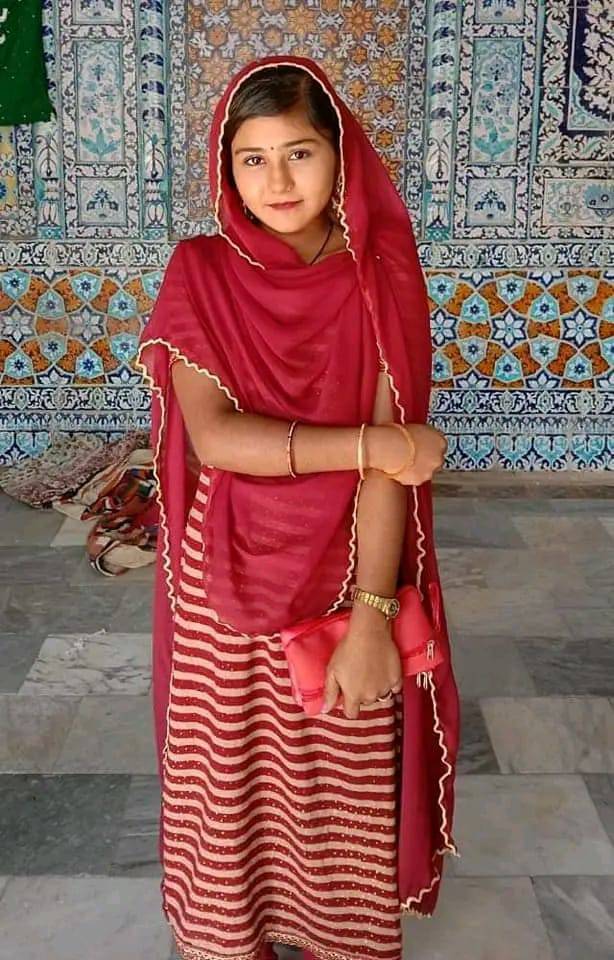
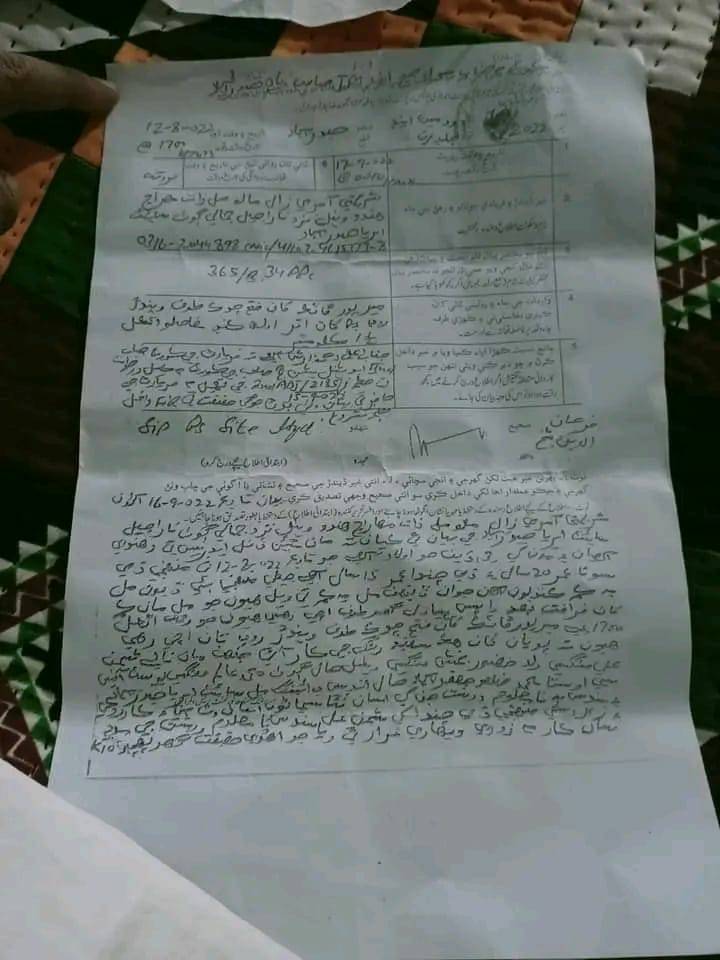
On 11 Oct , a 15 year old Sindhi Hindu girl was abducted from Hyderabad in Sindh. Her parents complained that she was on her way back home and was forcefully abducted by men in a white car at Fateh Chowk area of Hyderabad. The accused is Shaman Magsi,who is reported to have been harassing her for quite sometime.An FIR has been lodged with the police and SSP Hyderabad but so far no action has been taken. Series of kidnappings of Sindhi Hindu girls are on the rise in the area. The incident has sparked off ire ire among the Sindhis.
Copy of the FIR (Photo: News Intervention)
Pakistan’s forced abductions and conversions have been known to put minority women at risk. Young girls are abducted, converted into Islam and forced to marry or are kept as sex slaves or raped. The government has been unsuccessful to implement the Child Marriage Restraint Act 1929 and the Sindh Child Marriage Restraint Act 2013, which raised the legal minimum age of marriage to 18 in Sindh province. The victim girls are largely left in the custody of their kidnapper throughout the trial process, where they are forced to claim that the conversion or marriage was consensual.
Following India’s appeal and efforts, the International Union for Conservation of Nature has declared October 12 as the World Sloth Bear Day. This unique bear species – listed as Vulnerable in IUCN’s Red List — is mainly found in India while Nepal has a small population of this animal.
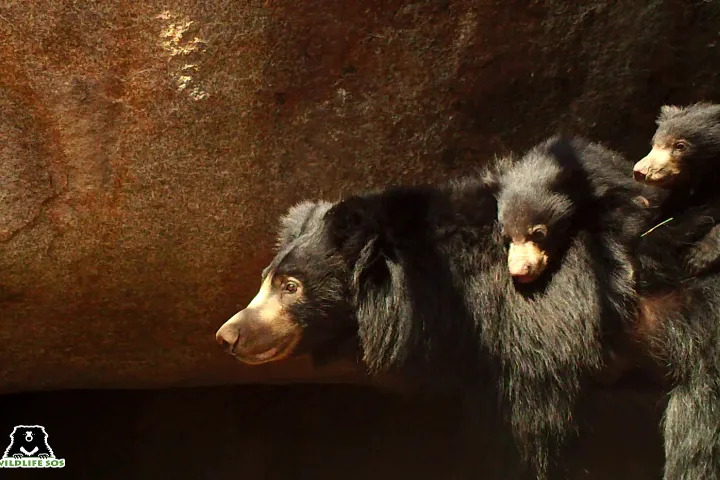
This least researched bear in the world is known to be bold and courageous to take on a pair of adult wild tigers to protect its cubs.
Wildlife SOS India involved in sloth bear conservation and protection for over 25 years proposed to the IUCN to declare October 12 as the World Sloth Bear Day. This was accepted by the IUCN-SSC Sloth Bear Expert Team.
The first inaugural WSBD will be held at Wildlife SOS-run Agra Bear Rescue Centre in Uttar Pradesh – one of the world’s largest – which was established 1999 in collaboration with UP Forest Department.
One of the eight bear species, the sloth bear or Melursus ursinus has very distinct long, shaggy dark brown or black fur, distinct white V-shaped chest patch and four-inch-long ivory-coloured curved claws used for digging out termites and ants from rock-hard mounds.
Ninety per cent of these bears in the world are found in India and the Wildlife (Protection) Act of India, 1972 lists them under Schedule I, granting this species the same level of protection as tigers, rhinos and elephants.
In the past these bears were used for entertainment as dancing bears. Over the years Wildlife SOS has rescued and rehabilitated over 628 of them and also provided alternative livelihoods to the nomadic Kalandar community members, empowering the women and educating the children to prevent them from carrying on this illegal and cruel tradition.
Talking about these bears, the Co-Chairs of IUCN Sloth Bear expert team, Nishith Dharaiya and T. Sharp, said: “In many ways, Sloth bears are the most unique of all bear species, they carry their young on their back for 6-9 months, 50% of their diet is made up of termites and ants and they have the ability to chase off a full-grown tiger. Unfortunately, they face ever-increasing pressures from habitat loss and fragmentation as well as from other anthropogenic risks including illegal poaching. World Sloth Bear Day is a time to pause and reflect on the importance of protecting this truly unique species.”
Emphasising on the importance of the day, Wildlife SOS Kartick Satyanarayan observed: “This day is a rallying call for people around the world to learn about this lesser-known species and promote the conservation of Sloth bears so we never see a day without this species.”
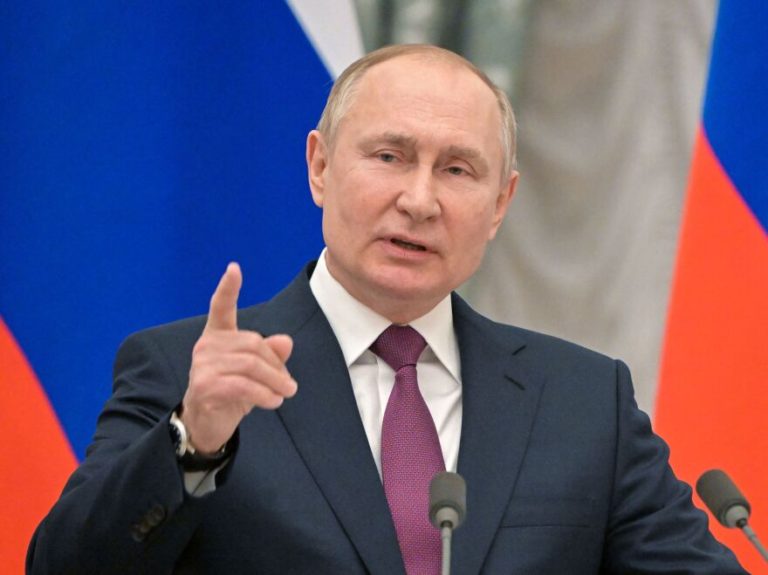
Russian President Vladimir Putin after annexing Ukrainian land has signed treaties to make this ‘official’ in the virtual world. Western and Ukrainian officials claim the annexation violates international law. Putin has offered Ukraine an opportunity to talk seven months into the war.
Putin warned Ukrainians Russian authorities would never rescind claims to Donetsk, Kherson, Luhansk, and Zaporizhzhia regions. The two houses of the Russian parliament controlled by the Kremlin have endorsed these treaties next week and then send them to Putin for final approval within the Russian Federation.
Ukrainian officials have dismissed the commentaries by Putin stipulating the future of Ukraine will be decided on the battlefield. Andrii Yermak, the head of the Ukrainian president’s office, stated that continued want to “liberate Ukrainian territories.”
Putin and his lieutenants warned against any Ukrainian offensive in retaking the claimed regions – seeing the actions as acts of aggression. Hints were made with claims of “all means available” to nuclear armament use.
The various claimed regions since 2014 with votes held by Russian authorities are attempts to deter defeats. Russia controls most of Kherson and Luhansk, 6/10ths of Donetsk, and a large portion of the Zaporizhzhia region.
Dmitry Peskov, a Kremlin spokesperson, stated the aim is to “liberate” the Donetsk region. Some analysts warned Putin would dip more into precision weapons to escalate the Russo-Ukrainian war to eliminate Western support for Ukraine. These weapons, according to the Associated Press, are In shorter supply for Russia.
Abbas Gallyamov, former Kremlin speechwriter, stated, “It looks quite pathetic. Ukrainians are doing something, taking steps in the real material world, while the Kremlin is building some kind of a virtual reality, incapable of responding in the real world… People understand that the politics is now on the battlefield… What’s important is who advances and who retreats. In that sense, the Kremlin cannot offer anything сomforting to the Russians.”
Ukrainian in the seven month war has been depriving Russian military forces of complete mastery of the field.
Peskov noted a formalization of Donetsk and Luhansk into the Russian Federation in their entirety. Kherson and Zaporizhzhia have been prepared for annexation. At this point, it’s unknown whether the Russian Federation will declare complete or partial claim to the territories of Kherson and Zaporizhzhia.
An emergency meeting of the National Security and Defense Council of the Ukrainian President Volodymyr Zelenskyy denounced the most recent Russian aggressive strikes. The United States of America and associated allies made promises of sanctions against Russia and billions of dollars in support of Ukraine.
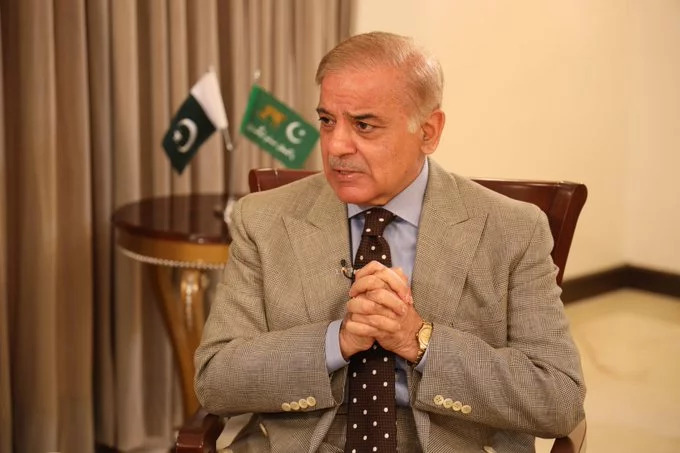
Pakistan, battling a severe economic crisis, is now bracing for a harsh winter with the deepening energy shortage. Last month, Russian President Vladimir Putin said that Moscow was in a position to supply gas to Pakistan as pipeline infrastructure was in place but the Shehbaz Sharif government which is now going all out to woo Washington may find it difficult to source Russian gas.
The ongoing Russia-Ukraine war, analysts said, is set to deal a blow to Pakistan’s energy sector as Islamabad -Washington ties improve. Pakistan’s dependence on imported liquefied natural gas (LNG) has increased over the years and now the rise in global fuel prices has become a cause for concern.
The country’s public policy think-tank Pakistan Institute of Development Economics, in a recent report said that demand for natural gas has risen by 11 per cent in the last few years though 78 per cent of households have no access to natural gas, natural gas consumption in the domestic
The challenge has increased even more as compared to the industry, supplying gas to households requires higher investments. But there has been no investments to this effect making things tougher.
Natural gas and imported LNG contribute more than 40 per cent Islamabad’s current energy mix, including gas resources used in electricity generation. While in the recent years, the demand for gas has increased rapidly, gas exploration and production have declined, and the LNG operational and regulatory framework is weak which in turn had led to a nationwide shortage and increased supply costs, PIDE said.
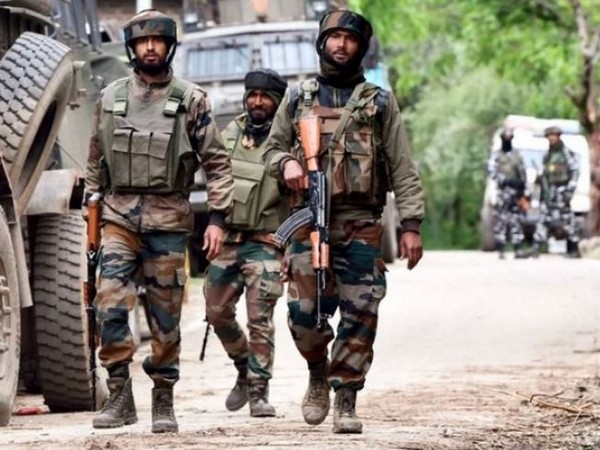
After the killing of a SPO in Pinglana, Pulwama district on 2 Oct 2022, the India intelligence agencies were continuously tracking movement of a group of terrorists. The persistent effort of intelligence agencies resulted in tracking of movement of Hanan Bin Yakoob along with his accomplices to Shopian. Then,based on the specific input received, a joint cordon and search operation was launched by the Indian Army and JKP in general area of Drach, Shopian on 4 October 2022.
The security forces established a cordon around the suspected house in village Drach with speed and stealth. Continuous surveillance and inputs from ground confirmed presence of three terrorists in the house. As the search commenced, security forces were subjected to heavy volume of automatic fire which continued throughout the night. During the period, the security forces not only safely evacuated the civilians in the area but also prevented attempts by terrorists to break the cordon. Subsequently, the ensued firefight led to neutralisation of three terrorists and recovery of three AK rifles, one pistol, several rounds of ammunition and other war like stores.
The neutralised terrorists were later identified as Hanan Bin Yakoob, resident of Karimabad, Zubair Ah Wani of Doompora and Jamshed Ah Magray of Rajpora. Hanan and Jamshed were not only actively involved in recruitment of innocent and gullible youth but were also involved in killing of innocent civilians, attack on security forces including recent killing of SPO Javed Dar and attack on innocent civilians in Kharbatpura, Pulwama.
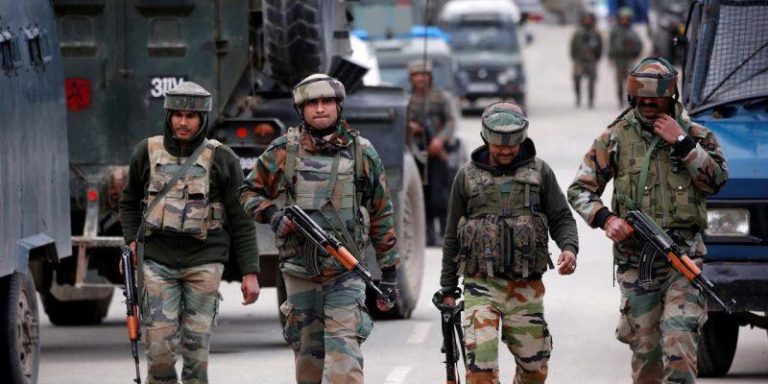
On 27 September , the Indian Army received an information from JKP [Kulgam] regarding the presence of terrorists in Avhotu village of Kulgam District. Following this tip off a joint cordon and search operation was launched in the area by the Indian Army along with JKP and CRPF.
The army established a quick initial cordon around the suspected cluster of houses in the village which was subsequently strengthened by additional troops. On confirmation of presence of terrorists in the suspected house, priority was given first for evacuation of civilians from the cordon to a safe location. Thereafter, the Army unit tried to induce surrender of the hiding terrorists by making repeated surrender calls, however to no avail.
Following this the Army searched the target house and it is reported that the terrorists resorted to indiscriminate firing in an attempt to break the cordon. The Army retaliated with effective firing, thereby foiling the escape attempt of the terrorists and killing one of the terrorists. In the ensuing firefight, one soldier sustained splinter/ricochet injury in the foot. The soldier was evacuated to 439 Field Hospital, Awantipura. Meanwhile, due to the indiscriminate firing by the terrorist, the gas godown in the vicinity of the target house caught fire, leading to multiple explosions. Considering the safety of civilian life, the Army and the JKP tried to douse the fire by use of water bowsers and foam sprinklers, simultaneously maintaining an impregnable cordon. LPG cylinder fire was doused by the Fire Fighting team security forces, thus preventing loss to the property of neighbouring houses.
Later it has been reported that contact was re-established and a second terrorist was also neutralised owing to accurate fire of the troops. On search of the encounter site, two AK series rifles, Grenades and other warlike stores were recovered.
The JKP identified the neutralised terrorists as Md Shafi Ganie, resident of Welsbatapura, Kulgam and Mohammad Asif Wani resident of Takiya, Kulgam. Both the terrorists were members of Jaish-e-Mohammad terrorist group.
Despite pathbreaking advances in technology to obviate malfunctioning of machinery, incidents of equipment failure do occur, and helicopters are no exceptions. However, when two military helicopters meticulously maintained by the Pakistan Army Aviation Corps and flown by experienced pilots go down in as many months, something does seem amiss. The fact that both these supposed ‘accidents’ occurred in the restive Balochistan further raises suspicions that it may not have been due to mechanical failure or pilot error.
On 1 August, a Pakistan Army helicopter carrying Quetta 12 Corps Commander General Safraz Ali and five others [including two pilots] crashed in Musa Goth-Windar area of Balochistan’s Lasbela, and Pakistan Army’s media wing Inter Services Public Relations [ISPR] promptly announced that it was an “accident”. However, in a statement issued by Baloch Raaji Aajoi Sangar [BRAS], an umbrella organisation of Baloch armed rebel groups fighting against occupational Pakistan Army, its spokesperson Baloch Khan tweeted, “Baloch Raaji Aajoi Sangar (BRAS) accepts responsibility for targeting Pakistani helicopter and killing six senior military officials of the enemy forces”.
ISPR rubbished this claim made by BRAS and it was largely accepted that the August 1 helicopter crash could have been an accident. However, it was ISPR’s tweet that the helicopter “Accident occurred due to bad weather as per initial investigations,” which raised doubts regarding the veracity of this declaration, because though the sky may have been overcast on that day, from an aviator’s perspective, it was definitely not ‘bad weather’. Furthermore, unless there’s an operational emergency or any other inescapable urgency, helicopters don’t fly in bad weather, especially with corps commanders on board.
Baloch Liberation Army [BLA] has claimed that its cadres had shot down the helicopter that crashed near Khost area in Balochistan’s Harnai district. Its press release of September 26 reads, “Last night freedom fighters of Baloch Liberation Army arrested two personnel of Pakistan military in an intelligence-based operation near Zardaalo, an area in Harnai. Later, Pakistani helicopters arrived in the area. Baloch freedom fighters shot down at least one helicopter near Khost, Harnai, approximately 5 kilometres away from the area where Pakistani personnel were arrested. ….”
Secondly, while Pakistan Army’s aviation corps accords due emphasis to operational night flying training in Balochistan, yet it doesn’t venture into ‘no-go’ areas like the Khost area of Harnai district since its rugged mountainsides are teeming with Baloch armed groups. In fact the influence that Baloch armed groups wield in this area can be gauged from the fact that it was here that its armed freedom fighters brazenly established a ‘checkpost’ on the main road and abducted Lt Col Laiq Baig Mirza and his cousin on July 12 this year. So, if this helicopter was indeed carrying out a routine night training “flying mission” in this area, then someone up the military ladder needs to explain why were six young army men unnecessarily exposed to avoidable danger!
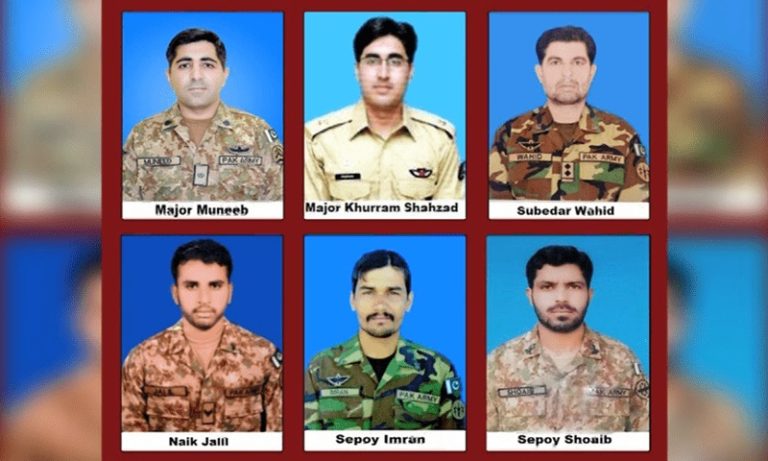
Lastly, from the accoutrements visible in the photos of the deceased passengers released by ISPR, it is evident that at least two of them [Subedar Abdul Waheed and Havildar Muhammad Imran] belonged to Special Services Group [SSG], Pakistan Army’s elite commando force. So, even if the helicopter was on a routine “flying mission”, as claimed by ISPR, what were two SSG commandos doing on board in the middle of the night? This inexplicable anomaly gives further credibility to the BRAS claim that this downed helicopter was one of the two attempting an operation to rescue some abducted security force personnel. Furthermore, since this Helicopter crash site [according to BLA] was “approximately 5 kilometres away from the area where Pakistani personnel were arrested,” the downed helicopter being here fits into the scheme of things.
So, it’s quite possible that Baloch freedom fighters had abducted one/two FC (Frontier Corps) personnel near the Khost area of Balochistan and the Pakistan Army had employed the SSG to launch a rescue operation at night and used two helicopters for this purpose. The helicopter that crashed was presumably the leading one [‘path finder’] and was only carrying a two-man squad comprising a junior commissioned and a non-commissioned officer. This ‘buddy pair’ were in all probability, tasked to slither down the hovering helicopter by using ropes to find the location of a suitable and safe spot where the next helicopter could similarly disgorge the balance of the rescue team that it was transporting.
Being launched by the SSG, it must have been a well-planned operation; the pilot and co-pilot too would have been especially selected on the basis of their experience and flying skills. Since BLA is not known to be in possession of anti-aircraft missiles, it seems that things went awry, either because BLA fighters were expecting a heliborne rescue operation, or it was just happenstance that the ill-fated helicopter came close enough for the BLA fighters to shoot it down. Whatever be the reason, the truth of this crash that of August 1, which consumed a dozen lives will never be known?
Post script: In his well-researched book ‘The Way of the Knife: The CIA, a Secret Army, and a War at the Ends of the Earth’, Pulitzer Prize-winning journalist Mark Mazzetti mentions how in 2004, Gen Pervez Musharraf allowed CIA to undertake drone operations on Pakistani soil as he “did not think it would be difficult to keep up the ruse,” because according to him, “In Pakistan, things fall out of the sky all the time.”
So, could it be that Rawalpindi is passing-off the recent helicopter crashes in Balochistan as mere ‘accidents’, just to “keep up the ruse”? And does PTI leader Fawad Chaudhary cryptic observation- “Heli flying is getting dangerous, this needs engineering evaluation, too many crashes …,” indicate that not everyone believes the ISPR’s ‘accident’ theory?
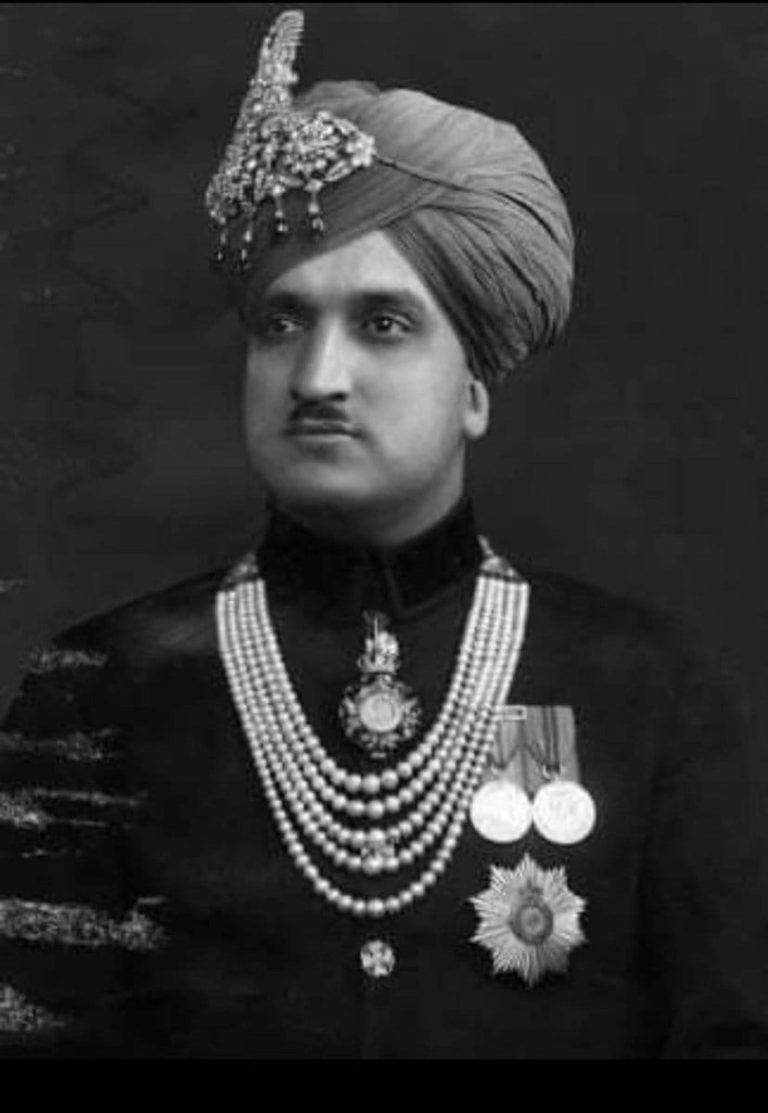
Though it is painful to think that the realization came home to the Jammuites nearly fifty years after the departure of Maharaja Hari Singh, nevertheless, taking into account the vengeful attitude of Nehru towards the Maharaja, and the anti-Maharaja animus having percolated down the ranks of Congress leadership in New Delhi, it is praiseworthy for the Modi government to have set right a wrong his predecessors had done.
Those well acquainted with the Sheikh Abdullah-led four-decade-long anti-Maharaja Hari Singh agitation in Kashmir, viciously miss-named as the ‘freedom movement’, know that the NC and its leadership left no stone unturned to paint the Maharaja in the darkest colour. He was handed over all negative characteristics like a tyrant, a bloodsucker, a rank autocrat and oppressor and what not. Painting him in black colour was tantamount to painting the entire Dogra society as persecutors and oppressors.
The NC movement originated from the mosques in the valley and Hazratbal in Srinagar shrine had become the workshop of the agitators where their leaders frequently brainwashed them.
Sheikh Abdullah’s secularist tantrum ( Sher-I Kashmir ka kya Irshad/ Hindu, Muslim, Sikh Ittihad) was a strategic masterstroke that befooled one and all connected with Kashmir politics. It was meant to counter the J&K Muslim Conference which was led by the Mirwaiz House in the valley. Although the Sheikh was a protégée of the same house yet he found that if he was to grab the supreme leadership of Kashmiris, he needed to oppose the Mirwaiz House politically.
The second facet of the masterstroke was the Sheikh’s tremendous success in convincing Nehru of his ‘secularist’ credentials. Both were playing ball with each other. The Sheikh was paving the way for Kashmir Sultanate and Nehru was angling for Kashmir’s inclusion into the Indian Union but at the same time trying to tell the world that he was a liberal to the hilt and did not oppose Kashmir enjoying outright autonomy.
The Sheikh was the main instrument in creating distance between the Maharaja and Nehru. The anti-Dogra narrative used by him in his public rallies in the valley was repeated by him during his meetings with Nehru. Unfortunately, those were not the days of advanced IT so the lies and canards carried by the Sheikh to his idealistic friend could have been contradicted at the spur of the moment.
The Maharaja found a sympathiser in the Deputy Prime Minister of India, Sardar Patel, whom Nehru thought a diehard Hindu nationalist not sympathetic to the Muslim community of India. The ideological and political differences between Nehru and the Sardar beggar no elucidation. Go through the entire corpus of correspondence between the Maharaja and the Sardar, and you will gain a peep into the tripartite relations between Nehru, Sardar and the Maharaja.
Despite the Maharaja’s request to Gandhi and the Sardar to dissuade Nehru from visiting Kashmir in the early summer of 1947, Nehru stubbornly brushed aside the counsel of the two top leaders and headed towards J&K. At the border between J&K and Punjab somewhere near Kohala, Nehru was stopped from proceeding to Srinagar and was detained for some hours in a rest-house. On urgent summon by Congress President Maulana Azad, Nehru returned to Delhi. Nehru never forgave the Maharaja for doing something which the law of the land required the Maharaja to do.
For 12 long years, the British colonisers of India put Nehru behind the bars for agitating against the Raj. When independence was won, Nehru clean brushed the memory of twelve years of imprisonment by the British and invited the last Viceroy to be India’s first Governor General. Try to understand the poison of vengeance in the head of the man.
The true Sheikh unfolded on 8-9 August 1953, when the he was removed and arrested for treason. He had been bargaining with the American agencies for the Sultanate of Kashmir. The promises made by the Americans were grandiose including the establishment of a colony of twenty-five thousand American settlers in the valley.
On 26 October 1947, in the aftermath of the invasion of tribal lashkars on Kashmir, and India’s military intervention, Nehru took away power from the hands of the benign ruler of Kashmir and handed it over to a wily, unscrupulous egomaniac Muslim leader of the valley allowing him all autocratic powers to trample the minority community under his iron heels. The Maharaja who had signed the instrument of accession began to be humiliated, despised and hated. His litanies of complaints depicting the autocratic dispensation with which the Sheikh carried out his administration went to the dustbin. The Sheikh wanted his physical removal from the State. An agreement between Nehru, Sheikh Abdullah and the Maharaja was arrived at to let the Maharaja go out of the State for six months, after which the issue of his rehabilitation in the State would be considered. The ink on this agreement had hardly dried up when the
Sheikh launched a tirade against the Maharaja demanding that he be deposed and sent away from the State. With the proud Dogra blood in his veins, the Maharaja left his native state and encamped in Mumbai never to return to his native land.
A few days ago Dr Karan Singh, also the Yuvraj, said that his role in the Congress was zero and he was almost side-lined by the organization. Nobody should have any remorse nor Yuvraj himself. He has failed to prove his mettle as the offspring of a house of rulers who created the modern state of Jammu and Kashmir not through trickery, chicanery or appeasement but through the valour and bravery of a soldier and a swordsman.
When his father was so ignominiously driven out of his State, he sheepishly accepted to be the ‘Sadr-e Riyasat’ of a State where everybody including his clansmen did not approve of him accepting a rubber stamp status. Then came the time when he had to give up that position and he took to politics and fought election for parliament membership. He had still the hard core of the Dogra constituency with him out of emotions of course, and he was returned to the Parliament where he rubbed shoulders with those who deposed his father and sent him on an exile. Where did his sense of pride evaporate in thin air? In further mundane thinking and action he sent one of his sons to the NC and the other to BJP to rub shoulders with every Tom, Dick and Harry. The sheen of royalty was surrendered as a result of avarice and greed. Unfortunately, there is lack of self-pride and renunciation in the progeny to stand head and tail above everybody else to convey to the world that the royal blood runs in their veins.
The Congress has shunted him out as happens with all those who are bereft of the virtue of renunciation. And now before every passer-by, he laments that he has been thrown out by the Congress after fifty years of service. We respect him as a learned scholar of Hindu studies. But we have a question. Are the Hindu shastras so flimsy as not to inculcate in him the eternal truth in the philosophy of renunciation (tyaga) especially when one enters the banparasta stage?
First, the selective killings of the Hindus and Sikhs in Kashmir, and then “sar tan se juda” monstrosity of Theo-fascists at some places in India, all point to a shift in the tactics of Ghazvatu’l Hind mission as stipulated in some books of Islamic tradition (hadith).
The operation Ghazavatu’l Hind (meaning the Indian campaign) was temporarily slowed down by its operatives for some reasons. As the Taliban rule was getting stabilized in Kabul and Pakistan is slipping into a state of economic chaos and lawlessness — a situation which the TTP cherish — the masterminds of the Ghazavatu’l Hind plan accelerated the operation of brutalities.
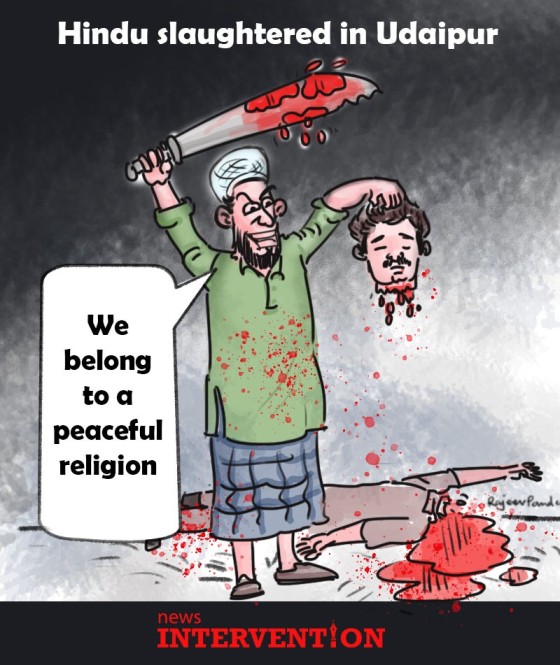
The murder of identified Hindus in Udaipur, Amravati, and other places is not an isolated incident although the criminals would wish the Indian security authorities and policy planners remain bandaged in that delusion. Investigating agencies are gradually removing the layer after layer of a conspiracy that shrouds these murders. For example, one of the strategies adopted by the Ghazava Ansars could be establishing a countrywide network of Dawat-e-Islami, the new Pakistan-based Islamic organization, with a specific agenda of unleashing terror in entire India through the indoctrinated Indian Muslim youth. It may be reminded that sometimes back, there was much talk about Ghazavatu’l Hind in Islamic circles and this writer had scripted a column on the subject.
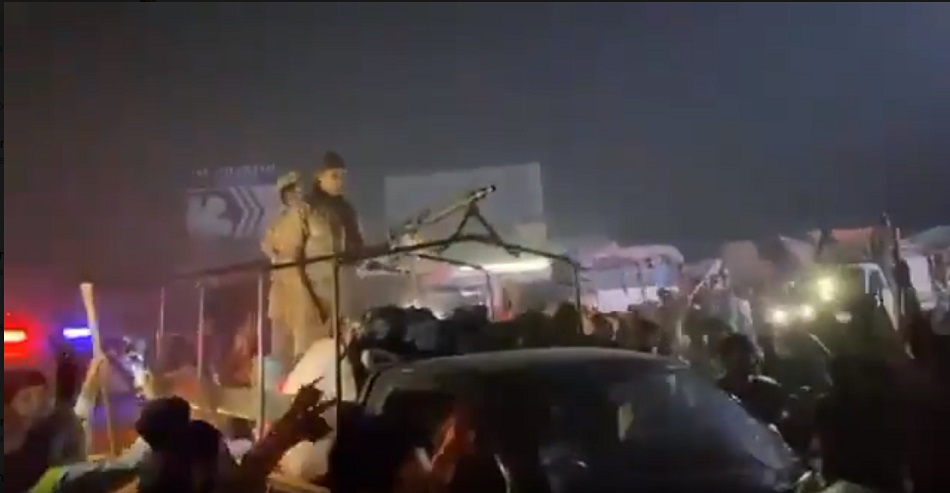
Pakistan Army soldiers shouting Islamist slogans along with the Tehreek-e-Labbaik cadre in Islamabad. (File photo)
Islamists fervently pursuing the resurgence of radicalized Islam (which they label as puritanical Islam) strongly argue that their scriptures categorically enjoins upon the puritans to efface from the surface of the earth the last vestiges of kufr, meaning apostasy/ idolatry, especially in India. They are asked to believe that the orthodox Islamic faith, culture and sharia must prevail through the teachings of the scriptures.
However, some Muslim scholars are of the view that violence against other faiths like Hinduism or Judaism, is not recommended anywhere in the Islamic scriptures. They bring the onus of the aberrations like these to the doorsteps of the half-literate mullahs and the Islamic clergy guided by self-aggrandizement. The clash between the orthodoxy and liberalism in Islam has been as old as Islam itself. But because the orthodoxy made use of brute force and politicized Islam to stifle the voice of liberalism, the latter always remained subdued and passive. A major portion of Islamic history is the unending struggle between the two ideologies.
Under this classification, those who do not indulge in violence always say that all Muslims cannot be branded as violent, terrorists and criminals. But to their dismay, this argument cannot have many takers. The fact is that if the majority of the Muslims are rationalists and only a handful of their community are misguided hypocrites, then they should have mustered the courage to weed out the pretentious elements from society. We have never heard crowds of righteous Muslims coming out on the streets and announcing resistance to the fascist elements in society. But there is no example of mass protest by the rationalist and humanist Muslims in any part of the world though some outstanding personalities like Kamal Ataturk of Turkey and Reza Shah Pahlavi of Iran had tried to set an example when in power. Once they were out, orthodoxy returned with a bang. It means that by their inaction the so-called rationalists among the Muslims advertently or inadvertently lend support to the upholders of Theo-fascism.
The extremists and radicals among the Muslims consider it their religious duty to join the jihad against the idol-worshippers in India because they feel Islam is under threat as long as idolatry exists no matter howsoever docile, passive and non-violent these idolaters are. Don’t forget that a champion of theirs had the temerity to say publicly that “the Hindu terrorism is the most dangerous of all terrors.” They consider the time suited for undertaking the mission of Ghazavatu’l Hind; they have already started it. This is what the madrasas teach the young kids who ultimately grow with a particular mindset in which the elements of hatred and violence enjoy primacy.
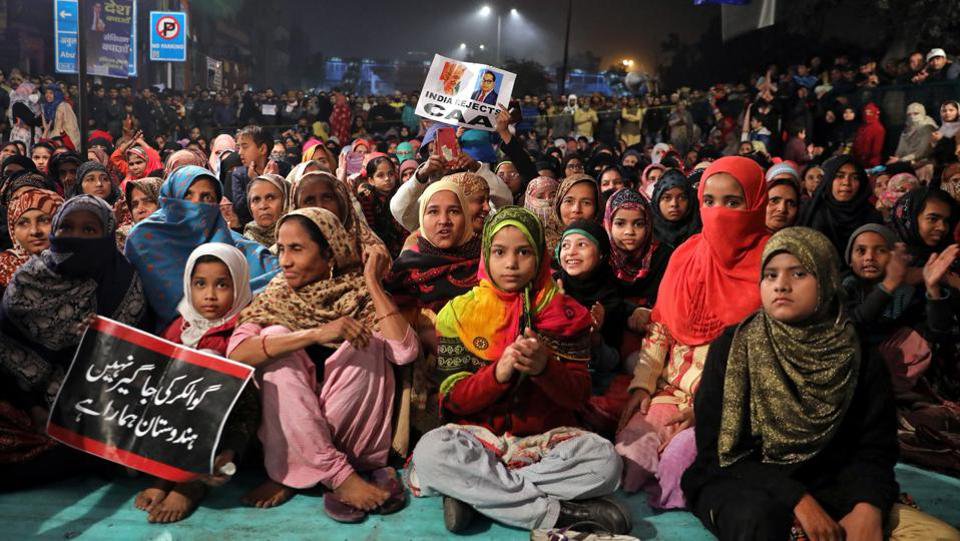
Muslim women at the anti-CAA protest site at Shaheen Bagh in New Delhi. (File photo)
Indian policy planners are under a misconception that the pro-ghazava forces may plan an onslaught on the Hindus of India resembling the one they unleashed in Kashmir in 1990. In such a situation, they think that the state security and defence apparatus will come into action. This is wrong thinking. The Islamists have very carefully calculated what strategy has to be employed when and where. For example, General Zia’s theory was to bleed India by a thousand cuts. Although he was a General trained in a modern military academy, he eschewed direct attack on India and devised a strategy that worked fairly well.
A proxy war is one of the viable strategies which the state of Pakistan has adopted for use against India. Once, General Musharraf said that the Indian Muslims are our crucial asset for the implementation of a proxy war against India. This was a grandiose strategy and Pakistan’s intelligence agency worked on it in good time. The Ghazavatu’l Hind and its latest version called Dawat-e-Islami are the variants of the changed strategy. Taqiya or camouflaging is another essential component of the new strategy and Theo-fascists use it successfully. In the same strain “denial” is another strong instrument very much in use to promulgate the Ghaazva mission. So pervasive is the denial theory that President Trump in a tweet in 2018 wrote, “The United States has foolishly given Pakistan more than 33 billion dollars in aid over the last 15 years, and they have given us nothing but lies and deceit, thinking of our leaders as fools. They give a haven to the terrorists we hunt in Afghanistan.”
Pakistan will never fight India face to face. It will resort to subversion at various levels and in various forms. Penetrating various institutions of the State including the critical ones like the Atomic Energy, Space Centres, departments of some selected ministries, judiciary, police, intelligence, cyber technologies, foreign missions etc. is very much under its focus. The mosques, its Imams, Muslim religious or political leadership and numerous so-called Islamic welfare institutions and NGOs, all are under their radar. Spreading terror to cow down state functionaries from discharging their duty without fear and favour is reflected in the threat letters that have begun to be sent to a large number of people. Imagine the impact of terror that even the judges of the Supreme Court and lower courts feel pressurized to give verdicts against their conscience. This is the vast game of subversion and it succeeds because it is not challenged; because the Indian State is lost in the pretentious slogans of non-violence and peaceful coexistence. Imagine when two judges of the Indian Supreme Court issued a verdict that the beheading of Kanhaiya in Udaipur was the result of Nupur Sharma’s derogatory statement, the Taliban in Kabul issued a statement appreciating the Indian Supreme court’s verdict and comments. Imagine how the Supreme Court of the world’s largest democracy allowed itself to be ridiculed.
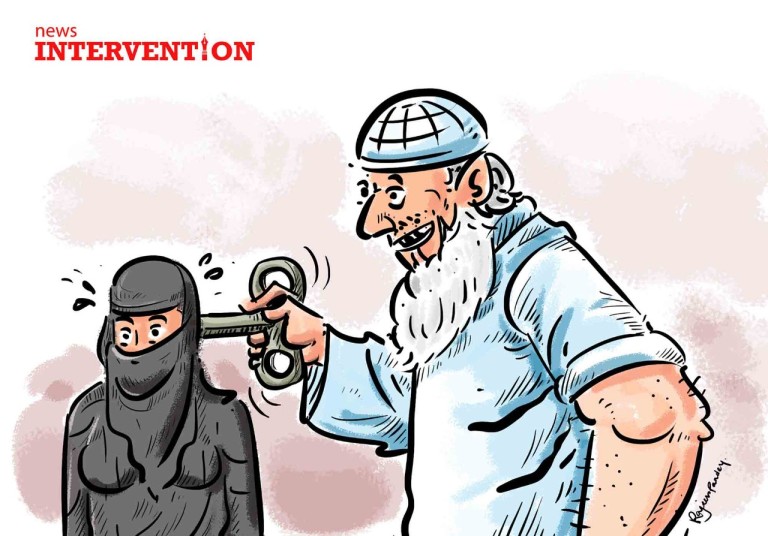
Radical Mullahs control the minds of a very large section of Indian Muslims. (Cartoon: News Intervention)
The most dangerous and unfortunate part of this anti-India Herculean mission is that a section of Indian citizenry, (apart from the non-Sanatan community), is treacherously supporting the Theo-fascists for their wicked designs against the Indian state not out of any conviction but to see that the Modi government is toppled and then the chaos follows. Their machinations are in no way inferior or less effective than those of the prime actors of Ghazava. Some sections of media including television channels vie with one another in denigrating the Indian state. It should not be forgotten that most of these rabidly anti-national elements serve the purpose of the deep state and all-powerful international agencies who, through money and muscle power, want to control the globe and give direction to the events according to their choice. The rise of India as a military and economic power through strong policies like “atmanirbhar” is a red rag to the bull. The Shaheen Bagh event, Delhi riots, Kisan agitation, Agniveer agitation, hijab agitation and now “sar tan se juda” monstrosity, all drew inspiration from the global anti-India network. The scuttling of FTA between India and the UK, the defeat of Donald Trump in the previous election, the resignation of the British PM Boris Johnson and the assassination of Shinzo Abe (the brain behind Quad-4), all these events carry a common thread. In this vast ocean of perfidies and conspiracies, PM Modi stands like an immovable rock drawing strength from the support and love of his people who form one-fifth of the world’s population.
The Dawat-e-Islami, in combination with other lashkars raised on the soil of Pakistan, have been busy spreading their network in many parts of India from east to west and north to south. Thanks to India’s freedom of speech developed through digital connectivity, these modules have clandestinely got connected not only to their mentors in Pakistan but also to others in different parts of the world especially those in the category of fundraisers and military strategists. The term Ghazavatu’l Hind has become a household word for almost the Indian Muslims wherever they are.
The investigating agencies are just concluding that the Islamists are adopting uniform patterns, other than man-to-man confrontation, to advance the Islamic agenda in India. The undercurrent of Ghazvatu’l Hind/Dawat-e-Islami runs in all Islamic communities irrespective of the fact whether they feign friendship with India or not. This has been amply proved in the Nupur Sharma case.
How is the Indian State responding to this situation? This is the crucial question. Indian authorities do not understand the tsunami of Theo-fascism ready to overrun India. Right from the times of the Shaheen Bagh episode to the beheading of Kanhaiyalal in Udaipur, there have been recurring Islamic uprisings in this country. The idiom of the activists of these upsurges is not indigenous but imported one. Reports of inquiry committees invariably identify the miscreants but the authorities seldom divulge what punishment has been given or not given to the culprits. It is kept a secret out of the fear of displeasing the vote bank chapter. Be sure the Theo-fascist tsunami will overrun India if Indian policy planners do not dump the vote bank theory in the dustbin. The Indian government feels that its penal code and other laws are sufficient to deal with this threatening scenario. It has to change its mindset. It has to learn that an extraordinary political and social challenge needs extraordinary corrective measures and laws. It has to learn the language that Theo-fascists understand. France presents an example. She has closed the Islamic seminaries; she has imposed restrictions on sermons delivered in the mosques; she has set the heaviest fines and imprisonment on those intending to spread religious violence. India has also to learn from the Chinese experience in Xinjiang. Muslim countries like Pakistan, Saudi Arabia, Turkey, Iran and others have given a clean chit to China for her treatment of the Uyghur Muslims. India needs to curtail the freedoms given to law-breakers. India has to hold OIC (Organisation of Islamic Cooperation) responsible for whetting up the anti-state attitude of Indian Muslims.
We use cookies on our website to give you the most relevant experience by remembering your preferences and repeat visits. By clicking “Accept All”, you consent to the use of ALL the cookies. However, you may visit "Cookie Settings" to provide a controlled consent.
This website uses cookies to improve your experience while you navigate through the website. Out of these, the cookies that are categorized as necessary are stored on your browser as they are essential for the working of basic functionalities of the website. We also use third-party cookies that help us analyze and understand how you use this website. These cookies will be stored in your browser only with your consent. You also have the option to opt-out of these cookies. But opting out of some of these cookies may affect your browsing experience.
Functional cookies help to perform certain functionalities like sharing the content of the website on social media platforms, collect feedbacks, and other third-party features.
Performance cookies are used to understand and analyze the key performance indexes of the website which helps in delivering a better user experience for the visitors.
Analytical cookies are used to understand how visitors interact with the website. These cookies help provide information on metrics the number of visitors, bounce rate, traffic source, etc.
Advertisement cookies are used to provide visitors with relevant ads and marketing campaigns. These cookies track visitors across websites and collect information to provide customized ads.
Necessary cookies are absolutely essential for the website to function properly. These cookies ensure basic functionalities and security features of the website, anonymously.
Cookie
Duration
Description
cookielawinfo-checkbox-analytics
11 months
This cookie is set by GDPR Cookie Consent plugin. The cookie is used to store the user consent for the cookies in the category "Analytics".
cookielawinfo-checkbox-functional
11 months
The cookie is set by GDPR cookie consent to record the user consent for the cookies in the category "Functional".
cookielawinfo-checkbox-necessary
11 months
This cookie is set by GDPR Cookie Consent plugin. The cookies is used to store the user consent for the cookies in the category "Necessary".
cookielawinfo-checkbox-others
11 months
This cookie is set by GDPR Cookie Consent plugin. The cookie is used to store the user consent for the cookies in the category "Other.
cookielawinfo-checkbox-performance
11 months
This cookie is set by GDPR Cookie Consent plugin. The cookie is used to store the user consent for the cookies in the category "Performance".
viewed_cookie_policy
11 months
The cookie is set by the GDPR Cookie Consent plugin and is used to store whether or not user has consented to the use of cookies. It does not store any personal data.