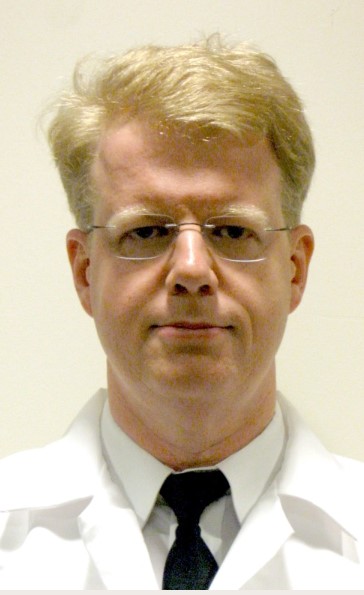
By Scott Douglas Jacobsen and Dr. Benoit Desjardins
Professor Benoit Desjardins, MD, PhD, FAHA, FACR, FNASCI is an Ivy League academic physician and scientist at the University of Pennsylvania. He is member of several scientific societies and a Fellow of the American College of Radiology and of the American Heart Association. He is the co-Founder of the Arrhythmia Imaging Research (AIR) lab at Penn. His research is funded by the National Institute of Health. He is an international leader in three different fields: cardiovascular imaging, artificial intelligence and cybersecurity. He is a member of the most elite high IQ societies in the world.
We have been engaged in a series of interviews with Prof. Desjardins at www.in-sightpublishing.com. Desjardins mentioned the major concerns with the medical system and the treatment of physicians in the United States. This became a longer conversation and evolved into a separate series. Here we discuss medical practice in the United States.
This interview represents Dr Desjardins’ opinion, combined to the current content of the published medical literature, and not necessarily the opinion of his employers.
1 – On science and medicine
Scott Douglas Jacobsen: Let’s start by defining terms, what is science?
Dr. Benoit Desjardins: From Webster, science is the knowledge about general truths or general laws obtained and tested by the scientific method. The scientific method provides a set of principles for the pursuit of knowledge. It involves formulating a problem, collecting data by observation and experimentation, and formulating and testing hypotheses.
Jacobsen: What is medicine?
Desjardins: From Webster, medicine is both a science and an art, dealing with health maintenance and the prevention, alleviation, or cure of disease. It used to be primarily an art, but it has become firmly based on science as science evolved.
Jacobsen: What is a physician? How does a physician differ from other terms of professionals within medicine?
Desjardins: A physician is someone educated, experienced, and licensed to practice the science of medicine. The difference between physicians and other healthcare professionals is becoming less clear with time, as other professionals take on more and more of the responsibilities of physicians.
Jacobsen: What are the ultimate limits of science as applied to medicine?
Desjardins: Nobody knows. Science progresses constantly, and new scientific discoveries that positively impact medicine are produced every year. There are often tradeoffs limiting the applicability of some scientific advances to medicine. Let’s take an example from my field. There have been advances in cross-sectional imaging to image humans at extremely high spatial resolution. Flat-plate CT scanners can do that but require more radiation, which is a limiting factor for human imaging. As a result, they are mainly used to image small animals.
2 – On practicing medicine in the U.S.
Jacobsen: What are the values of the medical field within the United States? How does this differ from other fields?
Desjardins: There are values related to the patient, including compassion, respect, and justice. Other values are related to the physician, including a commitment to excellence, integrity, and ethics. Physicians take a Hippocratic Oath and swear to uphold specific ethical standards. It differs from other fields. Healthcare is, however, a business in the U.S., which creates conflicts with some of its values. For example, many medical practices start with noble goals, trying to help their community with devoted, caring physicians who will do whatever is best to help their patients. These practices sometimes get bought by venture capital firms. After the purchase, physicians become indentured servants, forced to perform massive amounts of work (e.g., seeing one patient every five minutes). They are forced to do whatever is best to maximize shareholders’ and investors’ profits at the expense of quality of care and consequences to physicians’ health.
Jacobsen: Venture capital firms decided to make medicine a business. Is there a documented timeline?
Desjardins: Venture capital firms started buying physicians and medical practices in the late 1980s, a growing phenomenon.
Jacobsen: When do venture capital firms decide to buy them?
Desjardins: I am not familiar with the field of business, but they seem to buy them when they are profitable or have the potential to become profitable from the exploitation of physicians.
Jacobsen: Since medicine became more of a business than less of one, what are some choices the businesses made to appeal to patients with higher incomes?
Desjardins: Some hospitals offer entire floors reserved for wealthy patients, with hotel-like amenities in their rooms and increased access to services and physicians, a limousine drive from the airport, and lodging for patients’ families.
Jacobsen: How do CEOs and others interact with physicians?
Desjardins: CEOs have minimal direct interactions with physicians. They often provide mass emails to their entire medical center staff updating everyone on current issues, such as the pandemic or new initiatives, the hospital system’s latest national rankings, or financial health.
Jacobsen: Why is American medicine terrible at outcomes?
Desjardins: American medicine is known as the “great outlier”: it is the worst healthcare system among high-income countries (Commonwealth Funds) but at the same time is the most expensive healthcare system in the world. It has a high infant mortality rate, low life expectancy at age 60, and high preventable mortality. Its infant mortality rate is comparable to some third-world countries, like Sri Lanka (Worldbank). This poor performance at extremely high costs is due to multiple factors. It includes a minimal focus on preventive medicine, emphasis on fixing catastrophic health outcomes after years of neglect, the practice of defensive medicine, and the business approach to healthcare. The traumatic nature of life in America, and the high poverty rate, have significant harmful effects on the population’s health.
Jacobsen: How are these expectations from American patients coming to American physicians with sophisticated ignorance, when ignorance masquerading as knowledge comes to blows with evidence-based expertise?
Desjardins: Physicians are required by their Hippocratic Oath to serve their patients as best as possible. They use an evidence-based approach to healthcare, which is good medicine that can sometimes lead to bad outcomes. The latter often leads to patients physically harming or suing their physician, as patients are too ignorant to realize that good medicine sometimes leads to bad outcomes. Physicians can respond to this situation in two ways. First, they can continue using an evidence-based approach for healthcare until they either get harmed by their patient or more likely lose their practice license due to too many frivolous lawsuits against them. Or they can adapt to an ignorant, scientifically illiterate society by doing “defensive” medicine. The latter leads to overutilization of medical resources, patient harm, and increased U.S. healthcare expenses.
Jacobsen: What about the lower strata of the educational and authority hierarchy in medical facilities? I mean nurses and the like. How is their education? Are they given the same quality of education? How does their education impact the quality of care for patients?
Desjardins: Every member of the healthcare field receives the best possible quality of education addressing the tasks they are expected to perform, ensuring the highest level of quality in healthcare at different levels. Problems arise when healthcare workers lower in the hierarchy are given the authority to perform duties and actions for which they have not been trained to decrease healthcare costs. It has led to patients’ deaths.
3 – On American patients
Jacobsen: How are values and preferences of cultures impacting the expectations from physicians by patients in the United States?
Desjardins: I am originally from Canada. Canadians have a more socialist mindset, think about the greater good, and are more reasonable. Americans have a more individualistic mindset. They will not tolerate waiting lists like in Canada. If they cannot see their physicians rapidly or get the device or the operations they want, they get angry and can become litigious. They will expect physicians to spend millions on extending grandma’s life by a few weeks. They have gone to court to prevent unplugging of brain-dead patients (remember Terri Schiavo), with brain dead U.S. lawmakers forcing doctors to keep these patients on life support.
Jacobsen: How are American patients different than others?
Desjardins: They have no personal accountability. They do not take care of themselves. They can chain-smoke for 50 years and then blame their physician if they develop cancer. They expect their physicians to be at their service 24/7/365, an unrealistic expectation, to work all the time without getting tired, and never make a mistake. They fail to realize that physicians are human beings. They still think of physicians as wealthy, privileged people driving expensive cars and living in mansions. U.S. physicians are instead in massive debts from medical schools, massively overworked, cannot take breaks, and are often suicidal from their working conditions.
Jacobsen: How are American patients similar to others?
Desjardins: They get sick.
Jacobsen: How do these expectations from patients impact the pressure from administration towards physicians?
Desjardins: There is increasing use of patient satisfaction metrics by the administration to judge physician performance, which I believe is wrong. Most factors affecting patient satisfaction, like waiting time or access to physicians, are entirely beyond the control of physicians. Hospitals in the U.S. are like hotels. U.S. patients have unrealistic expectations because of this hotel mentality.
Jacobsen: What are the rudest versions of this hotel mindset of American patients?
Desjardins: We see more disrespectful behavior from patients and their families against doctors. Some patients will refuse to be examined by a black, Muslim, female, or foreign physician or by a medical trainee, intern, or resident. They will get angry at physicians if they must wait a long time before visits, if the price of their medication is too high, or if busy physicians do not spend enough time with them. And, of course, angry patients often write bad online reviews against competent, dedicated physicians, negatively affecting the physicians’ careers and livelihood.
Jacobsen: What about American virtues? How are these ameliorating this issue of overwork or poorly cared-for physicians?
Desjardins: Americans can display generosity, compassion, honesty, and solidarity. They often raise thousands of dollars in crowd-funding of patients for an operation, a transplant, or medication. Unfortunately, there is zero empathy in American culture towards physicians. When Americans are told of the poor working conditions of physicians, they simply respond that physicians chose that profession, and they should accept the consequences of working in that profession, even if this leads to physician deaths. When a football player commits suicide, this is extensively covered in the news media, and small local memorials are erected around which people can deposit flowers and pay their respect. When a U.S. physician commits suicide due to poor working conditions, their body gets covered by a tarp, and the death is not reported in the news media. When patients come to their annual physician visit, they are told the physician moved away. After dedicating their lives to taking care of human suffering, their existence is simply eradicated and forgotten. But Americans will remember the football player forever.
Jacobsen: Are violent hysterics against Dr. Fauci ongoing?
Desjardins: I don’t think they will ever stop. In December 2021, Fox News host Jesse Watters urged listeners at a conservative meeting to take a “kill shot” at Dr. Anthony Fauci, the U.S. top government infectious disease physician. Since April 2020, Dr. Fauci and his family have received multiple death threats and have required security and bodyguards. Think about it for a minute. One of the most brilliant infectious disease scientists in the U.S. receives numerous death threats from Americans due to a world pandemic originating in China. What kind of society does that?
Jacobsen: What are two great examples of American ignorance in biology/medicine and basic astronomy?
Desjardins: At my institution, we invite the best scientists in the world to talk about their research. I was privileged to attend lectures by academics who devoted their entire careers to studying American ignorance and scientific illiteracy and trying to find solutions. Here are some examples they provided. Only about 20-30% of Americans believe in the theory of evolution, the core of all biological and medical science. 25% of Americans are unaware that the Earth revolves around the Sun. More recently, when Trump recommended injecting or swallowing Clorox to kill the coronavirus during the pandemic, thousands of Americans poisoned themselves by following his advice.
Jacobsen: Is there a similar trend, as with the increasingly worse treatment of physicians over half of a century, of a collapse of the social fabric and institutional trust in the United States? If so, are these mutually reinforcing trends?
Desjardins: The combination of ignorance and hostility in the U.S., each reinforcing the other, leads to the current war against expertise, in which the expertise of physicians, scientists, and scholars is downplayed or wholly dismissed. I am reminded of the famous quote by Isaac Azimov: “There is a cult of ignorance in the United States, and there has always been. The strain of anti-intellectualism has been a constant thread winding its way through our political and cultural life, nurtured by the false notion that democracy means that my ignorance is just as good as your knowledge.” In his 2017 book, “The Death of Expertise: The Campaign Against Established Knowledge and Why It Matters,” Tom Nichols addressed the issue. Nichols notes that “increasing numbers of laypeople lack basic knowledge, they reject fundamental rules of evidence and refuse to learn how to make a logical argument.” He describes instances where scientifically illiterate patients tell their physician why their advice is wrong. He decries Americans’ lack of critical thinking abilities, their positive hostility towards knowledge, their rejection of science, and of dispassionate rationality, which are the foundations of modern civilization.
4 – On the work conditions of U.S. physicians
Jacobsen: What was the earliest known, to you, exposure to the poor working treatment of physicians in the United States?
Desjardins: I realized it as soon as I started my training in the U.S. when I was forced to work 68h without sleep. I had been on call at the hospital two nights in a row, had worked 58 consecutive hours without rest, and was driving back home. As I crashed into my bed, I received a phone call from my chief resident asking me why I was not at the hospital as I was on call again for a third night in a row. I was unaware of it and explained the situation. He ordered me to get back to work. I drove back exhausted to the hospital and could have easily been killed in a car accident. I worked ten additional consecutive hours until I crashed on the call room floor. They found me unconscious later that morning. It was my first exposure to the poor working conditions of U.S. physicians.
Jacobsen: Who have been the most vocal people about exposing the treatment of physicians from 50 years ago to 10 years ago?
Desjardins: In the U.S., it was common for post-MD medical trainees (called “residents”) to work 90-100 hours per week and up to 36 hours without rest. In March 1984, 18-yo Libby Zion died at a New York hospital from a prescription error by a resident doing a 36h shift. It led to an investigation on the effect of resident fatigue on patient safety. New regulations were passed in 1987 limiting residents in New York to work no more than 80h per week and no more than 24 consecutive hours. In 2003, the ACGME (the body regulating medical training in the U.S.) extended the rule to all residents. They also limited resident calls to once every third night and implemented one day off per week. For comparison, in Europe, residents cannot work more than 48h per week. Note that these new rules only apply to residents in training, not to the U.S. practicing physicians who regularly work up to 120h per week and up to 72 consecutive hours without sleep.
Jacobsen: Of various productions, what ones seem to have made the biggest inroads in sheer viewership or consumption?
Desjardins: Around ten years ago, some physicians started to expose the poor working conditions of U.S. physicians. Dr. Pamela Wible noticed an epidemic of suicide among physicians, and she began accumulating data. So far, she has documented 1620 suicides of physicians caused by their poor working conditions, a clear underestimate of the true incidence of the problem. She publicized her results in a TED talk (“Why doctors kill themselves,” March 23, 2016), maintains a blog, and wrote books on the poor treatment of U.S. physicians. Since then, many articles, blogs, books, medical conferences, and documentary movies have covered the poor treatment of U.S. physicians. As a result of these initiatives, physician wellness is now a topic addressed by every U.S. hospital and medical school.
Jacobsen: Which productions have been the most incisive and factually accurate?
Desjardins: On April 8, 2019, the New York Times published the op-ed article “The Business of Health Care Depends on Exploiting Doctors and Nurses” by Dr. Danielle Ofri. The op-ed discussed how the U.S. exploits healthcare workers with poor working conditions that would be unacceptable in other fields and countries. In June 2019, Dr. Pamela Wible wrote a book entitled “Human Rights Violations in Medicine,” tabulating and illustrating with real examples 40 different ways in which the U.S. violates the fundamental human rights of its physicians. It includes sleep deprivation, food deprivation, water deprivation, overwork, exploitation, bullying, punishment when sick, violence, no mental health care, etc. In 2018, Robyn Symon produced a documentary movie on physician suicide and poor working conditions entitled “Do no harm” (donoharmfilm.com). It is available for rent on Amazon and Vimeo. In 2004, Dr. Kevin Pho created a blog (KevinMD.com) on physician issues. Several recent articles and interviews on his blog have focused on the poor working conditions of U.S. physicians.
Jacobsen: What are other superficial proposals at every medical center hypothesized to help with the issue of overwork?
Desjardins: The U.S. lacks interest in identifying and solving real problems. It goes well beyond healthcare and applies to poverty, violence, corruption, gun control, climate change, etc. Band-Aid solutions are proposed, and the root causes of problems are rarely addressed. Physician working conditions are treated similarly. Every hospital and medical school is now addressing physician wellness, given the massive levels of physician burnout. They discuss yoga mats, meditation, eating healthy, exercising, and sleeping well. But they don’t address 120h work weeks, 72 consecutive hours call shifts without rest and lack of access to food and water, physicians dying on the job, getting strokes on the job, destroying their health.
Jacobsen: Have any tried the simple and obvious solution by taking issue with the prefix “over-” in “overwork” to deal with overwork of physicians?
Desjardins: No. There is a lack of interest in identifying the real problems and offering needed solutions. There is only one solution to the overwork of U.S. physicians: getting more physicians (or physician equivalent healthcare workers). The U.S. has 2.6 physicians per 1000 people (WorldBank data). The European Union has 4.9, ranging from 3.7 in the Netherlands to 8.0 in Italy, with much healthier populations. Despite the smaller number of physicians in the U.S., the country has the highest healthcare costs globally: $11K per capita in the U.S., compared to $5K per capita in the European Union. If the U.S. increased its population of physicians, the costs would rise since U.S. medicine is a business with unlimited spending. Hospitals have started to explore substituting physicians with less qualified healthcare workers to decrease costs. The frightening consequences of this approach have been well documented in the 2020 book by Dr. Al-Agba and Dr. Bernard, “Patients at Risk: The Rise of the Nurse Practitioner and Physician Assistant in Healthcare.” The book provides examples of poorly trained N.P.s and P.A.s, allowed to perform physician-level decisions and actions, resulting in preventable patient deaths.
Jacobsen: If working 36 hours in one period, what are the impacts, known in medicine and psychology, on the human brain?
Desjardins: Lack of sleep for 24h is, according to the CDC, equivalent to having a blood alcohol content of 0.10, higher than the legal driving limit of 0.08. Among the many side effects, it creates drowsiness, impaired judgment, impaired memory, reduced coordination, increased stress level, and the brain shutting down neurons in some regions. Lack of sleep for 48h affects cognition. The brain enters brief periods of complete unconsciousness known as microsleep, lasting several seconds. Lack of sleep for 72h will have more profound effects on mood and cognition and can lead to paranoia. Chronic sleep deprivation has a lasting impact on general health and creates high blood pressure, obesity, diabetes, heart disease, and depression.
Jacobsen: If working 90-100 hours in a week in one week, what are the impacts, known in medicine and psychology, on the human body?
Desjardins: In a 2021 study by WHO and ILO, long working hours (> 55h/week) led to 398 000 deaths from stroke (35% risk increase) and 347 000 deaths from ischemic heart disease (17% risk increase). Dr. Maria Neira from WHO stated that “Working 55 hours or more per week is a serious health hazard“. Now imagine how much worst of a hazard for physicians forced to work more than 55 consecutive hours without rest. I cannot find any studies specifically looking at the health effects of 90-100 hours workweeks. Japan has the term “karoshi” to describe death by overwork, and employers are held criminally responsible for such deaths. No such laws exist in the U.S.
Jacobsen: How do these working conditions – and work expectations – impact the social life of the physicians amongst one another, and the physician-to-patient interaction?
Desjardins: Overwork increases the divorce rate in female physicians, not in male physicians. Many physicians do not have much social life since they work constantly. They mainly interact with other physicians at work, not outside work. Sometimes burned-out overworked physicians have been rude to their patients, especially surgeons.
Jacobsen: How were physician friends killed in the midst of maltreatment due to working conditions in medical institutions? How have physician friends been permanently disabled due to the work conditions?
Desjardins: Thousands of U.S. physicians have been killed or disabled because of poor working conditions. It has been extensively described in the literature. In my circle of colleagues, which extends beyond my current institution, three of my close radiology colleagues have been killed, all in their 30s, and many have been disabled for life. One was killed at work under circumstances that are still hidden. Two were killed in car accidents after driving back home in the middle of the night after their workday, completely exhausted. A colleague developed a stroke during his workday resulting in a permanent physical handicap. Another colleague was on his 97th hour of work on a week in which he was not allowed to sleep much or eat much. His body failed under these poor working conditions, and he became blind during work. He was rushed to the E.R., where they diagnosed a work-condition induced hypertensive urgency with bilateral optic nerve damage. They pumped him full of medication until part of his vision returned. But he remains physically disabled for life due to the poor working conditions.
Jacobsen: How many patients kill their, current or former, physicians every year in the United States? How does this compare to other countries with metrics if any?
Desjardins: There are, unfortunately, no statistics on that. In my city, physicians are frequently assaulted by their patients. Some have been stabbed in the face, and some have been killed. The local news media almost always downplay it. Physicians are killed in other countries, too, notably in China. Physician suicides from the poor U.S. working conditions are also downplayed. When a physician jumps from the roof of their hospital, the local authorities simply throw a tarp over the body and don’t report it in the news media. Hospitals simply do not want the bad publicity from having a series of physicians jumping to their death from the roof of their hospital due to poor working conditions, like what recently happened in some N.Y. hospitals.
Jacobsen: What is the level of burn out in your field? What is the formal definition of “burn out” – whatever terms people want to use to describe physicians simply being taxed beyond reasonable limits and – not even requested – demanded to work more, as in your case?
Desjardins: The current level of burnout in my field is up to 70%. There has been a debate on whether physicians experience burnout, moral injury, or basic human rights violations. Burnout means physical and mental collapse from overwork. Moral injury indicates damage to one’s conscience when witnessing horrible conditions violating one’s moral beliefs or code of conduct. In 1948 the U.N. General Assembly adopted a Universal Declaration of Human Rights, a standard for properly treating human beings. Human rights violations are violations of the rules in this declaration. Physicians experience all three categories of injuries: burnout, moral injury, and human rights violations. It is a symptom of a toxic healthcare system, with working conditions massively out of compliance with safe labor laws from all other industries.
Jacobsen: What are some of the more egregious examples of (mis-)treatment of physicians?
Desjardins: There are many examples in the literature. Some U.S. physicians are forced to work up to 72 consecutive hours without rest. In my circle of colleagues, which extends well beyond my current institution, many of my colleagues experienced mistreatment. A physician friend recently started a new job in breast imaging. At the end of her first workday, which included a half-day orientation, they put her on probation for not reading her daily quota of 100 studies. At the end of her second workday, she became more proficient with her new work tools and read 98 studies, two studies short of her daily quota. They fired her immediately. Another physician friend was starting a new radiology job and went to lunch at the hospital cafeteria on her first day. She was forcibly dragged back to her work cubicle before eating a single bite, yelled at by administrators, and told physicians in her practice are not allowed to eat during the workday. Many physicians are required to work non-stop with no breaks for eating and no bathroom breaks and finish their regular workday in the middle of the night. They sometimes must sleep on the floor of their office at the hospital as there is not enough time to return home before their next shift. Dr. Pamela Wible identified several extreme examples of mistreatment: physicians being forced to work during a miscarriage or a seizure, surgeons collapsing on their patients because of dehydration and hypoglycemia because of their lack of access to food and water during work, and physicians falling asleep on their patient during medical rounds due to massive exhaustion.
Jacobsen: When speaking of your deceased or now-disabled colleagues, what happens to a body as parts of it simply shut down, especially in, basically, peak health years, e.g., the 30s?
Desjardins: For deceased colleagues, their body gets cremated or eaten by worms. For disabled colleagues, their health remains affected by the damage to their bodies for the remaining of their lives and deteriorates faster as they get older. They develop chronic diseases, such as high blood pressure, sooner than other workers, making their bodies deteriorate faster and increasing morbidity and mortality.
Jacobsen: For the UDHR, what human rights violations are discussed the most in the literature?
Desjardins: I would say violations of Article 23 (Everyone has the right to work, to free choice of employment, to just and favorable conditions of work), Article 24 (Everyone has the right to rest and leisure, including reasonable limitation of working hours), and Article 25 (Everyone has the right to a standard of living adequate for the health and well-being of himself and of his family, including food).
Jacobsen: Is the International Labour Organization, in any way, involved in rectifying these working conditions? Are there any countries anywhere with comparable working conditions, though, perhaps, lacking the advanced expertise and technological sophistication of the U.S.?
Desjardins: Among the risks for physicians identified by the ILO is “Physical and mental fatigue stemming from the specific conditions of this work” and “Danger of being violently attacked by unsatisfied patients.” So, the ILO has identified some of the risks and has proposed some solutions (Improving employment and working conditions in health services, 2017). In that paper, they discuss the European Union 2003 Working Time Directive, setting work limits to 48h per week, minimum daily rest periods of 11h, weekly rest of 35h, and allowing derogations for some doctors. They do not discuss the working conditions of U.S. physicians. Every country has different working conditions for physicians. India, China, and African Countries have difficult working conditions, given limited access to medical technology and the low physician to population ratios. But among the most industrialized countries (G-20), the U.S. and China have the worst working conditions for physicians.
Jacobsen: What are common statements from physicians about the working conditions?
Desjardins: The physician workforce has undergone a progressive zombification as it evolved within the current system. Physicians develop learned powerlessness to affect the system and deference to authority. They understand that working 72 consecutive hours without sleep is illegal and inhumane in every other profession except their own but are forced to do it by their hospital administration. They know that they will continue to become victims of crimes committed by corrupt prosecutors. They understand that the U.S. population is strongly anti-physicians and anti-science and will never be their ally. They know that the U.S. healthcare system is collapsing faster than anyone predicted. So, they bear the insufferable work environment and count the days until they can afford to abandon their medical careers or die on the job.
Jacobsen: Have American physicians simply left states to other states, even to other countries for humane working conditions?
Desjardins: Definitely. Physicians frequently move out of state because of working conditions. In some departments, large groups of physicians leave en masse to practice elsewhere or abandon their medical career. Most would like to move out of the U.S. into countries with better working conditions for physicians, such as Canada, the U.K., or European Union countries, but immigration and licensure issues prevent them from moving abroad.
Jacobsen: What does this bode for the future of the American healthcare system?
Desjardins: The American healthcare system is collapsing. A massive shortage of healthcare workers is rapidly worsening, made even worse by the treatment of U.S. healthcare workers during the recent pandemic. The jail time recently imposed by a judge on a massively overworked nurse for a fatal mistake will likely have a massive negative impact. These factors decrease the interest of foreign healthcare workers to move to the U.S., reduce the appeal of Americans to enter the medical field and make healthcare workers retire earlier. They have caused the development of healthcare deserts in 80% of the counties in the U.S., which lack access to the medical workforce, hospitals, or pharmacies. The present situation is bleak, but the future will be even more dismal.
5 – On the medical-legal system in the U.S.
Jacobsen: How is the U.S. comparable to the Middle Ages with patients blaming physicians for illness?
Desjardins: It is often taught that the U.S. has been the only country since the Middle Ages in which people blame physicians for their diseases. There is no personal accountability anymore in the U.S. Every problem Americans face is someone else’s fault. They blame most problems on immigrants or rich people, but they blame healthcare problems on physicians. If a woman delivers an imperfect baby, she blames it on the physician and tries to extort money. If a man develops lung cancer after chain-smoking for 50 years, he will often go over his past medical record with lawyers to see if a physician could be blamed for his cancer. Sometimes they discover early imperceptible evidence about cancer and then try to extort money from physicians. Most U.S. courtrooms in medical-legal trials are like the courtroom from the movie “Idiocracy,” where massively ignorant, scientifically illiterate people try to blame top physicians for patients’ diseases. The U.S. medical-legal system has been the laughingstock of the entire planet for more than fifty years.
Jacobsen: What about the legal repercussions?
Desjardins: An entire sector of the U.S. “justice” system has been created to blame physicians for patients’ diseases. There are thousands of primarily frivolous lawsuits filed against physicians in the U.S. every year. Corrupt prosecutors use four well-known techniques of deception to extort money: (1) they suppress published scientific evidence supporting the correct actions by physicians, (2) they commit massive perjury against physicians, (3) they use flawed reasoning techniques from con-artists to fool jurors, and (4) they pay unqualified “experts” to misrepresent the standards of medical practice in court. In addition, U.S. judges threaten physicians with jail time if they try to prove in court that they followed correct science, after corrupt prosecutors suppress published scientific evidence. In other countries, using deception to extort money is a crime. In the U.S., it is the modus operandi of a 55-billion-dollar financial extortion industry against physicians and hospitals, affecting up to 80% of U.S. physicians in some specialties.
Jacobsen: Also, how is the court system in Pennsylvania?
Desjardins: In the past ten years, Philadelphia has been exposed in the medical literature and at medical conferences as having one of the most corrupt, scientifically illiterate medical-legal systems on Earth. The Philadelphia “justice” system frequently commits crimes against innocent physicians.
Jacobsen: What are some fallouts or likely outcomes from this idiocy?
Desjardins: It has led to a severe shortage of physicians in Philadelphia. Physicians have left the city by the boatload, sometimes more than 50% of entire divisions resigning en masse, and we experience significant difficulties recruiting. Several city hospitals have permanently shut down in recent years, and many more are on the verge of shutting down.
Jacobsen: How does this impact the future of the field to recruit sufficiently qualified, even talented, individuals? Where do they go? What about those better physicians in the field who can hack it, but don’t want to deal with the nonsense and risks to livelihood?
Desjardins: In the past ten years, my clinical section, which is in desperate need of more radiologists, has not been able to recruit any radiologists. We have offered some promising recruits the possibility to work remotely. Still, they do not want to be associated with the city of Philadelphia for the reasons described above.
Jacobsen: How do U.S. physicians keep one another in check, too, in case of malpractice – so back to higher levels of healthcare education and authority?
Desjardins: A tiny portion of lawsuits against physicians are genuine cases of malpractice due to poorly trained or incompetent physicians. Checks and balances are in place to either address the educational shortcomings or remove the practice license if necessary. Most lawsuits are crimes committed against excellent physicians by corrupt prosecutors in cases of bad outcomes or complications, which are part of expected outcomes in medicine. There is no lesson for physicians to learn from these cases. They are discussed in the literature and at conferences to educate physicians about the corruption and scientific illiteracy of the U.S. “justice” system and prepare them to become crime victims.
Jacobsen: Have physicians built any defense mechanisms or infrastructure to protect themselves from the litigious patients, when they inevitably arise, or the top-heavy bureaucratic culture?
Desjardins: There is a malpractice insurance system for physicians, a 55-billion-dollar industry. When physicians become victims of too many frivolous lawsuits, the cost of their malpractice insurance rapidly increases until, at some point, they cannot afford to pay the exorbitant fees and are forced to abandon their medical careers. Physicians practicing in cities with the most corrupt medical-legal systems tend to leave their medical profession early, worsening the massive shortage of physicians.
Jacobsen: How does this – the litigious patients out there and the maltreatment of healthcare professionals by institutions – impact those with fewer means and less authority in medical institutions, e.g., nurses, nurse-practitioners, and the like?
Desjardins: Nurses and nurse-practitioners have their own malpractice insurance system, although physicians and hospitals are the main targets of prosecutors. Nurses also have difficult working conditions, including forced overtime. But they cannot be exposed to working conditions as poor as physicians, as nurses have a union. For example, nurses are “officially” not allowed to work more than 12 consecutive hours in most states. It does not include occasional forced overtime. Some physicians are required to work up to 72 straight hours. It would be illegal and inhumane to make nurses work as long as physicians.
6 – On medical quackery in the U.S.
Jacobsen: What are common cases of individuals able to use the term “doctor,” “physician,” etc., by law, or not, when, in fact, no legitimate training or grounds for the claims to the titles exist?
Desjardins: Many professions outside medicine use the term “doctor.” Any Ph.D. in any field has the right to be called a “doctor,” for example, Dr. Jill Biden has a doctorate in educational leadership. Dr. Phil McGraw (Dr. Phil) is not a physician but provides medical advice on T.V. He has a Doctorate in Psychology but is not a licensed psychologist. In the healthcare field, Doctors of Osteopathy (D.O.s) have the right to be called “doctors” and practice medicine in the U.S. but cannot practice medicine in some other countries. Chiropractors and naturopaths are called “doctors” and practice healthcare but are not physicians. They constitute a hazard to healthcare and are not allowed to practice in most countries. There are cases of individuals pretending to be physicians who practice medicine without training until they are exposed.
Jacobsen: There are ineffective remedies out there in the public sold. What about medical institutions who buy into them and begin to practice them? What are cases of this? Are there any consequences for individuals engaged in giving out known ineffective treatments?
Desjardins: The medical community scientifically assesses remedies to determine their effectiveness. If they are proven ineffective, respectable institutions will not adopt them. Some physicians dispense some ineffective or dangerous therapy and can lose their license. Recently U.S. judges forced physicians to administer ivermectin (horse deworming medicine) to COVID patients, an act of pure idiocy. It reflects the mindboggling scientific illiteracy of the U.S. justice system. Physicians who have administered such medication have been fired for incompetence and stupidity.
Jacobsen: Also, what are the problems with ‘alternative’ medicine, naturopathic medicine, and so on?
Desjardins: They don’t work. Just look at the late Steve Jobs.
Jacobsen: I wrote a short article critical of Naturopathy in British Columbia, Canada, a while ago – a quickie. A while goes, I received a lengthy email or digital letter from the President of the British Columbia Naturopathic Association (B.C.NA.) at the time. Obviously, the person was displeased. I responded with the same so-called baseless critiques towards this individual, once, saying I would only do it a single time, but covered the territory well. How is the Dr. Oz-ification of culture and medicine halting progress on the front of proper treatment of disease in American society?
Desjardins: Some individuals with top credentials in a specific field sometimes become self-appointed experts in entirely different fields. Dr. Mehmet Oz is one of those. He is a retired Ivy League Professor and cardiothoracic surgeon from Columbia University. He is a scholar with top credentials in a highly specialized field, who has become a television personality and started providing general health advice. He has promoted pseudoscience, alternative medicine, faith healing, and paranormal beliefs. Dr. Scott Atlas, a prominent neuroradiologist from Stanford, was appointed by Trump as a coronavirus advisor, an area in which he had no expertise. He then spread massive misinformation about COVID and advised against the official policy of the CDC. Pseudo-experts are tools that ignorant, corrupt people use to spread misinformation in the U.S. These pseudo-experts halt progress of good evidence-based medical policy and affect the quality of care.
Jacobsen: Other than Dr. Oz, who are other ignorance-mongers becoming rich off offering fake medicine?
Desjardins: There are several, especially given the rapid growth of social media. But the most prominent media personalities doctors are Dr. Andrew Weil, a physician and expert in integrative medicine, and Dr. Phil McGraw, a T.V. unlicensed psychologist. Weil has a net worth of $100 million (similar to Dr. Oz). McGraw has a net worth of $460 million. They both offer good and bad advice and are both very entertaining.