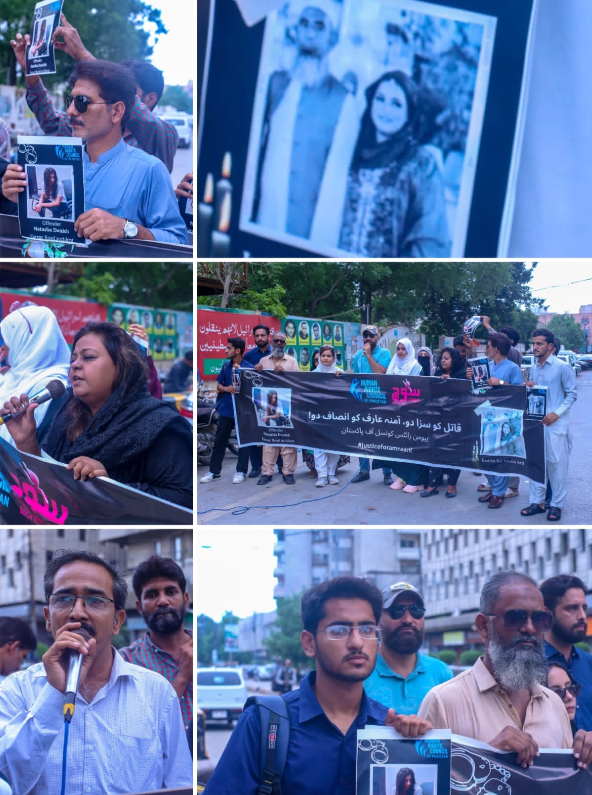
The fight for justice for Aamna Arif and Imran Arif, victims of Natasha’s oppression, continues to gain momentum. A significant protest organized by Soch, Women, and the Human Rights Council of Pakistan took place at the Karachi Press Club, demanding accountability and justice.
— Human Rights Council of Pakistan (@HRCPAK) August 22, 2024
On Thursday, Sindh Governor Kamran Khan Tessori vowed to ensure a transparent investigation into the recent Karsaz accident. Earlier this week, an SUV driver fatally struck Imran Arif and his daughter, Aamna, in a tragic incident.
Governor Tessori visited the victims’ residence in Gulzar-i-Hijri, where he extended his condolences and promised a thorough investigation into the case. He emphasized the importance of judicial oversight and called on the Chief Justice of the Sindh High Court to personally supervise the proceedings.
Addressing the media, Governor Tessori assured the family of his full support and commitment to justice. He highlighted Aamna Arif’s credentials as a skilled IT professional employed at a leading software company and vowed that no one, regardless of their power or influence, would escape accountability.
Additionally, the governor offered to cover the cost of any legal expert the family may wish to hire and pledged to stay in close contact with them. He urged parents to ensure their children have proper licenses before driving, underscoring the gravity of the tragedy. Tessori also noted that public and media scrutiny would help ensure justice for the victims.
In a related development, Karachi University students held a demonstration on campus on Wednesday to demand justice for Aamna. Organized by the Islami Jamiat Talaba (IJT), the protest began at Point Terminal and concluded at Pharmacy Chowk. Participants carried banners with slogans such as “Stop the lies, punish the criminal” and “Justice for Amna Arif, now!”
The demonstration saw involvement from various figures, including Barrister Uzair Ghori, the victims’ lawyer; Qurat-ul-Ain from Soch Aurat Human Rights Council (SAHRC); Dr Alia Zahid Bhatti, a KU faculty member; and the IJT KU Nazim. Barrister Ghori provided updates on the court proceedings and urged students to persist in their advocacy for justice.
Qurat-ul-Ain, President of SAHRC, emphasized the fundamental right to personal and financial security, noting that students in Karachi often lack these protections. The students’ protest highlighted their demand for an immediate and fair trial, as well as improved campus security, particularly for female students.
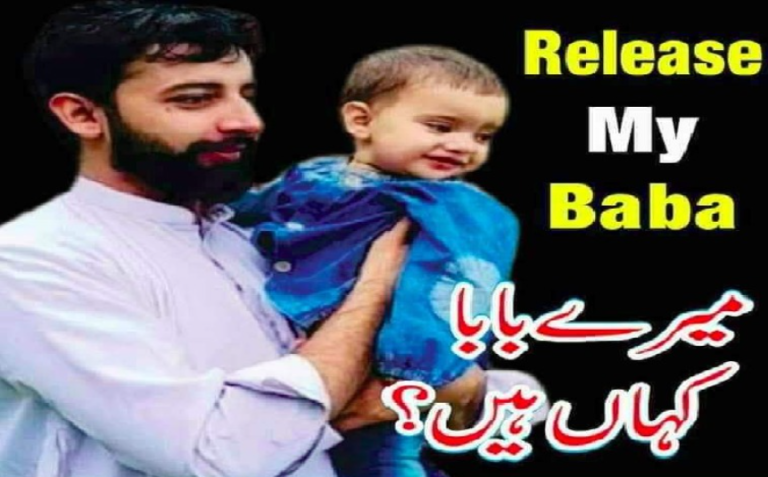
Civil society organizations have called for a protest tomorrow against the enforced disappearance of Zarnosh Naseem, a resident of Pak-occupied Kashmir. Naseem, a courageous son of Bagh district, has been missing since August 13.
This case marks a concerning development, as incidents of forced disappearances in Balochistan, are now being reported in Pak-occupied Kashmir. Activists warn that the situation is rapidly deteriorating, with fears of more challenging times.
The protest is scheduled for August 23, 2024, at 2 p.m outside the Islamabad Press Club. Organizers aim to draw attention to Naseem’s case and the broader issue of forced disappearances in the region.
This incident has raised alarms among human rights advocates, who see it as a potential expansion of a practice that has long plagued other parts of Pakistan. The coming days may prove crucial in determining the authorities’ response to these growing concerns.
While addressing the China-Pakistan Economic Corridor [CPEC] media forum in November 2015, the then Chinese ambassador to Pakistan, Sun Weidong, opined that he believed that “the CPEC is a process rather than just one project.”
Elucidating that CPEC would focus on four main components—cooperation in the fields of energy, transport infrastructure, industrial parks, and the development of Gwadar Port—Weidong added that these objectives would “be expanded to finance, education, poverty alleviation, and social development.” [Emphasis added].
While the Chinese envoy talked about CPEC in general, saying that “all these projects will definitely play a leading role in the construction of the CPEC in the future,” he did make one specific mention: that “Chinese companies will speed up the development of Gwadar Port.” [Emphasis added].
This announcement clearly indicates the vital importance of this port to this ambitious $62 billion project, because of which Gwadar is also being referred to as the ‘crown jewel’ and flagship of CPEC. Hence, it’s not at all surprising that a whopping $770 million has been allocated for the Gwadar port development project.
Besides extensive improvement of the port and creation of an international airport, a number of projects, like the creation of modern water treatment facilities and power plants, the establishment of the China-Pakistan Friendship multispecialty hospital, as well as the Pak-China Technical and Vocational Institute, will directly help locals.
It has officially been announced that the Gwadar port project would generate a host of employment opportunities and ensure a quantum improvement in the quality of life of locals due to the commissioning of power plants, water treatment facilities, and the creation of advanced medical facilities. Hence, one had expected that this project would receive overwhelming public support.
However, the people of Balochistan in general and residents of Gwadar in particular aren’t at all enthused. Au contraire, they are protesting against this project, and the reasons for the same aren’t too hard to find. Firstly, as all these projects are being planned and executed by Chinese businesses that are using Chinese labor, there are hardly any employment avenues for the local Baloch people.
Secondly, locals are greatly agitated by the indiscriminate exploitation of Balochistan’s mineral resources and the region’s utter neglect by Islamabad. Centre for China Analysis and Strategy President Jayadeva Ranade has rightly highlighted this sentiment by opining that “Gwadar additionally symbolizes the sense of alienation felt by many in Balochistan, who suspect that most of the benefits of the CPEC are going to outsiders.” [Emphasis added].
Thirdly, development of Gwadar port has led to the eviction of several locals from the houses in which they have been living for ages. The perceptible negligence in the provision of essential services is perceived by many as the local administration’s cunning ploy to compel locals to leave the area on their own by creating subhuman living conditions instead of protesting against further displacement.
To add to their woes, indiscriminate use of high-powered fishing trawlers by the Chinese and restrictions on local fishing boats citing security reasons have put local fishermen who use traditional fishing methods to a great disadvantage. In garb of ensuring security of Chinese nationals working on the Gwadar project, Rawalpindi has not only fenced off this area and converted it into a fortress, severely hindering routine movement of civilians, but also unleashed an unending campaign of anti-terrorist operations in Balochistan.
Besides causing great inconvenience to locals, such a highhanded approach has further accentuated a feeling of anger and alienation amongst the Baloch people. This in turn has spurred armed Baloch groups to target CPEC assets and Chinese workers. Rawalpindi’s failure to protect Chinese nationals has annoyed Beijing, and in order to placate its ‘iron brother’ and prove that it’s doing its best, the Pakistan army has unleashed a reign of terror in Balochistan under the guise of anti-terrorist operations.
The Pakistan army and other law enforcement agencies under its command are not only using excessive force against unarmed and innocent civilians but also brazenly indulging in extrajudicial killings and enforced disappearances as a matter of routine. Besides the judiciary, legislature, and various rights groups, these excesses have even been accepted by the Pakistan army itself.
Readers would recall that during a media interaction session on April 29, 2019, when asked by a journalist on enforced disappearances in Balochistan, the Pakistan army’s media chief replied, “We don’t wish that anyone should be missing; but when it’s war, you have to do a lot of things—as they say, all is fair in love and war;war is very ruthless”!
In an undated video recorded before Imran Khan became prime minister, the cricketer turned politician can be heard saying, “Our Army [is] bombing people in Balochistan; how can we bomb our own people? Is there any army you are bombing? It is our own people with their children, but it is important to understand—are we just bombing our people? Just think about the immorality of bombing villages with the women and children.” [Emphasis added].
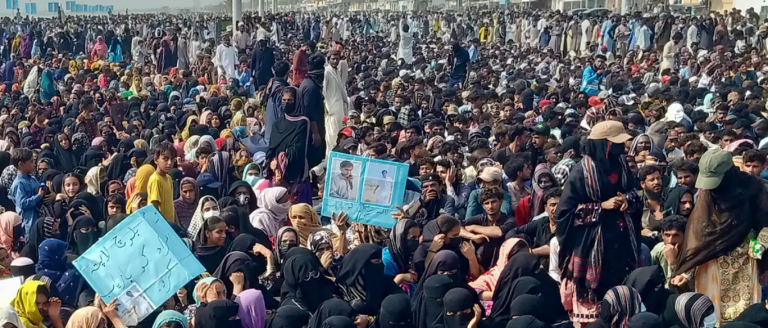
Like those in other parts of Balochistan, the people of Gwadar too have for more than two decades suffered immensely at the hands of security forces and law enforcement agencies led by the Pakistan army, and their patience has worn thin.
Pushed to the wall, the battered Baloch people have no other option but to protest by blocking roads and taking out long marches to draw attention to their wretched plight. The fact that Baloch women have not only started participating in large numbers but even leading these protests unambiguously indicates just how serious things are!
Unfortunately, the Pakistan army remains unapologetic and unabashedly continues its reprehensible policy of trying to crush peaceful and legitimate public dissent in Balochistan through brute force, further aggravating the situation.
Doesn’t all this adequately explain why, despite being promised a multitude of modern life-changing facilities, the people of Gwadar are still protesting?
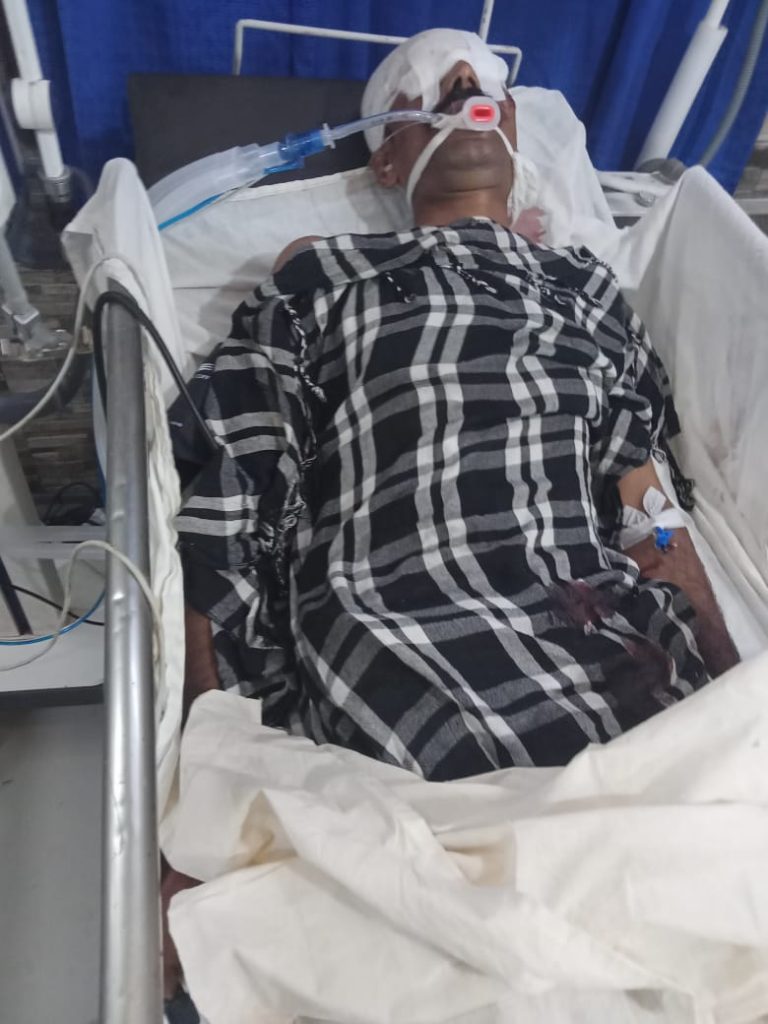
In a disturbing incident, a delegation from the Jeay Sindh Freedom Movement (JSFM) was attacked by terrorists on Tuesday, while returning home from a visit to injured national workers at Hyderabad Civil Hospital.
The attack took place as the delegation, led by Gaurav Sindhi, was leaving the hospital after visiting workers who had been injured by Pak Army backed institutions. Unknown armed assailants launched a murderous assault on the group, leaving Gaurav Sindhi critically injured with three bullet wounds. He has been rushed to Hyderabad Civil Hospital and remains in serious condition.
JSFM has condemned the attack, saying that it was Pak Army-sponsored. “We believe this murderous attack was orchestrated by Army-sponsored terrorists. We strongly condemn this barbaric act of terrorism and appeal to international human rights organizations to take notice of the ongoing killings, looting, and brutality in Sindh and take immediate action,” said a spokesperson from the movement.
This incident highlights the broader issue of systematic persecution faced by the Sindhi people, including enforced disappearances, extrajudicial killings, and the suppression of religious minorities. The situation for Sindhi Hindus, in particular, has worsened, as they face discrimination in the society. Pakistan, with clearly a concept as nation is limited to Pakistani Punjabis. Any community be it Sindhi, Baloch and Pashtuns among others are discriminated and are always looked upon with suspicion. In Sindh, as organisations like JSFM have been critic of this Punjabism flavour of Pakistan, they have time and again called upon the people of Sindh to unite in the resistance against the Pak Army-run regime for the cause of Sindhudesh. This becomes one of the prominent reason that this peaceful organisation, which relies solely on measures like protests, demonstrations, etc is mercilessly targeted by Pak Army and its mercenary forces.
Nevertheless, after the incident, the Jeay Sindh Freedom Movement issued an appeal and urged global attention and intervention to address the growing violence and human rights violations in the region.
The Pakistan Gemstone and Minerals Association (PGMA) has raised significant concerns about the ongoing mining crisis in the region, citing stringent regulatory conditions and severe economic impacts. The association has warned of impending protests if their issues are not addressed promptly.
During a major convention held on Wednesday in POGB, PGMA members outlined the numerous challenges facing mine workers. These challenges include stringent regulatory requirements, difficulties in obtaining No-Objection Certificates (NOCs) and explosive licenses, and administrative hurdles that have led to a halt in mining activities.
A convention attendee said, “The strict conditions for acquiring NOCs for explosive materials have led to a complete cessation of mining activities. This situation is severely impacting our business. We urgently request the authorities to resolve these issues so that mining operations can resume.”
Mining Standoff in PoGB
The attendee also highlighted that obtaining necessary documentation and power of attorney used to be a straightforward process but has now become problematic due to recent regulatory changes. The removal of power of attorney and explosive licenses has led to widespread mine closures and unemployment in the region. The PGMA had recommended significant amendments to the 2024 mineral rules, but no action has been taken to address these recommendations.
The PGMA has issued a one-week deadline for the authorities to address their grievances, warning that they will initiate road protests if their demands are not met. The ongoing issues in POGB often lead to protests, driven by governance challenges, economic hardship, and demands for regional autonomy.
Protests in the region frequently address a range of issues including resource management, regulatory challenges, economic hardship, political representation, infrastructure development, and environmental concerns. These demonstrations reflect the region’s broader struggle for improved governance, fair treatment and enhanced living conditions.
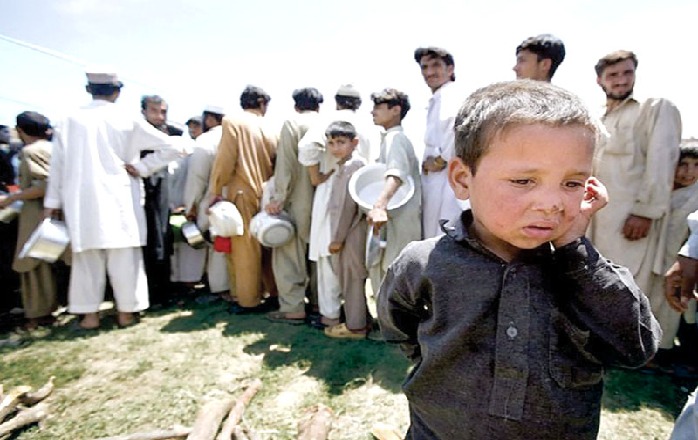
The Tehrik-e-Taliban Pakistan (TTP) has issued a strong condemnation of the recent forced displacement of residents in the Badr region and surrounding areas of South Waziristan, reportedly carried out by the Pak military.
The military’s actions have resulted in the brutal eviction of local communities from their homes. Mohammad Khurasani, the TTP spokesperson, criticized these operations, saying that they were motivated by financial gains, specifically to secure foreign aid in the form of dollars.
Khurasani also questioned the rationale behind the military operations, highlighting the frequent claims by the Interior Ministry, Foreign Ministry, and the Inter-Services Public Relations (ISPR) that TTP’s Mujahideen are based in Afghanistan. “If our fighters are in Afghanistan, then against whom are these operations being conducted in South Waziristan?” Khurasani asked. He asserted that the presence of TTP fighters within South Waziristan and other parts of Pakistan is evident, as they are engaged in what they consider a sacred struggle against the country’s security forces. He dismissed the occupied-government’s claims of the TTP’s presence in Afghanistan as false and misleading.
The TTP spokesperson further warned the military that such oppressive actions would only deepen public resentment against them. He called on the local communities to resist the military’s demands, protect their homes and families, and prevent the military from violating the sanctity of their properties.
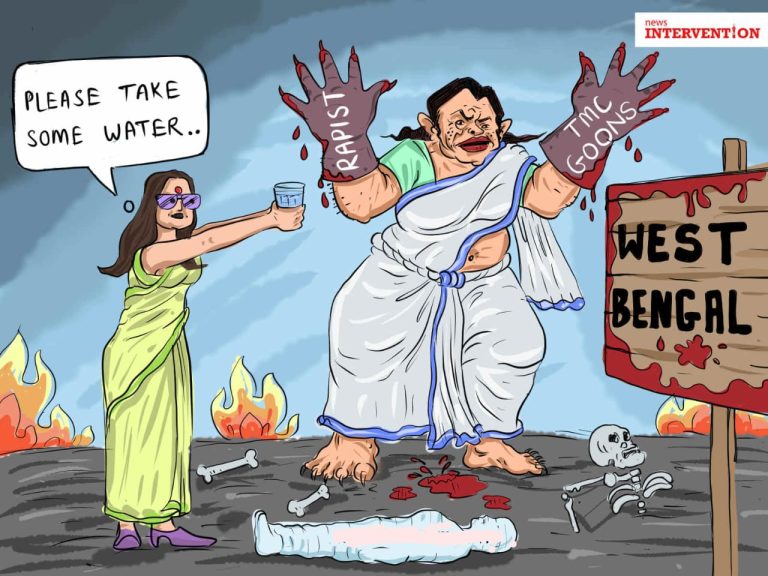
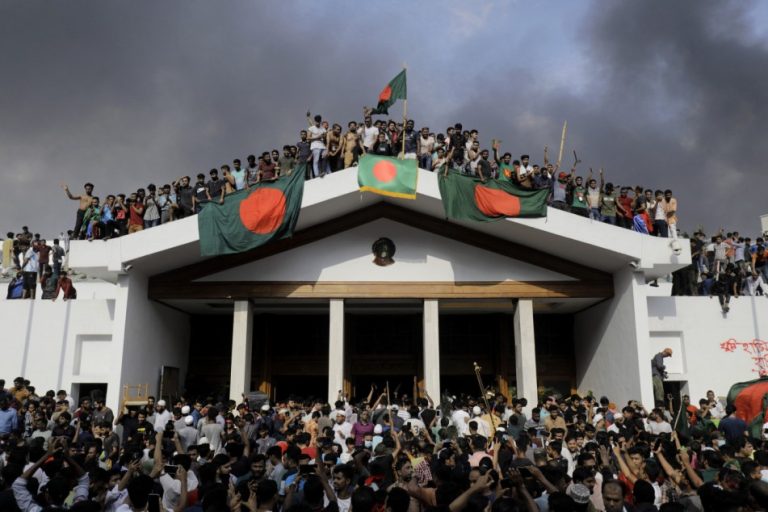
Following weeks of deadly protests which was started by students against the job quota reservation system that led to the resignation of Bangladesh’s Prime Minister Sheikh Hasina, the South Asian country is now under an interim government led by Nobel Peace Prize-winning economist Muhammad Yunus. Veteran Bangladeshi journalist Md. Sazzad Hossain who served as Acting Editor at Provati Khoborand shares his insights with Sabita Mishra, Special Correspondent of News Intervention on the challenges and opportunities ahead for the new administration.
Sabita Mishra: The interim government is tasked with restoring the independence of key institutions like the judiciary, civil service and media that were heavily politicized under the Hasina government. What are the biggest challenges in depoliticizing these institutions, and what specific steps should the interim administration take?
Md. Sazzad Hossain: I am not very optimistic about the depoliticization of the judiciary, civil service and media in Bangladesh. It appears to be a nearly-impossible task for the interim government led by Nobel Peace Laureate Dr. Muhammad Yunus as the three key sectors — the judiciary, civil service and the media – witnessed politicization not only during the past 15 years of Sheikh Hasina’s rule . . . the culture of politicization began with the country’s independence from Pakistan back in 1971.
The ousted Hasina government, however, set the worst examples during the past 15 years. Both in the judiciary and in the civil service, she placed the people of her choice in the key positions. The media experienced the worst possible level of politicization thanks to the direct influence of the Prime Minister’s Office in placing pro-Awami League journalists in the top management-level positions of all media outlets. Instances are also there that a good number of television channels, newspapers and online news portals, owned by Awami League leaders or pro-AL businessmen, even did not accept any news that would go against the interest of the government.
Politicization has been institutionalized here in Bangladesh.Even five or six of the incumbent interim government advisers have proof of their bias towards particular political parties. So how can you expect depoliticization? The interim administration can only try to streamline the sectors by bringing changes in the top positions. To get these sectors depoliticized you have to take at least a 10-year plan. Meanwhile, use of social media platforms by judges and their involvement with any type of organization should be restricted strictly while there should a complete ban on doing politics by civil servants and professionals like journalists, physicians and teachers.
Sabita MIshra : How concerned are you about the potential for violence and reprisals targeting Awami League members and supporters in the aftermath of Hasina’s resignation? What role can the military play in preventing such retaliatory attacks, and what are the risks of this involvement?
Md. Sazzad Hossain: The situation is much better now. Normalcy has returned to every sector. As soon as Hasina fled to India on August 5, people went unruly and resorted to violence targeting Awami League leaders and activists and their establishments, the police personnel, police stations and police vehicles to demonstrate the impact of the sheer anger and wrath the Hasina-led government ‘purchased’ over the past 15 years in exchange for the unbridled corruption and nepotism, ruthless torture of opposition activists, holding almost voter-less sham elections, politicization of all sectors, media gagging, snatching away the freedom of expression, plundering of banks and other financial institutions, laundering of hundreds of thousands of crores of taka (Bangladesh currency) and, in particular, using the police as a force to establish an absolute reign of terror across the country.
Here I want to mention that the violent activities were not a one-sided affair. Some mainstream Bangladeshi media outlets reported that AL activists also attacked their political rivals and went on the rampage at different places. The Army has so far done a very good job in preventing the recurrence of such incidents. They gave shelter to 626 ‘controversial’AL former ministers, leaders, judges, bureaucrats, police personnel and some of their families inside the cantonment to ‘save them from the people’s wrath’. Now the military should start returning to barracks as police personnel, barring some highly controversial senior officials, have already joined work and all 639 police stations across the country resumed operations.
Sabita Mishra: How significant is the role of student leaders who spearheaded the protest movement, and how can the interim government ensure their voices are meaningfully represented, given their lack of formal political experience? What are the risks of them being sidelined by more established political actors?
Md. Sazzad Hossain: Surely the student coordinators, who spearheaded the movement, had played and even now playing a pivotal role in the ouster of the Sheikh Hasina’s government. The interim government, especially its head Dr. Yunus, is giving priority to the two advisers picked from among the coordinators of the anti-discrimination student movement. Nahid Islam and Asif Mahmud, who were inducted into the interim government with the charge of one ministry each, were later given the responsibility of two more important ministries in an apparently bold move by Dr Yunus that displays his intention to put aside the lack of formal political experience of the two young university students.
The interim government has so far focussed more on the students’ demands and causes compared to other established political actors leaving little chance for them to be sidelined and their voices suppressed. Barring a few bold decisions, including removal of the representatives of all local government bodies, excepting those elected in union councils, the interim government has so far kept itself confined to some routine works belying the popular demand of taking immediate steps to hold the next general elections at the earliest. But the scenario will start changing with the government taking visible steps to hold the elections paving the way for established political actors to come to the limelight.
Sabita Mishra: Given Bangladesh’s strategic location and India’s historical influence, how might regional geopolitics shape the transition process? What are the risks of Bangladesh getting caught in a tug-of-war between India and China as it seeks to rebuild its democracy?
Md. Sazzad Hossain: In the present context, it will be a big challenge as well as a contentious issue for the Yunus-led government to deal with India and China as far as regional geopolitics is concerned. But I think that Dr Yunus will go by the Bangladesh’s foreign policy dictum “Friendship to all, malice towards none” leaving no room for other country/countries to act beyond diplomatic norms.
Despite that India’s role will be the key determining factor in this regard. There is every possibility that the regional geopolitics will get a new shape – from Indo-Bangla to Sino-Bangla — if India, to be specific Narendra Modi’s government, fails to warmly accept the ouster of Sheikh Hasina and tries to interfere on Bangladesh’s internal affairs. However, Modi’s warm relation with Hasina, her rivalry with Dr Yunus and his links with US may pave the way for China to strengthen its bonding with Bangladesh, and ultimately leave Bangladesh in a tug-of-war as you said.
Sabita Mishra: What are the potential long-term implications of this crisis for Bangladesh’s economic development, particularly its crucial garment export industry?
Md. Sazzad Hossain: I don’t find any scope of negative impact on the overall economic development, rather there is every possibility that the economy will rebound gradually. I firmly believe that before handing over power to an elected government, Prof Yunus will be able to recover the damages caused by Hasina’s government by guiding the economy towards its right direction.
The export-oriented garment sector faced challenges tougher than the current one at different times, especially during the COVID-19 coronavirus pandemic period when the factories remained closed for a long time. But during the recent movement production disrupted for as many as 15 days. So, there should be no long-term negative impact on the export-oriented garment sector as well as on the national economy.
Sabita Mishra : The resurgence of fundamentalist factions like Jamaat-e-Islami is seen in the wake of Hasina’s departure. What steps can the interim government take to prevent the rise of religious extremism?
Md. Sazzad Hossain: Sort of extremism – be it political or religious – should be dealt with an iron hand. The then government of Sheikh Hasina, in accordance with a decision made by the Awami League-led 14-party Alliance, on August 1 banned Bangladesh Jamaat-e-Islami, its student wing Islami Chhatra Shibir and all of its front organizations as political parties and entities under the Anti-Terrorism Act-2009. Just four days after its ban and immediately after the fall of Hasina’s government on August 5, Jamaat -e-Islami, along with other political parties excepting for the AL, civil society members and student representatives, was invited to a meeting convened by the Chief of Army Staff, General Waker-Uz-Zaman, to discuss the formation of interim government.
Although inviting Jamaat in the meeting surprised many, the party remained as a political partner or tool for both AL and BNP (Bangladesh Nationalist Party) since 1986. The Awami League first forged alliance with Jamaat in 1986 for taking part in elections during the autocratic HM Ershad regime, and again in 1995 for elections and movements against BNP government. Interestingly,BNP forged alliance with Jamaat in 1999 to wage movement against the then AL-government.
Therefore, the resurgence of Jamaat was obvious in the changed situation and the major political parties have to shoulder the responsibility for this. Also, other fundamentalist factions will reappear cashing in on the ongoing turmoil and it will be one of the biggest challenges for the interim government to prevent their rise. In this regard, the interim government, if necessary, has to be stringent and ensure that no person or party can do politics using religion as a tool.
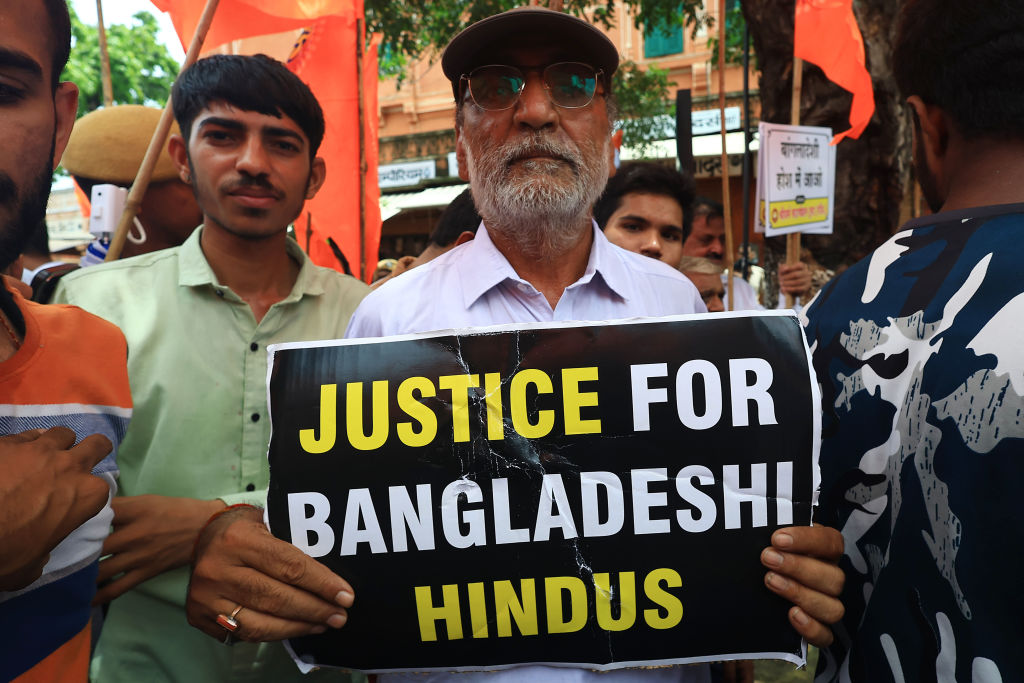
People are taking part in a protest march ‘Hindu Akrosh Rally’ over the violence against Hindus in Bangladesh after former Prime Minister Sheikh Hasina has resigned and fled the country amid violent protests over the government’s job quota system, in the walled city of Jaipur, Rajasthan, India, on August 14, 2024. (Photo by Vishal Bhatnagar/NurPhoto via Getty Images)
Sabita Mishra: The Hindus have traditionally supported the Awami League party led by the ousted Prime Minister Hasina. How might the rise of opposition forces like the Bangladesh Nationalist Party, with its alleged ties to hardline Islamist groups, impact the security and rights of Hindu communities going forward?
Md. Sazzad Hossain : The religious minority communities, the Hindu community in particular, were victims of targeted violence by BNP supporters after the 2001 general elections. On the other hand, at least 61 people — most of them Madrassa students — were killed and hundreds other were injured, mostly with bullet wounds, in a crackdown by the then Hasina government on the activists of Hefazat-e-Islam, an Islamic party, while they were holding a protest rally in Bangladesh’s commercial hub Motijheel on May 5 in 2013.
In March 2021, hundreds of members and supporters of the party were subject to arrest and torture for protesting a visit of Indian Prime Minister Narendra Modi to Bangladesh. People wearing long punjabis and keeping long beards, which in Islam calls Sunnahs, were subject to frequent torture and humiliation in the Muslim majority Bangladesh. All these are heinous acts… killing of and torture on people of any community and vandalism of their properties cannot be justified under any circumstance. Also, there is no scope to differentiate Hindu, Muslim, Christian or Buddhist as all are citizens of Bangladesh.
In the present context, as you wanted to know whether the Hindu community is safe and their rights are protected, I think everyone is safe and rights of every citizen irrespective of cast and creed are safeguarded. The recent attacks on some Hindus are neither communal nor religious, this is totally political to some extent. Many Muslims also came under attack which had no connection with religion. Most influential Muslim figures in the immediate past government also left the country or went into hiding to avoid people’s wrath.
Gana Bhaban, the ousted premier’s official residence, Bangabandhu Memorial Museum and houses of many ministers and advisers of the toppled government, AL and its alliance leaders were vandalized in an outburst of anger against the government. On the other hand, madrassa students joined volunteers at different places of the country to guard temples and other places of worship of the religious minorities.
Sabita Mishra: Beyond the current situation, what structural reforms or policy changes are needed in Bangladesh to better protect the rights and security of religious minorities like Hindus in the long run, regardless of which political party is in power?
Md. Sazzad Hossain: As a Muslim-majority country the state religion of Bangladesh is Islam, but the country’s constitution ensures equal status and equal right in the practice of the Hindu, Buddhist, Christian and other religions. Even after that if the religious minorities think that they need structural reforms and policy changes to better protect their rights and security, they can work on it and approach the government with their logical demands.
There are a good number of platforms of religious minorities, the largest one named “Hindu-Bouddo-Christian Okiya Parishad” (Hindu-Buddhist-Christian Unity Council), and they went to the government in many occasions with their various demands. Likewise, scopes are there for them to call on the interim government and raise their demands.
Sabita Mishra: What role does the CIA and other foreign elements played in the recent political upheaval in Bangladesh?
Md. Sazzad Hossain: I think overconfidence and stubbornness of Sheikh Hasina spelled the disaster for her as well as for her party and the government. Ruling a country for a long time usually makes the ruler a dictator to some extent and Sheikh Hasina was not an exception. Had Hasina accepted the students’ demand for revision of quota system in government jobs at the early stage and refrained from making derogatory comments on the agitating students, the situation would not take a turn for the worse and question of her resignation would not arise.
I think some anti-Hasina internal and external elements were the beneficiary of the student movement… there might have some provocations at the final stage of the movement, particularly when protestors came up with a one-point oust government movement.
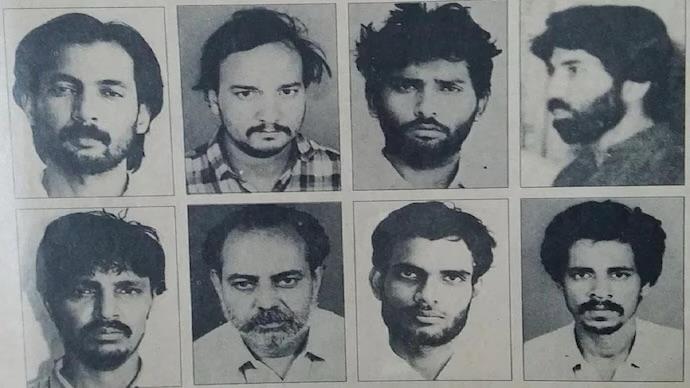
In a landmark verdict, six individuals involved in one of the largest sex scandals in India’s history, which erupted in Ajmer 32 years ago, have been sentenced to life imprisonment by the district court. Additionally, they have been ordered to pay a fine of Rs 5 lakh each. The convicted individuals include Nafees Chishti, Naseem alias Tarzan, Salim Chishti, Iqbal Bhati, Sohil Gani, and Syed Zameer Hussain. They were found guilty after a prolonged trial that spanned three decades. Twelve individuals were originally charged in connection with the Ajmer Sex Scandal of 1992.
Four other accused in the case have already been sentenced. The scandal implicated several individuals with political connections to the Congress Party. The main accused, Farooq Chishti, was the President of the Ajmer Youth Congress, while Nafees Chishti served as Vice President of the Ajmer Indian National Congress. Anwar Chishti was the Joint Secretary of the Ajmer Indian National Congress.
The Scandal
The scandal began with Farooq Chishti grooming and raping a female student from Sophia Senior Secondary School. He reportedly took objectionable photographs of the minor and threatened her to introduce other girls to him. These girls were then subjected to rape and blackmail.
At the time of the scandal, Farooq Chishti was the president of the Ajmer Youth Congress, and Nafees Chishti and Anwar Chishti held senior positions in the local Congress unit. Some of the accused were also Khadims (caretakers) of the Ajmer Dargah.
In April 1992, Ajmer was shocked by reports of the sexual exploitation of over 100 women aged 17 to 20, with some estimates suggesting up to 250 victims. Journalist Santosh Gupta’s report, published in Dainik Navjyoti, detailed how hundreds of schoolgirls were sexually exploited by the accused. The perpetrators recorded the assaults and used the footage to coerce the victims into bringing more girls.
The scandal’s reach extended to the daughters of prominent leaders in Ajmer, with a report headlined “Daughters of Big Leaders are Victims of Blackmail.” The accused were influential both financially and politically. Following the publication, efforts were made to destroy evidence and intimidate victims and their families into silence.
The involvement of influential Khadims from the Ajmer Dargah added to the scandal’s gravity.
Political and Administrative response
The scandal prompted a series of reports from Gupta, who revealed the CID’s prior knowledge of the issue and the involvement of Rajasthan’s then-home minister, Digvijay Singh, who had seen the obscene photographs before the scandal was made public. This led to heightened public outrage and pressure on the government.
Deenbandhu Chaudhary, editor of Navjyoti, acknowledged that local law enforcement had been aware of the scandal long before it was reported, but political interference had stalled investigations. The decision to publish the story was driven by a need to prompt action from the administration.
The state administration, led by then-Chief Minister Bairon Singh Shekhawat, took steps to address the scandal, including meeting with legal representatives and involving BJP leader Veer Kumar. The accused were eventually jailed under the National Security Act.
In 1992, the matter was transferred to the CID, leading to an FIR registered by Deputy Superintendent Hariprasad Sharma. The investigation, led by senior IPS officer NK Patni, uncovered the involvement of key figures including Farooq Chishti and Nafis Chishti, as well as others like photo studio manager Harish Tolani. Many victims had already committed suicide, and only a few continued to pursue the case.
Exploitation by the media
The scandal was further compounded by exploitation from local tabloids, which blackmailed victims with explicit images, demanding money to keep the photos hidden. Madan Singh, chief editor of ‘Lehron Ki Barkha,’ was known for blackmailing victims before being assassinated in 1992. His sons later avenged his murder in January 2023.
In 1998, some accused were sentenced to life imprisonment, but four were acquitted by the Rajasthan High Court in 2001. By 2003, the sentences for four others were reduced to 10 years. Out of 250 reported victims, only 12 filed complaints. It took 32 years for the remaining six culprits to be punished, with further appeals possible in higher courts. Farooq Chishti, initially declared mentally unstable, was convicted by a fast-track court in 2007. The Rajasthan High Court upheld this conviction in 2013, reducing the life sentence to the time already served.
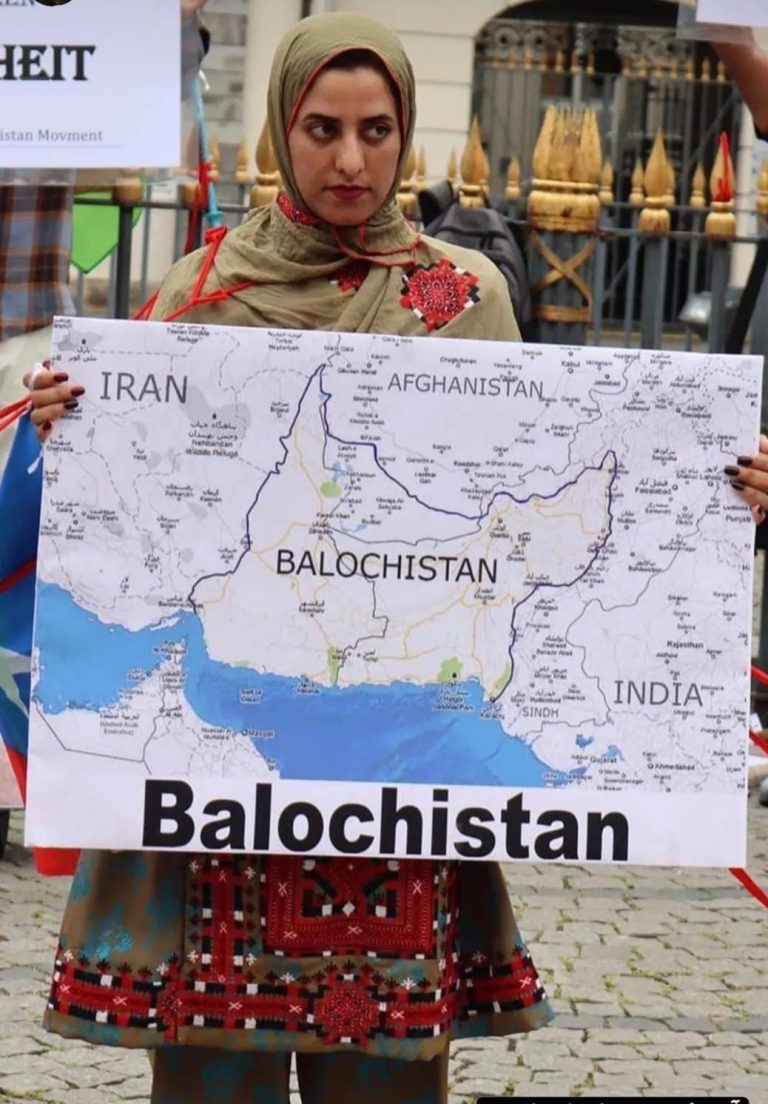
The Baloch Human Rights Council (BHRC) has raised alarm over Pakistan’s ongoing exploitation of occupied-Balochistan’s resources and the increasing encroachment by China, according to a written statement submitted to the United Nations Secretary-General through the Center for Gender Justice and Women Empowerment. The BHRC has called for immediate intervention by the UN to address the severe economic and humanitarian crises facing the region, as discussed in the 57th session of the UN Human Rights Council.
The statement points out that despite POB’s wealth of mineral resources and its valuable coastline, the region remains economically backward. It suffers from poor infrastructure, inadequate educational facilities, and insufficient healthcare services, resulting in widespread poverty and unemployment. The statement highlights that Pakistan’s systematic exploitation of POB’s natural resources, combined with China’s growing colonial involvement, has intensified these issues and imposed unprecedented suffering on the local population.
“Pakistan has handed over strategic control of the coastal city of Gwadar to China, enabling the activation of major projects such as the China-Pakistan Economic Corridor (CPEC). While these projects are marketed as development initiatives for the Baloch people, they primarily serve Pakistan and China’s economic and strategic interests, offering minimal benefit to the local population. The rollout of CPEC has caused large-scale displacement, environmental degradation, and heightened concerns about the erosion of Balochistan’s cultural identity, demographic balance, and autonomy,” the statement said.
BHRC Demands UN Action
The BHRC also said that China has extensively exploited POB’s resources, depleting valuable minerals such as gold, platinum, and uranium from Chagai District. In Gwadar, China has developed a deep-sea port and an international airport, surrounded by extensive fencing that has effectively converted some parts of occupied-Balochistan into restricted zones for the local people. The BHRC condemns the Pak military’s forced displacement and destruction of hundreds of villages to secure the CPEC route, resulting in the internal displacement of approximately one million Baloch residents.
The BHRC stresses that CPEC is not a developmental project but rather a “corridor of death and destruction” for the Baloch people. It represents the exploitation of resources through military aggression and stands as a modern example of colonialism. This exploitation and oppression are seen as direct violations of the United Nations Charter, which condemns all forms of colonialism.
“BHRC urges the United Nations to take immediate and decisive action to end the colonial exploitation of Balochistan’s resources and to restore the rights and dignity of the Baloch people,” the statement concludes.
We use cookies on our website to give you the most relevant experience by remembering your preferences and repeat visits. By clicking “Accept All”, you consent to the use of ALL the cookies. However, you may visit "Cookie Settings" to provide a controlled consent.
This website uses cookies to improve your experience while you navigate through the website. Out of these, the cookies that are categorized as necessary are stored on your browser as they are essential for the working of basic functionalities of the website. We also use third-party cookies that help us analyze and understand how you use this website. These cookies will be stored in your browser only with your consent. You also have the option to opt-out of these cookies. But opting out of some of these cookies may affect your browsing experience.
Functional cookies help to perform certain functionalities like sharing the content of the website on social media platforms, collect feedbacks, and other third-party features.
Performance cookies are used to understand and analyze the key performance indexes of the website which helps in delivering a better user experience for the visitors.
Analytical cookies are used to understand how visitors interact with the website. These cookies help provide information on metrics the number of visitors, bounce rate, traffic source, etc.
Advertisement cookies are used to provide visitors with relevant ads and marketing campaigns. These cookies track visitors across websites and collect information to provide customized ads.
Necessary cookies are absolutely essential for the website to function properly. These cookies ensure basic functionalities and security features of the website, anonymously.
Cookie
Duration
Description
cookielawinfo-checkbox-analytics
11 months
This cookie is set by GDPR Cookie Consent plugin. The cookie is used to store the user consent for the cookies in the category "Analytics".
cookielawinfo-checkbox-functional
11 months
The cookie is set by GDPR cookie consent to record the user consent for the cookies in the category "Functional".
cookielawinfo-checkbox-necessary
11 months
This cookie is set by GDPR Cookie Consent plugin. The cookies is used to store the user consent for the cookies in the category "Necessary".
cookielawinfo-checkbox-others
11 months
This cookie is set by GDPR Cookie Consent plugin. The cookie is used to store the user consent for the cookies in the category "Other.
cookielawinfo-checkbox-performance
11 months
This cookie is set by GDPR Cookie Consent plugin. The cookie is used to store the user consent for the cookies in the category "Performance".
viewed_cookie_policy
11 months
The cookie is set by the GDPR Cookie Consent plugin and is used to store whether or not user has consented to the use of cookies. It does not store any personal data.