Home Blog Page 64

Pak Frontier Corps torture PTM member Ilyas Pashteen for four hours

Ilyas Pashteen, a prominent member of the Pashtun Tahafuz Movement (PTM) in Khyber, was taken into custody by Frontier Corps (FC) personnel on Sunday. Reportedly, Pashteen was held at a nearby camp, where he was subjected to four hours of torture before being released late at night.

The arrest and subsequent torture of Pashteen have sparked concerns about the targeted repression of Pashtun political activists, while those responsible for ongoing unrest remain unaddressed. PTM leaders have criticized the arrest orders issued earlier for key PTM members, denouncing them as a blatant effort to suppress the democratic and peaceful struggles of oppressed and marginalized communities.

This incident is part of a broader pattern of suppression against Pashtun voices. The ongoing unrest is manufactured, pointing to a historical context where the Punjabi-Pak military has exploited Pashtun lands and resources since 1947. The military has labeled Pashtuns as terrorists or militants, abducting and killing them once their strategic interests are fulfilled.

The PTM continues to condemn these actions and calls for an end to the suppression of Pashtun voices and democratic movements.

BSF on high alert as Hindu refugees gather at India-Bangladesh border

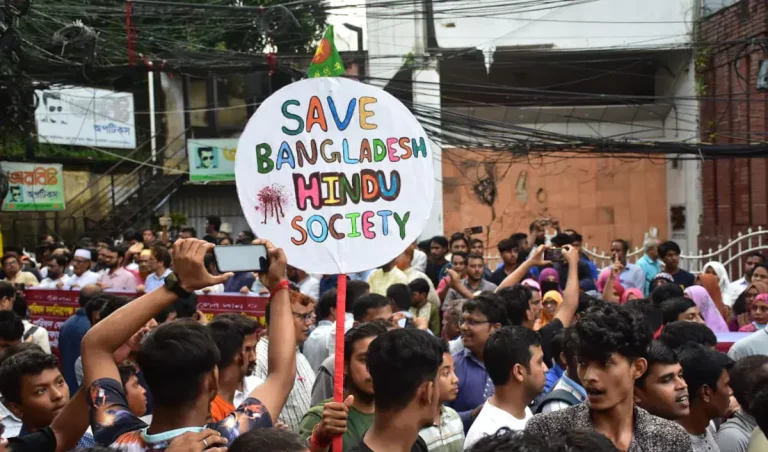
The situation in Bangladesh, a neighboring country of India, is still not normal. Protesters are attacking the homes and temples of Hindus. As a result, Hindus living in Bangladesh are trying to come to India. Consequently, hundreds of Bangladeshi citizens and Hindus have gathered at the India-Bangladesh border in Cooch Behar. All the people are currently standing in the area that falls on the Bangladeshi side of the border. There is a barbed wire fence along the border, and a large number of BSF (Border Security Force) personnel have been deployed at the border.

Addressing the Bangladeshi citizens gathered at the border, a BSF soldier said, “If you all understand the Bengali language, then listen carefully to what I am saying. We know the problem you are facing. Everyone understands that problem. You have come here, but this is a matter of discussion. Such problems are not solved in this way. We cannot allow you to enter at our own discretion, and if you make noise like this, you won’t be able to understand what we are saying.

“The BSF soldier, explaining to the Bangladeshi citizens, said, “Senior officers from our side are also present here, and on their behalf, I want to tell you that this problem cannot be resolved in a single day. Our senior officers have spoken with your officers, and the message from your officers is that they are trying to find a solution to this problem. Therefore, we request that you all return home today.”

Hindus fleeing violence in Bangladesh

Since the fall of the Sheikh Hasina government in violence-affected Bangladesh, minority communities, including Hindus, have been targeted. Two Hindu groups have written a letter to the interim government’s leader, Mohammad Yunus, and informed him that minorities have faced at least 205 attacks across 52 districts. They have also demanded protection.

The Bangladesh Hindu Buddhist Christian Unity Council and the Bangladesh Puja Udjapan Parishad have presented statistics on the attacks on minorities and have requested security in an open letter addressed to 84-year-old Nobel laureate Mohammad Yunus.The letter is signed by Rana Dasgupta, the General Secretary of the Bangladesh Hindu Buddhist Christian Unity Council, and Basudev Dhar, the President of the Bangladesh Puja Udjapan Parishad. The letter states that communal violence has created widespread fear, anxiety, and uncertainty among minorities in Bangladesh, which has also led to international condemnation.

According to leaders of the Hindu community, since the fall of the Hasina government on August 5, several Hindu temples have been targeted. Attacks have been carried out on the homes of minorities, especially Hindus, and there has been widespread vandalism. Women have also been attacked. Additionally, two Hindu leaders associated with Hasina’s party, the Awami League, have been killed.

Amid the ongoing political turmoil in Bangladesh, minority Hindus are being persecuted the most. Thousands of people have started moving towards India. In response to this, the Border Security Force (BSF) has increased its vigilance along the border.

POB: Pak Army abducts three young men and kills girl child in firing

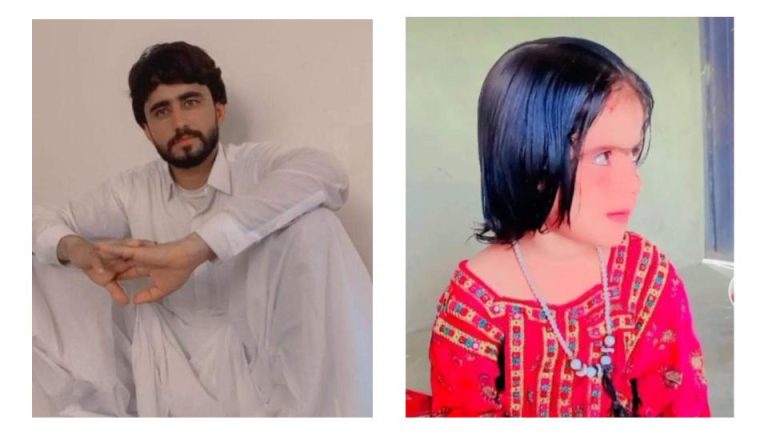
In Kech, Pak forces have detained and forcibly disappeared three young Baloch men. Details indicate that Zakir Ali, son of Majid, and Faqeer, son of Wahid Bakhsh, were taken from the Askani area in Turbat by Pak forces traveling in three vehicles. Relatives say that these detentions occurred without any prior warning or justification.

Additionally, the relatives of Javed Ali, a resident of Minaz in Bledah, report that he was forcibly disappeared on July 31, 2024, while traveling from Buledah to Turbat.

Moreover, Pak Army tragically killed Sitara Shabeer, a child, during indiscriminate firing in Dandaar, District Kech. Not only did the Army kill her, but they also detained her body, causing further pain and suffering to her family and loved ones. This incident represents a serious violation of human rights.

The targeting of civilians and the detention of Sitara Shabeer’s body are deeply troubling. Pak authorities should be pressured to release her body to her family and hold accountable those responsible for this brutal act. The ongoing situation in District Kech highlights severe human rights concerns; sadly, such incidents have become part of daily Baloch life since the Pak Army forcefully captured the region in 1948.

Pashtun leader calls for end to Afghan persecution in Iran

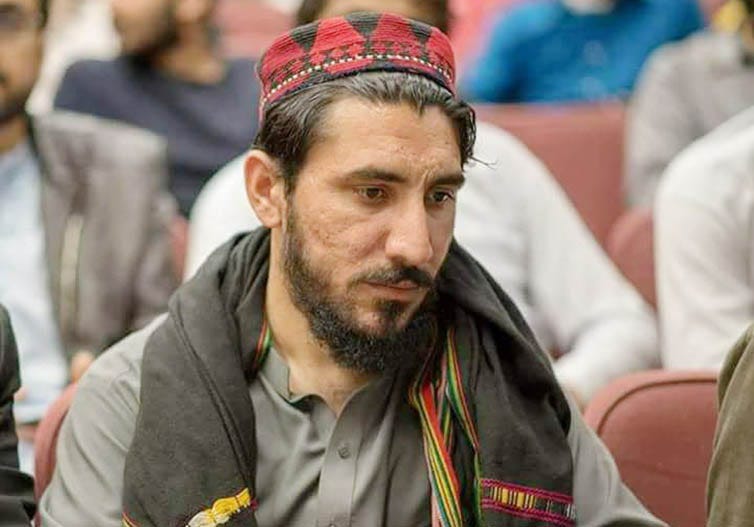
Manzoor Pashteen, leader of the Pashtun Tahafuz Movement, has issued a strong condemnation of the Iranian government over the persecution of Afghan nationals in the country. In an official statement, Pashteen denounced the treatment of Afghans in Iran as “illegal, a violation of human rights, and against human principles.”

Pashteen’s call for action follows the circulation of a disturbing video on social media showing an Afghan child being tortured by Iranian police. The video has sparked widespread outrage and criticism, prompting Pashteen to demand that the Iranian government address the situation urgently and protect the rights of Afghan refugees and migrants.

This plea comes amid reports that Iranian police have recently intensified their crackdown on Afghan nationals, resulting in numerous arrests and further escalation of tensions.

The current turmoil reflects broader regional grievances, rooted in historical conflicts. For decades, Pashtuns have found themselves caught between the Iranian authority and Pak Army, enduring relentless exploitation. This ongoing strife has compounded the difficulties faced by the Pashtun community, which has been systematically grinded between these two brutal forces.

Baloch Raaji Muchi convoy arrives in Turbat

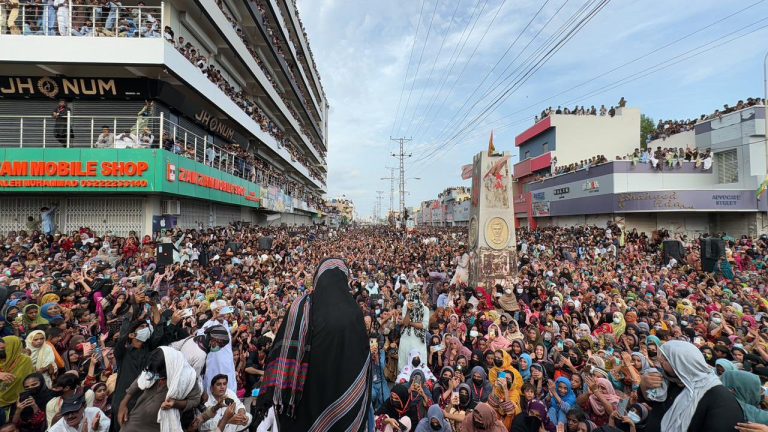
The Baloch Raaji Muchi convoy, organized by the Baloch Yakjehti Committee, has reached Turbat, marking a significant moment in the ongoing Baloch struggle for national recognition and autonomy. The arrival was met with a massive turnout, as thousands of men and women gathered for a major rally at Fida Shaheed Chowk.

At the rally, Dr. Mah Rang Baloch, the central organizer of the BYC, delivered a powerful address. She said that the Baloch people’s courage has rendered all repressive tactics ineffective, asserting that the Gwadar Raaji Muchi has ushered in a new chapter in the Baloch movement.

Dr. Baloch praised the Baloch nation’s resilience, saying that from Koh Suleiman to Sistan Balochistan, the response to the Baloch Raaji Muchi’s call was overwhelming. Despite facing tear gas and shelling, the Baloch maintained their determination, signaling both success and a promising future for their cause.

Dr. Baloch emphasized that the BYC represents the voice of the Baloch and is a crucial step toward national formation. She stressed that the struggle for the right to live and a brighter future for the new generation will not falter. “The Baloch will not retreat from their struggle and movement,” she said. “Kech is a land of love, affection, and martyrs.”

Sibghatullah Shahji, another key speaker, highlighted the intensification of oppression since July 27, which led to the martyrdom of three companions and injuries to many others. He pointed out that the movement, ignited by the extrajudicial killing of Balach, has evolved into a well-organized effort.

Sammi Deen Baloch, addressing the crowd, recalled that eight months ago, a body was placed at Shaheed Fida Chowk. She said that while the Baloch have consistently faced such brutality, each instance has sparked a new revolution. Sammi Deen expressed pride in belonging to a nation that does not fear sacrifice, despite ongoing attempts to suppress the movement.

She criticized the Pak Army’s use of force both in Islamabad and Gwadar, including shutting down networks and markets, cutting off water supplies, and imposing collective punishment. He concluded that the Gwadar Muchi demonstrated that the Baloch struggle cannot be stopped and emphasized the need for unity and organization to ensure the movement’s success.

The rally in Turbat, attended by a diverse group of participants, underscored the enduring spirit and determination of the Baloch people in their quest for justice and self-determination.

Hafiz Gul Bahadur attacks Pak Army Post; kills 7 soldiers & injures 12

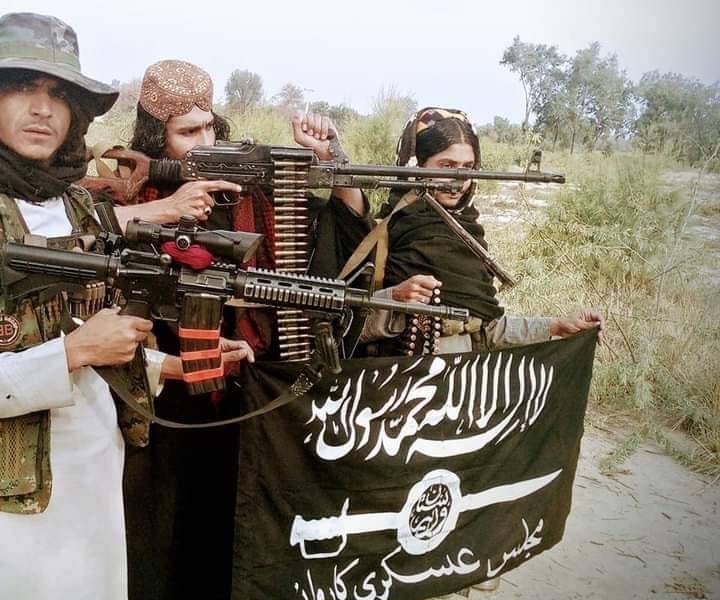
Hafiz Gul Bahadur (HGB), an ally of Tehreek-e-Taliban Pakistan (TTP), has claimed responsibility for an attack on an Orakzai Scouts post in Tirah Valley, resulting in the death of seven soldiers and injuries to twelve others.

This marks the first known attack by HGB in Khyber District, as the group had previously been associated primarily with Waziristan and Bannu. A video released by the militants shows weapons and ammunition confiscated from the military outpost in Tirah Valley.

Local communities have voiced strong criticisms against the security forces, for exacerbating the region’s plight. Decades of exploitation, dating back to 1947 when the area came under the control of the Punjabi Pakistan Army, have left the Pashtuns vulnerable. The local sentiment is that the Army uses Pashtuns for its own agenda, only to label them as terrorists and targets them later.

The situation for civilians has deteriorated as both the TTP and Pak Army are implicated in violence against them. While the Pak Army fails to take effective action against terrorists, it closely monitors and restricts civilians in the region.

The Pashtun rights organization, Pashtun Tahafuz Movement (PTM), argues that these attacks occur under the supervision of the Punjabi Pak Army and its generals. They contend that the terror and fear inflicted on the region come at the expense of the Pashtun population, who bear the brunt of the ongoing conflict.

Arrest of ISIS terrorist Rizwan Ali in Delhi

In a major security operation just days before India’s Independence Day celebrations, Delhi Police’s Special Cell has apprehended Rizwan Ali, a suspected terrorist with links to the ISIS module. The arrest took place on August 8, 2024, at approximately 11 p.m. near Ganga Baksh Marg in Delhi.

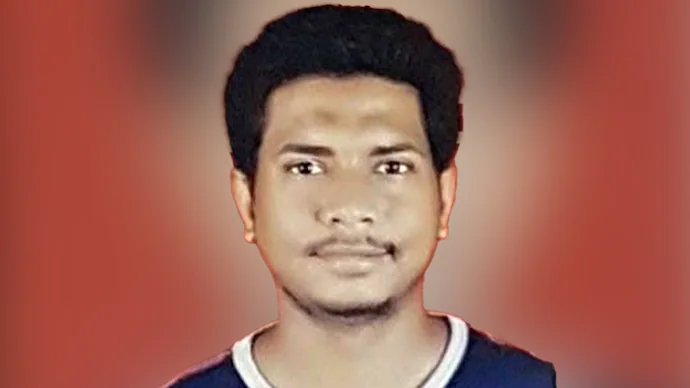
Rizwan, a resident of Daryaganj in Delhi, was carrying a bounty of Rs 3 lakh on his head, announced by the National Investigation Agency (NIA) for his involvement in terror activities. He was reportedly part of the Pune Module of ISIS and had been evading authorities.

During the arrest, police recovered a star pistol with .30 bore, three live cartridges, and two mobile phones from Rizwan’s possession. A case has been registered at the Special Cell Police Station in Delhi.

The timing of Rizwan’s presence in the capital, so close to Independence Day, has raised concerns and is being thoroughly investigated by authorities. This arrest comes as part of heightened security measures implemented across Delhi in preparation for the national holiday.

Earlier, Delhi Police had increased vigilance by putting up posters of various terrorists linked with Al Qaeda and Khalistan across the city. The posters, featuring fifteen terrorists including six associated with Al-Qaeda, aim to raise public awareness and encourage citizens to assist in tracking potential threats.

Meanwhile, Punjab police have also intensified security measures, conducting spot searches at bus stands across the state.

Pak Army Chief Asim Munir calls non-Muslims not true Pakistanis

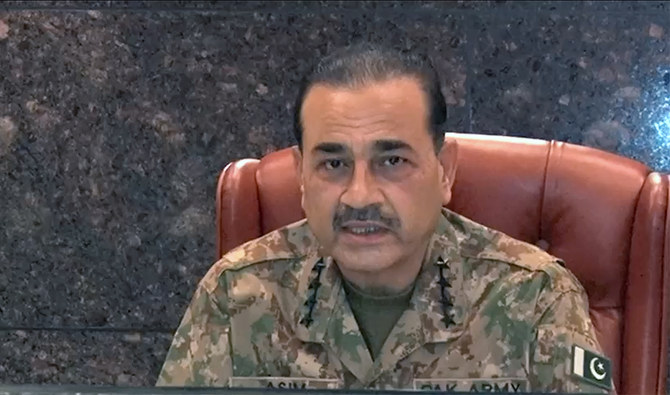
In a recent address at a Muslim cleric conference, Pakistan Army Chief Asim Munir condemned the spread of anarchy through social media and said that the Army is committed to combating chaos. Munir’s remarks came in response to comparisons between Pakistan’s current conditions and those of Bangladesh, where he warned that such scenarios would not be tolerated in Pakistan.

“If someone tries to create chaos in Pakistan, by God, we will stand before him. No power in the world can harm Pakistan because this country is built to last,” Munir was quoted as saying by the Inter-Services Public Relations, the Army’s media wing.

Munir said that the dissemination of false information targeting the Pak Army online and reiterated the military’s resolve to maintain order. He also stated that those who do not adhere to Sharia law are not considered true Pakistanis. While this statement is audacious in nature, the Army Chief’s public endorsement is particularly shameful given the Pakistan Army’s history of brutality and atrocities inflicted on religious and minority groups.

Munir’s comments reflect an audacious and deceptive strategy by Pakistan’s leadership to suppress political dissent and reinforce control over regions like Jammu, Kashmir, Gilgit-Baltistan, and Khyber Pakhtunkhwa. These areas have been subject to political repression, underdevelopment, and corruption since Pakistan’s control began in 1947.

The Paki establishment’s actions, including the use of these regions for proxy wars and terrorism since 1988, have exacerbated issues such as discrimination against religious minorities, forced conversions, and severe human rights abuses. Reports indicate ongoing suffering and attacks against Christians, Hindus, and other minority groups, particularly in Khyber Pakhtunkhwa, Sindh, and Balochistan.

Quetta tragedy: Calls for justice for 2016 bombing grows louder

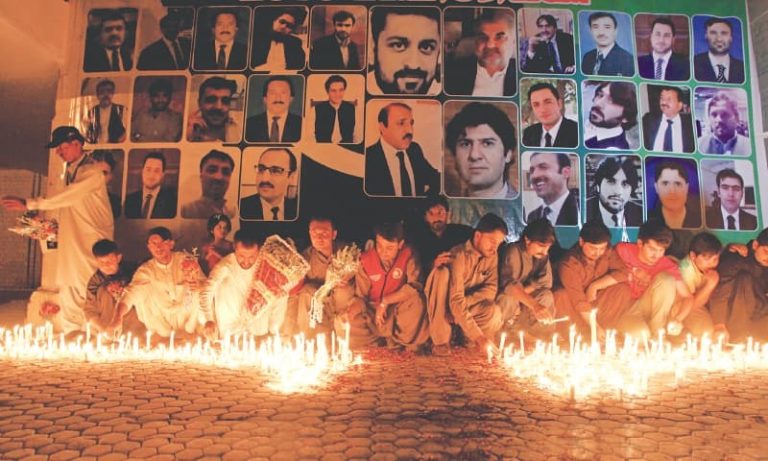
Today marks the 8th anniversary of the tragic suicide bombing at Quetta’s Civil Hospital, which claimed the lives of 73 individuals, including 56 lawyers and 2 journalists. As families and colleagues mourn the loss of their loved ones, calls for justice grow louder.

The bombing occurred on August 8, 2016, when a suicide bomber targeted the emergency ward where lawyers had gathered to mourn the murder of Balochistan Bar Association President Advocate Bilal Anwar Kasi. The attack, which resulted in 70 deaths and numerous injuries, was carried out by Punjabi Pakistan Army funded the Tehreek-i-Taliban Pakistan (TTP) splinter group, Jamaat-ul-Ahrar (JuA).

The Joint Investigation Team (JIT) report later revealed the involvement of “Paki establishment” in the tragedy. Despite this, justice for the victims remains elusive. Many are questioning who will hold the perpetrators accountable and bring closure to the families of the martyrs.

August 8 Tragedy

The event of August 8, 2016, remains a dark chapter in Pak-occupied-Balochistan’s history. The JIT report’s revelations about the involvement of the Pak Army and intelligence agencies have intensified demands for accountability. Yet, despite these findings, no one has been held responsible for the massacre.

In addition to the ongoing quest for justice for the August 8 martyrs, the region continues to experience violence and targeted attacks. Occupied-Balochistan, Khyber Pakhtunkhwa has seen over 1,400 incidents targeting the Shia and Hazara communities in the past 15 years, by Pak Army sponsored militant groups.

As the anniversary of this tragic event is commemorated, the question remains: who will be held accountable for the August 8 tragedy? The call for justice and accountability echoes, reminding the authorities and the world of the urgent need to address these injustices and bring the perpetrators to justice.

POGB: Pak Army accelerates forceful takeover of Khunjerab national park

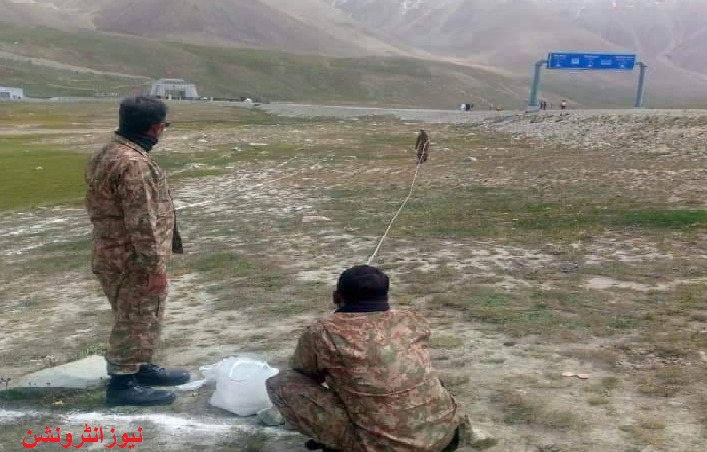
The Pak Army has intensified its efforts to seize control of Khunjerab National Park in the Hunza district of Pak-occupied Gilgit-Baltistan. This development follows recent military takeovers of occupied-government rest houses under the pretext of promoting “green tourism.”

The military personnel have been conducting measurements of the national park for the past two days, signaling a potential large-scale takeover.

Located on the border with China, Khunjerab National Park has become a flashpoint for controversy. Nationalist groups from both POGB and Pak-occupied Kashmir, alongside civil society organizations and public action committees, have vocally opposed the military’s actions. Social media platforms are abuzz with campaigns condemning the military’s encroachment into the region.

The Pak Army’s control extends over both POGB and Muzaffarabad, which has fueled growing resentment towards the military presence in the area. These actions undermine local autonomy and contribute to escalating tensions in the region.