Home Blog Page 72

Thousands gather for Baloch Raaji Muchi amid Pak Army crackdown

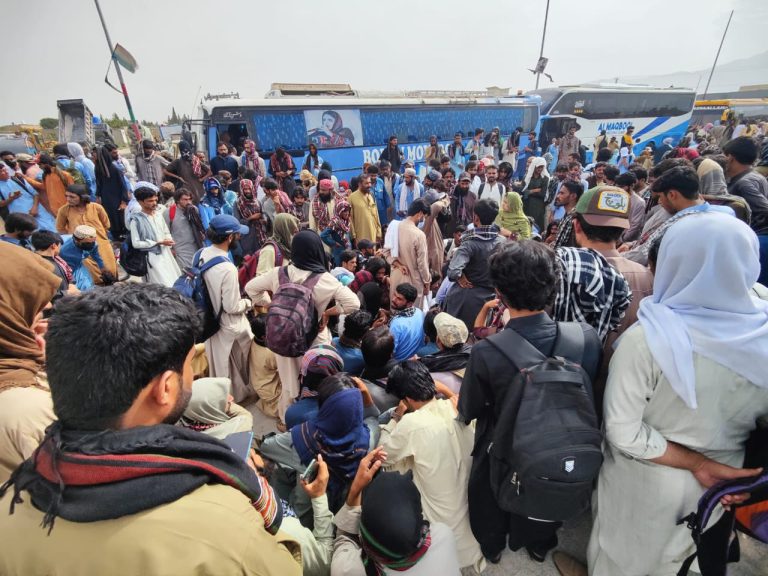
Thousands of people from across Pak-occupied-Balochistan have converged on Quetta to participate in the Baloch Raaji Muchi, a Baloch national gathering organized by the Baloch Yakjehti Committee (BYC). The event, set to take place in Gwadar, comes amid suppression and growing tensions between Baloch activists and Pak Army.

Caravans of participants have been traveling from various regions of POB, despite an “unannounced ban” on activities in the area. The BYC, a youth-led movement, has emerged as a prominent voice against enforced disappearances and Pak Army’s oppression.

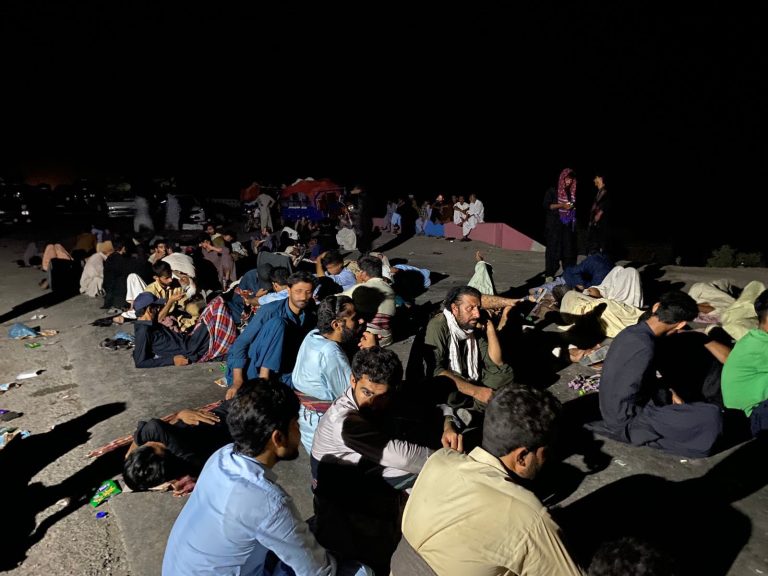
A significant number of participants have left Nushki, en route to Gwadar for the historic Baloch Raaji Muchi rally. Caravans from Dalbandin and Mashky have arrived in Karan and are set to continue their journey to Basima on Sunday. Despite ongoing harassment and intimidation by the Pak Army, the Baloch community remains resolute in their determination to attend the monumental event.

The rally occurs against a backdrop of complex political dynamics, of a long-standing policy of forceful suppression of peaceful political movements in the region, citing historical incidents of arrests, restrictions on gatherings, and the banning of national parties.

The Baloch Raaji Muchi is seen by supporters as a resurgence of Baloch political activism, aiming to unite the community in the struggle against Pak Army oppression and foreign economic interests mainly Chinese CPEC. The gathering is a platform to protest against ongoing atrocities faced by the Baloch community under Pak military rule since 1948.

Pak authorities add seven including Awami Action Committee chairman in proscribed list

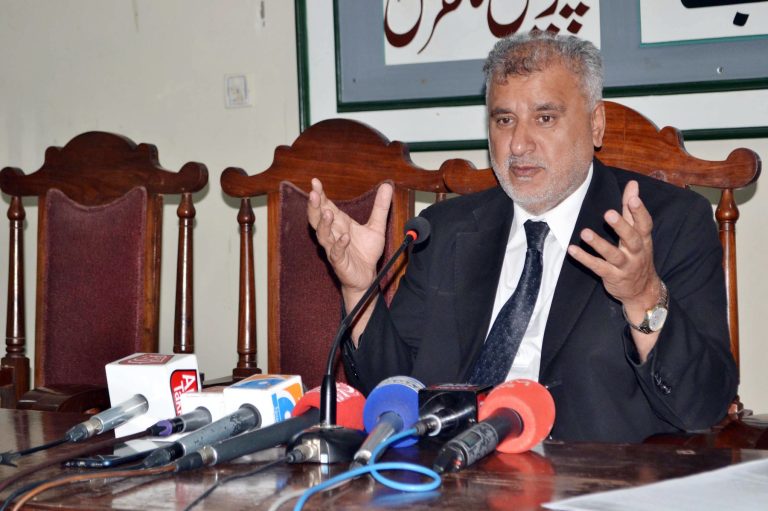
Seven individuals, including Advocate Ehsan Ali, chairman of the Awami Action Committee (AAC) Pak-occupied-Gilgit-Baltistan, have been listed under Schedule Four, a designation for individuals deemed to be involved in proscribed activities. The list also includes controversial figures such as former Minister for Local Government Didar Ali, Maulana Faraz Haidari of the United Religious Front, and Syed Hassan Shah Kazmi, who have been removed from Schedule Four.

The Awami Action Committee, an alliance of political and religious parties as well as traders’ unions, is known for its peaceful protests against the occupying Army. The AAC has been vocal in its criticism of the region’s rising electricity bills, inadequate infrastructure in health and education, soaring wheat prices, and rampant corruption, which has led to high unemployment rates among the youth.

The residents of POGB have been critical of the occupying forces for exploiting local land and water resources for electricity while failing to address their basic needs.

Despite their non-violent approach, the AAC and its leaders have faced repression from the occupying authorities, who are exploiting the region for their own gain while oppressing the sons of the soil.

Pak authorities keep Chaman border crossing closed despite recent assurances

The Chaman-Spin Boldak border crossing, a vital link for millions of Pashtuns, remains closed on the Pakistan side, contradicting assurances made two days ago that it would reopen for movement using ID cards and Tazkiras. This development has further strained relations between local Pashtun communities and the occupied government.

For over nine months, thousands of Pashtuns have been protesting at the Chaman border against new documentation requirements imposed by Punjabi Pak Army. The new regime mandates passports for cross-border trade, replacing the previously accepted Tazkira system.

This major crossing point in Khyber Pakhtunkhwa is crucial for local traders who have historically relied on Tazkiras, simple paper slip permissions, for border crossings. The new regulations have also disrupted longstanding familial ties between communities on both sides of the border.

The Punjabi Pak authority failed to address the concerns adequately. The situation took a violent turn on June 6 when Punjabi Pak Army and Frontier Corps (FC) forces reportedly cracked down on peaceful Pashtun protesters that resulted in multiple Pashtun casualties, arrest and disappearance of dozens more.

The continued closure of the border crossing, despite official promises to the contrary, shows how the occupied Army is consistently deceiving the native Pashtun population with no clear resolution in sight.

Deadly clash in Karachi claims five lives, including Nawab Bugti’s nephew

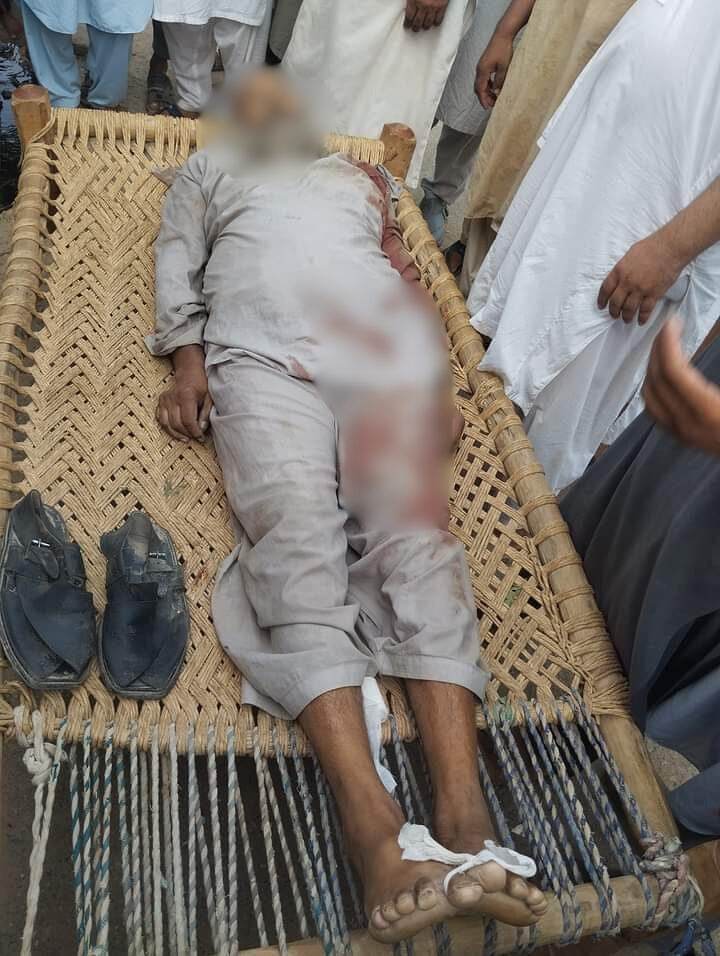
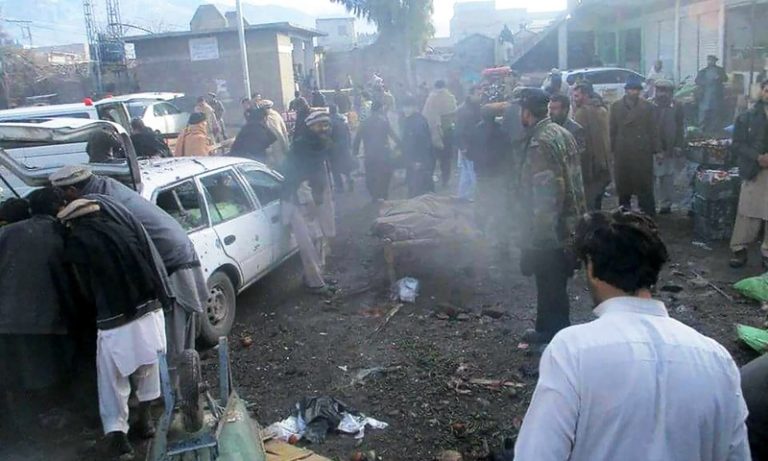
In Karachi’s Defence area, a violent clash between two groups has resulted in the death of five individuals, including Fahd Bugti, the nephew of Nawab Akbar Khan Bugti and son of former Balochistan Assembly member Mir Ahmed Nawaz Bugti. The incident occurred in Khayaban-e-Nishat.

DIG South Asad Raza confirmed that the confrontation involved gunfire, leading to the fatalities of Fahd Bugti, Nasibullah, and three others. The clash also left five to six people injured, with all victims transported to Jinnah Hospital. Raza said that the condition of the injured is critical.

The clash is reportedly linked to a longstanding feud between the two groups. Police said the main feud was between Fahad Bugti and Ali Haider Bugti who belonged to the same tribe.

The deceased have been identified as 50-year-old Fahd Bugti, Nasibullah, Shai Mir Mahsim Bugti, Mir Isa Bugti, and Ali. The injured include Mir Ali, Haidar Bugti, and Qaim Ali, who are all in severe condition.

Pak Army block key routes, deploys troops against Baloch Raaji Muchi caravans

In a bid to halt the Baloch Raaji Muchi caravans, authorities in Pak-occupied-Balochistan have decided to deploy additional police forces and anti-riot equipment. Requests for more resources have been made to Quetta, and key routes such as Jeoni, Pasni, and Talar will be blocked to prevent the caravans from proceeding.

The crackdown in Pak-occupied Balochistan has intensified as police file First Information Reports (FIRs) against individuals linked to the Baloch Yakjehti Committee (BYC) and the Voice for Baloch Missing Persons. These legal actions target relatives of missing persons and prominent leaders within these organizations.

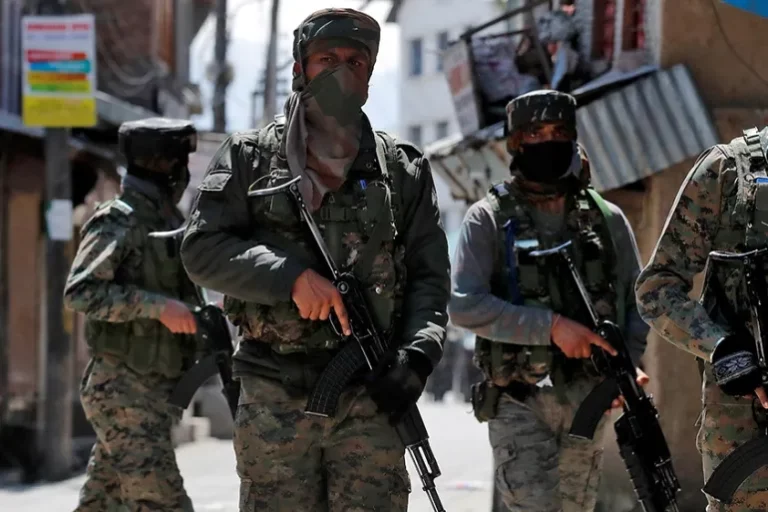
The Pak establishment has also taken measures to disrupt the upcoming Baloch National Gathering scheduled for July 28 in Gwadar. Over a thousand of Pak Army personnel have been deployed in Gwadar to obstruct the gathering. Transport companies have been threatened with consequences if they provide buses for the event. Furthermore, the Kech district administration has imposed a ban on collecting donations for the gathering.

Despite these obstacles, the Baloch community is being urged to participate in the “Baloch Raaji Muchi” and to contact central leadership for support and cooperation. The gathering is a platform to protest against ongoing atrocities faced by the Baloch community under Pak military rule since 1948.

Pak Army tortures & abandons 36 drivers in Chagai desert, one dead

In a disturbing incident, Pak forces have abandoned 36 Zamabad drivers in the Chagai desert amid severe heat. Reportedly, the Frontier Corps, a paramilitary force, harassed and tortured the drivers before forcing them to leave their vehicles and march into the desert. This brutal treatment has led to numerous drivers suffering from dehydration and starvation, with at least one reported death due to the extreme conditions.

Images and videos circulating on social media depict the drivers in dire straits, struggling to survive in the harsh desert environment. Reports suggest that many of these individuals are near the Reko Diq area, facing severe thirst and exhaustion, raising concerns about further potential fatalities.

This incident is not unprecedented in the region. The Chagai desert’s perilous conditions have previously claimed the lives of drivers under similar circumstances. The Pak Army, which has a long history of human rights abuses, including raiding civilian homes, harassing locals, enforcing disappearances, and engaging in extrajudicial killings, is implicated in this latest incident. Since March 27, 1948, the Baloch community has faced ongoing violence and oppression, contributing to a grim legacy of conflict and human rights violations in the region.

POB: Concerns rise over free medical camps organized by Pak Army

The Pakistan Army and Frontier Corps (FC) have been organizing “Free Medical Camps” across various regions daily. However, recent reports suggest growing concerns about the legitimacy and safety of these camps. These camps, while purportedly offering free treatment, may be inadvertently spreading malignant diseases among the local population.

The Army Medical Corps provide medical services and organizing free camps in underprivileged and tribal areas, including those in the Federally Administered Tribal Areas (now Khyber-Pakhtunkhwa). The Pak Army’s presence in the region is marked by oppressive measures and inadequate provision of basic resources and infrastructure.

The situation in Pak-occupied-Balochistan, as one of the most exploited and impoverished regions in Pakistan, is exacerbated by high levels of disease, including cancer. The Army’s organization of medical camps in areas with ongoing atrocities such as raids, disappearances, extra judicial killings and human rights violations may not be driven by altruism but rather by ulterior motives.

Local residents, struggling with severe poverty and health issues, are reportedly left with few alternatives and may be forced to accept assistance from these camps, despite potential risks. The widespread lack of proper medical care and infrastructure in the region adds to the vulnerability of its inhabitants, raising significant questions about the true intentions behind these “free” medical services.

Paki establishment bans political gatherings amid opposition parties’ protests 

The Pak establishment have banned political or any form of other gatherings in Pakistan’s Punjab province and Islamabad, amid protest calls by opposition parties over a host of issues.

This decision came after Tehreek Tahafuz-e-Ayin-e-Pakistan (TTAP), an opposition alliance led by the Pakistan Tehreek-e-Insaf (PTI), called for country-wide protests on Friday to demand the release of political prisoners, including former Prime Minister Imran Khan.

The decision was made during a TTAP meeting on Wednesday, as the PTI continued its hunger strike camps in Islamabad, Lahore, and Peshawar. Opposition leaders emphasized that the protests would focus on three main demands: ending unprecedented inflation, establishing peace, and releasing Imran Khan and other political detainees.

Former National Assembly speaker Asad Qaiser accused the current government of operating on a “fake mandate” and stressed the importance of addressing the ongoing economic and political crises. Pashtunkhwa Milli Awami Party Chief Mahmood Khan Achakzai declared Imran Khan the “most popular” leader in Pakistan and urged public participation in the demonstrations.

Majlis Wahdat-e-Muslimeen Chairman Allama Raja Nasir Abbas warned against invoking Article 6 of the Constitution (high treason) against Imran Khan, stating it would be “an affront to the entire nation”. He claimed that Khan has the support of 99% of Pakistanis.

PTI Friday protest

The TTAP’s protest call coincides with Jamaat-e-Islami’s planned sit-in in Islamabad on the same day against inflation and power tariff hikes. TTAP leaders have invited all opposition parties to join their protest.

Reportedly, the party has organized protests in constituencies led by its parliamentarians, with Shoaib Shaheen leading the Islamabad demonstration. The party’s hunger strike camps continued for a second day, with opposition leaders Omar Ayub, Shibli Faraz, Asad Qaiser, Mahmood Achakzai, and Allama Raja Nasir Abbas criticizing the government’s performance.

Omar Ayub, the opposition leader in the National Assembly, asserted that the PTI cannot be banned and demanded the immediate release of Imran Khan. Asad Qaiser echoed this sentiment, stating that “the era of banning political parties is over.”

Raja Abbas vowed to continue the struggle for constitutional supremacy, while Achakzai highlighted Pakistan’s current crisis as the worst in its history. Shibli Faraz claimed that the constitution is currently suspended, freedom of expression suppressed, and civil liberties curtailed.

The PTI also organized symbolic hunger strike camps outside the Punjab Assembly in Lahore and at Kabutar Chowk on Ring Road in Peshawar. In Lahore, Azam Khan Swati criticized the cases against Imran Khan, while in Peshawar, PTI Additional General Secretary Irfan Saleem stated that Khan was being punished for fighting for the supremacy of law and the Constitution.

PTI stages hunger strike, demands release of Imran Khan and party members

The Pakistan Tehreek-e-Insaf (PTI) launched a hunger strike outside the Parliament House in Islamabad on Tuesday, calling for the immediate release of party leader Imran Khan and other incarcerated party members.

PTI chairman Barrister Gohar Ali Khan announced that the strike would continue daily until 8 pm to protest “injustice” against its leadership and members. The demonstration comes amidst a series of challenges facing the party, including recent arrests and the sealing of its central secretariat.

On Wednesday, authorities sealed the PTI’s central secretariat, citing “lack of fire and life safety arrangements.” This action followed the arrest of PTI Information Secretary Raoof Hasan and other party workers the previous day. Hasan was reportedly detained for allegedly heading a digital media cell involved in anti-Indian propaganda.

PTI symbolic protest

“[The] PTI founder and his wife have been imprisoned for no reason. This camp will continue till their release,” Gohar Ali Khan said. He also expressed his dissatisfaction to National Assembly Speaker Ayaz Sadiq over what he termed “illegal and unconstitutional actions.”

Former National Assembly speaker and PTI leader Asad Qaiser outlined the party’s demands, emphasizing the release of Khan, his wife Bushra Bibi, and other detained party members. Qaiser also called for the resignation of the Pakistan Muslim League-Nawaz (PML-N) government, accusing it of mismanaging the economy and fostering lawlessness.

PTI Secretary-General Omar Ayub Khan demanded the resignation of what he referred to as the “Form 47 government,” alluding to alleged manipulation in the February 8 elections. He called for fresh, free, and fair elections to be held.

The party plans to escalate its protests, with PTI leader Shibli Faraz announcing a nationwide demonstration scheduled for July 26 as part of the party’s ongoing campaign.

Pak police file charges against Shia muslim students in POGB

Tensions have risen in the Pak-occupied-Gilgit-Baltistan region as police registered a First Information Report (FIR) against six Shia Muslim students at Karakoram International University. The students were charged under sections 153A, 188, and 291 of the Pakistan Penal Code for organizing a Youm-e-Hussain event on campus.

This incident has reignited concerns about religious freedom and minority rights in the region. POGB, along with other areas such as Khyber Pakhtunkhwa, Balochistan, and Sindh, has long been subject to strict control measures by Punjabi Pak Army.

These actions reflect a broader pattern of suppression in Pakistan-occupied Gilgit-Baltistan (PoGB), particularly in educational institutions. The Pak Army launches such crackdowns, viewing educated and informed citizens as potential threats to their control over the region.

Education in non-Punjab province is seen as a threat by Pakistan’s administration, which is keen on maintaining tight control over the region.