Home Blog Page 81

France faces political uncertainty as left-wing alliance leads in Parliamentary election

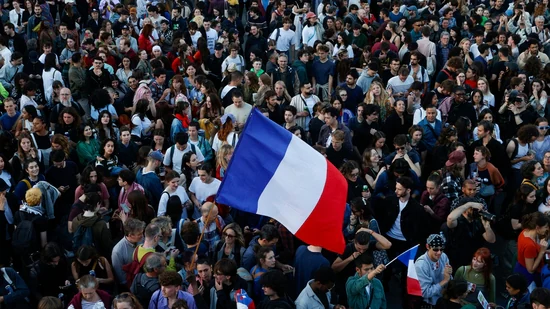
In a surprising turn of events, France’s parliamentary election has resulted in a hung parliament, with a left-wing coalition emerging as the largest bloc but falling short of an absolute majority. The New Popular Front (NFP), a recently formed alliance of left-wing parties, secured 182 seats in the National Assembly, surpassing President Emmanuel Macron’s centrist Ensemble alliance, which won 163 seats.

The election results have dealt a significant blow to Macron’s presidency and raised questions about France’s political stability. The far-right National Rally (RN), led by Marine Le Pen, secured 143 seats, marking a substantial increase from their previous representation but falling short of earlier projections.

Prime Minister Gabriel Attal has announced his resignation, though it remains unclear whether President Macron will immediately accept it given the complex task of forming a new government. The possibility of a cohabitation arrangement, where the prime minister comes from a different political bloc than the president, is now being considered.

Jean-Luc Mélenchon, the prominent leader of the France Unbowed party within the NFP, has called for the new prime minister to be selected from their coalition. However, the lack of a clear leader within the NFP and internal divisions complicate this process.

French election

The fragmented parliament is expected to make it challenging for any single group to push through their agenda, potentially weakening France’s role both domestically and on the international stage. This political uncertainty comes at a critical time, with Paris set to host the Olympic Games in the near future.

Financial markets have reacted to the election results, with the euro falling as projections were announced. Analysts predict a period of legislative gridlock and potential instability in French politics.

Furthermore, Spanish Prime Minister Pedro Sánchez hailed the French election results as a rejection of the far right, drawing parallels with recent political shifts in Spain and the United Kingdom. Sánchez said, “This week, two of the largest countries in Europe have chosen the same path that Spain chose a year ago: rejection of the extreme right and a decisive commitment to a social left that addresses people’s problems with serious and brave policies.”

The French election closely followed the United Kingdom’s general election, where the center-left Labour Party secured a landslide victory, ending 14 years of Conservative rule. This series of left-leaning victories in major European countries could signal a broader shift in the continent’s political landscape.
Armed men kill DSP of CTD & conspirator of 2015 Gurdaspur terrorist attack Ali Raza

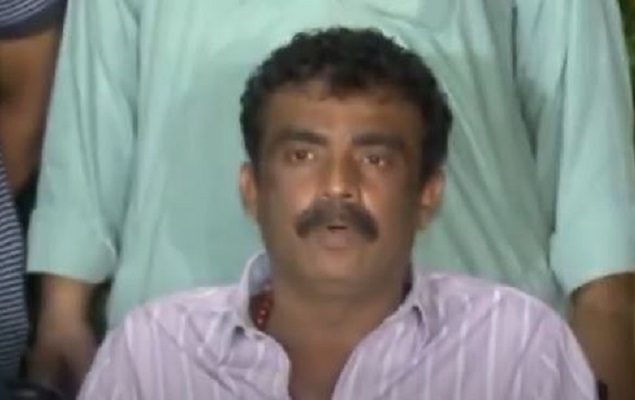
A deputy superintendent of police (DSP) from the Counter-Terrorism Department (CTD) was shot dead by unidentified men in Karachi on Sunday.

DSP Ali Raza was killed in the Karimabad neighborhood when two gunmen opened fire as he exited his bullet-proof vehicle near Shakeel Corporation. CTD Deputy Inspector General Asif Ijaz Shaikh confirmed that 11 shell casings from a 9mm pistol were recovered at the scene.

“Unidentified men opened indiscriminate fire on DSP Raza as soon as he came out of his bullet-proof jeep”, a police official said, adding that a private guard was also killed in the attack. The assailants reportedly fled the scene immediately after the shooting.

According to police sources, DSP Raza was shot at close range in the head and waist. He was rushed to Abbasi Saheed Hospital, where doctors pronounced him dead from his injuries.

DIG Shaikh revealed that the two assailants had been tracking DSP Raza’s movements.

Ali Raza was reportedly one of the conspirators behind the 2015 Gurdaspur terrorist attack in India, which resulted in the deaths of seven people, including four security personnel. In the name of the Counter-Terrorism Department (CTD), Pakistan not only harbors terrorists but also uses them against India.

Indian security forces execute four Hizbul terrorists hiding in secret bunker in Kulgam

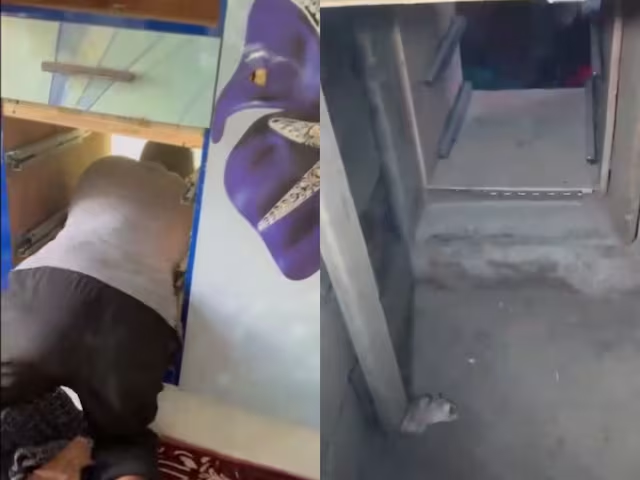
Four terrorists, part of a group of six killed in recent encounters in Jammu and Kashmir’s Kulgam district, were discovered to have been living in a concealed bunker inside a cupboard in a civilian home. The hideout was located in the Chinigam Frisal area.

A video circulating on social media shows security personnel dismantling a cupboard to reveal the hidden bunker. Authorities are investigating potential local involvement in sheltering the militants.

All six terrorists eliminated in the twin operations were reportedly affiliated with Hizbul Mujahideen, including a local commander of the Pakistan-linked group. The encounters, which began on July 6, also resulted in the deaths of two Indian Army soldiers, one of whom was an elite para commando.

Jammu and Kashmir Director General of Police RR Swain called the operation a major achievement in improving the region’s security. He said, “This is an indication that the security architecture and involvement of people is leading to the flow of human intelligence, and this fight against terror will be taken to its logical conclusion.”

The encounters occurred in two villages of Kulgam district. Two terrorists were killed in Modergam, while four bodies were recovered from the Chinigam site. The terrorists killed in Chinigam have been identified as Yawar Bashir Dar, Zahid Ahmad Dar, Tawheed Ahmad Rather, and Shakeel Ahmad Wani.

These operations come amid the ongoing Amarnath Yatra in South Kashmir, highlighting the continued security challenges in the region. Authorities remain vigilant in their efforts to combat terrorism and maintain public safety.

NIA arrests key suspect in Jammu and Kashmir narco-terror case

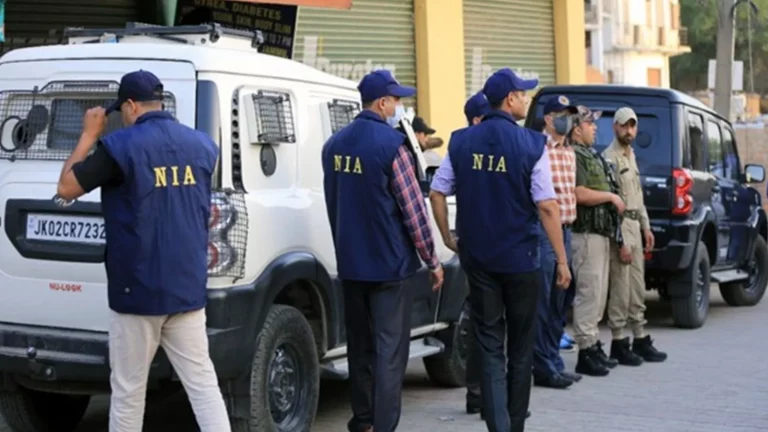
The National Investigation Agency (NIA) has apprehended a crucial suspect in the Jammu and Kashmir narco-terror case. Syed Saleem Jahangir Andrabi, also known as Saleem Andrabi, was arrested on Sunday in north Kashmir’s Kupwara district.

This case is reportedly linked to Pakistan-based terrorist groups Lashkar-e-Taiba (LeT) and Hizb-ul Mujahideen (Hizb), which are using drug money to fund terrorism in the region.

The NIA hailed the arrest as a major success in dismantling the narco-terror network established by cross-border terrorist organizations. Andrabi, who had been evading authorities since June 2020, was charged under various sections of the Narcotic Drugs and Psychotropic Substances Act, Indian Penal Code, and Unlawful Activities (Prevention) Act.

Investigations revealed that Andrabi was part of a complex conspiracy to procure and sell narcotics, generating funds in Jammu and Kashmir and other parts of India. The NIA said that the drug smuggling operation was orchestrated in collaboration with operatives from LeT and HM based in Pakistan.

The case originated from the arrest of Abdul Momin Peer in Handwara, where police seized cash and heroin from his vehicle. This led to further recovery of another 15 kg of heroin and Rs 1.15 crore cash.

To date, the NIA has filed charges against 15 individuals in this ongoing investigation, which aims to disrupt the flow of illicit funds supporting terrorist activities in the region.

Pak Army launches major brutal military operation in PoB

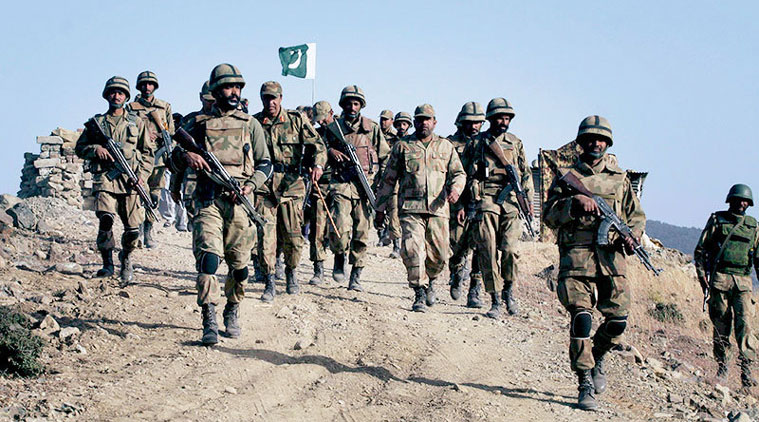
The Pak Army has announced a nationwide military operation dubbed “Azm-e-Istehkam” (Resolve for Stability). Reportedly there has been increased military activity in multiple areas of Pak-occupied-Balochistan province, raising concerns among local populations.

In Kalat district, a surge in the presence of Pak Army forces and Army-backed militias (known as death squads) in Harboi, Gazg, and surrounding areas are witnessed. This escalation follows days of ongoing military operations in the region.

Simultaneously, large-scale military supplies have been observed arriving at installations in Mastung district, PoB, suggesting a potential intensification of operations.

The operation, approved in June, aims to combat militancy and address rising armed violence across the country. Pakistan’s Ambassador to the US, Masood Khan, has reportedly sought US arms support to ensure the operation’s success.

However, the military campaign has faced criticism from Baloch and Pashtun communities. Khalil Baloch, former chairman of the Baloch National Movement (BNM), characterized “Azm-e-Istehkam” as ongoing military “brutality” in Balochistan and Khyber Pakhtunkhwa. He suggested the operation’s true purpose is to secure the China-Pakistan Economic Corridor (CPEC) and appease Chinese interests.

The Army’s operations in PoB and Khyber Pakhtunkhwa have always resulted in mass killings, enforced disappearances, mass destruction, and the relocation of entire populations.

Military operations have become frequent in Pak-occupied-Balochistan, innocent Baloch community are living in fear and atrocity since the forceful occupation in 1948.

Rescue of Love Jihad victim from Jammu after nine months

A young woman from Bhimavaram, Andhra Pradesh, who had been missing for nine months, has been safely recovered in Jammu following an extensive police investigation.

Tejaswini, a student from Machavaram, disappeared on October 28, 2023. Her parents filed a missing person report, but the case saw little progress until June 22, 2024, when her mother appealed to Deputy Chief Minister Pawan Kalyan for assistance.

Reportedly, the Deputy CM’s intervention prompted a renewed police effort. Investigators traced the pair’s journey through several states before locating them in Jammu. The breakthrough came when Tejaswini managed to send a message to her sister via Instagram.

The girl’s mother said that Amjad, the man Tejaswini was found with, intended to sell her daughter to criminal groups in Jammu and Kashmir. She also said that Amjad had been evading police by frequently changing phones and SIM cards.

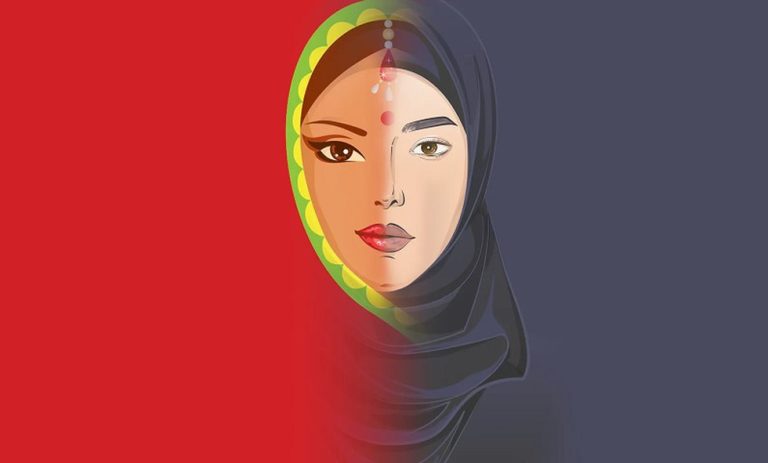
Tejaswini also told police that she endured difficult conditions. She said that Amzad had deprived her of sufficient food for nearly a month and had taken away her phone to stop her from contacting her family. The accused also made her wear a hijab to hide her identity.

“Amzad would show me the armed forces patrolling outside the house in Jammu and scare me by saying that the police would shoot me if I tried to escape. Unable to bear the torture, I thought about ending my life twice,” the girl said. “By God’s grace, I was rescued. Thanks to the government and the Machavaram police,” she said.

Recently, the cases of love jihad are rising in India, highlighting authorities’ frequent failure to deliver justice without political pressure.

Abduction, rape & conversion of 10 yr old Hindu girl in Sindh

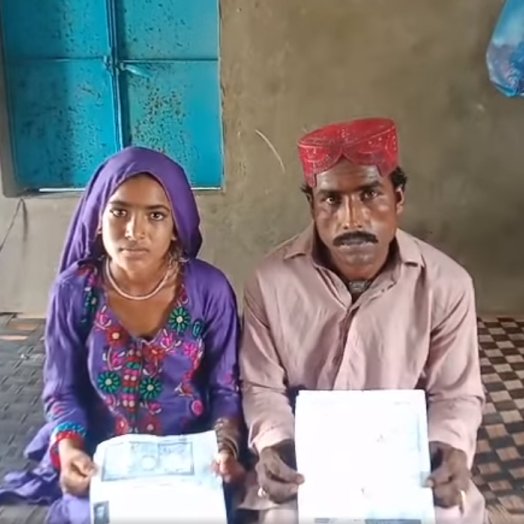
A disturbing incident has been reported from Goth Bhatiyani, near Khipro in Sanghar District, Sindh, Pakistan. On July 4, 2024, a ten year old girl named Jamuna, daughter of a local Hindu labourer Channu Kohli, was kidnapped from her home.

According to family, the accused is Gumshad Ali, son of Mohammad Ismail Halepoto, a local Muslim landowner for whom Kohli worked. It is said that Ali entered the victim’s home and abducted her at gunpoint.

Reportedly, following the abduction, Jamuna was taken to Mirpur Goth, where she was forced to convert to Islam and marry her abductor. The conversion and marriage ceremony were reportedly conducted by a local religious leader about ten days prior to the incident coming to light.

This case has reignited concerns about the safety of religious minorities in the region and the issue of forced conversions. The vulnerability of minority communities in Pakistan, particularly Hindu girls, to abduction, rape and forced conversion is saddening. This incident has once again brought these issues to the forefront, prompting calls for a thorough investigation and stronger protections for minority rights.

Bomb blast in Khyber Pakhtunkhwa’s Mardan kills three; injures seven

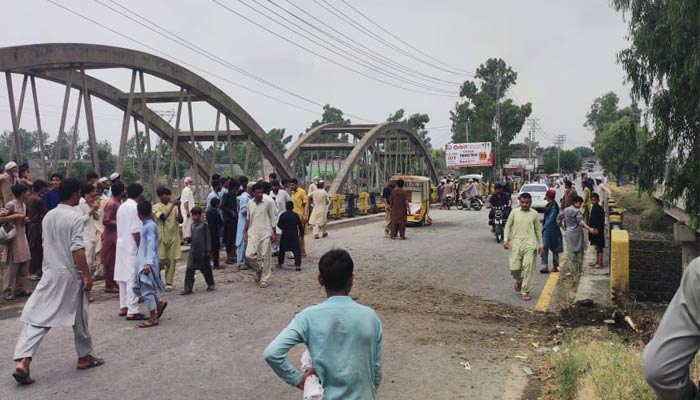
A deadly explosion from a remote-controlled device in Mardan, Khyber, has claimed three lives and left seven others injured, including two police officers. The incident occurred on July 5 when an explosive device planted on the Jalala bridge in Takhtbhai was detonated, damaging a police van and a rickshaw.

This attack underscores the ongoing security challenges in the region, particularly in Khyber Pakhtunkhwa province. A recent report by Pakistan’s Centre for Research and Security Studies documents 380 deaths and 220 injuries from 240 incidents of terrorist attacks and counter-terror operations.

Khyber Pakhtunkhwa and Balochistan have been identified as the epicenters of violence, accounting for 92% of fatalities and 87% of attacks during this period. Civilians bore the brunt of these attacks, making up 62% of total fatalities.

Pak Army’s use of terror groups as proxies to advance strategic interests, particularly in its rivalry with India and involvement in Afghanistan, has exacerbated internal instability.

This strategy, dating back to the Soviet-Afghan War in the 1980s, has led to a situation where once-supported mujahideen fighters against the Soviet Union have turned against the Army. The presence of these groups has compromised Pakistan’s sovereignty, especially in tribal and border areas with Afghanistan.

Uyghur protest outside UN headquarter marks 15th anniversary of Urumchi Massacre

On the 15th anniversary of the 2009 Urumqi Massacre, Uyghur Muslims gathered outside the United Nations headquarters in Geneva to commemorate the event and protest ongoing human rights abuses in China’s Xinjiang province, also known as East Turkistan.

The demonstration, organized by global Uyghur diaspora communities including the World Uyghur Congress and Campaign for Uyghurs, highlighted the persistence oppressive and suppressive policies against Uyghurs and other minorities in China.

Abdul Hakim Idris, executive director of the Centre for Uyghur Studies in Washington, D.C., said, “Today, we remember the massacre of July 5, 2009, in Urumqi. This marked the beginning of the current genocide.” He said that the Chinese government’s initial war on terror has evolved into a “war on Uyghurs,” resulting in millions being held in concentration camps.

The protest comes amid reports of intensified surveillance and securitization in Xinjiang since the 2009 incident where several Uyghurs protested against Chinese oppression after reports emerged of the harassment of Uyghur workers in Guangdong province. The situation escalated when Chinese security forces employed severe measures, resulting in the deaths of nearly 160 people and injuries to thousands.

Uyghurs

By July 2010, Chinese authorities had installed over 30,000 close-circuit cameras in Urumqi city alone to monitor Uyghurs. This surveillance has reportedly expanded across the region, encompassing facial recognition technology, collection of biometric data, GPS tracking of vehicles, and installation of spyware on Uyghurs’ smartphones.

Zumretay Arkin, Director of Global Advocacy at the World Uyghur Congress, added, “Since 2017, the Chinese government has been conducting a genocide against my people. Over 3 million Uyghurs and Turkic people have been detained in internment camps, where they face torture, abuse, and other atrocities.”

The Chinese government has justified these actions as part of its “Strike Hard” campaign, aimed at combating what it terms “the three evil forces: separatism, religious extremism, and terrorism.” However, human rights organizations and Uyghur activists argue that these measures amount to systematic repression and cultural erasure.

Despite China’s efforts, the plight of the Uyghurs has gained international attention. Various governments, international agencies, think tanks, and human rights organizations have expressed concern about the situation. The U.S. government passed the Uyghur Human Rights Policy Act in 2020 in response to these concerns.

As the anniversary protest demonstrates, the issue remains contentious on the international stage. While China may have succeeded in mobilizing some international opinion in its favor, activists continue to call for greater accountability and action from the global community, warning that China may one day face consequences for its actions.

BLA reports 95 attacks against Pak Army in 2024 report

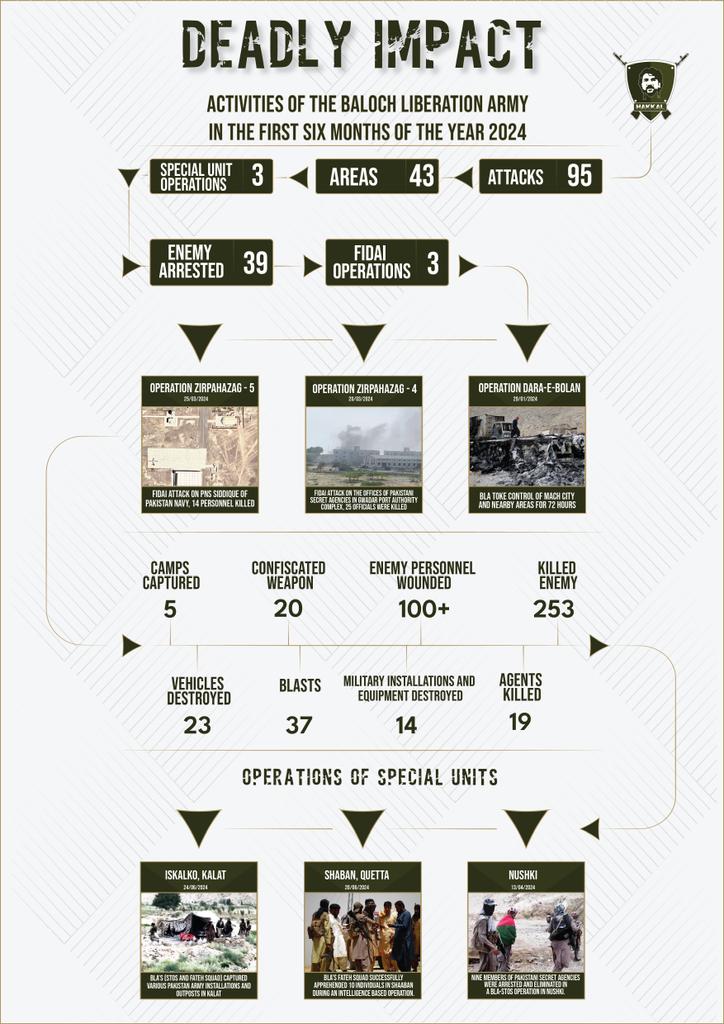
In a recent report, the Baloch Liberation Army (BLA), a pro-independence organization operating in Pakistan-occupied- Balochistan province, has released an infographic detailing its activities for the first six months of 2024. The group files 95 attacks across 43 areas, including three described as self-sacrifice.

According to the BLA, these operations resulted in 353 casualties among their opponents the Pak Army and its affiliated groups, with 19 individuals for espionage. The group also reports the capture of five camps belonging to Pak security forces and the seizure of 20 weapons.

The BLA further asserts that it arrested 39 Army personnel during this period.

Since 1948, the Pakistan Army has forcefully occupied the resource-rich region of POB and, to exploit it indefinitely, has launched scathing attacks on the Baloch community.

Therefore, organisations such as BLA conducts resistance against Pakistan Army that is employing tactics such as enforced disappearances, marginalization, and extrajudicial killings to suppress the local Baloch community.