Home Blog Page 83

Pak-occupied Gilgit-Baltistan leaders demand accountability from Pak Army

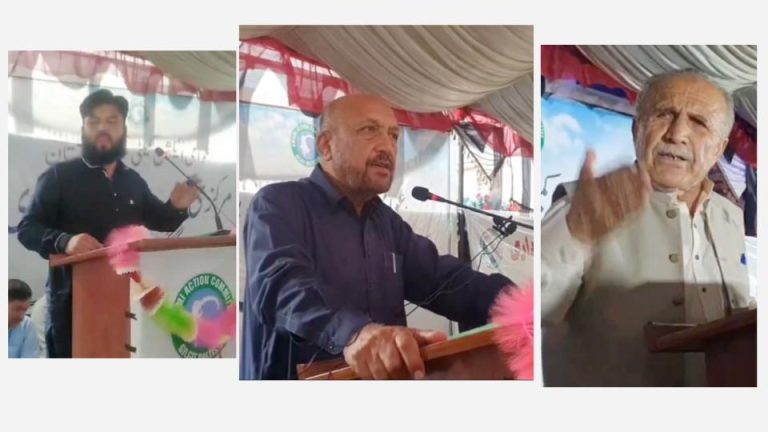
In a recent function of the Awami Action Committee, prominent leaders from Pak-occupied-Gilgit-Baltistan voiced their concerns over governance and called for accountability of Pak Army. They conducted the swearing-in ceremony for the new party members.

Member POGB Nawaz Khan Naji addressed the gathering, emphasizing the need for change. Ehsan Advocate, Chairman of the Awami Action Committee, declared that “the time for accountability of the rulers has come.”

Nawaz Khan Naji drew parallels between people’s power and natural forces. “Just like a river cuts through the hardest rock, the people of this country have the power to break any establishment and find their voice,” he said. Nawaz Khan also compared Pakistan’s situation with China, noting that a satisfied populace leads to national peace.

The speakers criticized the current political landscape, with one asserting that “in Pakistan, the political parties amount to nothing. It’s the public that always finds the way.”

Agha Ali Rizvi emphasized that they are not opponents of individuals but are “opposing the oppressor.” He added, “We are here to listen to you, to listen to them and their policies. We are here to fight your war.”

The leaders also raised concerns about the Pak Army’s role and called for public action. “The Army has been exposed, and it’s the people who have to do justice,” one speaker said. They urged citizens to raise their voices against perceived oppression and hold those in power accountable.

Wazir Hussain, Chairman of Tehreek Pasdaran, addressed environmental issues with criticism directed at the facade of green tourism that has led to ecological destruction for the benefit of the Army and its people.

The gathering highlighted the determination of Baltistan’s people, with one leader saying, “The people of Baltistan do not fear arrest and suppression; they stand for the land and people.”

POB: Pak Army forcibly disappears five more Baloch youth

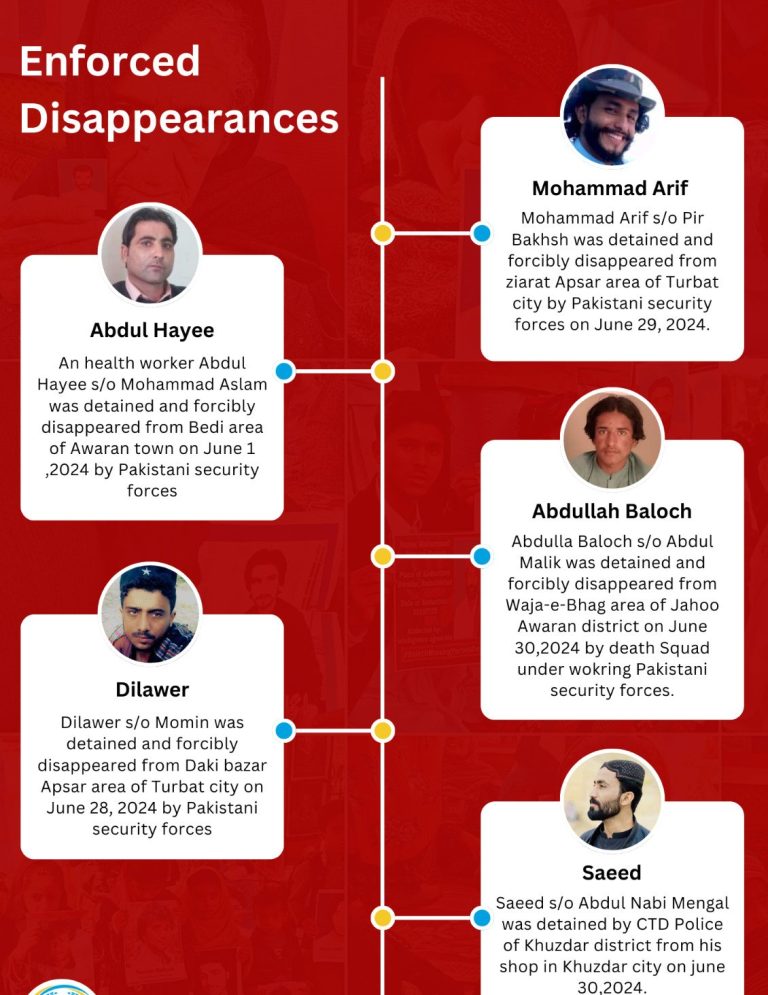
In a disturbing trend, five more individuals have reportedly been forcibly disappeared in Pak-occupied-Balochistan over the last two days of June 2024. These incidents have reignited concerns about human rights violations in the region.

The reported disappearances include: Abdul Hayee, a health worker, taken from Awaran town on June 1, Dilawer, detained from Turbat city on June 28, Abdullah Baloch disappeared from Jahoo Awaran district on June 30, Saeed detained by CTD Police in Khuzdar city on June 30 and Mohammad Arif taken from Turbat city on June 29.

These individuals were detained by Pak security forces or associated groups.

These incidents occur against a backdrop of longstanding tensions in Pak-occupied Balochistan. Since 1948, the region has been under Pak Army control, with them exploiting the resources and human rights abuses. Enforced disappearances, marginalization, and extrajudicial killings have been used as tools of oppression against the Baloch community.

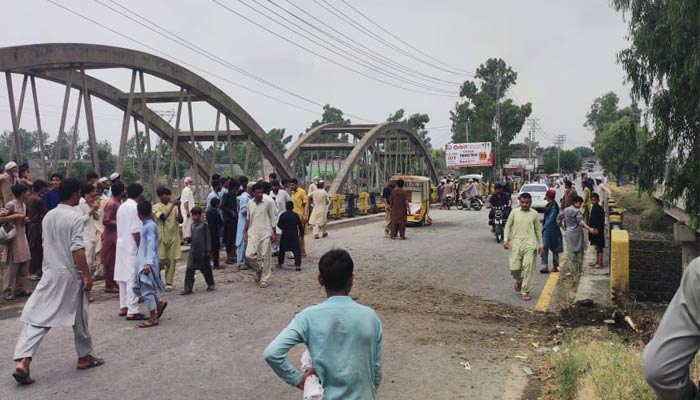
Bomb attack in Bajaur kills former Khyber-Pakhtunkhwa senator and four others

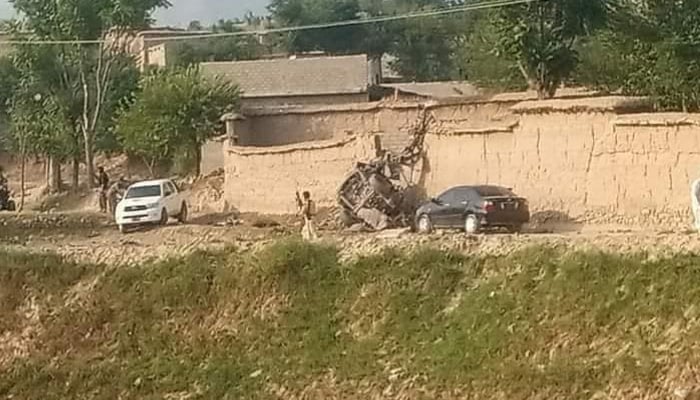
A remote-controlled bomb attack in Pakistan’s northwestern Khyber Pakhtunkhwa province has killed five individuals, including former Senator Hidayatullah Khan. The incident occurred in the Bajaur district of Malakand Division on Thursday.

Local authorities report that the explosion targeted a vehicle carrying the former senator and his companions. The other victims have been identified as Malik Irfan, Nazar ud Din, Yar Muhammad, and Sami ur Rehman. Their bodies have been transferred to the District Headquarters Hospital in Khar, Bajaur.

According to the bomb disposal squad, 5 to 7kg of explosives were used in the explosion.

Hidayatullah Khan, who served in the Senate from 2012 to 2024, was a prominent political figure in the region. He had been twice elected as an independent member from the former Federally Administered Tribal Areas (FATA) and had also chaired the Senate Standing Committee on Aviation.

The attack took place as the group was returning from an election campaign in Dama Dola. Najibullah Khan, an independent candidate for the upcoming by-election in constituency PK-22 of the Khyber-Pakhtunkhwa Assembly on July 11, was also involved in the campaign.

Since Pakistan’s independence in 1947, the Punjabi-dominated Pakistan Army is exploiting Pashtun lands and people for their sinister interests. They use Pashtuns to carry out their agendas only to unjustly label them as terrorists or sympathizers of groups like the TTP.

Family of prominent slain journalist Khalil Jibran seeks relocation amid death threats

The family of Khalil Jibran, a prominent Pakistani journalist who was recently murdered, has appealed to local authorities for relocation due to persistent death threats and a recent attack on their property. The family, residing in the Sultankhel area of Landi Kotal, Khyber Pakhtunkhwa, is living in fear following an assault on their family-owned snooker club, their primary source of income since Jibran’s death.

Jibran’s 17-year-old son expressed growing insecurity, particularly after the attack on their business. The family has not filed an official police report, fearing potential reprisals. “We are living in fear after the incident on Sunday night”, the son said.

The journalist’s 15-year-old daughter voiced concerns about the safety of her siblings and their education, which her father had prioritized. She emphasized the mental stress caused by the recent attack and the fear of further violence.

The family has called upon both provincial and federal authorities to thoroughly investigate Jibran’s murder and the subsequent attack on their business. They are also seeking adequate security measures and compensation for the loss of their primary breadwinner.

While no formal report has been filed regarding the snooker club arson, police have collected evidence from the scene.

Khalil Jibran, a senior journalist and former president of the Landi Kotal Press Club, was fatally shot by unidentified gunmen near his residence. His death adds to a worrying trend of violence against journalists in Pakistan, with the Committee to Protect Journalists (CPJ) reporting that Jibran is the seventh journalist killed in the country in 2024.

Karachi University student returns after enforced disappearance by Pak forces

Bahadur Bashir, a student from Karachi University and resident of Pasni, Pak-occupied-Balochistan, has been reunited with his family after his forced disappearance. Bashir was detained by Pakistan forces ten days ago while visiting his hometown for Eid celebrations.

The incident has reignited concerns about human rights in Pak-occupied-Balochistan, a region that has been under Pakistan control since 1948. Since that day, the Pakistan Army has maintained a forceful occupation of this resource-rich area, employing tactics such as enforced disappearances, marginalization, and extrajudicial killings to suppress the local Baloch community.

In response to Bashir’s disappearance, his relatives staged a week-long sit-in protest at Pasni Zero Point. Reports suggest that security forces dispersed the gathering forcefully. The district administration subsequently negotiated with the family, requesting a week to secure Bashir’s release.

Today, Bashir’s brother confirmed his return, marking the end of a tense period for the family. However, this case highlights the ongoing tensions in PoB and the broader issues of forced disappearances in the region.

PTM ready for nationwide protests against Pak Army atrocities on Pashtuns

On July 7, Pashtuns across Pakistan and internationally will unite in a protest to address urgent issues affecting their community. Pashtuns protest the presence of Pak military and terrorism in their homeland. Pak Army has destabilized the Pashtun land, their security and way of life.

Another issue is amid sweltering heat, Pashtuns endure severe electricity shortages, exacerbating living conditions and endangering lives, particularly vulnerable populations such as the elderly and infants. More importantly, Pashtuns demand the removal of barriers at the Durand Line, which restrict free movement and trade between Afghanistan and Pakistan. They oppose mandatory passport visas that impede familial and economic ties across the border.

The Peshawar school bombing has sparked speculation that it was orchestrated by the Punjabi Pak Army rather than the Tehrik-i-Taliban Pakistan (TTP). Both the TTP and the Pakistan Army have inflicted devastation upon Pashtun lands. In response to their oppression, Pashtuns began resisting, with the Pashtun Tahafuz Movement (PTM) serving as a prominent example of this resistance.

Since Pakistan’s independence in 1947, the Punjabi-dominated Pakistan Army is exploiting Pashtun lands and people for their sinister interests. They use Pashtuns to carry out their agendas only to unjustly label them as terrorists or sympathizers of groups like the TTP.

PTM’s resistance

Pashtun lands, rich in mineral resources, have been exploited by the Army. To intensify this exploitation, the Army uses terrorism as a tactic to bolster its presence in Pashtun territories. This includes erecting security checkpoints, establishing camps, and forcibly evacuating local populations under the guise of safety and security. In many regions, trees have been cut down and sold, and the military conducts resource mining operations.

Military checkpoints are often set up in residential areas to monitor and profile potential dissenters. This militarization has resulted in the abduction and enforced disappearance of innocent youth, who are often not involved in any activist or dissenting activities. The Punjabi Pakistan Army resorts to violence against journalists and members of PTM, despite the organization being predominantly peaceful.

Furthermore, the military lays landmines in these regions to prevent locals from returning or residing there safely. While reports of infiltrators or terrorists being killed by landmines are rare, tragic incidents involving children being maimed or killed by these blasts are unfortunately frequent. Many children have lost limbs or even their lives due to landmine explosions.

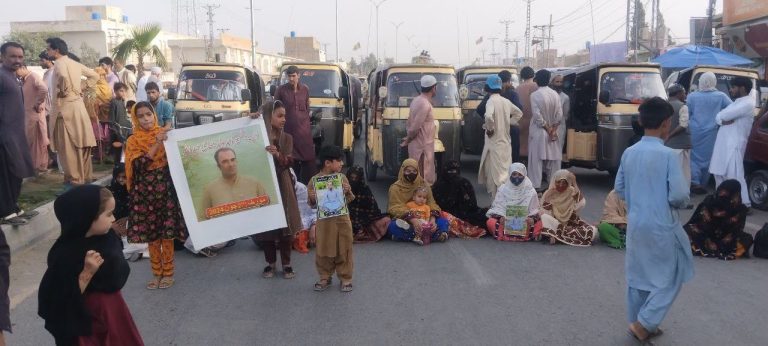
Rukhsana Baloch demands justice for brother’s nine year forced disappearance

Rukhsana Dost Baloch has marked Wednesday, July 3rd, as a solemn day, commemorating the nine-year anniversary of her brother Azeem Dost Baloch’s forced disappearance.

“My brother was forcibly disappeared from Gwadar on July 3, 2015, and he is still missing,” Rukhsana said. “For my brother’s recovery, we have knocked on every door, including courts, commissions, and press clubs, and used all means of protest, but no one has listened to us. To disappear a living person like this and keep them in torture cells for years without any crime is an inhuman act and a crime in itself.”

“After Azeem’s forced disappearance, we are facing all kinds of difficulties. At this time, not only is Azeem imprisoned in torture chambers, but the whole family is in collective torment. A mother has been yearning to see her son for the past 15 years, and even in her ill health, Azeem’s name is the only word on her tongue,” she added.

Rukhsana made a heartfelt plea to the puppet judiciary and authorities, emphasizing her brother’s innocence. “Azeem is innocent and has been tortured for 9 years. Whether he committed a crime or not, he has suffered severe punishments. Now, on humanitarian grounds, recover him and relieve us from further collective punishment.”

She also called upon Baloch rights and human rights activists, journalists, lawyers, and people from all walks of life to join her and Baloch Voice for Justice in a social media campaign on X (formerly Twitter) from 7:00 p.m. to 12:00 a.m. on July 3rd. “Participate in the campaign and become our voice by using the hashtag #ReleaseAzeemDost.”

Since 1948, the Pakistan Army has forcefully occupied the resource-rich region of Balochistan and, to exploit it indefinitely, has launched scathing attacks on the Baloch community. Enforced disappearances, marginalization, and extrajudicial killings are some of the brutal means used to oppress the community.

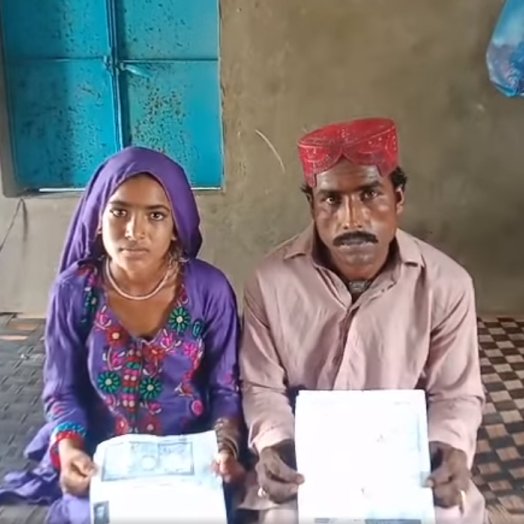
Another Hindu girl in Pakistan victim of abduction, rape & forceful conversion

A 15-year-old minor Hindu girl from Gaon 78 Mori near Mirpurkhas was reportedly abducted. The girl is forcibly converted to Islam and married to a Muslim man named Ashraf Marri.

This incident comes on the heels of the May murder of another a minor Hindu girl, Paria Bheel, who was raped and killed by influential Pathans in Karachi. 

These reports have raised alarms about the safety and rights of religious minorities in Pakistan, particularly young women and girls from the Hindu community.

Reports suggest young Hindu women and girls are increasingly targeted for abduction. Victims often endure horrific experiences, facing sexual violence and coercion in addition to the trauma of forced conversion and marriage.

Deadly stampede at religious gathering in Hathras claims over 121 lives

A tragic stampede at a religious congregation in Hathras district of Uttar Pradesh has resulted in the deaths of at least 121 people, including over 100 women and seven children. The incident occurred on Tuesday during a satsang (religious gathering) organized by self-styled godman ‘Bhole Baba’, also known as Narayan Saakar Hari.

According to officials, the venue was too small to accommodate the massive crowd that had gathered. The stampede reportedly broke out as attendees were leaving the event, with some rushing to collect dust from the tires of the godman’s departing vehicle.

Authorities have filed a case against the event organizers, noting that while permission was granted for 80,000 people, the actual attendance exceeded 2.5 lakh. The FIR states that organizers forcibly stopped the crowd with sticks, exacerbating the situation.

“Due to the uncontrollable crowd leaving the venue, devotees sitting on the ground were crushed. On the other side of the road, the crowd running in the water and mud-filled fields was forcibly stopped by the organizing committee with sticks, due to which the pressure of the crowd kept increasing and women, children, and men kept getting crushed,” the FIR said.

“The police and administrative officials present on the spot made every possible effort and sent the injured people to the hospital with the available resources. But no cooperation was given by the organizers,” the FIR added.

‘Bhole Baba’, whose real name is Suraj Pal, is believed to be at his ashram in Mainpuri, about 100 k.m. from the incident site. Police officials have reached both the stampede location and his ashram.

The Uttar Pradesh government has announced compensation of ₹2 lakh for the families of the deceased and ₹50,000 for the injured.

A high-level committee headed by the Additional Director General of Police, Agra, and the Aligarh Commissioner has been formed to investigate the incident.

The state government has launched two helpline numbers – 05722227041 and 05722227042 – for information related to the tragedy.

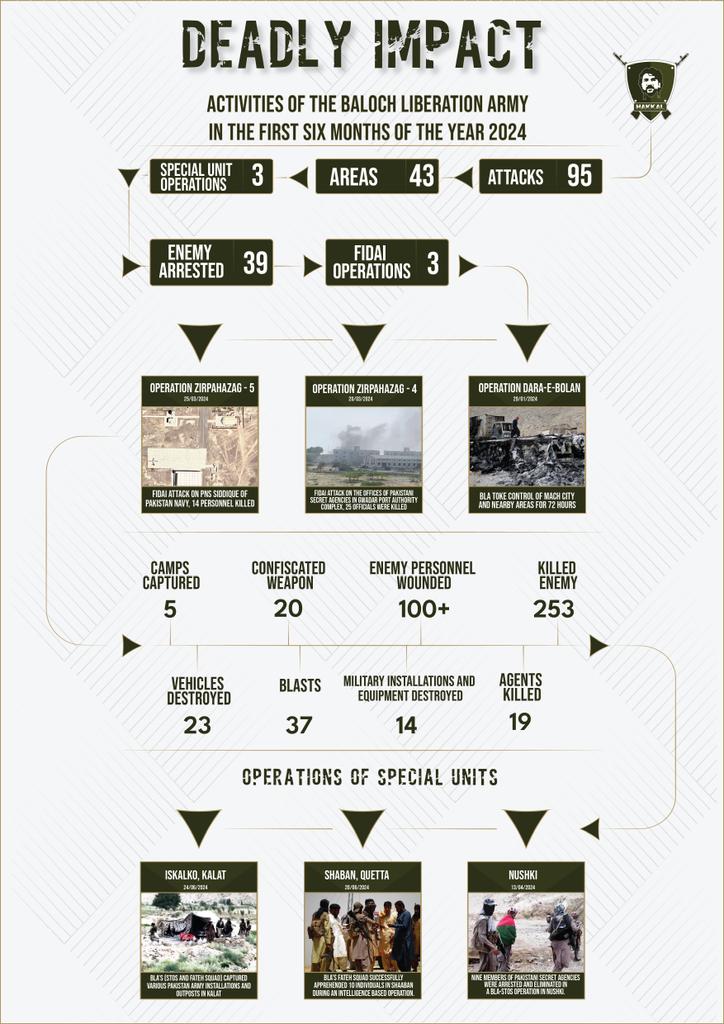
BLA attacks Pak Army in Kalat, kills two injures four

Jeeyand Baloch, the spokesperson of the Baloch Liberation Army (BLA), said in a press release that their freedom fighters targeted a convoy of the occupying Pak Army in Kalat with an IED attack. As a result of the explosion, two personnel were killed and four were injured.

The spokesperson elaborated that the fighters targeted a vehicle within a convoy of twelve vehicles belonging to the occupying Army in the Eskalku area of Kalat using a remote-controlled IED. This attack occurred as the convoy attempted to advance into the area for military operation.

He added that the explosion resulted in the immediate death of two personnel, including Naik Shafqat, and injured four others: Naik Shah Nawaz, Sepoy Bashir, Sepoy Owais Ahmed, and Sepoy Muhammad Afzal.

Jeeyand Baloch confirmed that the BLA takes responsibility for this attack. He reiterated the BLA’s commitment to continue their armed struggle until their goal of an independent Balochistan is achieved.

These incidents highlight the ongoing conflict in POB, where freedom fighters like the BLA have been engaged in a long-standing revolution against the Pakistan Army. Since 1948, the Pakistan Army has forcefully occupied the resource-rich region of Balochistan and, to exploit it indefinitely, has launched scathing attacks on the Baloch community.