Home Blog Page 114

Lok Sabha elections 2024: First phase voting underway for 102 seats

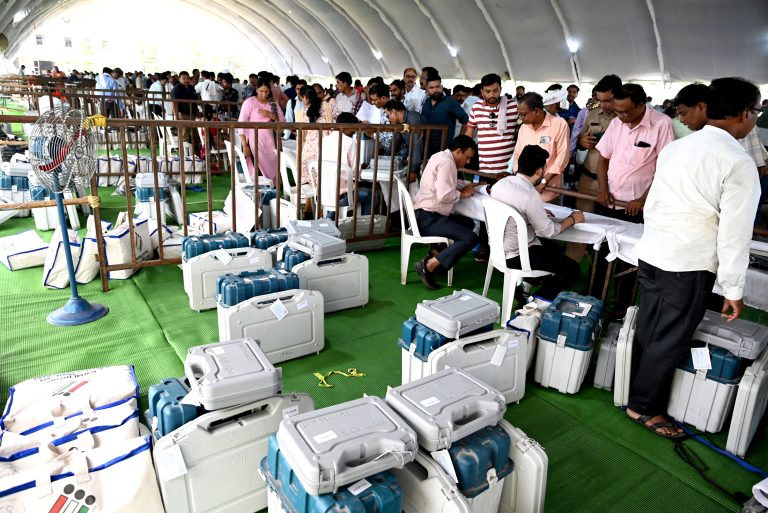
The mega seven-phase electoral exercise for the 2024 Lok Sabha elections kicked off on Friday with voters across 102 parliamentary constituencies spread over 21 states and Union Territories exercising their franchise in the first phase. Voting commenced at 7 a.m. and will continue until 6 p.m.

Alongside the Lok Sabha polls, assembly elections are also being held in the north-eastern states of Arunachal Pradesh and Sikkim. While Arunachal is voting for 2 Lok Sabha seats and its 60-member assembly, Sikkim is polling for 32 assembly seats and 1 Lok Sabha seat.

The elections are witnessing a high-stakes battle between Prime Minister Narendra Modi, who is seeking his third consecutive term, and the opposition bloc INDIA – a coalition formed to challenge the ruling BJP.

Several Union ministers, including Nitin Gadkari, Kiren Rijiju, Bhupendra Yadav, and Arjun Ram Meghwal, are among the prominent candidates in the fray in this phase. Notable constituencies witnessing polling include 8 in Uttar Pradesh, 5 in Maharashtra, 3 in West Bengal, all 39 seats of Tamil Nadu and 1 in Puducherry, 5 in Assam, and 4 in Bihar.

The Election Commission has deployed over 18 lakh personnel across the 102 constituencies to ensure smooth conduct of polls. Additionally, webcasting is being done in over 50% of polling stations, while micro-observers have been deployed in all booths.

As per the latest figures released by the EC, Tripura is leading with a 34.54% voter turnout till 11 am, followed by West Bengal (33.56%), Meghalaya (33.12%), and Madhya Pradesh (30.56%) till 11 am. The lowest turnout of 16.33% has been recorded in Lakshadweep. The voter turnout in the 2019 Lok Sabha elections was over 67 per cent.

Key issues ranging from unemployment, violence against women, farmers’ grievances, paper leaks, land rights of tribals, and price rise have taken center stage across the country during this election.

The remaining phases of the Lok Sabha elections will be held on April 26, May 7, May 13, May 20, May 25, and June 1. The results, declared on June 4, will ultimately decide whether PM Modi secures another term or if the opposition bloc emerges victorious.

Arrest warrant issued against POGB’s former Chief Minister in fake degree case

A senior Civil Judge has issued an arrest warrant for Khalid Khurshid Khan, the former chief minister (CM) of Pak-occupied Gilgit-Baltistan, in a fake degree case.

The senior Civil Judge, Hidayat Ali, issued a bailable arrest order for the former POGB chief minister due to his repeated absences from court proceedings.

Khalid Khurshid, who was also the president of the Gilgit-Baltistan branch of Pakistan Tehreek-i-Insaf (PTI), is accused of obtaining a lawyer’s license from the Gilgit-Baltistan Bar Council by submitting an affidavit and a “fictitious” law degree from the University of London. He did this in order to obtain an equivalency certificate from the Higher Education Commission (HEC) in Islamabad.

A three-member bench of the POGB Chief Court had rendered a decision in July 2023 regarding a petition brought up by Shahzad Agha, a member of the GB Assembly, disqualifying Khalid Khursheed Khan in the fake degree case. The petitioner had claimed that Khursheed ought to be disqualified in accordance with Articles 62 and 63 of the constitution since his law degree was found to be forged.

While Khurshid claimed to have graduated from London with a legal degree, however this could not be confirmed. Khalid Khursheed had been in office as the Pak-occupied- Gilgit-Baltistan’s CM since December 2020 and was considered a close aide of PTI chairman Imran Khan.

This is the real face of the occupying forces. They not only fail to address the rampant lawlessness, but even participate in it. The innocent people of Pak-occupied Gilgit-Baltistan have no way to get their grievances addressed when the puppet authority in power is fraudulent itself.

BLF kills two Pak Army soldiers after an attack on Pak Army camp

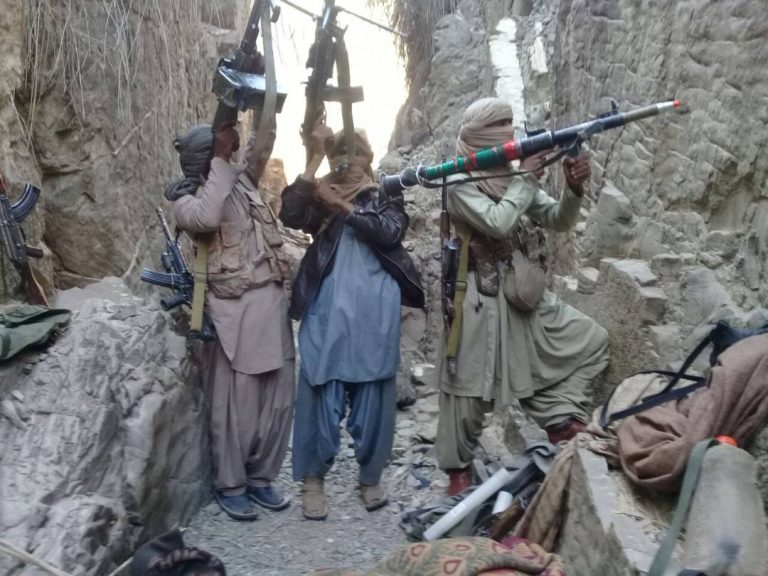
The Balochistan Liberation Front (BLF) launched an attack on a Pak Army camp in the Mashkel area, which resulted in the deaths of two Army personnel.

In a statement released to the media, BLF spokesperson Major Gwahram Baloch said the attack took place on Friday, April 12, in the Nali region of Mashkel in Pak-occupied-Balochistan. “The brave Baloch Sarmarchars (fighters) have killed two personnel of the occupying Army forces in an attack on Friday, April 12, in Mashkel,” Major Baloch said.

He explained that the BLF fighters launched a “sophisticated and heavy attack” on the Pak Army camp stationed in the Nali area. “In the intense attack, two personnel were killed and one was injured,” the spokesperson added.

The BLF statement asserted that the group claims full responsibility for this attack, and vowed that the freedom fighters’ attacks on the Army forces and all of its interests will continue until the complete independence of Balochistan.

To maintain its illegal grip over the region, Pakistan has employed various oppressive tactics, including enforced disappearances, extrajudicial killings, profiling and abduction of students, and supporting death squads. In response to these circumstances, Baloch freedom fighters have undertaken an armed struggle against the Pakistani establishment, targeting occupying forces, convoys and infrastructure.

Dubai floods: Cloud seeding; vegetation and drainage gaps

Dubai, known as the financial hub of the Middle East, has been severely impacted by heavy rain and storms, resulting in widespread flooding across the desert nation. The unprecedented rainfall has caused flight delays and diversions, with vehicles stranded on waterlogged roads.

The catastrophic floods in Dubai have followed the heaviest recorded rainfall, reaching approximately 25 cm (10 inches), almost equivalent to the UAE’s typical two-year rainfall.

The heavy rainfall has been attributed to a larger storm system moving across the Arabian Peninsula and advancing over the Gulf of Oman. Scientists suggest that changing climatic conditions and global warming may have exacerbated the intensity of the rain in Dubai and Oman. However, there are at least three factors that may have led the heaviest rain to culminate into worst man-made disaster of Dubai.

Scarce tree cover

Despite its arid climate and limited rainfall, the UAE’s desert landscape, coupled with sparse tree cover, makes it vulnerable to floods as well. The forest cover in UAE is merely 4 per cent of the total land. Trees play a crucial role in absorbing water through their roots, reducing the force and volume of runoff. However, the absence of trees diminishes the soil’s water-absorbing capacity, leading to significant runoff and soil erosion. This erosion further contributes to raised riverbeds or seabeds, increasing the risk of floods.

Although, the initiatives of afforestation were taken but the urge of making UAE a modern dream place with advanced facilities outpaced the desire for sustainable UAE. In 2010, Sheikh Mohammed bin Rashid al-Maktoum, the vice president and PM of the United Arab Emirates and ruler of Dubai announced 1 million tree initiative but that initiative never conceived its goal as, the place of nursery – where the plants would be grown before moving them across Emirates – was decided to be used for building Mall of the World, world’s biggest shopping centre. Later in 2016, plans were improvised to build Jumeirah Central. Hyper-development overpowered the environmental concerns, which were obviously not taken seriously back then.

Drainage system

Dubai’s drainage system has been a longstanding concern. In the 2000s, the city lacked a proper underground drainage system, relying on trucks to evacuate sewage waste from buildings, which often dumped them behind huge sand dunes or grounds outside the city. With time, administration realised the necessity and imminent harm to its prestige and things started to change. As of 2013, 70% of sewage waste was drained through the drainage system while rest 30% was still dependent on sewage truck. Majority of the latter, are the areas of Old Dubai. Though, Dubai has affirmed to get fully functional and proper drainage system by 2025, with a $21.8 billion sewage system plan approved in June 2023, the problem of inadequate drainage system still persists and may have augmented the detrimental consequences of the rainfall and flood.

Cloud seeding

Cloud seeding is another factor widely discussed in relation to Dubai’s weather management. The UAE has been experimenting with cloud seeding since 1982 as a means to enhance precipitation. This technique involves dispersing substances into clouds to stimulate rainfall. Different methods, such as dispersing salts or directing infrared into clouds, can encourage rainfall. While cloud seeding can provide relief to drought-affected areas and support various sectors, it also poses challenges and potential side effects. These include environmental harm, disruption of natural climatic patterns, and uncertainties regarding the effectiveness and duration of rainfall. Despite these challenges, cloud seeding remains a part of Dubai’s adaptive approach to weather management.

Some argue that, the cloud seeding may have impacted the natural cycle of climate with the latest floods as its ill effects.

Lt. Gen. Ayman Bilal Safdar quits Pakistan Army amid rising tensions with Asim Munir

The resignation of Lieutenant General Ayman Bilal Safdar, a contender for the position of chief of the Pakistan Army, has sparked significant controversy within Pakistan. While the country’s mainstream media outlets, often perceived to be under the influence of the military, have largely remained silent on the matter, independent journalists and YouTubers have extensively covered the developments surrounding Lieutenant General Safdar’s departure.

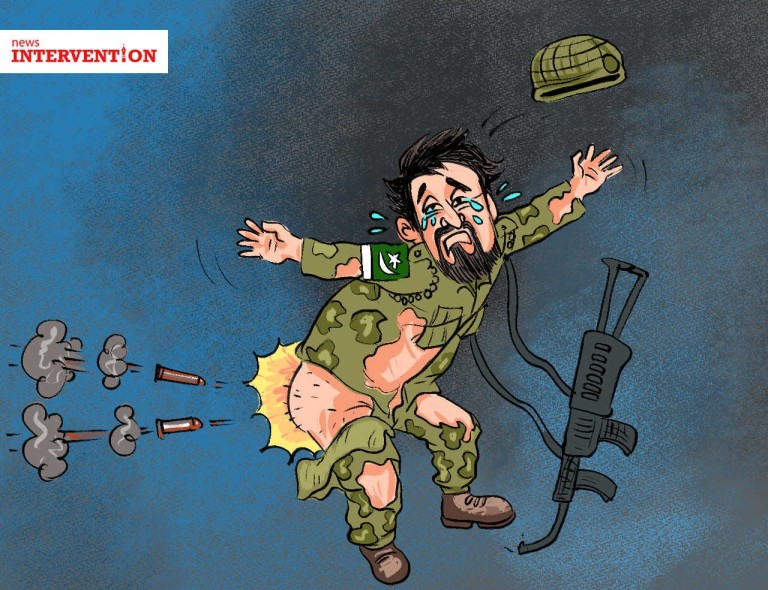
Surprisingly, Lieutenant General Ayman Bilal Safdar had made headlines by accusing the Pakistan Army of electoral rigging during a Corps Commander Conference on March 5, 2024. His unexpected resignation has raised eyebrows, particularly given his status as the commander of GOC 1 Corps in Mangala, with retirement scheduled for 2027. Many in Pakistan speculated him to be the next Army Chief in 2025. So probably, Lieutenant General Safdar’s ambitions for the top military post may have clashed with the plans of current Army Chief General Asim Munir, leading to pressure for his resignation.

Second dismissal of Corps Commander

This incident marks the second dismissal of a corps commander within the Pakistan Army in the past year. Previously, Lieutenant General Salman Fayyaz Ghani was removed from his position as GOC 4 Corps in Lahore following an incident where workers of Prime Minister Imran Khan’s party, PTI, vandalized the Flag Staff House in Lahore.

Journalist and Pakistan Democracy Forum convener Haider Mehdi has been credited with breaking the news of Lieutenant General Safdar’s resignation. Mehdi provided insights into the timeline of events, revealing that Safdar was abruptly relieved of his duties as commander of GOC 1 Corps on April 4, subsequently being summoned to report to GHQ in Rawalpindi. However, instead of complying, Safdar chose to resign from his post on April 2. His resignation has since been accepted by the Pakistani Army and the President. Currently, Lieutenant General Ayman Bilal Safdar is reported to be in Saudi Arabia for Umrah pilgrimage.

Baloch youth disappear after Pak Army camp summons; missing over a year

In a concerning incident of enforced disappearance, a young man from Awaran district in Pak-occupied-Balochistan has gone missing after being summoned to a Pak Army camp last year.

The missing individual has been identified as Zarif, son of Gumshad, a resident of the Malar area in Awaran. According to Zarif’s family, he was called to the military camp in Gishkaur on April 13, 2023 and was subsequently arrested and taken to an unknown location.

Since then, Zarif’s whereabouts have remained unknown, with his family and the local community desperately seeking information about his fate.

Enforced disappearances have been a persistent and alarming issue in the Pak-occupied-Balochistan province, with numerous cases reported on a daily basis. Baloch nationalist groups have been protesting against these disappearances for years, as the Pak security forces are the ones behind these abductions.

Furthermore, reports from the neighboring areas suggest the same pattern of abuse, where residents are often summoned to military camps and forced to report there every two days. They are also required to seek prior permission from the authorities even for routine travel.

The case of Zarif’s disappearance is the latest in a series of such troubling incidents that is continuing to instil fear and insecurity among the Baloch population.

Pak Army troubles POB residents by conducting another military operation in Dera Bugti

Pak Army have initiated a military operation in the Dera Bugti region of Pak-occupied-Balochistan. Reportedly, Army personnel are conducting thorough searches of residences in various areas of Dera Bugti and are purportedly seizing recently harvested wheat and gram grains belonging to local shepherds.

The military operations are said to be underway in Kordan, Habib Rahi, Landi, Traki, and Siya Aaf of Dera Bugti, with personnel committing human rights violations, crimes, oppressive tactics. Army is conducting raids, loots, physical violence, abductions and brutality. Sher Mohammad Bugti, spokesperson for the Baloch Republican Party (BRP), has confirmed the ongoing military activity in Dera Bugti through a post on social media platform ‘X’.

However, no official information regarding the operation has been provided by the puppet authorities. Many such operations have been conducted by Pak Army in the past in the resource-rich Balochistan province.

While the Army has remained silent on the operation, the local community fears the impending repercussions. With images emerging from Bolan and gripping fear among the residents, a humanitarian crisis is unfolding in the region. Earlier in Feb, Pak Army conducted a military operation in Bolan district and committed rampant violence and turmoil. Military operations have become frequent in Pak-occupied-Balochistan, innocent Baloch community are living in fear and atrocity since the forceful occupation in 1948.

Landmine blast kills 3 innocent children in Waziristan

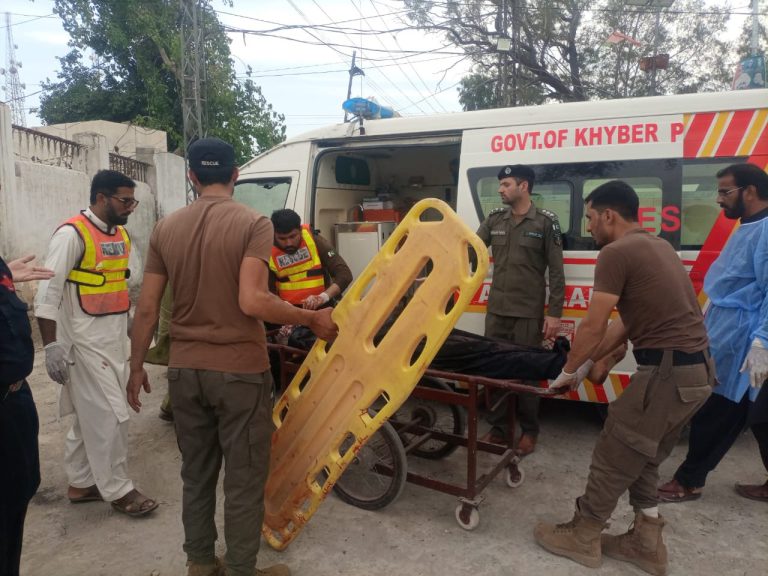
In a tragic incident, three innocent children, Noor Mohammad, Naqeem-ullah, and Fakhruddin, lost their lives in a landmine blast in the heavily militarized and securitized area of Shawal in Upper Waziristan. This region has been under the tight control of the Pakistan Army, which closely monitors every movement in and out of the area.

It is argued that the military’s presence in the region — on the pretext to maintain security — instills fear among the local population, ultimately leading to depopulation and facilitating Pakistan’s control over the area for its own strategic interests, particularly in fostering terrorist activities.

With due consideration, the families of innocent children killed have pine nut forests at the strategically crucial area.

The installation of landmines, purportedly for security reasons, are instead a death trap for innocent civilians. Local residents denounce these measures as part of Pakistan’s colonial policy, which disregards the lives and well-being of the people in the region.

The landmine explosion on innocent civilians sheds light on the disproportionate use of force by the Pakistan Army within its own territory, while terrorist elements are often harbored and utilized across borders. Such actions raise serious concerns about human rights violations and the militarization of civilian areas, further exacerbating tensions and insecurity in the region.