Home Blog Page 233

How fraudulent agents trap Punjab women and sell them in Oman

Punjab, a land known for its rich heritage and resilient spirit, bears witness to the silent struggles of its women. Behind the vibrant façade lies a darker reality, where the plight of NRI abandoned brides and the deceitful practices of fraud travel agents have cast a shadow over the lives of countless women in the region. This article aims to shed light on these pressing issues, bringing attention to the challenges faced by women in Punjab.

NRI Abandoned Brides
In the pursuit of love and a better life, many young women from Punjab tie the knot with Non-Resident Indians (NRIs). However, their dreams are often shattered when they become victims of abandonment.

NRI abandoned wives face a heart-wrenching reality as they step into foreign environments only to be abandoned and left to navigate unfamiliar territories on their own. These women often find themselves divorced without their knowledge or consent; thrown into a legal system they have no understanding of.

Shockingly, some husbands are discovered to be already married or living with another woman. Tragically, some wives never even get the chance to join their husbands abroad. In these cases, men deceive their wives, promising to bring them overseas after receiving dowry payments, only to vanish, leaving these vulnerable women stranded and abandoned.

The plight of NRI abandoned wives highlights the urgent need for stronger legal protections and support systems to ensure justice and assistance for those who find themselves in these dire circumstances.

Unveiling a New Wave of Inhumane Activity
In the dark underbelly of Punjab, a new form of exploitation has emerged, leaving vulnerable women at the mercy of deceitful travel agents.

Rani (name changed), a woman from Kapurthala, embarked on a journey to Oman in search of a better future for her family. Little did she know that her aspirations would be crushed by the heart-wrenching reality of exploitation and abuse. Promised a job as a caretaker in a hospital with a monthly salary, she entrusted her fate to her maternal aunt (maami), who was involved in the deceitful scheme.

Upon arriving in Muscat on a tourist visa, Rani’s passport and phone were seized, and she was locked up in a room. Shockingly, she discovered that she was not alone in her misery, as 35 other women from Punjab were also held captive. Instead of the promised job, they were coerced into engaging in immoral activities, subjected to physical abuse, and kept hungry for days as a means of control. Rani’s refusal to comply with these demands led to brutal beatings.

Rani’s case is not an isolated incident but rather a distressing reflection of a widespread problem. The travel agents involved in these heinous activities exploit the vulnerability of poor and uneducated women and openly perpetrate their crimes without fear of consequences. These agents, in collusion with counterparts in Oman, deceive women with false promises, charging exorbitant fees and selling them to locals in Oman for profit.

The victims, lacking education and awareness, often remain unaware of the risks associated with such ventures. Trapped in a foreign land with no support or means to escape, these women suffer immense physical and emotional trauma. Many are forced to endure unimaginable hardships, their dreams shattered and their lives in ruins.

The distressing accounts of Rani and the countless women trapped in the Gulf shine a light on the urgent need for action against these fraudulent travel agents. The Punjab government must take swift and decisive measures to curb this exploitation, including launching awareness campaigns, strengthening regulations, and holding the culprits accountable. It is crucial to provide support and assistance to the victims, ensuring their safe return to their families and work towards their rehabilitation.

This pervasive issue demands not only government intervention but also a collective effort from society to protect and empower the women of Punjab. The anguish faced by women in Punjab, whether as NRI abandoned brides or victims of fraudulent travel agents, is an urgent call for action. It is imperative for society, government, and law enforcement agencies to address these issues and provide support and protection to the affected women. By fostering a culture of empowerment, awareness, and accountability, Punjab can pave the way for a future where women are not left to suffer in silence. Together, we must strive for a Punjab where women are respected, protected, and given the opportunities they rightfully deserve.

Hindus being forcefully converted into Islam in Sindh

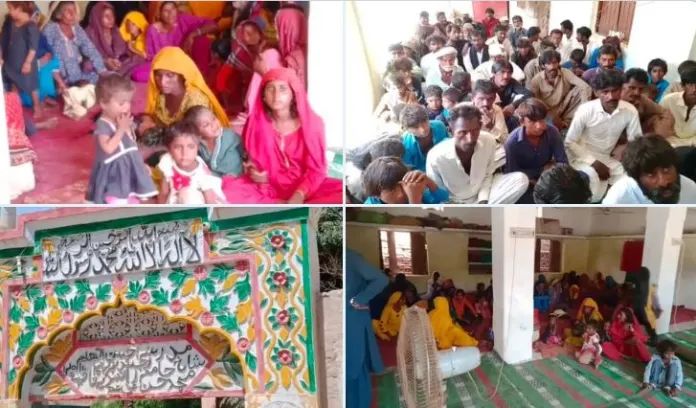
In a horrific incident, 162 Hindus, comprising of 10 families, have been forcibly converted to Islam at an event on 18th May in Sindh.

Preliminary reports suggest that these families were facing severe poverty and hunger issues. Their vulnerable condition was exploited by extremists engaged in illicit conversion practices.

The families were promised improved living conditions in exchange for converting to Islam. With no viable options and no justice from the system, the families were compelled to undergo conversion.

This is not an isolated incident of mass conversion. Just today, 61 Hindus have been forcefully converted to Islam in Sindh again. This month Sindh has witnessed three such mass conversion incidents.Earlier, 50 Hindus were also forcefully converted to Islam under supervision of the son of Religious Affairs Minister in Pakistan, Talha Mahmood. The deteriorating situation of Hindus and other minorities in Pakistan is an undeniable reality, as is the illegitimate and forced nature of their conversions.

BLA freedom fighters kill 3 Pakistani SSG commandos in Balochistan

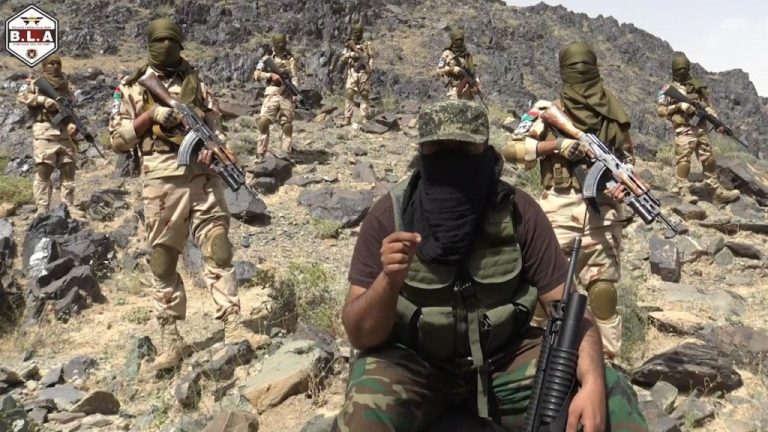
Freedom fighters of Baloch Liberation Army eliminated three commandos of Pakistani Special Services Group (SSG) in an attack in Bolan.

Since the past few days Pakistani forces had been advancing in Margat, Zarghoon and Bolan and over the weekend freedom fighters of BLA targeted these troops when they were sitting in a large group. What followed was a fierce attack and BLA fighters eliminated three SSG commandos and injured several more.

Spokesperson of BLA Jeeyand Baloch said that BLA will continue to target occupying forces until their full withdrawal from Balochistan.

BLA freedom fighters kill 9 Pak Army soldiers in occupied Balochistan

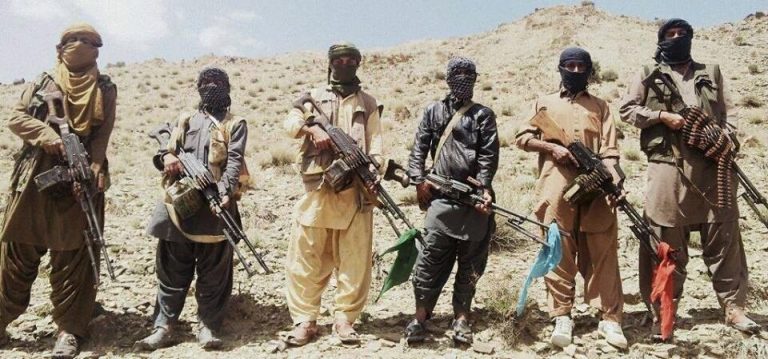
Baloch Liberation Army (BLA) sarmachaars (freedom fighters) killed nine Pakistan Army soldiers on Friday in two separate battles at Zarghoon and Margat in occupied Balochistan. Dozens of Pakistani soldiers were also injured and the Pak Army suffered heavy loss of arms and ammunition in the twin attacks by BLA fighters. Pakistan Army was aided by gunship helicopters and unmanned aerial vehicles during the battle with BLA at Zarghoon, Margat and other adjoining areas near Quetta. BLA freedom fighters retaliated bravely and killed four Pakistani soldiers at Margat and five Pakistani soldiers at Zarghoon.

In Zarghoon, Bolan and adjoining areas, few coal contractors and miners are working directly as collaborators of Pakistani forces. Pakistan Army is building outposts in these area for the security of these collaborators so that they can continue to loot resources of Balochistan. The Baloch freedom fighters oppose this naked loot of resources and are fighting for the independence of Balochistan from Pakistan’s illegal occupation.

“The elements working on payroll of Pakistani occupying military should realise that if this military cannot defend its own soldiers then how are they going to protect their facilitators? BLA has multiple times warned in past and we want to make it clear once more that anyone found working as an informant for the Pakistani military or if anyone engaged in providing supplies to the occupying forces then they will have to bear responsibility for their acts and the resulting consequences,” Jeeyand Baloch, spokesperson of BLA said in his statement.

Minorities live in fear as incidents of forced conversion rise in Pakistan

In a deeply alarming incident in Pithoro, Umarkot, Sindh, a Hindu girl named Hasena Oad was forcibly abducted at gunpoint by one Shokat Shar and four other individuals.The girl’s father promptly filed a complaint at the local police station against the five accused of the crime.

Fearing the long persisting target abduction and conversion of minor Hindu girls across Pakistan, girl’s father has raised concerns over her possible religious conversion to Islam and her marriage to the abductor Shokat Shar.

As usual, police has failed to track the whereabouts of Hasena till now. This distressing incident highlights the increasing prevalence of abductions targeting Hindu girls in the region.

Villagers save 10-year old girl by foiling child marriage in Bihar

In a remarkable display of vigilance, residents of a village in Bihar’s Purnia district successfully foiled an impending child marriage, rescuing a 10-year-old girl from a harrowing fate. The girl, who belonged to the village, was on the verge of being wedded against her will to, a 17-year-old boy who had been brought from Uttar Pradesh by her own brother-in-law.

Shockingly, the cost to terminate her childhood and force her into marriage had been set at mere Rs. 5000. All arrangements had been made, and the wedding was moments away from being solemnized.

However, thanks to the unwavering determination of the villagers, the Kailash Satyarthi Children’s Foundation (KSCF) team, local police, and child line authorities swiftly intervened. Acting promptly upon receiving the distress call, the collective effort halted the illegal marriage. The young girl was immediately provided refuge in a shelter home, ensuring her safety and protection.

This commendable act by the villagers unveiled a disturbing truth—her brother-in-law, a resident of Uttar Pradesh, had orchestrated the marriage. The villagers, appalled by this unjust act, united against it and promptly reported the matter to the KSCF’s Purnia team, as well as the police and child line helpline. These combined efforts effectively put an end to the heinous act and ensured the young girl’s well-being.

Another Hindu girl abducted, converted into Islam in Pakistan

A few days ago, another minor Hindu girl named Tooti Maheshwari was abducted from Gharibabad, Sindh. She has now been found converted and married to her abductor Fida Hussain Khaskheli.Pakistan’s forced abductions and conversions have been known to put minority women at risk. Young girls are abducted, converted into Islam and forced to marry or are kept as sex slaves or raped. The government has been unsuccessful to implement the Child Marriage Restraint Act 1929 and the Sindh Child Marriage Restraint Act 2013, which raised the legal minimum age of marriage to 18 in Sindh province. The victim girls are largely left in the custody of their kidnapper throughout the trial process, where they are forced to claim that the conversion or marriage was consensual.

Pakistan Army’s brutality on peak, claims lives of innocent Balochs

The sad state of affairs in Pak occupied Balochistan seems to be a never-ending process. Masses are suffering from the unrest and political instability caused by none other than the dictatorial-like rule of the Pakistan Army. As if the military intervention that’s causing the civil and political unrest was not enough, the Pakistan Army is now resorting to barbaric tactics to further the conflicts and abuse human rights. Recent incidents have brought to light several covert operations conducted by the Pakistan Army to coerce locals into recruitment, with the unfortunate consequence being instances where individuals, succumbing to blackmail by the Paki regime, have tragically taken their own lives.

Shadows of Sorrow

Najma, a school teacher and the daughter of Dilsard, tragically took her own life as she was unable to bear the relentless blackmail from a police officer associated with the Pakistan Army. Najma was from the village Zeak, Geeshkaur area of the Awaran district. She was subjected to constant pressure by Pakistan police officer Noor Bakhsh, who sought to coerce her into becoming an informant for secret agencies connected to the Pakistan Army.

Even though this news is extremely distressing and highlights the atrocities committed by the Pakistan Army, it is not an isolated event. Last year, the brutal systematic torture, forced disappearance, coercion and harassment has caused at least four individuals to take their own lives.

Chakar Majeed, a ninth-grade student, tragically ended his life on 10 March 2022. Prior to his suicide, he had experienced the harrowing ordeal of enforced disappearance at the hands of the Pakistan Army, who subjected him to relentless pressure to work as a spy for their operations.

Moheem, the son of Asumi, sadly took his own life on August 30, 2022. He had endured torture while forcibly disappeared by the Pakistan army. Despite being eventually released, the intense suffering inflicted upon him left deep psychological scars that ultimately led to his suicide.

Amirzadi, a resident of Kharan, tragically ended her life on November 10, 2022, as a result of the relentless army raids on her home. The continuous distress and anguish caused by these incursions became unbearable, leading to her desperate decision. Lutfullah Yelanzahi, her husband, also succumbed to the immense grief of losing his beloved wife and chose to end his own life.

These incidents are alarming. They highlight the plight of the Baloch people under the cold-blooded regime of Pakistan Army. BNM has denounced the events and urged the human rights authority to investigate and hold the Pakistan government accountable.

The brutality of the Pakistan Army appears to be escalating with each passing day. Their presence in influential positions of authority has resulted in the abuse of power and unwarranted interference in the lives of innocent individuals. This behavior has created an atmosphere of chaos within Baloch society. The deployment of the Pakistan Army in the Balochistan region has further exacerbated human rights violations, and the Pakistan government must take responsibility for this. Despite the prevailing unrest in Pakistan, it is crucial for the government to address the atrocities committed by the Pakistan Army. Thus, it is important that this unruly conduct be curbed before it spirals out of control and that the brutality of the Pak Army is exposed to the rest of the world.

Supreme Court allows Tamil Nadu’s bull-taming sport Jallikattu

In a significant verdict, the Supreme Court of India has upheld the validity of the law passed by the Tamil Nadu government, allowing the continuation of Jallikattu, a traditional bull-taming sport. The five-judge Constitution bench, comprising Justice K M Joseph, Justice Ajay Rastogi, Justice Aniruddha Bose, Justice Hrishikesh Roy, and Justice CT Ravikumar, delivered the judgment, affirming the cultural and heritage significance of Jallikattu in the state.

Jallikattu, also known as “Eruthazhuvuthal,” is a centuries-old sport celebrated during the Tamil harvest festival, Pongal. Contestants engage in a competitive attempt to tame bulls, showcasing their skill and honoring bull owners who rear them for mating. However, legal battles surrounding animal rights emerged in the 1990s, leading to petitions against Jallikattu. In 2014, the Supreme Court banned the sport, citing cruelty concerns.

Key Points

  1. Jallikattu holds cultural and spiritual significance in Tamil Nadu and has been part of the state’s heritage for over 2,000 years. It serves as an event to honor bull owners and protect male animals used for breeding and plowing. The Animal Welfare Board of India and animal rights group PETA filed petitions against Jallikattu in the Supreme Court, leading to a ban on the sport in 2014. However, the Tamil Nadu government passed a law in 2009 to circumvent the ban. The Tamil Nadu government released an ordinance in 2017, amending the central Act, and allowing Jallikattu. This move faced opposition from animal rights organizations, including PETA, who argued that it was unconstitutional.

Supreme Court Verdict:

  1. Preservation of Cultural Heritage: The Constitution bench acknowledged the legislature’s view that Jallikattu is an integral part of Tamil Nadu’s cultural heritage and declared it as such in the preamble of the law. The court upheld the state’s law, respecting the legislature’s decision.
  2. Validity of State Laws: The bench confirmed the validity of laws passed by Tamil Nadu, Maharashtra, and Karnataka, allowing sports involving animals, including Jallikattu and bullock cart races. The court emphasized the importance of strictly implementing these laws to minimize cruelty to animals.

Tamil Nadu Law Minister, Thiru S Regupathy, hailed the Supreme Court’s judgment as historic and a legal victory for the state. He assured that the sport would be conducted without cruelty towards animals. Chief Minister M.K Stalin welcomed the verdict, highlighting the cultural and spiritual significance of Jallikattu.

With this ruling, Jallikattu will continue to be celebrated as an integral part of Tamil Nadu’s rich cultural heritage, ensuring the preservation of a centuries-old tradition that holds deep meaning for the people of the state.

Big win for India: US court orders extradition of 26/11 Mumbai terror attack accused

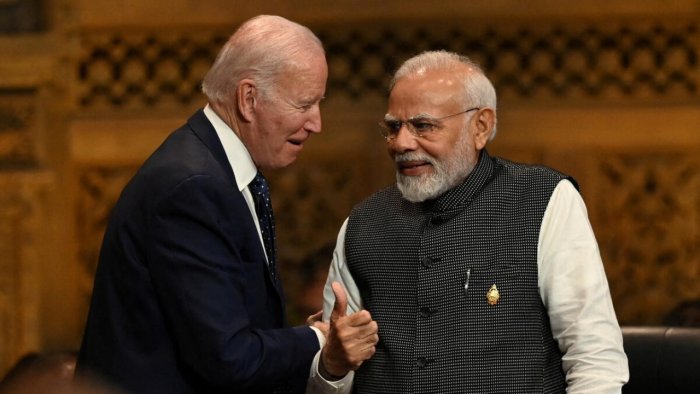
In a significant development preceding Prime Minister Narendra Modi’s upcoming state visit to the United States, a federal court in Washington DC has approved New Delhi’s request for the extradition of Tahawwur Hussain Rana, a Canadian businessman of Pakistani origin. Tahawwur Hussain Rana is wanted in India for his involvement in the 2008 Mumbai terror attacks. The court ruling, issued by United States Magistrate Judge Jacqueline Chooljian of the District Court of the Central District of California, confirms Rana’s extraditable under the existing extradition treaty between India and the US.

Recap of the 2008 Tragedy

The Mumbai terror attacks, which took place on November 26, 2008, shook India as 12 coordinated shooting and bombing assaults were carried out by members of Lashkar-e-Taiba (LeT) in various locations. The attacks spanned four days, resulting in the loss of 166 lives, including six Americans, and leaving over 300 individuals injured. The operation concluded on November 29 when India’s National Security Guards (NSG) conducted Operation Black Tornado eliminating the remaining terrorists. Of the ten attackers, nine were killed, while Ajmal Kasab, the sole captured assailant, was subsequently executed in 2012 after exhausting all legal avenues.

Tahawwur Hussain Rana, who is considered one of the plotters behind the 26/11 attacks, has expressed opposition to his extradition to India. However, the recent court order declared that Tahawwur Hussain Rana’s extradition cannot be certified unless there is a probable cause to believe that he committed the offenses for which extradition is being sought. The order extensively explains the court’s reasoning and states that there is sufficient probable cause to believe Tahawwur Hussain Rana is guilty of the charged offenses and should be extradited to India, as per the extradition treaty between the two countries.

India’s Request

India had initially filed a complaint on June 10, 2020, requesting Tahawwur Hussain Rana’s provisional arrest with the intention of pursuing extradition. The Biden administration has expressed support for and granted approval to Tahawwur Hussain Rana’s extradition to India. When questioned, a spokesperson from the State Department stated that the United States remains committed to combating terrorism globally and highly values its counterterrorism partnership with India. The spokesperson further reiterated the call for those involved in the 2008 Mumbai attacks to be brought to justice.

Throughout the court proceedings, US government attorneys contended that Tahawwur Hussain Rana was aware of his childhood friend David Coleman Headley’s association with LeT and had provided assistance and cover for Headley’s activities, thus supporting the terrorist organization and its affiliates. The government asserted that Tahawwur Hussain Rana was a conspirator and presented probable cause that he had committed acts of terrorism. Conversely, Tahawwur Hussain Rana’s legal representative opposed his extradition.

Jurisdiction and Extradition Treaty

The court ruling establishes that Tahawwur Hussain Rana’s extradition to India falls within the jurisdiction of the extradition treaty. India has issued an arrest warrant and filed charges against Tahawwur Hussain Rana, which the United States is proceeding with. The charges include conspiracy to wage war, murder, forgery for the purpose of cheating, use of forged documents or electronic records, and commission of a terrorist act. The judge concluded that these offenses qualify as extraditable crimes under the treaty and fall within India’s jurisdiction.

Tahawwur Hussain Rana’s Custody and Future Extradition Process

To certify Tahawwur Hussain Rana as extraditable, the court had to establish several factors, including jurisdiction over the proceedings, jurisdiction over the fugitive, the validity of the extradition treaty, the relevance of the crimes to the treaty, and the availability of competent legal evidence supporting Rana’s extraditability. The judge found that sufficient evidence had been presented to establish probable cause that Tahawwur Hussain Rana is the individual charged in India and sought for extradition. Accordingly, the court certified Tahawwur Hussain Rana’s extraditability to the United States Secretary of State.

Consequently, Tahawwur Hussain Rana will remain in the custody of the United States Marshal until a final decision regarding his extradition and surrender to India is made by the Secretary of State. The extradition and subsequent trial in India will be carried out in accordance with Title 18, United States Code, section 3186 and the extradition treaty between India and the United States.