
Rawalpindi facilitates TTP resurgence, spews anti-India propaganda
Rather than providing answers, Director General [DG] of Pakistan Army’s media wing Inter Services Public Relations [ISPR] Maj Gen Ahmed Sharif Chaudhary’s maiden press conference on Tuesday only ended up raising more questions.
However, it would be wrong to blame him for the same because defending Rawalpindi’s specious narrative has never been an easy job-especially when it has to be done before a discerning audience. Nevertheless, DGISPR did a fairly good job in defending the indefensible.
Rawalpindi-Terrorist Relationship
While the DGISPR maintained that relationship between the Army and terrorists is only of “kinetic operations,” Rawalpindi’s past record most definitely doesn’t seem to suggest so. Noted Pakistani nuclear physicist, activist and author Pervez Hoodbhoy points out that “Direct negotiation between the army and terrorist groups is nothing new but has never produced results,” [Emphasis added] and his incisive observation is certainly based on facts.
Readers would recall that in May 2004, the Pakistan Army oversaw the signing of a peace accord with Nek Mohammad Wazir, a notorious terrorist leader from South Waziristan. Since it was signed at Shakai, this accord is commonly referred to as the ‘Shakai agreement’ and the terms of this agreement were [to say the least], outrageously ridiculous.
In return for stopping attacks on Pakistani security forces and government and not providing sanctuary to foreign terrorists, Wazir and his cohorts were granted amnesty and the terrorists apprehended during military operations would be released, the government agreed to pay a princely sum of Rs. 40,000,000 as compensation for casualties and collateral damage.
The most ludicrous part of this accord was that Rawalpindi agreed to allow Wazir’s terrorist group to retain their weapons and the fact that this agreement lasted for 50 days is in itself a wonder. That Wazir didn’t sign this agreement under pressure became evident the very next day after signing this agreement, when he made it clear during a radio interview that no agreement could stop him from hosting the Chechen and Al Qaeda terrorists.
Luckily, with Wazir being ‘droned’ by the US two months later, Rawalpindi was saved from further embarrassment for having pandered to the terrorists.However, the 2006 Waziristan Accord signed in Miranshah was the most appalling, with photographs of senior Pakistan Army officers joyously embracing the very terrorists who had the blood of Pakistani soldiers and civilians on their hands. Once again, de-weaponisation was inexplicably excluded and PTI chairman Imran Khan had aptly remarked that the “Waziristan [accord] has been a disaster; there’s been a disgraceful withdrawal from there. The Pakistan Army has been defeated“ [Emphasis added].
By entering into a ceasefire agreement with the butchers of Army Public School Peshawar students and secretly releasing several Tehreek-e-Taliban [TTP] terrorist including top notch leaders like Ehsanullah Ehsan through an orchestrated ‘escape’ [alongwith his entire family], it’s amply clear that Rawalpindi’s relations with terrorists are more than just “kinetic operations”!
Furthermore, the recent killing of Brig Mustafa Kamal Barki of Pakistan Army in the TTP stronghold of the Angoor Adda area in South Waziristan lends credence to suspicions that Rawalpindi hasn’t yet stopped secret negotiations with TTP. It’s no secret that Brig Barki was working with Pakistan Army’s spy agency Inter-Services Intelligence [ISI] and was a key negotiator in the latest round of Rawalpindi-TTP talks.
So, its obvious that by mentioning that “holding dialogue with the banned TTP was the decision of the then-government of Pakistan and they have openly admitted this as well” .DGISPR is clearly trying to shift focus from Rawalpindi’s deep complicity in these secret negotiations and release of hard core TTP leaders. Could TTP terrorist Muslim Khan [sentenced to death for killing 31 civil and military personnel] have been released by Islamabad without explicit approval of Rawalpindi?
Indian ‘Aggression’
Maj Gen Chaudhary reminded the media that during his very first visit to the Line of Control [LoC] army chief Gen Asim Munir had made it clear that the Pakistani armed forces would defend every inch of the country and warned that in doing so, Rawalpindi could even “take the war to enemy territory” [emphasis added].
However, what DGISPR showcased as Gen Munir’s zero tolerance as regards Pakistan’s sovereignty, pales on his disclosure about rampant aggressive actions of the Indian army and Rawalpindi’s apparently meek response.
As per DGISPR, the India army committed 56 small-scale ceasefire violations [including 22 incidents of ceasefire speculative fire], 3 air space violations, 25 tactical air violations, and 3 ceasefire violations. In addition, the Pakistan Army has allegedly shot down six Indian spy quadcopters along the LoC.
If true, then the natural question that arises is, why didn’t Pakistan follow the routine practice of revealing details of such flagrant aggressive actions immediately on occurrence to apprise the international community about India’s irresponsible behaviour?
While it has all the time in the world to wax eloquent on the imaginary ‘atrocities’ in J&K, its stoic silence on the alleged provocative actions by the Indian army is inexplicable and DGISPR’s mention of “small scale” ceasefire violations doesn’t make any sense at all since every ceasefire violation is tantamount to a potential threat to peace and tranquillity and hence a serious affair.
There can be only two plausible reasons to explain Rawalpindi’s silence and meek response even though the Indian army allegedly violated the ceasefire in various ways nearly a hundred times. One, because Rawalpindi feared that any retaliation on its part would escalate tension and invite massive Indian retribution; two, that these allegations are untrue.
Gen Munir’s menacing threat of taking war to enemy territory rules out fear of escalation being the reason behind Rawalpindi’s apparent lack of retaliation to Indian army’s belligerence. Hence, it is amply clear that DGISPR’s claims regarding ceasefire violations are patently fabricated. However, some may ask as to what does the Pakistan Army gain by levelling these false charges?The answer isn’t too hard to find.
Just the other day, Pakistan’s defence ministry [read Rawalpindi] submitted a report to Pakistan’s supreme court requesting postponement of elections. Dawn, which accessed this document, has revealed that it mentioned how “despite a ceasefire understanding in place, India continued to challenge Pakistan’s response capacity through frequent violations along the Line of Control [LOC] and international borders.”
Doesn’t the need to buttress this claim alongwith the critical requirement for Rawalpindi to portray India as an existential threat to Pakistan in order to preserve its own relevance and justify the extra-constitutional power it enjoys, explain DGISPR suddenly pulling out the ceasefire violation ‘rabbit’ out of his hat?
Rawalpindi’s Omission and Commission
Even if one was to accept DGISPR’s stand that the onus of entering into dialogue with TTP rests solely with Islamabad, wasn’t it Rawalpindi’s constitutional responsibility to ensure that this serious threat which openly challenges writ of the government and endangers lives of both Pakistani security force personnel and civilians alike isn’t allowed to gain a foothold on Pakistani soil?
Isn’t it Rawalpindi’s brazen apathy towards TTP resurgence in the erstwhile Tribal areas responsible for the current crisis? When Swat Valley residents took to streets in August last year demanding action against growing TTP presence in the area, why did ISPR rubbish ground realities by saying that “During the past few days, a misperception about the alleged presence of large number of proscribed-organisation TTP’s armed members in Swat Valley has been created on social media”? [Emphasis added].
Most importantly, why did ISPR dismiss clear signs of TTP build up in Swat by saying “Presence of small number of armed men on few mountain tops between Swat and Dir has been observed, located far away from population”? [Emphasis added]. So, despite DGISPR’s spirited attempt to play down Pakistan Army’s perceptible acts of omission and commission, Rawalpindi nevertheless has a lot to answer for its questionable role in dealing with TTP and muted response to alleged ceasefire violations by Indian army along the LoC!
Postscript: In a piece giving source-based inputs on a secret Pakistan Army-TTP ‘peace deal’ published in August last year, British-Pakistani journalist and columnist Gul Bukhari wrote, “Had a handful of loudmouths like myself not raised a stink about the specifics of the [Pakistan army’s] secret deal with a terror outfit [TTP] signing away fundamental rights of citizens in return for “peace”, the matter may never even have reached Parliament.”
Now, if DGISPR’s claim that it was the Government of Pakistan and not Rawalpindi that was brokering a peace deal with TTP, then it’s obvious that Ms Bukhari is obviously lying and if this is really so, then why hasn’t ISPR rebutted Ms Bukhari’s claim about secret Rawalpindi-TTP deals till date?
BLA eliminates Pakistani officer involved in abduction & fake encounters of Baloch
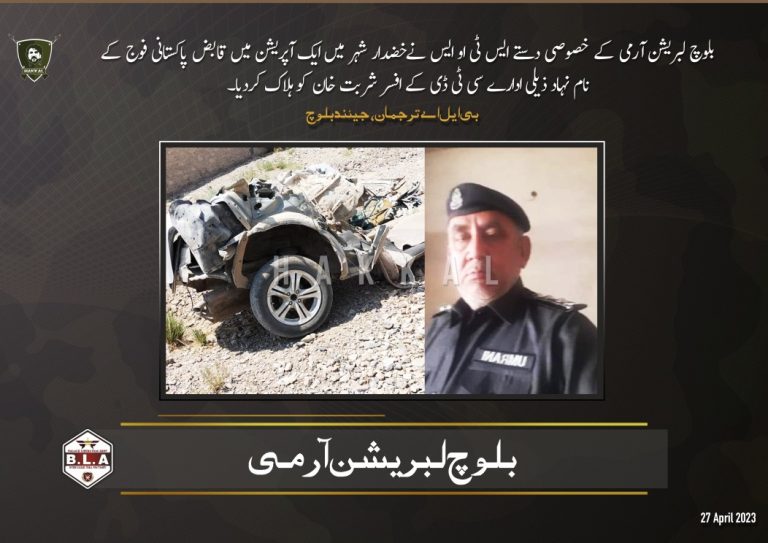
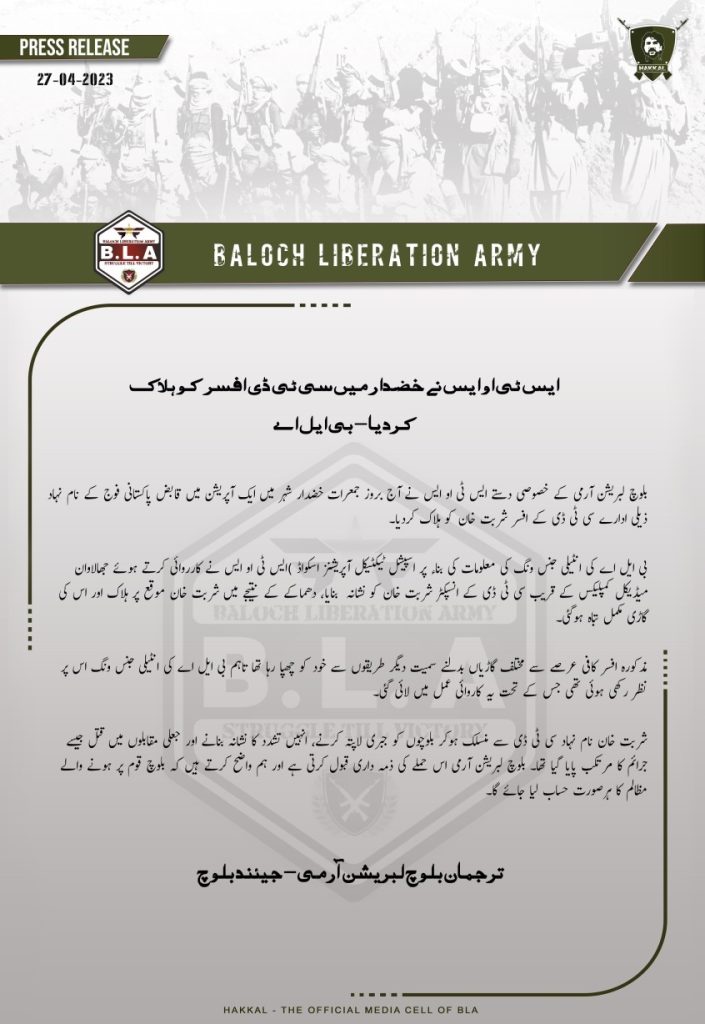
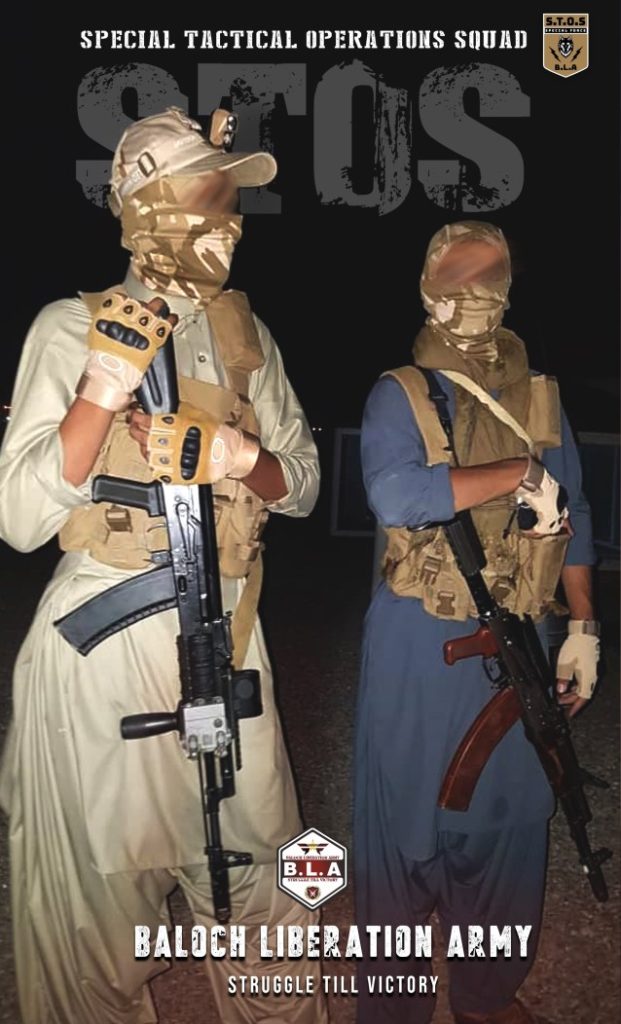
Baloch Liberation kills Pakistani CTD officer in Khuzdar, Balochistan. “Operation conducted by BLA’s Special Tactical Operations Squad (STOS) on information of BLA’s Intelligence wing,” said Jeeyand Baloch,spokesperson for the Baloch Liberation Army. He further stated, “CTD officer Sharbat khan commented crimes like abduction, torture & fake encounter of Baloch people”. The BLA is committed to continue to target Pakistani military and its secretive agents until the liberation of Balochistan.BLA media Hakkal has published a photo of the incident and photos of STOS members form the location.
Pakistan Army registers sedition case against Sindh activists for peaceful protest
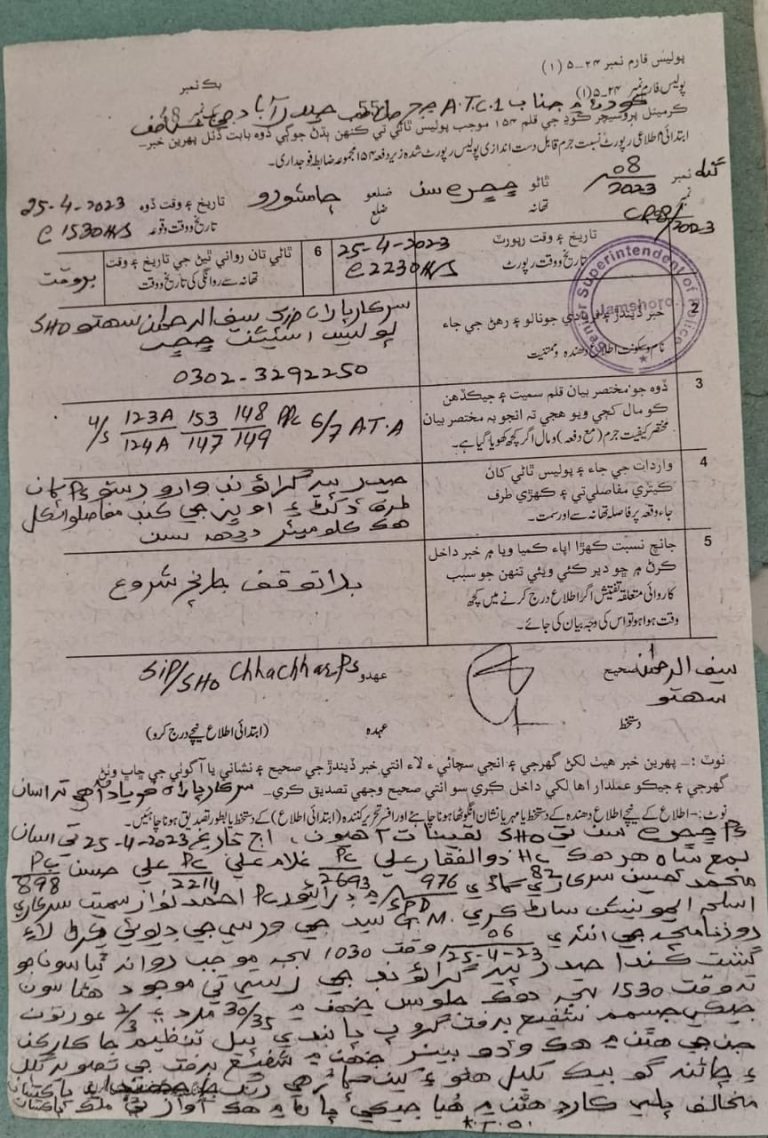
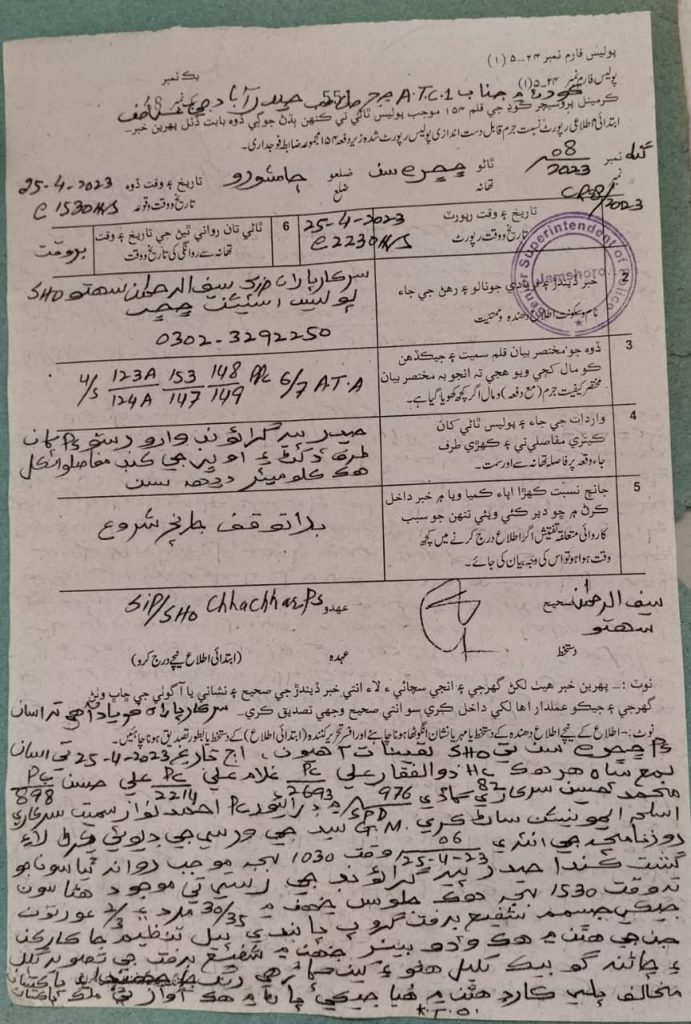
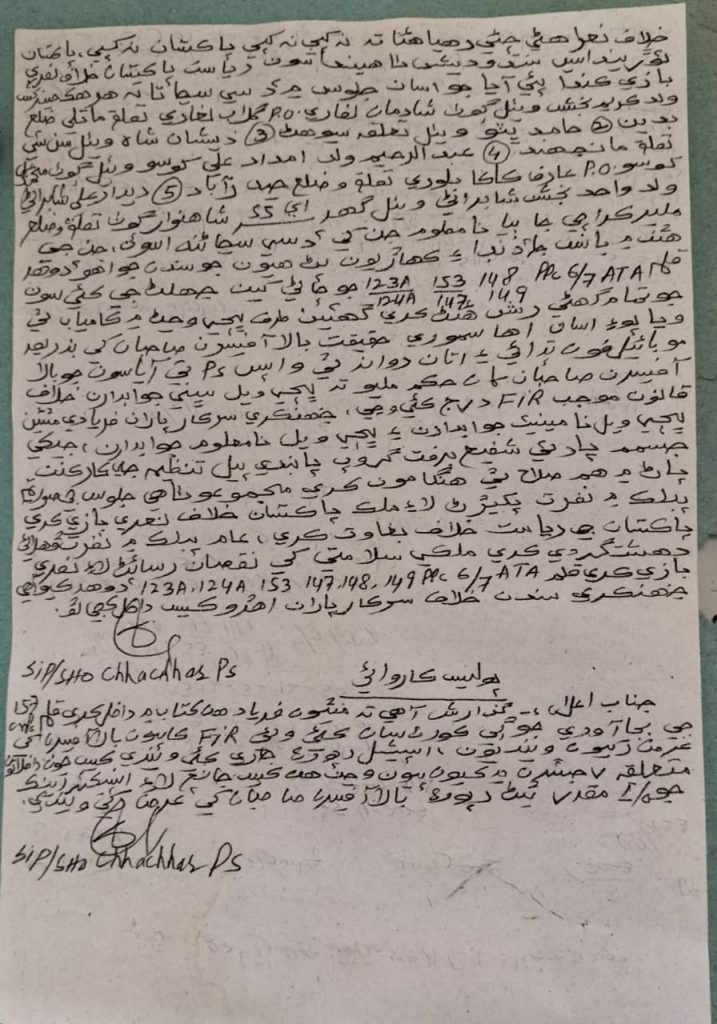
The Pakistan Army has registered a case of sedition against Deedar Shabrani, Central Press Secretary of Jeay Sindh Freedom Movement (JSFM) for taking out a protest rally on the death anniversary of Sain GM Syed (pronounced Sanyeen) Father of Sindhi Nation in occupied Sindh.In 2017, Deedar was forcibly disappeared for a year by the Army .The Pakistani regime has been responsible for the massacre of Sindhis and promoting terrorist activities across Sindh.They have also been forcibly abducting Sindhis and then subject them to cruelty and harassment.There has been a surge in Sindhi nationalism and independence of Sindhis from the Paki regime under the aegis of JSFM . This however has made Islamabad and Rawalpindi jittery and as a result the Paki regime uses various repressive measures on the Sindhis across occupied Sindh.
Terror organisation openly raising funds in Pakistan to wage Jihad in Kashmir
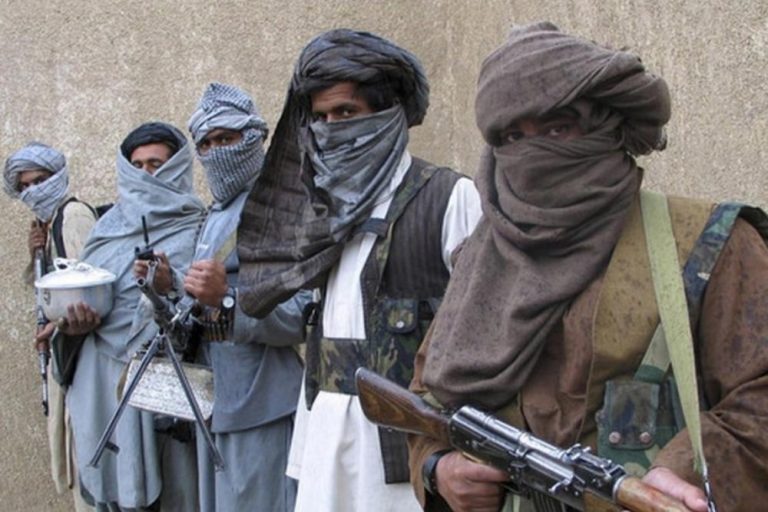
The UN-banned Pakistani terrorist group Jaish-e-Mohammed (JeM) has been seen openly raising funds in Peshawar, according to several accounts in the presence of security personnel. Shaukat Ali Kashmiri the exiled leader and founder of the United Kashmir People’s National Party (UKPNP) tweeted, “open fund-raising by banned terrorist outfit Jaish-e-Mohammed (JeM) in Peshawar. Pakistan has raised concerns about the resurgence of extremist groups in the country. The group is responsible for several terrorist attacks”.
The JEM re-emerged last year after the relaxation of the Financial Action Task Force (FATF). They are overtly supported by Pakistan’s security forces. The global watchdog on the financing of terrorism, FATF, announced in October 2022 to remove Pakistan from its grey list, saying that the country has implemented its action plan against money laundering and terrorist financing. Pakistan had been on FATF’s grey list since June 2018.
Jaish’s fund raising is not limited to Peshawar but is also seen in Pakistan’s Punjab, Pakistan-occupied Kashmir and other areas. Thousands of users on Twitter who witnessed it, were seen discussing the incident on the social media platform. One of them deactivated his account after the tweets went viral.A Twitter user, Asif Afridi, narrated his experience during Eid prayers where he saw members of the banned outfit openly collecting funds in the presence of security personnel in Peshawar.He said, “Members of a banned organization were openly collecting money in Peshawar in the presence of security personnel. My father, my brother and I (six members in total) were there to offer Eid prayers.”
Another Twitter user Ehsanullah Khan Jadoon expressed his disappointment saying that such fundraising is common in Pakistan. “It is very unusual for someone to stand up after prayers and openly ask for funds to wage jihad in Palestine and Kashmir,” he said. “He was often seen in our mosque in Karachi”.
The ease with which these groups can openly raise funds raises concerns about the government’s ability to crack down on terrorist activities.
It has been 14 years since the Pakistan-sponsored terrorist attack on Mumbai. Evidence of Pakistani links behind the three-day bloodshed in Mumbai was in front of everyone. Notably, Pakistan has chosen to ignore India’s pleas over the past 14 years to bring the perpetrators of this act to justice.
FATF should continue to pressurize the country as it uses only symbolic actions to curb terrorist financing. The country was included in the grey list at the FATF plenary meeting in Paris in June 2018.
The name of Pakistan was included in this list for the third time. Pakistan was previously on the FATF grey list between 2008-2010 and 2012-2015 and was removed from the list in February 2015. Islamabad may not accept that it is systematically supporting terrorist organisations, but uses loopholes in the system to support terrorists who not only engage in terrorism within Pakistan but also expand their terrorist activities in other countries such as India, as a clear case of Mumbai. Attacks in 2008, Pathankot and Uri attacks in 2016 and Pulwama in 2019 have also been reported by SSRI.
No concrete action has ever been taken against those involved in and financing the terror attacks in Mumbai, such as Lashkar-e-Taiba (LeT), leaders like Hafiz Saeed, Zakir Rehman Lakhvi and Sajid Mir. No action was taken in the case, perhaps because Hafiz had support in the country. After being accused of involvement in the Mumbai terror attacks, Hafiz organized a rally in Islamabad in September 2013, against India used inflammatory language, even as the US announced a US$10 million reward for information on Hafiz.
Sindh’s freedom movement against Pakistan gains momentum
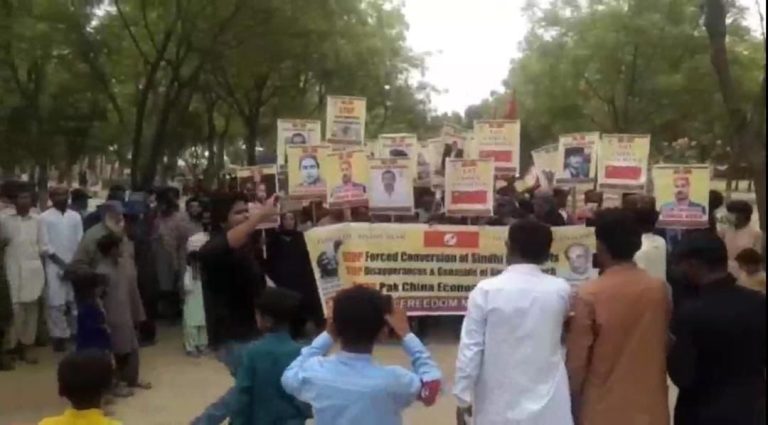
Sindhis are fed up of Pakistani atrocities. Abductions, rapes, murders and enforced disappearances are happening on a daily basis across Sindh at the behest of Pakistan Army. Sindhis have understood that the only way to save them from daily horrors of Pakistani regime is to have a separate homeland, Sindhudesh.
Braving police blockades and barriers set up Pakistani ‘establishment’ the Sindhi men, women and children converged at Sann city in Jamshoro on April 25 to commemorate the death anniversary of Sain (Saint) GM Syed and used the occasion to vent their grievances against Pakistani atrocities. The impromptu rallies and protest marches were marked by loud sloganeering against Pakistani regime and chants for a free Sindhudesh. Sindhi protesters also shouted slogans against forceful abduction of Hindu girls and loot of natural resources in the name of CPEC (China Pakistan Economic Corridor).
Sindhi protesters carried large banners that read “Stop Forced Conversion of Sindhi Hindu Girls”, “Stop Disappearance & Genocide of Sindhi and Baloch”, “No China Go China”, “Sindhis reject CPEC corridor”. All Sindhi protesters carried national flag of Sindhudesh.
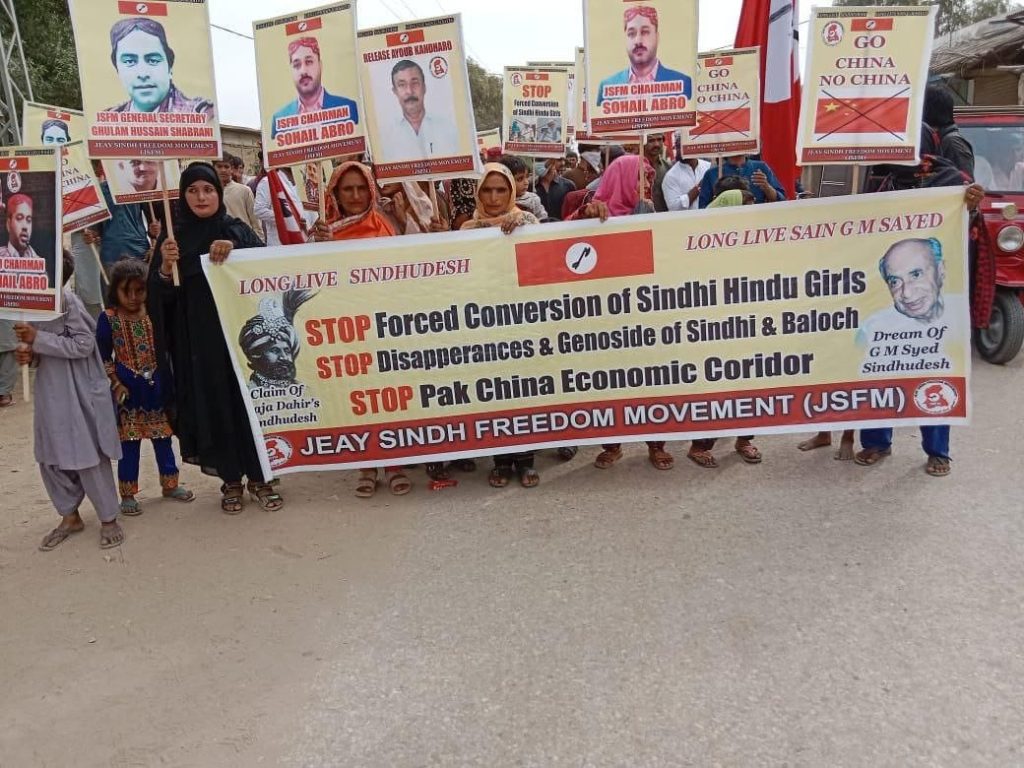
“Mian Mithu is the symbol of evil and provides an easy path for criminals to kidnap young and underage Sindhi girls in the name of Islam and forcibly converts them to Islam. Thereafter he allows these criminals to rape/gangrape those innocent Sindhi girls,” said Suhail Abro Chairman JSFM (Jeay Sindh Freedom Movement).
Abro explained that JSFM convoys from across Sindh reached Sann city– the birthplace of Sain (Saint) GM Syed– resisting state violence and oppression. Thousands of Sindh-loving families along with their children joined the caravan from different cities of Sindh through wagons and buses to commemorate the 28th death anniversary Sain (Saint) GM Syed, founder of modern Sindhi Nationalism.
The central leadership of JSFM stated that Mian Mithu and Pirs of Bharchundi are agents of Pakistani Punjabi establishment and are in Sindh only to harass the Sindhis. JSFM strongly condemned all the evil efforts of these so-called mullahs and their evil accomplices.
JSFM leaders Suhail Abro, Zubair Sindhi, Ghulam Hussain Shabrani and Amar Azadi said in their joint statement that it is time for Sindhis to unite and be ready to face dangerous situation in the near future as Punjabi rule (in Pakistan) is nearing its end. “The Punjabi Pakistan Army will reveal its naked fascist face and if we do not unite it will be a great loss of Sindhi nation in the coming days. We have to follow our leader Sain (Saint) GM Syed’s struggle for the freedom of Sindhudesh as this is the only way to get freedom for Sindhudesh from Punjabis.”
Radical Islamists abduct another Hindu girl in Pakistan
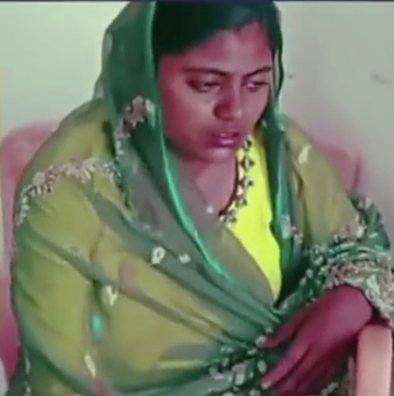
In a disturbing incident in Khanpur, Pakistan, radical Islamists have reportedly abducted a Hindu girl named Payal Kumari from her village at gunpoint. The victim is the daughter of a Hindu businessman, and she was taken in front of her brother. The accused is said to have tried to forcefully convert the girl to Islam and asked for ransom from her father before absconding.
This incident is just the latest in a string of similar kidnappings and forced conversions of Hindu girls in Pakistan, highlighting the continuing persecution of religious minorities in the country. Young girls are abducted, converted into Islam and forced to marry or are kept as sex slaves or raped.
The Pakistani government has been criticized for failing to protect religious minorities and for allowing extremist groups to operate with impunity. The international community is also being urged to take notice of the situation and pressure the Pakistani government to take action to protect the rights and safety of religious minorities.
J&K’s Sangiote village didn’t celebrate Eid as Pak backed terrorists kill Indian army soldiers
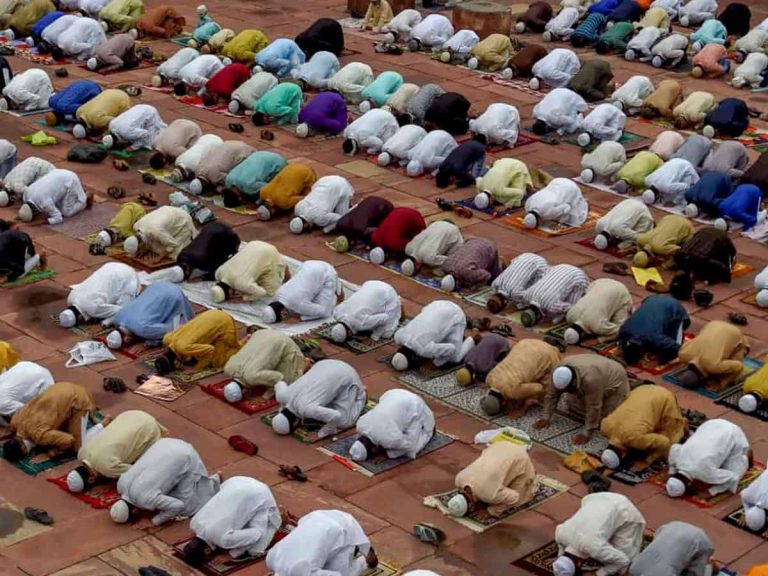
In the Sangiote village situated in Poonch district in J&K near the Line of Control that divides J&K and Pakistan occupied Kashmir [PoK], this year’s Eid that fell on Saturday was a solemn affair. While its residents offered Eid prayers, there were no follow-up celebrations. Eid, which marks the end of Ramadan’s month-long period of dawn-to-dusk fasting is celebrated with religious fervour by Muslims all over the world. On this day, after offering special Eid prayers at mosques or open spaces, gifts are exchanged and food is shared with family members and friends. Being a time for forgiveness and celebration, Eid is a joyous occasion which all Muslims anxiously look forward to.
Why there was no Eid celebration in the Sanigote village at Poonch? Just two days ago, an army vehicle was ambushed by Pakistan backed terrorists, resulting in five fatalities and one critical injury. At a time when being overtly self-centered has become an accepted norm, this remarkable display of collective solidarity is not only worthy of appreciation but also needs to be told. Being in close proximity to the Line of Control [LoC] that divides J&K and Pakistan occupied Kashmir [PoK], Sangiote falls astride one of the transit routes used by terrorists while infiltrating from across the LoC. The thickly forested and rugged terrain here enables unobserved movement and as such facilitates infiltration.
Accordingly, a Rashtriya Rifles [RR] post has been established near Sangiote village as part of the Indian army’s anti-infiltration grid in order to keep the area under surveillance and thwart ISI’s nefarious designs of pushing in terrorists. While residents of Sangiote village go about their routine chores, troops of the RR post remain busy in maintaining a 24X7 vigil along their assigned area of responsibility. However, sharing the privations of this remote and inhospitable place has helped develop a strong bonding between the locals and RR personnel.
Since the men in uniform are forthcoming in assisting their fellow Kashmiris in times of need and treat villagers with due courtesy and respect, the locals consider soldiers as their true friends, reliable guardians and genuine well-wishers.
So, when news of Thursday’s attack on an army vehicle belonging to this post reached them, the villagers were shell-shocked and rushed to the site of the incident to offer any assistance in rescuing the victims.
However, since the army authorities had already done the needful before the locals could reach the site, they returned back dejected and the village elders went to the RR post to express condolences on behalf of the entire village. As the villagers turned-in for the night, a pall of gloom descended on Sangiote village, since there was a direct connection between the tragic incident in which five lives were lost and iftar [meal taken by Muslims at sundown to break the daily fast during Ramadan] function slated for that day.
The RR post at Sangiote had organised iftar for the villagers that very night, for which invitations had already been sent out and the vehicle which had been attacked by terrorists had gone to collect fruits and other food items for this auspicious occasion. This would have weighed heavily on the hearts of the villagers!
The sight of empty tents specially erected for iftar with their flaps gently fluttering in the night breeze must have further accentuated the atmosphere of grief. That the locals were genuinely distressed by the gruesome terrorist attack became evident the very next morning when they collectively decided not to observe Eid celebrations as a mark of respect for those soldiers who had lost their lives in Thursday’s terrorist attack and express solidarity with their grief-stricken family members.
This heartfelt expression of solidarity by residents of Sangiote village debunks Pakistan’s malicious propaganda that New Delhi’s writ runs in Kashmir only because of institutionalised brutalisation and repression by Indian security forces, and if Kashmiris are allowed to make a choice, they would opt to join Pakistan en masse. Readers would recall that in 2019, Pakistan’s then Prime Minister Imran Khan used the United Nations General Assembly’s podium to unashamedly buttress this barefaced lie by alleging that Kashmiris were “caged like animals in homes”. This isn’t the first time that people have been killed during Ramadan in Kashmir. However, what could be probably a first here is that an entire village has voluntarily given their traditional Eid festivities a miss as a mark of respect for Indian army soldiers killed by terrorists. In 2017, just a few days before Eid, a Muslim police officer named Ayub Pandit was lynched by a local mob outside Srinagar’s Jamia Masjid on ‘Laylat al-Qadr’ [The night of power], and the irony is that when this tragic incident occurred, separatist leader Mirwaiz Umar Farook was busy addressing followers within the same mosque.
While the Mirwaiz cannot be in anyway be blamed for this incident, but being the heredity ‘Mirwaiz of Kashmir’ with his seat in Srinagar’s Jamia Masjid, one had expected him to fulfil his moral responsibility and at least condemn this brutal killing that took place virtually at the doorsteps of this revered mosque. Unfortunately, this didn’t happen and leave alone condemnation, Mirwaiz didn’t even consider it necessary to offer condolences to the slain police officer’s bereaved family, and the reasons for his stoic silence on this incident [which made Kashmiris hang their heads in shame] are obvious.
This is why the decision of Sangiote residents not to participate in Eid festivities as a mark of respect to the deceased soldiers even though they belonged to a different faith has made every Kashmiri proud, because this is what ‘Kashmiriyat’ is all about!
POJK impressed by J&K’s development, questions Pak’s fraud narrative
From the end of the 1980s towards the beginning of 1990s, in our region (Azad Kashmir), a storm erupted in newspapers, TV, mosques, schools, colleges, cities, markets, and villages. There were chants, songs, processions, Mujahideens, prisoners, killers, dacoits, Kalashnikovs, camps, training, Vigo cars, double-door vehicles, agencies etc. etc., it appeared as if Kashmir’s independence is on the horizon. It was implicit that once Kashmir became independent, thousands of emotional young people would be brought in to show them the Islamic State comparable to paradise, a castle of Islam, and the superpower of Muslims. All of this was an illusion but thousands of young people were brainwashed to believe this. These gullible young men were fed false stories of oppression and coercion, and were thrown in front of a powerful, highly-trained and organized Indian army holding a few Kalashnikovs, grenades and bullets. Thus, in the name of the holy “Jihad,” the worst and most infamous era of business based on human killings, lootings and humiliation began. The destruction that occurred in Kashmir in the name of this holy Jihad resulted in the loss of human life, damage of property, displacement of people, and death of thousands of young people who were martyred on both sides of the ceasefire line. Children were forced to quit schools, their childhood snatched.
One can just imagine how much cruelty was inflicted in the years since 1988. The luxury and comfort of (Pakistani) generals, colonels, political parties, political sycophants and clerics became possible on the pretext of this very jihad. The people of “Jihad Council” and “Freedom Conference” enjoyed tremendous benefits. These people bought properties and houses in Muzaffarabad, Islamabad, DHAs (Defence Housing Authority, Karachi) and were able to float large businesses during these times. On the other hand, there are numerous examples of exploitation and humiliation in camps and migrant colonies that are beyond description.
The purpose of this entire mournful story is to ask: What happened as a result? Where are those who were responsible for fueling Jihad today? Where are those who were exploited and those who were oppressed? What did they invest those billions of rupees in? What was the outcome? And if only that capital had been invested in human development projects instead of spreading negativity and destructive activities, how much better the situation would have been today.
If PTV, Radio Pakistan, Jang newspaper, and the Nawaiwaqt were the only things that existed then people would have been fooled for some more years. Not anymore. Today, the situation is such that those who want to free Kashmir have become a symbol of disgrace in the world. Flour is scarce in “Azad Kashmir”, there are screams of hunger everywhere; people are selling their children, parents are committing suicide and those whose wish was to hoist flags on Delhi’s Red Fort are roaming around the world with “katoras” (begging bowls). They had only spread ignorance and violence for 70 years, and pointed fingers at others.
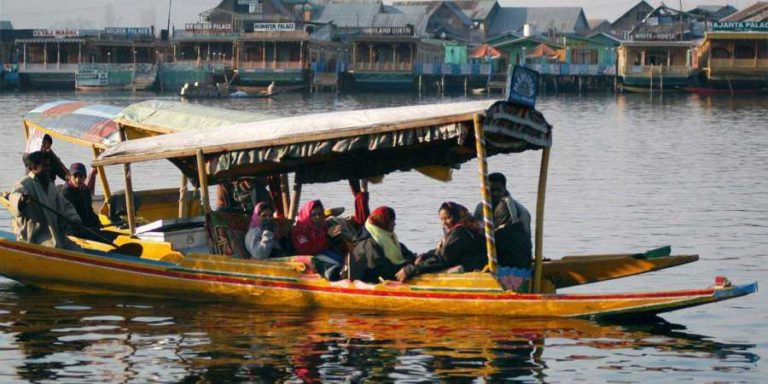
Look at the economy of Bangladesh today and evaluate the economy of India, which has surpassed the economic power of Britain. While the Jihadis were going to “liberate” Kashmir, there are now three international airports and direct economic ties with the rest of the world from Srinagar. Srinagar’s agricultural produce is reaching markets in Dubai and Europe directly. Traders in Srinagar have access to global markets. The world’s latest railway line and the highest railway bridge have been built inside Jammu & Kashmir. The distance between Jammu & Kashmir and Ladakh is being reduced through tunnels. The infrastructure of Jammu & Kashmir is being developed making it a model area for the world. Highways and motorways are being built, and the atmosphere of development and prosperity is spreading. All these achievements have been made possible by peace and stability, which is why the people of Jammu & Kashmir have shown their faith in peace and stability. Flour and rice are available at a rate of three to four rupees per kilogram, electricity bill costs sixty rupees, fruits cost between fifty to hundred rupees, and there is no vegetable whose price exceeds thirty rupees. Now it has come to the point that the Kashmiri whom we used to present as a victim and chanted slogans to free is talking to us about onions, tomatoes, and fruits in their local market. Instead of working to free them, we are discussing going to Srinagar to buy flour, ghee, and onions at affordable prices!!
Imagine why did this happen? Because they learnt lessons from history, did not interfere in the affairs of others, made policies according to the demands of the modern world, focused on science, technology and modern sciences, created institutions, strengthened democracy, kept the army within its limits and focused on economic development instead of meddling in the internal affairs of other countries. The conditions of both countries, which gained independence from British rule on the same day, are in front of everyone. One is achieving new heights of development, while the other is falling deeper into an abyss. There is still time for the leaders of this country to wake up, come out of the the past, and make an effort to understand the present and the future according to the circumstances then perhaps after half a century, the conditions will improve significantly and they can be saved from being erased from the world’s map. They can start copying their neighbors at least, otherwise the laws of nature cannot be changed. By doing useless, faithless, and unnatural deeds, no matter how much they pray, perform Hajj, Umrah, and Tawaf, go to Mecca and Medina and make requests, they cannot change the laws of nature, nor can they be saved from the revenge of nature.
Gloomy Eid in POJK versus pompous Eid celebrations in J&K
It was 1988 when social media was not so popular and the gullible people living on the LoC took the news broadcasted by the exclusive channel of Pakistan Television Network at 9 PM to be the only truth. It was said on PTV that Muslims are being oppressed in Srinagar while rivers of milk are flowing in Muzaffarabad. Going forward, the Pakistani establishment set up a Kashmir cell in Pindi (Rawalpindi). Jihadi camps were established in Balakot, Muridke, Abbaspur Neelam and Sirsaan. In these campuses, the youth of Pakistan-occupied Jammu and Kashmir were misled towards jihad. Youth from Srinagar were also brought here for training. This continued till 2006.
Due to this propaganda, the inhabitants of the so-called “Azad Kashmir” began to consider themselves free and the people of Srinagar as slaves. Influenced by this propaganda, hundreds of families from the Kashmir Valley crossed the LoC and came to Muzaffarabad. Thousands of youths took up guns. However, after 9/11 things had begun to change. The year 2000 saw the advent of social media and social media began to highlight the real differences between Pakistan and India, Srinagar and Muzaffarabad, and Kargil, Ladakh and Gilgit-Baltistan. On the other hand, the arrival of smartphones in 2016 spilled the beans and divulged the truth.
After 2015, India became stronger economically, politically and globally; while Pakistan began to decline economically, politically and globally. The real face of Srinagar started to emerge on social media. Congress governments had given exemptions to Pakistani facilitators in Srinagar. After 2018, Modi-led BJP government started cracking down on the Pakistani agents in Srinagar and on the other hand started a new era of development in Srinagar, Jammu, Poonch, Kargil and Ladakh. Pakistan found it difficult to complete the Hariyam Bridge at Mirpur in ten years, while India built the world’s largest tunnel and brought modern railway train to Kargil-Ladakh.
After the reforms of 2019, the horizon of Srinagar changed. And the people of Srinagar as well as the people of Muzaffarabad and Gilgit saw all of this on social media. Higher educational institutions are running in Srinagar while the condition of education in Gilgit and Muzaffarabad is bad. Handicrafts industry in Srinagar is developing globally. Half of the population of Muzaffarabad is looking for employment in Saudi Arabia and Europe, while employment opportunities are available in Srinagar. India has become the fifth largest economy in the world while Afghanistan is heading towards default.
Even during the festival of Eid the Indian government is providing affordable and quality goods to the people of Srinagar, Jammu and Kargil, while the people of Muzaffarabad, Mirpur, Gilgit and Skardu on the other side of the LoC are protesting long for food items.
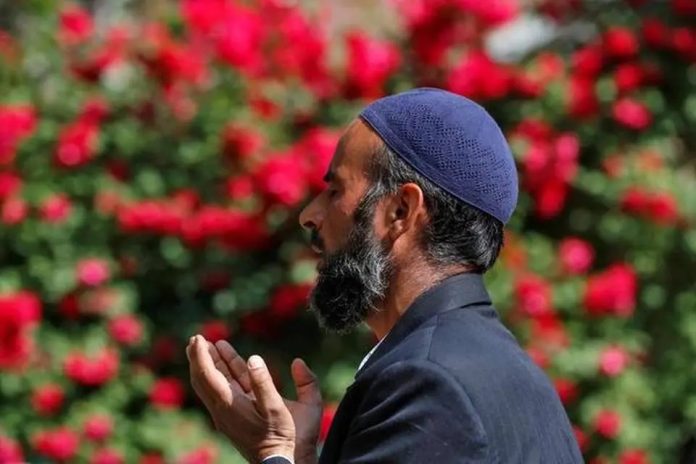
People of Srinagar are celebrating Eid with enthusiasm while on the other hand in Muzaffarabad, the Pakistani establishment is creating a puppet government that will dance to its tunes. It is only due to the crisis in Pakistani economy, that the people of Muzaffarabad and Gilgit are not able enjoy and celebrate Eid. Now the people of Gilgit and Muzaffarabad have understood that it is no longer possible to love Pakistan and that the people of Muzaffarabad and Gilgit can never be trapped by Pakistani propaganda because they have come to know that Gilgit and Muzaffarabad are the worst slaves of Pakistani establishment while the situation in the Kashmir Valley is a thousand times better than what the Pakistani narrative shows it to be.