Home Blog Page 29

Pakistan: Radical Islamists rape six year old Christian girl

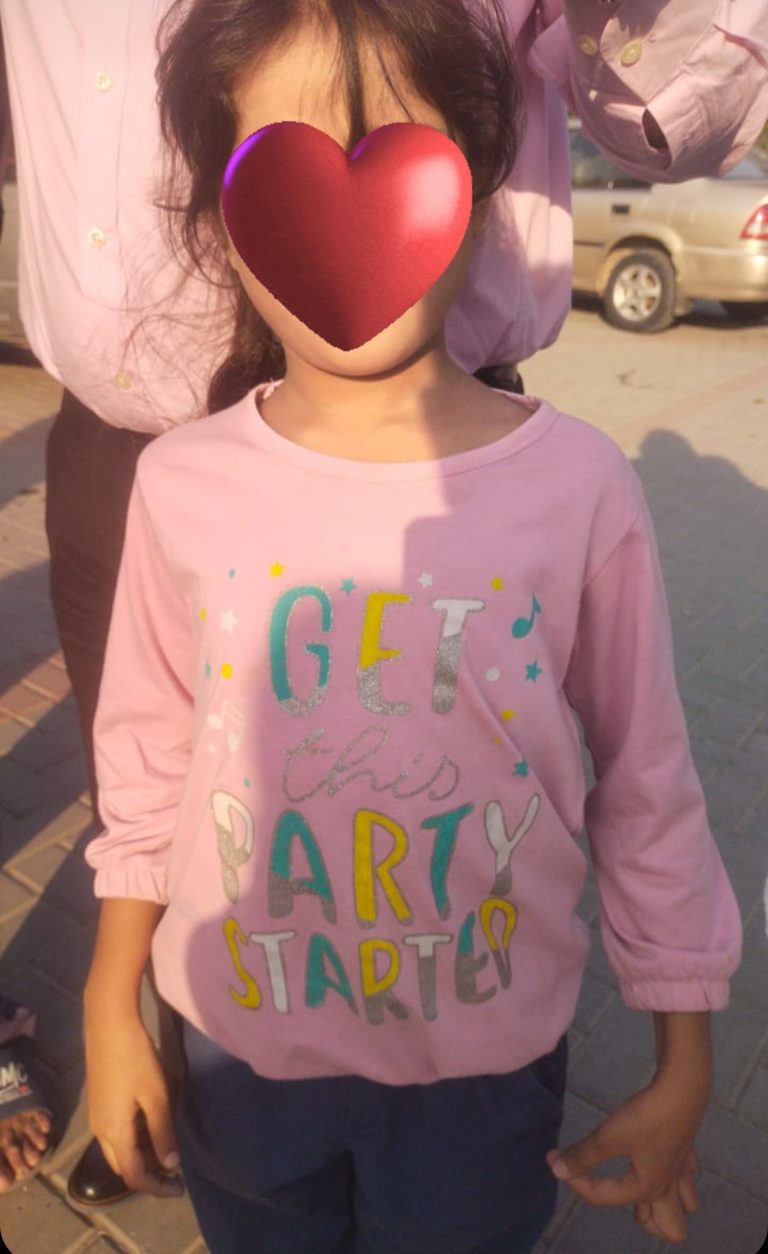
In a bone-chilling incident, a six-year-old-Christian girl named Minahil, a student at the Hassan School System and Pre-Cadet Studies, has reported being raped by a radical Islamists school cleaner named Hassan. The child returned home at midday and recounted to her mother the harrowing experience of being led behind some plants near the school by her rapist.

This incident is part of a distressing trend in Pakistan, where Christian and Hindu girls are increasingly abducted, raped, forcefully converted, and married off to their captors. Such acts form part of a broader pattern of violence and exploitation aimed at religious minorities. Even minor girls are vulnerable to forced religious conversion, abduction, trafficking, early and forced marriage, domestic servitude, and sexual violence.

The ability of islamists like the cleaner to act with such impunity reflects an environment fostered by the Paki establishment, which has given free hand to these monsters to exploit minority vulnerable communities. The systemic failures of law enforcement and judiciary empower these perpetrators, allowing them to exploit legal loopholes and vague religious laws to retain victims against their will. This legal framework effectively sanctions the very crimes committed against these minority girls.

Paki regime’s official stabs local Pashtun in Upper Waziristan

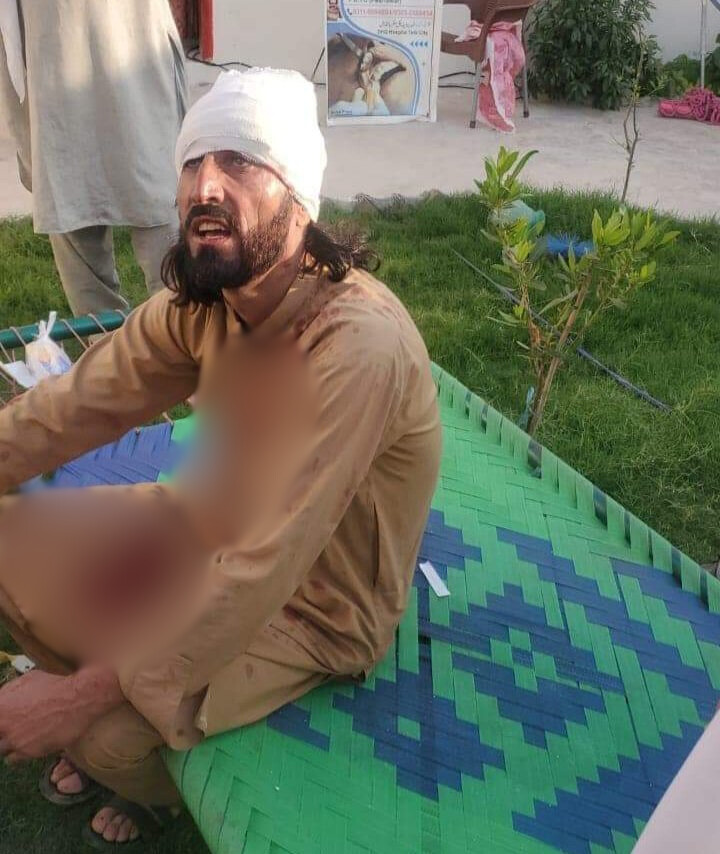
In a shocking incident in Upper Waziristan, notorious Station House Officer (SHO) Ashiq Ilahi has reportedly stabbed a local resident in the Chaghmalai area, leaving him critically injured. Ilahi, known for his connections to Punjabi Pak Army-backed institutions, has long operated outside the bounds of accountability, raising serious concerns about the safety of the Pashtun community.

The attack, which is a calculated act of vengeance, reflects a broader pattern of brutality faced by the Pashtuns at the hands of the rogue elements backed by Pak Army. Despite the gravity of the situation, authorities have yet to register a First Information Report (FIR) against Ilahi, allowing him to evade justice.

The victim’s condition remains critical, highlighting the urgent need for intervention and accountability. The incident has sparked outrage among local residents, as emblematic of how the Paki establishment grants immunity to its agents, particularly against the marginalized Pashtun population. The consistent failure of the authorities to act against such thuggish behavior only reinforces the narrative that Pashtuns are being “thrown to the wolves” in a system that prioritizes violence over Pashtuns safety.

This latest act of violence serves as a grim reminder of the precarious situation in Upper Waziristan, where police brutality and unchecked power create an environment where the rights of ordinary citizens are routinely trampled.

POJK: Pak Army storms into schools with arms and authority

In a disturbing escalation of military interference, the Pakistan Army has begun entering schools in Rawalakot, Pakistan-occupied Jammu and Kashmir (POJK), armed and attempting to project an aura of authority. This move may be a desperate attempt by the military to regain the respect it has lost among locals, who have grown increasingly critical of the Army’s presence and actions in the region.

Just days prior, Rawalakot residents detained a Pak soldier because of the tragic incident when a Pak Army truck struck and killed a two-and-a-half-year-old girl from Jammu and Kashmir in Rawalakot’s Jump area. This tragedy triggered intense protests, during which furious locals even handcuffed soldiers as a mark of defiance and protest against the military’s unaccountable behavior in civilian areas.

The situation is similarly concerning at the University of Poonch in Rawalakot, where reports have emerged that female students have been left under the supervision of military personnel. This has sparked widespread anger and unease, with residents and students voicing concerns over surveillance, harassment and political indoctrination within educational spaces that are supposed to foster intellectual freedom and safety.

The visible presence of armed soldiers in schools and universities represents an alarming shift, compromising students’ rights, their sense of safety and the fundamental purpose of these institutions. This militarization of learning spaces is not only a violation of the students’ right to a safe and unbiased education but also a calculated attempt to suppress any potential voice.

Pashtun activists walk free from Haripur jail after month-long detention

Pashtun revolutionary singer Shaukat Aziz, along with activists Chhera Maseed and Nasir Khan, has been released from Haripur jail after spending a month behind bars. The trio was arrested by police in Dera Ismail Khan during the Pashtun Qaumi Adalat Jirga campaign, which sought to address the grievances of the Pashtun community.

Their release highlights a moment of relief for these prominent voices in the Pashtun Tahafuz Movement (PTM), yet it comes amid a broader crackdown on Pashtun activists. Notably, PTM leader Ali Wazir and hundreds of other members remain incarcerated under the controversial 3MPO (Maintenance of Public Order) Act, which has been used for stifling dissent and curbing legitimate political activism.

The ongoing Punjabi Pak Army repression against Pashtun rights activists underscores a troubling pattern of force and excesses. The Pak Army’s heavy-handed approach not only reveals its unwillingness to engage with the legitimate demands of the Pashtun people but also serves to galvanize their resolve. As more Pashtuns become weary of systemic oppression, they are increasingly poised to claim their rights through steadfast struggle.

Pulwama: Security forces arrest Hizbul Mujahideen aide with arms & ammunition

Security forces in Jammu and Kashmir’s Pulwama district have arrested an associate of the banned terrorist organization Hizbul Mujahideen, seizing a cache of arms and ammunition in the process. Identified as Sajad Ahmed Dar, the suspect is a resident of Pulwama’s Tahab area, officials reported on Sunday.

Dar’s arrest followed an operation led by a joint team of the local police, the Indian Army, and the Central Reserve Police Force (CRPF), who detained him on November 2 in Dangerpora, Pulwama. The arrest is part of an ongoing investigation under the Explosives Act and the Unlawful Activities (Prevention) Act.

According to a police spokesperson, Dar disclosed the location of hidden weaponry inside his shop during questioning. A raid on the identified site yielded a pistol, a magazine with 12 rounds and two live grenades, all concealed within the premises.

Earlier in the week, authorities arrested another Hizbul Mujahideen associate, Danish Bashir Ahangar, in connection with the same investigation. His information reportedly led to additional arrests and seizures, highlighting a network of individuals providing logistical support to terror groups. It is concerning that such terror associates, who, for financial gain, are aiding terrorist groups and putting lives and regional peace at risk.

BLA attacks Pak Army mineral looting vehicles in Chamalang and Kalat

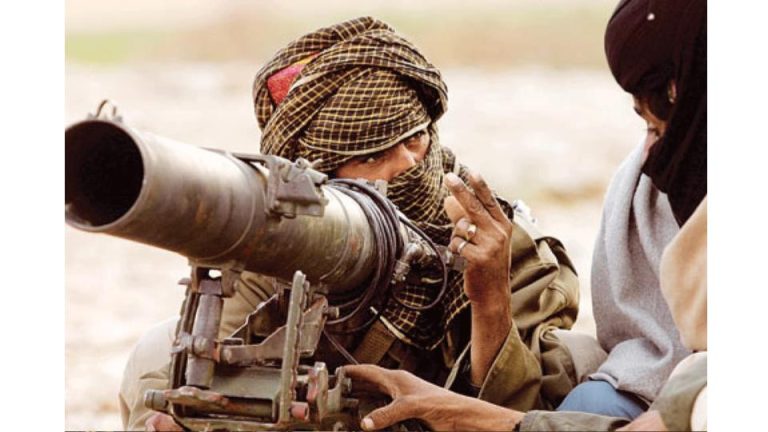
In a series of powerful attacks, Baloch Liberation Army (BLA) fighters targeted the Pak Army and vehicles involved in exploiting POB’s mineral resources in the regions of Chamalang and Kalat. Jeeyand Baloch, a spokesperson for the BLA, confirmed the attacks, stating that they represent Balochistan’s stand against both military repression and resource plundering by Pakistan.

The first attack took place last night near Triple Mor in Chamalang, where BLA fighters launched a remote-controlled IED attack on a Pak military vehicle. The explosion reportedly killed one Pak soldier and left at least three others wounded, while the vehicle was significantly damaged. This assault reflects a direct challenge to Pakistan’s heavy-handed military presence in POB, which has long operated with an iron fist to crush anyone while simultaneously overseeing the looting of the province’s resources.

The spokesperson added that earlier that same day, BLA fighters had intercepted and destroyed three mineral-transporting vehicles at the same location in Chamalang. These vehicles, reportedly involved in extracting Balochistan’s natural wealth, were set ablaze as a message against the exploitation and theft of Baloch resources by external forces backed by the Paki establishment.

BLA hits Pak Forces

The attacks continued as BLA fighters ambushed another mineral transport vehicle in Kalat’s Mehlabi area, launching an armed attack before setting the vehicle on fire. This strike marks another stand against the ongoing exploitation of POB’s vast mineral reserves, which have historically served to enrich Paki establishment’s coffers while the Baloch people remain marginalized, impoverished, and under constant threat from the military.

The BLA’s spokesperson stated that the group takes full responsibility for all three attacks, emphasizing that these actions are a message to the Paki establishment that its occupation of POB, paired with the systemic plundering of Baloch resources, will not go unchallenged. For decades, Pakistan has deployed its military to maintain a colonial-style grip over POB, disregarding the basic rights and well-being of the Baloch people. Instead of uplifting the province, Pakistan has systematically drained its resources, all while inflicting widespread repression and violence on its citizens.

Pak Army abducts Baloch man, family protests with CPEC road blockade

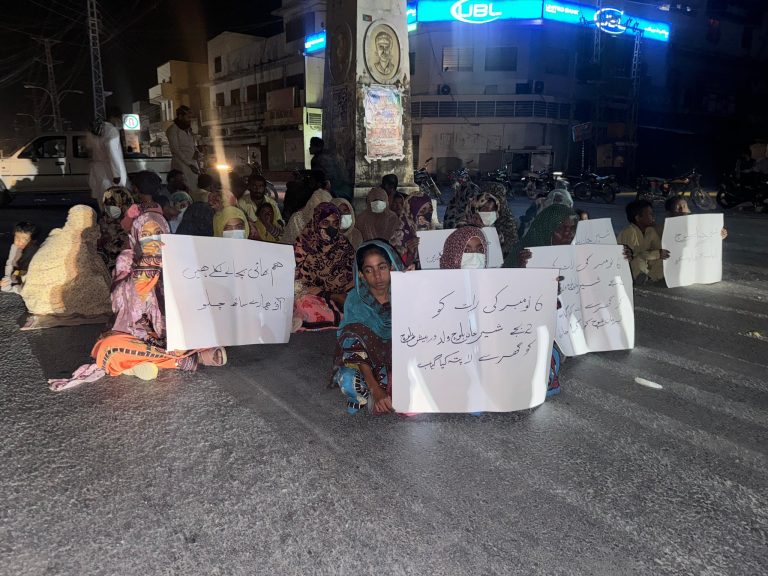
In yet another grim reminder of Pakistan’s brutal tactics, Pakistan Army conducted a midnight raid in the Kech district, detaining a young man, Sohrab Rahi, who has since gone missing. The incident unfolded in the Shahrak area, where security forces stormed Sohrab’s home in the dead of night, violently assaulting family members before taking him into custody. Since then, his whereabouts remain unknown, a haunting pattern in the long-standing issue of enforced disappearances faced by the Baloch people.

The operation was carried out around 2 a.m. when heavily armed personnel surrounded the area, isolating Sohrab’s family and brutally assaulting his father and other household members, leaving them traumatized. The forces unrelenting, ignored the family’s pleas and dragged Sohrab away without providing any reason or charge. This act underscores the merciless approach Pak authorities continue to use in POB, treating the region as a colony under occupation rather than a legitimate part of their nation.

In a show of resistance, Sohrab’s family and community members took to the streets, blocking the CPEC road at Shahrak. Women from the area, leading the protest, also blocked the strategic Turbat-Quetta highway, bringing traffic to a halt. The protestors’ said they would not stay silent as their loved ones continue to vanish at the hands of the Paki establishment.

For decades, the Pakistan Army and intelligence agencies have treated POB as a playground for their oppressive tactics, with thousands of Baloch citizens abducted, detained, or killed in extrajudicial actions aimed at crushing any dissenting voice. The infamous “kill and dump” strategy has led to countless bodies of Baloch youth turning up with signs of torture, a clear sign of the regime’s efforts to silence Baloch community.

Pak Army bombs girls’ school in Khyber-Pakhtunkhwa

In yet another appalling act, Yarafazal Kali Girls School in the Khyber Jamrud Ghandi district of Khyber Pakhtunkhwa was bombed, plunging an already struggling region further into despair. This attack on a girls’ school underscores the Paki establishment’s disdain for the region and its people.

Khyber Pakhtunkhwa, one of Pakistan’s most underdeveloped regions, faces staggering levels of poverty and limited access to education, with child labor rife as many children are forced to work to support their families. Opportunities for education, especially for girls, are already scarce—yet the Pak authority is committed to driving the Pashtun population even further into hardship. In this environment, the destruction of a school represents a deliberate attempt to sabotage even the faintest hope for a better future for Pashtun children.

The bombing of a school in a region already crippled by poverty and exploitation is a shameful act that reflects the occupied-state’s contempt toward its non-Punjabi citizens. While the children in Punjab receive quality education and enjoy the privileges of funding, Pashtun children are left with few opportunities and are denied even the basics of schooling. The establishment’s actions reveal its view of Pashtuns, not as citizens with equal rights, but as a tool to extract international aid by labeling them as “terrorists.”

The occupied-state’s discriminatory policies and brutal tactics against ethnic communities make it painfully clear that Pakistan functions as a nation for its Punjabi Army elite, with no concern for those outside this circle. Pashtuns, Baloch, and Sindhis—the true sons of the soil—are left to bear the brunt of these divisive policies, living as second-class citizens in their own land.

Violent clash between Hindus and Khalistan supporters in Canada

Violent clashes broke out in Brampton, a suburb of Toronto, on Sunday during a visit by Indian consular officials to a Hindu temple. Demonstrators, including supporters of the banned Khalistani group Sikhs for Justice (SFJ), attacked the Hindu Sabha Mandir grounds, clashing with those waving India’s national flag. Footage from the scene shows the demonstrators engaged in fistfights, using poles, and attacking temple visitors, reportedly including women and children.

The Indian High Commission in Ottawa expressed frustration at the incident, calling it “deeply disappointing that such disruptions were allowed to interfere with routine consular work.” Indian-Canadian MP Chandra Arya went further, condemning the violence as a blatant display of Khalistani extremism. “A red line has been crossed by Canadian Khalistani extremists today,” he said, adding that the attack exposed the unchecked extremism threatening Hindu-Canadian devotees.

Prime Minister Justin Trudeau, in a statement on X, denounced the violence as “unacceptable” but offered little in terms of a concrete response, reiterating only that “every Canadian has the right to practice their faith freely and safely.” Conservative Leader Pierre Poilievre also condemned the violence, vowing to “end the chaos,” while Ontario Premier Doug Ford labeled the incident “completely unacceptable.” Peel Regional Police Chief Nishan Duraiappah urged restraint, affirming that while peaceful protest is respected, violence will not be tolerated.

Brampton Temple Attack

Despite these public statements, the Trudeau government has shown leniency towards Khalistani groups, which openly promote violence against India. The escalating extremism comes amid strained relations between India and Canada, with Ottawa repeatedly downplaying India’s calls for strict action against Khalistani activists. Instead, Trudeau’s administration has chosen to deflect responsibility, accusing India of interfering with Khalistani sympathizers in Canada and labeling these extremists as merely “advocates for Sikh rights”.

Sunday’s attack at the Hindu Sabha Mandir starkly illustrates the Trudeau government’s failure to address this growing extremism, allowing radical elements to operate with impunity. The Hindu Canadian Foundation, a community organization, reported that children and worshippers were among those assaulted, stressing the immediate need for decisive action against pro-Khalistani violence. Yet, despite widespread outrage, no arrests were made by Peel Regional Police, with officials pledging only to investigate “any acts of violence or threats.”

The incident unfolded amid a pro-Khalistan demonstration commemorating the 1984 anti-Sikh riots, which further inflamed tensions. In response, a heavy police presence was deployed, but the fact that such violence could erupt at a peaceful religious site reflects the government’s inability—or unwillingness—to confront Khalistani extremism head-on. Trudeau’s support of “freedom of expression” is increasingly being manipulated to shield extremism, turning Canada into a sanctuary for violent Khalistani elements that threaten both Indian and Canadian communities alike.

Dr Allah Nazar Baloch slams Pak Army for brutal attack on innocent children in Mastung

In a scathing condemnation of the recent tragedy in Mastung, where a brutal IED explosion took the lives of innocent schoolchildren, Dr. Allah Nazar Baloch, leader of the Balochistan Liberation Front, expressed profound grief over the horrific attack. Dr. Allah Nazar, an outspoken advocate for Baloch rights, described the atrocity as a glaring example of Pakistan’s ongoing brutalization of the Baloch people. Such heinous acts, he asserted, are not random incidents of violence but are deliberate tactics deployed by the Paki regime to crush the Baloch community.

Dr. Allah Nazar decried the attack as an inhuman assault on defenseless children, underscoring the extent of Pakistan’s savagery. He emphasized that the Paki regime, disguising its actions behind a veil of religious extremism, is directly culpable for such acts of terror. The incident in Mastung exemplifies the oppressive strategies that Islamabad has consistently used to suppress the voices of Balochistan—where enforced disappearances, extrajudicial killings, and collective punishments serve as Army-sanctioned instruments of fear.

For decades, the Baloch community has borne the brunt of this colonial mindset, suffering under an occupying force intent on extinguishing Baloch aspirations. Thousands of families have been left destitute, languishing in protest camps across Pakistan, desperately demanding the return of their loved ones. He said that these families, robbed of their sons, brothers, and fathers, stand as silent witnesses to Pakistan’s systematic campaign of terror against the Baloch.

The Pakistan Army’s attempts to fracture the Baloch movement by fanning religious extremism have been a failed strategy. Despite Pakistan’s ruthless efforts to divide and intimidate, the Baloch people have shown unyielding resolve. This iron-clad resistance, born from endless sacrifices—including those of women, children, and youth—has only emboldened the Baloch quest for freedom, a movement that grows stronger with each martyr’s sacrifice.

Expressing solidarity with the families of Mastung’s victims, Dr. Allah Nazar extended his condolences, adding that while words cannot repair the deep wounds inflicted by Pakistan’s oppressive state, the Baloch people stand united in grief and defiance. He called upon the international community to no longer remain silent in the face of such atrocities. Urging global powers to recognize the legitimate struggle of the Baloch people, he implored them to act against Pak Army-sponsored terror and support the Baloch right to self-determination. In his closing words, Dr. Allah Nazar declared that the sacrifices of the Baloch martyrs will not be in vain—their courage continues to fuel the relentless pursuit of freedom.