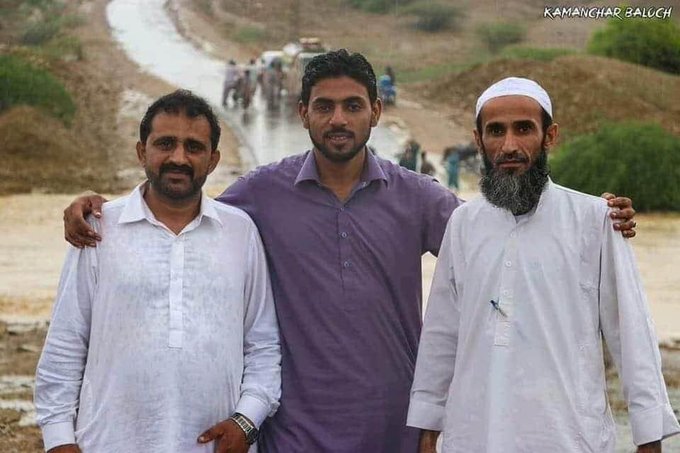
Central Spokesman of the Baloch National Movement (BNM) has condemned the attack on house of Hammal Baloch, president of Baloch National Movement Germany Zone. In his statement, he also condemned the abduction of the chairman and other members of the OST Welfare Organization.
He said that Pakistan’s atrocities are increasing with every passing day. The vicious circle of collective punishment have been expanded to the families of Baloch in exile and are targeting the social activists who had rescued themselves from the barbarism of Pakistan and took refuge in Europe and other parts of the world. These exiled Baloch have been raising their voice against state’s atrocities. Now their families have become the victim of state terrorism, as well as the members of welfare organisation who are supporting the poor and needy people. Even they are not spared from state terrorism.
The BNM Central Spokesman added that the Pakistan Army has full control over Balochistan. “The policy of collective punishment has been growing with the tenure of every new so-called democratic government. During the Musharraf regime people were abducted and tortured; during People Party’s government the policy of “Kill and Dump” was introduced, whereas, when Nawaz Sharif came into power, fake encounters, mass graves and the policy of collective punishment were added. Now, the champions of Ideal City State (Reyasath-e-Madina) are harassing the families of Baloch in exile and abducting social activists. It has created a humanitarian crisis in Balochistan.”
Central Spokesman said that at night the security forces of Pakistan and members of their “Death Squad” attacked the houses of Hammal Baloch, and Shaheed Dawood Baloch who are leaders of Baloch National Movement (BNM) in Panjgur. The members of “Death Squad” indiscriminately fired on the house of Hammal Baloch, harassed his family members and tortured them mentally. The purpose of such pernicious tactics is to silence those voices that have been continuously speaking against state atrocities in Balochistan so that they should sideline themselves or withdraw from the struggle for a Free Balochistan.
In the same way, the Pakistani state forces have grabbed the properties and personal businesses as well as abducted the relatives of political workers to bring political activists under intense pressure who are now living in exile. But Baloch political activists have associated with national struggle consciously and they would never surrender their cause under pressure due to such shameful tactics.
The BNM Spokesman explained that the chairman of the OST Welfare Organization, Mohammad Jan Dasthi was abducted from Karachi. Previously, the general secretary of OST , Abdul Qayyum aka Wafa Baloch was abducted on July 9. “It is the fundamental duty of the state to provide the basic rights to its citizens, but Pakistan is such a state where in place of providing facilities in Balochistan, the state is destroying the lives of the people with brutalities and exploitation.”
The people of a rich land such as Balochistan are dying in starvation. Amidst such an affair of the state, OST had become a ray of hope for the hapless people such that OST supported the needy people by raising funds. Now the Pakistani state has launched an attack against such welfare trusts.
BNM Central Spokesman said, “OST supported the poor patients in cancer; even today several patients are undergoing treatment in hospitals and the OST Organization is bearing their expenses. The attack on OST is tantamount to an attack on these helpless poor and needy people. Action against non-political organizations and welfare trusts is an act of aggression against the Baloch nation.”
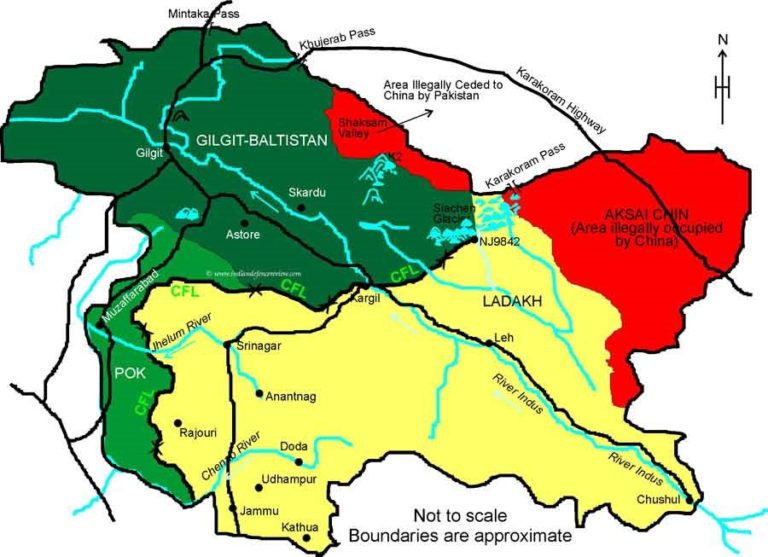
Former Jammu and Kashmir People’s National Party (JKPNP) spokesman Habib-ur-Rehman denounced the proposed Kohala Hydro Power Project at Kohala in Pakistan-occupied Kashmir (POK) and said that this hydroelectric project is an attempt by China and Pakistan to seize the resources from this part of Kashmir and end its present status.
“There is a plan to disarm Azad Jammu and Kashmir (Pakistan-occupied Jammu Kashmir) by seizing the resources of this part of the state as well as to seize it completely and end its present status,” said Habib-ur-Rehman.
He explained that the construction of Mangla Dam in the 1960s, then the Neelum Jhelum Power Project (NJPP) and now the Kohala Hydro Power Project have not involved public opinion and the so-called government of Azad Jammu and Kashmir (POK) had no role in it. “It is the process by which the resources of this part of the state are being plundered. Apparently it is being announced that it will provide employment to the people while in fact the people are being deprived of their resources. Large water dams in the world are considered harmful to the environment, not only humans but also birds will be badly affected, people will face immense difficulties,” said Habib-ur-Rehman.
Habib-ur-Rehman further added that this dam is primarily owned by the people of Azad Jammu and Kashmir (Pakistan-occupied Kashmir) and according to the state laws, no person, company or corporation which does not fall under the category of State Subject Roll can invest in Jammu and Kashmir.
Talking about the AJK (POK) government, Habib-ur-Rehman said that the government and the members of the assembly were taking concessions to give a thumbs up to all such agreements with the so-called Azad Jammu and Kashmir government. The Pakistani rulers, Azad Jammu and Kashmir’s Prime Minister are witnesses the loot of resources. “Surprisingly, they are becoming witnesses to the alienation of their land.”
The former spokesperson of JKPNP reminded that the ruling class of Pakistan has ruined the Baloch people by plundering the resources of Balochistan. The looting of Sindh’s resources continues, and so there is an urgent need to learn a lesson from history. Instead of the AJK (POK) government having complete control over the resources of the so-called “Azad Jammu and Kashmir”, the AJK (POK) government is wasting their time in flattery and welcome. “They are giving their lands to others for small posts.”
Habib-ur-Rehman warned that as several mega projects are being implemented, Azad Jammu and Kashmir (Pakistan-occupied Kashmir) is being economically paralyzed. “The Pakistani state will seize all the resources through these projects and the people will be deprived of their lands and resources and will fall prey to extreme poverty and helplessness. The people will further fall victim to the worst individual and collective slavery.” The construction of Mangla Dam and Neelam Jhelum Power Project (NJPP) have not changed the lives of the people. The so-called “Azad Kashmir” is as dark as it was before these projects, said the former spokesperson.
Habib-ur-Rehman explained that once this hydroelectric project is complete, it will take the form of military barracks. “The AJK (POK) government will not interfere in their management, production and revenue. All such projects should be handed over to the AJK (POK) government immediately. Pakistan’s involvement is an occupier’s role which is not acceptable in any way.” He appealed to all the political parties to take a stand against this new strategy of occupation.
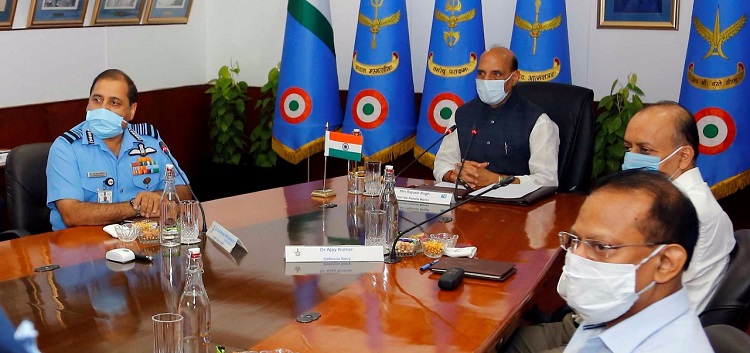
Srinagar, July 22: Defence Minister Rajnath Singh on Wednesday said that India’s resolve to defend its sovereignty stands firm due to the faith which nation’s people have in the capability of its armed forces. Rajnath Singh made these comments while inaugurating Air Force Commanders’ Conference (AFCC). Earlier the Chief of the Air Staff, Air Chief Marshal RKS Bhadauria welcomed the Raksha Mantri (Defence Minister) and other senior officials from the Ministry of Defence.
A statement issued by Northern Command of the Indian Army said that Rajnath Singh in his address to the Air Force Commanders appreciated the proactive response by the IAF in bolstering its operational capabilities over the past few months. He stated that the professional manner in which IAF conducted the air strikes in Balakot last year, as well as the rapid deployment of IAF assets at forward locations in response to the prevailing situation in Eastern Ladakh has sent a strong message to the adversaries. “He (Defence Minister) alluded to the ongoing efforts for de-escalation on LAC and urged the IAF to stand ready to handle any eventuality,” the statement said.
Rajnath Singh also praised the stellar contribution of IAF in supporting the nation’s response to COVID-19 pandemic and the role played during several HADR (Humanitarian Assistance Disaster Relief) missions. He highlighted the need to achieve self-reliance in defence production and noted that the theme chosen for this AFCC – ‘IAF in the Next Decade’ – was very apt for enhancing efforts towards indigenisation in the days to come. He lauded the progress made towards enhancing synergy and integration within the three services since the appointment of CDS (Chief of Defence Staff) and creation of DMA (Department of Military Affairs).
The Defence Minister concluded by acknowledging IAF’s role in adapting to changes in technology and adopting emerging capabilities in nano technology, artificial intelligence, cyber and space domains. He assured the commanders that all requirements of the armed forces, whether financial or otherwise, would be fulfilled.
CAS (Chief of the Air Staff) in his address to the Commanders stated that the IAF was well prepared to counter short term as well as strategic threats and the units were evenly poised to counter any aggressive action by the adversary. He noted that the response by all commands in ensuring deployment and readiness of forces was prompt and laudable. He emphasized on the need to focus on the ability to handle situations at a short notice for ensuring a robust response.
During the three day conference, commanders will review the current operational scenario and deployments before deliberating on building the IAF capabilities in the next decade to tackle all emerging threats.
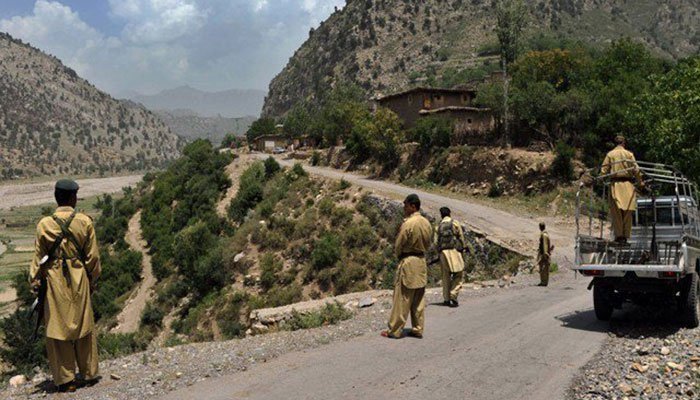
If Pakistan Army is to be believed, then something unimaginable and unpardonable happened in the Boya area of North Waziristan on May 26 last year. On this fateful day, four unprecedented things happened– One, a mob of Pashtun Tahafuz Movement (PTM) activists (in ISPR’s words) “assaulted” the army’s Kharqamar checkpost in broad daylight. Two, it was a brazen attempt by locals (again in ISPR’s words) to “exert pressure for the release of suspected terrorists’ facilitator” who had been arrested a day earlier from Doga Macha Madakhel village after an encounter between Pakistan Army and suspected terrorists, during which one soldier was injured (more about him later). Three, the mob was led by two serving legislators, Ali Wazir and Mohsin Javed Dawar who are Members of National Assembly (MNA), and Lastly, (as per the ISPR), the mob resorted to “direct firing on the post.”
Those who know Pakistan Army would have expected that with so many ‘firsts’ the army retaliation would have been massive. But ISPR stated that “Troops at the check post exercised maximum restraint in the face of provocation and direct firing on the post. Due to firing of the group, five Army soldiers got injured. In exchange of fire, three individuals who attacked the post lost their lives and 10 got injured.” Taking a very serious view of this incident, the Pakistan Army subsequently lodged an FIR with the Bannu Range Counter-Terrorism Department Police Station against multiple PTM workers (including MNA’s Mohsin Dawar and Ali Wazir) under different sections of the Pakistan Penal Code, Maintenance of Public Order Ordinance and even the Anti-Terrorism Act. While a section of the media went along with the Pak army’s version of this incident, yet blatant misinformation of factual details in the ISPR’s narrative completely ruined their cooked-up story.
The Pak Army’s media wing’s claim that “In exchange of fire, three individuals who attacked the post lost their lives and 10 got injured,” immediately fell flat because there was physical evidence to prove that at least 13 protesters were killed and about 25 to 40 injured due to the firing by army soldiers (MNA’s Mohsin Dawar has put the figures as 15 killed and 40 injured). While ISPR remained unfazed, at least the leading Pakistani English daily Dawn showed some spine by carrying a note below its report titled ‘Govt moves to withdraw Karqamar case against PTM leaders, others’, (updated on 10 July 2020), that reads “Correction: The story earlier erroneously stated that three people were killed in the clash on May 26. It has been amended to reflect the total death toll, which was 13. The error is regretted.)
Such large casualty figures, in turn, completely negates the ISPR’s claim that “the checkpost exercised maximum restraint in the face of provocation and direct firing on the post.” Furthermore, with Pakistan Army not permitting a fact-finding team of Human Rights Commission of Pakistan (HRCP) investigating this incident to visit the Kharqamar checkpost, it became more than evident that as far as this massive shootout was concerned, the Pakistan Army certainly had a lot to hide! If the Pak army didn’t want to suppress facts, then why did it impose an eight-day long curfew in Doga Macha Mada Khel village after the Kharqamar shooting?
No wonder the entire opposition walked out of the National Assembly to protest against the killing of civilians and the government came under intense pressure as Mohsin Dawar’s version that “They (army soldiers) beat up a woman and picked up some other people yesterday (May 25)” and that “We were going to protest that incident when they opened fire on us,” appears more believable. Perhaps that’s why Vice President of Pakistan Muslim League (Nawaz) Maryam Nawaz unambiguously condemned Pakistan Army’s characteristic strong-arm tactics while dealing with civilians by saying, “Have we not already paid tremendously for crushing protests and suppressing voices?”
Even though it is merely a social movement for safeguarding human rights of the Pashtun community, the Pak army had made no secrets about its unqualified hatred for PTM. Readers may recall that during an interaction with the media less than a month before this incident, Maj Gen Asif Ghafoor, (who was the then DGISPR) had publicly warned the PTM leadership that “Their time is up.”
So, the indiscriminate shooting of Pashtuns by Pak soldiers who were manning the Kharqamar checkpost though unfortunate, isn’t something that was completely unexpected. Though the PTM’s demands are justified, possibly its demand for an immediate end to the practices of extrajudicial killings, enforced disappearances and unlawful detentions is the main source of the Pakistan Army’s discomfiture!
During the “time is up” media interaction, Maj Gen Ghafoor also made some rather serious charges against PTM by saying, “On the PTM website, they have got a number that states the amount of funds they have collected from Pashtuns around the world. But tell us how much money did you get from the NDS (National Directorate of Security of Afghanistan) to run your campaign? How much money did RAW (Research and Analysis Wing of India) give you for the first dharna in Islamabad? Though DGISPR didn’t furnish any proof to support his allegations, but the fact that it applied the Anti-Terrorism Act on PTM activists in the Kharqamar checkpost incident indicates that Rawalpindi was convinced of PTM being an anti-national organisation with links to Pakistan’s arch-enemies- India and Afghanistan!
However, it’s now emerged that the government had quietly filed an application in the Bannu anti-terrorism court on March 16 seeking withdrawal of the Kharqamar checkpost case. As per Dawn, this application reads that “The state as per instructions of the provincial government with reference to the prevailing situation, intends to withdraw prosecution of the subject case.” Whereas this move has been seen as a confidence building measure to resolve the existing deadlock between the government and PTM, but the truth is more pedestrian. It was just to escape international criticism and public censure for the indiscriminate firing that killed, maimed and injured nearly 50 unarmed protesters, which the ISPR spun the wobbly yarn in defence of the army, of the checkpost coming under fire from protesters forcing soldiers to fire back, about five soldiers being injured due to firing by PTM activists, and one of the soldier even succumbing to his injuries!
The reality is that even though the Pakistan Army made such hue and cry about the Kharqamar checkpost incident, it knew all along that it’s falsehood wouldn’t be able to stand scrutiny of law. In fact, since Rawalpindi had already achieved its aim of diverting international and domestic attention from this despicable carnage of its soldiers by making PTM the scapegoat, to continue pursuing this case in courts made no sense and also ran the risk of exposing the truth. As it is, the Pakistan Army has disregarded Amnesty International’s directions that this incident “should be fully investigated to determine if there was any use of excessive force and if any resulting killing was unlawful.” So, it would not want this incident to be resurrected through the courts and revive the controversy surrounding this shooting.
Human Rights Commission of Pakistan (HRCP), which was not permitted to investigate this incident by the Pak army has also condemned this attack and demanded inquiry by a parliamentary commission, a request that has (expectedly) gone unheeded. It has also lambasted curbs enforced by the Pakistan Army in former FATA, but not wanting to annoy the powerful military, HRCP has cleverly thrown the ball in Islamabad’s court by noting that “the state must ensure that the media and civil society have independent access to the former FATA.” Taking a snipe at ISPR’s attempts to keep the media ‘on leash’, HRCP has also stated that “the country’s mainstream media must also understand its responsibility to report on this region fairly.” Therefore, by ‘directing’ Islamabad to withdraw this case despite it accusing PTM for having links with RAW and NDS, Rawalpindi, has unwittingly spilled the beans!
One may ask that with withdrawal of the Kharqamar case, what
about justice for Sepoy Gul Khan, who as per DGISPR purportedly died due to gunshot
wounds sustained in the firing by PTM protesters? What about final closure for his
widow and children? But there’s nothing to worry about on this account because
taking back the Kharqamar case will in no way deny justice to Sepoy Khan or his
family- simply because he didn’t sustain gunshot injuries on the day PTM
activists “assaulted” the checkpost.
Remember the encounter of May 24, 2019, that took place between Pakistan Army soldiers and unidentified gunmen at Doga Macha Madakhel village during which one soldier was injured? Well, Late Sepoy Gul Khan was this person and has cunningly been projected as a victim of PTM inspired mob violence just to cover-up the Pakistan Army’s grossly excessive use of force. Whereas, such unethical manoeuvres are not expected from a professional army, but with the DGISPR publicly announcing Rawalpindi’s depraved policy of “all is well in love and war”, for the Pakistan Army to indulge in factual skullduggery is no big deal!
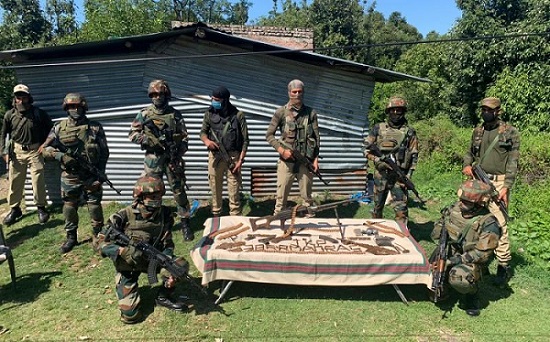
Srinagar, July 22: Leaving no stone unturned to stop the revival of militancy in Pir Panchal region of Jammu division, Jammu and Kashmir Police and the security forces have launched massive operations to bust all the hideouts of militants. On Wednesday, JK Police and security forces busted a militant hideout in Thanamandi area of Rajouri district. War like stores that included a Pika Gun were recovered during the searches.
Chandan Kohli, Senior Superintendent of Police (SSP) Rajouri, said that an information was received by the police regarding suspected presence of a militant hideout in Manyal area of Thanamandi after which teams of the Rajouri police, Special Operation Group and 38 Rashtriya Rifles launched a Cordon and Search Operation late Tuesday. “The entire area was kept under cordon and in the wee hours of Wednesday, searches were launched during which a militant hideout established under a portion of dense bushes was busted,” said the SSP.
Kohli added that 1 Pike Rifle, 1 Chinese Pistol, 1 Local Pistol, 1 AK-47 Magazine, 2 Pistol Magazines, 168 Pika rounds, 47 AK rounds, 4 pistol rounds, 2 UBGL grenades, 1 Binocular, 8 Ammunition belts, 1 Antenna and 1 Tape recorder have been recovered from the hideout.
Two days ago, on Monday the police had busted a terror funding module of Pakistan-based terrorist organisation Lashkar-e-Toiba (LeT) tasked to activate its cadres in the Jammu region.
“We have arrested one person and his contacts are being traced,” officials at the Zonal Police Headquarters in Jammu said. They added that the operation to track down Hawala mole was carried out after police received information that LeT has activated a module of its members for carrying out terrorist activities in the Union Territory, particularly in the Jammu region, and in furtherance to this, a delivery of funds was to take place in Jammu.
A senior police officer at zonal police headquarters said that there have been reports that terrorists infiltrate through the Jammu region. “We have eliminated some of them in last three months,” said a senior police officer “We are leaving no stone unturned to stop any revival of terrorism in the Jammu division.”
“My Home is a Suitcase” is a play by RzgarHama about individuals who sought new lives as immigrants. It is based out of Vancouver, British Columbia, Canada. These are real stories. The next few interviews will be from some of the individual readers of their stories of beginning new lives in Canadian society. Hama is known for several plays, including “Soldierland” with some professional commentary by Dr. Marvin Westwood and Dr. George Belliveau of The University of British Columbia in “Dr. Marvin Westwood & Dr. George Belliveau on SOLDIERLAND a play Written and Directed by Rzgar Hama.” Here I speak with Georgete on “My Home is a Suitcase.”
Sky Theatre Group, “My Home is a Suitcase”
Scott Douglas Jacobsen: How did you find the Sky Theatre Group?
Georgete: A friend of mine saw a note at
the public library and thought I would want to try it.
Jacobsen: How did you become involved with “My Home is a Suitcase”?
Georgete: I submitted an application to Rzgar, but did not expect a response. Surprisingly, a few weeks later, I received an email from Rzgar, inviting me to join for the first meeting. I went to the meeting, met a few other members of the group. Rzgar explained what the project would be about and what it would require from us.
I became very interested as I do like to write. I thought it would be good for me to write my own story and share it with others.
Jacobsen: What was the experience of telling the story – without telling
your story – to some of the public and peers who made a new life for
themselves?
Georgete: At first, I thought it would be too much telling my story to strangers, but as I practiced over and over again; I became very confident and comfortable. The organizers decided that I would be the first in line to tell my story. I got nervous. I saw the audience coming in, and I kept practicing. when I started telling my story, I felt like I was just talking to a group of friends. I saw all of them paying attention to my story and I felt supported by them. In the end, I felt accomplished and relieved at the same time.
Jacobsen: What was working with a seasoned, veteran playwright and director
like for you?
Georgete: I am so lucky to have met Rzgar. What a professional, talented, confident man, he creates a scene right on spot and gets us to do the acting part. I loved working with him during the writing of my story and telling my story. I will continue taking acting lessons from him and will be available for the final part of this project.
Jacobsen: What are you hoping some of the audience takes home with them
when the final production comes out?
Georgete: I am hoping that the audience takes a different view of what immigrants are and what they had to go through before they made a decision to move to a foreign Country.
Jacobsen: Thank you for the opportunity and your time, Georgete.
Georgete: Thank you so much for this valuable and important interview, Scott.
‘Jacqueline’ is a former member of the Jehovah’s Witnesses. Here she discusses some facets of life in and out of the community, the faith.
*Due credit to Jeff McBrine for the push and organizational skills here.*
*Interview conducted July 21, 2020.*
Scott Douglas Jacobsen: In terms of entering into the Jehovah’s Witnesses at a later period or birth into the Jehovah’s Witnesses communities, what are the early parts of the personal story in the Jehovah’s Witnesses for you?
‘Jacqueline’: I was born into the religion, my mom came into the religion when she was a kid because of her mom, and my dad found it through his sister (who is now disfellowshipped) when he was in his mid/late 20s. My parents were always heavily devoted to it, though we did go through a few years in my childhood when we were “inactive” which basically meant that we weren’t attending the weekly meetings and bible studies, just our multi-day conventions and the memorial of Christ’s death which both happened every year. Even with this though, my family always followed the rules to the letter, no holidays, not too much interaction with my “worldly” family, no birthdays, praying before every meal, etc. and after those few years between the ages of about 4-8 we started to become regular at the meetings again, and I remember always trying to come up with excuses for me not to go; like “falling asleep” before we had to leave, pretending to be sick, and purposefully taking too much time figuring out what to wear. Sometimes these excuses worked, but most of the time I had to go anyway. This continued for several years, I hated going to meetings, I thought they were really boring and I enjoyed hanging out with my dad’s side of the family way more than anyone on my mom’s side or in our congregation, plus I despised wearing dresses so I really gained nothing from going, I just went because my parents did. It wasn’t until I was somewhere around 12 that I started to feel the pressure to listen and participate more, and I slowly became more “involved” with the congregation; giving comments, going out in service, bible reading, participating in talks, and other things. However, I still never really wanted to do that stuff, I did it because I was expected to and I knew I’d make my parents happy and get praise from others for doing it. For the next several years I kept in that pattern, “progressing” in the congregation, although I was suffering from depression and anxiety due in part to the religion, something that I kept quiet about. Eventually, I came to the conclusion that I had no choice and couldn’t leave or I’d be doomed to painful death, so I reluctantly decided to get baptized when I was 18 (worst decision of my life). On the surface, nobody was pressuring me to do anything I didn’t want to do, my parents never negatively commented on me not being baptized and participating in meetings wasn’t mandatory or enforced, but there was this unspoken stigma that if you didn’t do those things you should feel guilty that you don’t love Jehovah as much as you should. Along with that, during the years we were inactive I constantly saw my parents berating and beating themselves down for being such “disappointments” to Jehovah, because in their (and everyone else’s) minds simply believing wasn’t enough, you had to “prove” your love by going to meetings, participating in talks, and going out in service.
Jacobsen: Within
community, hierarchs or leaders exist who have more authority than others.
Members of the community respect them or fear them, or both, and can report
grievances or concerns to them. Can you relate any experiences in which
personal life was brought to the congregation or members, even
hierarchs/leaders, within the Jehovah’s Witnesses in which you felt demeaned or
as if personal privacy was violated?
‘Jacqueline’: I
personally haven’t experienced anything that was a direct violation of my
privacy, however it always felt like as soon as you have an issue in your
family the Elders are there, asking to come over and discuss things with you,
even if you haven’t asked for help. My personal experience with this is
when I first mentioned to my parents that I had doubts and at the very next
meeting, only a few days afterward, the Elders had pulled my family into the
back room to discuss these (quite frankly, tiny) doubts that I had. It’s
hammered into our minds that if there’s any type of issue within your family
you should tell the Elders so they could get involved, no matter how personal
it is. Something else that isn’t a direct violation of privacy but I
remember always thinking was weird was how they always announced when someone
got disfellowshipped or left the congregation. I never heard them explicitly
state why that person did, just that they had, but it always sparked these
rumors in the congregation and gossip would start about what happened.
Unrelated, but another strange thing is that whenever they announced that
someone had left or been disfellowshipped everyone would start acting as if
that person died; somber, morose, talking about them in the past tense, “I’m
going to miss them, they were so fun to be around”.
Jacobsen: As
a social species, social links matter deeply to us. What were some of the
communal or social positives while in the Jehovah’s Witnesses? Those good
things that came with the community of faith.
‘Jacqueline’:
The major positive I loved and still love about the
community is the sense of hospitality members have: if they hear someone lost
their job they’ll help them find a new one, if someone is sick in the hospital
they constantly have a stream of visitors bringing cards and flowers, and if
someone is low on money they can expect multiple deliveries of groceries and
meals to their house. Although their sense of “community” is skewed to
just those in the religion, you can bet they’ll take care of each other and
support one another.
Jacobsen: Many
individuals have been expulsed, kicked out, from the Jehovah’s Witnesses for a
variety of reasons. Others have been scared or pressured/coerced into staying
in it. Were social ostracism and threat of expulsion real threats for others or
yourself when questioned on matters of a highly private nature if refusing to
respond to the questioning?
‘Jacqueline’:
In general expulsion, shunning, and ostracizing are
engrained into this religion as one of its base beliefs, nobody can deny
that. However, many of the bad things that happen in this religion are
unspoken rules and norms: you aren’t guaranteed to be kicked out if you don’t
answer a question, but pressure from the Elders for the full story could make
you feel trapped and in danger of being judged and ostracized if you don’t
answer it (though depending on the answer you could be shunned anyway).
Everyone in this religion is expected to be 100% transparent with the Elders,
telling them every detail of every decision you have made, which makes them
suspect you of doing something bad if you refuse to disclose personal
information.
Jacobsen: In
terms of individual and community behaviour towards you, what Jehovah’s
Witnesses policies seem fair and humane within ordinary legal and sociocultural
contexts? Please provide examples as you feel comfortable.
‘Jacqueline’: In general, nothing this religion asks of you is unlawful or inhumane, however, it does ask a lot of you. You have to dedicate a lot of your time, energy, resources, and money to it, you aren’t expected to pursue higher education or career advancements (and your priorities can sometimes be questioned if you do), and you’re generally supposed to put God above everything in your life, including yourself. However, like I stated, none of these things are cruel or unlawful, in fact some teachings are good morals to follow; such as being kind to people and not being greedy.
Jacobsen: In
terms of individual and community behaviour towards you, what Jehovah’s
Witnesses policies seem unfair and inhumane within ordinary legal and
sociocultural contexts? Please provide examples as you feel comfortable.
‘Jacqueline’: However,
the pressure of adhering to some of the more “serious” rules can sometimes seem
inhumane. If you celebrate your birthday, Christmas, Thanksgiving, or any
other holiday you can expect to be reprimanded and even disfellowshipped
(shunned and kicked out). You can have no tattoos, no revealing clothing,
no swearing, no anything that is deemed “bad” by the religion otherwise you
will, once again, face reprimanding and possibly shunning. This control
over the member’s identities might be considered cruel and a violation of
self-expression to some.
Jacobsen: If
any examples, have you ever been coerced by the community or the leadership of
the Jehovah’s Witnesses to relinquish individual civil rights and human rights
for the sake of the Jehovah’s Witnesses?
‘Jacqueline’: My entire
life has been relinquishing my human rights. From the time I was born I
was taught to dress, act, and think a certain way otherwise I risked tearing
apart my family, breaking their hearts, and ending up alone. This
religion controls every aspect of your identity, turning its members into
copies of each other, more or less. We have the same pattern of speaking,
the same morals, the same fashion sense, and the same goals with only small
differences; and if you fall somewhere outside this category you will
definitely be judged and questioned and even shunned if you stray too
far. You aren’t allowed to be involved in politics or develop your own
opinions on matters, you aren’t allowed to express yourself in a bold way, and
you aren’t allowed to even associate with those outside the religion. The
leaders of this organization and the members of it constantly boast how
“diverse” it is, but it really isn’t. You’re allowed to express yourself,
sure, but only within the small confines the religion has established.
There are certain things you absolutely do not and should not want to do
otherwise you “bring reproach to Jehovah’s name”.
Jacobsen: Many
people, as per the “social species” example before, can suffer from mental
anguish or even mental illness (if prolonged stressors) as a result of coercion
from the community, expulsion from the community, even banishment from family,
friends, and community all-at-once. Sometimes, this can lead to the extremes of
suicidal ideation, even suicide attempts (often as a cry for help). If I may
ask, what were some mental health issues and unhealthy, towards the self,
behaviours as a result of the process of leaving the Jehovah’s Witnesses, i.e.,
as a result of the loss of community, threats of shunning, removal of friends
and family, and other forms of coercive attempts at control?
‘Jacqueline’: At around
age 14-15 I became severely depressed and anxious. I self-harmed, had
multiple anxiety and panic attacks every week, and thought that killing myself
would be the only way out of my situation. I lied and told my parents
this was due to my schooling and that I couldn’t keep up with the workload
anymore, which was true, but the reason I couldn’t keep up with it was due to
mental issues connected to the religion. Around that time I had a
realization that this wasn’t what I wanted with my life, and consequently had
to deal with the realization that I would be “turning my back to God” which
meant I would die an awful death and never be resurrected (like we
believed). This fear paralyzed me, I knew I wasn’t happy in this religion
and never would be, but I thought it would be even worse if I left and went to
“Satan’s side”. So my options were basically to spend my entire life
miserable, lying to myself and pretending to be happy, or I could live out my
life with Satan in the “world”, happy and satisfied, but never be resurrected
and never see my dead family again. My mind had been so twisted and distorted
by listening to years and years of propaganda that I honestly thought that
being miserable my whole life or killing myself were better options than
leaving the religion. Since killing yourself also meant you wouldn’t be
resurrected, at 18 I had been so beaten down and was so tired of this battle in
my mind that I settled with the former option and ended up getting baptized,
knowingly condemning myself to a life of lies and mental torture (I was
actually sobbing in my room the night before I was going to do it). Now
at 20, I realize that was the worst decision I’ve made in my life. Now
that I’m more mature and have figured out that this religion actually isn’t
“the truth” I’ve subsequently condemned myself to never speaking to my family
again, losing all my friends, and being left all alone when I decide to
officially leave. I’m still attending meetings with my parents (over
Zoom) and outwardly appear to be faithful, however mentally I’ve already
distanced myself from this life. Even with that, the constant preaching
that this is the “end of times” that I hear twice a week is slowly trying to
pull me back in by using fear and emotional manipulation which has caused a
milder relapse of what I went through a few years ago. And I know that
even after I leave I will forever be plagued by those thoughts, the fear and
manipulation I had drilled into me for 20 years will always make me question my
choices and opinions.
Jacobsen: Thank
you for the time and opportunity to tell your story here today.
Jeff
McBrine:Do you feel Jehovah’s Witnesses that stop believing are
forced to suffer a way of life that they find unacceptable or can’t find any
true enjoyment in because they fear leaving the religion and then having all of
their social structure taken away? Basically, do you feel any are trapped in
the religion and are suffering psychological damage or violations of their
personal freedom and rights? Do you know anyone that fits this description?
Explain if you want.
‘Jacqueline’: In reference to my previous answer: yes, absolutely. From my own personal experience and also the experiences of others that I’ve seen, this religion makes leaving it so difficult. Like I said, once I leave I’m going to lose all of my social structure, all my family and friends, as well as be forever haunted by the “what if” question. This religion thrives and survives by scaring people into staying and making members feel guilty for leaving. I highly recommend listening to “Mother Knows Best” from Tangled because that song fully encapsulates what it’s like to be in this religion (honestly Gothel and Rapunzel’s whole relationship does). Gothel relies on fearmongering, isolating Rapunzel from the outside world and feeding her stories about how awful and scary it is out there so Rapunzel never wants to leave. And after she does leave, Gothel still tries to convince her that life in the tower is so much better than life outside and that she has so much more in her tower than she could ever have “out there”. This is exactly what it’s like. A toxic, manipulative relationship where the authority makes it seem as though they’re only trying to help the victim “be safe” and that if the victim leaves they’re the bad person for not accepting the help and staying.
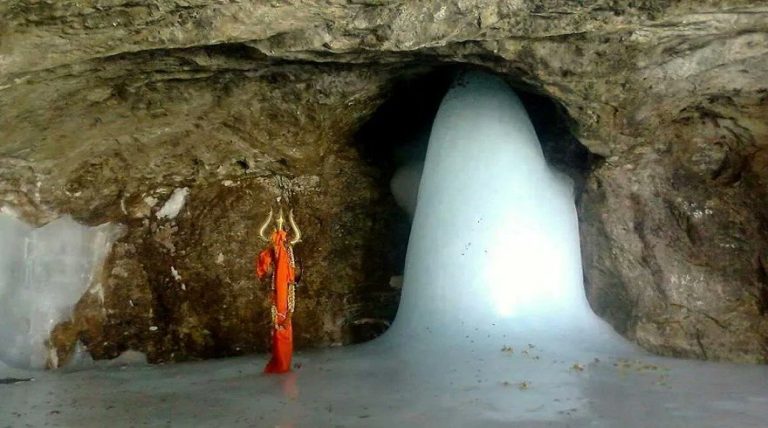
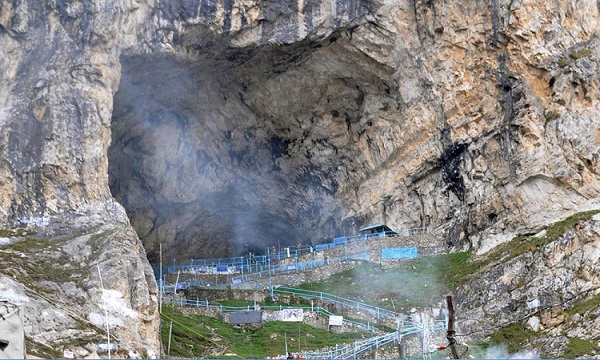
Jammu and Kashmir Union Territory government on Tuesday announced cancellation of the annual Shri Amarnath ji Yatra and said that there will be a live telecast/ virtual Darshan of the morning and evening Aarti.The decision was taken during a meeting presided over by Lieutenant Governor, Girish Chandra Murmu, who is also Chairman of the Shri Amarnathji Shrine Board (SASB).
The security forces had carried out all exercises for an incident free pilgrimage of the Shri Amarnath Yatra. But the Yatra had to be canceled in wake of deadly outbreak of the COVID-19 pandemic.
“Based upon the circumstances, the Board decided with a heavy heart that it is not advisable to hold and conduct this year’s Shri Amarnath ji Yatra and expressed its regret to announce the cancellation of Yatra 2020,” a statement issued by Raj Bawan said. “The Board is aware of and respects the sentiments of millions of devotees and to keep the religious sentiments alive, the Board shall continue the Live Telecast/ Virtual Darshan of the morning and evening Aarti.”
“Further, the traditional rituals shall be carried out as per past practice. Also, the Chhadi Mubarak shall be facilitated by the government,” added the statement from Raj Bhawan.
The members of Shri Amarnath ji Shrine Board (SASB), participated virtually through a video conference to discuss the conduct of the Yatra 2020. The meeting was attended by B.V.R. Subrahmanyam, Chief Secretary; Bipul Pathak, CEO SASB; Anup Kumar Soni, Additional CEO SASB and other senior officers of the Shrine Board. “Threadbare discussion was held on the current circumstances of COVID-19 pandemic and its likely impact on the Yatra,” the statement said adding that the Board discussed the Supreme Court order dated July 13, in which the decision to conduct the Yatra was left to the administration/ government after assessing the ground realities prevailing in Jammu & Kashmir.
Holy Cave of Shri Amarnath ji Shiv Lingam
The Board was informed that the arrangements were on track since February 2020, but due to nationwide lockdown and COVID-19 pandemic, State Executive Committee, J&K has still continued to keep religious places and places of worship closed for the public. These prohibitions continue till July 31.
“The Board further discussed that pandemic has put the health administration system to its limit,” it said adding that the spike has been particularly very sharp in July.
“Health workers and security forces are also getting infected and the focus of entire medical, civil and police administration at the moment is on containing the local transmission of the COVID-19 pandemic,” the statement said. “The health concerns are so serious that the strain on the health system, along with the diversion in resources to the Yatra, will be immense. This would also unnecessarily put the Yatris at risk of catching the COVID-19.”
On the other hand, security forces were all ready for Yatra. All the Yatra routes, Pahalgam and Balthal come under Awantipora base counter insurgency grid Victor Force.
“We had complete exercise in collaboration with police and paramilitary forces,” a senior Army officer of Victor Force told News Intervention. “Hills around Amarnath Yatra route have already been sanitized under Operation Shiva started by the Rashtriya Rifles,” he said. “Unmanned Aerial Vehicles (UAVs) were also being used for surveillance of the Yatra route and cave shrine.”
Indian Army said that during the operation, soldiers carry out combing of forests located along the yatra track.
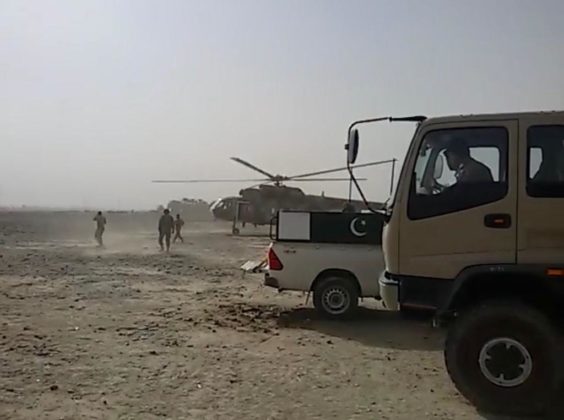
Pakistan Army conducted a major operation in the Jahao area of district Awaran in occupied Balochistan district on Monday morning where it arrested most of the people of the two villages and took them away to a military camp.
Sources in Balochistan told News Intervention that on Monday morning the Pakistani Army laid siege to two villages, Malagzi and Pirjan Goth in the Jahao area of Awaran and detained all the men. The Pakistan Army then took away all these arrested men to a nearby military camp. The Pakistani security forces gave no reasons for these mass arrests.
At the time of writing this report the mobile network in Jahao continues to be shut down and all the village people are still under the custody of Pakistan Army.
Villages in Jahao and other surrounding areas in district Awaran have been under constant Pakistani military operation. Pakistan Army has been using helicopter gunships and sophisticated machine guns to fire upon the unarmed Baloch people in an effort to suppress the freedom struggle in Balochistan. The raids on Jahao villages are part of Pakistan Army’s continued atrocities on Baloch people.
The Balochistan Liberation Front (BLF) is striving for a free Balochistan since its inception.During the first six months of this year from January till June 2020, BLF carried out 67 attacks on the Pakistani forces. In these attacks more than one hundred and thirty one Pakistani soldiers were killed and over a hundred others were injured. Two motorcycles, one armored and ten Pakistani military vehicles were destroyed. BLF also attacked the camp of Pakistani military backed “Death Squads” and blew up and destroyed their three mobile network towers. BLF also killed two and injured four members of the Frontier Works Organization–a Pakistan Army construction company.
The core reason for the establishment of BLF has always been to reinstate the separate Baloch identity and regain motherland’s sovereignty from the occupier Pakistan.
After the Balochistan Liberation Front (BLF) was founded, the organisation along with armed struggle also began to create political and ideological awareness towards the Baloch nation and has endeavored to bring Baloch people from all walks of life together to join the armed struggle, so that the masses consciously, politically and ideologically get involved in the resistance, because, the struggle for independence is impossible without the participation of masses.
On the fundamental principle of freedom of occupied Balochistan, BLF is educating the Baloch nation to be ideologically and politically aware. Ideologically motivated BLF freedom fighters, along with armed resistance, have been expanding the struggle with political awareness across Balochistan.
Baloch nation is destroying the occupying Pakistan’s army and responding in a befitting manner to the parliamentarian tools, “Death Squads”, religious extremists including countering the occupying state’s propaganda machinery and its fake narrative.
BLF’s fundamental principle is to ensure vetting and educating BLF fighters enough so that the weapon in their hands remains a weapon in the hands of a revolutionary and their step never wobbles while defending their motherland.
Today, across the length and breadth of occupied Balochistan, BLF’s brave fighters are present on the ground with their revolutionary weapon in defense of their country against Pakistan’s regular army and other security forces.
Certainly fighting on various fronts simultaneously against the Pakistan Army, federalists, local agents, informers, Death Squads, drug dealers and religious extremists is difficult. But at every given moment, BLF fighters are sacrificing their lives and vigorously leading the Baloch national struggle on the principles of the organization towards the ultimate goal.
Balochistan Liberation Front (BLF) is the embodiment of its martyrs and nation’s unaccounted sacrifices, and if God wills, the struggle, with the organization’s principles and values will reach the destination.
The journey is certainly long and difficult, but the destination of this revolutionary war is independent Balochistan upon which Baloch’s survival and national identity depends.
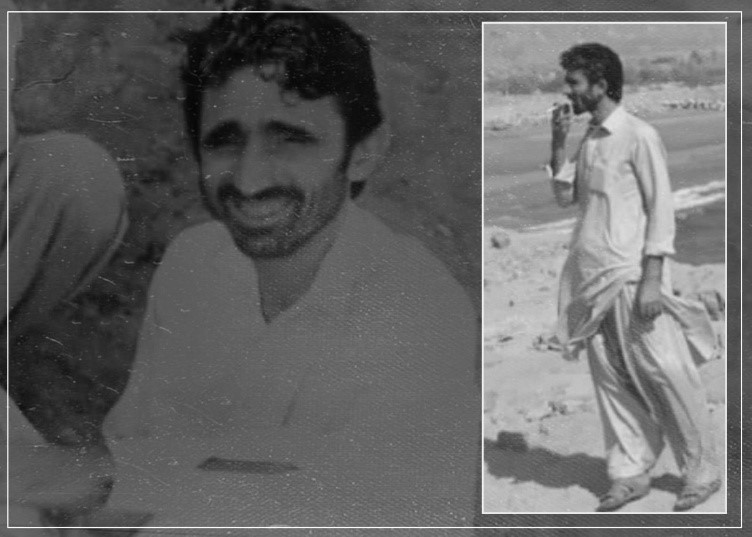
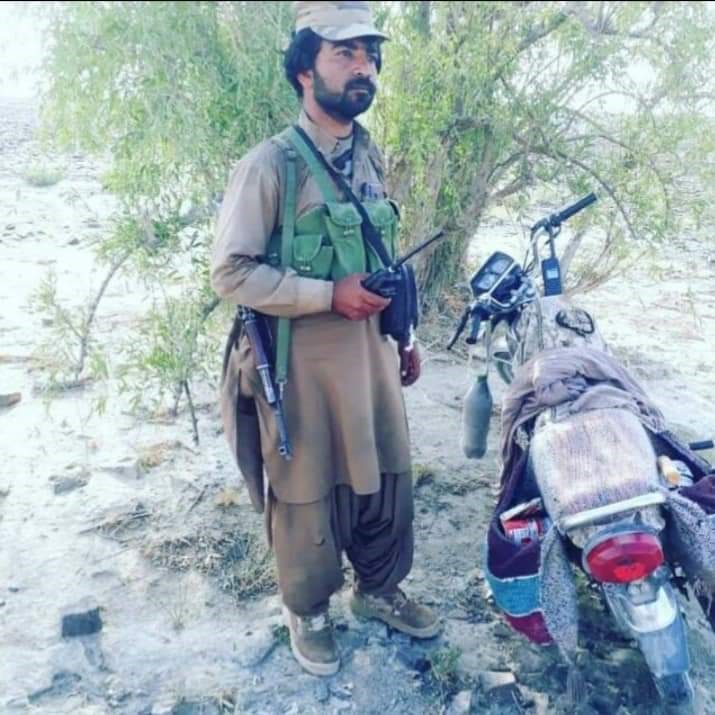
On 25 April 2020, Zahid and Hammal Baloch were shot dead by the operatives of Pakistani intelligence agencies. Martyr Zahid alias Murad was a network commander and held the rank of a Lieutenant in BLF. He was fighting against the enemy for twelve years from the platform of BLF for an independent Balochistan. Martyr Hammal Baloch alias Fazal Baloch was serving the movement through BLF’s platform for the last ten years.
Lieutenant Zahid, alias Murad of the Balochistan Liberation Front (BLF) attained martyrdom on 25th April 2020 while fighting the Pakistani forces.
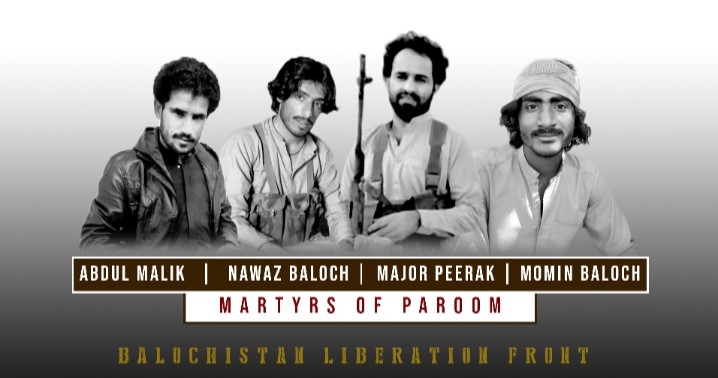
We pay homage and offer tributes to the martyrs of Parom
On 25 April 2020, at around 3 AM, the Pakistani military and its death squads surrounded the Baloch freedom fighters in Yar Mohammad Bazar in Kallag Kaur area of district Panjgur, Balochistan, where a battle began between the occupying army and BLF freedom fighters that went on for at least 12 hours. The next day, at around 1 PM, after the retreat of Pakistani ground forces their military’s combat helicopters began shelling and martyred four of our fighters. Major Noora, son of Sher Dil alias Peerak, Lieutenant Nawaz son of Haji Ghulam Hussain, Abdul Malik son of Haji Ghulam Hussain resident of Parom and Momin son of Muhammad Azeem resident of Buleda Salo were martyred in the assault. The occupying army was assisted in the clash by the local death squads. Several members of the Pakistan Army and death squad were killed and wounded during the clash.
Chronology of BLF attacks on the Pakistani establishment from January 2020 till June 2020 across occupied Balochistan
January
4th January, 2020 – BLF Snipers attacked Pakistani military check-post in Darsezi area of Mazan-Band, Dasht, District Kech, Balochistan and killed one Pakistan military personnel.
9th January 2020 — BLF attacked Pakistan military backed Death Squads camp with hand grenades in Singanisar area of Turbat, district Kech, Balochistan and inflicted heavy causalities.
11th January 2020 — BLF attacked Pakistan military check-post with heavy and automatic weapons in Teertej area of Kolwah district Awaran, Balochistan. Two rockets landed inside the camp due to which the military faced heavy causalities.
February
7th February 2020 – BLF attacked Pakistan military check-post with hand grenades in Main Bazar Turbat area of district Kech, Balochistan. One Pakistan military personnel killed and three were injured.
12th February 2020 – BLF attacked Pakistan military check-post with rocket launchers and automatic weapons in Labach Dansar area of district Awaran, occupied Balochistan. Three Pakistani military personnel were killed and two were injured in this attack.
There was also an attack on the Pakistan military check-post with rocket launchers and automatic weapons in Kaur-e-Datt area of district Awaran, occupied Balochistan. Two Pakistan military personnel were killed and two others were injured in this attack.
On this day, BLF also attacked Pakistan military backed Death Squads camp with rocket launchers and heavy weapons in Labach Dansar area of district Awaran, occupied Balochistan and inflicted heavy causalities to them.
13th February 2020 – BLF attacked Pakistan military check-post with rocket launchers and automatic weapons in Kuch area of Pirandar, district Awaran, occupied Balochistan and inflicted heavy losses to the occupying forces.
BLF also blew up a mobile network tower, in Gazzi area of Pirandar, district Awaran occupied Balochistan, which was used by the military for communication purposes.
16th February 2020 – BLF attacked Pakistan military check-post with automatic weapons in Madag-e-Kalat area of district Kech, occupied Balochistan. Two Pakistan military personnel were killed and two were injured in this attack.
BLF also attacked Pakistan military’s Miani Kalat check-post with rocket launchers and automatic weapons in Wadi Mashkay of district Awaran, occupied Balochistan. Two military personnel were killed and three were injured in this attack.
19th February 2020 – Skirmish between the Balochistan Liberation Front (BLF) fighters and Pakistan military in Madag-e-Kaur area of district Kech, occupied Balochistan. In this skirmish BLF fighters managed to escape and then surrounded the Pakistani military from the other side and attacked them. As a result three Pakistan military personnel were killed and two were injured in this attack.
March
1st March 2020 – BLF Snipers attacked Pakistani military check-post in Maleshband area of Mashkay, district Awaran, occupied Balochistan and killed one Pakistan military personnel.
2nd March 2020 – BLF ambushed Pakistan’s military patrolling team with automatic weapons in Katrenz area of Mand, district Kech, occupied Balochistan. Three military personnel were killed and one was injured in this attack.
3rd March 2020 – BLF ambushed Pakistan military convoy which consisted of two motorcycles and an armored vehicle with automatic weapons and rocket launchers in Jahani Aap area of Buleda, district Kech, occupied Balochistan. Six Pakistan military personnel were killed and four were injured in this attack. Both the motorcycles and the armored vehicles were partially damaged. During the attack more military vehicles of rescue team arrived that were also attacked leaving four more Pakistan military personnel dead.
On this day BLF also attacked Pakistan military check-post with heavy weapons in Katrenz area of Mand, district Kech, occupied Balochistan. Two military personnel were killed.
4th March 2020 – BLF blew up Ufone mobile phone network tower, in Bundiki area of Mashkay, district Awaran occupied Balochistan, which was only for the use of military and its Death Squads’ communications.
5th March 2020 – BLF ambushed Pakistan military convoy consisted of three military vehicles with automatic weapons and rocket launchers in Makki Kaur area of Wadi Mashkay, district Awaran, occupied Balochistan. One of the military vehicles was totally destroyed due to which all six Pakistan military personnel in the vehicle were killed.
14th March 2020 – Skirmish between the Balochistan Liberation Front (BLF) fighters and Pakistan military in Meerabad area of Tump, district Kech, occupied Balochistan, in which all BLF fighters managed to escape and inflicted heavy causalities to the occupying forces.
17th March 2020 – BLF attacked Pakistan military camp with heavy weapons and rocket launchers in Bazdad area of Jahoo, district Awaran, occupied Balochistan and inflicted heavy causalities to the occupying forces.
19th March 2020 – Skirmish between the Balochistan Liberation Front (BLF) and Pakistan military in Gazzi Kaur area of Jahoo, district Awaran, occupied Balochistan. In this skirmish BLF fighters managed to escape and then set a trap in the mountains of Jahoo. The Pakistani military fell into that trap as BLF fighters attacked them killing 10 Pak military personnel, and injuring more than a dozen.
21st March 2020 – BLF Snipers attacked Pakistani military check-post in Apsaar area of Mand, district Kech, occupied Balochistan and killed one Pakistan military personnel.
On this day there was also an attack on the Pakistan Army’s construction company Frontier Works Organization (FWO) with automatic weapons and rocket launchers between Shand and Rideeg area of Mand, district Kech, occupied Balochistan. Two FWO workers were killed and several injured.
24th March 2020 – BLF Snipers attacked Pakistani military check-post in Chokkaap area of Mand, district Kech, occupied Balochistan and killed one Pakistan military personnel.
26th March 2020 – BLF ambushed Pakistan’s military convoy with automatic weapons in Dazeeg Kaur area of Gomazi, district Kech, occupied Balochistan. Two military personnel were killed and four were injured in this attack.
30th March 2020 – BLF Snipers attacked Pakistani military check-post in Raghey area of district Washuk, occupied Balochistan and killed one Pakistan military personnel.
April
3rd April 2020 – BLF attacked and burnt down two trucks loaded with chromite near Jahani Kaur in Wall-e-Patt area of Bela district Kech, occupied Balochistan.
7th April 2020 – BLF Snipers attacked Pakistani military check-post twice in Rodan area of Gawak, Mand district Kech, occupied Balochistan and killed two Pakistan military personnel.
8th April 2020 – BLF Snipers attacked Pakistani military check-post in Mehi area of Mashkay, district Awaran, occupied Balochistan and killed one Pakistan military personnel.
11th April 2020 – BLF attacked Pakistan military check-post with rocket launchers and automatic weapons in Gawak area of Mand, District Kech, occupied Balochistan. Two Pakistani military personnel were killed and two were injured in this attack.
21st April 2020 – BLF fired two 107 mm rockets on Gwadar National Airport in Gorandani area of district Gwadar. Both the rockets landed inside the airport due to which deaths of military personnel were reported and inflicted heavy causalities to the construction site.
23rd April 2020 – BLF attacked Pakistan military check-post with automatic weapons in Bagzo area of Mand, district Kech, occupied Balochistan. Several military personnel were killed and injured in this attack.
Sepoy Hammal Baloch alias Fazal Baloch of the Balochistan Liberation Front (BLF) attained martyrdom in April 2020 while fighting the Pakistani forces.
30th April 2020 – BLF attacked Pakistan military check-post with automatic weapons in Sheraz area of Mand, district Kech, occupied Balochistan. Two military personnel were killed and one injured in this attack.
May
1st May 2020 – BLF attacked Pakistan military convoy consisted of six military vehicles with automatic weapons in Sheraz area of Mand, district Kech, occupied Balochistan and inflicted heavy causalities.
On this day, BLF also attacked Pakistan military check-post with snipers and heavy weapons in Geshar Dann area of Zamuran, district Kech, occupied Balochistan. Just after this attack BLF fighters carried out another attack on Pakistan military’s Jungli Check post. In these two attacks 4 Pakistani military personnel were killed and 3 others were injured.
4th May 2020 – BLF attacked Pakistan military vehicles carrying ration for the military personnel constructing a new post, both the trucks carrying ration were confiscated in Marastan area of Kolwah district Kech, occupied Balochistan.
On this day BLF also attacked Pakistan’s military check-post with snipers and heavy weapons in Ziarath Dann area of district Awaran, occupied Balochistan. Four Pakistan military personnel were killed and several were injured in this attack.
There was also an attack on the Pakistan military check-post with snipers and automatic weapons in Chokkaap area of Mand, district Kech, occupied Balochistan. Four military personnel were killed and two others were injured in this attack.
8th May 2020 – BLF attacked Pakistan military check-post with snipers in Dokop area of Mand, district Kech, occupied Balochistan. Two military personnel were killed in this attack.
10th May 2020 – BLF attacked Pakistan military camp with snipers, rocket launchers and latest weapons near Kadday Hotel in district Kech, occupied Balochistan. Three military personnel were killed and several got injured in this attack.
BLF Snipers also attacked a Pakistani military check-post in Aapsar area of Mand, district Kech, occupied Balochistan and killed one Pakistan military personnel.
17th May 2020 – BLF attacked Pakistan military check-post with snipers in Singistan Kandag area of Mand, district Kech, occupied Balochistan. Two Pakistani military personnel were killed in this attack.
18th May 2020 – BLF Snipers attacked Pakistani military check-post in Tump area of district Kech, occupied Balochistan and killed one Pakistan military personnel.
On this day the BLF Snipers attacked Pakistani military check-post in Mehi area of Mashkay, district Awaran, occupied Balochistan and killed one Pakistan military personnel. After the attack Pakistani military went after BLF fighters where they were attacked again due to which several military personnel got killed and wounded.
21st May 2020 – BLF attacked Pakistan’s military convoy that consisted of three military vehicles with automatic and heavy weapons in Dandaar area of district Kech, occupied Balochistan. One of the military vehicles got completed destroyed, six Pakistan military personnel were killed and two were injured in this attack.
23rd May 2020 – BLF attacked Pakistan military camp with heavy and automatic weapons near Kala Kaur area of Parom district Panjgur, occupied Balochistan. Six Pakistan military personnel were killed and three others were injured in this attack.
28th May 2020 – BLF attacked Pakistan military camp with heavy and automatic weapons near Balochabad area of Raghey district Washuk, occupied Balochistan and inflicted heavy causalities to the occupying forces.
On this day, BLF also attacked Pakistan military check-post with heavy and automatic weapons in Gwand Saren area of Hoshaab, district Kech, occupied Balochistan. Two Pakistan military personnel were killed and one was injured in this attack.
June
6th June 2020 – BLF attacked Pakistan military camp with Rocket Launchers, heavy and automatic weapons near Atta Bazar in Jahoo area of district Awaran, occupied Balochistan. Six Pakistan military personnel were killed and several others got injured in this attack.
On this day BLF also attacked a Pakistan military check-post with heavy and automatic weapons in Noken Rah area of Dasht, district Kech, occupied Balochistan. One Pakistan military personnel was killed in this attack.
14th June 2020 – BLF attacked Pakistan military check-post with Rocket Launchers, heavy and automatic weapons in Zarankuli area of Pirandar district Awaran, occupied Balochistan. Four military personnel were killed and several others were injured in this attack.
16th June 2020 – BLF attacked Pakistan military check-post with Rocket Launchers, heavy and automatic weapons in Pondoki area of district Awaran, occupied Balochistan and inflicted heavy causalities to the occupying forces.
BLF also attacked a Pakistan military convey with an Improvised Explosive Device (IED) in Kuchh area of Peerandar district Awaran, occupied Balochistan. The IED hit one of the targeted military vehicle due to which the vehicle was completely destroyed and all military personnel were killed.
17th June 2020 – BLF attacked Pakistan military camp with Rocket Launchers, heavy and automatic weapons in Gajjali area of Mashkay district Awaran, occupied Balochistan. The military personnel were attacked at the time when they were busy playing football in the camp’s football ground. One military guard on the gate was killed as BLF freedom fighters opened fire and then started firing rocket launchers in football ground due to which several Pakistan military personnel were killed and injured in the attack.
19th June 2020 – BLF Snipers attacked Pakistani military check-post in Manguli area of Mashkay district Awaran, occupied Balochistan and killed one Pakistan military personnel.
BLF Snipers also attacked Pakistani military check-post in Bundiki area of Mashkay district Awaran, occupied Balochistan and killed one Pakistan military personnel. There was also an attack on the Pakistani telecommunications tower in Mashkay area of district Awaran, occupied Balochistan. The telecom tower was partially damaged.
20th June 2020 – BLF Snipers attacked Pakistani military check-post in Maleshband area of Mashkay district Awaran, occupied Balochistan and killed one Pakistan military personnel.
22nd June 2020 – BLF Snipers attacked Pakistani military check-post in Gazzi Kaur area of Jahoo district Awaran, occupied Balochistan and killed one Pakistan military personnel.
BLF Snipers also attacked a Pakistani military check-post in Mehi area of Mashkay district Awaran, occupied Balochistan and killed one Pakistan military personnel.
24th June 2020 – BLF attacked Pakistan military check-post with Rocket Launchers in Mehi area of Mashkay district Awaran, occupied Balochistan and inflicted heavy causalities to the occupying forces.
26th June 2020 – BLF attacked Pakistan military camp with Rocket Launchers and latest weapons in Karkas Paghud area of Wadi Mashkay district Awaran, occupied Balochistan. Three Pakistani military personnel were killed and several were injured in this attack.
We use cookies on our website to give you the most relevant experience by remembering your preferences and repeat visits. By clicking “Accept All”, you consent to the use of ALL the cookies. However, you may visit "Cookie Settings" to provide a controlled consent.
This website uses cookies to improve your experience while you navigate through the website. Out of these, the cookies that are categorized as necessary are stored on your browser as they are essential for the working of basic functionalities of the website. We also use third-party cookies that help us analyze and understand how you use this website. These cookies will be stored in your browser only with your consent. You also have the option to opt-out of these cookies. But opting out of some of these cookies may affect your browsing experience.
Functional cookies help to perform certain functionalities like sharing the content of the website on social media platforms, collect feedbacks, and other third-party features.
Performance cookies are used to understand and analyze the key performance indexes of the website which helps in delivering a better user experience for the visitors.
Analytical cookies are used to understand how visitors interact with the website. These cookies help provide information on metrics the number of visitors, bounce rate, traffic source, etc.
Advertisement cookies are used to provide visitors with relevant ads and marketing campaigns. These cookies track visitors across websites and collect information to provide customized ads.
Necessary cookies are absolutely essential for the website to function properly. These cookies ensure basic functionalities and security features of the website, anonymously.
Cookie
Duration
Description
cookielawinfo-checkbox-analytics
11 months
This cookie is set by GDPR Cookie Consent plugin. The cookie is used to store the user consent for the cookies in the category "Analytics".
cookielawinfo-checkbox-functional
11 months
The cookie is set by GDPR cookie consent to record the user consent for the cookies in the category "Functional".
cookielawinfo-checkbox-necessary
11 months
This cookie is set by GDPR Cookie Consent plugin. The cookies is used to store the user consent for the cookies in the category "Necessary".
cookielawinfo-checkbox-others
11 months
This cookie is set by GDPR Cookie Consent plugin. The cookie is used to store the user consent for the cookies in the category "Other.
cookielawinfo-checkbox-performance
11 months
This cookie is set by GDPR Cookie Consent plugin. The cookie is used to store the user consent for the cookies in the category "Performance".
viewed_cookie_policy
11 months
The cookie is set by the GDPR Cookie Consent plugin and is used to store whether or not user has consented to the use of cookies. It does not store any personal data.