Home Blog Page 434

What absence of Lalu Prasad Yadav meant for Lok Sabha elections 2019?

Poll marathon has just ended in India and post-poll excitement has just begun. After a high decibel election campaigning, caretaker Prime Minster Narendra Damodardas Modi landed in a modern-era cave in Kedarnath for some man ki shanti, while opposition parties are still haranguing about EVMs and VVPATs. Exit polls have done their job of taking the biggest democracy on a ride and Election Commission (EC) is still looking into poll code violations by Modi.

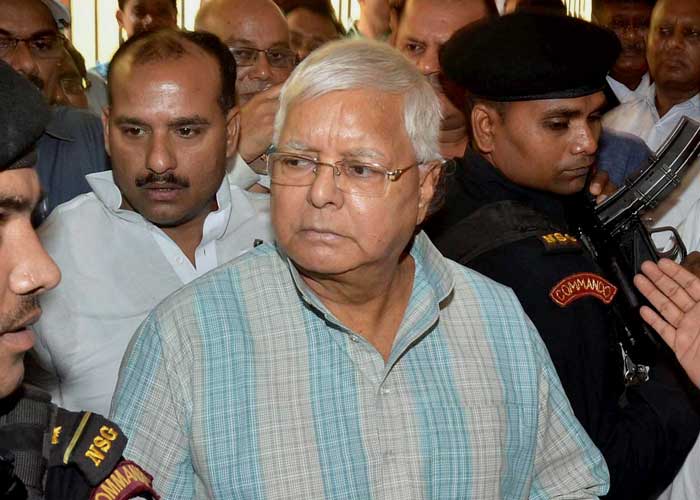
The seven-phase election has ended, and it’s quite clear that Lok Sabha election this year was different from previous elections. Simply put, it turned out to be an extremely boring and lethargic electoral exercise, as compared to previous elections. One important factor that made the elections less ‘interesting’ was the absence of popular leader Lalu Prasad Yadav. Infact, during the last two-decades, after the formation of RJD, this is the first time Lalu could not campaign in the elections. Sentenced in a corruption case by a CBI court, and currently recuperating in a Ranchi hospital, RJD supremo’s absence was felt throughout the elections.

As Lalu remained confined to Ranchi, prime-time slots and special ‘interviews’ in media, conveniently passed on to Modi. Infamous for his ‘Mann ki baat’, Modi ruled the front pages of newspapers, not just with news, but more with advertorials and advertisements. ‘Breaking News’ became irrelevant for TV channels as they couldn’t match the high frequency diatribes of Modi. There is little doubt that only Lalu could have surpassed Modi in terms of media presence and limelight. Lalu has mastered the art of media management and he also knows how to ‘deal’ with mainstream English media, who has always presented him as a bit of buffoon and extremely corrupt to its urban middle class audience.   

This election was also unique – being an issue-less election. Opposition parties, be it Congress, BSP, SP or CPI – all failed to put forward strong election issues. Left, with its coterie of film stars and activists, couldn’t see beyond Kanhaiya’s election and Gandhi siblings, despite their best efforts, couldn’t give prime-time worthy political jumlas. Even BJP ‘failed’ to highlight crucial issues of global importance like ‘Chai’ and ‘Ram temple’ in the elections. Devoid of any relevant national issues, the elections were reduced to a fist fight between Modi and Rahul. An issue-less election, made Modi relevant and hot-favourite for media and film stars. Canadian film star Akshay Kumar even tried to win some brownie points in PM’s company but couldn’t get anything beyond mangoes.

While ‘Hindutva’ remained high on the political agenda of BJP, opposition could not even rake up communalism as an issue. Lalu’s presence could have altered the situation completely. There is no other political leader who can match Lalu’s ability to raise issues of national importance in the language of common people. ‘Secularism’ could have been a major political issue had Lalu been actively engaging in these elections. He shares a deep suspicion of the RSS, and has done stupendous work for communal harmony in Bihar. It was commendable that during the Lalu regime, Bihar remained riot-free at the time of the Babri demolition and later. In the era of flexible political ideologies and malleable principles, Lalu perhaps is the only national leader who, throughout his political career, refused to enter into any alliance with the Bharatiya Janata Party.  There is no other leader who could have fought against communalism with genuine passion and political commitment in these elections.

During the entire election phase, political rallies remained lacklustre. No leader from the opposition could effectively and emotionally engage with the electorate. This created additional space for Modi’s theatrics. India has not seen a better communicator than Lalu Prasad Yadav and no one can substitute Lalu in terms of campaign style or connecting with the audience in their own language. He has a deeper linkage with poor people and an unmatchable appeal. Lalu’s reputation as one who challenged deep-rooted caste structures and upheld secularism has earned him far more credit than the disrepute his conviction in the fodder scam brought him. That’s what justifies Lalu’s charisma, which could have been used as a masterstroke.

Lastly, the mahagathbandhan would have been on a more powerful ground had Lalu played an active role in it. He has a good understanding and appreciation of coalition politics, and in the current political scenario, he could have steered it safely amidst the sloppy waters of elections.

Lalu Prasad Yadav is distinct, unconventional and still relevant in Indian politics. His presence would have made these elections a memorable affair, not just for the media but for the country and its people.
China trafficking Pakistani girls as a price for CPEC

China has fewer girls of marriageable age due to strict implementation of the single child norm as most Chinese couples opt for a male child. Hitherto, Chinese had brought women from poor countries such as Vietnam, Myanmar and Cambodia as “brides”. They have now included Pakistan in this list. But most of these “brides” are trafficked from Pakistan and end up into prostitution or fall prey to organ harvesting racketeers.

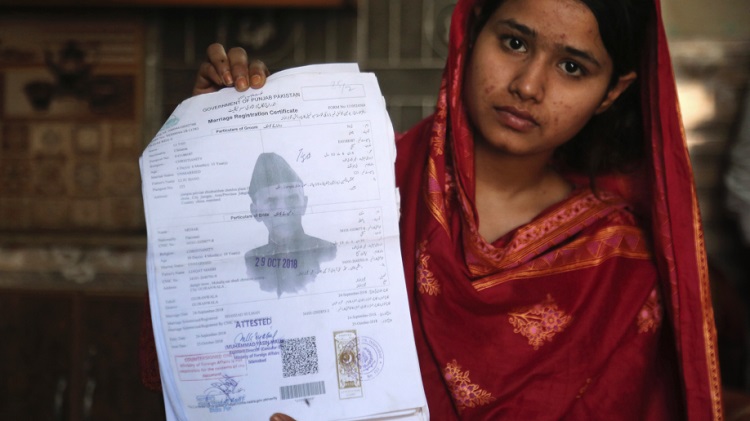
On May 6th, the Federal Investigation Agency (FIA) of Pakistan busted a racket of Chinese nationals involved in trafficking young Pakistani girls to China by contracting marriages. Eight Chinese nationals were arrested from Lahore airport and other areas on charges of trafficking the young women. Each of these families were paid fifty thousand rupees.

This is the merely tip of iceberg, as much is remaining untold about this new trend. An in-depth article on the subject titled, “The Pakistani brides being trafficked to China,” written by Saher Baloch and carried by BBS Urdu, illustrates the modus operandi with the help of a case study. A Pakistani Christian girl going by the name of Sophia was married to a Chinese who posed to be a Christian. The marriage was conducted strictly in accordance with Pakistani customs. Within a month, Sophia was back in her parents’ house; she escaped the custody of her husband on realising that she was a part of a girl trafficking racket. Sophia was lucky, but many others are not and hundreds of such case are being reported every year.

Most of the girls being trafficked are from minority communities, mainly Christians, but Muslim girls are also being targeted. Senge Sering, a US-based activist from Gilgit-Baltistan, recently posted a tweet with a video of a Pakistani girl named Ismat from Lahore who had been bought by the Chinese and was waiting to be trafficked. The hapless girl makes a fervent plea in the video to be saved. Senge Sering also made an appeal to Prime Minister Imran Khan to intervene.   

The Chinese trafficking gangs pose as Engineers working for the China Pakistan Economic Corridor (CPEC). They lure families and arrange the sham weddings. In recent weeks, more than two dozen Chinese nationals and local Pakistani middlemen, including at least one Catholic priest, have been arrested in connection with the sham marriages. The trafficked girls are put into prostitution, sexual slavery and even used for the abhorrent practice of organ harvesting, which is emerging as a big industry in China.

There are some cases of Chinese looking for legitimate brides also. This is because of the population imbalance in China as a result of the single child norm, which led to parents opting only for a male child. The deficiency in women was being covered from poor countries like Vietnam, Myanmar and Cambodia. Now Pakistan has also been included, at the top of the list, since it is the easiest country to operate in. The country has seen a surge of brides applying for visa to go to China.

There are many factors that go into making Pakistan the preferred destination for this obnoxious, grossly immoral and illegal activity. The extreme poverty in Pakistan makes it easy for the traffickers to find girls at a very less premium as compared to other countries.

Secondly, the Chinese enjoy diplomatic immunity because of their preferred status in the country as the providers of much needed money; they now look at Pakistan as their fiefdom where they can do anything with no questions asked. It can be taken for granted that the Chinese caught in the trafficking racket will go scot free while the locals will be incarcerated; hence they have no fear. Post the FIA raid the Chinese embassy had the gumption to state, “According to investigations by the Ministry of Public Security of China, there is no forced prostitution or sale of human organs for those Pakistani women who stay in China after marriage with Chinese. We will never allow a few criminals to undermine the friendship between China and Pakistan….” This statement leaves no doubt about the raid being pushed under the carpet.

An important factor in this evil network is the legal marriageable age for women in Pakistan which stands at 15 years, in accordance with Sharia Laws. At this age the girl is too young to even understand what is happening to her and as such the process becomes very easy to handle. Pakistan is now going for an amendment bill to raise the marriageable age of girls to 18 years. The bill was approved by the Senate but it faced opposition in the National Assembly. Sadly, even some ruling party members in the Assembly were seen giving opposing views, which is quite unprecedented. Those with rigid mind set in religious affairs termed the bill as one denouncing Allah; they questioned whether the lawmakers knew more than Allah.

China is also exploiting and harassing Uighur Muslim women married to Pakistani traders. These traders leave their families in Xinjiang when they come back to Pakistan to conduct business. In 2017 alone, 40 such women vanished even as the hapless families went from pillar to post searching for them. They have recently been released but only after giving an assurance that their religious ideals will remain “adaptable to Chinese society.” The women are telling devastating stories of their time in custody, where they were made to eat pork and drink alcohol which is not allowed in their religion.

Pakistan is clearly paying a very heavy price for CPEC. The project is facilitating the infiltration of the Chinese into the very fabric of the Pakistani society and causing havoc to the people. While the rich are becoming richer beyond comprehension and remain unaffected by the Chinese duplicity, the life of the poor and marginalised is becoming unbearable. The minorities, already under stress of surviving in a vitiated environment, are now facing the biggest threat ever, where their children are being exploited beyond belief.

What is happening in Pakistan is no better than the slave trade of the olden times. It is time for the international community and human rights organisations to take notice of the terrible situation developing in the country due to the unholy China-Pakistan nexus. It has already deprived the poor people of their livelihood and is now directly attacking their family honour.

Campaign to control illegal wildlife trade launched by Dia Mirza

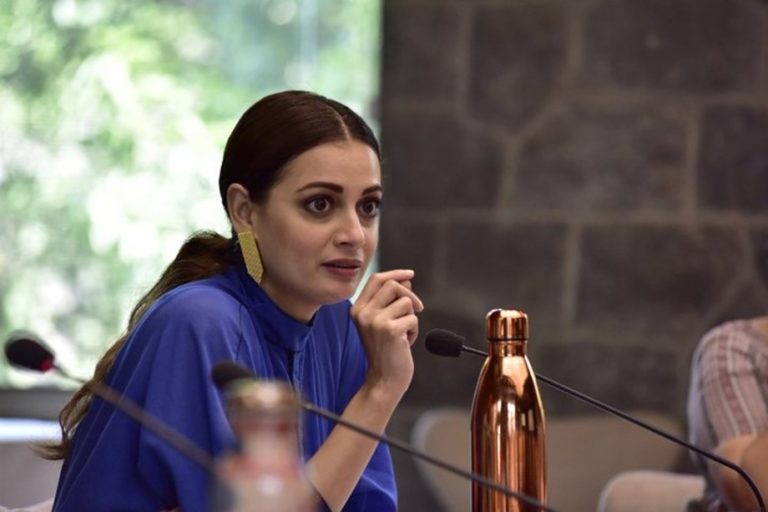
UN Environment India and Wildlife Crime Control Bureau (WCCB) of India have launched an awareness campaign ‘Not all animals migrate by choice’ to be displayed at major airports across the country. Actor, Producer, UN Environment Goodwill Ambassador and recently appointed Secretary-General’s SDG Advocate, Dia Mirza, recently inaugurated the campaign in presence of officials from the Ministry of Environment, Forest and Climate Change, Wildlife Crime Control Bureau of India, UN Environment, UN agencies and GMR Group.

“Conservation is innate to India’s ethos. While wildlife faces threat across the globe and India’s flora and fauna’s demand continues in illegal global markets, in keeping with our stringent provisions for protection of wildlife under the Wild life (Protection) Act, 1972, efforts towards creating awareness among public at large would go a long way to help protect our wildlife,” said, Secretary, Ministry of Environment, Forest and Climate Change, Shri CK Mishra.

Illegal wildlife trade is driving species to the brink of extinction. A thriving industry with organized wildlife crime chains spreading across the world, in India, illegal trade in wildlife has seen a sharp rise. The campaign ‘Not all animals migrate by choice’ aims at creating awareness and garnering public support for the protection and conservation of wildlife, prevention of smuggling and reduction in demand for wildlife products. The campaign also complements worldwide action on illegal trade in wildlife through UN Environment’s global campaign, Wild for Life.

“There is an urgent need for awareness, action and stringent enforcement of laws to put an end to all illegal wildlife trade threatening biodiversity and conservation in the wild. This campaign is an important step forward in creating much-needed awareness on wildlife trafficking which threatens the very survival of these species,” said Atul Bagai, Head, UN Environment India.

In the first phase of the campaign, Tiger, Pangolin, Star Tortoise and Tokay Gecko have been chosen as they are highly endangered due to illegal trading in International markets. Tiger is traded for its skin, bones and body parts; Pangolin, the most illegally traded wild mammal on the planet is trafficked for its meat and its scales are used in traditional medicines; Star Tortoise for meat and pet trade and Tokay Gecko in traditional medicine mostly into South East Asia and particularly Chinese Markets. Phase two will see more threatened species and explore other routes of trafficking.
“A huge global demand for our flora and fauna is a major cause for illegal wildlife trade by ruthless cross border smugglers. WCCB stands committed to fight this organized crime but it is crucial to work together across various government and non-government organizations, private sector and civil society to save wildlife. Our awareness campaign at Airports is a step towards reaching out to the public,” said Tilotama Varma, Additional Director, Wildlife Crime Control Bureau of India

Recent media reports on seizures of illegally traded species and their parts at airports is a growing indication of rampant wildlife trafficking. Some of the major wildlife species being smuggled through airports are star tortoises, live birds, Shahtoosh shawls, tiger and leopard body parts, ivory, rhino horns, pangolin and pangolin scales, sea shells, sea-horse, Sea-cucumber, red sanders, agarwood, deer antlers, mongoose hairs, reptile skins, live snakes, lizards, corals, orchids and medicinal plants.

Dia Mirza, Actor, Producer, UN Environment Goodwill Ambassador & Secretary-General’s SDG Advocate said, “Wildlife trafficking thrives on ignorance and indifference to the species and laws that govern it .This campaign gives a glimpse of the cruelty and suffering these magnificent species have to endure for being trafficked. The need of the hour is greater awareness and commitment to protecting these species to ensure that they not just survive but also thrive in the wild.”

In collaboration with the Airports Authority of India and GMR Group, the campaign will travel across 22 airports across India over the next year. Both WCCB and UN Environment initiated a comprehensive approach with a focus on awareness building of various stakeholders towards the issue of prevention of illegal trade and smuggling of wildlife and wildlife products through exit points. The awareness campaign is expected to complement the efforts of the Govt. Agencies.

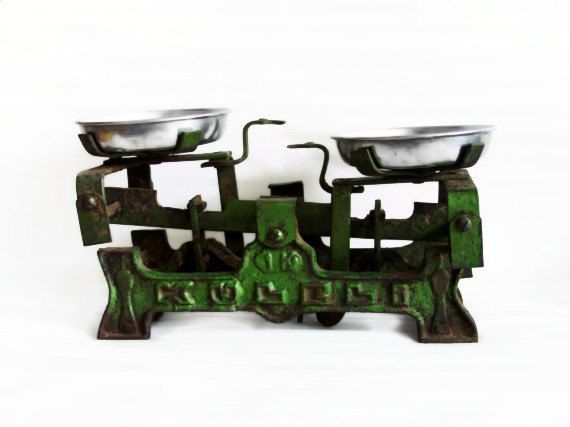
World gets new measurement units of kilogram, Kelvin, mole and ampere

After decades of ground-breaking laboratory works, the world’s scientific and technical community, in a landmark and historic decision taken in the recent open session of the General Conference on Weights and Measures (CGPM) at BIPM on 16 November 2018, has unanimously adopted the resolution to redefine four of the seven base units, the kilogram (SI unit of weight), Kelvin (SI unit of temperature), mole (SI unit of amount of substance), and ampere (SI unit of current). This decision has now enabled scientists and researchers to base the SI units entirely on fundamental properties of nature, which will ensure their ongoing refinement and improvement for years to come. The fundamental constants are invariants of time and space and successfully replaced the artifact based units, and aptly opened up the new era for quantum world by linking all seven base units to fundamental constants/quantum standards.

The new SI is being implemented worldwide from 20th May 2019 i.e. the World Metrology Day. The World Metrology Day (WMD) is celebrated annually on this very day as the Metre Convention was signed by representatives of seventeen nations on May 20, 1875. The Convention set the framework for global collaboration in the science of measurement and in its industrial, commercial and societal applications.

DG CSIR, Shri Shkehar C. Mande present on the occasion congratulated the NPL in bringing out the new units and said that quantum computing, artificial intelligence (AI), Industry 4.0, space enabled communications, are some of the international challenges of the near future and it is necessary for India, the fastest growing economy to make the triumphs to meet the above challenges with the support of quantum metrology based quality infrastructure.

The whole metrology world, especially the National Metrology Institutes (NMIs) are celebrating this year’s WMD as mark for the new beginning of metrology, based on constant of nature on a large scale. CSIR-NPL, the NMI of India have kept the strides going in these fields and started the R&D efforts in establishing the new SI, alongside the international implementations from 20th May 2019.

On this historic day, CSIR-NPL introduced redefined SI Units to nation in terms of constant of nature through a series of events, delivering lectures, releasing theme (The International System of Units – Fundamentally Better) based poster of BIPM; release of NPL’s designed posters introducing redefined SI to nation highlighting fundamental constant of nature and impact of metrology on all walks of human life; release of poster on technologies transferred, commercialized, patents filed / granted, number of customer served through testing and calibrations by CSIR-NPL during 2018-2019, release of poser on Bhartiya Nirdeshak Dravya (BND) and release of new NPL certified BNDs.

As a national responsibility and keeping in view of the importance and recognition of new revision of SI, the CSIR-NPL has also prepared documents on i) NPL Policy on Metrological Traceability, ii) recommendations on the proposed changes to be incorporated in the National Council of Educational Research and Training (NCERT), New Delhi textbooks and implement the new changes to impart cotemporary education to its students and iii) recommendations on the proposed changes to be incorporated in syllabi of metrology courses in graduate engineering and academic courses being taught in All India Council for Technical Education (AICTE), Indian Institutes of Technology (IITs), National Institutes of Technology (NITs), and other academic institutes.

On this occasion CSIR-NPL also published a book entitled, “Redefined SI Units and Glimpses of NPL Metrological Activities” of almost 100 pages to percolate and disseminate the information accommodating details on new changes, posters and documents mentioned above and role of NPL in strengthening the Indian metrological infrastructure for the govt. representatives, policy makers, regulator, certification bodies, academic institutions, industries and public as a whole.

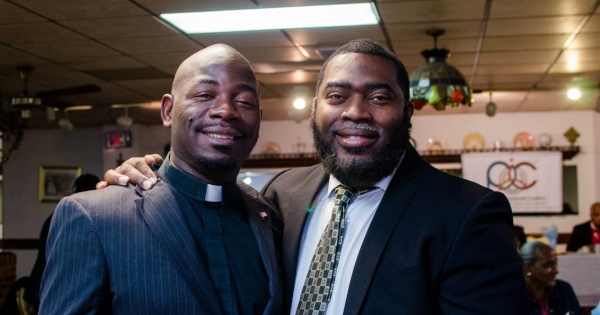
Dossier on Gay Priests and Seminarians

Newsweekreported on a massive dossier, at 1,200 pages, listing several priests and seminarians who are labelled as “actively gay” in Italy alone.

This was sent to the Vatican via the archdiocese of Naples. Francesco Mangicapra created the document. He is a gay male escort and did not like the hypocrisy of the priests and decided to do something about it.

He said, “The aim is not to hurt the people mentioned, but to help them understand that their double life, however seemingly convenient, is not useful to them or to all the people for whom they should be a guide and an example to follow.”

Now, an Italian Cardinal and the Archbishop of Naples, Crescenzio Sepe, stated that none of the named priests are currently stationed in Naples. Note, this does not deny the veracity of the claims in the large dossier.

Now, this is simply adding to the pile of accusations against members of the Catholic hierarchs around the world but, this time, focused on Italy in particular.

As reported, “Last month, an Italian court issued a 14-month suspended sentence to a Vatican tribunal judge for sexual molestation and possessing child pornography. Monsignor Pietro Amenta, a judge on the Rota (a court that hears mostly family cases), was arrested last March for publicly fondling an 18-year-old man in Rome.”

With the examination of the computer, the authorities found pornographic images of the young on the person computer. Then there was a plea bargain accepted by Paloma Garcia Ovejero, Vice Director of the Vatican Press Office. In an email from the Catholic News Service, it stated that he had “resigned as the prelate auditor of the Roman Rota.”

Photo by Eber Devine on Unsplash

Abortion Not to be Reopened as an Issue in Ontario, Canada

The Toronto Star reported on statements by a Canadian politician from a pro-life perspective, which created some stir and a tad of controversy.

The Progressive Conservative MPPs, according to Ford, will have the opportunities to speak as they deem fit. But the government of the province of Ontario will not touch the issue of abortion anymore.

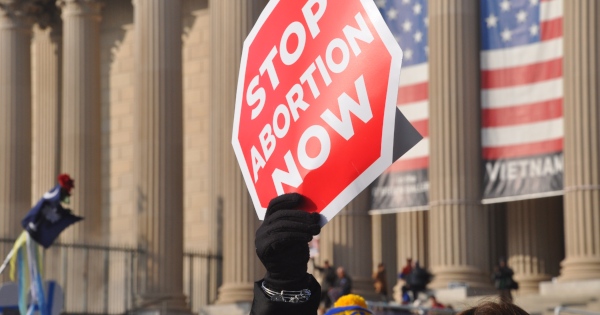
Ford said, “I don’t dictate to anyone what their beliefs are.” This was following statements of Sam Oosterhoff of Niagara West. He spoke at a pro-life or anti-abortion rally. Those who wish deny the right of abortion to women through some measures including illegality in many, most, or all respects.

Ford continued, “Can any of my members speak their mind? Yes, they can speak their mind, because not everyone in this legislature thinks the same… We have a big tent there.”

However, Ford was clear on the orientation of the provincial government not taking part in the opening of the abortion debate any longer. Oosterhoff and others stood to applaud the statements by Ford.

The article stated, “The MPP, who was also in the news last week after his constituency office called Niagara region police on a senior citizen’s book club that was protesting library budget cuts, told the crowd of hundreds of protesters last week he will work to make abortion ‘unthinkable’ and later quoted a children’s author to explain his position.”

The children’s book author was Dr. Seuss mentioning the mattering of someone no matter their size or “how small.” Oosterhoff has been an outspoken pro-life or anti-abortion politician in his early career to date.

One concern amongst the New Democrats is that the funding for the abortion services funded by the province could be cut to some degree in the midst of budgetary cuts by the government of Ontario under the premiership of Doug Ford.

“In the PC leadership race last year, Ford raised concerns he was cosying up to social conservatives by questioning why teens need parental consent notes to go on school trips but not to get abortions,” the Toronto Star stated.

MPP Suze Morrison stated that women have taken a long fight for bodily autonomy; with the cuts to the budget, this becomes a major concern for the women who rely on the health care system in Ontario for some of the services regarding reproductive health rights, including abortion services. All remain fundamental human rights.

The denial of the rights to abortion, for one, becomes a human rights violation as this would deny the fundamental right to abortion for women. Thus, this would become a violation of the right stipulated for decades by the United Nations.

“Ford referred the question to Children and Community and Social Services Minister Lisa MacLeod, who noted she supported legislation passed by the previous Liberal government to have 50-metre safety zone outside abortion clinics so women can enter free of harassment,” the article concluded, “‘This government will continue to stand up for women’s rights across this province, despite the rhetoric from the members opposite,’ said MacLeod, adding, ‘We respect debate internally within our caucus.’”

Photo by Maria Oswalt on Unsplash

Norway’s Life Expectancy and SES Status

According to JAMA, in some recent research published on the life expectancies of the Norwegians between 2005 and 2015, there has been some interesting or intriguing general findings in the decades-long study on life expectancy amongst the general population in accordance with a slice of the economic and social strata of the society.

If an individual is amongst the more wealthy in the country, even in a “largely tax-financed universal health care system and moderate income differences” nation-state, we can see the question asked, “does life expectancy vary with income, and are differences comparable to differences in the United States?”

It becomes an important question too. If we look at some of the issues surrounding the context of Norway, the country should seem healthy and functional in regards to income inequality.

By many metrics, this country appears to be reported as a healthy society on the levels of income inequality within the society and on the provision of a functional healthcare system to its citizenry.

One of the issues seen here is the way in which income differences or social strata differentials can lead to alterations in the life outcomes of individuals within society.

3,041,828 persons at age 40 were studied for the ten year period.

As reported, “…the difference in life expectancy between the richest and poorest 1% was 8.4 years for women and 13.8 years for men. The differences widened between 2005 and 2015 and were comparable to those in the United States… Inequalities in life expectancy by income in Norway were substantial and increased between 2005 and 2015.”

This may have an application to other advanced industrial economies and Western, socially and culturally speaking, societies.

Photo by Ravi Roshan on Unsplash

Mormonism and Minorities

According to the Toronto Star, the Church of Jesus Christ of Latter-day Saints has taken a position on a comprehensive nondiscrimination bill stated to protect LGBT rights

It gives broad protections. This became the crux of the issue for the Church of Jesus Christ of Latter-day Saints or the LDS. The representatives of the LDS church stated that the bill, or the Equality Act, will be a direct threat to religion.

In the following senses, it will post a threat to religious employment standards, to religious education, and to the funding of religious charities.

As reported, “The church pointed out the importance of religions and religious schools having the right to create faith-based employment and admissions standards.”

The other religious groups who have stood in solidarity with the LDS in opposition to this have been the Southern Baptist Convention and the Roman Catholic Church.

This legislation adds gender identity and sexual orientation to the current federal nondiscrimination laws in “employment, housing, education, and public spaces and services.”

The Equality Act simply protects vulnerable individuals in society who, as of recently, have begun to have some modicum of respect, dignity, and representation within the society.

“The bill has widespread Democratic backing and seems certain to pass the House, but the chances appear slim in the Republican-controlled Senate,” the Toronto Star stated, “The Utah-based faith, widely known as the Mormon church, said it favours ‘reasonable’ measures to protect LGBT people’s access to housing, employment and public accommodations, but that such efforts shouldn’t erode the right for people to live and speak freely about their religious beliefs.”

The LDS church has been progressing in ways not seen, in terms of rapidity, in other faiths, which took much longer while other have not moved at all (or much).

The LDS church lives with the difficult context of wanting to affirm the rights of the LGBTQ community while also sticking within the boundaries of the faith on homosexual marriage and intimacy of same-sex couples.

This is difficult to straddle this line.

The article informed, “The church points to a 2015 Utah anti-discrimination law it backed. That measure made it illegal to base employment and housing decisions on sexual orientation or gender identity, while also creating exemptions for religious organizations and protecting religious speech in the workplace. The faith said the federal Equality Act doesn’t strike the right balance.”

In the minds of the officials of the LDS church, the difficulty lies between religious liberty and the rights of the LGBT community. They see the proposal in the Equality Act as something that is eroding the free practice of religion while also “preventing diverse Americans of good will from living together in respect and peace.”

U.S. Sens. Mitt Romney and Mike Lee have opposed the legislation.

Photo by Štefan Štefančík on Unsplash

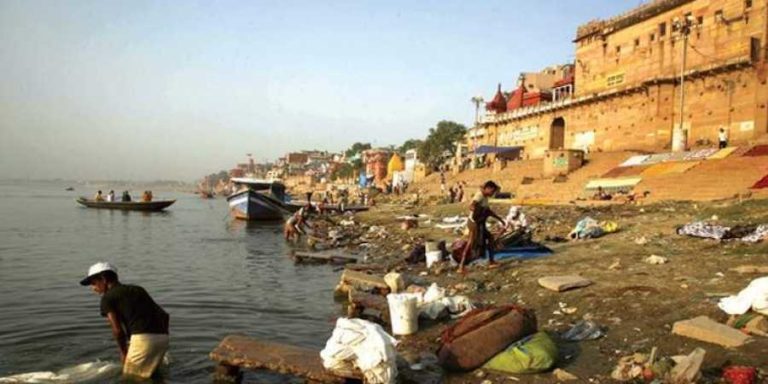
Approach of National Mission for Clean Ganga (NMCG) is to help polluters not Ganga: NGT

Even a drop of pollution in Ganga is a matter of concern and the attitude of all authorities should be stringent to protect the river, the National Green Tribunal (NGT) has said while seeking concrete action plan on the issue.

A bench headed by NGT chairperson Justice Adarsh Kumar Goel pulled up the National Mission for Clean Ganga (NMCG) over its action plan for Uttar Pradesh, Bihar, Jharkhand and West Bengal and said it does not show concrete plans with prompt timelines and effort in prohibiting pollution.

“The NMCG has not filed the precise information about the status of projects planned and executed between Kanpur to Ganga Sagar. Thus, the affidavit of the NMCG is of no assistance. The counsel appearing for the NMCG is not ready and is merely dependent on Praveen Kumar, Director (Technical), NMCG who is also not competent to assist this tribunal.

“During the interaction, we find his approach to be to help the polluters instead of remedying the pollution which is the mandate of law and the orders of this tribunal,” the bench, also comprising Justices S P Wangdi and K Ramakrishnan, said.

It asked the NMCG to take remedial action so that assistance of a suitable person is provided to this tribunal with precise information failing which the tribunal may consider coercive measures against it.

The tribunal also asked the concerned states to take the matter seriously and assist the bench with precise information either through senior officers or through counsel.

“We direct Uttarakhand, Bihar, Uttar Pradesh, Jharkhand and West Bengal to place the status of water quality in the respective states on their websites and update the same on a monthly basis indicating fitness of water at various places for drinking or bathing purposes.

The CPCB may indicate water quality of the Ganga river at boundaries of the said states on its website,” the tribunal said.

A tryst with Congolese food in India

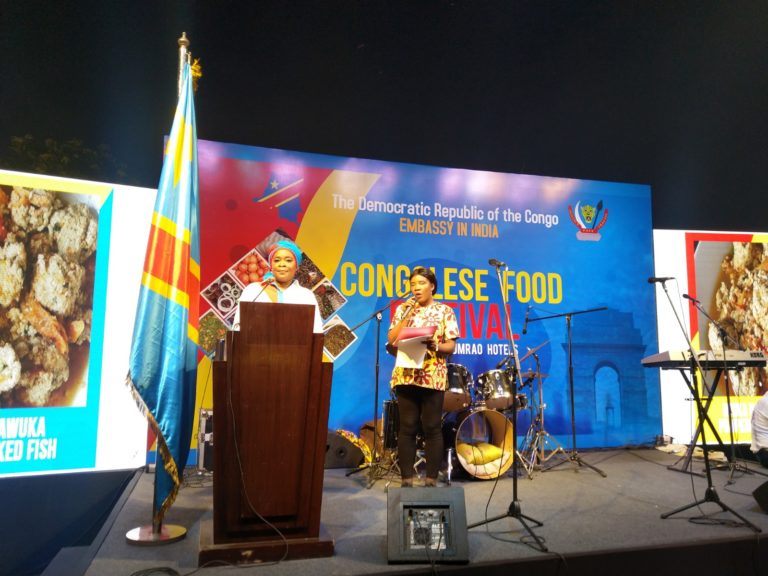
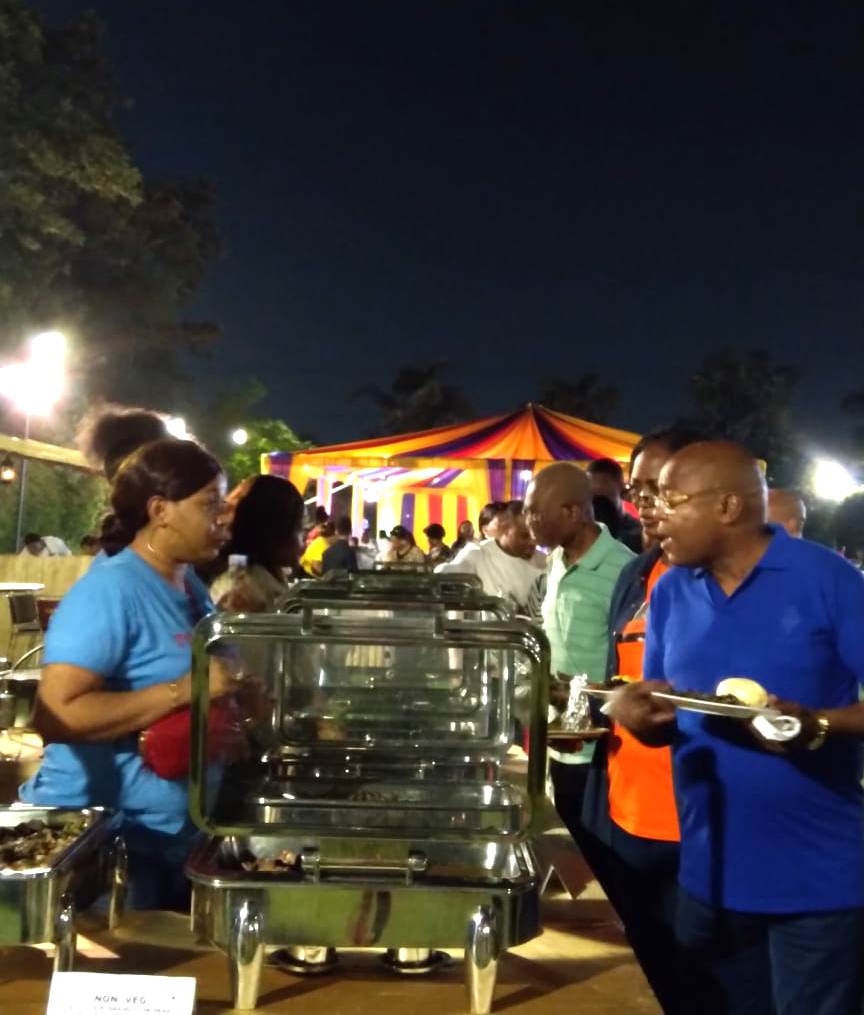
Food and Music together make an enchanting combo. Recently, the fascinating symphony of food and music, at the Congolese food festival, made the pleasant Delhi evening truly special. Hosted by the Embassy of Democratic Republic of Congo in India, it was a wonderful opportunity to discover, appreciate and explore different aspects of the Congolese culture through its food, music and dance. Food from several provinces of the Democratic Republic of Congo was served in the festival. This included Kinshasa, Kwilu, Kongo Central, Equateur, Kasaï-Oriental, Kivu, Katanga, and several others. Traditional recipes from different regions provided an eclectic range of cuisine to food lovers.

Inaugurating the wonderful evening, H.E. Mossi Nyamale Rosette, Ambassador of Democratic Republic of Congo in her speech said, “This kind of event testifies the existence of excellent relations of friendship and cooperation that unite different peoples around the world. It is an opportunity that allows us to come closer to benefit each other, by a better knowledge and mutual understanding of our different cultures.” She also conveyed the Congolese government’s gratitude to the Republic of India for the excellent bilateral relationship with Democratic Republic of Congo.

In the Democratic Republic of Congo, food is totally organic consisting of fish, meat, caterpillars that are rich in protein and vegetables, accompanied by the fufu, plantains, chikwange and rice. Congolese meals often consist of a starchy ingredient, cassava or corn flour called fufu or ugali along with vegetables and meat in the form of a stew like cassava leaves, tshitekutaku (a spinach-like plant), okra and mushrooms. A wide range of crops are grown in Congo, including maize, rice, cassava, sweet potatoes, yam, taro, plantain, tomatoes, pumpkin etc and together with other regional food items create an interesting and eclectic variety of cuisine.

Food items that were generously served to the invited guests in the festival included smoked fish with pumpkin seed, cassava and maize flour, roselle leaves, missile, sweet potatoes, beans, rice, wild spinach stew, butterfly larvae, mutton head and intestine, caterpillar, fingerlings, mashed bananas, braised chicken and several other traditional Congo food items. Renowned culinary historian, Ashish Chopra, whose favourite dishes in the festival were caterpillar and pork troters said, “Congo cuisine has traces of french Arabic and Asian influence. The food looks good and is delicious. As there are different ethnic communities in DR Congo, their cuisine is equally diverse. Congolese cuisine is dominated by farmland products together with meat and fish that makes it extremely nutritive. For example, edible caterpillars, which are quite popular, have high levels of protein and micronutrients like iron and zinc.”

The festival was attended several ambassadors, seasoned diplomats, senior officials and Congolese people here in India.