Home Blog Page 46

Mob lynching outside Ahmadiyya mosque in Lahore, Pak police stands idle

A radical extremist mob gathered outside the Ahmadiyya Mosque in Islamiya Park, Lahore, as a mob lynching unfolds. Despite police presence, authorities have turned a blind eye to the attack.

The ongoing violence against the Ahmadiyya community, which is classified as non-Muslim by Pakistan’s constitution, underscores the systemic persecution and hate crimes faced by religious minorities in the country. These incidents highlight the precarious and dangerous environment that minority groups endure.

In a recent act of aggression, Pak Army backed-Punjab police conducted a raid on an Ahmadi place of worship. Authorities not only destroyed the minarets but also defaced the Kalima, a sacred Islamic inscription.

This brazen vandalism reflects a broader campaign to marginalize and terrorize the Ahmadi community. This institutionalized persecution by the Paki establishment effectively disenfranchises them.

The failure of Pakistan to intervene and protect its citizens is a grave indictment of its governance. The authorities’ complicity in the ongoing violence reveals a troubling disregard for the safety and rights of religious minorities. In this Islamic Republic, even Muslims are not safe.

Violent land dispute erupts between Shia & Sunni tribes in Kurram; Paki establishment quiet

At least 20 people have been injured and two killed in escalating violence between Shia and Sunni tribes in Kurram district, highlighting a disturbing pattern of sectarian strife and the Pakistan Army’s failure to provide adequate security. Despite the evacuation of bunkers, intermittent firing continues, with reports of three missiles landing in Sadda, Central Kurram, causing significant damage to local infrastructure.

The conflict erupted over a land dispute, further inflamed by demands from Shia Muslims in Parachinar for a blasphemy case against Sunni Muslims in Sadda. The Sunni community has labeled Shias as heretics and insulted revered figures, exacerbating tensions.

Shia residents have long faced insecurity and vulnerability, a direct consequence of the security agencies’ inadequate response to extremist threats. The recurring attacks and violence have claimed numerous innocent lives, leading to rising frustration and anger among the minority Shia population.

The Punjabi Pak Army’s failure to protect its citizens, particularly vulnerable groups like the Shia community, is a significant governance failure. The Army’s inaction in the face of rising sectarian violence reflects the treatment of minorities as second class citizens, leaving them exposed to ruthless terrorists.

Khyber-Pakhtunkhwa: IED attack targets international diplomats in Swat

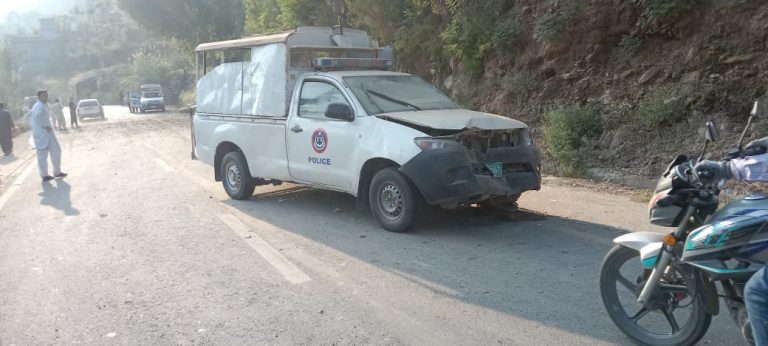
An improvised explosive device (IED) targeted a police vehicle escorting a group of 24 diplomats and their families during an official visit to Swat in the Khyber Pakhtunkhwa province. The attack claimed the life of one police officer and injured three others. The diplomats, who were unharmed in the blast, were on a visit arranged by the Islamabad Chamber of Commerce and Industry (ICCI) in collaboration with the Swat Chamber of Commerce.

Among the diplomats present were high-ranking officials from countries including Rwanda, Bosnia and Herzegovina, Portugal, Tajikistan, Zimbabwe, Turkmenistan, Iran, Ethiopia, Indonesia, Kazakhstan, Vietnam, and Russia. Notably, Russian Ambassador Albert Khorev, who was part of the group, was reported safe but visibly shaken by the explosion.

Deputy Inspector General of Malakand Division, Muhammad Ali Gandapur, confirmed that the explosion was caused by a remote-controlled IED. “The attack targeted the police; no foreigners were hurt,” he said.

Diplomatic security arrangements have come under scrutiny following the attack, with senior officials in Khyber Pakhtunkhwa pointing to a potential lapse in protocol. According to these officials, the ICCI directly coordinated with Malakand Police, bypassing the senior provincial authorities in Peshawar responsible for overseeing diplomatic engagements. Despite these concerns, the foreign office had provided the required No Objection Certificate (NOC) for the mission.

IED Attack on Diplomatic Convoy

The diplomats had arrived in Swat on September 22, as part of a two-day schedule that included visits to local cultural sites, lunch at the White Palace, and a stay at Pearl Continental Malam Jaba Ski Resort. Swat police had deployed 36 officers to ensure the delegation’s security, with police teams and bomb disposal units sweeping the routes. However, despite these measures, the IED attack occurred.

Diplomatic sources revealed that Turkey and Spain had declined to participate in the visit, citing security concerns. While no group has yet claimed responsibility for the attack, Swat and the Malakand division have seen an increase in violent assaults, primarily targeting law enforcement. Most attacks in the region have been attributed to the Tehreek-e-Taliban Pakistan (TTP), a terrorist group that has been active in the area since the breakdown of peace talks, leading to widespread unrest.

The Khyber Pakhtunkhwa occupied government had recently lifted the NOC requirement for foreign tourists in January 2024, but the region remains a hotspot for the Pakistan Army’s inbred terrorists, now turned rogue, with TTP terror attacks defying all security protocols.

This attack showcases how inefficient the Punjabi Pak Army is in its inability to curtail terrorists attacks, while it uses all its might to suppress innocent Pashtuns by abducting and extrajudicially killing them.

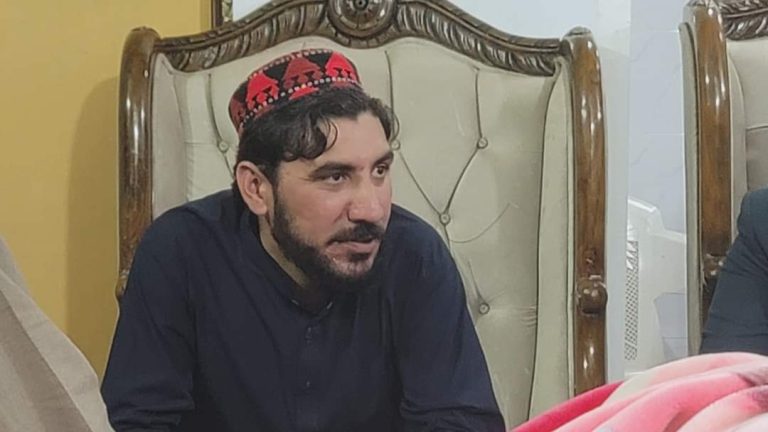
Pak Army files FIR against Manzoor Pashteen for organizing Pashtun gathering

In another display of Pak Army’s authoritarian grip over its tribal regions, police in Orakzai district registered an FIR against Pashtun Tahafuz Movement (PTM) leader Manzoor Pashteen, along with other organizers of a peaceful gathering aimed at rallying support for the upcoming Pashtun Grand Jirga on October 11. The Khyber Pakhtunkhwa (KP) police, operating in the former Federally Administered Tribal Areas (FATA), have once again shown themselves to be mere tools of the unaccountable Pak Army establishment, acting on orders to silence any dissent in the region.

Manzoor Pashteen has emerged as a leader the Paki establishment never anticipated, one who has become a powerful voice for the long-suffering Pashtun community. His calls for Pashtun unity have resonated across KP, where the population has endured decades of exploitation and atrocities at the hands of the Punjabi-Pak military.

Despite the peaceful nature of their protests, Pashtun activists continue to face persecution. Even transport workers in KP have been arrested in recent days. The arrests are part of a larger effort to stifle the growing Pashtun movement.

Pashtuns in KP have reached their breaking point. Tired of the Punjabi elite’s disregard for their lives and livelihoods, the Pashtun people are taking matters into their own hands, demanding accountability for decades of exploitation. The PTM’s national gathering on October 11 will serve as a crucial platform to raise awareness about the human rights violations they have endured and to call for international attention to their plight.

Since the occupation of the Khyber region in 1947, the Punjabi Pak Army has waged a campaign of relentless violence against the Pashtun people. Under the guise of counter-terrorism operations, the Army has engaged in indiscriminate shelling of villages, extrajudicial killings, abductions, and staged encounters, leaving a trail of devastation in its wake. The military has used the region as a battleground for its own interests, treating its inhabitants as collateral damage.

Islamic State Khorasan terrorists kill five Shias in Khyber-Pakhtunkhwa

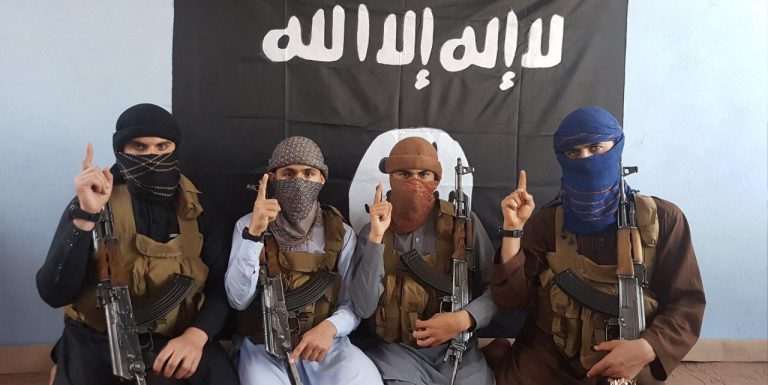
In a brutal attack last week, five people from the Shia community were killed in the Rustam area of Mardan, Khyber-Pakhtunkhwa, when Islamic State Khorasan (IS-K) terrorists targeted their home. While IS-K openly claimed responsibility for the killings and published images of the aftermath in its propaganda magazine Al-Naba, local police have downplayed the incident, attributing the deaths to a lightning strike that allegedly caused the house to catch fire.

ISKP’s message, shared alongside a photo of the destroyed home, asserted that the attack was deliberately aimed at the Shia sect, a community increasingly under siege by extremist elements in Pakistan and Afghanistan. Despite this, Khyber Pakhtunkhwa police have denied the group’s claim, insisting that the deaths were caused by natural forces, not a terrorist attack. Authorities are still awaiting the post-mortem report.

The Islamic State’s claim, however, comes on the heels of a series of escalated attacks on Shia communities in the region. Just days earlier, ISKP terrorists massacred Shi’ite pilgrims in central Afghanistan, releasing images of the bloody aftermath. Since the Taliban’s takeover in 2021, the Sunni extremist group has intensified its campaign of violence against the Shia minority, particularly the Hazara community, which has long been persecuted in the region.

The Pak authorities failure to acknowledge these attacks not only undermines the safety of minority groups but also reveals the occupied-state’s inability to control the rising influence of ISKP.

Pak Army abducts three more Baloch youths in POB

The relatives of Zakir Dashti, who was reported missing from the Panjgur district of Pak-occupied-Balochistan, staged a protest on the China-Pakistan Economic Corridor (CPEC) highway, effectively halting traffic. The demonstration was sparked by the lack of action from occupied-authorities regarding Dashti’s disappearance, which his family says occurred two days prior when he was abducted by armed men.

The protest took place at Suradak, where family members blocked the road, demanding the immediate recovery of Zakir Dashti. The gathering included women and children, underscoring the widespread concern within the community.

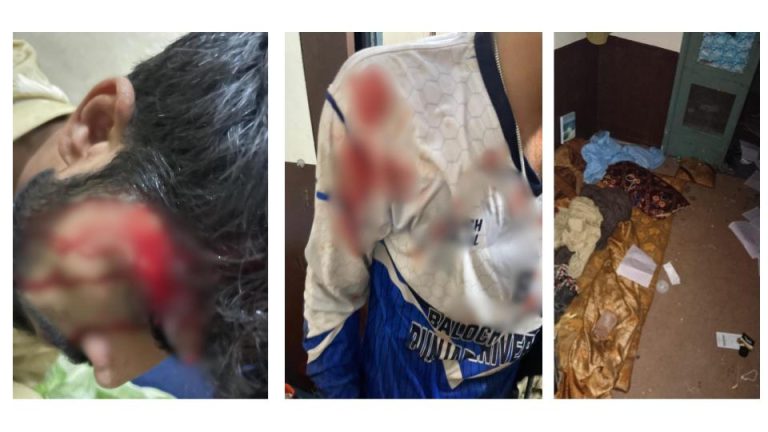
Furthermore, two young men, Mahboob son of Abul Hassan and Wahab son of Majeed, have gone missing after being arrested by Pak Army at the Duro Kandag check post in Gwadar. Reportedly, they were taken into custody and subsequently transferred to an undisclosed location, raising serious concerns about their safety and well-being.

The actions of the Pak Army in this case echo a disturbing pattern of enforced disappearances that has plagued POB for years. Family members and local activists have long suffered by the hands of the military for abducting individuals without accountability, often leaving families in anguish as they seek answers about their loved ones’ fates.

This incident is the latest example of the Pakistan Army’s brutal suppression tactics against the Baloch community, a long-standing practice. Enforced disappearances, extrajudicial killings, and the notorious “kill and dump” policy have become hallmarks of the military’s strategy to stifle dissent and silence calls for Baloch autonomy since it forcefully occupied the region in 1948.

Israeli airstrike kills top Hezbollah commander Ibrahim Aqil in Beirut

In a dramatic escalation of the ongoing Israel-Hezbollah conflict, an Israeli airstrike on Friday targeted Hezbollah’s stronghold in southern Beirut, killing Ibrahim Aqil, the head of the group’s elite Radwan unit. A source close to Hezbollah confirmed the death of Aqil, while Israel stated it had carried out a “targeted strike” in the Lebanese capital.

The Lebanese health ministry reported that the strike killed three people and injured 17 others. This attack marks the third Israeli airstrike on the southern suburbs of Beirut since the outbreak of the Israel-Hamas war on October 7.

The strike reflects a significant shift in the focus of the conflict, with violence increasingly extending from Gaza to Lebanon. In recent months, Israeli airstrikes have claimed the lives of several high-ranking Hezbollah and Hamas leaders, including Fuad Shukr, a top Hezbollah commander, in July, and Saleh al-Aruri, a Hamas leader, in January.

Earlier on Friday, Hezbollah retaliated by launching dozens of rockets from Lebanon following Israeli airstrikes that destroyed several of the group’s rocket launchers. In response, Israel bombarded Hezbollah positions, with the Israeli military claiming to have hit approximately 100 launchers. Hezbollah reported the death of two of its fighters in these attacks.

Hezbollah Vows Retribution

The intensifying violence comes on the heels of Hezbollah leader Hassan Nasrallah’s Thursday vow to retaliate for “sabotage attacks” on the group’s communications devices, allegedly orchestrated by Israel. These explosions killed 37 people and wounded thousands, adding to the growing tensions in the region. The UN Security Council is set to discuss these attacks, with many expressing concern about their impact on civilians.

Nasrallah described the explosions as a “massacre” and warned Israel would face severe consequences. “Just punishment will come, where Israel expects it and where it does not,” Nasrallah said.

In southern Lebanon, the intensity of Israeli airstrikes has instilled fear among residents. Marjayoun, a town near the border, was subjected to one of the most severe bombardments since the cross-border exchanges began last year.

Hezbollah fired approximately 140 rockets toward Israel in response to the overnight bombardment. Israel’s military responded with continued airstrikes, targeting Hezbollah’s military infrastructure.

Wider Regional War Looms

As tensions soar along the Israeli-Lebanese border, there are growing fears of a wider regional war. Thousands of civilians on both sides of the border have already fled their homes, while international mediators continue efforts to prevent a full-blown conflict between Israel and Hezbollah.

Speaking to Israeli troops, Defense Minister Yoav Gallant emphasized that Hezbollah “will pay an increasing price” as the country shifts its war efforts from Gaza to its northern border with Lebanon. Gallant warned that this was “the start of a new phase in the war.”

The United Nations and international officials have raised concerns about the legality of the sabotage of Hezbollah’s communication devices. UN Human Rights Chief Volker Turk condemned the explosions as “shocking” and criticized their effect on civilians. U.S. Secretary of State Antony Blinken urged restraint, emphasizing the need to avoid further escalatory actions amid ongoing attempts to broker a ceasefire in Gaza.

TTP attacks Pak Army, kills six soldiers in south Waziristan 

In a tragic incident, six security forces personnel were killed and eleven others injured in a Tehreek-e-Taliban Pakistan (TTP) terrorist attack on a security check post in the Mishta village of Ladha tehsil, South Waziristan, during the night of Thursday and Friday.

The attack occurred as terrorists targeted the check post, leading to significant casualties among security forces. Reportedly, a clearance operation is currently underway to neutralize the threat posed by the attackers. This incident is part of a troubling trend, as the TTP has increasingly targeted security personnel, raising alarm over the deteriorating security situation in Khyber Pakhtunkhwa.

The occupied-govt has long accused the TTP of operating from sanctuaries within Afghanistan, a claim that has been repeatedly denied by the Afghan Taliban. The rise in terrorist incidents since the Taliban takeover in Kabul in 2021 has dashed hopes in Islamabad for a collaborative approach to countering militancy. Instead, relations between Pakistan and Afghanistan have soured, primarily due to the TTP’s activities and frequent border skirmishes.

The TTP, established in 2007 as a coalition of various militant groups, has been officially labeled “Fitna al-Khawarij” by the Pakistan, referencing a historical group known for violence. The attack on the security check post comes amidst a backdrop of increasing terror-related fatalities and injuries, with four of the injured personnel reported to be in critical condition.

Despite the growing violence of the TTP, the Punjabi Pak military’s focus has been more on silencing human rights activists who criticize its operations, including enforced disappearances and extrajudicial killings. The Pak Army’s long-standing policies of nurturing and allowing the proliferation of extremist groups have come back to haunt them. The very terrorists they once fostered are now launching devastating attacks against the military itself.

Amidst the TTP attack and the retaliation of the Punjabi Pak Army, it is the Pashtuns who are caught in the middle. The repeated attacks, shelling, and landmines have killed and maimed children, but have never targeted the actual terrorists.

PTM to hold major protest in Geneva on 23 Sept against Pak atrocities on Pashtuns

On September 23, the Pashtun Tahafuz Movement (PTM) will hold a significant protest in front of the United Nations in Geneva, coinciding with its International Conference. The conference, themed “Pashtun Nation: Challenges, Opportunities, and the Pashtun Grand Jirga,” aims to raise awareness about the pressing issues faced by the Pashtun community.

The PTM is calling on the United Nations to exert pressure on the Pak-occupied-govt to halt the unjust arrests and imprisonment of innocent Pashtuns and PTM members on false charges. The movement is also demanding the immediate release of human rights activist Ali Wazir, Maulana Zainatullah, and other PTM prisoners.

PTM is the voice against the atrocities of the Punjabi Pak Army, advocating for an end to the persecution and violence faced by Pashtuns, Baloch, and other minorities. The organization invites the Afghan community in Switzerland and human rights defenders from across Europe to join this important protest, highlighting the ongoing human rights abuses in the region.

The PTM’s upcoming national gathering on October 11 is expected to serve as a major platform for further raising awareness about these human rights violations.

Since the Punjabi Pak Army’s occupation of the Khyber region in 1947, Pashtuns have faced relentless violence, exploitation, and discrimination. The Army’s tactics—ranging from indiscriminate shelling and abductions to extrajudicial killings and staged encounters—have contributed to an unstable and perilous environment for the community.

Sindh police kills Dr. Shahnawaz Kumbhar under false blasphemy charges

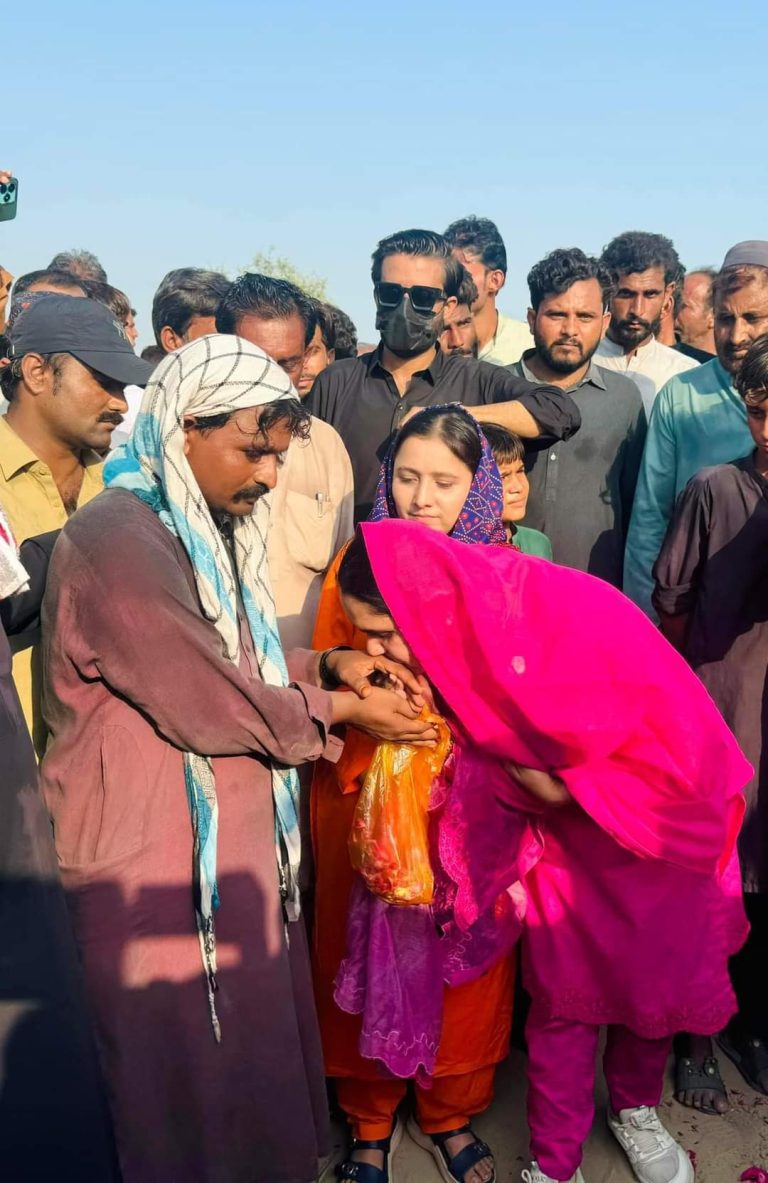
In a shocking incident that marks one of the darkest days in Sindh’s history, Dr. Shahnawaz Kumbhar, a physician accused of blasphemy, was killed while in police custody in Mirpurkhas. Contrary to the narrative that an enraged mob was responsible for his death, it has become clear that the Sindh Police orchestrated this tragedy, allowing a mob to burn his body afterwards.

In an alarming display of religious bigotry, the Sindh Police were celebrated by some community members, with flowers thrown at officers, including a grade 20 Deputy Inspector General (DIG). This grotesque celebration of violence reveals a deep-seated culture of impunity and complicity within the police force, the enforcers of a draconian agenda.

Dr. Kumbhar was accused of blasphemy over a social media post—a dangerous and increasingly common trend in Pakistan that is exploited to justify violence and extrajudicial killings.

Despite Dr. Kumbhar’s video clarification that his old social media account was no longer in use, he was tracked down, and his family members were reportedly detained to force his surrender. The heinous act reflects the disturbing reality in Islamic Republic. This incident bears the hallmark of the Pak military’s deep-rooted influence in such extrajudicial actions, using the police as pawns in their campaign of control and fear.

The World Sindhi Congress has strongly condemned this act, calling for an independent, international investigation into Dr. Kumbhar’s killing. The group’s demand underscores the reality that the Pak authorities, influenced by military power, cannot be trusted to impartially investigate the case.

The murder of Dr. Kumbhar, executed under the pretext of blasphemy, is not an isolated incident but part of a broader pattern of persecution targeting minority communities in Pakistan. The Paki establishment exploits blasphemy allegations as a weapon to suppress minorities and justify violence against them. While minority groups face severe repercussions, those within the establishment turn a blind eye to the rampant desecration of mosques, Qurans and religious sanctity committed by their own goons and extremist elements.