Home Blog Page 63

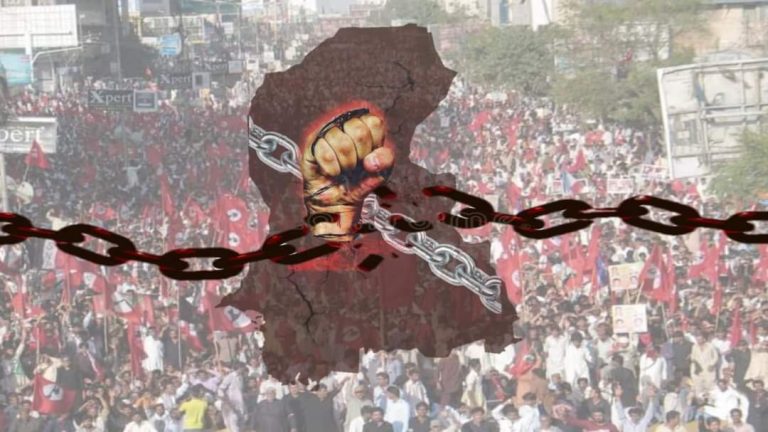
JSFM condemns historical oppression of Sindh by Pakistan

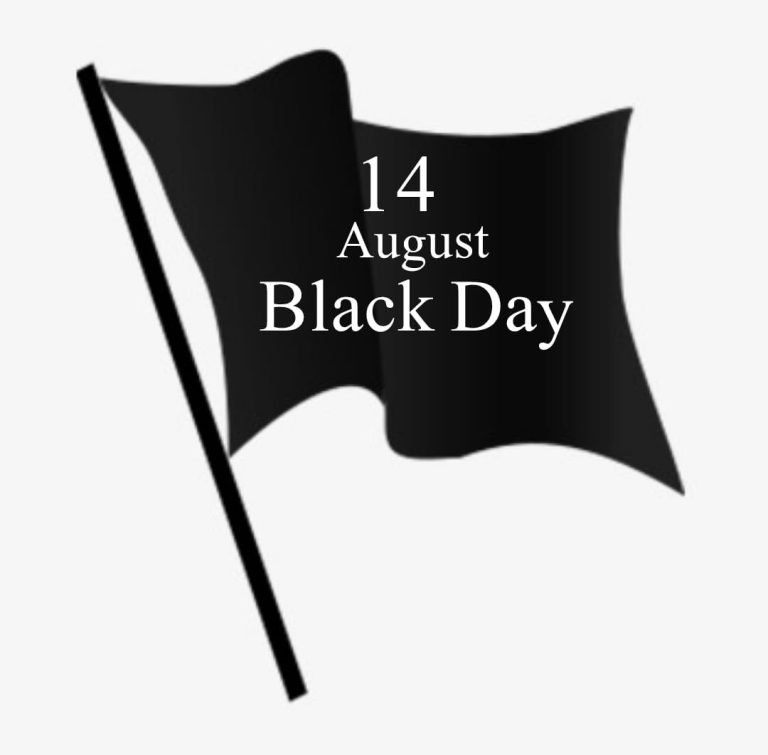
The Jeay Sindh Freedom Movement (JSFM) has announced that it will observe August 14, 2024, as a Black Day across Sindh, marking their protest against decades of oppression and tyranny by the Paki establishment. The movement’s leaders have called for their workers to tie black armbands and wave black flags at intersections throughout the province. On August 14, they also plan to hoist the national flag of Sindh as a symbol of resistance.

According to JSFM Chairman Sohail Abro, and other prominent leaders including Zubair Sindhi, Amar Azadi, Sudhu Sindhi, Hafeez Desi, and Pyare Sindhu, the protest is a response to what they consider to be the unjust creation of Pakistan on August 14, 1947, under the two-nation theory—a theory that failed with the independence of Bangladesh in 1971.

JSFM Observes Black Day

In a statement, the JSFM leaders asserted that Sindh existed as an independent nation thousands of years before Pakistan was formed in 1947. They referred to August 14 as the anniversary of an “unnatural state,” describing the creation of Pakistan as a “mistake of history” and a “dark day for humanity.” According to the JSFM, the formation of Pakistan led to the enslavement of historical nations such as the Sindhi, Baloch, Seraiki, Gilgit, Kashmiri, and Pashtun people, all of whom, they say, have been subjected to economic, political, and geographical oppression by the “Punjabi Military Establishment.”

Sohail Abro and his colleagues said that the Punjabi Army is forcibly occupying Sindh’s lands and resources, stressing that the right to self-determination and freedom is an inalienable right that they intend to achieve. “One day, we will secure our freedom from this rogue state of Pakistan,” they declared.

JSFM leaders reported that occupied-state agencies of the “Punjabi-Pakistan Army” have intensified raids on the homes of pro-independence political activists in Sindh, with abductions and forced disappearances continuing unabated. The JSFM has called on international organizations, including the United Nations, Amnesty International, and other human rights groups, to support their cause for freedom and to intervene against the ongoing human rights abuses in Sindh.
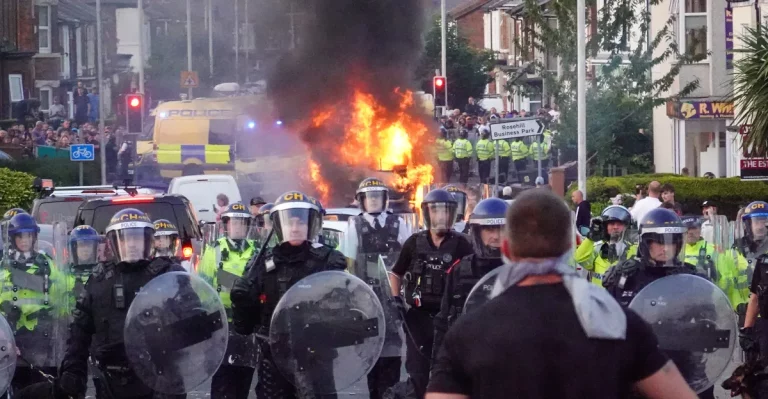
British authorities arrest over 1,000 amid violent riots after Southport tragedy

In Britain the police have arrested more than 1,000 people in connection with the riots that took place in England over the past two weeks. In its latest update, the National Police Chiefs’ Council stated that 1,024 people have been arrested in the UK, and 575 have been charged.

Britain, which had been engulfed in the flames of riots for some time, is now beginning to return to normalcy. After several days of violent protests, public order in Britain has improved compared to before.

Last month in Southport, an attacker stabbed and killed three young girls during a dance class. Eight other people were injured during the incident. Violent protests began shortly after this event. It was being circulated online that the attacker was of Rwandan origin and was seeking asylum in Britain. Social media claims suggested that the Southport attacker was an immigrant Muslim who had entered Britain illegally. This led to a wave of protests against immigrants. The police have arrested a 17-year-old named Axel Mugunwa Rudakubana, who was born in Wales, in connection with this case.

Southport Attack

During the riots, protesters caused chaos in several cities and engaged in violent clashes with the police. Bricks and fireworks were thrown in various places, and hotels and shops were attacked. Meanwhile, the government issued a warning that violence would be dealt with strictly.

The last widespread riots in Britain occurred in 2011, when the fatal shooting of a Black man by the police led to several days of street violence. Swift and stringent judicial action was seen as instrumental in calming the unrest in 2011, during which nearly 4,000 people were arrested over the course of several weeks.

Just last month, a new Labour Party government was formed in Britain under the leadership of Prime Minister Keir Starmer. Since then, there have been several incidents of violence on Britain’s streets. Now, strict action is being taken against those inciting violence.

Pakistan Army shoots dead school teacher in Awaran

In the Awaran district of Pak-occupied-Balochistan, the Pak Army opened fire on a civilian population, killing a school teacher.

The tragic event took place in the Malar area of Awaran, where the Pak Army opened fire on a civilian area, resulting in the death of Abdul Khaliq, a local school teacher. This marks yet another instance of the military’s oppressive tactics, aimed at silencing dissent and maintaining control over the Baloch people, who have long demanded autonomy and freedom from Paki rule.

This latest killing comes just days after another incident in the Kolwah region, where Pak soldiers shot and killed a five-year-old girl, Sitara, daughter of Bashir Ahmed. These repeated acts of violence have drawn widespread condemnation, yet the Paki establishment continues to ignore calls for justice.

Since its forcible annexation of Balochistan in 1948, the Pak Army has consistently employed military force to suppress the Baloch people’s struggle for independence. This oppressive occupation has led to decades of human rights abuses, including enforced disappearances, extrajudicial killings, and widespread violence against civilians.

Rocket attack & explosions target Pak Independence day celebrations in Quetta

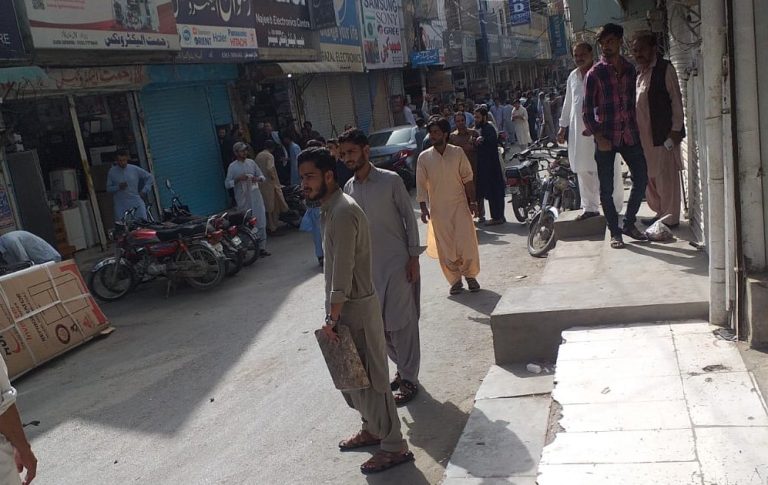
On Tuesday night, Quetta witnessed a series of attacks as three rockets were fired from different directions, targeting the Nawab Akbar Khan Stadium (Ayub Stadium) during ongoing Pakistan Independence Day celebrations. The attacks resulted in no reported casualties.

Reportedly, one of the rockets landed in the stadium’s parking area, while the other two fell in the surrounding vicinity. The rockets were fired from an unknown direction.

This latest attack comes on the heels of four explosions earlier in the day at flag stalls and other locations in Quetta, including the Sariab and China Market areas of Liaquat Bazar. The Baloch Liberation Army (BLA) has claimed responsibility for two of these operations, stating that their freedom fighters specifically targeted the “so-called Independence Day celebrations and flag stalls.”

In a statement released by BLA spokesperson Jeeyand Baloch, the group reiterated its commitment to targeting events organized under the guise of “Independence Day” celebrations. He said that the Pak Army is using such events to “forcibly portray Balochistan as part of Pakistan,” and he argues that this claim contradicts the “historical and ground realities” of the region.

The BLA’s statement further asserted that their operations against the “occupying Pakistan military and its collaborators” would continue. This declaration underscores the persistent unrest and resistance in Pak-occupied-Balochistan, where the BLA and other groups have long opposed Pak Army’s brutality.

TTP assaults Pak Army; border clash results in civilian deaths

In a series of violent incidents, several Punjabi Pak Army personnel were killed and dozens more injured following a significant attack by the Pakistani Taliban (TTP) on military installations in the Badr area of South Waziristan district, Khyber Pakhtunkhwa (KPK). The assault underscores the escalating conflict in the region.

Moreover, a border clash between Pakistan and Afghan security forces near the Torkham crossing has resulted in the deaths of three Afghan civilians. The altercation, which erupted late on Monday, began when Pak Army reportedly opened fire on Afghan border forces. The clash extended to civilian areas, where a woman and two children were killed by Pak Army.

A security official confirmed that three Pak paramilitary troops were wounded in the confrontation.

Pashtuns have faced systematic targeting as ethnic minorities, and are subjected to aggression by the predominantly Punjabi Pakistan military and authorities. There have been numerous reports of extrajudicial killings and ongoing human rights abuses carried out by the occupied- Paki establishment and military, with the Pashtun community being particularly affected.

The Pak Army, which created and supported the terrorist organization TTP, now finds itself the target of this group. In the midst of this turmoil, innocent Pashtuns are caught in the crossfire, suffering from attacks by both the Army and the TTP.

Display of Baloch flags & anti-Pakistan chalkings emerge across POB

On Monday, unknown individuals carried out anti-Pakistan wall chalkings in various cities and installed Baloch flags.

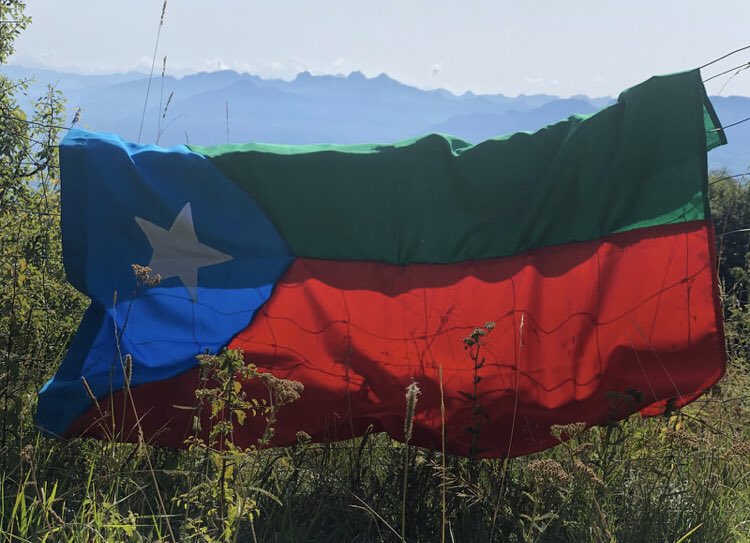
In observance of August 11, which is celebrated by Baloch independence circles as the day of liberation from British rule, unknown individuals installed flags selected by Baloch freedom groups and conducted wall chalkings in memory of fighters and martyrs.

Flags were displayed at various locations and telephone towers in the Zheri Tehsil of Khuzdar district in Pak-occupied-Balochistan. Additionally, wall chalkings in support of the Baloch Liberation Army (BLA) were seen at different sites.

During the night, unknown individuals also raised the Baloch flag on the graves of BLA martyr Hafiz Zeeshan, who died in the Bolan attack, and BLA commander Zia Zheri.

Reports from Nushki indicate that flags were installed at various locations and telephone towers in the city. Similarly, in Quetta, the central city of occupied-Balochistan, flags were also seen at various sites.

Throughout these events, wall chalkings opposing Pakistan and supporting Baloch fighters and the BLA were carried out in different cities.

Residents protest against Pak Army’s violence & surveillance in Kech

Residents of Tehsil Hoshab Tajiban in Pak-occupied-Balochistan’s Kech district have launched a protest against the persistent violence, home invasions and surveillance conducted by Pak Army.

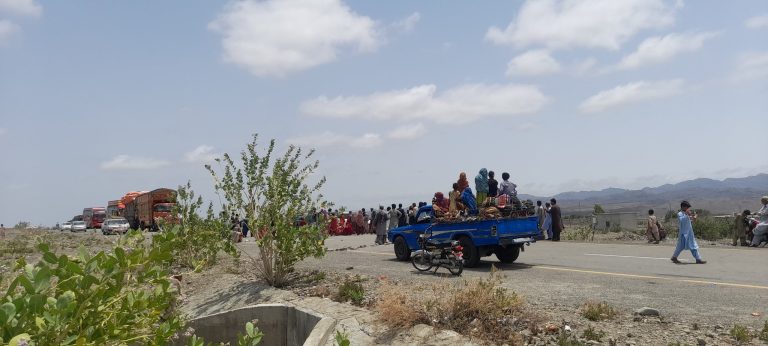
In response to ongoing oppression, locals blocked the M8 highway in Tajiban, voicing their frustration over the presence of Frontier Corps (FC) checkpoints within residential areas. They also criticized the intrusion of forces into their homes and the continuous surveillance by drones.

Protesters said that Pak forces frequently enter homes without justification for searches and detain individuals for questioning, subjecting them to torture at FC camps. This disturbing practice has become routine.

The road blockade and ensuing protest have led to significant traffic congestion, with long lines of vehicles forming on both sides of the highway.

https://twitter.com/Sayad_hasill/status/1822934829727391821

Residents of Hoshab have demanded that FC authorities relocate their camps away from residential areas and halt the harassment of local communities.

This protest follows ongoing opposition from Hoshab and Kech district residents against the establishment of FC camps within their neighborhoods. They have previously complained about disruptions to their daily lives and damage caused by shells fired from the camps.

The situation escalated recently when a shell fired by the Pak Army struck a residential area in Kolwah, Kech district, killing a five-year-old girl named Sitara, daughter of Bashir. In response, the family and local residents blocked the Awaran-Kech road and staged a demonstration following the girl’s burial.

J&K police dismantle terror module, arrest nine operatives in Kathua

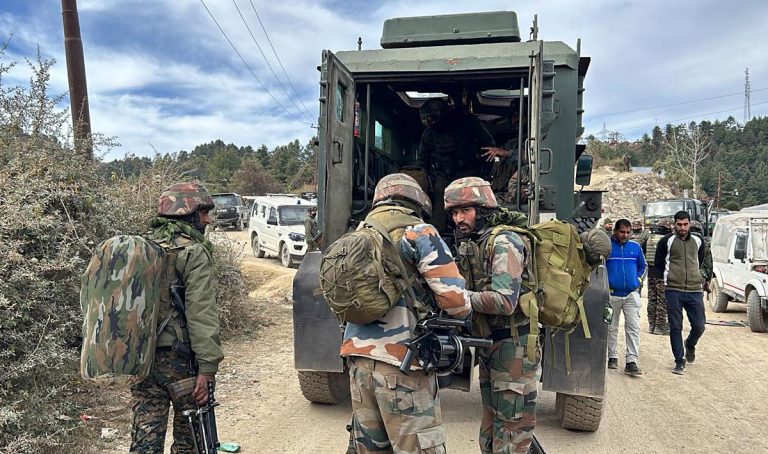
The Jammu and Kashmir Police have successfully dismantled a terror module responsible for aiding cross-border terrorists in their infiltration efforts. On Monday, officials announced the arrest of nine individuals linked to this network. The module was operating in Kathua district and was involved in facilitating terrorist movements in the upper regions of Doda, Udhampur, and Kathua districts along the India-Pakistan border.

Key Arrests

Among those arrested are Mohammad Lateef, alias Haji Lateef, who is identified as the kingpin of the module, and his associates Akhter Ali, Saddam, Kushal, Noorani, Maqbool, Liaquat, Kasim Din, and Khadim. These individuals hail from various villages including Ambe Naal, Bhadu, Juthana, Soffain, and Kattal in the Billwara belt of Kathua district. The police have described the arrests as a significant breakthrough in their counter-terrorism efforts.

The police spokesperson said, “Lateef, the leader of the module, was actively communicating with terrorist handlers across the border and played a crucial role in coordinating the entry of foreign terrorists into India via the Samba-Kathua sector.”

The module was reportedly involved in providing initial shelter, food, and logistical support to terrorists, and guiding them through the mountainous and jungle areas of Udhampur, Kathua, and Doda districts, particularly around Kailash Mountain, a central location for these operations.

Terrorist Assistance

According to police, the arrested individuals confirmed that three terrorists killed in the Gandoh encounter had received assistance from the module. Notably, three terrorists from Pakistan, implicated in attacks on security forces, were neutralized on June 26 in the Gandoh area of Doda district.

The J&K Police, leveraging leads from central agencies and their own investigations, have exposed the primary module behind recent infiltration activities, which have led to increased terrorist movements in the upper reaches of Doda, Udhampur, and Kathua.

Ongoing Investigation

The police spokesperson added that over 50 residents are currently under investigation for their connections to the arrested terrorists, including those who provided shelter, food, or communication assistance. While some residents did not report their interactions with terrorists, others allegedly accepted money in exchange for favors. Those who reported their contacts with terrorists promptly are considered innocent, whereas individuals with prior connections to terrorists and their handlers are being scrutinized for potential liability.

BNM declares August 14 as Black Day for Pak oppressed communities

In a statement, the spokesperson for the Baloch National Movement declared August 14 as a Black Day for the oppressed nations within Pakistan. According to the spokesperson, the creation of Pakistan 77 years ago by colonial powers, driven by their own interests, has evolved into a significant threat to global peace, security, and humanity.

The spokesperson highlighted that for the Baloch, Pashtun, Sindhi, Kashmiri, and Gilgit-Baltistan communities, today is marked not by celebration but by grief and mourning. They asserted that only Punjab, which has historically suppressed the freedoms of these oppressed groups, experiences any joy on this day. The spokesperson emphasized that the other nations are detached from the so-called “Independence Day” as they continue to live under oppression rather than freedom.

Furthermore, the Pak Army annually attempts to hold Independence Day celebrations through intimidation and coercion. The spokesperson said that these efforts reflect the Baloch people’s growing disdain and animosity towards Pakistan.

The statement condemned Pakistan’s ruling authorities for maintaining oppressive policies throughout the past 77 years. The spokesperson accused the Paki establishment of exploiting Baloch resources and depriving the Baloch people of national autonomy, placing Balochistan directly under military control. The civil administration merely acts as a facilitator for the Army, with the occupied-Balochistan assembly serving as a puppet institution that obeys military orders. They said that thousands of Baloch individuals have been forcibly disappeared or killed over the years, and the Baloch people are routinely confronted with the grim task of burying their dead.

The BNM spokesperson said, “The Baloch nation must remain steadfast and resilient. We should keep the success of our struggle for national freedom in mind at all times. The day will surely come when the symbol of oppression, August 14, will be erased from the pages of history like a mistake, and oppressed nations will live with dignity in their free homelands.”

ISKP launches deadly attack on Shia community in Kabul

The Islamic State Khorasan (ISKP) has claimed responsibility for a deadly attack in the Dasht-e-Barchi area of Kabul, Afghanistan. The group’s statement asserts that the attack targeted Shia individuals in the region.

A bomb explosion on a minibus in a neighborhood predominantly inhabited by religious minorities in Afghanistan’s capital resulted in one fatality and injured 11 others on Sunday.

The incident occurred in a western district of Kabul, known for its significant Shia Muslim population—a group that has historically faced persecution in Afghanistan and remains a frequent target of the Daesh group, which views them as heretics.

Khalid Zadran, the Kabul police spokesperson, reported that the blast was caused by an improvised explosive device (IED) planted on the minibus in the Dasht-e-Barchi area.

The swift claim of responsibility by ISKP underscores the intense rivalry between the group and the Taliban as both factions compete for dominance and influence in Afghanistan.

This conflict has contributed to heightened violence and instability, particularly in areas near the Afghanistan-Pakistan border. The recent attack may be part of a broader strategy by ISKP to destabilize local political structures and incite chaos in the region.

Since the Taliban’s takeover in August 2021, ISKP has been actively orchestrating attacks across the country, accusing the Taliban regime of being “apostate” and intensifying the violent conflict between the two groups.