Home Blog Page 86

Pak Army randomly arrests senior Pashtun Tahafuz Movement member

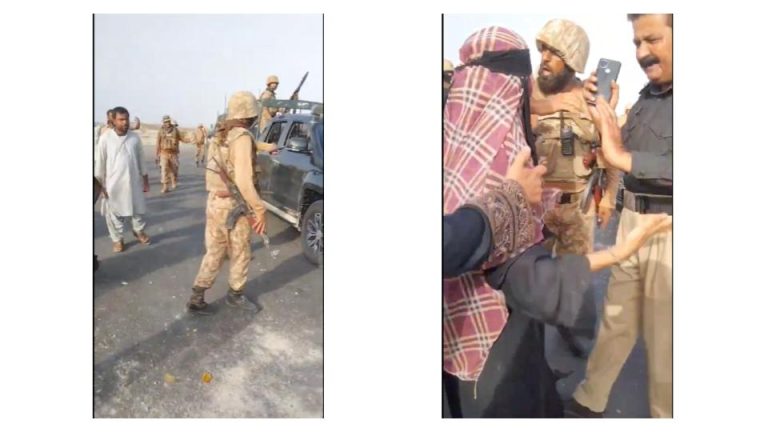
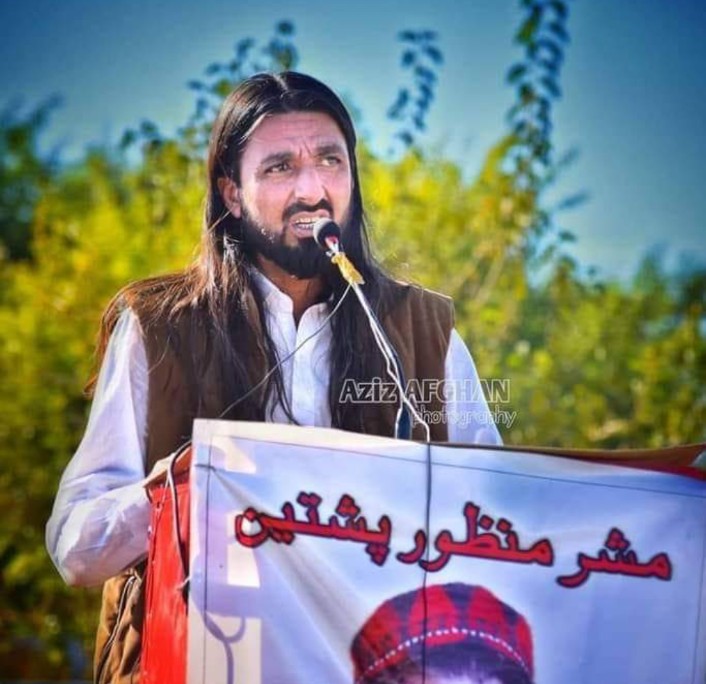
Several hours have passed since the police arrested Zubair Shah Agha, a senior worker and central member of the Pashtun Tahafuz Movement (PTM).

However, neither Zubair Shah nor the PTM worker who was with him has been produced in court, and no reason for the arrest has been disclosed. Authorities mentioned something about an FIR, but details remain unclear.

Recently, local authorities in the Wana Bazaar of South Waziristan attempted to arrest Shehzad Wazir, the coordinator for the Pashtun Tahafuz Movement (PTM) in the area. Wazir managed to evade arrest with the help of his associates.

The PTM is facing pressure from Pak security forces to curb the movement and criticism of military operations, violence and militarisation in the region.

Pak Army increases militarization in Khyber-Pakhtunkhwa

Pakistan has launched a new anti-terror operation, dubbed “Operation Azm-e-Istehkam,” in the Khyber Pakhtunkhwa region. This initiative represents a further militarization of the area rather than an effective counter-terrorism measure.

The operation has led to an increase in military checkpoints and the implementation of a controversial “Entry System” in former Federally Administered Tribal Areas (FATA), particularly in Waziristan. These measures are not only restricting public life and but also infringing on civil liberties.

The true motives behind the increased military presence is that the militarization is aimed at controlling resource-rich Pakhtun lands under the guise of security operations.

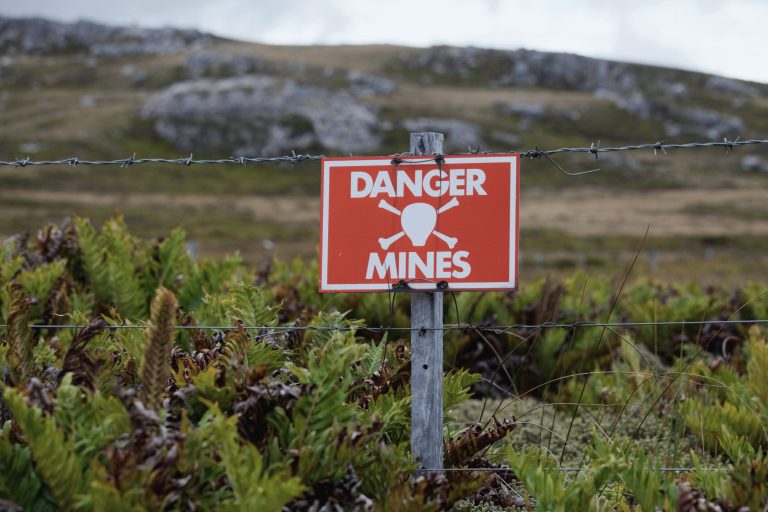
In posh areas, the deployment of landmines and the establishment of numerous checkpoints have had devastating consequences for civilians. Recently, three innocent children—Noor Mohammad, Naqeem-ullah, and Fakhruddin—lost their lives in a landmine explosion in Shawal, Upper Waziristan. These incidents highlight the dangerous impact of security measures that ostensibly aim to protect but instead endanger the lives of innocent residents.

These security tactics, including landmines and checkpoints, have failed to prevent terrorist activities while posing significant risks to civilians. The casualties from these measures often include innocent residents rather than the purported targets.

Pak Army’s internal security policies and its harboring of terrorist elements for cross-border activities has led to human rights violations and the militarization of civilian areas, further exacerbating tensions and insecurity in the region..

Baloch Liberation Army captures Pak Army outposts in Kalat

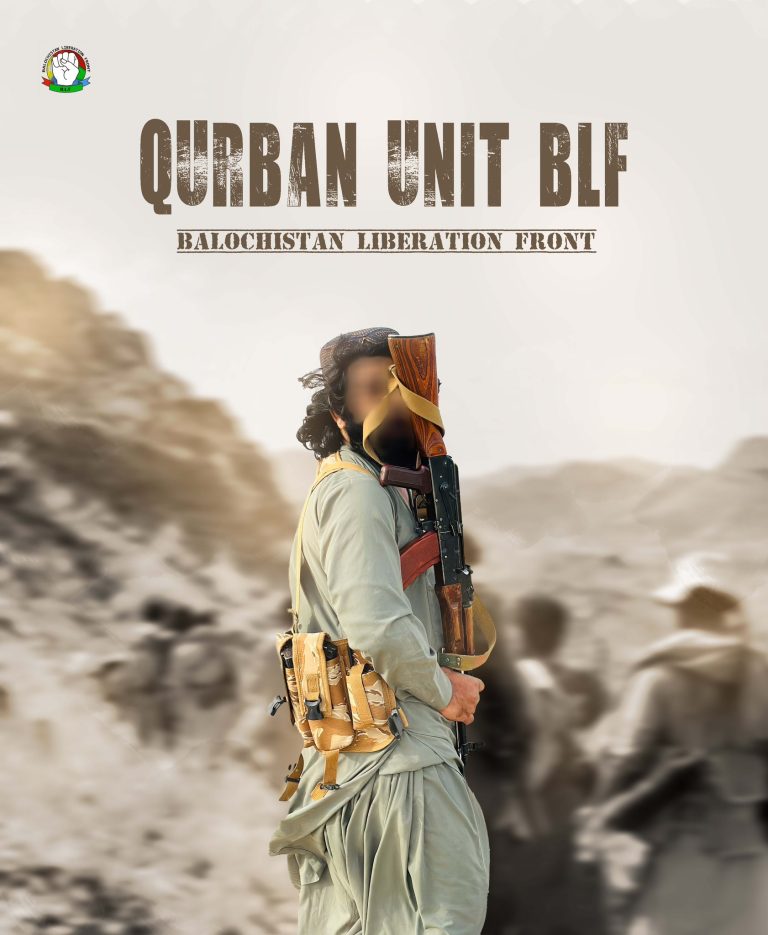
The Baloch Liberation Army (BLA) has reportedly captured multiple Pak military outposts in the Kalat district. The BLA’s Fateh Squad and STOS units have simultaneously seized two outposts and a camp in a coordinated operation.

According to a statement released by the BLA, their freedom fighters attacked and took control of a Pak military camp and its outposts in the Iskalko area of Kalat. The pro- independence group said that 11 Pak Army soldiers were killed in the assault, with the survivors fleeing and leaving behind the bodies of their fallen peers.

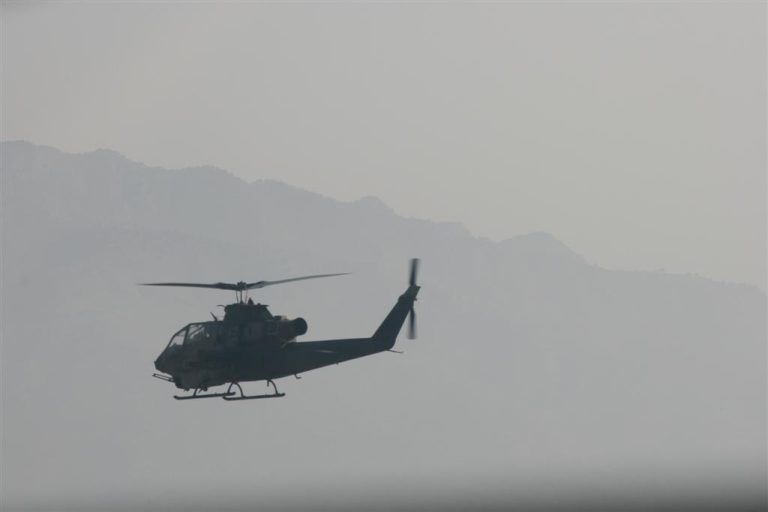
The BLA also claims to have seized a significant cache of arms and ammunition during the operation. Additionally, they report engaging with advancing Pak troops and gunship helicopters in the aftermath of the initial attack.

This bold move by the BLA marks a significant escalation in their ongoing movement against Pak forces in Pak-occupied-Balochistan. The region has long been a hotbed of revolutionary activities, with various groups fighting for independence from Pakistan Army.

Pak police targets PTM members in south Waziristan

Local authorities in the Wana bazaar of South Waziristan attempted to arrest Shehzad Wazir, the coordinator for the Pashtun Tahafuz Movement (PTM) in the area. However, Wazir managed to evade arrest with the assistance of his associates.

This incident has reignited concerns about the nature of policing in the former Federally Administered Tribal Areas (FATA). The police force in these regions was established without proper merit-based recruitment, serving as a private security force for the Pakistan Army’s Wana cantonment, specifically the Javed Sultan Camp.

Earlier, police conducted a raid on the residence of Owais Abdal, a prominent PTM member, in Chaman. While Abdal was not present at the time, his older brother was taken into custody.

These actions are as acts of political repression. The PTM has faced increasing pressure from Pak security forces in recent months. The movement has been vocal in its criticism of military operations in the region and has called for investigations into human rights abuses.

Explosion near police patrol in Bannu kills three

An explosion occurred near a police patrol vehicle in Bannu district, Khyber Pakhtunkhwa province, on Wednesday, injuring three pedestrians, including a child. This incident adds to the growing violence in the region.

Earlier, Malik Salahuddin, a local tribal elder, was shot dead by the Tehrik-i-Taliban Pakistan (TTP) in Tank district. This killing is part of a disturbing trend, as target killings in Khyber Pakhtunkhwa have risen significantly.

The Pak Army’s militarization of the region has exacerbated the situation. Initially intended to use it against countries like Afghanistan and India, the increased presence of terrorists has now backfired, with these groups attempting to seize control of the land. Some regions are reportedly already under their occupation.

In response to the escalating violence, the Pashtun Tahafuz Movement (PTM) recently held a rally rejecting both the Army and the TTP. The Pashtun community is suffering greatly from this conflict, with many becoming casualties in the ongoing strife.

Baloch students rally for reopening of Sikandar university in Khuzdar

The Baloch Students Action Committee (BSAC) organized an awareness walk in Khuzdar on Wednesday, calling for the restoration of Sikandar University as part of their ongoing Baloch Literacy Campaign.

Students marched through the city streets before staging a sit-in protest outside the Deputy Commissioner’s office. The demonstration aimed to highlight the region’s educational challenges and press for the reopening of Shaheed Sikandar University.

On this occasion, the speakers said that the purpose of the rally is to overcome educational backwardness in Khuzdar and restore educational institutions.

The Shaheed Sikandar University remains closed despite being ready. The purpose of keeping it closed is to keep the Baloch nation away from education. Educational institutions from schools to universities are suffering from backwardness.

Protesters pointed out widespread issues affecting education in the area. They cited a lack of facilities in libraries and noted that only one library in the entire district is currently operational, with occupied-govt libraries in other tehsils remaining locked.

Under the Pak Army occupation, Balochistan has suffered immensely, not only in terms of a lack of basic facilities but also marginalization, violence, and bloodshed for the past many decades.

Protests continue in Turbat amid disappearances and extra judicial killings by Pak Army

The Pak Army has intensified its policies targeting the Baloch population, with enforced disappearances emerging as a significant component of this repression. The Army has been implicated in forcibly disappearing Baloch individuals, a practice that has recently resulted in the discovery of two mutilated bodies in Panjgur and Soorab, in Pak-occupied-Balochistan.

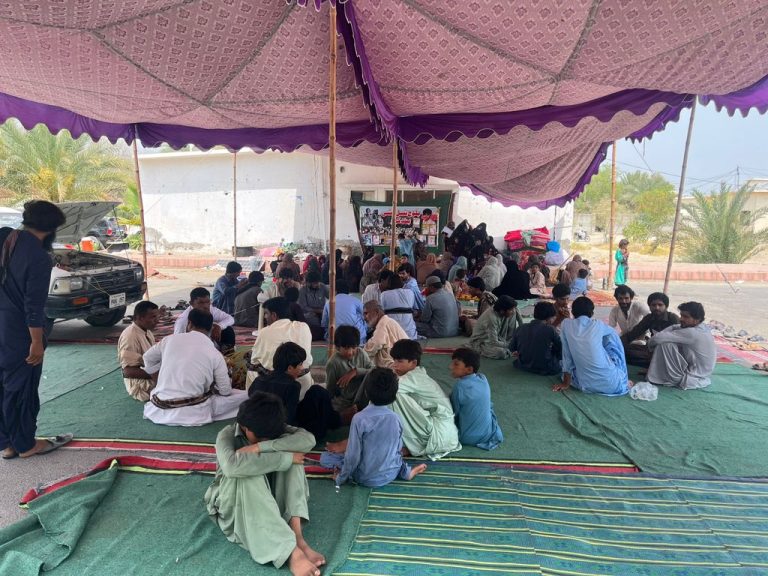
The Baloch community continues to protest against these human rights violations, marking the ninth day of a sit-in by the families of Baloch missing persons in Turbat. These extrajudicial killings have instilled fear among the families of the victims, amplifying concerns over the deteriorating human rights situation in Pak-occupied-Balochistan.

The sit-in protest in Turbat has seen families enduring scorching temperatures to demand justice for their missing loved ones. Enforced disappearances remain a grim manifestation of the systematic attempt by the Army to destroy Baloch society through oppressive practices. This situation has been described as a direct attack on human rights and a deliberate effort to inflict psychological and physical harm on the Baloch community.

Human rights organizations are being urged to raise their voices against these violations and hold Pakistan accountable on international platforms. The ongoing protests highlight the desperation and despair of families left abandoned and hopeless in their quest for justice.

POJK activists released on bail get huge welcome

Officials have released activists who were arrested during last month’s anti-Pakistan demonstrations in Muzaffarabad, the largest city in Pakistan-occupied Jammu and Kashmir (POJK).

The region is witnessing widespread civil unrest since May, with students, lawyers, and political activists leading demonstrations across POJK. Started as protests against cuts to wheat flour subsidies has rapidly evolved into a movement addressing multiple grievances.

Demonstrators are rally against inflated electricity bills, illegal taxation and suppression of political rights in this disputed territory.

The release of some detainees by authorities, while a step towards addressing protesters’ demands, has not quelled the unrest. Protest leaders insist that all individuals arrested during the demonstrations must be freed without conditions.

PTM protest rally in Landi Kotal against Pak Army operations

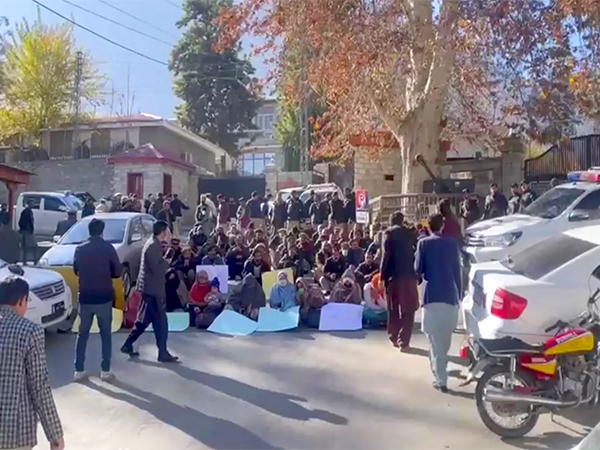
A protest rally is held today, starting from Sultankhel Market and culminating at Landi Kotal Bazar in the Khyber District. Protest aims to voice opposition to fake operations and terrorist policies by the Pak Army in the region.

Protestors plan to march through the area before gathering for a larger rally in Landi Kotal Bazar. The protesters, primarily from the local Pashtun community, assert they will no longer allow their land to be used for military operations or conflicts.

The demonstration is expected to highlight several long-standing issues affecting Pashtun-majority areas, including the extrajudicial killings, forced disappearances, and economic exploitation and to draw national and international attention to these concerns.

This event appears to be part of broader efforts by Pashtun rights groups to advocate for change and improved living conditions for Pashtun communities across Pakistan.

Minor Hindu girl abducted & forcibly married to her abductor in Pakistan

A 14-year-old Hindu girl, identified as Sonia Bhel, was kidnapped, forcibly converted to Islam, and married to her Muslim abductor in Hyderabad, Pakistan. This incident comes shortly after a similar case involving Sonika Chawla, a Hindu girl from Larkana, who was also subjected to the same ordeal.

These cases highlight a troubling pattern affecting Pakistan’s Hindu community. Young Hindu women and girls have become frequent targets of systematic abductions. Victims often face multiple forms of abuse, including sexual violence and coercion, exacerbating the trauma of their experiences.

Despite the severity of these issues, international human rights organizations have not given sufficient attention to the issue. The Hindu community in Pakistan has expressed growing fears for their safety and the preservation of their cultural identity.