Home Blog Page 126

Centre extends ban on Yasin Malik’s J&K Liberation Front and other terror outfits for five years

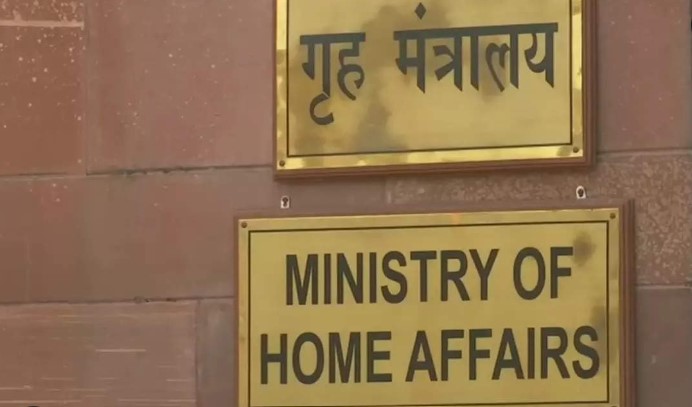
The Ministry of Home Affairs (MHA) of India has extended the ban on the Jammu and Kashmir Liberation Front (Mohd. Yasin Malik faction) and several other Kashmiri outfits, designating them as ‘unlawful associations’ for a further period of five years. The decision comes amidst concerns over activities deemed detrimental to national security and public order.

In a notification issued by the MHA, the extension of the ban on JKLF-Y follows inputs indicating its involvement in activities deemed prejudicial to the sovereignty, unity, and integrity of India. The outfit, according to the MHA, maintains connections with militant groups and actively supports extremism and militancy in the region.

The MHA’s notification highlighted that Yasin Malik’s J&K Liberation Front continues to advocate for the secession of parts of Indian territory, supporting separatist and terrorist groups with the aim of destabilizing the established government. It further emphasized the outfit’s role in propagating anti-national sentiments and inciting violence.

Union Home Minister Amit Shah commended the action taken by the ministry, underscoring the government’s resolve to combat terrorism and preserve national integrity. He warned of severe legal consequences for those challenging the security and sovereignty of the nation.

Similarly, Union Minister Jitendra Singh applauded the decision, emphasizing the inverse relationship between terrorism and development. He highlighted the positive impact of improved security conditions in Jammu and Kashmir, citing increased tourism as evidence of progress.

Alongside the ban on JKLF-Y, the MHA also designated Jammu and Kashmir Peoples Freedom League and four factions of the Jammu and Kashmir Peoples League as ‘Unlawful Associations’ for the same duration.

The extension of the ban reflects the government’s commitment to maintaining peace, stability, and territorial integrity in the region, while also sending a clear message against activities deemed detrimental to national interests.

IMF questions Pakistan’s claim of meeting $3 billion Standby Arrangement target

In a surprising turn of events, the International Monetary Fund (IMF) delegation, led by mission chief Nathan Porter, expressed dismay over Pakistan’s premature declaration of meeting all structural benchmarks and targets under the $3 billion Standby Arrangement (SBA) program. The dissatisfaction was conveyed during a meeting with Pakistani officials as the IMF team began its review process.

The Pakistan finance ministry had issued an official statement asserting the fulfillment of all benchmarks even before the IMF team had the opportunity to complete its scrutiny and analysis of the country’s economic data. This premature claim caught the IMF delegation off guard, leading to a tense atmosphere during the initial review session.

Reports indicated that the IMF team grilled Pakistani officials, who appeared unprepared to address the situation adequately. Muhammad Aurangzeb, Pakistan’s newly-appointed finance minister and former CEO of Habib Bank Ltd, acknowledged the incident, assuring that such missteps would not occur in the future.

The discussions between the IMF team and the Pakistani finance ministry focused on finalizing the second review and agreeing upon the Memorandum of Economic and Financial Policies (MEFP). The successful completion of these discussions is crucial for the disbursement of the last tranche of $1.1 billion before the IMF’s Executive Board meeting scheduled for the second week of April 2024.

Possible mini-budget

Report also suggest the possibility of implementing a mini-budget was under consideration, particularly if the Federal Board of Revenue (FBR) faces challenges in meeting tax collection targets. The IMF may recommend adjustments to tax rates, including the General Sales Tax (GST), to generate additional revenues promptly.

Furthermore, discussions cantered on meeting quarterly tax collection targets from April to June, essential for achieving the annual objective of PKR 9,415 billion. Both parties underscored the importance of devising a strategic plan within the energy sector to address the persistent issue of circular debt accumulation.

Currently, Pakistan is navigating the financial strides with the assistance of IMF through a $3 billion Standby Agreement (SBA). The cash strapped nation is facing hardship in daily administration as inflation has skyrocketed leading to resentment in public. Meanwhile, the newly formed government in Islamabad, is trying to woo people as it has reached the helm without the popular support. The pre mature announcement of meeting all structural benchmark before IMF review highlights the government’s desperation in that direction.

Maharashtra becomes first state to buy land & construct ‘Maharashtra Bhawan’ in Kashmir

Maharashtra is poised to make history by becoming the first Indian state to acquire land in the union territory of Jammu and Kashmir to build a tourist facility for its residents. The upcoming Maharashtra Bhawan, set to be constructed in central Kashmir’s Budgam district, marks a significant milestone as the valley’s inaugural state Bhawan.

According to reports, the Maharashtra Bhawan will occupy 2.5 acres of land in Ichgam, near Srinagar airport. The Jammu and Kashmir government has sanctioned the land transfer to Maharashtra for a sum of ₹8.16 crore.

The initiative gained momentum following a visit by Maharashtra Chief Minister Eknath Shinde to the union territory in June last year, where he met with Governor Manoj Sinha to discuss the project’s feasibility.

Before the revocation of Article 370, land ownership in Jammu and Kashmir was restricted to permanent residents of the state. However, post-abrogation, the government has extended land purchase permissions to outsiders, albeit through leasing arrangements of up to 99 years.

In a recent budget announcement, Maharashtra Deputy Chief Minister Ajit Pawar disclosed plans for the construction of two Maharashtra Bhawans in Srinagar and Ayodhya, aimed at enhancing tourism facilities for visitors and pilgrims. The state government has earmarked ₹77 crore for the development of these Bhawans.

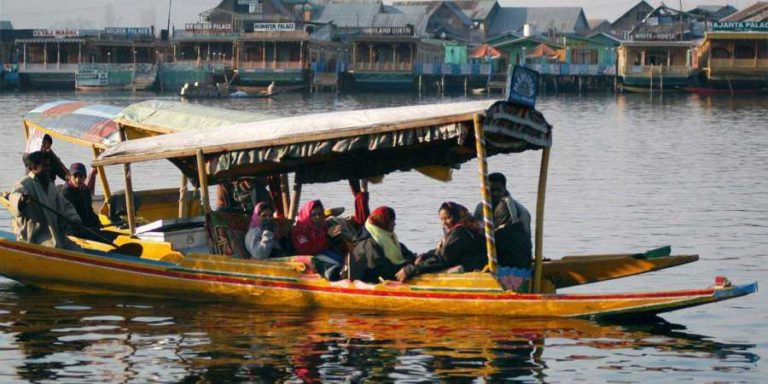
This strategic move by Maharashtra aligns with the burgeoning tourism landscape in Jammu and Kashmir, which has witnessed a surge in visitor numbers, recording over 2 crore footfalls in 2023 alone. Furthermore, the central government, under the leadership of Prime Minister Narendra Modi, has prioritized the promotion of tourism in the valley to stimulate employment opportunities, bolster economic growth, and foster overall development in the union territory.

Imran Khan conspiring to jeopardise Pakistan’s economy: Pak Information & Broadcasting Minister

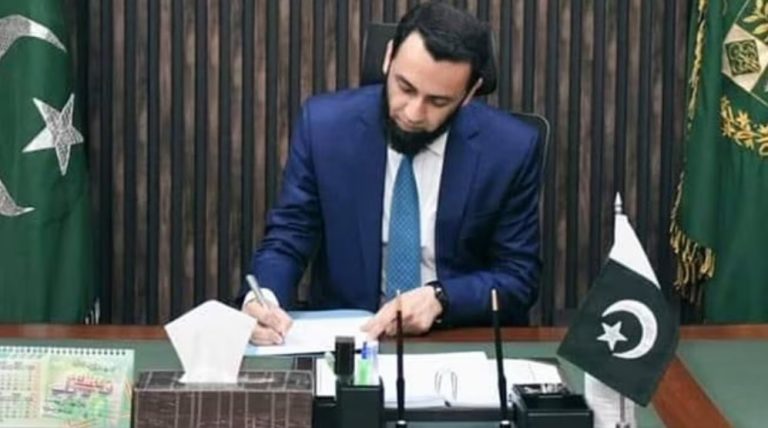
In a startling revelation, Pakistan’s new Information and Broadcasting Minister, Attaullah Tarar, accused the Pakistan Tehreek-e-Insaf (PTI) party, led by imprisoned former Prime Minister Imran Khan, of orchestrating a conspiracy to undermine Pakistan’s economy. Tarar alleged that PTI had petitioned the European Union (EU) to revoke Pakistan’s Generalised System of Preferences Plus (GSP+) status, a move that could have dire consequences for the nation’s economy.

The GSP+ status, granted to Pakistan in 2014 and extended until 2027, enables the country to export goods to the European market with reduced or eliminated tariffs, thereby fostering economic growth and development. Tarar emphasized that this privilege was crucial for Pakistan’s economic stability, and any attempt to revoke it would harm the country’s vulnerable population by exacerbating inflation and limiting job opportunities.

Tarar further claimed that PTI’s actions were part of a broader campaign aimed at discrediting the government, particularly following the February 8 elections. Imran Khan and his party have repeatedly highlighted electoral fraud in favour of the Pakistan Muslim League-Nawaz (PML-N) led by former Prime Minister Nawaz Sharif. Khan even urged the International Monetary Fund (IMF) not to extend financial assistance to Pakistan until an audit of the elections was conducted.

Imran Khan compromised well-being of the country: Tarar

Addressing reporters at a press conference, Tarar denounced PTI’s tactics as a threat to national interests, asserting that the party was prioritizing its own political agenda over the well-being of the country. He refuted claims of mistreatment of Imran Khan during his imprisonment, stating that the PTI founder had been provided with numerous privileges contrary to prison regulations, including multiple weekly meetings and additional amenities.

Responding to allegations of insufficient facilities for Khan, Tarar clarified that the decision to restrict meetings was based on security concerns near Adiala jail, where Khan is detained. He accused PTI of fabricating falsehoods to garner sympathy and manipulate public opinion.

The accusations come at a time when Pakistan is grappling with a severe financial crisis, exacerbated by political instability and allegations of corruption. The return to power of the PML-N-led alliance in the National Assembly has added to the uncertainty, prompting Pakistan to seek financial aid from international sources, including negotiations with the IMF.

United Kashmir Peoples’ National Party raises plight of residents in POJK & POGB before UNHCR

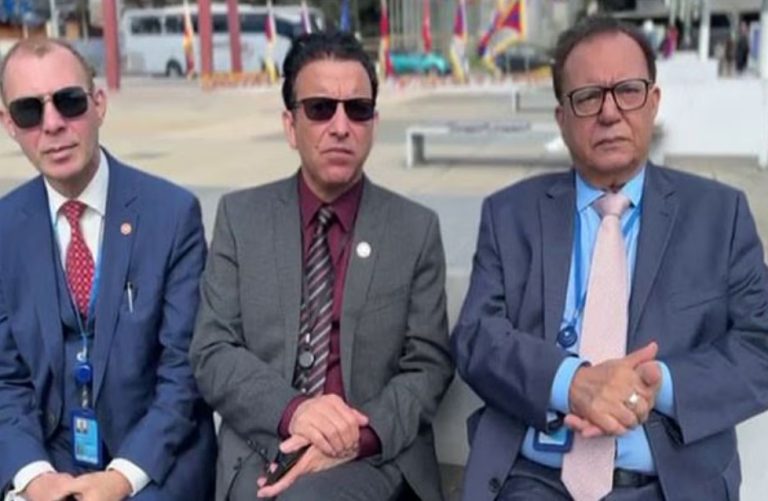
Shaukat Ali Kashmiri, Chairman of the United Kashmir People’s National Party (UKPNP), brought attention to the plight of residents in Pakistan-occupied Jammu and Kashmir (PoJK) and Gilgit-Baltistan (POGB) during the 55th session of the United Nations Human Rights Council (UNHRC).

In a recent interview, Kashmiri shed light on the grievances faced by locals, particularly regarding the construction of the Mangla Dam. He said, “During the construction of Mangla Dam, people organised massive protests in the entire PoK. Just to settle the chaos, the Pakistani administration had promised, 300 to 400 megawatts of free electricity for the PoK.”

Despite promises made by the Pakistani establishment, including free electricity and compensation for displaced individuals, many have yet to receive adequate support. The imposition of unwarranted taxes on hydroelectricity bills has further fueled protests in PoJK.

UKPNP Chairman Kashmiri emphasized that the demands of the people extend beyond subsidies, as they now struggle to access basic necessities like wheat flour. The situation has further exacerbated amid rising costs during the month of Ramzan. Kashmiris are protesting the abrogation of subsidy and demand their reinstatement.

Talking about Pakistan occupied Gilgit Baltistan (POGB), he highlighted the adverse impact of the China-Pakistan Economic Corridor (CPEC) on POGB, asserting that local communities have not benefited from the projects, nor have they seen any increase in job opportunities.

The domination of major businesses by the Pakistan Army in POGB has further exacerbated the situation, leaving locals disenfranchised and deprived of essential resources. As protests escalate across the region, Kashmiri underscored the urgent need for international attention and intervention to address the pressing humanitarian concerns facing residents of PoJK and POGB.

Why are Pashtuns moving away from Pakistan?

During the era of united India, Pashtuns vehemently opposed the consolidation of India and the colonial rule imposed by the British Empire. Under the leadership of Bacha Khan along the borderlands and notable figures like Abdul Samad Khan Achakzai in Balochistan, Pashtun communities expressed their resistance. Historically, Pashtun leadership aligned more with the All-India Congress rather than the All-India Muslim League. In the final pre-partition elections in India, the Muslim League suffered significant setbacks in the border regions, resulting in the establishment of a Congress government led by Dr. Khan Sahib, Bacha Khan’s brother. The Muslim League’s substantial defeat along the border foreshadowed a potential alienation of Pashtuns from Pakistan. The border Pashtuns remained largely unmoved by Muhammad Ali Jinnah’s influence. In 1947, the British included the border regions into the newly formed country of Pakistan primarily due to the Durand Line agreement.

Following the formation of Pakistan, the anti-Muslim League leadership, including figures like Bacha Khan, faced increased scrutiny. Simultaneously, the spread of sectarian extremism in Pashtun regions began, influenced by external forces, notably the United States. To systematically deter Pashtuns from secular education, a network of Wahhabi madrassas was established along the border with the assistance of Saudi Arabia.

The National Awami Party, representing Pashtuns, faced a ban, leading to the incarceration of prominent leaders from Bacha Khan to Wali Khan. Ajmal Khattak, upon release, sought refuge in Kabul, where the Pashtunistan House was established in Kabul. The party’s evolution from the National Awami Party to the Awami National Party aimed at advocating for Pashtunistan/Greater Afghanistan, encompassing Pashtun territories beyond Attock. In Kabul, Ajmal Khattak raised the flag of Azad Pashtunistan. Bacha Khan, revered as the paramount Pashtun leader, was laid to rest in Jalalabad, Afghanistan, by his wishes rather than in Pakistan.

During Bhutto’s regime, the Pashtun populace faced severe oppression, orchestrated by Bhutto’s government, the military, and the Punjabi establishment. Concurrently, there was a push to radicalize Pashtun youth in the name of religion, with support from Saudi Arabia and tacit approval from the United States, encouraging them toward jihad.

With backing from the United States and Saudi Arabia, Pashtuns were mobilized as jihadists and deployed to Kabul. Through framing the ongoing Russian-American conflict in Kabul as a struggle between Islam and Kufr (disbelief), Pashtun youths were radicalized and recruited into jihadist movements, becoming susceptible to exploitation.

Furthermore, to diminish the influence of the Awami National Party, officially sanctioned support was extended to parties such as Jamaat-e-Islami and Jamaat Ulema-e-Islam in the border regions.

During the 1980s, the once tranquil lands associated with Bacha Khan, known as the father of peace, were transformed into battlegrounds for jihad. Pashtuns were mobilized as jihadists with the aid of US Dollars and Saudi Riyals to support America’s efforts against Russia in Kabul. This resulted in the loss of thousands of young Pashtun lives, leaving behind numerous widows and orphans. Following the withdrawal of Russia from Kabul, Pashtun youth became embroiled in conflicts among various Mujahideen factions. The madrasah of Maulana Samiul Haq emerged as a pivotal center for Afghan Jihadis, contributing to the rise of figures like Mullah Umar. Even during Mullah Umar’s rule in Afghanistan, border Pashtuns rallied as his soldiers. The border facilitated the entry of ISIS into Kabul with the assistance of Tehreek-e-Taliban. Throughout this period, the Pashtun areas regressed into a state resembling the Stone Age.

Following the events of 9/11, a new directive from the United States prompted General Musharraf to begin transferring sectarian extremists, originally nurtured with the support of the Pakistani government, to American custody. Concurrently, an operation targeting former jihadists was initiated in exchange for American dollars. Under the pretext of operations against its own Taliban factions, Pakistan conducted military actions resulting in the deaths of thousands of Pashtuns in humanitarian settlements, spanning from tribal areas to Swat. Consequently, millions of individuals began fleeing these regions due to the intensified operations in Swat and the tribal areas.

A few years back, a handful of Pashtun youths started a new movement known as the Pashtun Tahafuz Movement (PTM) following a tragic incident. Suddenly emerging as a prominent leader among the Pashtuns was an unknown figure named Manzoor Pashteen. He rallied his nation, revealing that the Pakistan Army initially armed their youth in exchange for US dollars, only to later turn against them and perpetrate massacres.

PTM adopted a poignant slogan against the military, stating: “Yeh jo dehshatgardi hay, is kay peechay wardi hay” (Behind this terrorism lies the uniform).

This slogan resonated across Pakistan, gaining widespread recognition. In response to Manzoor Pashteen and PTM’s call, millions of people rallied in support, from tribal areas to cities in Khyber Pakhtunkhwa (KPK), as well as Lahore, Quetta, and Karachi. Pashteen’s team spearheaded a robust campaign against sectarian terrorism and military aggression. In the 2018 elections, Ali Wazir and Mohsin Dawar secured seats in the National Assembly of Pakistan with PTM’s backing. Both representatives boldly confronted the military’s actions upon entering the Islamabad Assembly, shedding light on their grievances.

As a result of their activism, Ali Wazir, despite his parliamentary position, faced repeated arrests and prolonged incarcerations. Similarly, Mohsin Dawar encountered numerous arrests and tragically fell under attacks. The PTM movement garnered support from educated Pashtuns, with individuals like Gulalai steadfastly standing in solidarity with the cause.

PTM supporters are widespread across every city in Pakistan, with significant backing also seen in the United States and Canada. While the Awami National Party attributed Pashtun grievances to Punjabis, PTM accurately identifies the Pakistani state and its military as perpetrators of Pashtun oppression. The PTM’s message resonates deeply within Pashtun communities, with their peaceful struggle drawing parallels to the ethos of Bacha Khan thus far.

The PTM movement has catalysed a significant shift among Pashtuns, leading them to distance themselves from Islamabad. With compelling arguments supporting this distancing, Pashtuns are increasingly drawn toward the idea of securing their nation’s future beyond Pakistan’s borders. While the PTM ostensibly champions the protection of Pashtun interests within Pakistan, it has brought to light the realization that survival within the country’s confines may be untenable for Pashtuns. This growing sentiment indicates a trajectory akin to that of the Baloch people, who have long sought freedom from Pakistan.

It’s important to note that historically, Pashtuns have not been staunch supporters of Pakistan. This evolving stance reflects a deeper reassessment of their relationship with the state and aspirations for self-determination.

World Sindhi Congress protests outside UNHRC against atrocities in Pakistan on Sindhis

In a bid to shed light on the ongoing human rights abuses faced by the Sindhi people in Pakistan, the World Sindhi Congress protests outside the United Nations Human Rights Council (UNHRC) headquarters in Geneva.

Led by WSC representatives, the protest aimed to draw attention to the systematic persecution endured by Sindhis, including enforced disappearances, extrajudicial killings, and the suppression of religious minorities. Additionally, the demonstrators underscored concerns over the looting of Sindhi resources and the plight of Sindhi Hindus.

While the World Sindhi Congress protests, speakers condemned the Pakistani administration’s brutal tactics, citing recent extra-judicial killing such as the murder of activist Hidayat Lohar. Despite the availability of CCTV footage and eyewitnesses, perpetrators continue to evade accountability, prompting calls for international intervention.

WSC General Secretary Lakho Lohana implored the UN and the global community to intervene and halt the ongoing genocide against the Sindhi people. Lohana emphasized the urgent need to address land grabbing, resource exploitation, and other injustices perpetrated by Pakistani authorities.

As per reports, prominent rights activist Hidayat Bhutto recounted the struggles of victims’ families and highlighted the pervasive issue of enforced disappearances in Pakistan. He urged the international community to support efforts to hold perpetrators accountable and ensure justice for the oppressed.

Fahmida Khokh, another protester, stressed the recurring nature of the WSC’s demonstrations and called for decisive action to end the suffering of Sindhi people. Khokh emphasized the necessity of halting enforced disappearances and asserted Sindhi’s ability to thrive independently if freed from resource exploitation by Pakistan.

As the protest concluded, WSC reiterated its plea for UN intervention to safeguard Sindhi rights and prevent further atrocities. With tensions escalating and injustices persisting, the global community faces mounting pressure to address the crisis unfolding in Sindh.

Destruction of Ahmadiyya graves in Pak-occupied Jammu and Kashmir

In a recent incident showing religious hatred against Ahmadiyya community in Pakistan-occupied Jammu and Kashmir (POJK), the graves of Ahmadiyyas has been desecrated.

The incident emerged from POJK’s Kotli where multiple graves were vandalized. The graves also included one of the Pakistan Army personnel who fought in Siachin. This highlights the grave mistakes of Ahmadiyyas who were at the fore front of championing the cause of formation of Pakistan back in 1947.

They perceived that a country based on Islam will provide them respect. On the contrary, the very country scrapped their right to call them even Muslims.

Like all Muslims, Ahmadiyya believe that Prophet Muhammad was the prophet but not the last. According to them, Mirza Ghulam Ahmad was the last prophet and for their belief, Pakistan officially declared them as non-Muslims. Later in 1984, they were prohibited from referring to themselves as Muslims and a law was passed regarding that.

Now they don’t even have the right to construct mosques as per Islamic traditions. The absolutely brutal subjugation of Ahmadiyyas signifies that radicalism and extremism runs deep into the political system of Pakistan.

Nevertheless, the incident of desecrated graves of Ahmadiyyas also serves as a reminded for international community and human right organisations to take immediate and effective measures to deal with the religious persecution in Islamic Republic of Pakistan.

Pakistan: Students of Islamic University of Bahawalpur protest at university gates amid Ramadan

Former Federally Administered Tribal Areas (FATA) students at the Islamic University of Bahawalpur have been staging a protest for the past seven days against the university’s recent decision to terminate quotas reserved for them since 2014. The students, who were previously granted reserved seats with scholarships, have expressed their dissatisfaction with the sudden withdrawal of this arrangement.

Despite the onset of the holy month of Ramadan, the students continue their protest, fasting on the streets in front of the university gates. However, there has been no response from the university administration, leaving the students’ demands unaddressed.

The Bahawalpur students’ protest highlights the students’ frustration and disappointment with the administration’s decision, as well as their determination to fight for their rights to education and opportunities for socio-economic advancement.

Of late it has been seen across Pakistan and its illegally occupied territories that students have gone to protest. Mostly, the reason around such protests have been the hike in fees, lack of teaching staff and termination of reserved seats. Clearly, Pakistan is curbing the rights of students to get quality education. People from Pakistan occupied Balochistan, Pakistan occupied Gilgit Baltistan, Pakistan occupied Jammu and Kashmir and ex-FATA have been affected the most.

9 dead as rain & snowfall hits Pak-occupied Balochistan; lack of aid from Paki establishment

Recent rainfall and snowfall in Pak-occupied Balochistan has brought about significant challenges, with casualties rising to nine as a result of incidents in various districts. From February 27 to March 12, the region, including Quetta, witnessed a series of heavy rainfall, leading to widespread destruction.

Reports from the Provincial Disaster Management Authority (PDMA) say that the impact has been severe. Over 250 houses have been destroyed, leaving many families homeless, while more than a thousand other houses have suffered partial damage.

The consequences of the extreme weather have been dire. Roof collapses and other incidents have claimed the lives of nine individuals across different districts, including Quetta, Khuzdar, Kech, Barkhan, Chaman, and Pishin.

The situation has been intensified by the lack of timely relief efforts. Despite the ongoing crises, assistance from the puppet authorities has been inadequate. The failure of the establishment to provide sufficient infrastructure and support has left affected communities vulnerable and struggling to cope with the aftermath of the natural disasters.

Moreover, the Meteorological Department’s warnings of continued rainfall and snowfall in the coming days highlight the urgent need for effective relief measures. However, the response from the Pak establishment has been lacking, leaving many residents without the essential assistance they desperately need.

Furthermore, the Gwadar flood is at its peak and the Baloch community is facing a high sense of destitution. They have long been marginalized and neglected by the Pak establishment, they often fail to assist in times of crisis. Instead of offering support, their actions have increased the suffering of the Baloch people, continuing a cycle of violence and oppression.