Home Blog Page 120

J&K govt initiates restoration of Martand Sun temple in Anantnag, India’s oldest Sun Temple

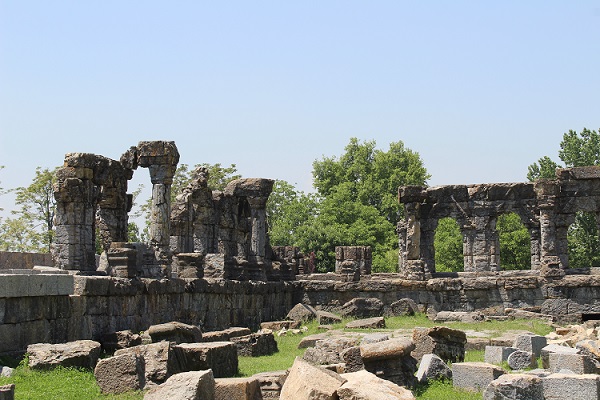
Acting on a much needed demand in direction of cultural sites’ restoration, the central government has released an official notice announcing a high level meeting on April 1, 2024 regarding the preservation of 8th-century Martand Sun Temple in Jammu and Kashmir’s Anantnag district. After centuries of being in ruins, the temple is set to undergo conservation efforts aimed at rejuvenating it for devotees and visitors alike.

A high-level meeting of government officials, scheduled to convene on Monday, will play a pivotal role in determining the fate of the temple’s protection and restoration. Among the agenda items is the discussion on the installation of a statue honoring Emperor Lalitaditya Muktapida within the temple premises.

Subsequently, the official notice issued by the Jammu and Kashmir government highlights the gravity of the matter, emphasizing the need to safeguard and conserve the ancient temples in Kashmir, with a special focus on the Martand Sun Temple. The meeting, to be presided over by the Principal Secretary to the Government, Department of Culture, underscores the government’s commitment to preserving the region’s rich cultural and spiritual legacy.

History of Martand Temple

The Martand Sun Temple, erected during the reign of King Lalitaditya Muktapada in the 8th century, holds immense historical and religious significance. Being the oldest Sun temple in India, it serves as a testament to the enduring spiritual heritage of the region. Despite its glorious past, the temple fell into disrepair after being destroyed on the orders of Sultan Sikandar Shah Miri centuries ago.

Apparently, recent initiatives, including the installation of a ‘Kalash’ from Ayodhya at the Ram Temple within the premises of the Martand Sun Temple, underscore the renewed efforts to revitalize the sacred site. The involvement of local communities and devotees from across the country reflects a collective commitment to honoring and preserving India’s cultural heritage.

With due consideration, the forthcoming high-level meeting follows the visit of Jammu and Kashmir lieutenant governor Manoj Sinha to the Martand Sun Temple, where he offered prayers as well as participated in the Mahayagya organized by the Shri Martand Tirath Trust. His visit reaffirmed the government’s dedication to restoring the temple to its former glory and ensuring its significance endures for generations to come.

So, with stakeholders gathering to deliberate on the future of the Martand Sun Temple, anticipation mounts for a decision that could herald a new chapter in the preservation of India’s ancient architectural marvels.
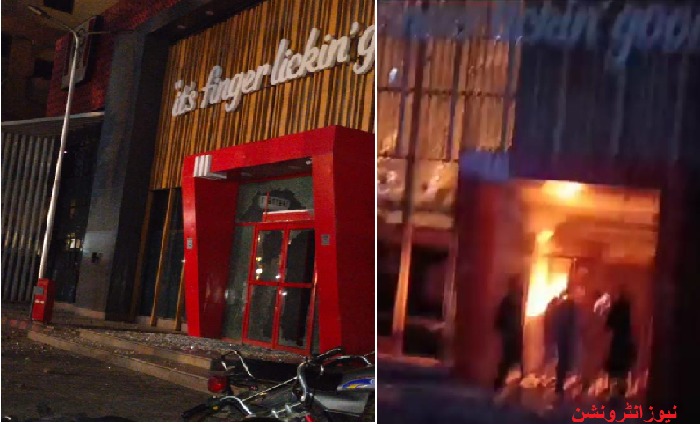
Mob sets KFC outlet ablaze in Mirpur,Pak-occupied Jammu Kashmir

In a tumultuous turn of events, the only branch of KFC located in Mirpur district of Pakistan occupied Jammu and Kashmir (POJK) has been engulfed in flames following a wave of unrest.

Reports indicate that the chaos erupted when agitators, including a significant number of Tehreek-e-Labbaik Pakistan (TLP) activists and enraged youths, descended upon the KFC Mirpur premises, pelting stones and igniting the establishment.

The occupying forces and administration responded to the escalating situation, with police personnel present at the scene resorting to tear gas shelling in an attempt to quell the unrest. However, the use of tear gas resulted in numerous injuries among the gathered crowd.

As tensions continue to mount, reports from Mirpur depict a city gripped by unease and uncertainty.

The occupying authorities are yet to provide official statements regarding the circumstances surrounding the incident and the extent of damages incurred, however it is claimed that the attack on the KFC was in light of the ongoing Israel-Hamas war. The aftermath of the unrest leaves the local community reeling, with questions lingering about the underlying factors fueling such acts of aggression.

Baloch community shaken as Pak Army abducts another Baloch

Adding to pain and suffering, Behrooz Dilavari, a Baloch resident, was forcibly abducted from his home today at 2:30 p.m. in Amirabad Hub Chowki. Pak Army dressed in civilian attire stormed into Dilavari’s residence swiftly taking him away to an undisclosed location. Since then, his whereabouts remain unknown.

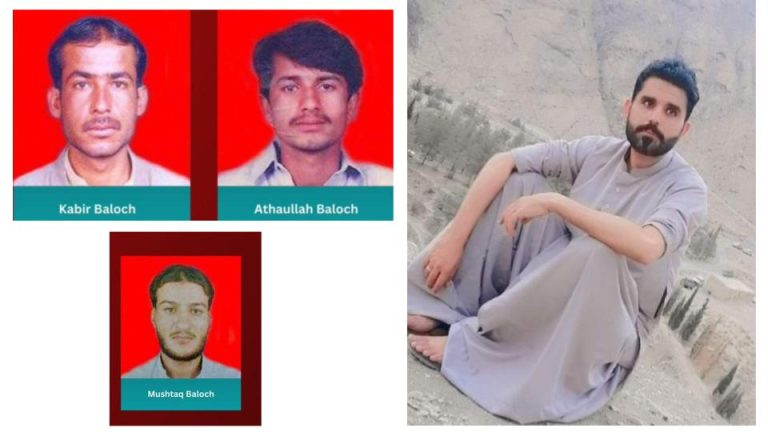
This incident is just one among many instances of enforced disappearances that continue to haunt the Baloch community. Reflecting on the tragic events of March 27, 2009, when Kabir Baloch, Mushtaq Baloch, and Attaullah Baloch were forcefully disappeared by the Pakistan Army in Khuzdar, Pak-occupied-Balochistan.

Despite years passing, these families have been left in the dark regarding the fate of their loved ones. The enduring silence surrounding these disappearances only deepens the anguish and pain experienced by those left behind.

Sadly, efforts by various organizations amplify the voices of the affected families and demand the safe return of the missing individuals from the clutches of Pakistan’s secret cells. The lack of transparency and accountability surrounding enforced disappearances in Pakistan continues to cast a dark shadow over the Baloch community since 1948 when the Pakistan Army forcefully occupied Balochistan.

POGB residents protest the abduction of 13-year old Falak Noor

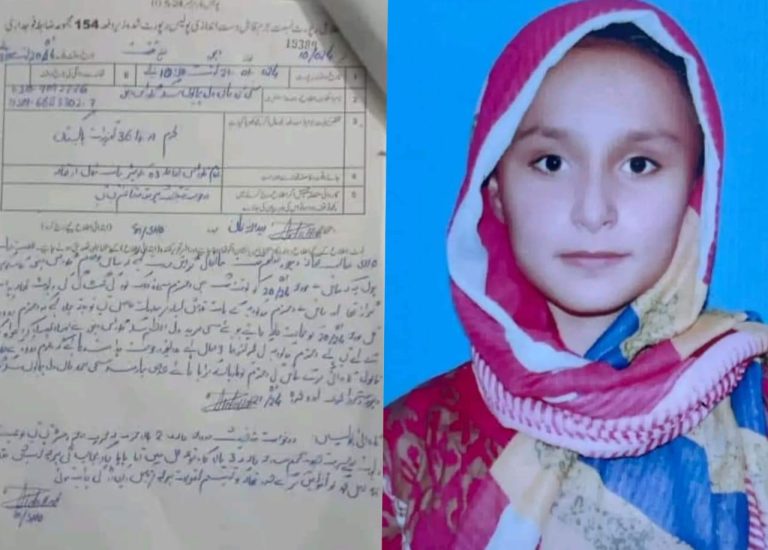
In a fervent display of frustration and concern, residents of Hunza have taken to the streets demanding justice for the abduction of 13-year-old Falak Noor while she was on her way to a nearby community centre for religious education in Sultanabad, Gilgit. The disappearance of Falak Noor, shrouded in mystery for the past two months, has ignited a wave of outrage and apprehension within the Pakistan occupied Gilgit Baltistan (POGB).

Despite the filing of a First Information Report (FIR) and the provision of vital information regarding the kidnappers, authorities have yet to locate any trace of the missing girl. Gilgit, a city under tight security with numerous checkpoints and a strong presence of law enforcement agencies, has witnessed a startling failure in the efforts to recover Falak Noor.

Expressing their discontent, the parents of the abducted girl, hailing from Dinur, had earlier voiced their lack of confidence in the Senior Superintendent of Police (SSP) Ayaz and other law enforcement personnel. They have appealed to the puppet Chief Minister and Inspector General of Pak-occupied Gilgit-Baltistan to entrust the case to a diligent and honest officer.

Falak Noor forcibly married

However, a video purportedly featuring Falak Noor that surfaced a couple of days ago has raised suspicion of a coerced marriage as Falak was seen in the video claiming to have willingly married a man of her choice. However, she is a minor and seems to have been forced to speak on camera, with her parents alleging the involvement of influential figures in her abduction. Despite the presence of CCTV footage capturing the vehicle used in the abduction, authorities have failed to take decisive action.

Nevertheless, another incident involving the discovery of the body of 18-year-old Inara, who was abducted months ago, found by the riverside in Gilgit has further exacerbated the misery of the region. The unsettling incidents have galvanized the people of the Gilgit Baltistan Youth Alliance Karachi, prompting them to organize a protest outside the Karachi Press Club on March 31st. The demonstration aims to draw attention to the plight of Falak Noor and demand justice for Inara, amplifying the call for swift action and accountability in addressing such heinous crimes.

Gangster Mukhtar Ansari fall out : Decades of infamy unveiled

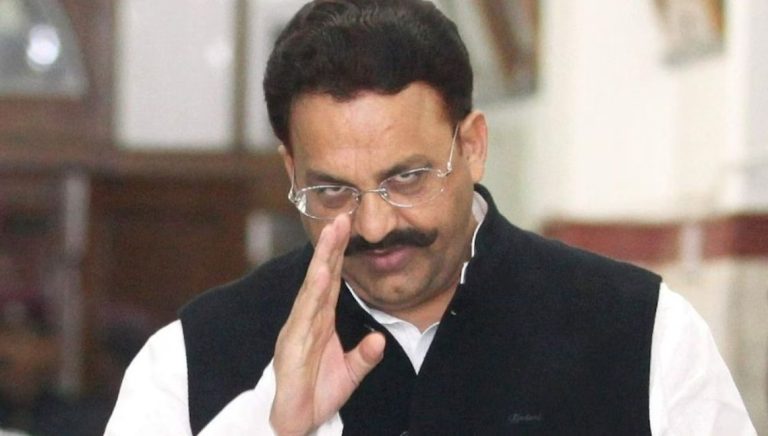
Gangster-politician Mukhtar Ansari passed away due to cardiac arrest in Uttar Pradesh’s Banda on March 28. Ansari, a former five-time legislator, was embroiled in about 63 criminal cases, including murder, kidnapping and extortion. His son, Umar Ansari, has claimed that the demise was not a natural death but an orchestrated murder.

The UP government has initiated a probe into Mukhtar Ansari’s demise. Under the tenure of UP CM Yogi Adityanath, mafias and criminals have reportedly faced difficulties, and mostly found themselves behind the bars. Consequently, particular sections sympathising with the mafias and ideologically pivoted towards the political parties harbouring such elements have started accusing state government for the killing. This comes at a time when just a few days ago, Mukhtar requested the court to transfer him to any jail of non-BJP ruled state citing his slow poisoning by administration. However, opinions on social media regarding Ansari’s death remain divided, with some celebrating it as the demise of a barbaric mafia, while others allege it to be a state-sponsored hit disguised as a cardiac arrest.

Criminal and political history of Mukhtar Ansari

Ansari, 60, spent most of his time since 2005 in various jails in Punjab and Uttar Pradesh, establishing himself as one of Uttar Pradesh’s most feared ‘bahubalis’. He represented the Mau (Sadar) assembly seat from 1997 to 2022. Despite enjoying a powerful persona and political influence, some of Ansari’s extrajudicial actions, including the killing of BJP MLA Krishnanad Rai, proved detrimental. Although acquitted in most cases out of over 60 registered against him, Ansari was convicted in eight cases, including that of Nityanad Rai.

Earlier this month, Ansari received a life sentence for his involvement in a fake arms license case dating back to 1986. He began his political career in the 1990s as a student of Banaras Hindu University and gradually expanded his criminal network in eastern Uttar Pradesh, locally called as Purvanchal, starting as a shooter in the Makhanu Singh gang.

Krishnanand Rai’s assassination

In April 2023, Ansari received a 10-year prison sentence for the 2005 murder of BJP MLA Krishnanand Rai. Rai’s body was found riddled with bullets, along with six others, by assailants wielding AK-47 assault rifles. Rai had defeated Mukhtar’s brother and five-time MLA Afzal Ansari in the 2002 UP Assembly polls. Feeling humiliated, Mukhtar orchestrated the murder plot against Krishnanand Rai while he was in jail in a riots case. Krishnanand Rai, known for his vigilant security measures, was unfortunately, traveling without a bulletproof car on the day of his assassination, marking one of the most brutal political murders in history.

Additionally, in June 2023, Ansari was convicted in the 1991 murder of Awadesh Rai, brother of Congress leader Ajay Rai. Ajay Rai is contesting against Prime Minister Narendra Modi in Varanasi in the upcoming Lok Sabha elections.

He won his first assembly election from Mau (Sadar) in 1996 as a Bahujan Samaj Party candidate and won the seat five times until 2022, even during his periods of incarceration.

Shailendra Singh confronts the mafia

Around 20 years ago, in 2004, Mukhtar Ansari was at the peak of his criminal empire. Ansari’s rivalry escalated with BJP MLA Krishnanand Rai. Meanwhile Ansari’s convoy was attacked and it was suspected that Rai was behind the attack. Singh intercepted calls confirming Ansari’s attempts to purchase a light machine gun. Subsequently, Singh led a raid that led to the seizure of the machine gun and cartridges in Varanasi. He charged Mukhtar Ansari under, now repealed, Prevention of Terrorism Act (POTA) 2002.

Shailendra Singh highlighted the political pressures he faced and how the Mulayam Singh Yadav-led government forced him to resign within 15 days. Despite Ansari’s status as a feared gangster and politician, Singh exhibited courage in pursuing him amid adversity. Following this, Singh faced challenges in finding accommodation and supporting his family, with only Yogi Adityanath and then Gujarat Chief Minister Narendra Modi showing concern for his situation.

https://twitter.com/MeghUpdates/status/1773574090881958219?s=20

Rivalry with Yogi Adityanath

Ansari’s demise comes amidst Yogi Adityanath’s governance, which has seen a crackdown on criminals and mafia elements. Yogi Adityanath has always been vocal against the mafias and criminals in the state. After the Mau riots, Yogi Adityanath, the then MP from Gorakhpur, announced that he would help seeking justice for the innocent people killed, challenging Mukhtar Ansari. In 2008, he again challenged Ansari by announcing a rally against the Azamgarh terrorism under the banner of his organisation, Hindu Yuva Vahini. His convoy was attacked and he barely escaped the vehicle just before the attack. He accused Mukhtar Ansari of plotting to kill him. After Yogi Adityanath assumed the UP CM office, he launched a crackdown on mafia elements leading them to jail.

PTM urges UN action on Pashtun discrimination & human rights violations in Pakistan

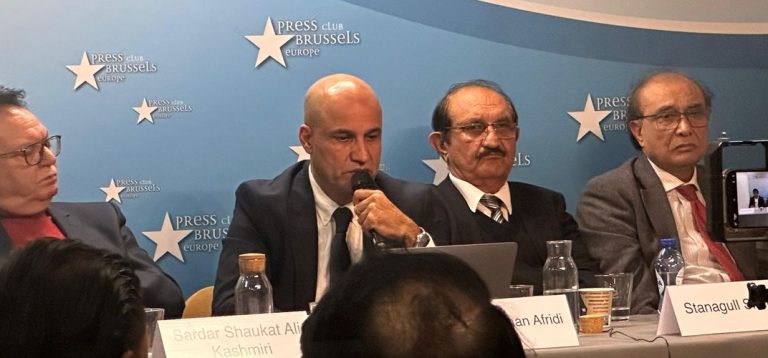
In a compelling address to the United Nations, Fazlur Rehman Afridi, the head of the legal committee of Pashtun Tahafuz Movement (PTM) Europe, highlighted how the Pashtuns face discrimination and egregious human rights violations in Pakistan. Afridi’s impassioned plea shed light on the alarming state of affairs faced by Pashtuns, who have been marginalized and subjected to grave injustices with impunity.

The speech underscored the prevailing atmosphere of impunity and disregard for the rule of law, which has relegated Pashtuns to second-class citizenship. Afridi emphasized the disturbing trend of profiling Pashtuns as terrorists, a stigma that has often served as a pretext for excessive use of force by Pakistani authorities.

Pashtuns face discrimination, abductions and enforced disappearances

Among the harrowing incidents cited by Afridi were cases of abduction and enforced disappearance of school-going children as young as 11 years old in Khyber Agency, Pakhtunkhwa. He condemned the abduction of 12 children without due process of law, highlighting the trauma inflicted upon innocent youth at the hands of security forces.

Furthermore, Afridi highlighted the plight of prominent PTM activists, Eidul Rehman, Zakim Wazir, and Gilaman Wazir, who were forcibly disappeared on May 31 2023 and subjected to extreme torture while in custody. The speaker also brought attention to the tragic loss of Pashtun lives due to indiscriminate actions by the Pakistani military, including the killing of four children and one woman in mortar shelling in Shiktoi, South Waziristan on September 6, 2023.

Instances of violence against Pashtun women, including the injury of eight women in South Waziristan due to indiscriminate firing by the Pakistani army, further underscored the urgent need for international intervention. Afridi mentioned the brutal firing over the peacefull protesting former MNA Mohsin Dawar on February 10, 2024. He said, “Former MNA Mohsin Dawar along with 14 of his party members injured and 4 others killed when Pak military fired straight bullet on them. Dawar was protesting peacefully against election rigging in his constituency.”

At last, Afridi culminated his speech with a plea for UN intervention to address the pressing issues facing the Pashtun ethnic minority in Pakistan. Afridi urged the UN to take decisive action to hold the Pakistani government accountable for its violations of human rights and ensure justice for the marginalized Pashtun community.

Grieving families of slain Baloch freedom fighters denied bodies; families stage protest

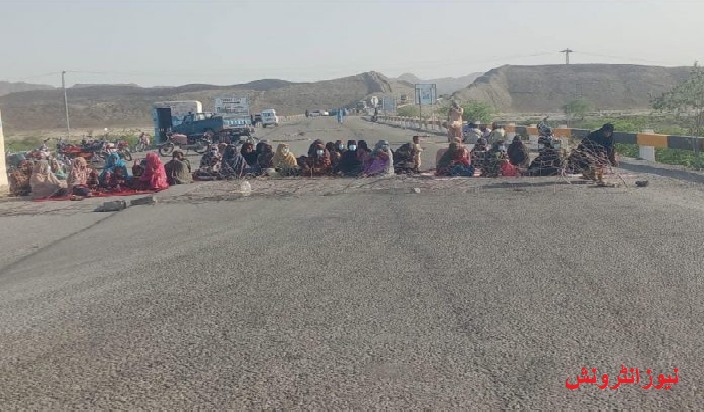
The bodies of Baloch freedom fighters have been kept at a hospital in Turbat for the past three days, sparking frustration among their families who have been waiting to claim them. On Wednesday, relatives of the deceased, accompanied by members of the Sol Society and political activists, gathered at the Teaching Hospital Turbat, anticipating the release of the bodies. However, their hopes were dashed as hospital authorities failed to hand them over.

Reportedly, the puppet authorities sought signatures, including video recordings, from the families on a form. This move was met with strong opposition, leading to a sit-in protest on the M8 Shahrah-e-Pakistan, disrupting traffic. Among the demonstrators were a significant number of Sol Society members and activists, standing in solidarity with the grieving families.

A hospital attendee revealed that the authorities insisted on obtaining signatures from the relatives, but their demands were rejected. This development follows a similar incident in January, where the Quetta administration conditionally handed over the bodies of Baloch fighters involved in the Machh attack, a move also rejected by political and social circles.

Baloch freedom fighters

The form presented to the families holds no legal weight as Pak ‘establishment’ is using such signatures for propagandistic purposes on social media and websites.

The situation escalated from the evening of March 25 when the Baloch Liberation Army’s Majeed Brigade launched a daring assault on Pakistan Navy’s second-largest naval base, PNS Siddique. The ensuing clash lasted for several hours, punctuated by intense gunfire and explosions until the break of dawn.

Spokesperson for the BLA, Jeeyand Baloch, confirmed that during the operation, four fighters of the Majeed Brigade, including operation commander Ayub alias Duda, Khalif alias Islam, Wajdad alias Nodan, and Murad Hasil alias Farhad, bravely fought until their last breaths, attaining martyrdom.

Baloch youths Shoaib & Zaman; victims of Pak Army’s brutal ‘Kill & Dump’ policy

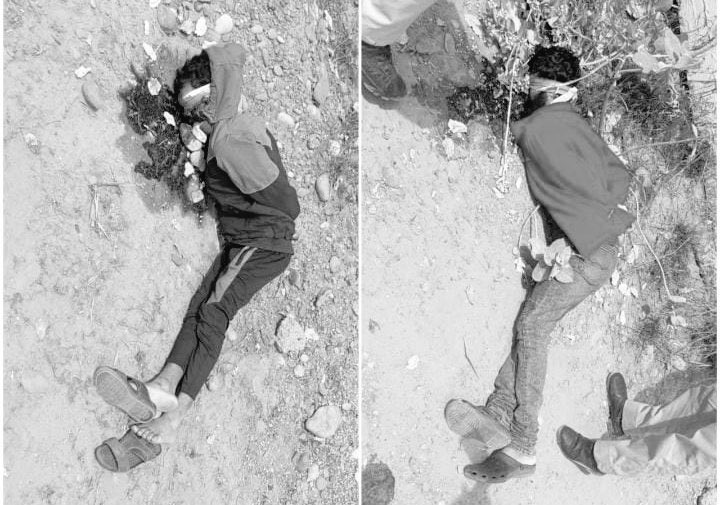
In a heart-breaking event, lifeless bodies of two young Baloch men, Shoaib and Zaman Baloch, were discovered. They residents of Lyari, Singolen, Karachi. The pair, hailing from humble backgrounds, were forcibly disappeared from their homes on August 17, 2023. Shoaib, a promising boxer and kite seller, leaves behind a grieving mother who worked as a tailor.

Their bodies, bearing signs of brutality, were found dumped, yet another tragic consequence of the relentless policy of enforced disappearances and extrajudicial killings plaguing the Baloch community under the oppressive Pak Army. The Baloch Yakjehti Committee condemned the ongoing violence against Baloch communities.

For Baloch families, the pain of waiting for their loved ones’ return only to receive their mutilated bodies is a traumatic reality. The systematic targeting and elimination of Baloch youths underscore the urgent need to address the humanitarian crisis unfolding in the region.

The deaths of Shoaib and Zaman serve as a stark reminder of the impunity with which Pak Army operate. Since the forceful and brutal occupation by the Pakistan Army in 1948, Balochistan has endured a painful environment. The innocent Baloch population has suffered countless atrocities. In addition to daily home raids, abductions, and a lack of essential infrastructure, Baloch youth are mercilessly shot, killed and their bodies are dumped.

Pakistani judges expose ISI of judicial interference

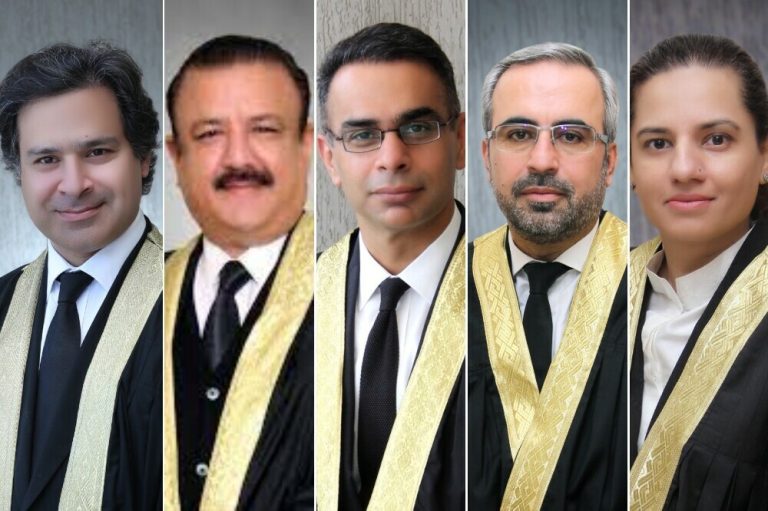
In a significant development, six senior judges of the Islamabad High Court (IHC) in Pakistan have made startling accusations against the country’s powerful Inter-Services Intelligence (ISI) agency. According to a letter dated March 25, which was made public on Tuesday, the judges have alleged interference in judicial matters by the ISI, including intimidation tactics such as secret surveillance, abduction, and torture of their family members.

The judges have called upon the Supreme Judicial Council (SJC), Pakistan’s judicial watchdog, to investigate these serious allegations. They emphasize the need to determine whether there exists a systematic policy implemented by intelligence operatives to coerce judges into engineering judicial outcomes in politically significant cases.

The letter, which has sparked widespread concern, particularly relates to cases involving the main opposition leader and former Prime Minister Imran Khan. Khan’s party, Pakistan Tehreek-e-Insaf (PTI), has accused the military of orchestrating a crackdown on the party ahead of last month’s general elections. The alleged interference in the election process has raised questions about the military’s role in Pakistani politics.

Notably, the allegations come on the heels of a recent Supreme Court ruling declaring the removal of former IHC judge Shaukat Aziz Siddiqui in 2018 as illegal. Siddiqui had previously accused the ISI chief and other military officials of manipulating judicial decisions, sparking a contentious legal battle.

After the shocking revelation, the interference of Pakistan Army and ISI in Pakistan’s politics and judicial process has become profoundly clear. Interestingly, the onus now rests on Chief Justice Qazi Faez Isa to address the concerns raised by the judges and take decisive action to protect the independence of the judiciary. The ISI and Pakistan military have not yet responded to the allegations, raising anticipation for their forthcoming statements on the matter.

Chinese company halts civil works in Khyber-Pakhtunkhwa after Besham suicide attack

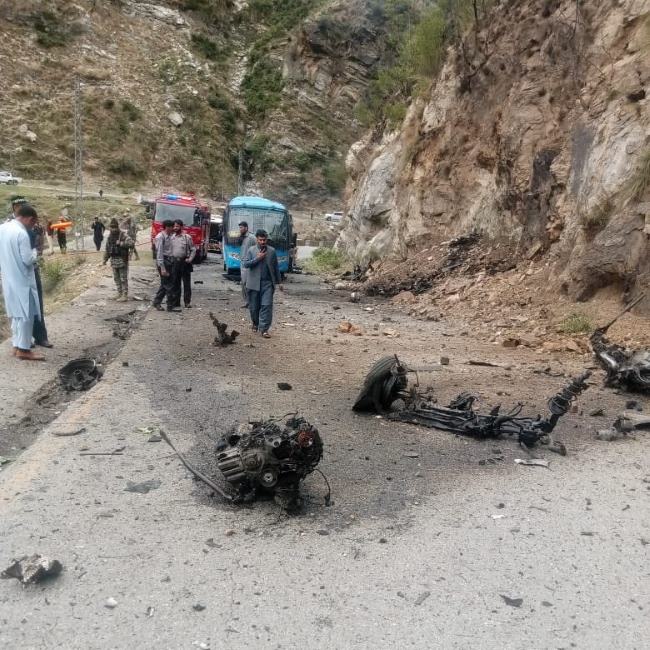
In the wake of a devastating suicide attack targeting Chinese nationals in Khyber-Pakhtunkhwa, a Chinese company has taken drastic measures in response to growing security concerns. Two days after the tragic incident that claimed the lives of five Chinese engineers at a hydropower project in the region, Power Construction Corporation of China (PCCC) announced the suspension of civil works and the layoff of hundreds of workers at another hydropower project within the same volatile province.

The fatal attack occurred at the Dasu hydropower project in Bisham city of Shangla district where the Chinese engineers were enroute to Islamabad. Another individual was also killed in the incident. So far, no group has claimed responsibility for the suicide bombing.

In response to heightened security risks, Chinese company PCCC halted operations at the Tarbela 5th Extension Hydropower Project in Swabi district and terminated over 2,000 workers. The decision was made in consideration of the safety of project personnel, as confirmed by the manager (administration) of PCCC.

While the layoff affects a significant portion of the workforce, it is emphasized that these workers have not lost their jobs under labour laws and are entitled to receive partial salaries until they resume duties. Efforts to bolster security measures for project employees are reportedly underway.

Chinese company reluctant to trust Pakistan

Despite the suspension of work, authorities assure minimal disruption to the completion timeline of the Tarbela extension project (T5), which is scheduled for May 2026 with funding support from the World Bank ($390 million) and the Asian Infrastructure Investment Bank ($300 million).

Following the latest attack, Pakistan’s Prime Minister Shehbaz Sharif has ordered a comprehensive joint investigation to swiftly apprehend those responsible and enhance security measures for Chinese personnel working in the country. While Pakistan and China both boast the normalcy and extend trust in each other on the diplomatic table, on ground reluctance of China is clearly visible from the recent incident.