Home Blog Page 161

Pakistan Supreme Court approves civilian trial in military court

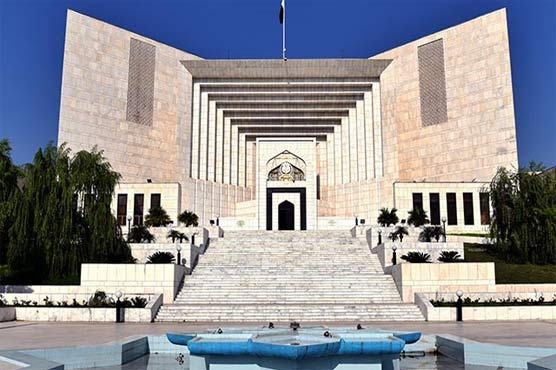
The Pakistan Supreme Court has made a conditional decision to permit the civilian trial in military court, temporarily suspending its previous unanimous ruling from October 23 that had invalidated the jurisdiction of military trials for civilians.

In a six-member bench, the court voted 5-1 in favor of the verdict, with Justice Musarrat Hilali dissenting. The decision was announced during the hearing of a series of intra-court appeals challenging the prior order.

Interestingly, Attorney General Mansoor Awan advocated for the conditional resumption of military court trials of civilian suspects, prompting the court to grant conditional permission for continuing trials. However, the military courts are not authorized to issue a final verdict against the suspects.

Furthermore, the court clarified that the ultimate judgment would be contingent upon subsequent orders from the Supreme Court. The Pakistan Army controlled caretaker federal government, along with provincial administrations in Pakistan-occupied Balochistan, Khyber Pakhtunkhwa, and Punjab, alongside the defense ministry, had collectively appealed against the prior judgment by filing intra-court appeals.

The recent judgement yet again underscores that the law in Pakistan is conveniently modified as per the requirement of the authoritarian Pakistan Army. Civilian trial in military court is clearly a violation of the human rights of the people.

Parliament’s Winter Session marred by security breach on 22nd Anniversary of 2001 Parliament attack

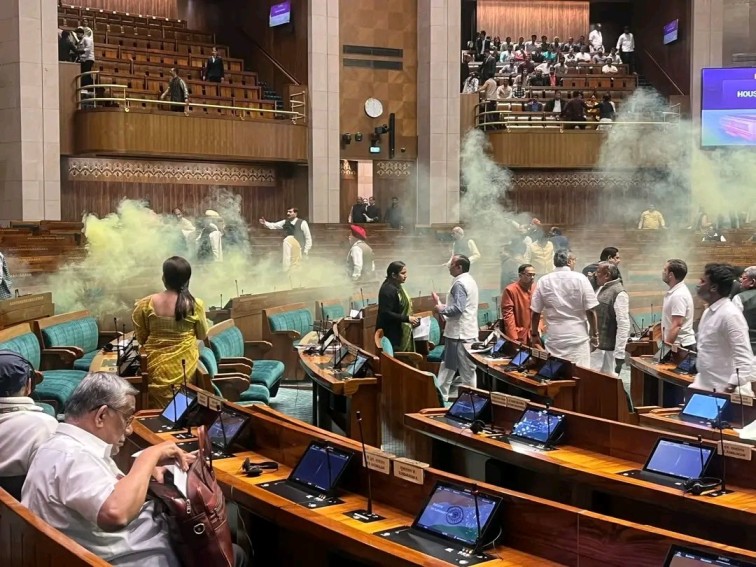
In a shocking turn of events during the Winter Session of the Indian Parliament, the Lok Sabha experienced a major security breach on Wednesday (13 Dec), resulting in the detention of four individuals by the Delhi Police.

Two unidentified persons managed to breach security protocols by jumping into the Lok Sabha chamber from the visitors’ gallery. Simultaneously, outside the Parliament, a man and a woman were detained for their involvement in a protest that involved the use of colored smoke.

The incident unfolded on a significant day, marking the 22nd anniversary of the 2001 Parliament attack. This attack, carried out by terrorists associated with the Pakistan-based Lashkar-e-Taiba and Jaish-e-Mohammed outfits, claimed the lives of nine people.

The Lok Sabha descended into chaos as the two unidentified individuals entered the House chamber. Members of Parliament (MPs) hurriedly evacuated as the individuals reportedly shouted slogans and released gas. The entire incident was captured on camera, revealing the severity of the security breach.

Delhi Police promptly detained both individuals from inside the Lok Sabha, with one of them identified as Sagar Sharma. Additionally, a man identified as Amol Shinde (25) and a woman identified as Neelam (42) were apprehended for their protest outside the Parliament, involving the use of cans emitting yellowish smoke.

MPs who witnessed the incident described scenes of panic and chaos. While some highlighted the potential danger, stating that the emitted smoke could have been poisonous. Others criticized the lack of identification tags for visitors and reporters, emphasizing a security lapse.

Addressing the House, Lok Sabha Speaker Om Birla confirmed the apprehension of the individuals involved and the seizure of materials. He stated that the preliminary investigation indicated that the smoke was of an ordinary kind, seeking to allay concerns about potential harm.

2001 Parliament attack

The incident occurred on the solemn anniversary of the 2001 Parliament attack, where terrorists from Lashkar-e-Taiba (LeT) and Jaish-e-Mohammed (JeM) opened fire on the Parliament complex.

On the morning of December 13, 2001, at approximately 11:40 am, a group of five terrorists infiltrated the Parliament House Complex. They utilized an Ambassador car equipped with a red light and a forged Home Ministry sticker on the car’s windshield.

As the suspicious vehicle approached Building Gate No. 12, a vigilant member of the Parliament House Watch and Ward Staff intervened, compelling the car to turn back. In the process, the car collided with the vehicle of then Vice President Krishan Kant. Subsequently, the terrorists disembarked and initiated gunfire.

An immediate alarm was sounded, leading to the swift closure of all building gates. A fierce firefight ensued, spanning over 30 minutes. The confrontation resulted in the elimination of all five terrorists, along with the unfortunate loss of eight security personnel and a gardener. Additionally, at least 15 individuals sustained injuries. Notably, the approximately 100 ministers and Members of Parliament present in the Parliament at that time emerged unharmed.

The security breach raises questions about the vulnerability of parliamentary spaces and the need for enhanced measures to ensure the safety of lawmakers and staff during crucial sessions.

UNGA passes Gaza ceasefire resolution as Israel pumps sea water into tunnels in Gaza

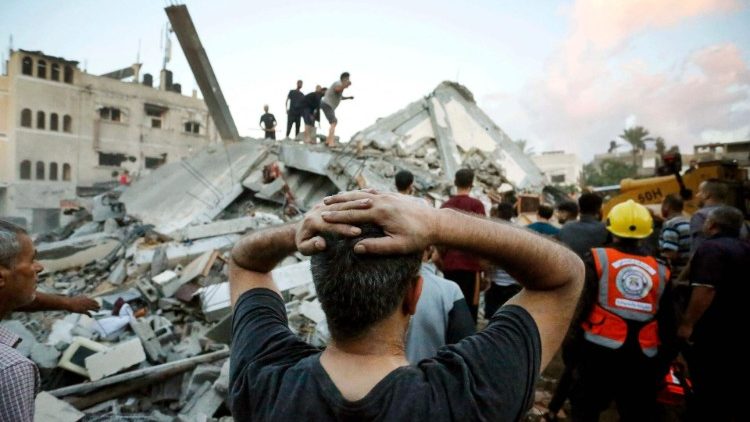
The UNGA passed a resolution demanding an immediate humanitarian ceasefire in Gaza, marking a rebuke against the US, which had previously blocked a similar resolution in the Security Council. With 153 nations in favor, 10 against, and 23 abstentions, the nonbinding resolution holds significant political weight. On the other hand, Israel has started pumping sea water in tunnel in Gaza

Heightened Conflict

At Israel’s northern border with Lebanon, Iranian-backed fighters, including Hezbollah, executed 12 attacks from southern Lebanon. Despite ongoing Israeli defense operations that have notably diminished Hamas’s capabilities, Khan Yunis, once deemed a safer zone, has become a primary battleground due to intensified Israeli assaults. Reports indicate Palestinian militias resisting Israeli attacks from Khan Yunis’ north and east fronts, launching seven such counteroffensives. Over a million individuals have fled northern Gaza since October 13, with approximately 215,000 seeking refuge in UNRWA camps within Khan Yunis.

Escalation in West Bank and development in Gaza

Simultaneously, the situation in the West Bank has deteriorated, amplifying international pressure on Israel. Seventeen clashes between Palestinian fighters and Israeli forces have been documented, alongside reported attacks on Palestinians by settlers.

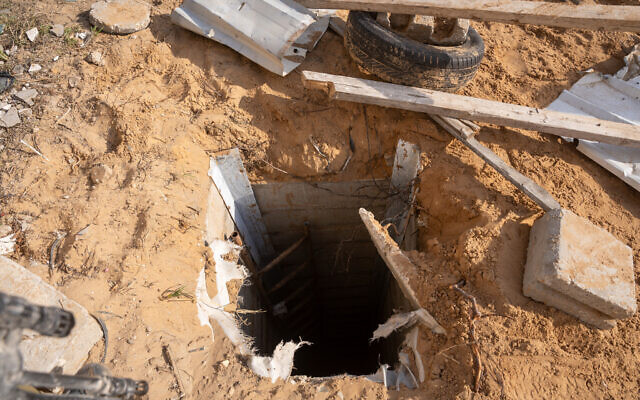
Meanwhile, Israel has started to pump sea water in tunnel network operated by Hamas in Gaza, which are used as launchpads and shelters. Amidst various apprehensions regarding environmental and Humanitarian concerns, Israel has clarified that there are no hostages in these tunnels.

Khyber-Pakhtunkhwa: Terrorist attack on the Pakistan Army base camp kills 23 Pak soldiers

In a devastating assault in Khyber-Pakhtunkhwa province, near the Afghan border, at least 23 Pakistan Army personnel lost their lives while numerous others sustained injuries. The terrorist attack occurred in the early hours yesterday, as militants orchestrated a violent onslaught targeting the Pakistan Army base camp in Dera Ismail Khan.

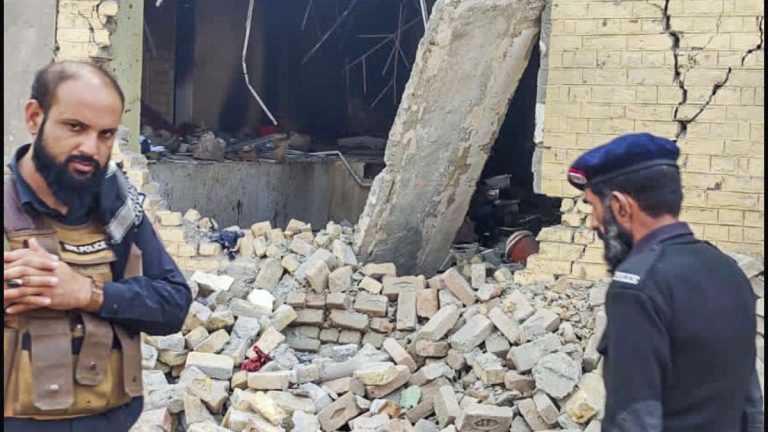
The assailants’ tactics involved a vehicle laden with explosives ramming into the compound, triggering chaos and destruction. Prior to this, the militants attempted to breach the compound but were thwarted, prompting the subsequent vehicular assault.

Following the vehicle’s impact on the compound’s boundary wall, a harrowing suicide bomb attack ensued, resulting in the collapse of the building. The incident claimed the lives of numerous individuals who were asleep at the time. It is reported that there was an explosion of ammunition stored within the compound.

Tehreek-e-Jihad Pakistan (TJP), the militant faction affiliated with the TTP has claimed responsibility for this audacious terrorist attack. Subsequent military operations in the area led to the elimination of six attackers, with a total of 27 militants reported killed.

Pakistan’s caretaker Prime Minister Anwaar ul-Haq Kakar and caretaker Interior Minister Sarfraz Bugti vehemently condemned the assault. Pakistan’s Foreign Secretary, Syrus Sajjad Qazi, called on the envoy of to promptly communicate to the Taliban government in Afghanistan, emphasizing the necessity for a thorough investigation and decisive measures concerning the issue. Since past year the attacks orchestrated by the newly emerged militant group Tahreek-e-Jihad Pakistan (TJP) have significantly increased.

This falls in line with withdrawal of the hard-line Islamist militant group Tehrik-i-Taliban Pakistan (TTP) from a ceasefire last year. Notably, Islamabad has consistently alleged that insurgents operate from regions across the Afghan border, a claim staunchly denied by the Afghan Taliban. This grim incident adds to the series of violent episodes, including the attack on Mianwali airbase last month and January bombing at a mosque in Peshawar that claimed the lives of at least 100 people. Despite initial denial by the TTP, attributions were made to a commander of a breakaway faction.

Bangladesh: Muslim students call for ban of Hindus in govt school

Persecution of Hindus in Bangladesh is no hidden fact. Being a minority, Hindus face multiple type of existential challenges there. In the latest development, a call has been made by a Muslim students and their parents to ban the admission of Hindu students in government schools.

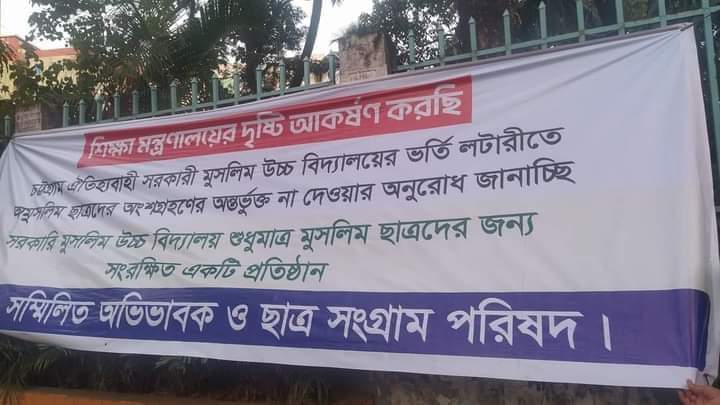
The case of this religious discrimination has emerged in Bangladesh’s Chattagram town. As per reports by Hindu Voice, just before the start of the academic year, which starts from January in Bangladesh, some Muslim students and their parents have demanded that the Hindu students should not be given admission to the Government Muslim Higher Secondary School. After making their demands, they also staged a protest along with placards and banners in the school premises.  

Since the concerned school is state owned, this has raised outrage in the Hindu community, who are concerned about such religious discrimination in a state-owned institution. As of now no explanation has been provided by the administration.

Considerably, the hate crimes against Hindus have persisted for long and have only increased in the past few months in Bangladesh. This increase in religious persecution is more concerning given the fact that the country is poised to choose a national government in a few months and the political situations are tumultuous. Accordingly, this worsening condition is only making the Hindu community more vulnerable.  

Sindh: Radical Islamists abduct and convert another Hindu girl

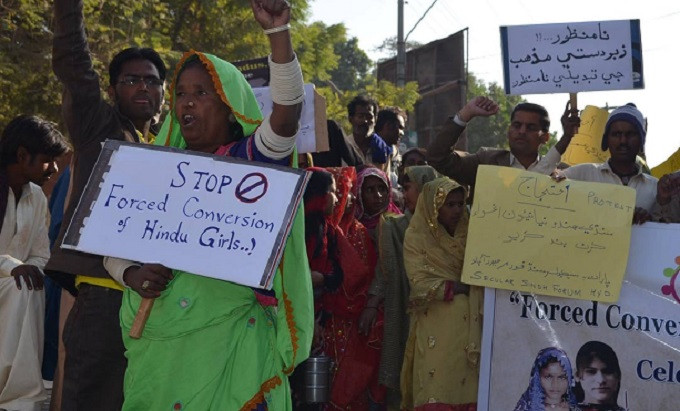
Another Hindu minor girl has been converted and married to a Muslim man after being abducted in Sindh’s Ghotki. Reena was abducted and taken to Gol Mosque in Sukkur. She was forcibly converted at the mosque and was married to an unknown Muslim man named Shahzado Chachar. Shahzado Chachar is far more aged than victim Reena. Unfortunately, the gruesome act yet again highlights the precarious conditions of Hindu minor girls in Pakistan.

Getting abducted, forcibly converted, married to abductor or an unknown man and often getting raped are the worst kinds of persecutions that a girl could undergo. Unfortunately, all this is happening to Hindu girls and women in Pakistan. To make it even worse, the justice system also shuts its doors on their face. Instead of providing them a refuge, the judiciary kneels in front of the forged documents and forced statements.

The condition of Hindu girls is worsening with each passing day without any ray of hope.

Pak Army attempts to stop the Baloch Genocide March from entering Quetta

In a defiant display, the Baloch Long March, organized by the Baloch Unity Committee against enforced disappearances, extrajudicial killings, and human rights violations, finally reached Quetta on Monday (11 Dec) evening, overcoming hurdles and tight security measures imposed by the authorities.

The march, comprising families of missing Baloch persons, began in Turbat a week ago and has traversed hundreds of kilometers, drawing support and solidarity from local communities along the way. Despite attempts to impede their progress in various districts, the determined participants braved elements like fatigue, and police barricades to reach their destination.

Challenges and Resistance

The march faced its first major obstacle in Mastung, where authorities erected roadblocks and attempted to halt its progress. Undeterred, the participants peacefully but firmly challenged the restrictions, eventually pushing forward.

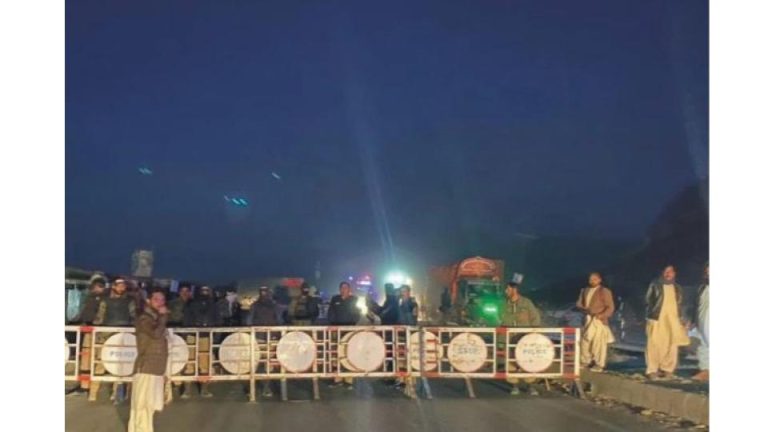
Similar attempts were made in Quetta, with police deploying heavy contingents and sealing off the Red Zone, a high-security area housing government offices, to prevent the march from reaching its intended endpoint. However, the families persisted, navigating alternative routes and successfully entering the city.

Red Zone Sealed

As of Monday evening, the Red Zone remains sealed off, with container trucks blocking access and security forces maintaining a vigilant presence. The families have set up camp nearby, vowing to hold a peaceful protest on Tuesday (12th Dec) to highlight their plight and demand justice for their loved ones.

A Symbol of Resilience

The Baloch Long March has become a powerful symbol of resilience and the unwavering pursuit of justice for the Baloch community. Their determination and peaceful defiance in the face of adversity have captured the attention of the nation and drawn international media spotlight.

The Baloch Unity Committee has urged national and international organizations to take notice of the human rights crisis unfolding in Balochistan and demand an end to the Pak Army’s abuses. The long march’s success in reaching Quetta stands as a testament to the families’ unwavering commitment to their cause and their determination to keep the plight of their missing loved ones in the spotlight.

The next few days will be crucial as the families hold their protest in Quetta. Whether the authorities will engage in dialogue and address their concerns remains to be seen, but the march itself has undoubtedly achieved its goal of raising awareness and highlighting the ongoing tragedy in Pak-occupied-Balochistan.

BJP announces Bhajan Lal Sharma as the new Chief Minister of Rajasthan

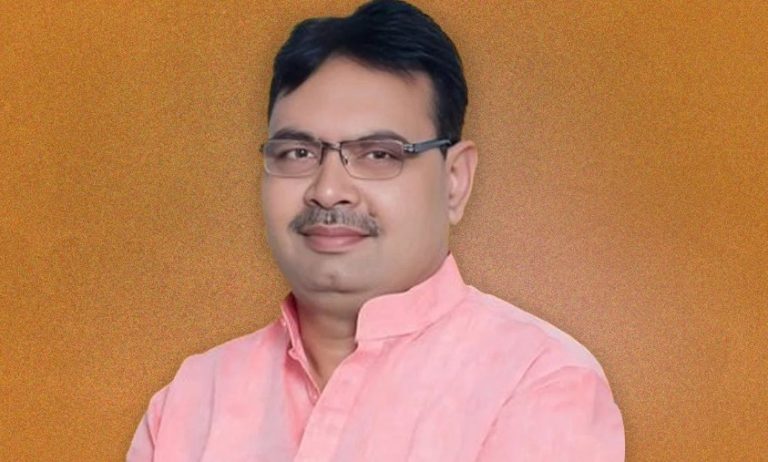
Following a decisive meeting of the legislative party in Jaipur, the Bharatiya Janata Party (BJP) has officially declared Bhajan Lal Sharma as the new Chief Minister for Rajasthan. Sharma, a first-time MLA from the Sanganer assembly seat and a four-time member of the BJP state executive committee, emerged as the unanimous choice for the leader of the legislative party in the presence of observers.

Sharma’s victory in the Sanganer constituency, traditionally considered a stronghold of the BJP, showcased his electoral prowess. He secured a substantial win over his Congress rival, Pushpendra Bharadwaj, with a margin of 48,081 votes in the recent elections.

Along with him, Divya Kumari and Prem Chandra Bairwa are announced to be the next Deputy Chief Ministers to assist Bhajan Lal Sharma. Prem Chand Bairwa is BJP MLA from the Dudu constituency in Rajasthan who won the seat in the 2023 assembly election by defeating Congress candidate Babulal Nagar with a margin of 35,743 votes. On the other hand, Diya Kumari won Vidhyanagar constituency by a margin of more than 71,000 against Congress candidate Sitaram Agrawal.

The Rajasthan Assembly Election 2023, which witnessed the declaration of results on December 3, saw the BJP sweeping to power with an overwhelming majority, securing 115 seats. In contrast, the incumbent Congress faced defeat, managing to secure only 69 seats.

Barrick Gold Corp pens human rights day post: Gold standard in irony

On December 10, 2023, commemorating Human Rights Day and the 75th anniversary of the Universal Declaration of Human Rights, Barrick Gold Corporation, a prominent Canadian mining company operating globally in gold and copper, published a lengthy, self-congratulatory post about their unwavering commitment to human rights. The lengthy piece touted its “zero tolerance” policy and its vision of “socio-economic upliftment.”

They emphasized that at Barrick, respect for human rights stands as a cornerstone of their sustainability vision, asserting a zero-tolerance policy for any violations committed by employees, affiliates, or third parties associated with their operations.

The narrative continued, outlining the positive impact of responsible mining on local communities, host countries, and society at large. Barrick acknowledged the potential adverse effects their activities might have on stakeholders and human rights, emphasizing the need for careful management to mitigate negative impacts and enhance project benefits.

Barrick’s Saindak shame

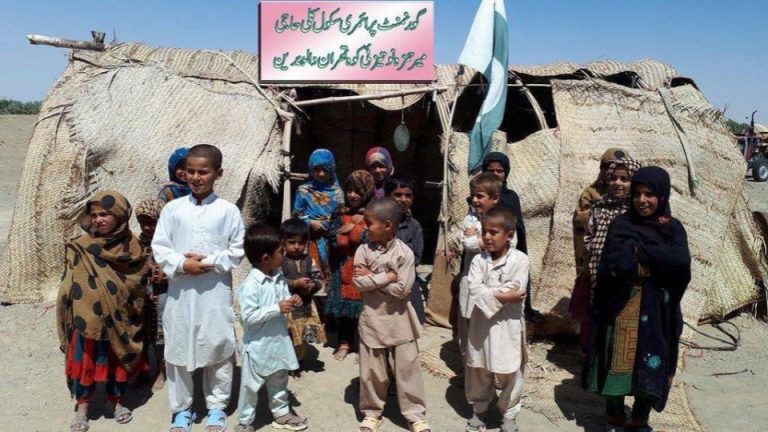
However, Rahim Baloch, a distinguished lawyer, a Member of BNM, and former Secretary General of BNM & Chairman of BSO, cast a critical light on Barrick Gold Corporation. He exposed the corporation’s facade, not with words, but with a single image: a primary school in Dalbandin, located in Pak-occupied Balochistan near the Saindak Gold mines, a desolate testament to Barrick’s alleged commitment.

The school, constructed from rugged carpets and frail wooden logs, portrayed the dire state of Balochistan under the control of the Pakistan Army. This image pierced through Barrick’s carefully crafted narrative. While they boast of “zero tolerance” for human rights violations, their silence on the systematic oppression of Balochistan speaks volumes. The lawyer questioned Barrick’s commitment, highlighting their seeming indifference to the grim conditions in Pak-occupied-Balochistan.

Long March

Since 1948, the Pakistan Army has occupied Balochistan, its iron fist crushing the region’s aspirations for independence and development. Enforced disappearances, staged encounters, target killings, torture, humiliation, and kidnappings for ransom have become the norm. And, the Saindak Gold mine, operated by Barrick, sits like a monument to this oppression, extracting resources while impoverishing the local population.

Despite an ongoing long march protesting the Pakistan Army’s “kill and dump” policy, involving extrajudicial killings and abductions, corporations remained silent. Every raid, every disappearance, every staged encounter is a testament to their disregard for human rights. Barrick Gold, for all its claims of zero tolerance for human rights violations and socio-economic development, failed to address this crisis. Barrick, complicit in this exploitation through their resource extraction, chooses to turn a blind eye to the suffering they enable.

The case of Barrick and Balochistan is not an isolated incident. It highlights the complex challenges of balancing corporate interests with human rights concerns in resource-rich regions. It raises questions about corporate accountability, transparency, and the true cost of resource extraction. The plight of Balochistan demands more than lip service; it demands accountability and a genuine commitment to upholding the very values Barrick claims to champion.

Barrick’s Human Rights Day post served as a stark reminder that corporations cannot simply pay lip service to human rights while profiting from exploitation. We must look beyond their carefully crafted narratives and demand genuine action. Only then can we hope to see a future where human rights are not just words on paper, but a lived reality for all.

UN to vote for a ceasefire in Gaza as Israel claims edge over Hamas

As the war between Israel and Hamas entered its second month, the United Nations General Assembly is preparing to vote on a non-binding resolution demanding “an immediate humanitarian ceasefire” in Gaza – on Tuesday, a call that the council has so far failed to make.

Earlier on Friday, the United States, one of only five permanent members of the UNSC vetoed to halt a draft text calling for a ceasefire, the latest sign of impasse. UN Secretary-General Antonio Guterres has warned of a looming “complete breakdown of public order” in the besieged Gaza. After Friday’s failure on draft text, many countries along with human rights organisations expressed dissatisfaction and regret. Furthermore, Guterres on Sunday described the Council’s authority and credibility as “undermined”.

Meanwhile, IDF has stated that Israel is augmenting the speed of inspection of the humanitarian aid along with sending it to Gaza and will be using two crossings to help screen humanitarian aid for Gaza.

After Friday, a top UN official stated that the UN staff in Gaza is feeling abandoned after the US veto. The UNRWA chief Philippe Lazzarini told the media that they (UN Staff) “cannot understand” why a ceasefire has not been agreed upon after thousands have been killed and displaced.

Nonetheless, while a ceasefire vote is being prepared, Israeli troops are continuing with their operations. Recent reports suggest that they are encircling Hamas’ final two strongholds in northern Gaza, Israeli Defense Minister Yoav Gallant claimed on Monday that Hamas battalions in the Jabalya and Shejaiya areas were “on the verge of dismantling”. According to him, the surrendering terrorists had admitted that they are running short of weapon and food supply.