Home Blog Page 165

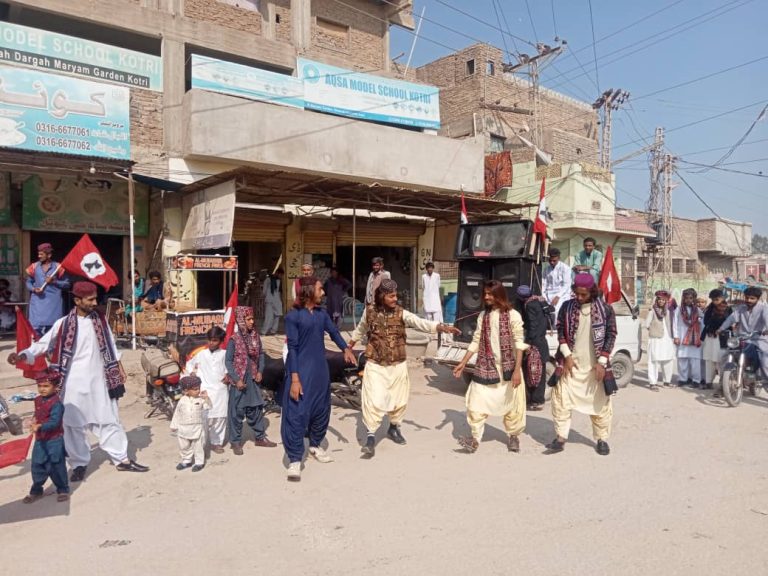
JSFM celebrates Sindhi Cultural Day across Sindh with massive support

In Hyderabad, the Sindh Freedom Movement (JSFM) marked Sindhi Cultural Day with resounding calls for the preservation of Sindhi identity and the denouncement of human rights violations in Sindh and Balochistan. The rally saw Baloch participation, emphasizing solidarity with the Sindhi nation amidst similar adversities faced by both regions under Pakistan’s oppressive regime.

The rally highlighted the rampant enforced disappearances plaguing both Sindhi and Baloch populations, leaving families torn apart by abductions in anguish without any recourse. Shockingly, these abductions often go undocumented, leaving countless Baloch families grappling with the anguish of missing loved ones for over a decade. Pakistan’s ‘Dump and Kill’ policy compounds this tragedy, targeting Baloch youths, including college students, whose bodies are later found dumped in public areas.

JSFM organized rallies across various locations in Sindh including, Kandyaro, Sehwan Dadu, Hyderabad Division, and Karachi Division, rallying against systemic injustices on Sindhi Cultural Day. The main demands raised during the rally were:

  1. Enforced Disappearances of Sindhi & Baloch: The rally strongly condemned the enforced disappearances orchestrated by the Pakistan Army and its puppet establishment, targeting dissenting voices within Sindhi and Baloch communities.
  2. Forced Conversion of Sindhi Hindu Girls: The plight of Sindhi Hindus, particularly young girls, remains a grave concern. Radical Islamists perpetrate abductions and forced conversions of Sindhi Hindu girls, pften marrying them off to Muslim men, sometimes their abductors, disregarding their age and consent. This has made the Hindu community vulnerable and persecuted.
  3. Immigration in Occupied Sindh: JSFM vehemently opposes demographic shifts orchestrated by Pakistan, aiming to alter the cultural landscape of Sindh. This effort to marginalize the indigenous population by settling migrants in Sindh contradicts the aspirations and heritage of the Sindhi people.

COP28 Dubai: Leaders highlight “climate-health nexus”

Two stark realities frame the ongoing United Nations climate talks of COP28 in Dubai: the planet is hurtling towards disaster, and governments are lagging behind in averting it. In this event, diplomats from nearly 200 nations, along with numerous heads of state, convene to try and draft a plan for accelerating the global transition away from fossil fuels – which is the primary culprit behind our rapidly warming planet.

The event spans from November 30 to December 12, although it is common for negotiations to extend beyond the official timeframe. The venue for the conference is Expo City Dubai, which is also described as a “future-centric mini-city” and linked to the city center. The event is organized across two main zones: the Blue Zone, designated for official negotiations and speeches, and the Green Zone, where exhibits and side events hosted by NGOs, businesses, and other organizations take place. COP 28 highlighted the impact of global warming and climate change on health, “climate-health nexus”.

Conflict of interest

This two-week conference, convened annually by the UN, carries the weight of immense urgency. While last year’s summit in Egypt saw the establishment of a fund to assist vulnerable countries facing climate disasters, it yielded little progress on reducing emissions. Countries that produce gas, oil, and coal, including Egypt, thwarted a proposal aimed at phasing out fossil fuels entirely. Meanwhile, Egypt engaged in sideline agreements to supply natural gas to Europe.

The UN rotates the host country every year across regions. The UAE won the bid with support from other Asia-Pacific nations. However, this year’s host has ignited a firestorm of criticism. The United Arab Emirates, a major oil producer, has not only drawn ire for its fossil fuel dependence, but also for its controversial choice of COP president: Sultan Al Jaber, the head of the UAE’s national oil company. Al Jaber’s leadership is seen as a blatant conflict of interest. The major question was – how can the head of an oil giant navigate the most crucial climate conference of the year?

What is COP28?

COP stands for Conference of the Parties, with “parties” referring to the 197 nations that signed the UN Framework Convention on Climate Change in 1992. This agreement aimed to address “dangerous human interference with the climate system” and stabilize greenhouse gas emissions. The UN climate body convenes these governments annually to discuss joint action on climate change.

The first COP, held in Berlin in 1995, marked the beginning of annual gatherings to address climate change. The landmark COP21 in 2015 saw over 190 countries adopting the Paris Agreement, aiming to limit global warming to well below 2 degrees Celsius. While the agreement set a crucial trajectory, subsequent COPs aimed to enhance the ambition and specificity of the plans outlined in the Paris Agreement

Three key outcomes are anticipated

  1. Global Stocktake: This is the first formal assessment of whether nations are on track to meet the 2015 Paris Agreement goal of limiting global temperature rise to 1.5 degrees Celsius. This review will inform the ambitious actions needed moving forward. Eight years after the Paris Agreement, COP28 represents the first formal assessment, known as the global stocktake, of countries’ progress toward their climate targets. The assessment reveals that the world is falling short of its global climate goals
  2. Loss and Damage Fund: Another focal point is the delicate issue of the “loss and damage” fund, aiming to channel funds from rich to poor nations affected by climate impacts.
  3. Political Agreement: This could involve a deal to replace fossil fuels with clean energy. The question is whether fossil fuels will be phased out entirely and, if so, under what conditions.

Major players

Over 160 nations, including major players like the India, UK, France, Germany, and Japan, have confirmed their attendance. King Charles III and Pope Francis were expected to be high-profile speakers, but Pope was unable to attend due to health reasons, so his speech was read by Vatican Secretary of State Cardinal Parolin. Notably absent from the speakers’ list are US President Joe Biden & China’s Xi Jinping, leaders of the world’s top polluting countries. Israeli Prime Minister Benjamin Netanyahu will also remain absent.

India’s Stance

The initial days of COP28 witnessed India affirming its commitment to mitigating global warming while emphasizing the principles of equity and justice in climate diplomacy. Prime Minister Narendra Modi stated that India achieved its emission intensity-related target 11 years ago and is on track to meet its Nationally Determined Contribution towards the Paris Pact. However, India remains firm on coal’s importance in its energy mix, signaling potential contention at the summit.

COP28 won’t be easy. It will be a battle of conflicting interests, competing priorities, and urgent deadlines. India refused to sign the COP28 Declaration on Climate and Health. India cited the lack of practicality in curbing greenhouse gases use for cooling in the health sector, as the reason. 

Awami Workers Party protest against resource exploitation by Pakistan in POGB

Islamabad witnessed a fervent protest on Saturday, December 2, as the Awami Workers Party of Pakistan occupied Gilgit-Baltistan (POGB) and students gathered outside the Islamabad Press Club. The demonstration aimed to denounce the cessation of the wheat subsidy and the encroachment of resources in the region. The call for action was echoed by the Gilgit-Baltistan Social Society and students, urging collective participation.

The protest shed light on persisting injustices and oppression in POGB under Pakistan’s occupation. These acts, for instance, range from the forceful acquisition of public lands to the seizure of regional resources, depriving locals of subsidies, a move deemed in violation of international laws.

Amidst this, the Awami Workers Party and the Awami Action Committee have been vocal about these crucial public issues, despite the occupant government’s aversion to their discourse.Discussing public concerns and asserting rights in the occupied region of Gilgit-Baltistan has long been considered a punishable offense, instilling fear in those raising their voices.

The public outcry vehemently asserts that the subsidy rightfully belongs to the local population, emphasizing it as a fundamental entitlement rather than a benevolent gesture from the Pakistani state. Concerns loom over the potential repercussions of terminating the subsidy, raising alarms about the grave consequences it might entail.

Passenger bus attack in Pak-occupied Gilgit-Baltistan; 9 dead, suspects arrested

In a recent development, six individuals have been apprehended in connection to the heinous attack on a Rawalpindi-bound passenger bus in the Chilas area of Pak-occupied Gilgit-Baltistan’s Diamer district. The incident claimed the lives of at least nine people and left 21 passengers injured after assailants fired upon the bus from nearby hills on Saturday, leading to a collision with a goods truck.

Transport services from Rawalpindi to Pakistan-occupied Gilgit Baltistan (POGB) districts have been suspended as a precautionary measure, with transporters demanding comprehensive security arrangements for both vehicles and passengers.

The occupying government officials emphasize that this was not a sectarian attack but rather a terrorist act targeting individuals from diverse backgrounds. Home Minister of the occupying government Shams Lone highlighted the rejection of such violence by the people of Diamer and assured stringent actions against the perpetrators.

Accordingly, the traffic has been on the Karakoram Highway (KKH). However, convoys of vehicles, escorted by occupying forces, have been permitted to pass through Diamer during the day.

Meanwhile protests have erupted in various areas, prompting security alerts and a temporary suspension of travel along the KKH. Transport associations have demanded enhanced security for vehicles on this route, emphasizing the occurrence of similar incidents in the past. Local Kashmiris are demanding an investigation and justice for the people who lost their life to this tragic incident.

Nonetheless, some people also say that the bus attack was aimed at weakening and destroying the recent wheat subsidy movement and the public unity of POGB.

Pakistan’s attempt to erase Hindu identity; converts temple into mosque

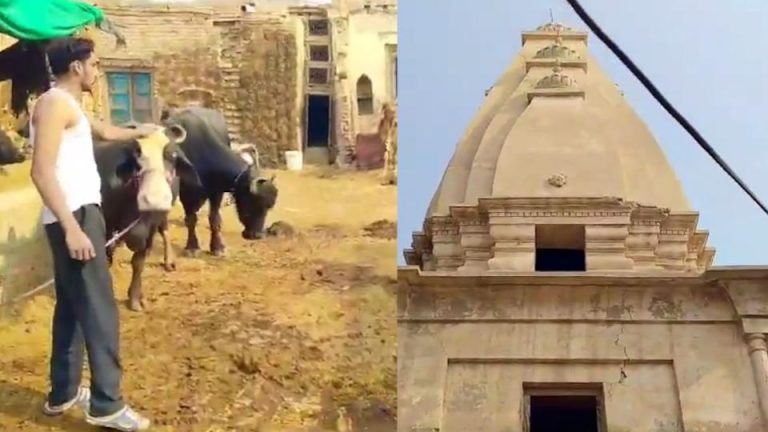
In a recent development in Ahmed Pur, Punjab, Pakistan, a temple that once stood with Shri Krishna as deity in sanctum has undergone a transformation into a mosque. This significant alteration has sparked controversy and shed light on the erasure of Hindu identity persisting in Pakistan.

The temple, previously dedicated to the revered deity Shri Krishna, now stands sealed and bricked up, serving as a mosque in its new guise. The local mosque’s Maulana claims that this conversion took place approximately 70 years ago, adamantly denying any previous existence as a haveli or mansion.

Curiously, the Maulana points to knots in the ceiling, purported evidence of the structure’s Hindu roots. He further highlights the presence of multiple staircases, a feature uncommon in mosques but prevalent in Hindu temples. The erasure of the symbols of Hinduism is more than just an attack on a particular religion.

This incident isn’t an isolated case. It echoes a larger trend of diminishing Hindu cultural heritage in Pakistan. Recently, the revered Sharda Peeth temple in Pakistan-occupied Jammu and Kashmir faced a similar fate. The temple’s boundary wall was dismantled and a coffee house of Pakistan Army was made in its premises.

The alarming frequency of such incidents continues. Just months ago, Mari Mata Mandir, a 150-year-old Hindu temple in Sindh, suffered vandalism, adding to the distressing list of Hindu temples facing desecration across Pakistan.

These acts signify a ulterior motives of bigoted society and leadership in Pakistan; they symbolize a deliberate erasure of cultural identity, silencing echoes of ancient traditions. The plight of these temples echoes a call for preservation and respect for diverse cultural heritage, urging a reexamination of the nation’s commitment to safeguarding its historical and religious sites.

POGB observes complete shutdown and protests on the call of Awami Action Committee

Pakistan-occupied Gilgit Baltistan (POGB) once again observed a complete shutdown and protest against the oppression of the occupier Pakistan. After the unsuccessful negotiations between the Awami Action Committee of POGB and the occupying government, the committee called a complete shutdown on December 1 and observed a huge protest across the region.

Awami Action Committee which has been at the forefront of the struggle against the Pakistani oppression is raising various issues that are crucial for the existence of the region and its people’s identity. Recently, Pakistan raised the price of wheat by about 7 times in six months. The wheat price, which was Pak Rs. 7.5 per kg initially, was increased to Pak Rs. 20 per kg in June and then to Pak Rs. 52 per kg recently. Later, the occupying government, operating exclusively on the orders of Pakistan, imposed a targeted subsidy in the name of easing financial burden that excluded various people of the region. This led to further aggravated differences and increased friction.

But as the negotiations failed and did not end in a fruitful outcome, Awami Action Committee has once again resorted to the protests. Accordingly, they have empasised on the Charter of Demand, a long standing righteous demand that Pakistan is trying to neglect.

Demands of Awami Action Committee

The Awami Action Committee is demanding to roll back the price rise on wheat and target subsidy. Among the various demands that the committee has put forward, one is related to CPEC. As per them, CPEC passes through the POGB for which lands of natives have been acquired rendering them economically vulnerable. And hence, they should be given royalty. Regarding the hike in tax, the committee claims that POGB is a disputed territory, so there should not be any kind of tax imposition. It argues that being a disputed territory which has its own constitution, the imposition of Federal laws is against the status of POGB.

Protestors of the action committee also questioned the exploitation of POGB resources at the hands of Pakistan. The Awami Action Committee also demanded a share of the electricity generated at the Diamar Dam for the local population. Protestors suggest that it is their resources, which are being exploited to fulfill the power demands of Pakistan. Instead of giving them their genuine share back, be it in the form of electricity or share in the profits, Pakistan is turning back on them leaving them deprived.

Among all these demands there is also an issue regarding the land laws. Pakistan is using its laws as pretext in acquiring the land, mountains, which solely belongs to the people of POGB.

Kashmiris realising the reality

Amidst the protest, the calls of moving towards Kargil were also made in some parts of the protests.

Actually, Pakistan exploited the region and kept them in delusion that they are free, and it is India that has occupied the rest of the region. But because of digitisation and internet access to the people, they have come to know that free people reside across the border, and they have been manipulated and are kept deprived for more than seven decades.

Therefore, the people in POGB were agitated for a long time. Pakistan’s filthy tactics, oppressive governance, and illegal occupation ahs only exacerbated the situation.

Massive protest rally held in Pak-occupied Balochistan against fake encounter in Turbat

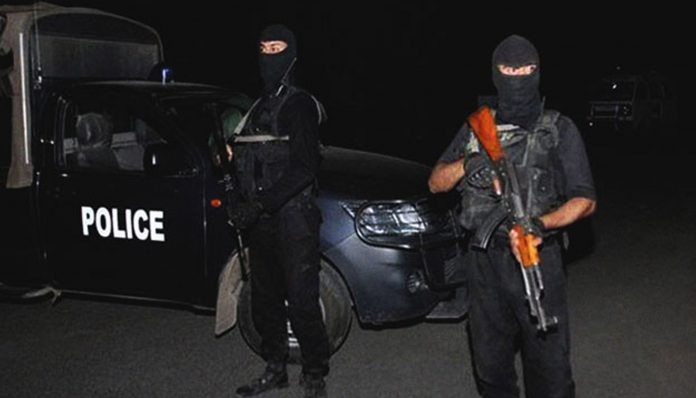
A large-scale protest rally was held in Usta Muhammad, Pak-occupied-Balochistan, under the auspices of the Baloch Unity Committee of Nasirabad, to denounce the killing of Baloch individuals in custody by the Counter-Terrorism Department (CTD) in Turbat and to express solidarity with the Turbat sit-in.

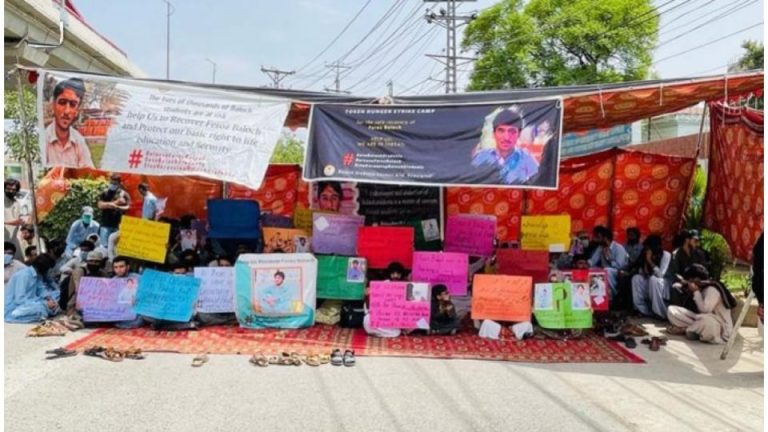
Hundreds of people, including women and children, attended the protest, carrying banners and placards demanding the release of missing persons and the end of fake encounters. They also chanted slogans against the government and the CTD. The protesters assembled at UBL Chowk, where they raised slogans demanding the immediate recovery of missing persons and an end to the practice of fake encounters. They also expressed their support for the ongoing Turbat sit-in, which has been demanding accountability for the killing of four Baloch youth in a fake encounter by the CTD.

On November 23, Balach Baloch and three other Baloch youth were killed in an encounter with the Counter-Terrorism Department (CTD) in Turbat. The CTD claimed that they were killed in a shootout and falsely accused them of being “militant”. However, the families of the deceased have disputed this account, and clarified that the men were already in CTD custody and were extrajudicially killed.

Since then, the family of all the killed Baloch youth, along with hundreds of other Baloch, have been sitting in a protest in Turbat.

Speakers at the rally condemned the CTD for its involvement in extrajudicial killings and called for the abolition of the department. They also demanded that a commission be established to investigate the Turbat incident and other similar cases.

The protest is a reflection of the growing resentment and frustration among the Baloch people over the systematic human rights abuses they face at the hands of Pak Army. The CTD, in particular, has been accused of numerous extrajudicial killings and enforced disappearances.

The Baloch Unity Committee of Nasirabad has vowed to continue its struggle for justice and against the ongoing human rights violations in Balochistan. The committee has also called upon the international community to take notice of the plight of the Baloch people and to intervene to protect their fundamental rights.