Home Blog Page 224

Manzoor Pashteen unveils the setup for Pak Army’s Dollar Jihad

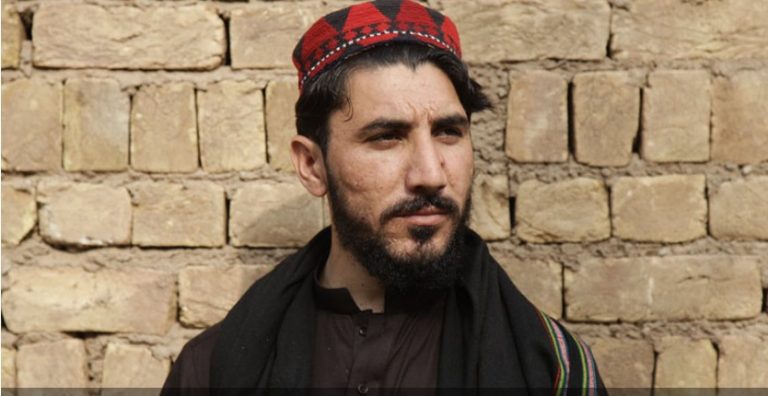
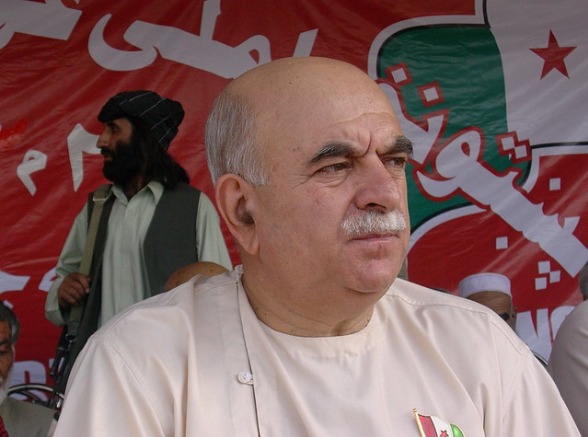
In a statement issued to the media, PTM chief Manzoor Pashteen claimed that the Pak Army generals had set up a complete framework for the dollar war. They initiated the war by collaborating with armed organizations, but their plans were hindered by the strong resistance of the Pashtun people spanning from Swat to Quetta.

According to Pashteen, individuals who played a key role in publicly resisting terrorism and dollar wars are being targeted based on instructions from the generals. The objective is to silence these individuals and ensure the continuation of the dollar proxy war in a systematic manner.

However, Pashteen expressed confidence that this tactic would ultimately fail. He believed that the children of the Pashtun nation would also actively participate in resisting these commercialized military conflicts.

India declines to host Lionel Messi-led Argentina friendly match

0

A huge disappointment to the ardent football fans in the country, India has turned down the golden opportunity to welcome Lionel Messi-led Argentina in a friendly match. All India Football Federation (AIFF) has informed that India was unable to host a friendly during the month’s international window due to the high cost involved. There were slots for two friendlies in the month of June, dated 12 and 20, and Argentina was keen to play these games in South Asia.

Missed Opportunity

The champions of the game enjoyed massive support during their FIFA World Cup in Qatar last month and therefore, Argentina passed on the opportunity to play in the USA. They wanted to capitalize on their global appeal and chose South Asia as their destination.

Argentina’s Initial Plan

The initial plan of Argentina was to play in India and Bangladesh; however, none of the countries could come up with the necessary funds at short notice. Therefore, the world champions chose to play Australia in Beijing on June 15 and Indonesia in Jakarta on June 19.

Financial Challenges and Disparity in Rankings

Argentina has become the most desired squad since winning the World Cup, with Messi’s team charging a fee of $4-5 million (about Rs 32-40 crore). Given the economic circumstances in Indian football, AIFF secretary general Shaji Prabhakaran indicated that arranging such a large money was not possible. There is also a substantial gap in rankings between Argentina and India, with Argentina placing number one and India ranking 101st.

He further added, “For such a match to happen here, we need the backing of a strong partner. The kind of money that Argentina command (as appearance fee) is huge and we have limitations in terms of our economic situation in football.”

Potential Partnership with Argentina FA

The Argentina FA’s head of foreign relations, Pablo Joaquin Diaz, represented the Argentina FA in talks with AIFF. Both countries have expressed an interest in forming partnerships, and talks are ongoing. Prabhakaran stated India’s interest in partnering with the Argentina FA, including prospective engagement from their clubs.

Prabhakaran said, “We are interested in having some sort of partnership with the Argentina FA. There is lot of interest from Argentina too, even from their clubs.”

Argentina earlier played in India in 2011, with Messi captaining the squad to a 1-0 victory over Venezuela. Hosting Argentina as world champions this time would have been a huge milestone for India.

Uniqlo and Zara face new lawsuit in Paris over Uyghur forced labor

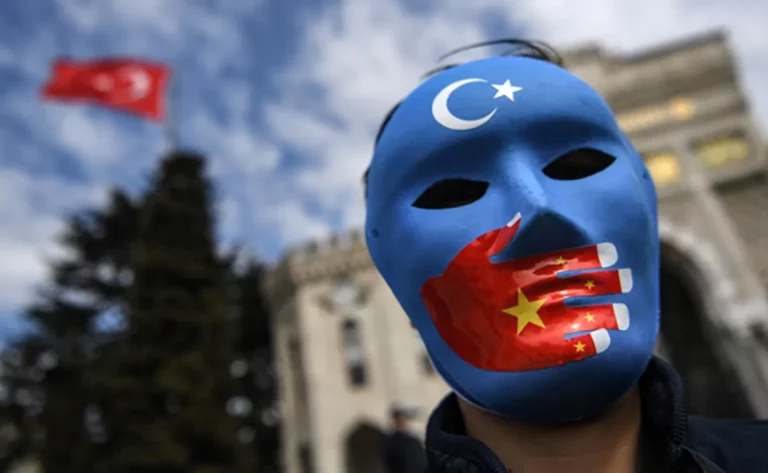
Fast Retailing, the parent company of Uniqlo, Inditex (the owner of Zara), and Skechers are facing fresh allegations of human rights abuses in Xinjiang and other parts of China. The European Uyghur Institute in Paris has filed a second lawsuit, as stated by its president, Dilnur Reyhan. Reyhan accuses multinational retailers operating in Xinjiang of actively participating in the surveillance, management, and construction of camps, as well as overall monitoring of the Uyghur region. The retailers are being blamed for actively ignoring human rights abuses and profiting from forced labor.

European Uyghur Institute files a lawsuit

In a recent interview conducted by Nikkei Asia, Reyhan stated that it is the responsibility of economic players to demonstrate that their products are not tainted by forced labor. In response to dropped charges by the National Anti-Terrorism Prosecution Office after a two-year inquiry into the companies for allegations of concealing crimes against humanity, genocide, forced labor, and human trafficking in Xinjiang, the institute, along with several other non-governmental organizations, has lodged a new complaint at the Tribunal Court of Paris.
The report exposes China’s patronage of human rights abuses and genocide against the Uyghurs in Xinjiang. As previously reported, China has established large labor camps where it illegally detains Uyghurs and coerces them into participating in cotton picking. Xinjiang, which accounts for approximately 20% of the world’s cotton production, is at the center of these activities. The lawsuit presents video recordings obtained from Uyghur workers in China as evidence.These videos purportedly show the manufacturing process of Skechers shoes.


The complaint document, which Nikkei Asia has had access to, includes various reports from sources such as the Center for Strategic and International Studies in the US, academic research, and open-source investigations by the Australian Strategic Policy Institute.These reports assert that the authorities forcibly transfer Uyghur workers, subject them to ideological indoctrination, maintain constant surveillance over them, and prohibit them from practicing their religion.

Reyhan indicated to “corporate pressure” and political interests as reasons for the initial charges being dropped. She describes it as “self-censorship on the part of the French authorities and the prosecutor, even before pressure from China.”

Demand for an EU act akin to US’ UFLPA

In response to the allegations, a spokesperson from Fast Retailing emphasized that none of their manufacturing processes take place in Xinjiang. Uniqlo maintains a zero-tolerance policy towards any human rights violation. Although French authorities have not contacted Fast Retailing as of early June, the spokesperson assures that Fast Retailing fully cooperates with the investigation to reaffirm the absence of forced labor in their supply chain.

Skechers has refrained from commenting on pending litigation but pointed to their code of conduct for suppliers, which mandated certification stating the absence of forced labor. The company also claims to conduct strict internal audits of its Chinese suppliers.
Inditex asserted that they have rigorous traceability controls to ensure the origin of their products and emphasizes their zero-tolerance policy towards any form of forced labor.

The European Uyghur Institute highlights the success of the Uyghur Forced Labor Prevention Act implemented by Washington. This legislation has resulted in a significant decline in the entry of apparel, footwear, and textiles from China into the United States, about 49 per cent since the third quarter last year. Reyhan has expressed hope that the European Parliament will adopt a stronger stance against goods produced with forced labor.


Notably, the French Senate had already passed a bill that urges the European Union to craft policies based on the Uyghur Forced Labor Prevention Act 2021 which banned the imports of Chinese goods that are linked to forced labour.

Quetta Conference: PMAP leader Mahmood Khan Achakzai demands justice for the Pashtuns

Mahmood Khan Achakzai, the Chairman of the Pashtoonkhwa Milli Awami Party(PMAP) addressed the open session of the Quetta Conference. Speaking at the session, he raised concern about the necessity of justice for the formation of a democratic Pakistan. He emphasized that fulfilling the demands of justice is crucial. This includes, granting the Pashtuns their own national province, political representation through their means, and elevating the Pashto language to the status of a national language according to the spirit of the constitution.

Achakzai said that, the country could be governed in accordance with the true spirit of the constitution by implementing it practically. The authorities of all institutions have been determined in the country’s constitution, and every institution must work within the defined authorities of the national constitution. Emphasising the supremacy of the constitution, he highlighted that parliament is the source of power and the establishment of a real democratic federation should be based on equality among nations. He stressed for recognising the authority of elected representatives on the basis of people’s voice while respecting the freedom of expression in politics. Moreover, he stressed on the need for fair and transparent elections to ensure the representation of the people by successful candidates.

Through this elected parliament, the formation of national and provincial policies should be determined. He called for an immediate conference consisting of all stakeholders from various sectors to rescue the country from crises effectively.

Underscoring the significance of the conference, he said that it is essential in saving the country from the severe crises in its history and alleviate the people from the worst inflation and unemployment conditions. Additionally, maintaining the country’s freedom and sovereignty is impossible without the people, and subjecting the people to unnecessary hardships will weaken the nation and worsen the country’s situation. So, he urged the people to respect the constitution and refrain from violating it.

Remembering Khan Abdul Samad Khan

He said that Khan Abdul Samad Khan Achakzai initiated political struggle in 1929, and it has been 94 years today. At that time, the circumstances were such that no one could engage in politics, but Khan Abdul Samad Khan laid the foundation of a political movement with his natural intuition. Khan Abdul Samad Khan started the struggle with a few companions, and now our people are becoming part of this movement, so our workers must be extremely cautious to elevate their morals, conduct, and speech.

Achakzai advised in becoming individuals in society whom the people could trust with closed eyes, especially becoming companions of the oppressed in the struggle between oppressors and the oppressed.

Regarding the organisation of the party, he opined that workers must disseminate Khan Abdul Samad Khan’s theories, vision, and party program to the people. They must become aware of the issues of the people, and involve the people’s opinions at every stage. Only then could they save the nation from current issues and difficulties, national governance, and slavery.

He said that becoming part of any negative campaign on social media is synonymous with wasting precious time. In practical terms, they must fulfill the political program of Khan Abdul Samad Khan and complete the national aspirations of the Pashtun nation.

Call for Pashtoon Homeland

Achakzai also stressed on the need to accelerate the ongoing national, political, and democratic struggle, as the nation has entrusted us with heavy responsibilities. He emphasized the importance of organizing and strengthening the organization to overcome obstacles in achieving the Pashtun national objectives, based on principles of loyalty and devotion.

Achakzai expressed the desire for the establishment of a national province encompassing the Pashtun homeland (Pashtunistan, Afghanistan, Pashtunkhwa). He mentioned the aspiration for a Chief Minister, Governor, and political representation through their own means, as well as the elevation of their mother tongue to the status of an academic, commercial, and judicial language. Uniting the divided Pashtunkhwa was emphasized as part of their collective responsibilities.

He pointed out that Pashtuns still reside in the land historically known as Chief Commissionerate, British Afghanistan, which is now British Balochistan. He highlighted the significance of being aware of the lands and means pertaining to the tribes of the Pashtun nation.

What Pakistan’s economic and political chaos may foretell?

Pakistan is deep in political and economic crisis. In a state that claims to be an Islamic Republic, power has remained concentrated in its Army. Many reasons can be listed why Pakistan could not consolidate democratic form of government. A state raised on religious plank must perforce submit to the overarching authority of the ecclesiastical establishment. Islam and its law (sharia) are at variance with the Westminster type democracy. The deep contradiction can be highlighted by the first radio broadcast of Mr MA Jinnah, the founder of a new state for Indian Muslims. For nearly half a century he fought for a separate state for the Muslims of India on the plea that Hindus and Muslims were two religious communities diametrically opposite to each other in regard to ideology, culture, language, life style, aspirations, et al. He propounded the two-nation theory and averred that they could never live together. But in his first broadcast from Radio Pakistan in Karachi he said now that the new state of Pakistan has become a reality, all of its citizens, to whatever faith and religion they belong, are equal before the law and can observe their religion and ways of worship as they like.

The question is if that was going to be the considered domestic policy of the Islamic State, what then was the justification for demanding a separate homeland for the Muslims of India? Jinnah did not realize that instilling millions of muslims of Pakistan with the lurking guilt of a divided personality would weaken the fabric of the contemplated Islamic State.  He was harshly criticised by the clerical segment of the new state for his controversial statement.

With the murder of Liaqat Ali Khan, the first prime minister of Pakistan, and a mohajir of non-Punjabi ethnicity, it was firmly established that the Punjabi ethnic community was determined to keep the power within the group and not allow any other ethnic group to aspire for the same. It was this monopolistic culture of the Punjabi group that speeded up separation of Bangladesh from the Pakistan mainland. The repercussion of separation of Bangladesh was that the Punjabi ethnic group consolidated its ranks so that further division of Pakistan was stonewalled.  In no case were the other ethnic groups or nationalities to be given any space, politically, administratively or economically.

This also meant conceding more and more power to the strong segment of religious fanatics and rabid conservatives so that the Punjabi-led power structure derived full support from the illiterate and ignorant masses of people. Thus, we have dozens of big and small extremists groups in Pakistan god-fathered by the Army, landlords and the bureaucracy triumvirate.  

After gathering strength and power, the Islamabad regimes found that the masses could be kept on its side by feeding them with anti-India and anti-Hindu propaganda. The conspiracy of launching a proxy war in Kashmir through its jihadist establishment or the Mumbai and other attacks, was hatched with the definite purpose of whipping up anti-India sentiment among the vast populace.

These conspiracies and anti-India mechanisms failed one after another. Falsehood does not withstand the test of history.  Today, Pakistan is on the verge of a failed state. Its domestic policy is in shambles and its foreign policy is pitiful. Its “iron-brother” and OIC braggart fraternity do not come to its rescue. A phenomenon of civil war is threatening Pakistan.IMF imposes harsh and rather unacceptable conditions like the control of  Pakistani nuclear build-up.

In all probability, the only option before the Pakistani authorities is to impose martial law and call the Pakistan-based jihadist establishment to act freely in support of the Army. It will be remembered that the US has, more than once, hinted its apprehension that the jihadists in Pakistan could lay their hands on its nuclear arsenal. Perhaps these elements are under the illusion that the only remedy of Pakistan’s multi-faceted ills is to destroy India. It will be recalled that a former Pakistani minister repeatedly warned that it had nuclear devices of half a kilo weight to pin down the Indians.

This is one theatre of political antagonism where the use of nuclear device is inducted into diplomatic discourse. The second theatre is the scenario of Russia-Ukraine war in which Russia has said that in case Moscow is incapable of meeting the armament superiority of the EU plus the US, it would be left with the only option of using Russia’s nuclear superiority. The third theatre that has recently exacerbated the nuclear narrative is when the UK announced it would be sending depleted nuclear ammunition to Ukraine. Experts say that there is nothing by the name of “depleted nuclear”. They assert that the missile that would pierce the tanks and armour has to be nuclearized.

On the morning of Oct. 28, 1962, the 13 days of the Cuban missile crisis came to an end with a broadcast on Radio Moscow announcing Soviet leader Nikita Khrushchev’s decision to remove Soviet nuclear missiles from Cuba. What President John F. Kennedy referred to as “the final failure” — a nuclear war — had been averted. The events of 1962 may have brought us as close to nuclear war as the world has ever been, but there have been a number of other very close calls involving false alarms and faulty computers.

Since 1945, a combination of prudent leadership, military professionalism, good luck and divine providence has enabled humanity to avoid the use of nuclear weapons. But the continuation of that streak is by no means assured.

Over the past 76 years, nuclear weapon delivery systems have become faster, more powerful and more widespread. Today, there are more than 13,000 nuclear weapons in nine countries. In most of these nations, including the United States and Russia, one person can decide whether to launch them. The risk that a leader will make a terrible decision to use nuclear weapons, or that a terrorist could get one, is growing. Nuclear-armed countries are allowing communications channels to atrophy. Our nuclear weapons and warning systems are facing new cyber-threats. Advances in military technology are proving destabilizing. Nuclear materials and nuclear know-how are spreading. And nuclear states are allowing arms control to wither.

There is also the potential for adversaries, including non-state actors, religious fanatics and terrorists to resort to cyber attacks to disrupt the command and control of nuclear weapons and early-warning systems. The need for urgent action is clear: Each nation with nuclear arms has a responsibility to reduce the risk of nuclear blunder, and nations must work together to eliminate nuclear risks. The risk is more observable in a state steeped in political and economic crisis and almost on the brink of implosion.

To eliminate the nuclear threat posed by a variety of speculations, perhaps President Biden can accelerate efforts to reduce the risk of nuclear use by conducting a review aimed at strengthening nuclear “fail-safe,” the safeguards that could prevent unauthorized, inadvertent or mistaken use of a nuclear weapon, including through false warning of an attack, and challenge other nuclear powers to conduct their own internal reviews.

It is widely believed that Pakistan’s nuclear facility is controlled by the US whether through a secret agreement or through American bossism. There appears a grain of truth in the rumour in the sense that while the US is determined to disallow nuclear capability to Iran, it never raised any objection to Pakistan acquiring nuclear capability particularly through clandestine means. When the world press reported the story of Pakistani nuclear scientist stealing nuclear secrets while working in a laboratory in Netherlands, the American state and its media just overlooked the narrative.

In final analysis it is highly desirable that the US proves its credentials as the watchdog over nuclear proliferation to assure the world that in case of Pakistan’s implosion, its nuclear facility will not be allowed to pass into the hands of the terrorists and jihadists of that country.

Khalistan leader and designated terrorist Hardeep Singh Nijjar shot dead in Canada

0

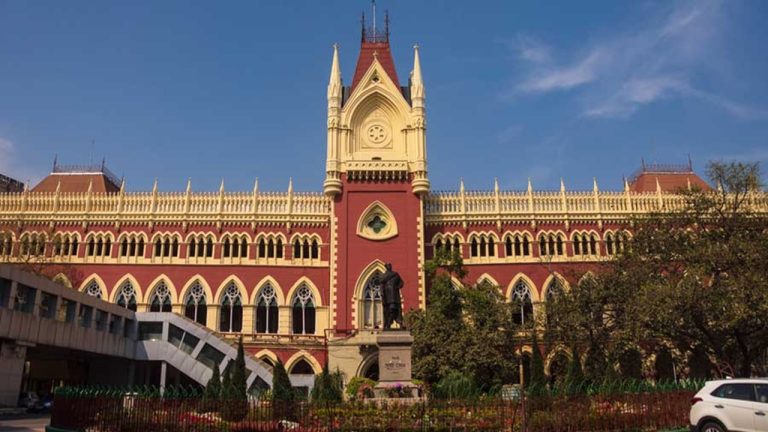
Hardeep Singh Nijjar, a designated terrorist and Khalistan supporter, was killed in a pre-meditated attack on the Guru Nanak Sikh Gurdwara in Surrey, British Columbia, on 18 June. The attack was carried out by two unidentified assailants on motorcycles approximately at 8:27 p.m. The Surrey Royal Canadian Mounted Police (RCMP) discovered an adult male with gunshot wounds inside a vehicle, who later died from his injuries. At this early stage, the victim’s identification has not been formally established, and the Integrated Homicide Investigation Team (IHIT) has been called in to undertake a thorough investigation.

Association with Khalistan Movement

Originally from Jalandhar area in Punjab, Nijjar worked as a plumber in Surrey. He took over the Guru Nanak Sikh temple in Surrey appointing himself president. The Indian government labelled Nijjar as a terrorist and recognised him as the Chief of the Khalistan Tiger Force (KTF). He was also involved in pushing Sikhs for Justice’s (SFJ) separatist and militant agenda in India. Nijjar was an important member of the Gurpatwant Singh Pannun-led SFJ and was designated as its representative in Canada, where he led the “Referendum-2020 campaign” in the Metro Vancouver region, when anti-India slogans were raised.

The National Investigation Agency (NIA) in India had contacted Canadian law enforcement officials about Nijjar’s role in the Khalistan movement. Although he was temporarily detained by Canadian authorities in April 2018, no charges were filed, resulting in his release. The NIA had wanted him in connection with four cases involving the Khalistan extremist movement.

The NIA charged Nijjar in July of last year for his suspected participation in the murder of priest Kamaldeep Sharma in Jalandhar, Punjab. The NIA had declared a Rs 10 lakh reward for his capture. In addition, Nijjar was charged with the murder of Ripudaman Singh Malik, who was acquitted in the 1985 Air India terrorist bombing case. Nijjar and another Khalistani rebel from Canada, Moninder Boyle, were both involved in a plot to assassinate Malik. They disseminated rumours about errors in Malik’s printing of the Sri Guru Granth Sahib (SGGS), causing animosity between the extremists and Malik.

Avtar Singh Khanda

On a separate note, Avtar Singh Khanda, the Khalistan Liberation Force (KLF)’s UK-based head, died on June 15 in a UK hospital. Khanda, the son of KLF terrorist Kulwant Singh, has been in the UK since 2007 and applied for asylum in 2012. He was suspected of being poisoned, although medical reports suggest that he was suffering from blood cancer. Khanda was well-known for his role in removing the Indian flag from outside the UK High Commission in London in March.

These recent events show continuing concerns about the Khalistan movement and its followers in Canada and around the world. The investigation into the death of Hardeep Singh Nijjar will provide more light on the circumstances surrounding his death and the potential effects on the movement.

Awami Action Committee in Pak-occupied Gilgit-Baltistan demands urgent reforms in the region

In a recent press briefing held by the Awami Action Committee in Pakistan-occupied Gilgit-Baltistan, the committee highlighted the pressing issues faced by the region and demanded urgent reforms to address them.

Gilgit-Baltistan, an area currently under dispute, was the focal point of the Awami Action Committee’s briefing. They asserted that Khalsa government did not hold a single inch of land. They said that the principal interest is the use of natural resources in Gilgit-Baltistan. They demanded that any institution or department that is now occupying these resources return them to the people as soon as possible. They highlighted that ratification of cabinet’s land reform bill is highly critical.

The briefing highlighted the dismal performance of the Pakistani government in providing essential services to the residents of Pakistan occupied Gilgit-Baltistan. Skardu, for example, is dealing with significant challenges such as 23 hours of load shedding,lack of water in Degree College, Skardu, and the rejection of admission of 700 students in both Womens’ Degree College and Degree College, Skardu. In addition, hundred female students have been denied entrance. The Public Action Committee Gilgit-Baltistan, Anjuman-e-Imamia Baltistan, and Hetabang Nala Plan extended their unwavering support to address these challenges.

The Awami Action Committee stressed the need for immediate recruitment of unemployed youth for the Diamar Dam project and compensation for its victims. Furthermore, they proposed that unemployed youth should be hired in the police force to replace the Frontier Corps (FC) and Rangers who are now stationed in the region.

The committee also called for municipal elections, which have been neglected for fifteen years, to safeguard the rights of the youth and the general public. They extended the support concurrent elections in Pakistan occupied Gilgit-Baltistan and Islamabad to prevent election rigging by the Minister of Kashmir Affairs and Gilgit-Baltistan.

The briefing highlighted the urgent need to compensate the victims of the Ghazar road, and the route’s construction must be hastened. It proposed allocating 50% of the Gilgit-Baltistan budget to development projects, with the remaining 50% dedicated to non-developmental activities.

Additionally, the lack of an ENT doctor in Baltistan, and lack of MRI machines in Chalas and Skardu were addressed. Furthermore, Baltistan has an excess of seventeen assistant commissioners. The committee stressed the necessity of recruiting doctors, professors, lecturers, and teachers to provide effective healthcare and education services.

While the Wagah Border, Sir Creek Border, and Kartalpura Bards have been opened to Sikhs, The Awami Action Committee demanded the reopening of other historic routes, including Kargil, Tiaqshi, Nawam, Astoor, and Gultri, to ensure connectivity for the people of Baltistan

They also raised concerns about the discriminatory allocation of subsidies, with Kargil-Ladakh receiving subsidies on thirty-two products and Gilgit-Baltistan only receives subsidised wheat, which is set to be phased out. The committee called for an end to this discriminatory practice.

The briefing emphasized the need to end the misuse of Gilgit-Baltistan’s budget on luxuries for officials and proposed abolishing unnecessary positions to transfer powers to the Gilgit Diamer and Baltistan area.

The committee suggested auctioning off automobiles owned by ministers, secretaries, elected officials, and bureaucrats to fund the development of schools, hospitals, and roads in Gilgit-Baltistan. Additionally, they called for repeal of the Black legislation, such as the Anti-Terrorism Act (ATA). Gilgit bureaucrats wield authority over the people of Gilgit-Baltistan, forcing them to travel to Gilgit unnecessarily. This maltreatment of Gilgit-Baltistan contractors should stop.

To guarantee the hospital’s foundation is stable, the Awami Action Committee recommended establishing a strong connection between the Heart Hospital in Gilgit and the Rawalpindi Cardiology Hospital. It stressed the need to address the deficit of doctors and teachers in Gilgit-Baltistan’s schools, hospitals, and dispensaries. An independent judicial committee should be established to monitor the appointment of judges to Gilgit-Baltistan’s high courts. Furthermore, tourism should be promoted in Gilgit-Baltistan, recognising its potential as a tourist destination.

The Awami Action Committee warned of an organized campaign if their demands were not met, indicating a growing sense of urgency among the population to address the long-standing issues in Pakistan occupied Gilgit-Baltistan.

Paki regime forcefully disappears two individuals in Balochistan

Two individuals have been forcefully disappeared by the Pakistan Army and taken to undisclosed locations.

The missing persons have been identified as Qadir Bakhsh from Kalar Gachk, Panjgur and Rashid Baloch from Dera Ghazi Khan. On 15 June Qadir Baksh was called by the Pakistan regime to its camp in Gachk. Since then, he has gone missing. On the other hand, Rashid Baloch was abducted on the very next day on 16 June. He was abducted from Dera Ghazi Khan in Punjab.

It is reported that both of them are being transferred to undisclosed locations and their whereabouts have not been disclosed even to the family. Pakistan Army sponsored enforced abduction has victimized Balochistan and caused a gross violation of the fundamental human rights.   

P.M. Modi bats for G-20 membership for African Union

0

Prime Minister Narendra Modi has proposed his G-20 counterparts to grant full membership to the African Union (AU) at the September Summit in New Delhi. Prime Minister has written a letter to his counterparts following the request by the grouping which comprises of 55 countries of the African continent. It is worth noting that countries like US, France and China have backed the full membership for AU.

Despite being under the shadow of Ukraine crisis, India has been successful in steering its presidency in favour of the aspirations of the larger world. In doing so India has raised the issues of global south and strives for making inclusive global architecture and governance.

If AU gets full membership, it would be the second economic group after EU to gain a seat in the grouping. AU as an economic bloc has been significant in raising the issues of underprivileged African countries in front of the world. The voice of collective Africa is also an important part of the Global South.

The concretion of the African Union in G-20 will make the grouping more inclusive and more beneficial for the world, especially the one having no voice in global economic framework.  

Pakistan inches towards default, claims Moody’s report

Global rating agency Moody’s has said in its latest report that out of the $6.7 billion IMF bailout program for Pakistan, $2.2 billion is yet to be released and the time for this program is ending on 30 June. If the IMF program fails, Pakistan may face default.

According to ‘Dawn’, Moody’s has said that Pakistan has only two weeks left to sign an agreement with the IMF, if the agreement is not reached, there will be serious consequences for the economy. Notably, the bailout package will expire on June 30.The agency has warned that, without the IMF program, Pakistan could default due to its very weak reserves. Reports suggest that State Bank’s foreign exchange reserves are less than even 4 billion dollars.

Apart from Moody’s, other rating agencies are also warning that Pakistan could default if the IMF refuses to complete the bailout package.