Home Blog Page 225

Khalistan leader and designated terrorist Hardeep Singh Nijjar shot dead in Canada

0

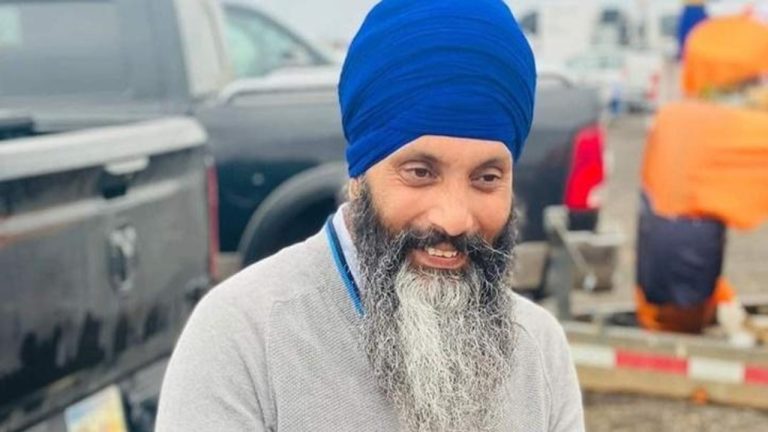
Hardeep Singh Nijjar, a designated terrorist and Khalistan supporter, was killed in a pre-meditated attack on the Guru Nanak Sikh Gurdwara in Surrey, British Columbia, on 18 June. The attack was carried out by two unidentified assailants on motorcycles approximately at 8:27 p.m. The Surrey Royal Canadian Mounted Police (RCMP) discovered an adult male with gunshot wounds inside a vehicle, who later died from his injuries. At this early stage, the victim’s identification has not been formally established, and the Integrated Homicide Investigation Team (IHIT) has been called in to undertake a thorough investigation.

Association with Khalistan Movement

Originally from Jalandhar area in Punjab, Nijjar worked as a plumber in Surrey. He took over the Guru Nanak Sikh temple in Surrey appointing himself president. The Indian government labelled Nijjar as a terrorist and recognised him as the Chief of the Khalistan Tiger Force (KTF). He was also involved in pushing Sikhs for Justice’s (SFJ) separatist and militant agenda in India. Nijjar was an important member of the Gurpatwant Singh Pannun-led SFJ and was designated as its representative in Canada, where he led the “Referendum-2020 campaign” in the Metro Vancouver region, when anti-India slogans were raised.

The National Investigation Agency (NIA) in India had contacted Canadian law enforcement officials about Nijjar’s role in the Khalistan movement. Although he was temporarily detained by Canadian authorities in April 2018, no charges were filed, resulting in his release. The NIA had wanted him in connection with four cases involving the Khalistan extremist movement.

The NIA charged Nijjar in July of last year for his suspected participation in the murder of priest Kamaldeep Sharma in Jalandhar, Punjab. The NIA had declared a Rs 10 lakh reward for his capture. In addition, Nijjar was charged with the murder of Ripudaman Singh Malik, who was acquitted in the 1985 Air India terrorist bombing case. Nijjar and another Khalistani rebel from Canada, Moninder Boyle, were both involved in a plot to assassinate Malik. They disseminated rumours about errors in Malik’s printing of the Sri Guru Granth Sahib (SGGS), causing animosity between the extremists and Malik.

Avtar Singh Khanda

On a separate note, Avtar Singh Khanda, the Khalistan Liberation Force (KLF)’s UK-based head, died on June 15 in a UK hospital. Khanda, the son of KLF terrorist Kulwant Singh, has been in the UK since 2007 and applied for asylum in 2012. He was suspected of being poisoned, although medical reports suggest that he was suffering from blood cancer. Khanda was well-known for his role in removing the Indian flag from outside the UK High Commission in London in March.

These recent events show continuing concerns about the Khalistan movement and its followers in Canada and around the world. The investigation into the death of Hardeep Singh Nijjar will provide more light on the circumstances surrounding his death and the potential effects on the movement.
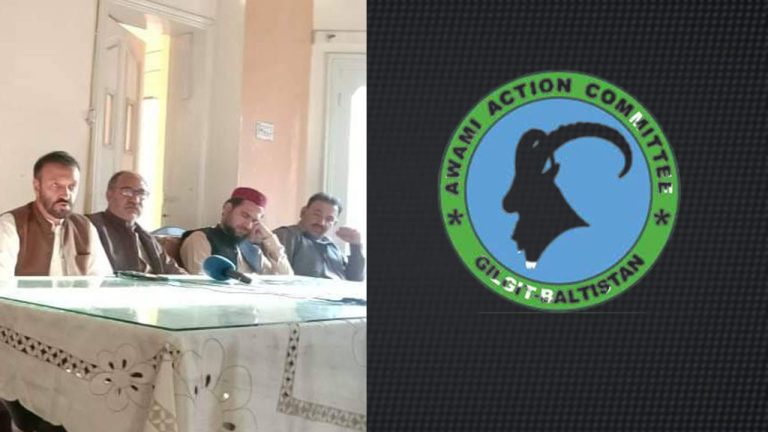
Awami Action Committee in Pak-occupied Gilgit-Baltistan demands urgent reforms in the region

In a recent press briefing held by the Awami Action Committee in Pakistan-occupied Gilgit-Baltistan, the committee highlighted the pressing issues faced by the region and demanded urgent reforms to address them.

Gilgit-Baltistan, an area currently under dispute, was the focal point of the Awami Action Committee’s briefing. They asserted that Khalsa government did not hold a single inch of land. They said that the principal interest is the use of natural resources in Gilgit-Baltistan. They demanded that any institution or department that is now occupying these resources return them to the people as soon as possible. They highlighted that ratification of cabinet’s land reform bill is highly critical.

The briefing highlighted the dismal performance of the Pakistani government in providing essential services to the residents of Pakistan occupied Gilgit-Baltistan. Skardu, for example, is dealing with significant challenges such as 23 hours of load shedding,lack of water in Degree College, Skardu, and the rejection of admission of 700 students in both Womens’ Degree College and Degree College, Skardu. In addition, hundred female students have been denied entrance. The Public Action Committee Gilgit-Baltistan, Anjuman-e-Imamia Baltistan, and Hetabang Nala Plan extended their unwavering support to address these challenges.

The Awami Action Committee stressed the need for immediate recruitment of unemployed youth for the Diamar Dam project and compensation for its victims. Furthermore, they proposed that unemployed youth should be hired in the police force to replace the Frontier Corps (FC) and Rangers who are now stationed in the region.

The committee also called for municipal elections, which have been neglected for fifteen years, to safeguard the rights of the youth and the general public. They extended the support concurrent elections in Pakistan occupied Gilgit-Baltistan and Islamabad to prevent election rigging by the Minister of Kashmir Affairs and Gilgit-Baltistan.

The briefing highlighted the urgent need to compensate the victims of the Ghazar road, and the route’s construction must be hastened. It proposed allocating 50% of the Gilgit-Baltistan budget to development projects, with the remaining 50% dedicated to non-developmental activities.

Additionally, the lack of an ENT doctor in Baltistan, and lack of MRI machines in Chalas and Skardu were addressed. Furthermore, Baltistan has an excess of seventeen assistant commissioners. The committee stressed the necessity of recruiting doctors, professors, lecturers, and teachers to provide effective healthcare and education services.

While the Wagah Border, Sir Creek Border, and Kartalpura Bards have been opened to Sikhs, The Awami Action Committee demanded the reopening of other historic routes, including Kargil, Tiaqshi, Nawam, Astoor, and Gultri, to ensure connectivity for the people of Baltistan

They also raised concerns about the discriminatory allocation of subsidies, with Kargil-Ladakh receiving subsidies on thirty-two products and Gilgit-Baltistan only receives subsidised wheat, which is set to be phased out. The committee called for an end to this discriminatory practice.

The briefing emphasized the need to end the misuse of Gilgit-Baltistan’s budget on luxuries for officials and proposed abolishing unnecessary positions to transfer powers to the Gilgit Diamer and Baltistan area.

The committee suggested auctioning off automobiles owned by ministers, secretaries, elected officials, and bureaucrats to fund the development of schools, hospitals, and roads in Gilgit-Baltistan. Additionally, they called for repeal of the Black legislation, such as the Anti-Terrorism Act (ATA). Gilgit bureaucrats wield authority over the people of Gilgit-Baltistan, forcing them to travel to Gilgit unnecessarily. This maltreatment of Gilgit-Baltistan contractors should stop.

To guarantee the hospital’s foundation is stable, the Awami Action Committee recommended establishing a strong connection between the Heart Hospital in Gilgit and the Rawalpindi Cardiology Hospital. It stressed the need to address the deficit of doctors and teachers in Gilgit-Baltistan’s schools, hospitals, and dispensaries. An independent judicial committee should be established to monitor the appointment of judges to Gilgit-Baltistan’s high courts. Furthermore, tourism should be promoted in Gilgit-Baltistan, recognising its potential as a tourist destination.

The Awami Action Committee warned of an organized campaign if their demands were not met, indicating a growing sense of urgency among the population to address the long-standing issues in Pakistan occupied Gilgit-Baltistan.

Paki regime forcefully disappears two individuals in Balochistan

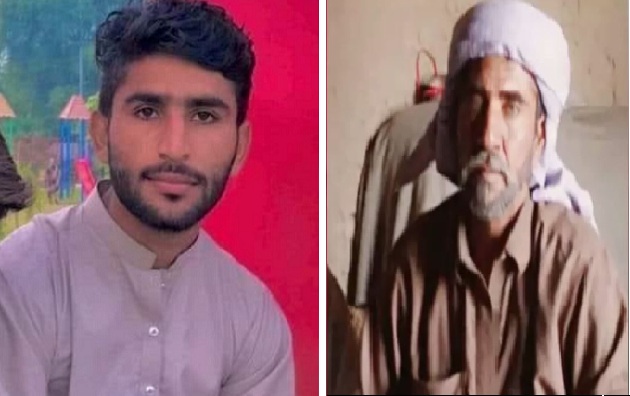
Two individuals have been forcefully disappeared by the Pakistan Army and taken to undisclosed locations.

The missing persons have been identified as Qadir Bakhsh from Kalar Gachk, Panjgur and Rashid Baloch from Dera Ghazi Khan. On 15 June Qadir Baksh was called by the Pakistan regime to its camp in Gachk. Since then, he has gone missing. On the other hand, Rashid Baloch was abducted on the very next day on 16 June. He was abducted from Dera Ghazi Khan in Punjab.

It is reported that both of them are being transferred to undisclosed locations and their whereabouts have not been disclosed even to the family. Pakistan Army sponsored enforced abduction has victimized Balochistan and caused a gross violation of the fundamental human rights.   

P.M. Modi bats for G-20 membership for African Union

0

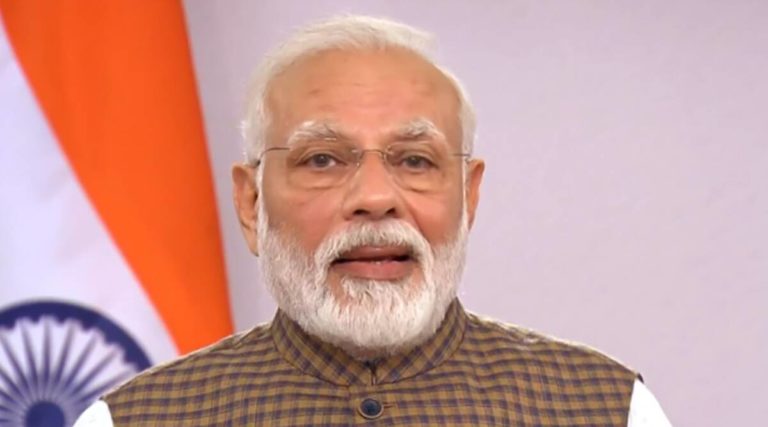
Prime Minister Narendra Modi has proposed his G-20 counterparts to grant full membership to the African Union (AU) at the September Summit in New Delhi. Prime Minister has written a letter to his counterparts following the request by the grouping which comprises of 55 countries of the African continent. It is worth noting that countries like US, France and China have backed the full membership for AU.

Despite being under the shadow of Ukraine crisis, India has been successful in steering its presidency in favour of the aspirations of the larger world. In doing so India has raised the issues of global south and strives for making inclusive global architecture and governance.

If AU gets full membership, it would be the second economic group after EU to gain a seat in the grouping. AU as an economic bloc has been significant in raising the issues of underprivileged African countries in front of the world. The voice of collective Africa is also an important part of the Global South.

The concretion of the African Union in G-20 will make the grouping more inclusive and more beneficial for the world, especially the one having no voice in global economic framework.  

Pakistan inches towards default, claims Moody’s report

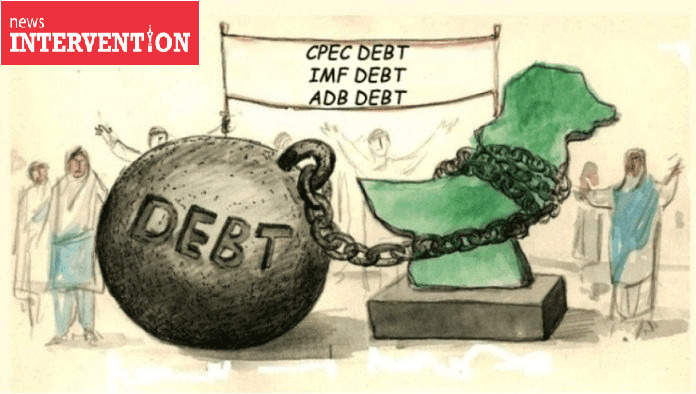
Global rating agency Moody’s has said in its latest report that out of the $6.7 billion IMF bailout program for Pakistan, $2.2 billion is yet to be released and the time for this program is ending on 30 June. If the IMF program fails, Pakistan may face default.

According to ‘Dawn’, Moody’s has said that Pakistan has only two weeks left to sign an agreement with the IMF, if the agreement is not reached, there will be serious consequences for the economy. Notably, the bailout package will expire on June 30.The agency has warned that, without the IMF program, Pakistan could default due to its very weak reserves. Reports suggest that State Bank’s foreign exchange reserves are less than even 4 billion dollars.

Apart from Moody’s, other rating agencies are also warning that Pakistan could default if the IMF refuses to complete the bailout package.

India takes a stand against EU’s carbon tax

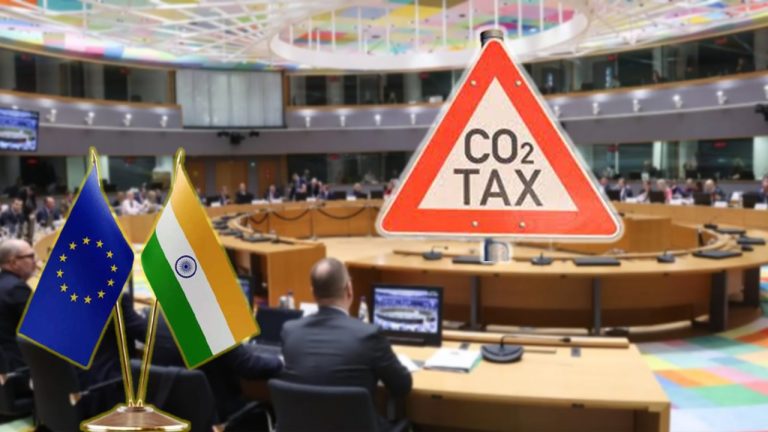
Reports suggest that India is planning to engage with other countries to raise objections against the European Union’s Carbon Border Adjustment Mechanism (CBAM) at the World Trade Organization (WTO). The CBAM, which is a global carbon tax, is scheduled to take effect from October of this year. Officials have indicated that South Africa is also willing to join in challenging the concept of common but differentiated responsibility.

An official said, “CBAM is a major issue of consideration. We are exploring challenging it in the WTO with South Africa”.

What is CBAM exactly?

The Carbon Border Adjustment Mechanism (CBAM) is a policy that aims to tackle climate change by putting a price on the carbon emissions associated with imported goods. It’s like a tax or a permit that importers have to pay for the pollution caused when making those goods.

The idea behind the CBAM is to make sure that domestic industries aren’t disadvantaged by having to pay for carbon emissions while their foreign competitors don’t. It’s like creating a fair competition between countries.

By making importers pay for the carbon emissions in the goods they bring into a country, the CBAM encourages foreign producers to use cleaner technologies and reduce their pollution. The hope is that this will help fight climate change globally.

The European Union (EU) is leading the way in implementing a CBAM. They want to apply this carbon pricing to certain imported goods, starting with industries most affected by pollution.

The issue

Under the policy, EU is planning to introduce a new tax system that would require non-EU steel producers to report their emissions. This would result in a 20-35% tax on certain imports into the EU starting from January 1, 2026. Importers within the EU would have to declare and purchase certificates to cover the emissions associated with the production of imported steel products.

Some believe that the implementation of this tax, (CBAM), should be delayed until it’s clear whether it complies with the rules of the WTO. They think that the core principle of CBAM, known as “common but differentiated responsibility,” might be compromised.

In response, several countries, including India, are considering taking joint action at the WTO. They are concerned that the CBAM, along with the US Inflation Reduction Act and the EU’s law for deforestation-free products, could have trade-related implications rather than being solely about climate action.

India has engaged in discussions with the EU on this matter, expressing a different perspective on the principle of CBAM. They argue that carbon border measures are being selectively applied to industries like steel, aluminium, chemicals, plastics, polymers, and fertilizers, which reflects concerns about competitiveness in these sectors.

Countries on board

Taiwan, like South Africa, has expressed worry about the carbon tax. India has also gained the support of countries such as Brazil, China, and Thailand. This will aid in pressing the issue at the WTO ministerial session, which is scheduled for early next year.

Pak Army forcefully abducts six Baloch students

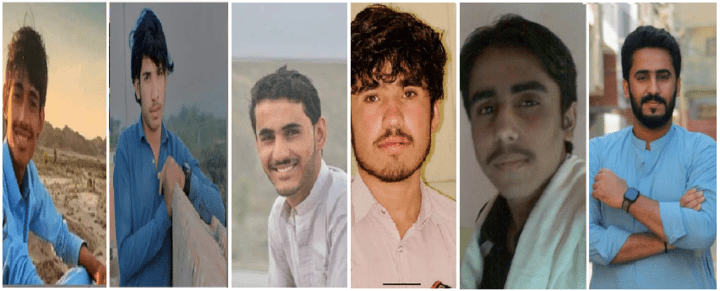
The occupying Pakistan Army has forcibly disappeared six Baloch students across Balochistan in a single day. The abductions took place in two districts of Balochistan, with four students missing from the Kech district and two from the Panjgur district.

Reports indicate that the occupying Pakistan Army forcefully detained three minor students, namely Abdullah (15), Shay Mureed (13), and Fatah (10), from the Taleemi Chowk area of Turbat, Kech. Furthermore, during a raid in Zumdan and Chairman Rehman Bazar area of Buleda, Kech, they brutally beat and abducted another minor student named Muslim, son of Arif.

On the other hand, two young students identified as Yahya Baloch and Sajid Baloch were also abducted from Panjgur district in Balochistan. These abductions have deeply affected the families of the missing students, who are now demanding their immediate release.

These abductions follow the recent incident of the abduction of a Balochi language poet and teacher, Saki Sawad Baloch. These actions by the Pak occupying forces reflect a deliberate attempt to suppress awareness and intellectual thirst in Balochistan by targeting the region’s bright young minds.

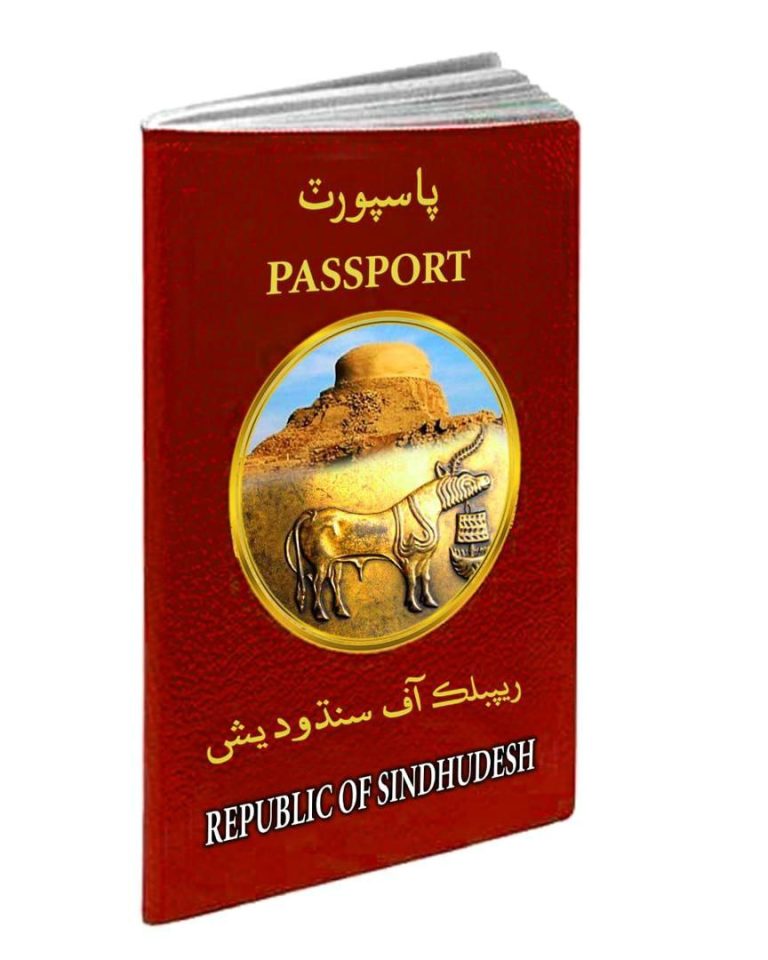
JSFM issues national passport of the Republic of Sindhudesh

Jeay Sindh Freedom Movement has announced the establishment of the government-in-exile of the Republic of Sindhudesh. After consulting with the National Scholars of Sindh and JJC, they have issued the national passport of the Republic of Sindhudesh.

The statement details that the national passport of the Republic of Sindhudesh will consist of 35 pages, which will encompass the thousands of years of Sindh’s history, civilization, culture, geography, language, historical sites, national birds, national colors, rivers, seas, lakes, forests, national poets, writers, politicians, and national leadership.

The Sindhudesh national passport will fully represent Sindh and will be the trust of the nation and the ownership of the Republic of Sindhudesh. In the first phase, it has been decided to print 100 passports of the Republic of Sindhudesh, and the announcement of the date will be made soon.

 In recent years, the movement for free Sindhudesh has gained momentum and is actively progressing through various peaceful means, indicating that the movement will gain strength in the future. Just a couple of days ago a massive rally was organized by the JSFM in Jamshoro, the hometown of Sain GM Syed against the Pak atrocities in Sindh.

Baloch women rally for change in Taftan, Balochistan

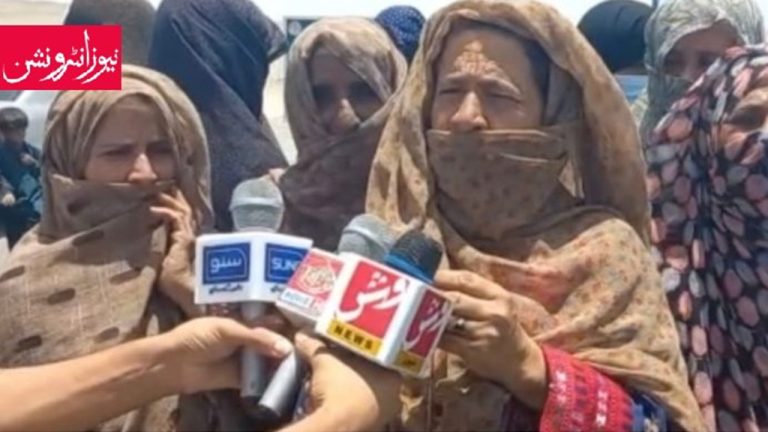
Women in Balochistan flocked to the streets to protest for their fundamental rights at Taftan London Road Sendak Cross. They expressed their displeasure with their MPs’ neglect, notably for the gold and copper project located in their tehsil.
The women emphasised Taftan’s severe circumstances, such as a lack of access to basic essentials such as water, electricity, healthcare, and good roads. Taftan is currently dealing with these issues, leaving its citizens without basic services. Furthermore, the presence of the Sendak project near Taftan has led in the extraction of the region’s mineral resources.

They were dissatisfied with their tribe leaders unwillingness to solve the problems afflicting the area. They made it clear, though, that they would not back down. To make their voices known, the women began a sit-in at Sendak Cross and vowed to stay until their demands were granted.

BLA attacks Pak Army convoy in Panjgur, kills 2 soldiers

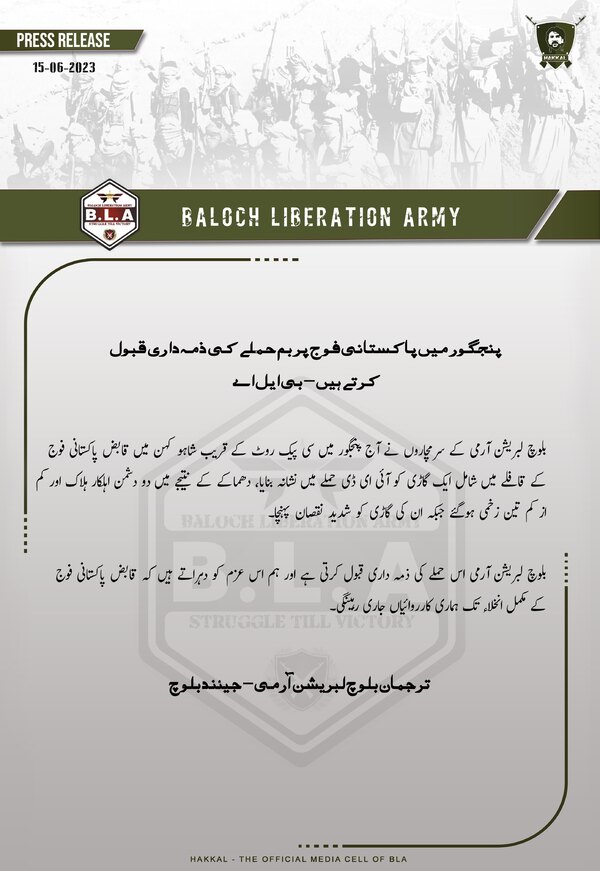
BLA has attacked two Pakistan Army personnel in Panjgur.On June 15, BLA freedom fighters targeted a vehicle of occupying Pakistan Army convoy in Panjgur district. The attack was carried out using an IED explosive near the CPEC in Shah Kahun area. Consequently, two Pak Army personnel were killed and at least three others were severely injured.

In a statement issue by BLA, it has claimed responsibility and reaffirmed its commitment to continue its action until the complete withdrawal of occupying Pakistan army.