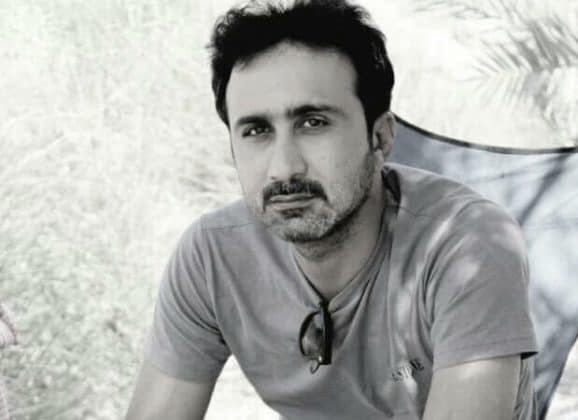
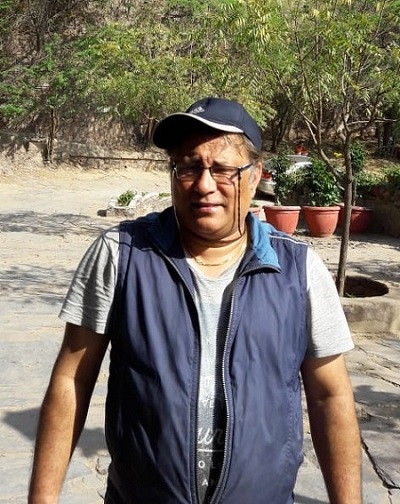
Sajid Hussain, the Chief Editor of Balochistan Times has gone missing since March 2, 2020 from Uppsala, Sweden. The editorial board of Balochistan Times has shared this upsetting news. A formal case has also been filed with the Swedish police on March 3, 2020.
There is no clue about Sajid Hussain’s whereabouts and well being till date. The Swedish police has not shared any progress into the investigations with his family and friends. The entire Baloch diaspora has urged Swedish government to investigate this matter with utmost urgency.
Considering Sajid Hussain’s role as a leading figure in the Baloch media and his reports on the conflict in Balochistan, the Baloch diaspora expressed solidarity with his family about his safety. “Since it is an ongoing investigation, we hope to see progress on this matter soon. We would like to assure Sajid’s family that Balochistan Times stands with them at this uncertain and difficult time. Our team is also ready to offer any assistance the Swedish authorities might need in locating him,” Balochistan Times said in its statement published on its news portal.
The most ‘dominant’ and universally
pervasive inhabitants of the planet earth– human beings- have suddenly gone
into hiding. Their swift and forced ‘disappearance’, in the form of a lockdown,
seems to be the only option to protect them from an invisible, microscopic, lesser-known
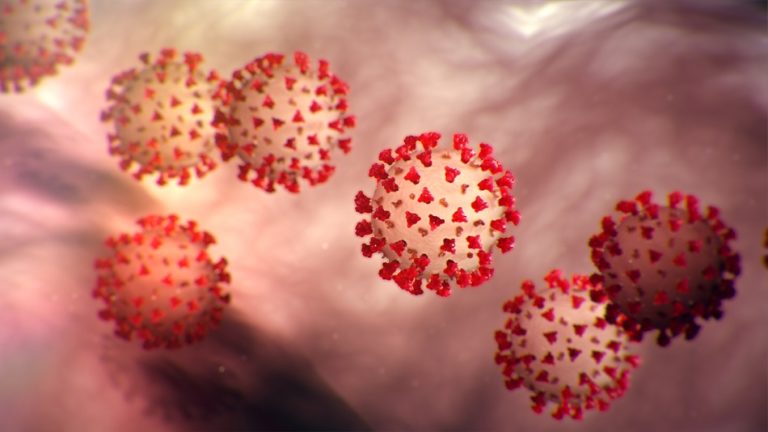
and lethal virus called COVID-19, the latest entrant in the family of
coronavirus. Originated in Wuhan, China a few months ago, the virus has spread
rapidly to create the biggest global health pandemic of the century. With more
than 20000 people already dead and more than 5 lakh under treatment COVID-19 is
affecting 198 countries and territories around the world and one international
conveyance (the Diamond Princess cruise ship harboured in Yokohama, Japan). The
human, economic and social cost of the pandemic is staggering and its impact
will be felt for a long time.
Interestingly, while the virus
has virtually caged millions of human beings in their homes, most other species
in the natural world have no threat from it. Humans are forced to eschew their carefully
crafted and structured lifestyle, while rest of the inhabitants of the planet
are continuing with their daily rhythm. Does this signify something?
Inger Andersen, Executive
Director, UN environment Programme, recently said that nature is sending us a
message with the coronavirus pandemic and the ongoing climate crisis. Andersen
said humanity was placing too many pressures on the natural world with damaging
consequences, and warned that failing to take care of the planet meant not
taking care of ourselves.
Humans have always taken pride in
calling themselves as the smartest, strongest and most intelligent species in
the world, who could thrive on this planet, with their physical and mental
superiority over other species, including large carnivores. They have put
themselves on the highest pedestal, claiming pre-eminence over all other living
beings, primarily because they have intellect (viveka) to change this world,
unlike any other creatures. During thousands of years of evolutionary process, Homo
sapiens did pretty impressive things and gradually spread to all corners of the
globe, exploring the depth of oceans and the outer limits of sky. But, what
humans could do in several thousand years, COVID-19 did in a few months’ time. The
analogy might sound irrelevant, but what it makes us understand is that other
creatures on this planet also have the capacity to ‘change’ the human world.
They have done it several times in the past and they are doing it now.
The current crisis has once again
proved that nature is far more complex than what humans think and understand
about it. The global health crisis not only needs medical solutions but a
complete re-alignment of our equations with the natural world. Amidst, all this
panic and pressure, there is an opportunity to re-think and more importantly
re-establish our relationship with nature – both in spirit and action. Time has gone, long ago, to justify human’s
dominance through the prism of ‘survival of the fittest’ and the focus should
be on the most fundamental aspect of life on this planet i.e ‘co-existence of
all”. This planet and the natural world can survive without humans, but humans
can’t survive without nature
In her bestseller “A history of
God” author Karen Armstrong writes in the chapter ‘Has God a future’, “Human
beings cannot endure emptiness and desolation; they will fill the vacuum by
creating a new focus of meaning”. Perhaps, this is the time to focus on
re-building our relationship with mother nature and have a dialogue with an
open heart. Let nature reign and we all will survive.
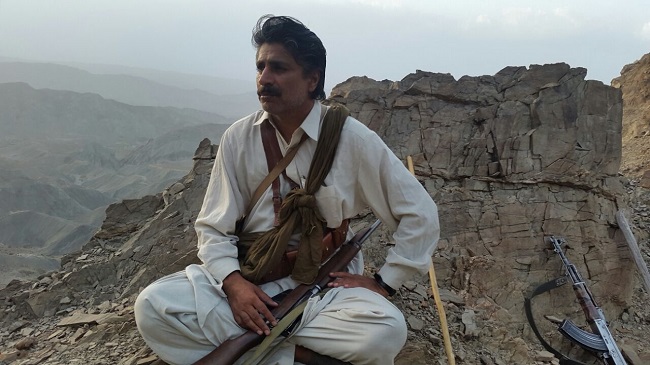
Pro-independence Baloch leader and the leader of Balochistan Liberation Front (BLF), Dr. Allah Nizar Baloch has appealed to the Baloch nation to stay at homes in order to avoid Coronavirus infection. “In case if this disease spreads across Balochistan, it would be uncontrollable. Balochistan, which lacks basic amenities of life including healthcare and the people of Balochistan, who in this modern age, are already dying from curable diseases like malaria, would be affected irrecoverably. Such a situation is not new for the enslaved and colonized people, as the history of imperialism reverberates with the fact that colonizers are interested only in the land and resources of the colonized people. For the last seventy years, the occupying forces have plundered the resources of rich Balochistan by selling them for a pittance; in return, the indigenous sons and daughters get atrocity, poverty, and humiliation from Pakistan,” Dr Allah Nizar Baloch said in his statement.
Dr. Allah Nizar added that the pathetic situation of healthcare in Balochistan can be imagined by the fact that there are only four ventilators available across Balochistan.
Ventilators are basic health infrastructure requirement to treat critical patients of Covid-19. In Balochistan, only Sheik Zayad Hospital has the facility of isolation rooms which are not more than a dozen. In such a situation, self-imposed precautions are the only way to avoid contraction for the oppressed people. “The majority of our population dwells in villages and hillsides and their lives mostly depend on agriculture and livestock. Amid these growing cases of Coronavirus infection they should either opt to stay at home or try to limit their movements and don’t expect and wait for help from the state of Pakistan; because for Pakistan, Baloch lives are not only expendable but it is also using this disease as a biological weapon against the Baloch nation,” said Dr Allah Nizar.
Dr. Allah Nizar Baloch further explained that we believe that the Pakistan Army would use the COVID-19 outbreak to expand its occupation and stranglehold over Balochistan while continuing its atrocities and genocide of the Baloch. Slogans, such as the development of Balochistan, the 18th Amendment including Concurrent List are well-established conspiracies to expand the colonization of Balochistan. The disaster at quarantine center in Taftan (Pakistan-Iran border town) which is run by Pakistan Army is a clear example. The Pakistan Army is deliberately spreading the virus in Balochistan by keeping around one hundred infected patients of Coronavirus together with the four thousand non-infected people on the pretext of so-called quarantine. Now, this disease is continuously being spread throughout Balochistan in order to annihilate already oppressed people of Balochistan.
“I appeal to the Baloch nation that they should understand the machinations of Pakistan and prefer to stay in their homes and rely on preventive measures,” Dr Allah Nizar Baloch made a fervent appeal to the people of Balochistan.
The response of the Indian Government to Corona Virus is creditable. The government, under Prime Minister Narendra Modi, is not hesitating from taking necessary decisions however difficult and unpopular they may be. The Chief Ministers are responding with great commitment; even the Police and the administration are working with a sense of purpose.
It is being hoped against hope that the efforts of the government will bear fruit, at least to the extent where the damage remains manageable. There is also a realisation that this might not happen. Despite the efforts being put in, the Corona Virus may spread to community levels and hence the need to prepare for the worst case scenario.
In such a scenario, all eyes will once again be directed towards the Armed Force of the nation. Traditionally, they have been the last bastion in all natural disasters and emergencies that the nation has faced, and in all instances they have stood up to the challenge commendably. The present scenario is grim enough to cause considerable alarm and anxiety to the forces too. It is for this reason that they are preparing with a sense of purpose and on a war footing for the times ahead .
The Indian Army, in view of its numerical strength, infrastructure and wherewithal will be steering the campaign with sterling support from the Indian Air Force and the Indian Navy. The all important segment will be the Armed Forces Medical Corps which are a Tri-service entity.
In this preparation stage, the Indian Army is working on three prongs. The first is to maintain the health of the soldiers themselves so that they are fit to take on all tasks in the future; the second is to remain prepared for aid to civil authority in whatever manner required, right from dealing with the medical emergency to maintaining law and order; the last is to remain prepared for the primary task of keeping the nation safe from inimical designs of the enemy.
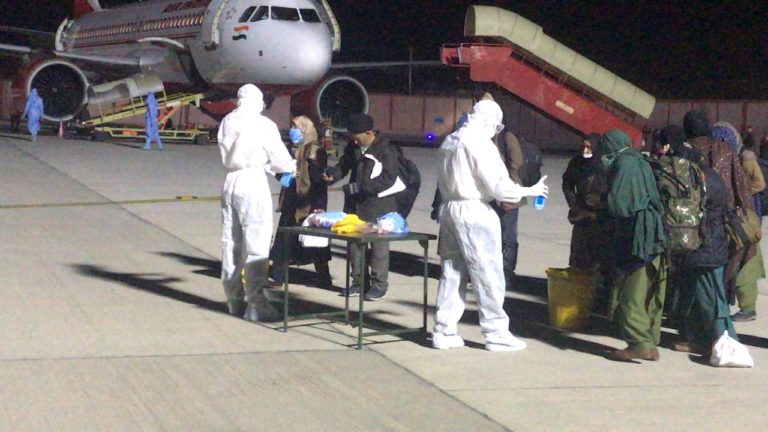
Tremendous efforts are being put in from the unit to the headquarter level in ensuring success of the first prong which is, by far, the most critical. Military medical experts have devised Standard Operating Procedures (SOPs) which have been disseminated to the grass roots level for strict implementation. Screening, quarantine and isolation mechanisms have been put in place; personnel coming from leave are quarantined for 14 days with immediate isolation of symptomatic cases.
Northern Command of the Army, that has an enhanced role to play in all three prongs, has issued an exhaustive “Best Practice” directive. It caters for multiple level screening from the Transit Camps to the Formation/Station level for all personnel returning to duty from leave etc. This process culminates only after segregation on a day wise basis for 14 days after arrival to unit. To trace contact history All Ranks are instructed to carry a notebook and record details of all such persons with whom they come in contact. Screening by Regiment Medical Officers during Physical Training and Roll Call parades is being carried out. Door to door screening of all family quarters by medical teams is underway.
Round the clock control room for COVID-19 related activities have been established in all units. These are linked with Corona Virus control centres in headquarters. The control centre monitors movement of all personnel.
Boots on ground capacity is being enhanced by creation of ad hoc medical platoons of Group -D (Combat soldiers) personnel with basic training being imparted. Personnel on leave are being contacted telephonically for coordination of their move and other instructions from the unit.
SOP (standard operating procedure) for lock down is in place and being practiced over a few days. Corona Virus protocols in presentation form have been issued down the command chain. Commanding officers are creating awareness during Sainik Sammelans to encourage self reporting of health status. In case there is a confirmed case, extensive disinfection of living areas is to be resorted to.
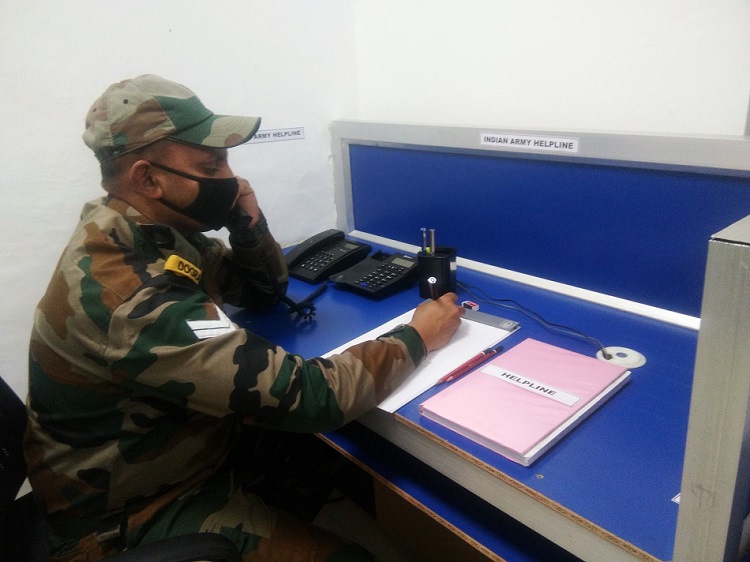
Formations across the country are preparing for aid to civil authority should the need arise. Liaison with civil authorities is being carried out to remain well informed about the situation. The operations rooms of all units and formations have a war like atmosphere with war gaming and planning underway round the clock. Every possible contingency is being considered and response being fine tuned. Preparation for crisis expansion, law and order and administrative issues, including provision of tented accommodation, flag marches and securing of facilities is underway. Helpline telephone numbers for all, especially veterans, are already in place and widely circulated, especially in Jammu and Kashmir and Ladakh. The Armed Forces, should the need arise, will be in a position to provide massive medical and logistics facilities across the country.
Since COVID-19 is a global phenomenon it is widely believed that all countries will shed animosity to meet the challenge. Such a thought, unfortunately, cannot be harboured with regard to our neighbour– Pakistan. Despite being in the depth of despair, this country continues to look for options to harm India. Hence, cease fire violations, infiltration attempts and terrorist activity in the hinterland of Kashmir is underway and will remain so. It will probably accentuate with the intention of putting more pressure on the Indian forces. An attempt to infiltrate Corona infected terrorists into India is not beyond the imagination of the evil terrorism planners sitting in Pakistan. The Indian Army, especially the Theatre commands deployed on the Indo-Pakistan borders is ready for all eventualities, Corona or no Corona.
The people of India need to remain assured that the Indian Army on which they have maximum faith is fully poised to come to their assistance in whatever manner required and it will not allow the situation to get out of control. The people can help by adhering to the same discipline and reslove that the Indian Army is exhibiting to overcome this challenge. If this is done then together the people, the leadership and the Indian Army will emerge victorious and stronger than before.
Even as Pakistan Army chief Gen Qamar Javed Bajwa was holding a “special” commanders conference in Rawalpindi on the single-point agenda on how to deal with the COVID-19 pandemic, 770 miles away, the Indian Army had completed the construction of yet another quarantine centre in Jaisalmer. With this, the Indian Army has created facilities that can accommodate nearly 5000 people in different parts of the country. In contrast, the state of Coronavirus quarantine camps in Pakistan isn’t very encouraging as is evident from reports trickling out of one such facility in Balochistan’s Taftan area.
Predictably, the Pakistan Army has turned the issue of assisting in combatting the COVID-19 into a public relations exercise by making political statements like “Nothing can defeat a responsible and determined nation” and repeating the obvious by saying, “Pakistan Army, being part of national effort, shall serve and protect the nation as a sacred duty.” In sharp contrast, even though the Indian Army didn’t make a big show of its concern on outbreak of the COVID-19 pandemic through the charade of high-level conferences or nationalist sloganeering, it has nevertheless been silently and efficiently working overtime in order to ensure availability of hygienic and comfortable facilities to those quarantined.
Here it would be appropriate to clarify that what has been stated above is not intended to belittle the Pakistan Army, or to eulogise the Indian Army- it’s only to highlight that unlike its boisterous counterpart across the Radcliff Line, the Indian Army firmly believes in diligently doing its duty without resorting to theatrics. In fact, there are times when its traditional aversion to undue publicity makes many take the Indian armed forces for granted, but this doesn’t upset our soldiers, sailors or airmen because for them it’s not adulation but the mental satisfaction of having been able to have contributed towards ameliorating the sufferings of their own people is what really matters.
So, let’s leave Rawalpindi to its own devices and instead,
focus on the sterling role being played by the Indian armed forces in the
nation’s concerted fight against COVID-19.
Besides proving its unmatched prowess in thwarting external aggression, the Indian armed forces have simultaneously displayed their phenomenal ability to successfully overcome fearful odds by ensuring safety, providing medical attention and succour to our countrymen during natural calamities, man-made disasters, unrest and other tragedies. In fact, it’s the tradition of selfless service, deep sense of responsibility and genuine concern for the well being of the people that endears the soldiers, sailors and air men of the Indian armed forces to every Indian.
It’s not that the army’s job will end once they complete construction of quarantine hubs. Au contraire that’s the time when their actual role will start, because the overall responsibility of such centres will be that of the men in uniform. Since there are bound to be confirmed cases of COVID-19 amongst those under quarantine, these facilities will have to be kept under a frequent disinfection and extremely stringent quarantine regime. In addition, since the army will be also providing requisite administrative support to facilitate efficient functioning of these centres, it may be appreciated that soldiers employed here would be working in a potentially hazardous environment!
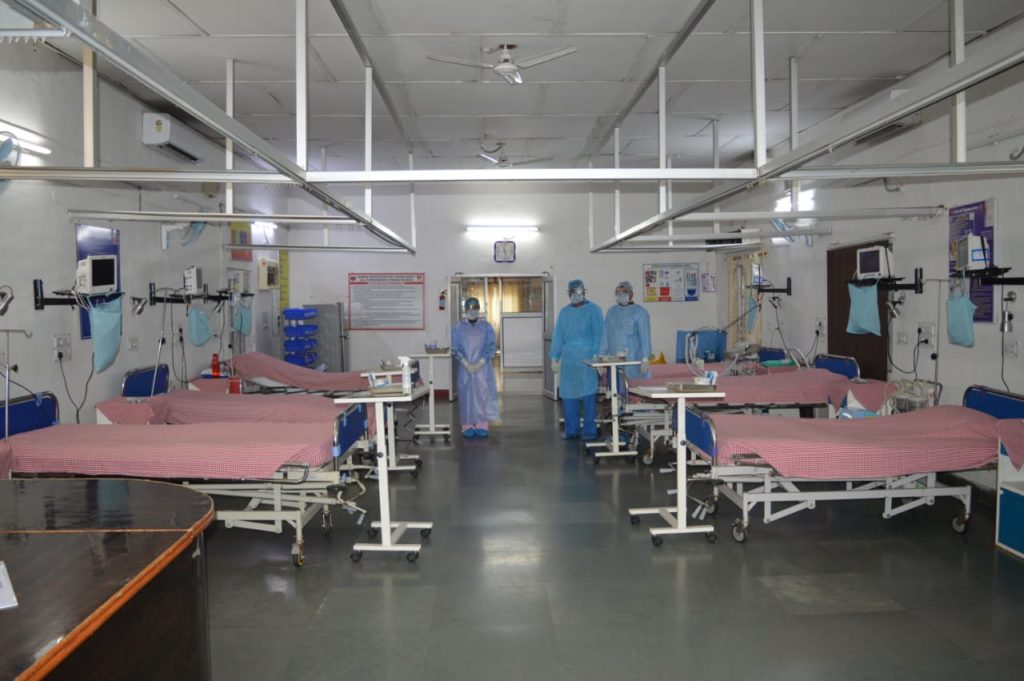
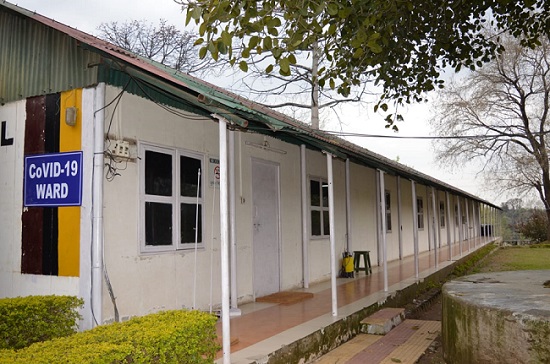
COVID-19 ward at Command Hospital of the Indian Army’s Northern Command.
The Indian Army has already established quarantine centres at Jodhpur, Jaisalmer, Kolkata, Chennai, and Manesar, while Indian Air Force (IAF) has done likewise in Dundigal (Hyderabad), Bengaluru, Hindon, Kanpur, Gorakhpur, Jorhat and Jaisalmer. The Indian Navy has established quarantine centres at Kochi, Visakhapatnam and Mumbai and Defence Minister Rajnath Singh has assured the nation that the Indian armed forces will set up more such hubs as per the requirement. The fact that soldiers of the army in Jaisalmer have even vacated their accommodation to make the same available to those being quarantined speaks volumes!
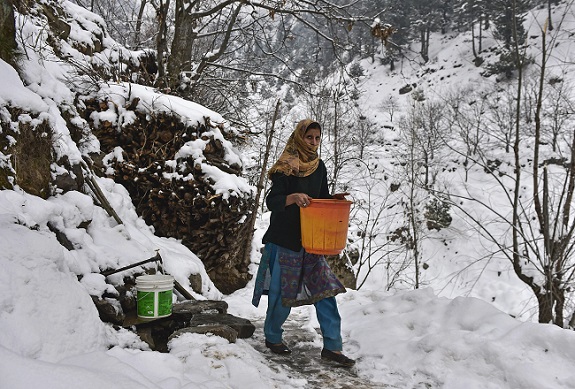
While administering quarantine centres is an onerous responsibility, in J&K and Ladakh, challenges being faced by the army on this account are further accentuated due to remoteness of the area, widely dispersed habitation centres and harsh climatic conditions. For example, while ensuring social distancing as a mandatory norm during quarantine, to be able to provide adequate space as well as effective heating arrangements necessitated by the cold climate in the upper reaches isn’t cost-effective and hence an impractical proposition. Similarly, though establishing quarantine centres near habitation centres would amount to frittering resources, but at the same time those living in isolated areas cannot be left unattended.
Accordingly, quarantine centres for people of J&K and Ladakh would perforce have to be located in areas that have temperate climatic conditions as well as easy accessibility. The Northern Command Headquarters has already established a COVID -19 monitoring hub which is functioning under Command Hospital Udhampur and has four isolation wards a dedicated team of specialist doctors. This centre has all the requisite medical equipment and is geared for round the clock functioning to screen and manage COVID-19 patients.
The army and IAF are working in tandem to ensure that the civil administration is fully geared to combat COVID-19. Based on the requirement projected by Srinagar Municipal Corporation, IAF airlifted 1,200 kilograms of critical sterilization chemicals from Delhi to Srinagar in two Dornier aircrafts while the army organised its delivery at the required sites. COVID-19 screening facility setup by the civil administration at Srinagar airport have been enhanced by providing additional medical teams of the army. Srinagar-based 15 Corps has also established a quarantine hub near the airport and an isolation facility at 92 Base Hospital in Badami Bagh. In addition, personnel of Army Medical Corps are also undergoing combined training programmes being organised under the aegis of WHO.
Plans are also in place to establish more screening centres and quarantine hubs in J&K and Ladakh when civil administration requests for the same and resources have also been earmarked to ensure that no time is wasted in setting up these facilities. At the grass root levels, the army has undertaken an extensive programme to educate locals on the precautionary measures against COVID-19 and the importance of those noticing symptoms to immediately seek medical attention. By laying additional emphasis on removing public apprehension regarding quarantine and advising people to remain calm, refrain from believing in rumours or spreading them and not falling prey to quacks or faith healers, the scope of mass panic erupting has been minimised.
With the armed forces taking all necessary precautions to
ensure that quarantine hubs function efficiently and are kept free from the
contagion, there’s no cause for undue worry. All we have to do is to act
responsibly, fully cooperate with the authorities by strictly adhering to the
stipulated ‘do’s and don’ts’ and ensuring that the environment is conducive for
doctors and the medical staff to attend to the patients.
Anxiety over the Coronavirus and the fear of death has united a billion plus India like never before, everyone and everything is off the streets, including those who live on footpaths and cannot work from home.
The Indian Capital — like other cities — has turned into a ghost town, everyone is extra careful to keep outsiders away from homes. Back off, back off, back off scream residents from their condominiums.
They are not allowing any outsider to enter their complexes. Newspaper hawkers, garbage collectors, grocery delivery boys and even nannies and maids are told to stay away. In some places, nurses have been asked to leave homes because residents fear they could carry the deadly virus. Doctors treating Coronavirus patients are mostly spending time in hospitals. When they return home, they face isolation and insults. Across the city, posters have come up identifying houses under quarantine, as if the house has leprosy patients. Panicky Indians have shared the 1977 Bee Gees chartbuster Stayin Alive through WhatsApp messages, many standing in their balconies with portable loudspeakers for a game of Tambola, also known as Housie. There is unity in beating the stress. Divide comes only when the poor come close.
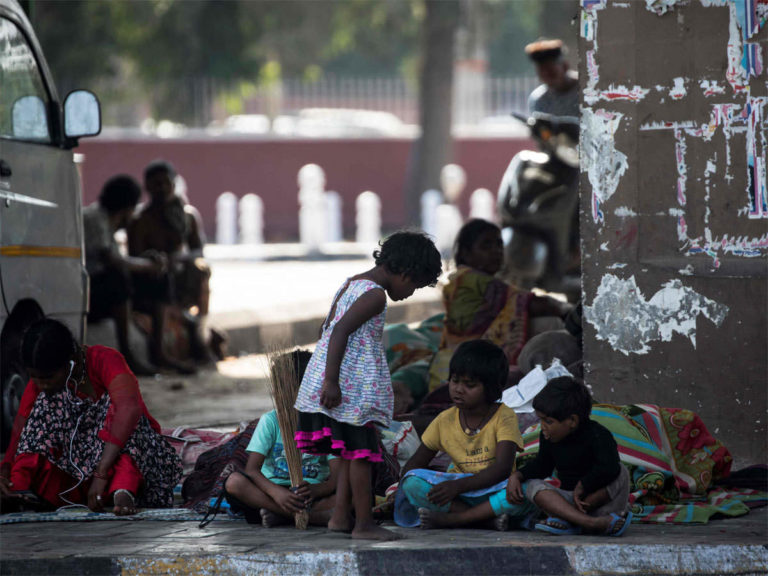
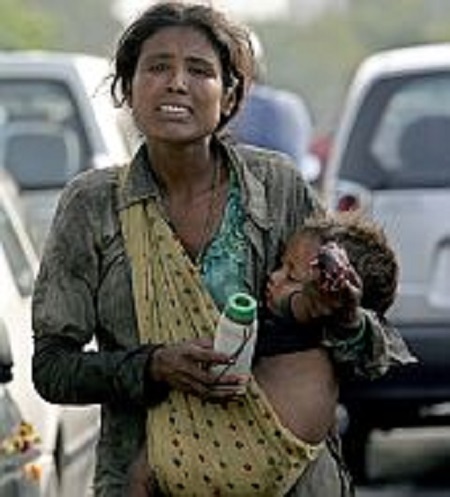
The 21-day lockdown has left Delhi’s homeless without food and without shelter. (Representational picture)
Politicians, always squabbling over issues ranging from defence deals to court judgements to lack of funds for development projects, have suddenly united. Everyone is following diktats issued by the Central government, there is no opposition because of the fear of bearing the brunt of the pandemic’s unceasing spread. Every state government wants a low figure of Coronavirus patients. Why not? A higher figure would bring a stigma of a lifetime. Some states, sadly, have even started fudging numbers.
At the heart of the crisis is Delhi, once described by author Rana Dasgupta as a city living on its wheels (read powerful cars of powerful men). The fear has been a great leveller, the city is not witnessing anymore divided influence, no one is talking about newly acquired assets, no one is flaunting connections. Everyone is reminding the other that Italy’s total dead is more than 4,800, the most for a single country and a billion plus India — where a few have died — is still struggling to contain the virus. The virus has pushed India’s conspicuous consumers underground, they do not want to seek visibility. Rather than brag about their money or show it off, they are keeping quiet about their advantages, describing themselves as normal. No one wants to say they have returned from London or Spain, they are saying they have returned from next door Sonepat, even Vrindavan, home to India’s Love God Krishna.
India’s big, big distancing business has wreaked havoc on those who eat, sleep and live on the streets, among them the country’s half a million beggar population. For them, class never mattered. But now, their very existence has come under threat. So they want to be safe. On Monday night, right after Prime Minister Narendra Modi addressed the nation for a second time, violence erupted in a South Delhi neighbourhood where three girls from Manipur were taunted and pushed away from a grocery store because people in the market mistook them for Chinese. Among those triggering the chaos were doctors, engineers, bank employees, even rich real estate developers. Eventually, cops were called to escort the girls to their home. The girls were, obviously, shaken by the violent reaction. Elsewhere, residents had tried their best to kick out air hostesses and crew of airlines from the neighbourhoods, blaming them as carriers of Coronavirus. In some places, bank officials were ostracised. Across India, food delivery boys from Zomato and Swiggy were beaten up by security guards of residential complexes, not many realised that food is a part of the essential service which has been exempted from the lockdown. Keep them away, keep them away, keep them away, screamed panicky residents even as the security guards used fiberglass sticks to hit the delivery boys and smash their boxes.
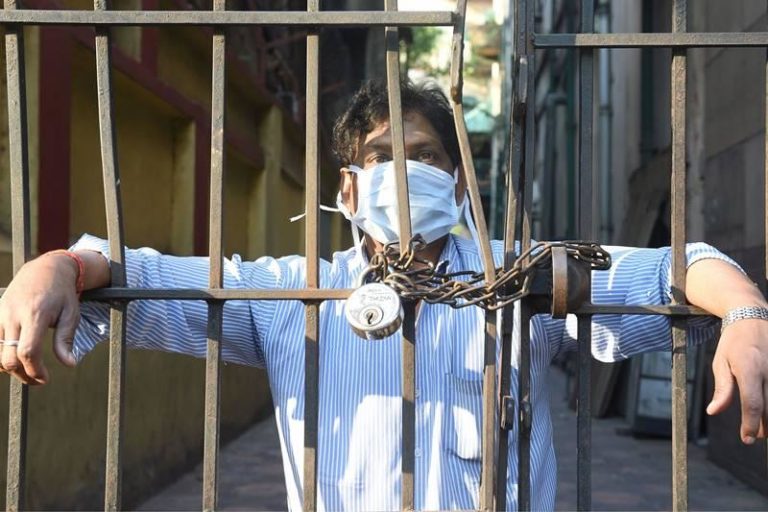
The fear of death, claim social scientists, is driving Indians to a strange frenzy, everyone wants a gate with locks to keep outsiders away. They have found an excuse to enforce the government’s call for social distancing.
And then, there are other
problems.
The Indian Capital does not have Soul Kitchens (like in Chennai or Mumbai) where the poor can come for meals throughout the day and night. Some volunteers are making efforts to supply cooked meals to the homeless who do not have the cash to go to departmental stores, do not have homes to work for offices. But such Samaritans are very low in numbers. Delhi CM Arvind Kejriwal has offered the homeless space in government shelters that will also offer food. But it is not enough to accommodate all the homeless. Worse, no definitive mapping has ever been done for the homeless in India. Hence, no one knows how many poor and homeless have been affected in the Coronavirus crisis.
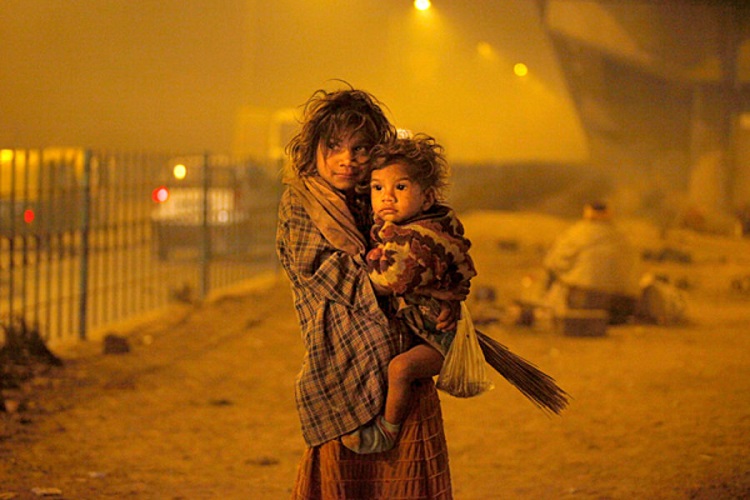
Beggars, who form a large
chunk of the homeless, are the most vulnerable. In normal times, they earned off
the streets and cooked frugal meals at their makeshift homes near the highways,
under the Capital’s gigantic flyovers. But now, they have all been shunted
along with their children, who would play I-spy under streetlights. Everyone
wants Delhi clean, everyone wants Delhi safe, everyone wants Delhi silent.
There is, of course, justification in what the government and the cops are
doing. There is also no justification at the way the poor have been left alone
at the height of this gigantic crisis.
I was reminded of Shyam Bandhopadhyay, a retired clerk whom I met way back in 1999 in Kolkata who worked tirelessly to collect data on the city’s beggars, now estimated at a little over 45,000. Bandhopadhyay told me why it was important for the nation (read the government) to give dignity to the beggars and not leave them on the streets as nobodies. “Dignity is more important than a handful of coins people throw at the beggars,” said Bandhopadhyay, whose work drew praise from the city’s greatest humanitarian, Mother Teresa.
Delhi’s Beggars will be the worst hit during this lockdown. (Representational picture)
Bandhopadhyay reminded me about Kolkata’s author, Subodh Ghosh, whose short story about a beggar’s death shook the city’s conscience. The story went like this: A beggar was run over by a speeding truck. When he fell, coins he had collected scattered all over the road, blood-soaked coins a reflection of the beggar’s deep discomfort with life despite having a decent amount of cash. Bandhopadhyay reminded me how the rich remained elite and snobby, wore wealth on their sleeves but rarely came together to put in place a foolproof plan for the homeless. I remember Bandhopadhyay — fondly called Shyam Pagla by many in Kolkata — telling me why the poor should be the responsibility of the super-wealthy and not the government. “Government babus will never help the poor.”
Bandhopadhyay, lived in Howrah’s Salkia neighbourhood (a suburb of Calcutta) that lies close to the Hooghly river. Life was not a rags to riches story, it was nothing beyond rags. Still, he walked through the streets of Kolkata and collected data on beggars and homeless, rehabilitating more than 24,000 beggars. Bandhopadhyay told me how his life changed after he once saw two-time Congress legislator Mahadev Mukherjee begging on the platforms of Sealdah station. He had set up the world’s only Beggar Bureau, compiling fascinating research material on the world’s largest beggar population. In a life dedicated to destitutes, Shyam’s last wish also had a tinge of benevolence. Folded inside his starched dhoti was a small note that read: “I hereby authorise the Indian government to sell my skeleton to a foreign hospital and spend the proceeds for the welfare of beggars.”
Suddenly, I felt the need for
a few Shyam Paglas in India.
In his second address to the nation, PM Narendra Modi exhorted Indians to keep themselves safe, and also help those who were the most vulnerable, people who were homeless, people who begged for their lives, people who lived on footpaths. The PM knew once the Coronavirus enters into people under Below Poverty Line (BPL), it would be a huge challenge to control it and a large chunk of India’s revenue would be required to be invested to handle the situation. Modi should know. India is home to 138 billionaires and the country’s culture has long been marked by questions about the moral calibre of wealthy people. In India, Capitalist entrepreneurs are often celebrated, but they are also represented as greedy and ruthless. Inheritors of fortunes, especially women, are portrayed as glamorous, but also as self-indulgent.
The Coronavirus crisis has suddenly brought up the negative side of this high inequality where the poor are left to fend for themselves. Majority of India does not want a real neighborhood existence. People have their justification in place. The government has announced a nationwide lockdown, which includes travel restrictions and the closure of most stores apart from groceries and pharmacies. The government (read the PM) has asked Indians to take care of the poor and the homeless.
But the majority are not keen to follow the Prime Minister’s diktat. The poor is the responsibility of the government, no one else. After all, everyone wants to keep Coronavirus statistics in control, the homeless must stay out of the iron gates.
The government has displayed
hope for all. There will be an unprecedented financial package to help recover
from a sudden economic arrest, with businesses shuttered and consumers limiting
their spending to groceries and household essentials. That’s meant for those in
the WFH (work from home) category. Streets are homes to the homeless. WTF does
not apply to them, WFH does not apply to them. They fill a new category that
has emerged in India. It is WATH, or Why
Are They Here?
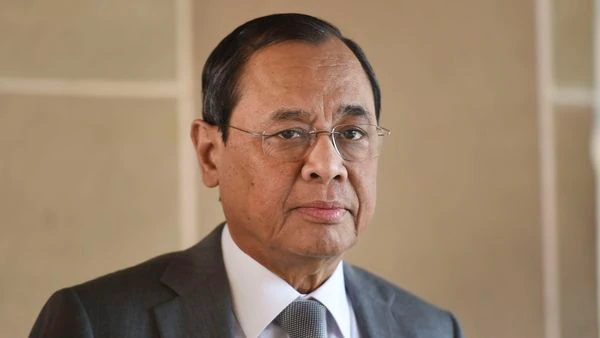
Justice Gogoi has neither joined BJP nor is he entering the Rajya Sabha from its quota in states. He comes to Rajya Sabha as an eminent jurist and will not be obliged to support any party or its political programme. Explains Amar Bhushan, former Special Secretary of the Research & Analysis Wing (RAW).
Covid-19 has forced us to stay indoors and
limited our socializing, it’s time we soberly analyze whether Ranjan Gogoi, the
former Chief Justice of India, deserved jeering and walk out by a ruckus
opposition when he was taking oath as a member of the Rajya Sabha on March 19,
2020. The scene was not very unusual, knowing how boorishly non-NDA (National
Democratic Alliance) MPs (Member of Parliament) mostly behave. But what baffles
is that the same set of people were ecstatic about his courage of conviction when
he had addressed a press conference in January 2018 along with three other judges
of the Supreme Court, calling for transparency and fairness in the distribution
of judicial work. Not only that, he was also hailed as principled when he insisted
that post-retirement jobs were a scar on judicial independence. That Justice
Gogoi, his accusers now lament, has forsaken his ideals for Rajya Sabha membership.
But it is factually not true.
Justice Ranjan Gogoi has been nominated from
the quota of eminent professionals and domain experts like Sachin Tendulkar and
Lata Mangeshkar whom you do not offer jobs but provide an opportunity to serve
the nation with their views in areas of their excellence. They have nothing to
do with viciousness of politics. Justice Gogoi has neither joined BJP nor is
he entering the Rajya Sabha from its quota in states. He comes to Rajya Sabha
as an eminent jurist and will not be obliged to support any party or its
political programme.
Still Congress has the gall to taunt him
despite having an unsavoury record on this score. After
retirement, Chief Justice Rangnath Mishra of the Supreme Court became Rajya
Sabha member as a Congress nominee and later joined the Congress. The case of
Justice Baharul Islam is even more telling. He was elected to Rajya Sabha for
two terms from the Congress quota, then resigned to become a Judge in Guwahati
High Court and the Supreme Court. Thereafter, he was again elected as Rajya Sabha
Member form the Congress.
The post-retirement jobs that Gogoi referred to
was the chairmanship of National Human Rights Commission that has been headed
by several chief justices in the past and, of tribunals like NCLT (National
Company Law Tribunal), NCLAT (National Company Law Appellate Tribunal), DRT
(Debt Recovery Tribunal), DRAT (Debt Recovery Appellate Tribunal) etc. The membership
of Rajya Sabha from the quota of luminaries or the Vice-Presidentship of India
that Chief Justice Hidayatullah had occupied under the Congress regime, were
not his target.
Justice Gogoi’s former colleagues have also not
taken his entry in Rajya Sabha kindly. They fear, his nomination will
henceforth encourage sitting judges to give favorable verdicts to please
governments so that they wangle plum jobs that carry several perks. Retired Justices
like M. Lokur, AP Shah, Kurian Joseph and the irrepressible Markandey Katju who
were denied of any post-retirement positions are distressed that by accepting
to become a Rajya Sabha member, Justice Gogoi has severely undermined the
independence of judiciary. Apparently, they have no faith in the judicial
integrity and moral strength of judges who are still sitting on the Bench and
who, they think, will now be tempted to tailor their judgements for a price.
Professional baiters like Asaduddin Owaisi,
Anand Sharma, Kapil Sibbal and TMC (All India Trinamool Congress) greenhorns have
gone a step further in running him down. Gifted with supernatural power to see
the past, they claim that Justice Gogoi’s nomination is a quid pro quo, meaning
that before judgments were delivered, Gogoi and PM held prior consultations on what
the verdicts should be. Thereafter, it was left to Justice Gogoi how to cajole,
bribe or force other judges of the Bench to write judgements that had already been
agreed upon. And for this effort to organize a collective opinion, he was
promised a Rajya Sabha seat. If this was the case, Justice Gogoi emerges as a
poor bargainer and dumb witted to have been fooled by PM to sell his integrity
for a pittance.
To justify their belief in a quid pro quo, hecklers argue that; Gogoi turned blind to the corruption and deviations from laid down procedure in the procurement of Rafael fighter jets, refused to share classified papers to examine the government’s bona fide on the spurious plea that papers were too sensitive to be made public, deliberately avoided quashing the Act, abrogating Art 370 and Art 35A and deferred hearing habeas corpus pleas regarding the assault on fundamental rights in J&K, laid out a firm roadmap for NRC (National Register of Citizens) in Assam with a view to disfranchise illegal Muslim immigrants, paved way for the construction of Ram Temple at Ayodhya at the site of Babri Mosque and reopened the Sabarimala judgement that had permitted the menstruating women to enter the temple, by referring it to a larger seven-Judge Bench. Their allegation is that all these commitments were part of the BJP’s election manifesto that Gogoi helped PM Modi to fulfil.
The quid pro quo gang would have loved Justice
Ranjan Gogoi had he allowed perpetuation of a temporary constitutional
provision in the case of J&K, remained a mute spectator to the tardy
implementation of Assam Accord that sought to identify and deport illegal
immigrants in the state, kept deferring the resolution of 135-year old Ram Janma
Bhoomi land dispute, like all previous Chief Justices of the Supreme Court and
he should have let centuries’ old religious practice at Sabarimala, which was decided
by two judges remain, a permanent heart-burn. They had obviously misread
Gogoi’s steely resolve to handle difficult cases, no matter what anyone said
and accused him of.
To put the record straight, Justice Ranjan Gogoi
did not spare the government either. He had struck down the National Judicial
Appointments Commission Act that had sought to regulate appointment and service
conditions of the members of various tribunals, declared right to privacy as a
fundamental right, abolished homosexuality and ruled that case against Devendra
Fadanvis, former chief minister of Maharashtra, regarding the suppression of
fact in filing his nomination papers for assembly elections was prosecutable. For
all you know, his critics will say that PM Modi and Justice Gogoi were clever
enough to reach an understanding that Gogoi would give adverse judgements in inconsequential
cases but favour those that were closer to PM’s heart. Now you know why the
opposition booed and walked out. There was no other way they could have cowed
down the Man—Justice Ranjan Gogoi who is bold, has a definite mind of his own
and does not mince words in expressing his convictions. He knows, his legacy
will be judged by posterity and not by the Owaisis and Sibbals.
The COVID-19, more popularly known as Corona Virus has posed the biggest challenge in centuries upon human population of earth. Its rapid spread from China to the rest of the world is leading to a breakdown of health infrastructures of entire nations while others like India are grappling with the challenge of containing its spread.
The Indian Army has always stood as a sentinel of the nation in times of external threat and internal emergencies. In this instance too, the force is preparing itself to make a meaningful contribution to the overall strategy being evolved by the nation to fight the virus.
The Northern Command of the Indian Army that is operationally responsible for the Union Territory of Jammu and Kashmir and the Union Territory of Ladakh, has to meet a unique set of challenges under the existing circumstances. Being operationally deployed, the command cannot go into isolation mode since strict vigil along the LOC and in the hinterland has to go on. For many decades now the Army in Jammu and Kashmir has remained involved in caring for the health of the locals, especially so, in remote areas where government provided medical facilities are scarce. The Indian Army has a responsibility towards these people at the present stage when things are getting critical.
The first and foremost responsibility is to ensure that the virus does not spread within the ranks of the army despite the need to stay active. The silver lining is that the soldiers are very disciplined and can be depended upon to follow instructions in letter and spirit; secondly, soldiers are healthy and have the capacity to fight the virus better than others.
The army has many doctors who are experts in public health activities. They have immense experience in implementation of the national health programmes in the armed forces and containing diseases like Malaria, TB, HIV and Viral Hepatitis. Such doctors have been entrusted with formulation, planning and implementation of preventive activities against the Corona Virus outbreak within the army and in the J&K and Ladakh sectors.
Northern Command is putting in a tremendous effort towards creating awareness in remote areas of the Jammu, Kashmir and the Ladakh region where such information is not easily available; soldiers are sharing information on preventive measures with villages.
Ladakh is the first area covered by the army to check proliferation of the Corona Virus. It has sent medical teams, established screening facilities and quarantine/isolation centres for the civilians across the region. Personal protective items like gloves, sanitizers etc. are being provided. The model created in Ladakh has been put into practice in Kashmir too. Presently, the Jammu region is being covered. Work is being done in concert with civil authorities. All health facilities of the Indian Army are open to everyone. Testing facilities for the virus in Jammu and Kashmir are now available in Jammu Medical College, SKIMS, Srinagar and Command Hospital Udhampur; these are being put to optimum use for defence personnel and civilians alike.
It is, however, in the domain of personal protection from the Corona Virus that the Northern Command, along with the entire Indian Army is putting in maximum effort, knowing full well that they are an entity that simply cannot afford to be laid down.
Headquarters are running on skeleton strength with minimum required staff attending office. Entry into offices and Headquarters has been staggered, a large number of hand washing stands have been established at entry points so that all those who come in do so only after washing their hands.
The National War Memorial in Delhi has been closed to the public, wreath laying is being done by the Guard on duty. Canteen services and markets in all cantonments have been closed except for essential items and for these too door to door service is being done.
All leave and postings has been deferred till 15th April 2020. Personnel returning from leave are being monitored for 14 days and being extensively debriefed; anyone who has a history of being in touch with a suspected case of COVID-19 is immediately quarantined. Individuals returning from high transmission areas are also being quarantined. Those found to be even slightly symptomatic are being immediately segregated and tested.
Indian Army also has in place a system of “isolating” those infected for the entire period of communicability of the infection. Isolation is being resorted to for such persons who, during the period of quarantine, develop symptoms of the infection and those who test positive. This is being done to prevent or limit direct and indirect transmission of the infectious agent from those infected to those who are susceptible.
One thing good about the Indian Army is the detailed briefing that is always carried out to ensure that orders are well understood and implemented. The precautions to be taken during this period of health crisis are being issued by all commanders up and down the chain. They are being repeated at regular intervals so that all are aware. This procedure is now paying handsome dividends. The second thing that’s helping is the capacity of the force to obey orders as also enforce the processes.
Indian Army is adhering to instructions in a quiet, calm and efficient manner while staying alert to meet all emergencies within the organisation and with respect to the entire nation. It is poised to respond to the call of the nation in the manner that Prime Minister Narendra Modi is extolling all citizens to adopt. It is setting an example for nation with regard to the method to be followed to meet the challenge. The best example is emanating from Northern Command where precautions are being taken while remaining on the job and also looking after such segments of the civilian population that need help. If the entire nation follows this example the Corona Virus challenge will definitely be met successfully.
Budget for the newly created Union Territory (UT) of Jammu and Kashmir for the financial year 2020-21 was presented in the Lok Sabha on Tuesday, 17 March, 2020. The Government had deliberately omitted presentation of the J&K and Ladakh Budgets along with the Union Budget so as to get adequate time to work out the packages, proposals and concessions for the newly two UTs.
The Union government also cleared the supplementary demands for grants necessitated due to the bifurcation happening in the middle of the financial year 2019-2020. The present budget will be effective from April 1, 2020 to March 31, 2021.
The Budget for Jammu and Kashmir has crossed the threshold of Rs 1 Lakh Crore for the first time. It is a considerable jump from the earlier highest figure of approximately Rs 89,000 crore. It is also notable that the previous figures included Budget for the Ladakh region which now has a separate and equally generous Budget.
The enhanced allocations are in line with the promise given by New Delhi to give a boost to the process of development in the state, “A system which denied due rights to our brothers and sisters of Jammu, Kashmir, and Ladakh; a system which was a huge hurdle in their development has now been eradicated,” Prime Minister Narendra Modi had said during the parliamentary debate on the reorganisation bill.
Finance Minister Nirmala Sitharaman also emphasised the development agenda of the government in her speech during the presentation of the budget. “The budget for 2020-21 for J&K shall cross Rs 1 lakh crore for the first time, an indicator of our commitment to make J&K a model of development. This is the highest ever budget envisaged for Jammu and Kashmir,” she said.
While the efforts of the government on the economic front are laudable, it should not be forgotten that Jammu and Kashmir is emerging, very slowly indeed, from the debilitating shadow of the gun and violence that remained dominant for decades on end. Many in the state have suffered tremendously due to the debilitating violence over a long period of time. Their family members were killed, houses destroyed, women raped and lives shattered during the terrible days when terrorism was at its peak. A large percentage of such victims of terrorism live in remote and almost inaccessible areas where they have nothing more than the support of the Indian Army.
While it is well established that the Kashmir Pandit community suffered tremendously, the fact that others also suffered an equal amount in the successive decades of violence cannot be sidelined. It is this segment of the citizenry in Jammu and Kashmir that needs special attention. The first step in this direction could have been a special mention in the budget.
Terrorism may be at an all time low but the danger is far from over. It is a known fact that the Pakistani side of the Line of Control (LOC) is lined up with launch pads full of terrorists ready to infiltrate at the slightest opportunity. All means are being used to enhance local recruitment and transfer weapons and money to sustain the terrorist infrastructure in the Kashmir Valley.
Further, the enemy remains determined as ever to resurrect the earlier times of divisiveness and disruption and is actively applying all possible means in the psychological and social domain to turn round the situation to their advantage. There will be attempts to bring back the times of Hartals (Strikes) and Bandhs (Lockouts) with attendant talk of Human Rights violations et al.
Economic activity holds the key for the well being of any region. At the same time, peace is a prerequisite for economic upsurge. Security on the borders and in the hinterland of Jammu and Kashmir, especially so in the remote areas, is necessary for the economic activity to blossom.
The government has been very generous and honest in its efforts to change the environment of the UT with a surge in economic activity and development. It has identified education, agriculture, tourism, rural development, employment and skill development as focus areas to meet its development goals. Agriculture and allied horticulture sectors have received an allocation of Rs 1,872 crore which is Rs 680 crore more than the previous year. Maximum thrust has been given to Rural Development, up from Rs 1,951 crore to Rs 5,284 crore and Education at Rs 2,392 crore, an increase of Rs 1,000 crore.
One matter that is not being discussed in the roadmap laid out for Jammu and Kashmir is police reforms. There is an urgent need for increasing the strength and capability of the police force with more boots on ground, infusion of latest technology for policing and intelligence gathering duties and latest training techniques. It is something that needs to be spoken of at par with development. The aspect probably is in the domain of the Ministry of Home, however, a reference to the government policy on the subject at the time of presentation of the budget would have been in order.
While New Delhi is doing all it can to assist in the revival of the violence prone region, a large onus of responsibility also rests upon the people. The common citizen will have a big role to play if the development and security thrust of the Centre is to bear fruit. Peace-loving Kashmirs’ outnumber the handful of Pakistan-sponsored trouble creators; their inaction has been encouraging terrorists and their handlers to wreck havoc. Now is the time to change the status quo. The people need to realise that only natural beauty and skill sets cannot attract tourists and investors, the environment needs to be equally conducive. It is up to them to join the government effort to create the same. They have to use their passion and strength to shape their own future. The government is but a facilitator.
Coronavirus continues to wreak havoc across the world. The vaccine for this virus is nowhere in sight and we are still not sure if the genetic make up of Novel Coronavirus was altered inside a Wuhan laboratory in China. Dr Rajesh Mehrotra, scientist at BITS Pilani and an expert in the field of Cis Regulatory Elements in DNA, said in this e-mail interview with Vivek Sinha that human cells cannot distinguish between a man made virus and a natural strain of virus. He explained that genetic alterations of a virus cannot be done in the backyard laboratory by a rogue scientist.
Vivek Sinha: Coronavirus epidemic has taken the world by storm. Several conspiracy theories are floating around the world about origins of this virus from China. What is the buzz within scientific community about the origins of Novel Coronavirus? Dr. Rajesh Mehrotra: Coronavirus originates in animals like bats and pangolin and are not transmissible to humans until and unless a (virus) strain is mutated that can pass from animals to humans and then from human to humans. Also, an article published in Nature Medicine on 18th March 2020 rubbished the concern that it was man made because at a molecular level its genetic data does not came from any previously used virus backbones.
Vivek Sinha: What does it take to genetically engineer a naturally occurring virus and turn it into a lethal strain? How is the human immune system foxed by these genetically engineered virus strains and why is it unable to respond as quickly as in the case of a natural strain of the virus? Dr Rajesh Mehrotra: In any good laboratory with proper Biosafety levels (BSL-3 or above) one can engineer a naturally occurring virus. Genetic modification involves the direct insertion, deletion, artificial synthesis (using phosphoramidite chemistry), or change in nucleotide sequences in viral genomes using biotechnological methods which can turn a strain into lethal strain. Immune response to virus is via three modes (i) Cytotoxic Cell (ii) Interferons and (iii) Antibodies. Viruses are highly adaptable and have developed ways to avoid detection by cells. Some viruses stop Major Histocompatibility Complex molecules from getting to the cell surface to display viral peptides. If this happens, the cell doesn’t know that there’s a virus inside the infected cell.
Dr Rajesh Mehrotra is Associate Professor in the Department of Biological Sciences at BITS Pilani, KK Birla Goa Campus
Vivek Sinha: Does it require a sophisticated laboratory to manipulate the genome of a virus or can this be done by a rogue scientist in the backyard laboratory of his home? Dr Rajesh Mehrotra: It is recommended to use BSL-3 or above that is Biosafety Level–4 (BSL-4). This is the maximum containment level and is designed to be used for manipulating emerging viruses with the highest level of risk. And, it cannot be done in the backyard laboratory.
Vivek Sinha: Can a genetically engineered virus (man-made virus) be distinguished from a naturally occurring virus though any tests? If yes, what are these tests and if No, why is it difficult to differentiate between a man-made virus from a naturally occurring virus? Dr Rajesh Mehrotra: To the best of my understanding we cannot differentiate between a man made virus and a naturally occurring virus. Viruses in general have a very simple structure. They have capsid or protein and DNA or RNA as a genetic material. Once the strain is genetically modified using phosphoramidite chemistry it cannot be distinguished whether a strain is man-made or natural.
Vivek Sinha: Is mortality rate greater in a pandemic caused due to genetically engineered virus, vis-a-vis a natural virus strain? Why is it so? Dr Rajesh Mehrotra: Yes, mortality rate is greater in a pandemic caused due to genetically engineered virus because new viral proteins are sufficiently different from preexisting viral proteins, and due to this there may be a limited immune recognition by humans. As a result, the majority, if not all, of the human population may be susceptible to the new viral form. In addition, reassortment may also result in a very virulent new strain.
Dr Rajesh Mehrotra has been a visiting researcher to Kyoto University, Louisiana state University, Okinawa Institute of Science and Technology and to University of Edinburgh (INSA Exchange Fellow).
Vivek Sinha: Do you think Coronavirus will be able to survive in Indian summer? And is there a possibility of its recurrence during the upcoming monsoon months or during the onset of next winter season? Dr Rajesh Mehrotra: Drawing corollary from Australia, which just experienced its peak summer season but still reported 400 confirmed cases, I think the virus will be able to survive Indian summer. However, a decline in the contagiousness of COVID-19 may be observed in the coming summer days, but the transmission of the virus will nevertheless remain very much possible.
Vivek Sinha: Coronavirus has spread and/or it’s spreading like wildfire across the Eastern and Western sides of India. How long can India stay safe before Covid-19 becomes an epidemic in India? Dr Rajesh Mehrotra: Indian government is making all efforts that we don’t reach to the stage of community transfer and restrict it in at Stage-2. Next seven days is going to be very crucial for us. If we can keep the count low, then perhaps we will reduce the chance to enter Stage-3 and India stays safe or else we will succumb.
Vivek Sinha: It’s still unknown if India has silently entered the Stage -3 of Coronavirus outbreak where the virus spreads across communities. How are things expected to pan out in India? What else can India and other SAARC nations do to control this pandemic? Dr Rajesh Mehrotra: Number of confirmed cases for COVID-19 are indicative of the fact that we may be slowly moving towards the Stage-3. Across the globe, social distancing is one option available with governments. Indian government has been proactive. In Indian context social distancing is the most important measure being advocated by the government and the Janta curfew has been asked by our Prime Minister Mr. Narendra Modi to be imposed on Sunday, 22nd March to break the chain of transmission. The curfew time requested is 14 hours and the virus can only survive for 12 hours outside a living host.
However, there are many other parameters to be looked into, which includes age composition of the population, high risk population, latency period (the amount of time from initial infection to illness), infection period (the time infected individual remains contagious to other people), population density, personal behavior, climate and environment. SAARC nations will have many common factors but some unique factors (such as the age of those being infected) need to be identified by respective governments and they must take strong measures to curb the crisis.
Vivek Sinha: If Covid-19 is a biological weapons programme gone out of control, will the scientific community, doctors and healthcare professionals be able to control the spread of this Novel Coronavirus? Dr Rajesh Mehrotra: One of the hypothesis in air is about it being a biological weapon and we cannot rule it out completely, though scientists from UK confirmed that at a molecular level COVID-19 genetic data does not come from any previously used virus backbones. Efforts to develop vaccines are already in place and I believe we will have some lead from USA by December-end.
We use cookies on our website to give you the most relevant experience by remembering your preferences and repeat visits. By clicking “Accept All”, you consent to the use of ALL the cookies. However, you may visit "Cookie Settings" to provide a controlled consent.
This website uses cookies to improve your experience while you navigate through the website. Out of these, the cookies that are categorized as necessary are stored on your browser as they are essential for the working of basic functionalities of the website. We also use third-party cookies that help us analyze and understand how you use this website. These cookies will be stored in your browser only with your consent. You also have the option to opt-out of these cookies. But opting out of some of these cookies may affect your browsing experience.
Functional cookies help to perform certain functionalities like sharing the content of the website on social media platforms, collect feedbacks, and other third-party features.
Performance cookies are used to understand and analyze the key performance indexes of the website which helps in delivering a better user experience for the visitors.
Analytical cookies are used to understand how visitors interact with the website. These cookies help provide information on metrics the number of visitors, bounce rate, traffic source, etc.
Advertisement cookies are used to provide visitors with relevant ads and marketing campaigns. These cookies track visitors across websites and collect information to provide customized ads.
Necessary cookies are absolutely essential for the website to function properly. These cookies ensure basic functionalities and security features of the website, anonymously.
Cookie
Duration
Description
cookielawinfo-checkbox-analytics
11 months
This cookie is set by GDPR Cookie Consent plugin. The cookie is used to store the user consent for the cookies in the category "Analytics".
cookielawinfo-checkbox-functional
11 months
The cookie is set by GDPR cookie consent to record the user consent for the cookies in the category "Functional".
cookielawinfo-checkbox-necessary
11 months
This cookie is set by GDPR Cookie Consent plugin. The cookies is used to store the user consent for the cookies in the category "Necessary".
cookielawinfo-checkbox-others
11 months
This cookie is set by GDPR Cookie Consent plugin. The cookie is used to store the user consent for the cookies in the category "Other.
cookielawinfo-checkbox-performance
11 months
This cookie is set by GDPR Cookie Consent plugin. The cookie is used to store the user consent for the cookies in the category "Performance".
viewed_cookie_policy
11 months
The cookie is set by the GDPR Cookie Consent plugin and is used to store whether or not user has consented to the use of cookies. It does not store any personal data.