The inept handling of Encephalitis in Bihar is there for everyone to see.
It is sad and appalling to see the apathy in our health care system.
The monsoons are around the corner.
Malaria, which was supposed to have almost disappeared from Delhi is back
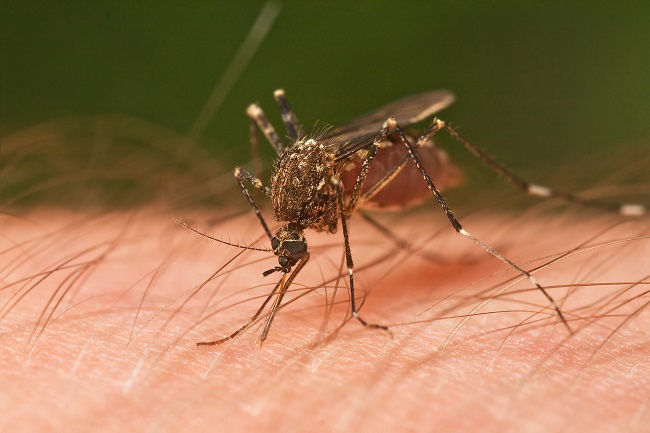
with a vengeance. Chikungunya is an emerging, mosquito-borne disease caused
by an alphavirus, Chikungunya virus. The disease is transmitted
predominantly by Aedes aegypti and Ae. albopictus mosquitoes, the
same species involved in the transmission of dengue.
Over the years, we have learned that Chikungunya results in high fever
accompanied with severe debilitating pain, especially in joints. Rashes can also be seen in severe cases.
Weakness, dizziness, continuous vomiting leading to dehydration, very poor oral
intake and bleeding are dangerous signs. We have been told that we must not let
water collect anywhere and many people have been fined because of their errant
ways in managing water.
When
confronted with an epidemic, politicians blame bureaucrats who will blame the
Municipal Corporation of Delhi who in turn will blame the politicians.
Ministers will justify and find reasons on how this happens every year and
happened under other Governments. TV anchors will scream at the top of their
voices about accountability and newspapers will give these stories headlines,
gradually relegating them to inside pages.
However,
the poor patients will be left running from one hospital to another, crying for
their loved ones.
The
wonderful cycle of life will continue. Monsoons will retreat, water logging
will dry up, hospitals will see lesser patients, the subject of ill patients
will disappear from the news channels and hopefully, mosquito borne diseases
will disappear for one more year. Everyone will heave a collective sigh of
relief and as always happens in our country after every epidemic or emergency,
the problem of this year would have been “managed” and given the short public
memory, this year’s challenges would soon be forgotten.
Knee
jerk reactions to a health scare seems to be the norm rather than the exception
with us.
The
monsoons, the mosquitoes and the diseases come every year. We know that this
problem recurs every year and will continue to recur in the years ahead till we
are able to eradicate the disease. So why is it that we are not able to plan
earlier and reduce the severity of the impact of these mosquito borne diseases?
Why don’t our governments have a task force that will focus on planning for the
coming year?
It
would be fairly simple for the government to take the following steps before
the monsoons (though this may already be too late for this year):
- Identify and map the areas – Hopefully, after last years’ experience, the authorities would have mapped all the areas in our cities which they have identified as prone to collection of water. With proper planning, we can ensure that steps are taken to rectify all such areas well before the onset of the monsoons.
- Epidemiological evidence
– Based on the records for the current year our health researchers would be
aware of the strain of the virus and medication needed to handle this.
- Quick reporting
of the outbreak is essential – this would mean setting up situation rooms /
monitoring and evaluation centres in areas where we have seen the problem.
These need to be manned and monitored with clear accountability and
responsibility documents and communicated.
- Laboratories
— These become a huge bottleneck every year. We should ensure that
laboratories are identified and communication sent to the citizens. And of
course, we need the tariffs for tests agreed and announced in advance.
- Feedback
from laboratories need to be collected on an hourly basis and analysed for
course correction. Delays can prove to be fatal for some patients. The teams
that should collect feedback should be ready now rather than hurriedly put
together before the mosquitoes strike.
- Funding
for the epidemic needs to be set aside for all the actions that need to be
taken now. Scrambling for budgets and ad hoc approvals is time consuming and
unacceptable when the time lost can save lives of human beings.
- Hospitals, clinics, nursing homes and
doctors should be identified and numbers and
prices need to be widely advertised well before the outbreak.
- Education
of the citizens is an ongoing matter and should become a part of the curriculum
of schools. Education should be in the areas of what to watch out for and where
to report the disease. In addition, people need to be educated on making homes mosquito free; spraying all rooms with safe aerosols; using mosquito
nets; covering water containers; drying water tanks, pets’ bowls and potted
plant plates; not letting water stagnate and other such preventive steps.
Once
a clearly documented plan is agreed and in place, getting it activated will be
quick.
If
Sri Lanka, one of the worst victims of malaria, can become malaria free, as
certified by the World Health Organisation in September 2016, is it too
difficult to hope that India too can reach levels of cleanliness where malaria
and other mosquito borne diseases will no longer plague our citizens?
Finally,
no mass health programme can work unless there is clear accountability
established. No politician, bureaucrat or health worker can be permitted to
throw up their hands and shrug their shoulders.
Health
is a state subject, but citizenship of India is not.
Collaboration
between the centre and the state is essential if epidemics need to be handled.
The
blame game needs to stop immediately.