Home Blog Page 47

Pakistan’s Army-driven opium drug trade devastates Pashtun & Baloch regions

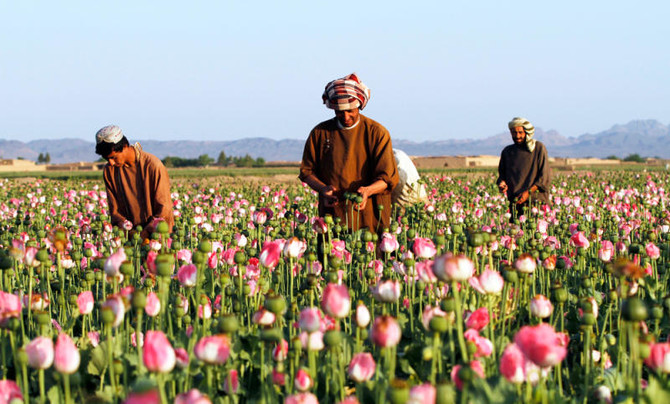
In the aftermath of Afghanistan’s ban on opium cultivation, Pakistan has witnessed a dramatic surge in opium production, especially in the Pashtun and Baloch regions. Reportedly, the Pakistan military, particularly the ISI, is playing a key role in facilitating the drug trade. The ISI, through intermediaries, has reportedly offered lucrative deals to drug dealers, allowing them to cultivate opium across thousands of acres in Pak-occupied-Balochistan, including areas like Gulistan, Qila Abdullah, Muslim Bagh, and Makran.

This surge in drug cultivation is not just a consequence of opportunistic criminals but a calculated move by the Pak Army to maintain control over these regions. By encouraging the production of drugs, the Pak Army is effectively keeping youth addicted. The drug trade has become a tool of control, with the military profiting while the people of POB suffer from the devastating effects of addiction.

Drug Trade Thrives Under Pak Army

At the same time, the Pak Army is exploiting the rich natural resources of POB, plundering the land and forcefully occupying local resources. The people of POB, already marginalized and struggling under decades of systemic oppression, are being further pushed to the fringes as their land is leased out for drug cultivation. Reportedly, lands in these regions are being leased for exorbitant rates, with five acres going for as much as 10 lakh rupees.

The Pakistan Army’s stranglehold over POB extends beyond drug cultivation. The region’s resources—its minerals, land, and wealth—are being looted at the expense of the indigenous population. These communities, instead of benefiting from their own land, are being systematically marginalized, deprived of basic rights, and subjected to ongoing repression.

While the drug trade continues to flourish under the Pak Army’s watch, POB’s communities remain trapped in poverty and addiction, their future bleak as the military tightens its grip on their land. The Pak Army is profiting off their suffering, keeping the region destabilized, and ensuring that its resources flow into the hands of those in power.

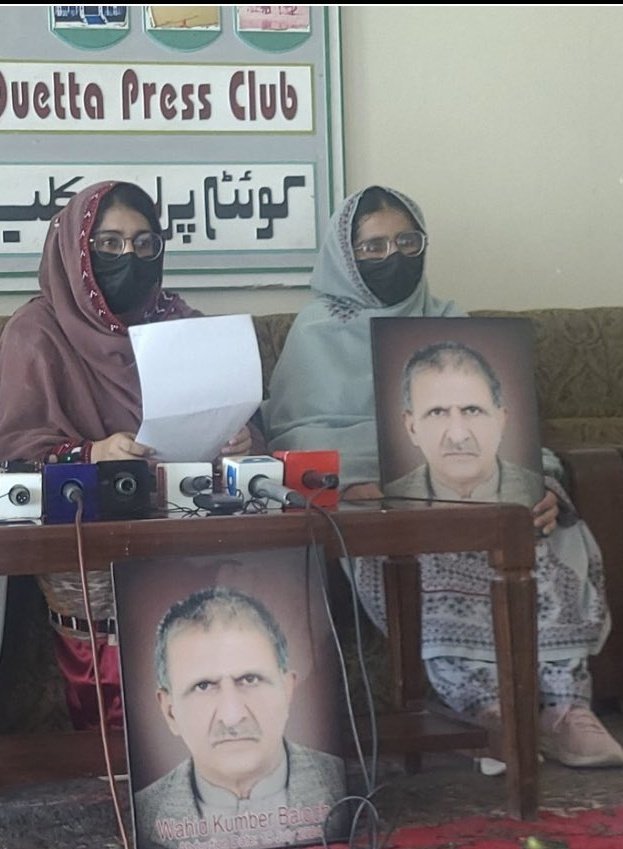
Pak Army abducts veteran Baloch leader Wahid Kambar; family rallies for his return

The family of Ustad Wahid Kambar, a prominent Baloch nationalist leader, has launched a campaign demanding his safe return following his enforced disappearance. Wahid Kambar, a veteran of the Baloch Liberation Movement and a diabetic who recently underwent angioplasty, was abducted on July 19, 2024, in Kirman, Iran. His family is gravely concerned for his health and well-being, fearing for his life amidst growing reports of Pakistan’s brutal tactics against Baloch activists.

The Baloch rights group, Paank, has condemned Kambar’s disappearance, attributing it to the Pak intelligence agencies. This incident is yet another disturbing example of Pak Army’s long-standing pattern of enforced disappearances targeting Baloch leaders and activists, a practice that has become a hallmark of the country’s violent repression of the Baloch people.

Baloch Veteran Leader Ustad Wahid Kambar Vanishes

The abduction of Ustad Wahid Kambar highlights a broader systemic problem. In Pak-occupied-Balochistan, countless activists and individuals who dare to criticize the Paki establishment vanish without a trace. Families are left in anguish, searching for answers in a country that systematically silences dissent through extrajudicial means. Those who are fortunate enough to return bear the scars of torture, an indication of Pak Army’s calculated approach to extracting information and punishing resistance. Others, tragically, return in body bags, with bullet-ridden corpses discovered across the region—an all-too-common outcome of these extrajudicial executions.

Wahid Kambar’s prominent role in the Baloch liberation movement and his status as a political leader make his disappearance even more alarming. His recognition as a prisoner of war under international humanitarian law, a status that would grant him protections under the Geneva Conventions, which Pakistan has pledged to uphold. Yet, Pakistan’s systematic violations of international law cast doubt on its willingness to adhere to any such obligations.

The urgent nature of Kambar’s medical condition adds to the gravity of his situation. With severe health issues, including heart disease, his life is in imminent danger without proper medical attention. His family’s plea for his immediate release and access to healthcare is not only a call for justice but also a critical humanitarian demand. The international community cannot remain silent.

Residents of Buleda protest against increase in Pak Army checkpoints in the area

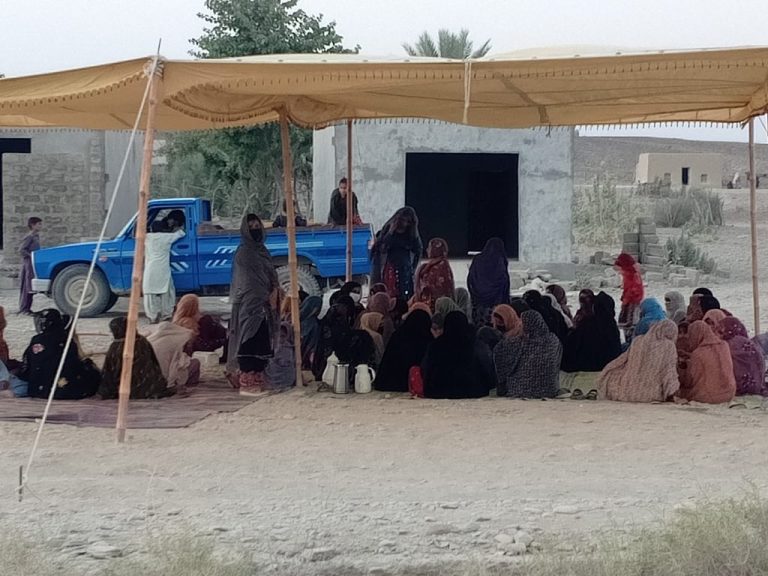
Residents of Gali, Zundan in Tehsil Buleda, launched a large-scale protest against the oppressive Paki establishment of a new Pak military checkpoint within their community, blocking the main road. The protest saw significant participation from local residents, including women, all united in opposition to the unchecked military presence.

Protestors expressed their deep frustration, pointing out that a checkpoint already exists at Bahut Bazaar, which has long been a source of harassment for the people. These military outposts are notorious for tormenting the civilian population.

Later, after successful negotiations between the Frontier Corps (FC) and the residents of Gali Buleida, the protest has come to an end. The FC, acknowledging the concerns of the local population, agreed to relocate the checkpoint away from the village.

The Pak Army’s aggressive actions in Pak-occupied-Balochistan, including heavy troop deployments and night-time searchlights directed at homes, have created an atmosphere of fear and oppression, particularly for women. These tactics are blatant violations of human rights, and the constant military presence disrupts daily life and causes widespread anxiety among the people.

POB: Pak Army forces Baloch students to attend Brigadier’s lecture

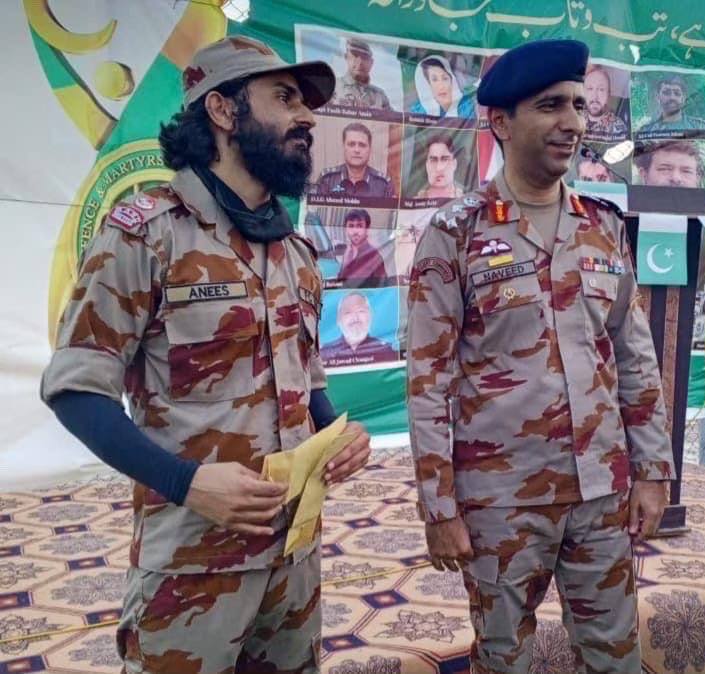
The militarization of educational institutions in Pak-occupied-Balochistan is intensifying, with the latest imposition coming in the form of a mandatory lecture by Brigadier Naveed Abbasi of the Pakistan Army, scheduled for September 19 at Tump Degree College. Students are being coerced into attending this event, a disturbing trend where military figures are imposing their presence on campuses, turning places of learning into instruments of Army control.

Just days before this, female students at the University of Balochistan were being subjected to a shocking display of military overreach. Pak forces, under the guise of a drug search, stormed the girls’ hostel. They specifically singled out Baloch female students, subjecting them to profiling, asking intrusive personal questions, and recording videos of them without consent.

Earlier, Pak forces encircled Turbat University and launched a search operation in the women’s hostel, specifically targeting students in their pursuit of information on Mahil Baloch, a fidayeen fighter involved in the Baloch Liberation Army’s (BLA) Operation Herof. This operation resulted in significant casualties for the Pakistan Army, further escalating the military’s oppressive measures in educational institutions.

Pak Army Tightens Grip on Students

It is clear that the increased militarization and presence of Army forces in Baloch schools and universities are aimed at monitoring and curbing the rise of nationalist sentiments among the youth.

Educational institutions, such as universities and colleges, are meant to be spaces for intellectual growth and knowledge acquisition, not venues for military propaganda or intimidation. It is disgraceful that the management of Tump Degree College, instead of preventing such military interference, is acting as facilitators, allowing Brigadier Naveed Abbasi to address students. This move further cements the Army’s encroachment into academic spaces.

However, no matter how many lectures the Pak Army forces to intimidate or brainwash young minds, the harsh reality remains inescapable. The daily abductions, killings, and the systematic stripping of basic human rights faced by the Baloch people cannot be overshadowed by a mere two-hour lecture.

East Turkistan govt in exile to protest against 75 years of China’s subjugation & brutality

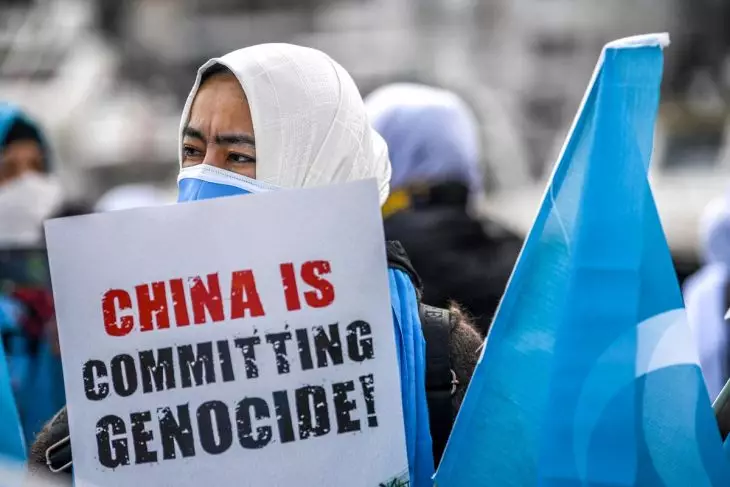
The East Turkistan Government in Exile has announced a major protest to be held on October 12, from 1:00 p.m to 3:00 p.m. at the White House, marking the 75th anniversary of the Chinese Communist Party’s invasion of East Turkistan. This demonstration aims to condemn the Chinese government’s relentless aggression and brutal policies that have subjugated East Turkistan for over seven decades.

On October 12, 1949, the Chinese Communist Party’s military forces launched an aggressive invasion, dismantling East Turkistan’s sovereignty and initiating a period of severe colonization, genocide, and occupation. This violent act marked the beginning of a systematic campaign to erase East Turkistan’s cultural identity and subjugate its people.

https://twitter.com/ETExileGov/status/1836497193395462310

The protest will highlight the Chinese government’s reprehensible actions, including its ongoing campaign of cultural extermination and human rights abuses. The Chinese regime’s so-called “vocational training centers” are in reality internment camps where Uyghur, Kazakh, Kyrgyz, and other Turkic peoples are subjected to forced indoctrination, labor, and cultural assimilation. These camps, misleadingly branded as “re-education centers,” are emblematic of the regime’s broader strategy to obliterate East Turkistan’s unique identity and suppress dissent.

The protest will spotlight the Chinese government’s egregious actions, including its ongoing campaign of cultural extermination and human rights abuses. Recently, a disturbing video surfaced showing a Chinese official ordering the destruction of a Uyghur villager’s home in Kashgar to make way for Han settlers. When the displaced villager sought compensation from the village administration, the official responded by ordering her arrest. This incident underscores the brutal reality of China’s genocidal policies, which include forcibly evicting Uyghurs and turning their land over to Han settlers.

China’s extensive use of surveillance technology, including facial recognition, to monitor and control the local population in East Turkistan is a stark illustration of its totalitarian grip. Satellite imagery and human rights reports have revealed the vast scale of these internment camps, which serve as a grim reminder of the regime’s oppressive tactics.

The Chinese government’s actions extend beyond mere suppression—they represent a deliberate and calculated effort to commit genocide against the Uyghur people and other Turkic communities. The mass detention of Uyghur children in state-run camps, where they are forcibly separated from their families and stripped of their cultural heritage, is a gross violation of fundamental human rights. The CCP is continuing to brainwash Uyghur children in Child-Concentration camps. This ongoing crisis underscores the global community’s failure to honor the promise of “Never Again,” as these atrocities unfold in real-time in Occupied East Turkistan.

Pak Army forcibly disappears Baloch student after his arrest in Turbat

In yet another brazen violation of human rights, Pak forces have forcibly disappeared a young Baloch student, Mudasir, 16, after his arrest in Turbat, the central city of Kech district. Mudasir, the son of Sabir Ali and a resident of Sangani Sar, Turbat, was detained by Pak security personnel earlier today and has not been heard from since. He is the younger brother of Advocate Shaima Sabir of the Kech Bar Association and a student of the 8th grade.

The Kech Bar Association condemned Mudasir’s illegal detention in a public statement, calling for his immediate release and safe recovery. In protest, the association has declared a one-day boycott of judicial proceedings.

This incident is the latest example of the Pakistan Army’s brutal suppression tactics against the Baloch community, a long-standing practice. The enforced disappearances, extrajudicial killings, and the notorious “kill and dump” policy have become hallmarks of the military’s strategy to stifle dissent and silence calls for Baloch autonomy.

Military raids, sweeping operations, and harassment of the local population are part of a calculated effort to subdue the Baloch people, preventing any rise in nationalist sentiment.

Despite numerous reports by human rights organizations, the enforced disappearances continue unchecked, with hundreds of Baloch students, activists, and civilians falling victim to these ruthless tactics.

The question remains—how many more school children must disappear before the world takes notice and acts to end this systematic oppression of the Baloch people? The silence of the international community is becoming increasingly deafening as the Baloch are left to suffer under the weight of Army-sponsored violence.

First phase of J&K elections sees 61% voter turnout, highest in recent years

The first phase of assembly elections in Jammu and Kashmir saw a notable voter turnout of over 61 percent across 24 constituencies spanning seven districts on Wednesday, according to the Election Commission. The final turnout is expected to rise as data from some polling stations are still being compiled, and postal ballots have yet to be included in the tally.

Kishtwar district led with the highest turnout of 80.14 percent, followed by Doda at 71.34 percent and Ramban at 70.55 percent in the Chenab valley region. In south Kashmir, Kulgam recorded a 62.46 percent turnout, while Anantnag, Shopian, and Pulwama saw lower figures of 57.84 percent, 55.96 percent, and 46.65 percent, respectively.

This marks the first assembly elections in Jammu and Kashmir since the abrogation of Article 370 in August 2019. The previous assembly elections were held in 2014. The Chief Electoral Officer, P.K. Pole, reported that the preliminary turnout of 59 percent by the close of polling was the highest in the past seven elections, including four Lok Sabha and three assembly polls.

J&K Assembly Elections

The Election Commission’s press release stated that the voter turnout for Phase 1 stood at approximately 61.11 percent as of late evening. It added that this figure is subject to change as more data comes in from returning polling parties.

The elections proceeded largely peacefully with extensive security measures in place. Voter participation in the seven districts exceeded turnout figures from the Lok Sabha elections earlier this year, which saw a voter turnout of 58.58 percent, the highest in 35 years.

Polling took place across 3,276 polling stations, with 24 special stations set up for migrant Pandits in Jammu, Udhampur, and Delhi. Voter turnout among the Kashmiri migrant population was 31.42 percent, with higher participation noted in Delhi (40 percent) compared to Jammu (27 percent) and Udhampur (30 percent).

As the first phase concludes, expectations are high for the remaining two phases scheduled for September 25 and October 1.

Pak Army lodges FIR against PTM members over Jirga meeting in Loralai

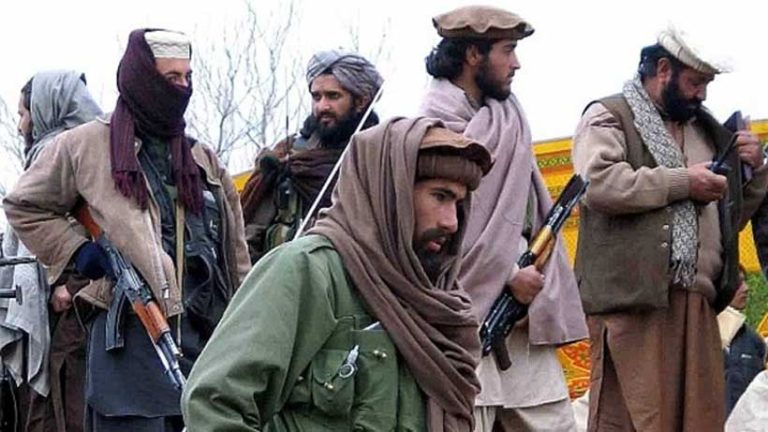
In a brazen attempt to stifle dissent, the Loralai police, under orders to appease the Cantonment Commandant, have registered FIRs against leaders of the Pashtun Tahafuz Movement (PTM), members of PTM Loralai, and leaders of various political parties. This follows peaceful invitation meetings for the Pashtun National Court (jirga) organized by PTM’s Loralai chapter for October 11. The crackdown, however, only further exposes the desperate and brutal tactics employed by the Punjabi-Pakistan Army to silence Pashtun voices.

The PTM’s campaign against the Pakistan Army’s heavy-handed and often brutal tactics has intensified in recent months. Just two days prior, a powerful public demonstration was held in Khyber Bara Bazar, where citizens rallied against the Pak military-sponsored terrorism that has plagued the region. This shows that the Army’s stranglehold over Pashtun territories, under the false pretense of “security,” is coming to an end. The real terrorists are the Army and the very militants they once bred, who have now turned against them and are wreaking havoc in the region.

Since the military’s occupation of the Khyber region in 1947, Pashtuns have faced relentless violence, exploitation, and discrimination. The Army’s tactics, including indiscriminate shelling, abductions, extrajudicial killings, and staged encounters, have made the region unstable.

Adding to the horrors, the Pak military’s cruel practice of laying landmines in residential areas has resulted in countless tragic accidents. Children, often playing near their homes, have been maimed or killed by these hidden explosives.

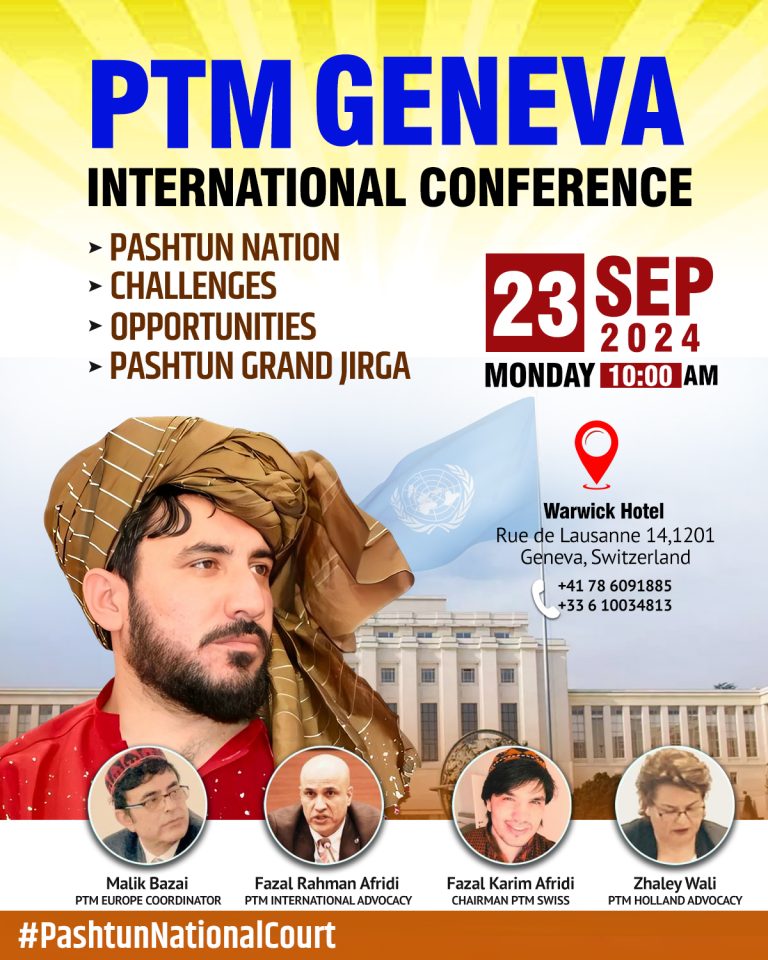
The PTM’s upcoming national gathering on October 11 is expected to be a major platform for raising awareness about these human rights abuses. While the military tightens its grip ahead of the upcoming jirga, it is clear that their efforts to crush the Pashtun uprising will not succeed. The Pashtun people have awakened to the brutal reality of the Punjabi Pak Army’s exploitation and violence, and no amount of repression will extinguish their demand for justice and freedom.

J&K sees more than 50.65 % voter turnout in the first phase of J&K assembly elections

The first phase of voting for the Jammu and Kashmir assembly elections kicked off Wednesday morning, with the Election Commission reporting a 26.72% voter turnout as of 11 am.

The seven constituencies participating in this phase showed varying levels of participation. According to the ECI, Kishtwar recorded 56.86% turnout followed by Doda 50.81%, Ramban 49.68%, Kulgam 39.91%, Shopian 38.72%, Anantnag 37.90% and Pulwama 29.84%.

Polling began at 7 am across the Union Territory and is set to conclude at 6 pm. Basharat Qayoom, Pulwama Deputy Commissioner and District Election Officer said, “Polling is going on very smoothly in all 4 Assembly constituencies. There is a lot of enthusiasm among the voters.”

BJP candidate from the Shopian Assembly constituency, Javaid Ahmad Qadri on Wednesday said that the PM has played a big role in improving the situation in Jammu and Kashmir.

“I give the credit to PM Modi who has played a big role in improving the situation in J&K. People in large numbers are coming out to cast their votes…The central government has worked a lot to ensure the development of Shopian…Before the abrogation of Article 370, only some families used to cast their votes but today the common man is coming out to vote in large numbers…” said Qadri.

Security measures are in place, with Pulwama SSP PD Nitya assuring that proper arrangements have been made across the district’s 245 polling stations.

PDP candidate Waheed Para expressed optimism about the elections, viewing them as an opportunity to “reclaim the image of Pulwama.” He urged voters to “vote for peace, progress, development and dignity of J&K.”

This first phase covers 24 assembly constituencies, including 16 in the Kashmir region and 8 in Jammu. The election will continue with second and third phases scheduled for September 25 and October 1, respectively. Vote counting is set for October 8.

BNM exposes human rights crisis in POB at Geneva conference

The Baloch National Movement (BNM) has condemned the Pakistan Army’s human rights abuses in Pak-occupied Balochistan, branding the region as a “graveyard of hopes” rather than just a piece of land. This stark criticism was voiced during the fifth international Balochistan conference held in Geneva from September 16 to 18, 2024.

Sammi Deen Baloch, General Secretary of BNM, addressed the conference via video link, highlighting the severe human rights violations perpetrated by Pak forces and intelligence agencies. He described POB as a place where humanity is continuously disregarded, calling on the international community to intervene and address the issue of enforced disappearances, a direct consequence of the Pakistan military’s actions.

The conference, part of BNM’s ongoing Geneva activities, was attended by global representatives and activists who discussed the dire situation in POB. The event aimed to shed light on the collaboration between China and Pakistan in exploiting the region and violating human rights.

BNM Criticizes Pak Army’s Brutality

The first segment of the conference featured prominent speakers, including climate change activist Yusuf Baloch, PhD scholar Jaffer Mirza from King’s College London, former spokesperson of the Jammu Kashmir Peoples National Party Habib-ur-Rehman, and Dr. Lakho Lohano from the World Sindhi Congress. They spoke about the challenges faced by the Baloch people and the ongoing resistance against the Pakistan military’s oppressive tactics.

In the second segment, international figures such as Afrasiab Khattak from the National Democratic Movement, British MP John McDonnell, Nida Kirmani from Lahore University of Management Sciences, and human rights lawyers Iman Mazari and Dr. Jennifer Philippart contributed their insights. They criticized the Pak Army backed-government’s role in orchestrating the enforced disappearances, extra judicial killings, raids and frequent military operations. The speakers highlighted that the occupied-state’s reluctance to enact effective legislation against these abuses reflects its broader disregard for human rights.

The final segment featured BNM Chairman Dr. Naseem Baloch, historian Dr. Nasir Dashti, Italian journalist Francesca Marino, and human rights advocate Angelena. They condemned the Pak military’s use of the Fourth Schedule to target political activists, describing it as a tool for suppressing dissent and labeling individuals as terrorists without due process. They said that the Paki establishment, disconnected from the land it occupies, perpetuates a system of oppression and exploitation in POB.