Home Blog Page 76

Pak Army forcibly disappears four more Baloch in Mashkay

Four men have reportedly been forcibly disappeared by Pak security forces in the Mashkay area of Awaran district, Pak-occupied-Balochistan. The incident occurred in the early hours of yesterday morning.

Around 4 a.m. Pak Army established extensive checkpoints in the Nokjo area of Mashkay, effectively cordoning off the vicinity. During this operation, houses were raided, leading to the detention of four individuals who were then transported to an undisclosed location.

The missing men have been identified as Shahdad (son of Allah Bakhsh), Atiq (son of Master Elahi Bakhsh), Munir (son of Nabi Bakhsh), and Jabal (son of Majeed). As of now, their whereabouts remain unknown.

This event adds to the growing list of forced disappearances in Mashkay, an area already known for its high incidence of such cases and targeted killings. These actions are often carried out by the “death squads” operating under the protection of the Pakistan Army.

Recently, it has been revealed that in Mashkay, the Pakistan Army is forcing people into labor and compelling them to accompany them as shield to protect against attacks by freedom fighters of pro-independence organisations such as BLA & BLF. Local residents have also been required to report to military camps for attendance.

In a viral video, death squad members can be seen subjecting individuals to violence. These individuals were being forced to clear bushes along the Pakistan Army’s routes as part of forced labor.

Pak-backed terrorist encounter in J&K’s Doda injures two Indian Army soldiers

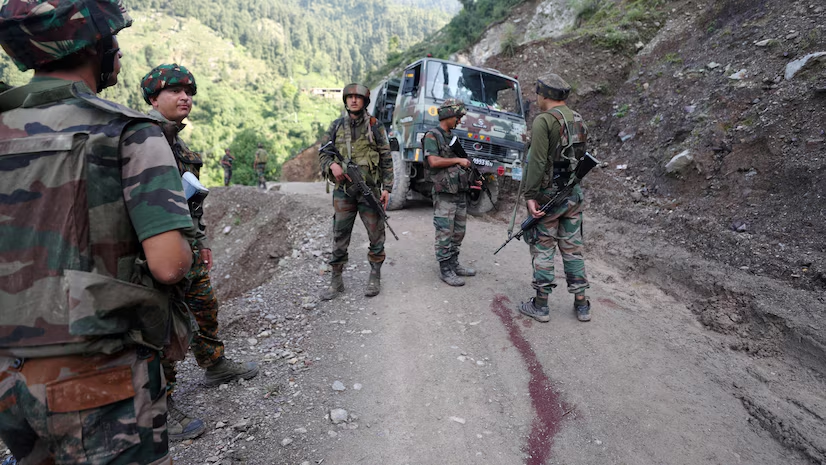
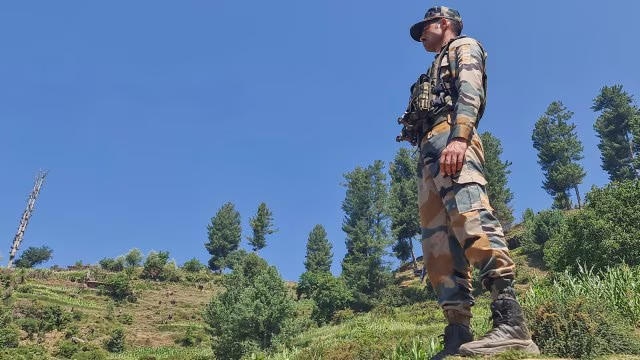
Two Indian Army soldiers sustained injuries during an encounter with terrorists in the Kastigarh area of Doda district, Jammu and Kashmir, on Thursday. The injured soldiers were initially treated at a government hospital in Doda and are now being airlifted to an Army hospital via military helicopter.

The encounter broke out earlier today between security forces and terrorists in the Kastigarh area. This incident follows a recent deadly clash in the same district, where four army personnel, including an officer, lost their lives while combating terrorists on Tuesday.

On July 15, a joint operation by the Indian Army and Jammu and Kashmir Police was initiated based on specific intelligence inputs in an area north of Doda. According to the White Knight Corps, contact with terrorists was established around 9 p.m., resulting in a fierce firefight. The four soldiers killed in action were identified as Captain Brijesh Thapa, Naik D Rajesh, Sepoy Bijendra, and Sepoy Ajay.

Northern Army Commander Lt Gen MV Suchindra Kumar paid homage to the fallen soldiers on July 16, laying a wreath in their honor. The commander praised their sacrifice in ensuring regional peace during the counter-terrorist operation.

The Jammu region has witnessed an increase in terror-related incidents in recent months, including an attack on an army convoy in Kathua and encounters in Doda and Udhampur. These events have raised concerns about the security situation in the area.

16 crew, including 13 Indians, missing after oil tanker capsizes off Oman coast

A Comoros-flagged oil tanker has capsized off the coast of Oman, leaving all 16 crew members missing, according to Oman’s maritime security centre. The incident, which occurred on Monday, has prompted an international search and rescue operation.

The vessel, identified as the “Prestige Falcon,” was carrying a crew of 13 Indian nationals and three Sri Lankans when it overturned approximately 25 nautical miles southeast of Ras Madrakah, near the port of Duqm. The 117-meter long oil products tanker, built in 2007, was en route to the Yemeni port of Aden at the time of the incident.

Omani authorities launched immediate search and rescue efforts, coordinating with maritime authorities in the region. The Indian Navy has also joined the operation, deploying the warship INS Tej and a P-8I surveillance aircraft to assist in the search, according to Navy sources.

As of Tuesday, the maritime security centre reported that the vessel remains “submerged and inverted.” Officials have not yet confirmed whether the tanker has stabilized or if there is any oil leakage into the sea.

The incident occurred near Duqm, a major industrial port that is home to significant oil and gas projects, including a large oil refinery that forms part of Oman’s biggest economic development zone.

This event has raised concerns about maritime safety in the region and the potential environmental impact if oil spillage occurs. Authorities are working diligently to locate the missing crew members and assess the situation of the capsized vessel.

Five new cases of enforced disappearances by Pak Army in POB

Human rights activists have raised alarm over a recent spike in enforced disappearances in Pakistan-occupied Balochistan, with five new cases reported in the districts of Kech and Kharan over the past week.

The victims include:

  1. – Siraj Ahmed, son of Shafi Muhammad, detained by the Pak Army-backed operatives on July 14, 2024, in the Nudaz area of Turbat, Kech district.
  2. – Ziaullah, son of Fazal Muhammad Chanal, reportedly taken by Pak security forces from Kubdani street in Kharan city on July 15, 2024.
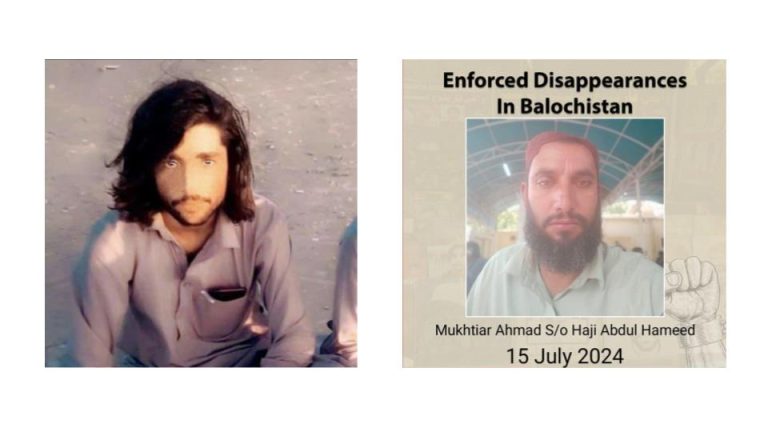
  3. – Mukhtiar Ahmed, son of Abdul Hameed Mengal, detained by law enforcement agencies in the Sarawan area of Kharan district on July 15, 2024.
  4. – Hafeezullah, also a son of Fazal Muhammad Chanal, reportedly disappeared from the same location as his brother Ziaullah on July 15, 2024.
  5. – Manzoor Ahmed, son of Atis Yalanzal, taken by Pak security forces from Kubdani street in Kharan city on July 18, 2024.

These incidents are part of persistent pattern of enforced disappearances in the region. Such tactics have been employed by the Pak Army since 1948 when it took control of the area.

While the region’s natural resources have been exploited, the local population faces ongoing human rights abuses, including enforced disappearances, marginalization, and extrajudicial killings.

The recent cases have renewed calls for transparency and accountability from both local and international human rights organizations. Demands for the immediate release of these individuals and an end to the practice of enforced disappearances are echoing in the form of protests and sit-ins.

BNM Chairman launches diplomatic push in London for Baloch genocide awareness

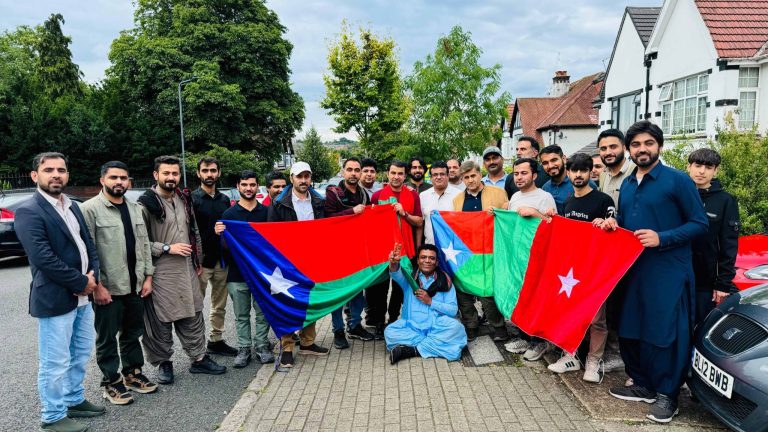
Dr. Naseem Baloch, Chairman of the Baloch National Movement (BNM), has arrived in the United Kingdom for a significant diplomatic tour aimed at raising international awareness about the Baloch national movement and human rights violations in Pak-occupied-Balochistan.

The visit, which began this week, includes a packed schedule of meetings with British parliamentarians, BNM officials, and representatives of other minority groups. Dr. Baloch plans to use these engagements to shed light on the political and economic challenges faced by the Baloch people.

“Our goal is to bring the struggles of the Baloch nation to the forefront of international discourse,” Dr. Baloch said in a press release. “We aim to foster understanding and support for our cause among British lawmakers and the wider public.”

Key items on the chairman’s agenda include discussions on human rights violations in POB and the ongoing campaign for greater political and economic rights. Dr. Baloch is expected to provide detailed briefings on these issues during his meetings with UK Parliament members.

The tour also encompasses internal party matters. Dr. Baloch will chair a council meeting of the BNM’s UK chapter and visit local units, moves aimed at strengthening the organization’s structure and cohesion.

In addition to political engagements, the BNM leader will meet with members of the Baloch diaspora community in the UK. These meetings are intended to maintain connections with expatriates and update them on the movement’s progress.

Notably, Dr. Baloch’s itinerary includes meetings with representatives of other groups that the BNM considers to be engaged in similar struggles for rights and recognition. These talks are seen as an effort to build solidarity among various movements.

The tour has generated interest for the Baloch cause, such as abductions and indiscriminate killings, the tactics employed by the Army in the region since 1948, when it forcefully captured it. The area’s resources have been exploited, while the local population faces human rights abuses. Enforced disappearances, marginalization, and extrajudicial killings are used as means of control over the Baloch community.

Six dead as protests erupt in Bangladesh over job reservation system

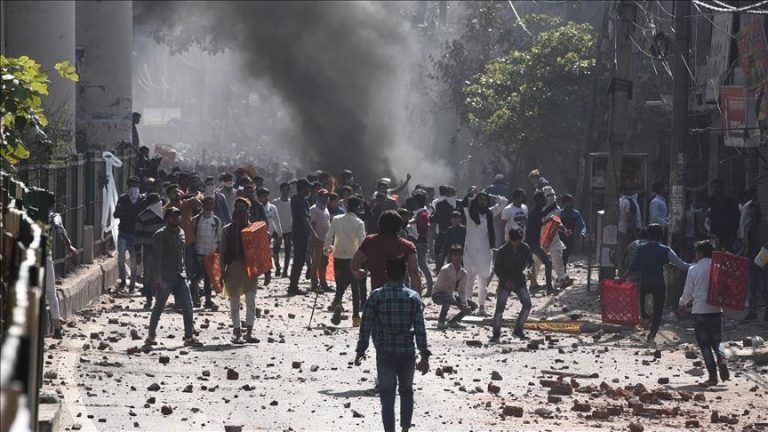
Violent protests have erupted across Bangladesh, leaving at least six people dead and scores injured, as students clash with government supporters and police over a controversial job quota system. The unrest, which began on Monday, marks the first significant challenge to Prime Minister Sheikh Hasina’s government since her re-election in January.

Tens of thousands of students have taken to the streets nationwide, demanding reform of the public sector job quota system. The current system reserves 30% of government positions for descendants of freedom fighters from the 1971 War of Independence, a policy that has sparked anger among youth facing high unemployment rates.

In response to the escalating violence, authorities have ordered the indefinite closure of all public and private universities starting Wednesday. The University Grants Commission cited security concerns in its directive, which also instructs students to vacate campus premises immediately.

Police reported fatalities in multiple locations, including Rangpur, Dhaka, and Chittagong. “We had to use rubber bullets and teargas to disperse the unruly students who were hurling stones at us,” said Mohammad Moniruzzaman, Rangpur Metropolitan Police Commissioner. In the capital, television footage showed a heavy police presence outside Dhaka University, with officers in riot gear armed with wooden sticks.

Protests in Bangladesh

The Border Guard Bangladesh paramilitary force has been deployed nationwide to bolster security as clashes continue in several areas. Amnesty International has called on the government to “immediately guarantee the safety of all peaceful protesters and proper treatment of all those injured.”

The protests have taken a political turn, with police raiding the headquarters of the opposition Bangladesh Nationalist Party (BNP) in Dhaka, arresting seven activists. Authorities claim to have recovered crude bombs and petrol during the raid, an allegation the BNP denies as an attempt to discredit the anti-quota movement.

These demonstrations highlight the growing frustration among Bangladesh’s youth, with nearly 32 million young people out of work or education in a population of 170 million. Experts point to stagnant private sector job growth as a key factor driving the demand for government positions, which offer better job security and benefits.

As tensions continue to rise, protest coordinator Nahid Islam announced plans for students to hold processions on Wednesday carrying coffins in solidarity with those who lost their lives. The government’s response to these protests and its handling of the quota system debate will likely have significant implications for Bangladesh’s political landscape in the coming weeks.

Operation Azm-e-Istehkam: A facade by Pakistan to mask terrorism

Two years ago, widespread protests broke out in Pakistan occupied Khyber Pakhtunkhwa [KP] against the growing presence of Tehreek-e-Taliban Pakistan [TTP] terrorists in Swat Valley. However, rather than addressing this grave security related concern being expressed by the public with the seriousness that it deserved, the Pakistan Army inexplicably chose to downplay this serious development by stating “a misperception about the alleged presence of large number of proscribed organisation TTP’s armed members in Swat Valley has been created on social media,” calling it “grossly exaggerated and misleading.”

This issue even came up in Pakistan’s National Assembly and since the burgeoning presence of armed TTP terrorists in Swat Valley was so conspicuous, ISPR had no choice but to accept that “Presence of a small number of armed men on few mountain tops between Swat and Dir has been observed.” But it tried to soft-pedal this disturbing occurrence by adding that the armed TTP terrorists were “located far away from population.” To further allay public fear, ISPR even claimed that “A close watch is being maintained on their limited presence and movement in mountains,” but seeing the way things have since panned out, it’s amply evident that Rawalpindi has failed to deliver on this promise.

The prevailing situation then was that while locals in KP were demanding military action against TTP terrorists, both the establishment and Pakistan Army refused to act. However, fast forward to the present and we find that the situation has reversed. While Pakistani establishment has announced its decision to launch ‘Operation Azm-e-Istehkam’ [Resolve for stability] to “integrate and synergise multiple lines of effort to combat the menaces of extremism and terrorism in a comprehensive and decisive manner,” there’s a public outcry in KP against military operations and the fact that some political parties have also joined-in would definitely shock the unversed.

Widespread sentiments opposing military operations in KP have so riled the Pakistan Army’s top brass that this issue was discussed during the recently concluded Corps Commanders’ Conference chaired by Pakistan Army chief Gen Syed Asif Munir. ISPR stated that the forum “noted with concern the unwarranted criticism by some quarters and deliberate misrepresentation of the vision [of Azm-e-Ishtehkham], only for furthering their vested interests.”

They also took notice of the “onslaught of politically motivated digital terrorism, unleashed by conspirators, duly abetted by their foreign cohorts against state institutions” [Emphasis added], and were “fully aware of all such machinations and stand united and committed in defeating the notorious designs of the enemies of Pakistan.”

Rawalpindi’s embarrassment is understandable. However its attempt to blame “vested interests” and “foreign cohorts” for the palpable anti-army sentiments is a puerile attempt to conceal hard facts. The people of KP aren’t not against military action against this terrorist group. Being the ones bearing the brunt of TTP violence, they desperately want this terrorist group to be uprooted from KP, but not through Pakistan Army’s characteristic anti-terrorist strategy of laying the entire area to waste.

Having been through harrowing experiences of being displaced, their homes destroyed, innocents being killed in staged encounters as well as being subjected to enforced disappearances by the Pakistan Army in previous operations, people of KP are against the Army being given a free hand in KP. So, public resentment to military operations in KP is not because of either “vested interests” or conspirators abetted by “foreign cohorts” but the barbarity with which the Pakistan Army conducts its anti-terrorist operations, and this is not an unsubstantiated allegation.

Basing its finding on voluntary revelations made by Pakistan human rights defenders and defense lawyers, the 2019 Human Rights Watch [HRW] report mentions that “During counter-terrorism operations, Pakistani security forces often are responsible for serious human rights violations including torture, enforced disappearances, detention without charge, and extrajudicial killings.” [Emphasis added]. The report also mentions that “Authorities do not allow independent monitoring of trials in military courts and many defendants are denied the right to a fair trial.” 

While Pakistan Prime Minister Shehbaz Sharif’s clarification that during conduct of Azm-e-Istehkam, no large scale military operation is being contemplated where displacement of population will be required,” is reassuring. However, his reasoning that this is because intensifying intelligence-based kinetic anti-terrorism operations are adequate “to decisively root out the nebulous and shadowy presence of remnants of terrorists is clearly an understatement, because data on terrorist attacks presents an entirely different picture.

According to data collated by reputed Pakistani think tank Centre for Research and Security Studies [CRSS], the first quarter of this year saw a 17 percent surge in fatalities suffered by security force personnel and civilians when compared to those in the last quarter of 2023. Furthermore, with 245 terror related incidents resulting in a whopping 432 fatalities and 370 injuries in the very first quarter of 2024 itself, who would ever believe Islamabad’s claim that there are only “remnants of terrorists” in Pakistan?

Rawalpindi continues to accuse “vested interests and foreign cohorts” for fuelling terrorism inside Pakistan, conveniently overlooking the fact that it is the one responsible both for spawning and nurturing this scourge. And while it talks glibly about playing a stellar role in its war against terror, the unanswered question is why did the Pakistan Army capitulate and enter into more than a dozen ‘peace agreements’ with various terrorist groups in the last two decades?

Isn’t it a fact that despite adequate early warning available by August 2022 through such obvious indications that even civilians correctly interpreted, the Pakistan Army failed to take any proactive actions to prevent TTP from re-establishing its foothold in KP? Lastly, can Rawalpindi explain to the people of Pakistan the compulsion behind the unconditional release of more than 100 TTP terrorists convicted for killing both security force personnel as well as civilians?

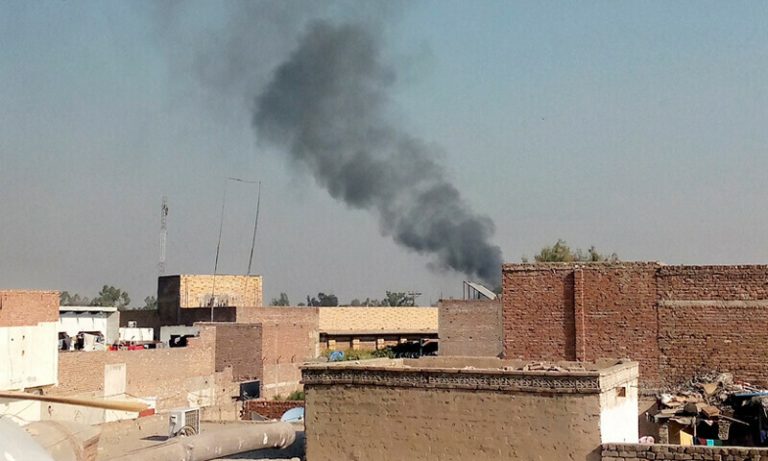
Shehbaz Sharif and Pakistan Army chief Gen Syed Asif Munir may cite a host of reasons to justify avoiding a concerted military campaign against various terrorist groups. However, with the ongoing spate of terrorist strikes including the latest suicide attack in which terrorists managed to force their way into the heavily guarded Bannu Cantonment in KP and kill eight army personnel, it’s clear that  by claiming that there are only “remnants of terrorists” in Pakistan, both Islamabad and Rawalpindi are just fooling their countrymen!     

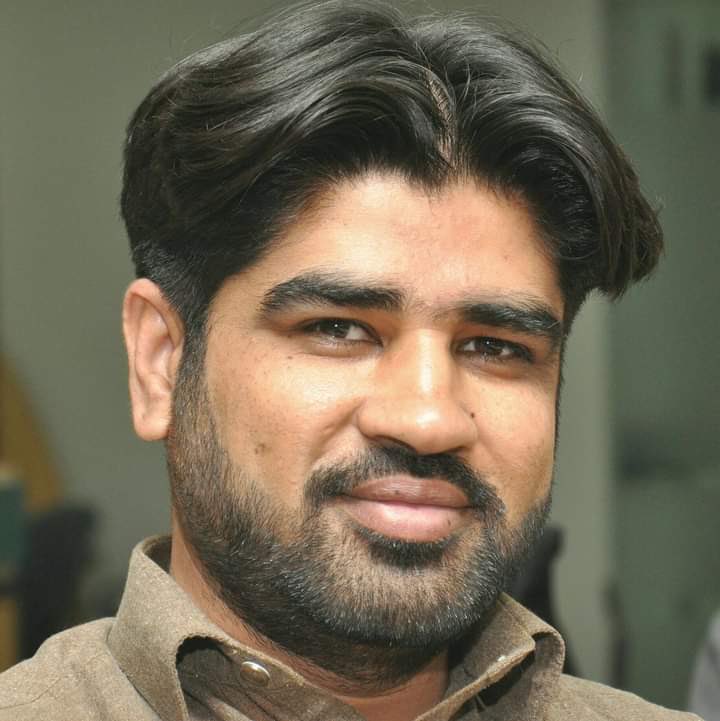
Armed assailants shoot & kill Journalist Hasan Zaib in Khyber-Pakhtunkhwa

In Nowshera city of Khyber Pakhtunkhwa, unidentified assailants shot and killed a local journalist on Sunday.

The victim, identified as Hasan Zaib, was associated with a local newspaper. The incident took place in the bustling market area of Akbarpura village, where bike-borne attackers opened fire on him.

Incidents involving violence against journalists are unfortunately not uncommon in Pakistan. In a similar incident earlier this year in May, journalist Nasrullah Gadani was critically injured in a gun attack and later succumbed to his injuries at a hospital in Karachi.

Gadani, known for his courageous reporting on local feudal lords, political figures, and corrupt officials, was shot by armed men while on his way from home to the Mirpur Mathelo Press Club via Jarwar Road near Deen Shah.

Another prominent journalist Khalil Jibran, former president of the Landi Kotal Press Club, was fatally shot by unidentified gunmen near his residence.

The militarization of the Punjabi Pak Army in Khyber Pakhtunkhwa has plunged the region into chaos. Journalists and protestors face violence and death despite their peaceful stance. Since the Punjabi Pak Army took control of the region in 1947, Khyber Pakhtunkhwa has experienced ongoing violence and bloodshed.

Pak backed terrorist attack in J&K’s Doda martyrs four Army personnel

A deadly encounter in the Desa forests of Jammu and Kashmir’s Doda district has resulted in the loss of four Indian Army personnel, including a Major-rank officer. The incident occurred on Monday night when terrorists ambushed a security forces party conducting searches in the area.

Reports indicate that gunfire was first heard around 7:45 p.m. between Uddan Bagi and Dheri Goth in Doda district. The initial exchange of fire lasted for approximately 30 minutes, with no subsequent shots from the terrorists’ side.

Reportedly, the terrorist group may be larger than initially assessed, possibly numbering six to eight individuals, including foreign operatives. In response, the military has mobilized additional units, including the 26 RR and 10 RR, along with special forces teams. Drones and helicopters have been deployed to aid in the ongoing search operation.

The Nagrota-based White Knight Corps confirmed the engagement with terrorists, reporting a heavy firefight that began around 9 PM. While initially reporting injuries to personnel, they did not provide specific details.

Defence Minister Rajnath Singh has been briefed on the situation by Army Chief General Upendra Dwivedi. The minister’s office stated that Singh was apprised of the ground situation and ongoing counter-terrorist operations in Doda.

Earlier on July 9, five Army personnel were killed and six others injured when terrorists attacked a military convoy in the remote Machedi area of J&K’s Kathua district.

In light of recent terror incidents and reports of terrorist movement in the Jammu division, police and security forces have initiated extensive joint combing and search operations across the region.

Pak Army kills another young Pashtun boy in north Waziristan

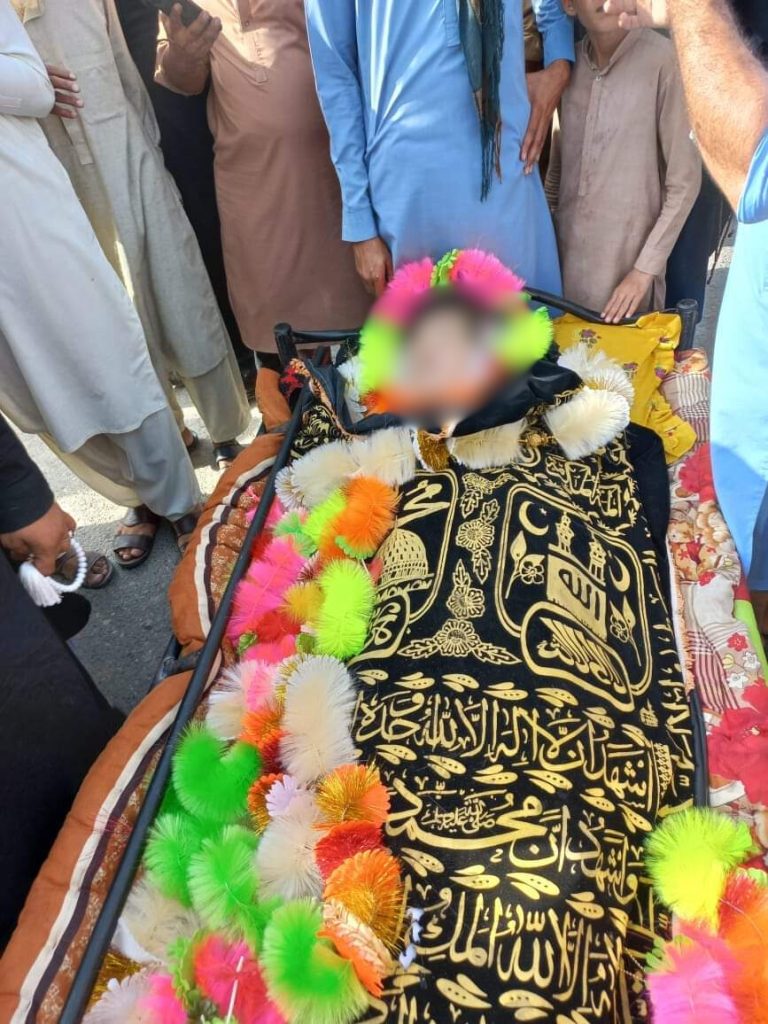
On Tuesday, a young boy named Zia ur Rehman was killed by the Punjabi Pak Army in Khadi village, North Waziristan. The Pakistan Army has been implicated in numerous extrajudicial killings and the targeting of innocent civilians under the guise of operations against the Tehreek-e-Taliban Pakistan (TTP) and Al Qaeda.

The ongoing military operation Azm-e-Istehkam is wreaking havoc, while previous one known as Zarb-e-Azb resulted in the destruction of over 200,000 Pashtun homes and the demolition of 25,000 shops. Additionally, 80,000 Pashtuns have lost their lives. Despite protests from the Pashtun community, the Punjabi Pakistan Army has reportedly allied with the TTP and resettled their families in Khyber Pakhtunkhwa.

The Army’s new operation Azm-e-Istehkam is expected to cause further suffering for the Pashtun community. Pakistan’s economy thrives on war, either by waging conflict within its borders or by engaging in proxy wars externally.

Since Punjabi Pak Army captured Khyber Pakhtunkhwa in 1947, Pashtuns have faced genocide, a situation that is feared to worsen. Alongside the rise of terrorism in Pakistan, there is an ongoing genocide of Baloch, Pashtuns, Sindhis, and Kashmiris. The recent killing of Zia ur Rehman underscores the ongoing violence and persecution faced by these communities.