Home Blog Page 139

Qatar releases eight former Indian navy officers, marking diplomatic triumph for India

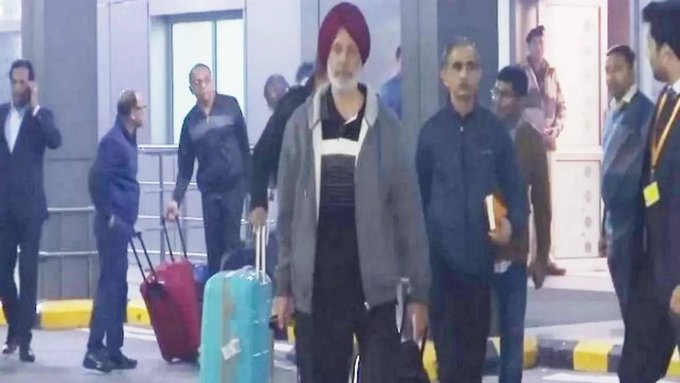
In a significant diplomatic breakthrough, the Government of India has announced the release of eight Indians who were detained and sentenced to death in Qatar on reported espionage charges. The Ministry of External Affairs issued a statement on Monday, expressing gratitude for the release of these individuals, seven of whom have already returned to India.

The detained individuals were former servicemen of the Indian Navy employed by Dahra Global Technologies, a defence services provider based in Qatar. The circumstances surrounding their conviction were shrouded in secrecy, with the specific charges and offenses remaining unclear. Qatar had not publicly addressed the arrest, sentencing, or subsequent release of the eight Indian citizens.

The group of eight Indians had been detained in August 2022, accused of spying for Israel, purportedly in connection with Qatar’s submarine program. The program involved the purchase of high-tech Italian-made submarines with radar-evading capabilities, on the advice of Dahra Global Technologies.

The Indian Ministry of External Affairs has refrained from disclosing details about the charges due to the “confidential and sensitive nature” of the case. Last October, the ministry announced the imposition of the death penalty, leading to shock and a swift response from the Indian government, which was in constant communication with the families of the detained individuals and engaging with Qatari authorities.

While consular access was granted, the ministry revealed in December that the sentences had been reduced, though specific details were not provided. The release of seven individuals marks a diplomatic victory for India and underscores the government’s commitment to a strong foreign policy.

Indians reach home

The cruciality of relations between India and Qatar bear a necessity from both sides to deal these type of issues very delicately. While the trade between two countries is significantly high, Indian diaspora make up about 25% of Qatar’s population.

More than lakhs of Indians comprise of a large proportion of Qatar’s more than 2 million strong foreign workforce – which accounts for 95% of labour in the gas-rich Gulf nation, according to UN data.

Nonetheless, 7 Indians have reached India so far with their first remark hailing the incumbent central government for their determined efforts. With due consideration, their acquittance marks a major diplomatic win for the Indian government, reinforcing its claim of a undeterred and strong foreign policy, just before the upcoming general elections.
Assailants vandalise multiple Hindu temples in Bangladesh

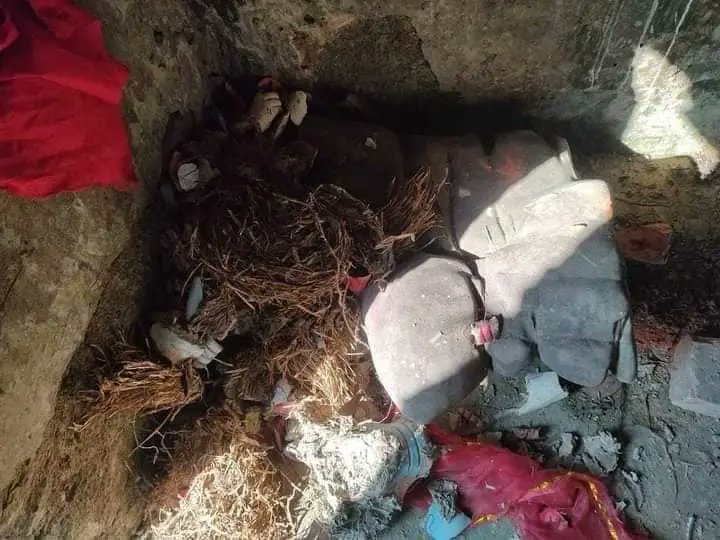
In a distressing turn of events, a series of attacks by unidentified assailants, have targeted historic Hindu temples in Sitakunda, Bangladesh. The assaults occurred during the night of February 9, resulting in the demolition of seven temples, each with significant cultural and religious importance.

The targeted temples include the revered Sitakunda Mahateertha Chandranath Mandir, where Hanuman vigraha was forcibly removed from the temple and discarded into the forest.

The Trinath Murti within the Trinath Mandir was also smashed, while the Annapoorna Mandir suffered complete destruction. Furthermore, a Jagannatha Mandir and several other unidentified temples and vigrahas were targeted and vandalised by the attackers, who left a trail of devastation.

https://twitter.com/VoiceofHindu71/status/1756151041769546239?t=1WKzN0AwekqFh94nQnXPcw&s=19

The attacks have sparked outrage among the community, as many express their condemnation and call for swift action against those responsible. The assaults on these centuries-old temples raise questions about the safety of religious sites and the need for enhanced security measures to protect cultural heritage.

With due consideration, Sitakunda is refered to as “Mahateerth” (A great pilgrimage site) and is one of the most sacred Hindu temples in Bangladesh. The incidents highlights the lack of protection and vulnerability of Hindus in highly radicalised Islamic Society like Bangladesh.

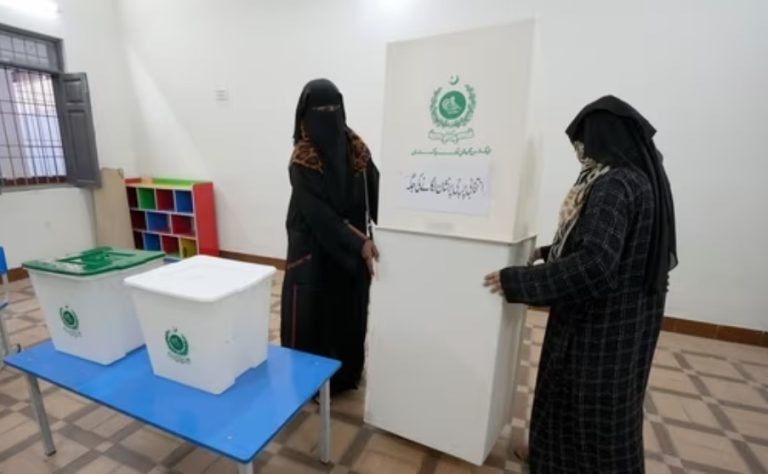
BNM rejects elections in Pak-occupied-Balochistan as forced and illegitimate

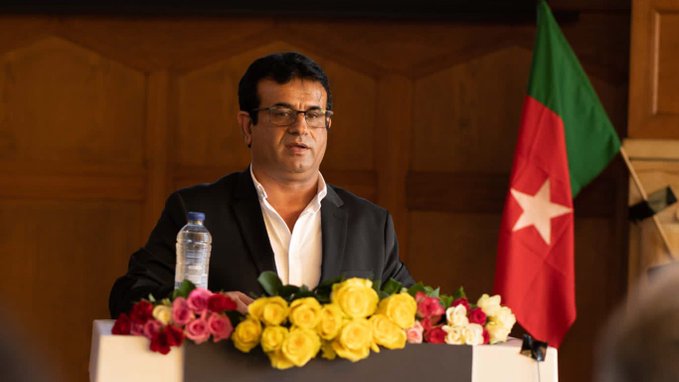
In a bold statement, Dr. Naseem Baloch, the chairman of the Baloch National Movement, has declared that the Baloch people have rejected the recent Pakistan elections, expressing their strong desire for Baloch national freedom. Despite facing the dominance of Pakistan’s Army, political machinery, “establishment’s” apparatus, and puppet parliamentary groups, the Baloch populace has chosen to boycott the elections, sending a clear message to Pakistan and the global community that they refuse to participate in the forced and illegitimate electoral processes.

Dr. Naseem Baloch emphasized that the elections in Pakistan are seen as futile exercises and mockery by the Baloch people. Throughout Pakistan’s history, there has not been a single election that participants trusted. He pointed out that most elections are engineered for the Army’s objectives, and in Balochistan, it is extremely challenging for anyone to get elected without the Army’s approval.

BNM Chairman

Notably, individuals chosen under the pretext of elections in Pak-occupied-Balochistan are believed to serve Pak Army’s purposes, including completing their objectives, suppressing national resources, concealing their crimes, and providing a political face to the Pak “establishment”.

Furthermore, the chairman highlighted the Baloch people’s decision not to participate in the Pak Army’s elections, citing their extensive experience with the system. The Baloch freedom parties boycotted the nameless elections in 2013, making a clear choice in favor of freedom. This decision posed an equal challenge for parliamentary parties assisting in maintaining Pakistan’s grip over Pak-occupied-Balochistan.

Dr. Naseem Baloch underlined that Balochistan has effectively been transformed into an Army’s camp and a vast prison by the Pakistan Army. Despite this, the Baloch people have demonstrated remarkable courage. Baloch men and women have been observed bravely protesting at polling stations, halting the fraudulent electoral process, and demanding justice for those held in Pak Army’s torture cells.

Mockery Elections

Rejecting Pakistan’s elections is considered by Dr. Naseem Baloch as another referendum by the Baloch people against Army’s forceful occupation. He stated that the Baloch people are facing a bloodthirsty enemy, and have demonstrated unwavering courage and determination.

Dr. Naseem Baloch urged parliamentary parties to acknowledge the reality of the Baloch people’s rejection of the Pak Army’s electoral process. He urged them to cease being obstacles in the path of Baloch national freedom and to realize that participating in the history of Army’s crimes would forever leave them embarrassed in the courts of Baloch justice.

Pak Army attacks Mohsin Dawar, leader of National Democratic Movement in north Waziristan

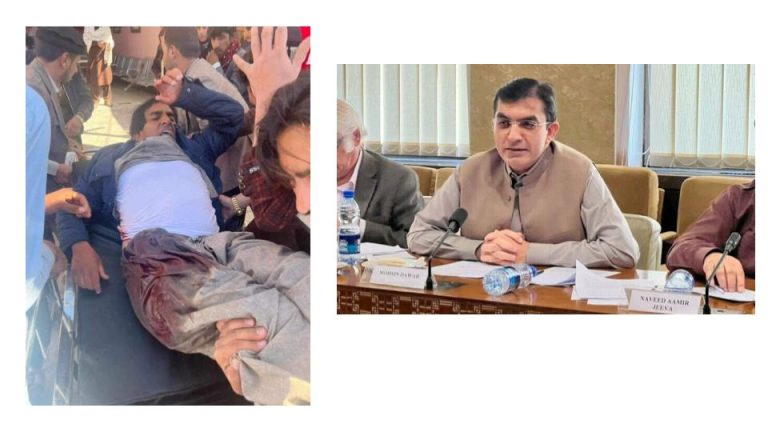
In a troubling turn of events, Mohsin Dawar, former Member of the National Assembly (MNA) and leader of the National Democratic Movement (NDM), sustained injuries as Pak Army personnel opened fire during protests against election rigging in North Waziristan’s Miran Shah. The incident unfolded as tensions escalated during the demonstration led by Dawar and his supporters.

Dawar contested from NA-40 (North Waziristan), vocally criticised Pak ‘establishment’ for degrading electoral integrity. The protest, aimed at highlighting the rigging in the recent elections which took a violent turn when Army forces clashed with the demonstrators. Reports indicate that Dawar was shot and injured during the confrontation.

Meanwhile, intense gunfire echoed in the nearby areas, adding to the atmosphere of unrest. In the election, Mishbad Uddin of Maulana Fazlur Rehman’s Jamiat Ulema-e-Islam Fazl (JUIF) emerged victorious. Charges of rigging have fueled political tensions, prompting a closer examination of the electoral process in the region.

North Korean workers in China protest over exploitation & unpaid wages

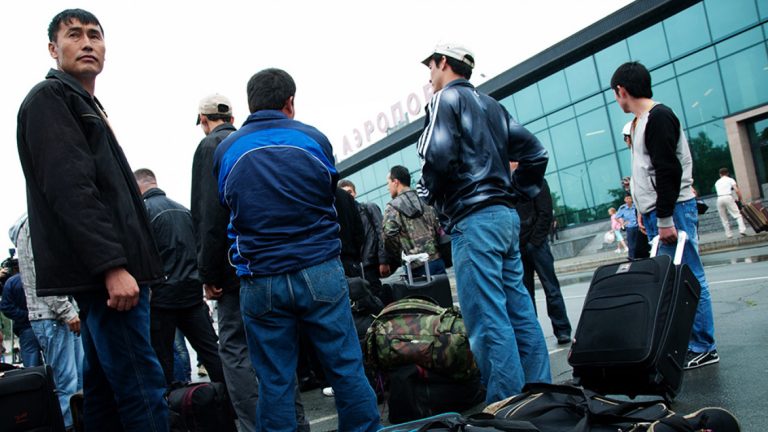
In an unprecedented turn of events, as many as 3,000 North Korean workers in China staged protests last month, highlighting the poor living and working conditions they face. The South Korean intelligence agency reported that these conditions have led to “incidents and accidents,” marking a rare occurrence of large-scale protests by North Koreans.

The protests were fueled by a combination of factors, including unpaid wages and the lingering effects of pandemic lockdowns. According to two South Korean government-affiliated researchers, including a former North Korean diplomat, the discontented workers are employed by a North Korean military-linked trading company. The researchers revealed that the protests occurred in various locations, with some workers at more than 10 textile factories in Jilin province staging violent demonstrations over unpaid wages totaling about $10 million over four to seven years.

Caught in a Tug-of-War

The issue sheds light on the challenges faced by North Korean laborers working abroad, with Pyongyang exerting tight control over them. The 2023 U.S. State Department Trafficking in Persons Report highlighted that North Korean workers often face conditions amounting to forced labor, with up to 90% of their wages seized by the government for funding nuclear and ballistic missile programs. The report also noted that wages are withheld until the workers return to North Korea, making them vulnerable to coercion and exploitation.

The recent protests indicate a disagreement over the fate of these workers. While China aims to repatriate them to comply with UN resolutions and prevent defections, North Korea is determined to maintain the number of laborers in China, using their earnings to fund the government.

Harsh Conditions and Exploitation

Cho Han-bum, a senior researcher at the Korea Institute for National Unification, revealed that North Korean government officials intervened by paying several months’ worth of salaries to the disgruntled workers to end the dispute. Ko Young-hwan, a North Korean diplomat-turned-defector advising the South Korean unification minister, disclosed that North Korean consulate officials were sent to Jilin province to manage the situation after workers held some managers hostage.

The 2017 UN Security Council resolution, backed by China, called for the repatriation of all North Korean workers by December 2019, citing their exploitation for funding North Korea’s prohibited nuclear and ballistic missile programs. However, the estimated 20,000-100,000 North Koreans working in China, primarily in restaurants and factories, remain a challenge for enforcement.

The protests by North Korean workers in China represent a significant event, highlighting the human cost of geopolitical tensions and the exploitation of vulnerable populations.

NIA raids multiple locations across Jammu & Kashmir in search of terror funding network

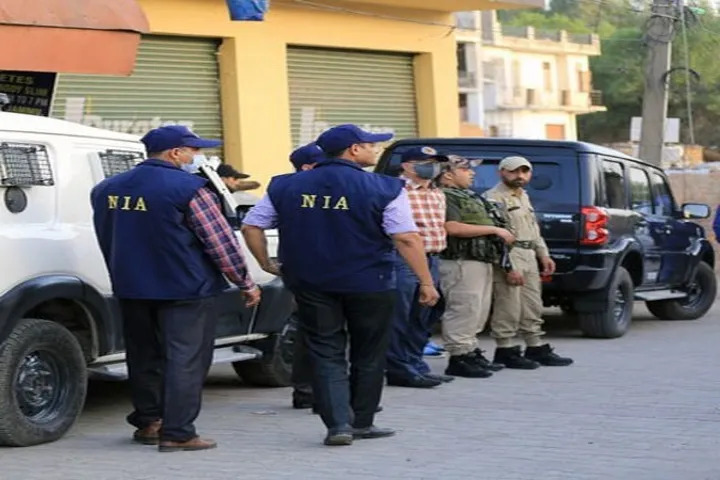
In a significant development, the National Investigation Agency (NIA) has initiated extensive searches in parts of Jammu and Kashmir on Saturday, focusing on the Southern region, including Kulgam district and Srinagar. The operations are part of an investigation into alleged terror funding by Jamaat-e-Islami Jammu and Kashmir, an organization designated as unlawful under the Unlawful Activities (Prevention) Act.

According to reports, the raids are targeting individuals affiliated with the banned militant organisation Jamaat-e-Islami (JEI). The NIA is reportedly conducting these operations in close collaboration with the Jammu and Kashmir Police and the Central Armed Police Forces (CAPFs).

Simultaneously, NIA teams have also carried out searches in the Gujjar area of Jammu and in Budgam. The agency’s actions are indicative of a comprehensive effort to uncover and address potential links to terror financing networks. Considerably, the Jamaat-e-Islami (JEI), already declared an unlawful association, is now under heightened scrutiny as law enforcement agencies intensify efforts to dismantle any financial support mechanisms associated with terrorism. Hence, the raids underscore the government’s commitment to curbing terror-related activities and maintaining national security.

As the investigations unfold, further details about any seized materials, findings, and any arrests made during the operations are expected to be disclosed by the authorities. The NIA’s actions reflect a proactive stance in tackling the challenges posed by terror financing in the region.

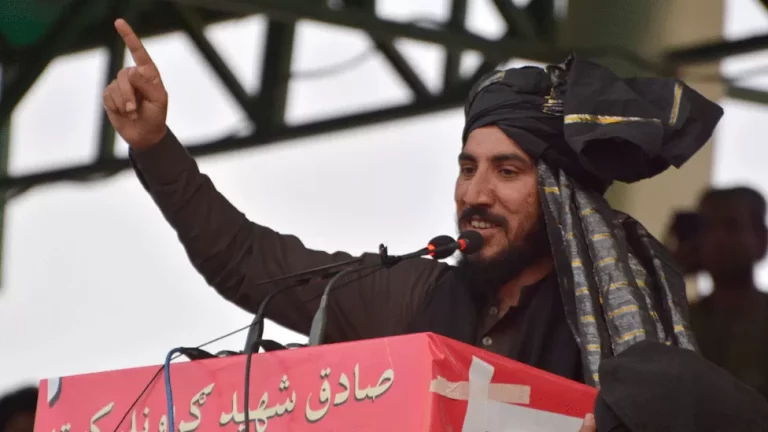
“One day our hands will reach your neck”, Manzoor Pashteen to Pak Army generals

In a significant development, Pashtun Tahafuz Movement (PTM) Chief, Manzoor Pashteen, who was released from forced imprisonment after spending two months behind bars lambasted Pak Army and expressed his gratitude towards those who raised their voices and made efforts for his release, despite facing “the most inhumane treatment” during his incarceration.

Pashteen took to X, formerly Twitter, and minced no words as he attributed his imprisonment as the “colonialism of the military generals” in Pakistan. He asserted that the generals have been pursuing colonialist policies and engaging in anti-people activities, which he believes to be the root cause of the prevailing hooliganism, terrorism, and chaos.

Despite facing adversity, Pashteen made it clear that the resistance against oppression will persist as long as there is breath. He emphasized that the struggle against the authoritarianism of Pakistan Army and its generals will not waver, asserting, “We will not be helpless and oppressed forever; one day our hands will reach your neck.”

Manzoor Pashteen’s fight against Dollar war of Pak Army

PTM Chief Manzoor Pashteen’s release comes after Pakistan Army implicated him in various cases across the country as a tactic to weaken the PTM’s fight against oppression faced by Pashtuns. The PTM has long been advocating for the rights of the Pashtun community and raising concerns about human rights violations in the tribal areas.

Khyber Pakhtunkhwa, a Pashtun dominated region has for long been grappling with the dual challenges of terrorism and Pak Army oppression. Pakistan Army, on one hand, harboured terrorist in the cliffs of rocky Khyber Pakhtunkhwa and projected itself as the victim of terrorism on the other. To establish its claim, enormous number of Pashtuns were slaughtered by terrorists on the call of Pak Army. The only motive behind this was to appropriate Dollars from the US and other anti-terror platforms. Therefore Pashtuns, who are well aware of this Dollar war, are against Pak Army’s policy. And so for obvious reasons Pakistan Army is trying to suppress the Pashtun Tahafuz Movement.

Pak Army forcibly disappears Baloch gold medalist player, Pak-occupied Balochistan

In a distressing turn of incidents, Haroon Baloch, a national gold medallist player from the Bolan Taekwondo Institute Nushki, district of Pak-occupied Balochistan was forcibly detained by the Pak Army and moved to an undisclosed location. Given the history of Pak Army’s inhumane actions, rightfully so, his family are concerned about his life.

These cases of enforced disappearance is reported every day in Pak-occupied Balochistan. In less than two days span the Pak Army has forcibly disappeared four individuals from the Awaran and Mastung districts of Pak-occupied Balochistan, among them is a father and his son who are identified as Majeed and his son Ajeem. Another victim Mohammad Alizai was forcibly disappeared by the Pak Army after they forcefully detained him on February 2nd, 2024.

More than ten cases of enforced disappearances have been reported in this week from various locations in the area in Pak-occupied Balochistan. There are sit-in protests being staged by the families and relatives of the victims to secure their safe return.

The people of Pak-occupied Balochistan have been fighting against the atrocities and Baloch genocide committed by the Pak Army since the Pak Army forcibly occupied their region on March 27, 1948. The daily home invasions, disappearances, staged encounters, target killings, torture, embarrassment at checkpoints, and kidnappings for ransom are just a few examples of these atrocities.

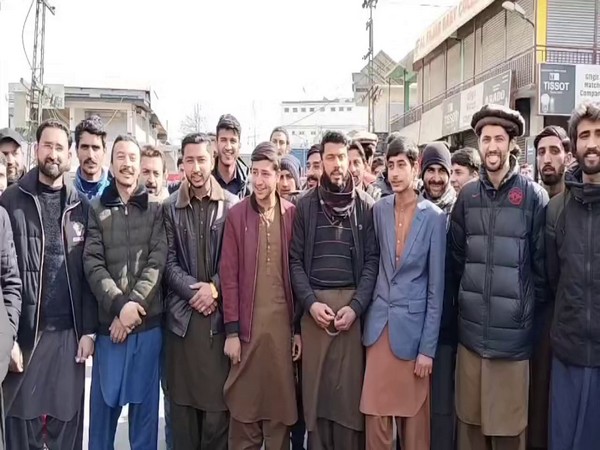
Local traders protest in Pak-occupied Gilgit-Baltistan, demand action on law & order issues

In a display of frustration and discontent, local traders in Gilgit, Pakistan-occupied Gilgit Baltistan (POGB), took to the streets on Thursday to protest against the rising incidents of burglary and lawlessness plaguing the area. The demonstration coincided with the general elections taking place in Pakistan, underscoring the urgency and gravity of their concerns.

Voicing their grievances, the traders lamented the apparent security lapses and the perceived negligence on the part of security agencies, holding them responsible for rampant unlawful activities. A prominent local businessman, who fell victim to a recent burglary, expressed the collective sentiment, demanding justice from the authorities.

People are agitated over the lack of vigilance by the occupying administration, law and order machinery. They stated that they pay the taxes and it is the duty of the occupying Pakistani government to look after the people and their properties. Even more concerning is the response of the police which lacks muscle to act swiftly.

Talking to media a businessman said, “We are asked to pay protection money to officials. If they cannot provide us with adequate security, then they must compensate us for our losses. We demand assurance that we will be protected or compensated, but nothing like this has happened till now. Hence, we are forced to put our demands forward by protesting.”

Traders and businessman stated that they have to pay the security money on time, failing which their shops are sealed but when it comes to compensation, there is no answerability of the occupying government and administration.

Pakistan Elections: Imran Khan’s allies securing significant victory in Khyber-Pakhtunkhwa

Pakistan elections: The counting is on, the trends are coming and the clarity in the political landscape of Pakistan is going to emerge gradually. After various cases of violence, booth capturing and amidst all discussions and apprehensions, the development is astonishing for many as the trends suggest something that most people see as defying the establishment dictates.

For the National Assembly, Imran Khan’s PTI backed independent candidates are advancing against the ‘chosen’ Nawaz Sharif’s PML-N. In Khyber Pakhtunkhwa PTI backed independent candidates have secure 10 seats so far. As of now PTI backed independent candidates won at 26 seat viz, NA-2 (Swat 1), NA-3 (Swat 2), NA-4 (Swat 3), NA-5 (Upper Dir), NA-6 (Lower Dir 1), NA-7 (Lower Dir 2), NA-9 (Malakhand), NA-10 (Buner, NA-13 (Battagram), NA-15 (Mansehra-cum-Torghar), NA-16 (Abbottabad 1), NA-17 (Abbottabad 2), NA-18 (Haripur), NA-19 (Swabi 1), NA-20 (Swabi 2), NA-21 (Mardan 1), NA-22 (Mardan 2), NA-23 (Mardan 23), NA24 (Chharsadda 1), NA-25 (Chharsadda 2), NA-26 (Mohmand), NA-27 (Khyber), NA-29 (Peshawar 2), NA-30 (Peshawar 3), NA-31 (Peshawar 4), NA-32 (Peshawar 5).

On the other hand, Nawaz Sharif’s PML-N has only managed to win one seat NA11 (Shangla) in Khyber-Pakhtunkhwa. Moreover, the tally of PTI backed candidates is poised to go up as they lead on many seats including NA-1, NA-17 among others. Interestingly, Bilawal Bhutto’s PPP has failed to appropriate a single seat in the National Assembly polls.