Home Blog Page 179

Abduction of Hindu girls on the rise in Pakistan

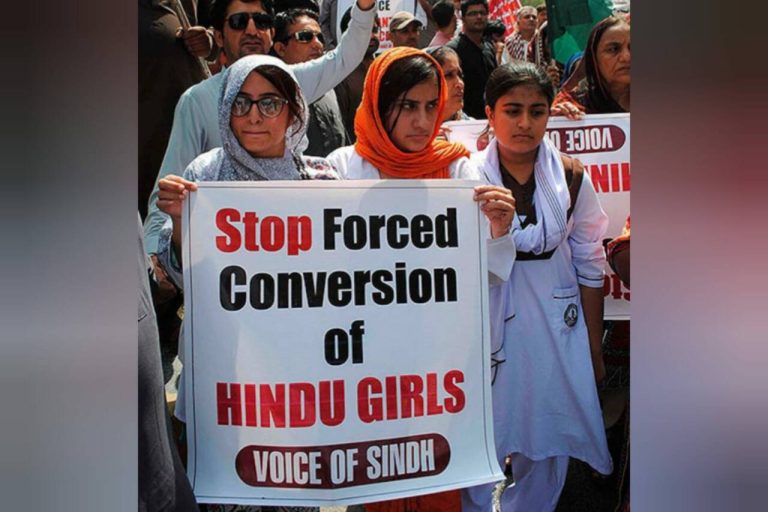
In recent weeks, a series of troubling incidents involving the abduction, conversion, and marriage of minority girls have come to light in different regions of Pakistan, raising concerns and sparking conversations over the long persisting religious persecution.

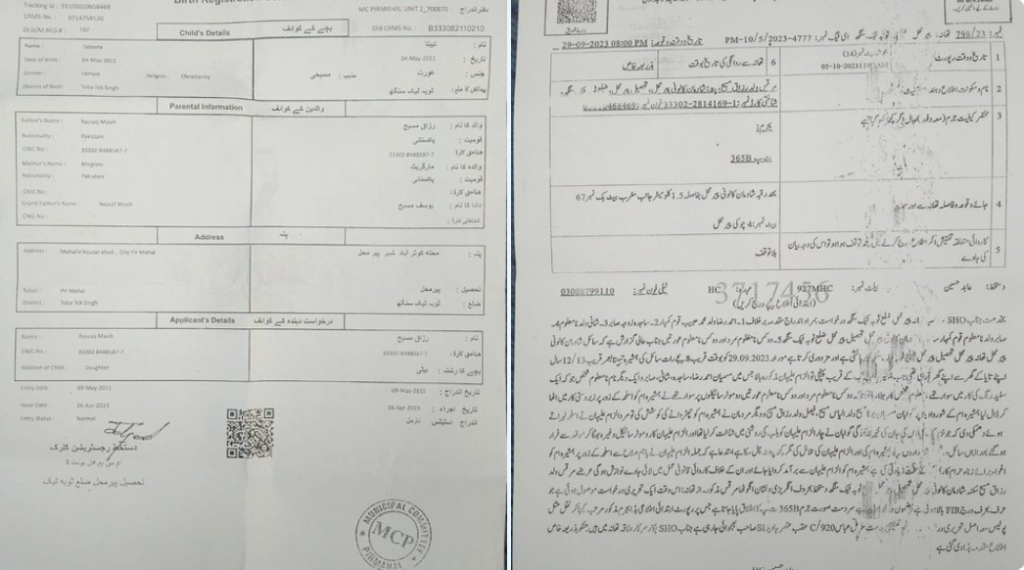
In Toba Tek Singh, Punjab, a 13-year-old Christian girl, Tabeeta, daughter of Razzak Masih, was reportedly abducted at gunpoint while returning from her uncle’s home. The suspects in this case were identified as Ahmed Raza, Sajida, Shani, and Sabir. Now it is highly anticipated that she would be converted and married off to one of her abductor, as this has been a modus operandi against the innocent minority girls.

Copy Of FIR For Tabeeta’s Abduction (Photo: News Intervention)

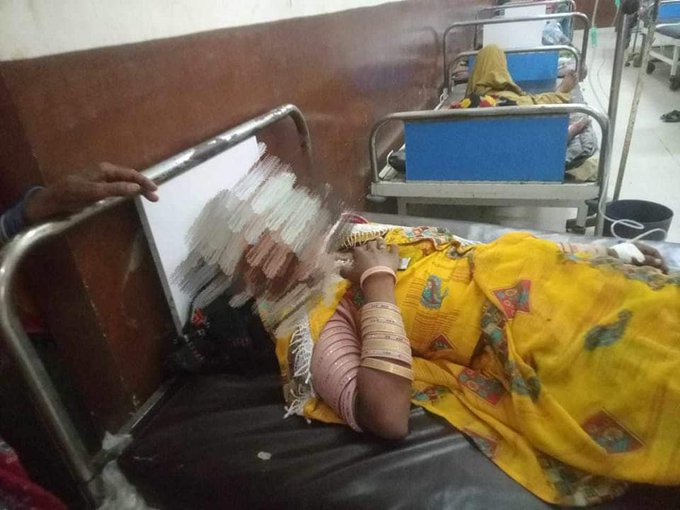
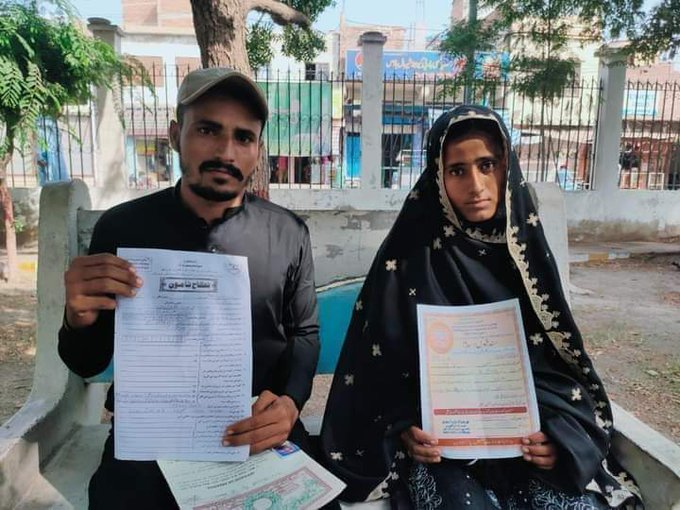
Similarly, in Mirpurkhas, Sindh, a Hindu girl named Omi Bheel was abducted by an Islamist named Hassan Shar. He coerced her to convert to Islam, and finally married her. In another incident in Digri, Mirpurkhas, a minor Hindu girl named Chandani, daughter of Keval Kolhi, was reportedly abducted by Mukhitiyar Khaskheli. She was forcibly converted to Islam and married to her abductor.

The rapid pace at which these incidents are rising in Pakistan highlights the fact that minority girls have become the most vulnerable targets for these radical Islamists. Minority girls and especially the minor ones have been left deprived of any right and voice. They are abducted, married and converted at an age, at which girls don’t even talk about these issues in other parts of the world. Its high time that the degrading condition of minorities in Pakistan is addressed and the rights of these poor girls are being restored and secured.

BLF attacks Pakistan Army Post in Har-e-Kaur Zamuri

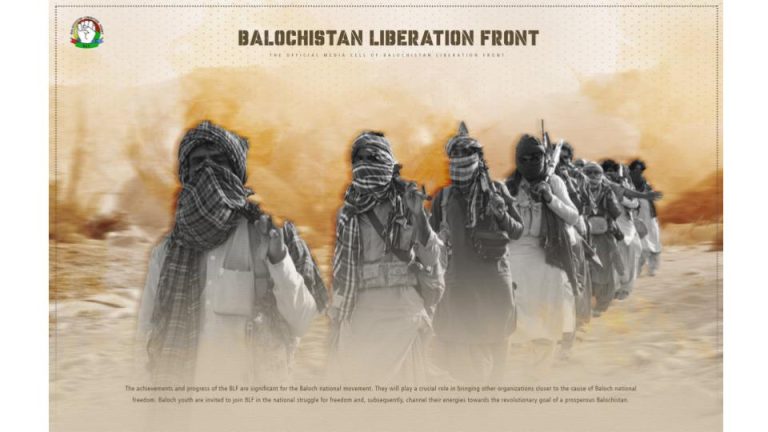
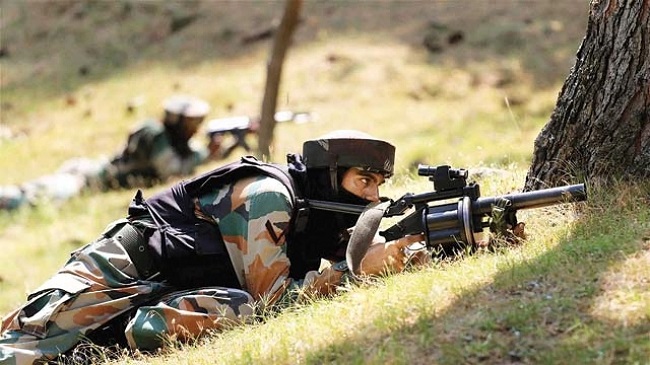
In yet another display of valour, the Balochistan Liberation Front (BLF) has launched an attack on a Pakistan Army post located in Har-e-Kaur Zamuri, in the Zamuran area of Kech. The attack, which resulted in both human and financial losses for the enemy, took place on Monday (16th Oct) around noon.

The Pakistan Army post was established to protect what they call a border fence. However, the brave Baloch Sarmachars (freedom fighters) executed a well-coordinated attack on the post from multiple directions, making effective use of heavy weapons. The intensity of this assault left the Pak Army personnel unable to make any resistance, forcing them to seek refuge behind the walls of the outpost.

This incident demonstrates that the Pakistan Army’s show of strength in Pak-occupied-Balochistan is nothing more than a facade. When faced with genuine force and opposition, they prove to be futile on the battlefield.

The primary objective of the BLF’s struggle is to put an end to the occupation of Balochistan by the Pakistan Army, a crucial step for the preservation of Baloch national identity.

For decades, BLF has carried on an armed struggle against the Pakistan Army and ‘establishment’, as they have illegally occupied Balochistan. Since 27 March 1948, Pakistan Army has been oppressing Baloch through daily home raids, disappearances, staged encounters, target killings, torture, humiliation at checkpoints, and kidnappings for ransom. The Pakistan Army is targeting and monitoring Baloch people, and anyone who has a potential to raise questions is either killed or abducted

Therefore, the Baloch Sarmachars are resolute in their mission to confront and remove the Pak Army and its sinister elements from the land of Balochistan, achieving victories on every front.

Sindh: Forceful conversion of a Hindu girl to Islam in a dargah

One more Hindu girl gets converted to Islam in the infamous Bharchundi Sharif dargh in Daharki, Sindh.

Few days ago, a Hindu girl named Shamsta Kumari was taken to Bharchundi Dargah in Daharki, where she was converted to Islam by the Peer of Dargah, Mian Javed Ahmad Qadri. Soon it will be termed as an exercise of free will by the girl, however, how this dargah and its Peer have continued their conversion racket which is no hidden reality.

Bharchundi sharif, as established by the Pakistani media reports, has converted more than 150 helpless Hindu girls in between 2014-17. The number outside this time frame is anticipated to be even more, making it one of the biggest site of religious conversion in Pakistan and probably the biggest in Sindh.

This racket is run on the bigoted pretext of considering Hindus as ‘kafirs’ and converting them is a holy job. And that is why these dargahs, their Peers enjoy legal impunity and get a wide-ranging support from radicalized followers to big politicians and officials. The case of Shamsta Kumari is not an isolated one rather is a part of big fanatic endeavor to carry on a ethnic purge using an ideological and religious method.

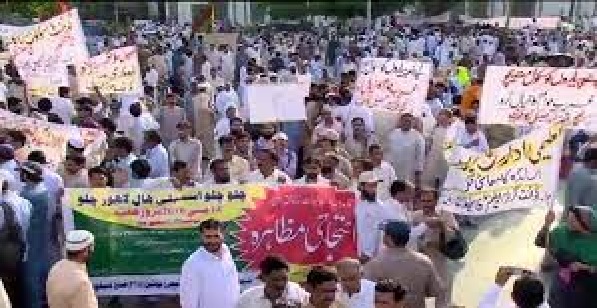
Teachers protest against ‘outsourcing of educational institutions in Punjab, Pakistan

Across Pakistan’s Punjab province, a wave of teacher-led protests has taken hold, in opposition to significant changes in government school norms and pension rules. Teachers protest, now in its eighth day, has garnered widespread attention as educators persist in their efforts to protect the educational system. Teachers are resolute in their commitment to an ongoing educational boycott until their demands are met, and their arrested colleagues are released.

Amidst these calls for change, the government has issued stark warnings of disciplinary action, while also taking a heavy-handed approach by arresting hundreds of protesters. Yet, these educators remain resolute, resolute in their determination to safeguard the educational future of Pakistan’s youth.

The consequences of this ongoing strike are felt far and wide, with attendance in government schools plummeting by more than 20 percent. The teachers’ demands are simple—abandon plans to outsource educational institutions and reverse the decision to hand control of 1,000 schools to external organizations. Moreover, they insist on the immediate withdrawal of changes to rules governing leave encashment, gratuity, and pensions.

These educators are not limited by provincial boundaries; their message reverberates in major cities across the region, even reaching as far as Manipur. Their commitment knows no bounds, as they advocate for the preservation of a public education system that has been the bedrock of Pakistan’s progress. The pity condition of education system in Pakistan is not hidden. In past also, there have been protests in various regions against various issues related to education. Unfortunately, Pakistan’s response to these important issues has always been repressive.

Privatisation of 1000 schools

At the heart of this controversy lies the government’s decision to entrust 1,000 government schools to the non-governmental organization ‘Muslim Hands Pakistan.’ This choice hints at a broader shift towards privatization—a move met with skepticism and concern from teachers’ unions. They argue that such a step will affect the quality of education and could deprive underprivileged students of affordable schooling. The government schools, they point out, offer free admission, whereas these privatized institutions are likely to charge fees.

In addition, the shortage of teachers in government schools is a pressing issue. Teachers argue that this problem necessitates new hiring rather than the hasty transfer of educators to different institutions, along with tempting offers of early retirement. Past experiences of privatization have been marred by inefficiencies, and private institutions struggled to manage these schools effectively.

The teachers and their supporters offer an alternative approach, suggesting that the government should consider transferring schools with inadequate infrastructure to non-governmental organizations. By doing so, these organizations can work to enhance the quality of these facilities.

As teachers from all backgrounds stand shoulder to shoulder, a question lingers—what is the government’s true intention? Some suspect it aims to undermine the government-run education system by selling off its most successful schools. As these Teachers protest continue to gather momentum, the battle for the future of education in Pakistan rages on, with teachers on the front lines, their message clear: education is a right, not a privilege.

Human Rights Commission of Pakistan (HRCP) confirms extra-judicial killing of Sakrand victims

A recent report by the Human Rights Commission of Pakistan (HRCP) has underscored the need for accountability and justice in the wake of the Sakrand incident. The report, based on a thorough investigation, reveals several incongruities in the statements of various authorities involved in the operation, raising questions about the tragic event. The operation, as elucidated by report, was hastily executed and lacked a comprehensive strategy, resulting in chaos and the deaths of four villagers. Surprisingly, there was no prior history of such an incident in the village, and the civilians caught in the crossfire had no criminal records. Consequently, HRCP emphasized the importance of addressing the impact on the affected families and the local community, underscoring their rightful demand for justice.

Sakrand Incident: A Tragic Turn of Events

On September 28, a security operation was conducted in the village of Maari Jalbani in Sakrand, Sindh, led by the so-called “Counter-Terrorism Department” (CTD) and the Pakistan Army. The operation’s intended target was nationalist activist Rajab Jalbani. However, what transpired was a devastating turn of events. Indiscriminate firing by the rangers led to the loss of nearly four innocent lives and injuries to others. The incident, marked by its swift and chaotic execution, left an indelible impact on the local community. The affected families, who had no history of criminal involvement, were compelled to express their grievances by blocking the National Highway Bypass Sakrand, demanding justice for their fallen loved ones.

Panel set up by J&K Home Department to identify illegal foreigners living in the region

In a significant move, the Jammu and Kashmir home department has set up a six-member high-level panel tasked with identifying illegal foreigners staying in the Union Territory since January 1, 2011. The formation of this committee comes as part of the government’s efforts to address issues related to the presence of foreigners who have overstayed their visas, sometimes under the pretext of various activities.

A monthly report to Union Home Ministry

The official order outlining the committee’s responsibilities specifies that it is responsible for preparing a monthly report listing missing foreigners in Jammu and Kashmir. These reports will be submitted to the Union home ministry by the seventh day of each month. The aim is to ensure strict compliance with visa regulations and identify individuals who may be in violation of their visa status.

Over the years, there have been cases of illegal foreigners exploiting their visas, often claiming to be involved with NGOs or sports activities in Kashmir. Such individuals have been known to overstay their visas, only to face expulsion by the authorities once their true status is discovered.

This move may have implications for more than 350 women who came to the Valley from Pakistan-occupied Jammu Kashmir (PoJK) and Pakistan. They had married Kashmiri militants during their stay in Pakistan for arms training in the 1990s and early 2000s. These women, along with their Kashmiri husbands and children, returned to the region after 2010 under a special package initiated by the Omar Abdullah-led National Conference-Congress coalition government. The package was designed for individuals who had given up insurgent activities due to a change of heart and expressed a willingness to return to the state.

While the government previously acknowledged the return of 377 former militants and their families from Pakistan, the current administration has not officially recognized the settlement of these Pakistani women in Jammu and Kashmir, who have married Kashmiri former militants.

Committee under Financial Commissioner-cum-Additional Chief Secretary

The high-level committee will be chaired by the Financial Commissioner-cum-Additional Chief Secretary of the Home Department. Its members include the Foreigners Regional Registration Officer (FRRO) of Punjab, senior superintendents of police (SSPs), and representatives from the Jammu and Kashmir Police’s Criminal Investigation Department (Special Branch) in both Jammu and Srinagar. Additionally, all senior superintendents of police (Foreigners Registration Office) are part of the committee.

In 2021, the Jammu and Kashmir Police conducted a significant crackdown against illegal immigrants, detaining over 270 Rohingyas from Myanmar, including 74 women and 70 children, at the sub-jail in Kathua district’s Hiranagar. The facility was subsequently transformed into a holding center for foreigners staying illegally in the Union Territory.

It has been reported that more than 13,700 foreigners, including Rohingya Muslims and Bangladeshi nationals, have settled in Jammu and Samba districts of Jammu and Kashmir. Their population has witnessed a substantial increase, with more than 6,000 newcomers arriving between 2008 and 2016. This step is perceived by many as a bold move that is in line with the ongoing measures to curb any possibility of revival of terrorism in Jammu and Kashmir

More than 12,000 fake Pakistani passports confiscated from Afghan nationals in Saudi Arabia

The Pakistani Interior Ministry has launched an investigation following reports of over 12,000 Pakistani passports being seized from Afghan citizens residing in Saudi Arabia.

Saudi Arabian authorities recently revealed their successful recovery of more than 12,000 Pakistani passports from Afghan nationals. Riyadh promptly notified Islamabad about the issue, raising concerns about the alleged procurement of these fake passports by Afghan citizens through various passport centers in Pakistan.

In response to the growing concern, the Ministry of Interior has taken swift action by establishing a committee to address the matter of these passports obtained by 12,000 Afghans.

Committee to rectify systematic flaws while issuing Pakistani passports

The committee, led by the DG Passport Committee’s Convener and Deputy Secretary of the Ministry of Home Affairs, will also comprise senior officials from the Federal Investigation Agency (FIA) and the National Database and Registration Authority (NADRA). Their primary task will be to identify any systemic flaws contributing to the issuance of these passports to Afghan citizens and to investigate the individuals involved in the scam.

The committee has been given a 15-day timeframe to conduct a thorough inquiry and submit a comprehensive report. This development underscores the urgency with which authorities are addressing the issue, aiming to prevent any further misuse of the passport issuance process, enhance security, and maintain the integrity of the nation’s identity documents.

Yet, again Pakistan Army uses Balochistan for missile testing,rekindles Chagai trauma

A missile test conducted by the Pakistan Army in Dera Bugti, a region in Balochistan, Pakistan, has raised concerns among the local population. Residents of the area have shared videos on social media, claiming that the missile struck their region. Reports have confirmed that the missile test was conducted in the Pilaugh area of Dera Bugti, but thankfully the missile fell in an uninhabited area, sparing lives. Local journalists speculate that the impact occurred in the Shum Khilchas region, situated between Rajanpur and Dera Bugti.

The Ababeel Test

Paki ‘establishment’ has asserted that the missile test was part of the “Ababeel” weapon system evaluation. This system aims to enhance defense capabilities and deter potential aggression. According to the military’s Public Relations branch, the experiment assessed multiple aspects of the missile system.

Forced Evacuations: Three weeks before the missile test, the Pakistani military compelled residents to vacate their homes in areas such as Marri, Mozai, Draz Thal, and others. They were instructed to leave for safety reasons as the military intended to conduct missile tests. The residents, however, resisted evacuation, fearing they might be barred from returning.

Warnings and Concerns: In response to the refusal to evacuate, the military issued a 15-day ultimatum, stating that residents would be held responsible for their safety and financial losses if they did not comply.

Health Impacts and Local Hardships: The aftermath of missile tests in Temin Gorshani has witnessed the rapid spread of infectious diseases, straining local healthcare infrastructure. The lack of medical facilities in these areas compounds the difficulties for residents.

Balochistan: A Testing Ground: Baloch nationalist groups express concern, labeling Balochistan as a perpetual testing ground. They argue that the effects of tests conducted two decades ago in Chagai still haunt the local population.

Recent Fears and Past Traumas: Just a week before the Dera Bugti incident, an explosion near Dera Ghazi Khan had residents fearing another missile test incident. Today, under the pretext of experimentation, a missile named “Ababeel Weapon System” was tested in Balochistan.

A Call for Responsible Testing: The map highlights the recent Ababeel missile test location in Dera Bugti, emphasizing the need for responsible testing practices that prioritize the safety of nearby communities. Visual evidence of the missile remnants underscores the real impact of such tests on the region.

Conclusion: The recent missile test in Balochistan raises critical questions about the implications of these experiments on local communities and the broader regional dynamics. It emphasizes the urgent need for transparent, responsible, and considerate testing practices.

POGB protests against the arrest of Shabbir Mayar by Pak backed officials

Pakistan occupying Gilgit Baltistan is protesting against the arrest of the General Secretary of Awami Action Committee and Chief Organiser of Gilgit Baltistan United Movement (GBUM).

Recently Shabbir Mayar was arrested on the orders of the occupying government and the anti-terrorism court granted a judicial remand of one week. Now people of POGB are agitated over his arrest by Kharmang Police and the long persisting authoritarian oppression of the dissent voice. People took to the streets and carried out rallies for the release of Shabbir Mayar.

Shabbir Mayar’s arrest comes in the wake of the sealing of Central Secretariat of Gilgit Baltistan United Movement by the occupying authorities in Skardu. The Central Secretariat of GBUM becomes important because it was inaugurated on October 1.

Shabbir referred the action as “a blatant attempt by the state to keep non-state dissidents out of politics.” The statement speaks for itself. Pakistan has for long used the instrument of the puppet regime to suppress the voice of the people of POGB. They pick those who work as per their choice and place them to the ruling positions, while those who fight for their rights are tried in the so-called ‘anti-Terror court’ of the terror regime. In the struggle of POGB, Shabbir Mayar has emerged as a significant figure as in past few couple of weeks he has been vocal on various issues.

Shabbir Mayar posing resistence

Of late, he has raised the issue of NATCO employees, fee hike in Karakoram University, arrest of the protestors of fee hike, arrest of the Awami Action Committee members. Along with that he also resonated the demands of POJK Awami Action Committee in the context of POGB. Few weeks ago, a teacher was killed by some fringe elements who were suspected to be backed by Pak regime. So, Shabbir Mayar’s voice was exposing the barbarity of the Pak backed occupying government. In fact, under his influence, people of POGB were joining Awami Action Committee to resist the occupying government.

His arrest highlights the nervousness of Pakistan which has illegally occupied POGB for more than 75 years but is in no condition to hold it on the basis of equality and other democratic values.

Israel attacks hospital in Gaza, more than 800 dead

In a devastating turn of events, Israel’s relentless bombardment of Gaza has resulted in the tragic loss of over 800 Palestinian lives, with the latest attack on hospital and causing further devastation. According to the Palestinian Ministry of Health, the situation remains dire, with many injured and a rising fear of increased casualties.

Reports indicate that Israeli aircraft targeted a hospital in central Gaza, resulting in over 600 people sustaining injuries. The condition of many of the wounded is critical, leaving the medical community grappling with a growing humanitarian crisis. Moreover, it has been reported that hundreds of people are still trapped under the rubble following the bombing in Jerusalem.

The Palestinian Ministry of Health’s spokesperson has disclosed the harrowing toll of the conflict, revealing that thousands of Palestinians have been left without shelter, and hundreds of medical workers have lost their lives due to this relentless attack on the region. The situation is rapidly deteriorating, with a pressing need for urgent international intervention.

The spokesperson issued a plea to the global community to immediately facilitate a secure route for medical aid to reach Gaza. The cut-off of electricity to the Al-Shafa Clinic in the Gaza Strip has further compounded the crisis, hindering essential medical services.

Amidst this dire situation, condemnation of attack on hospital actions has grown, with allegations of genocide and war crimes being levelled against the nation. Calls for an end to the violence and the initiation of negotiations to secure lasting peace have intensified.

The international community is watching with increasing concern as the toll of innocent lives continues to mount. The urgent need for a peaceful resolution to this devastating conflict has never been more evident.