Home Blog Page 376

National Book Trust to launch ‘Corona Studies Series’ books

Realising the extraordinary psychological, social, economic and cultural significance of Corona Pandemic for the human society in times to come, National Book Trust, India, the national body for book publishing and book promotion under the Ministry of Human Resource Development, Government of India, is launching a publishing series titled ‘Corona Studies Series’ to document and to provide relevant reading materials for all age-groups for the post-Corona readership needs. “In response to the national crisis of this proportion, we believe that as a national institution it is our duty to take initiatives within our domain area to provide support in the form of new reading materials. The ‘Corona Studies Series’ seeks to be our long-term contribution to prepare and engage readers with the various aspects of the Corona times by bringing out affordable books in various Indian languages in the identified subject areas. It will also provide suitable platform to authors and researchers willing to contribute in this genre,” said Prof.Govind Prasad Sharma, Chairman, National Book Trust, India.

“We have been closely following the Corona-related developments and taking cues from the multi-dimensional initiatives of our parent Ministry of HRD’s(Government of India) initiatives to meet the challenges of the Corona Pandemic. As a body for reading promotion, we find that we have a significant role to play. Accordingly, we started #StayHomeIndiaWithBooks initiatives by uploading pdfs of some of our select and bestselling titles for free downloads, and we have been receiving tremendous response. Taking a comprehensive view, we are launching this publishing series. As the first step, we have set-up a Study Group comprising of someexperienced and young psychologists/counsellors to prepare books on the sub-series on ‘Psycho-Social Impact of Corona Pandemic and the Ways to Cope’. We hope to bring out both e-editions and printed editions of these books soon enough as support materials for the readers”, said Shri Yuvraj Malik, Director, National Book Trust, India.

“We have identified various areas for preparing suitable reading materials under the ‘Corona Studies Series’. Besides, the sub-series on the Psycho-Social Impact on various segment of population due to Corona crisis, we are preparing children’s books to let them know about Our Corona Warriors, and other story and picture books related to various aspects of Corona to create awareness. Also, books focused on art, literature, folklore, economic and sociological aspects, science/health awareness emerging out of the Corona pandemic, and the lockdown, are also in the pipeline”, said Shri Kumar Vikram, Senior Editor of National Book Trust, India, who is leading the Project.

The NBT Study Group comprises of Dr.JitenderNagpal, Dr.Harsheeta, Sq. Ldr (Rtd.) Meena Arora, Lt. Col. TarunUppal, Mrs. Rekha Chauhan, Mrs. Sonie Sidhu and Ms. Aparajita Dixit.

Fighting COVID-19: Supreme Court Judge Justice Ramana donates 3 lakhs

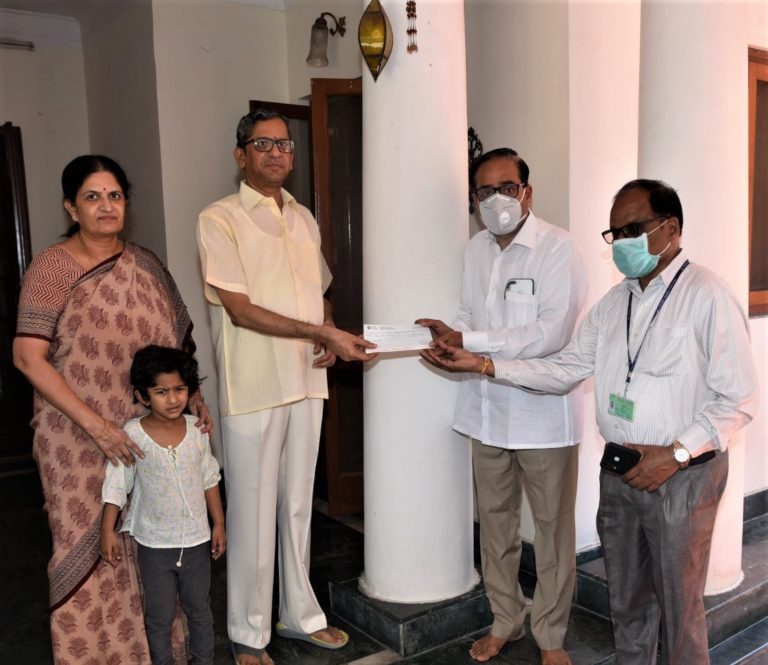
Supreme Court Judge Justice NV Ramana has made a contribution of INR 3 lakhs to relief funds in the wake of novel Corona virus outbreak in the country.

The second senior most Judge of the Supreme Court, Justice Ramana has made a contribution of one Lakh each towards the Prime Minister’s National Relief Fund as well as the Chef Minister’s Relief Fund of the States of Telangana and Andhra Pradesh. This donation made through cheques has been handed over by the Supreme Court Judge to the concerned officers stationed at the Andhra Pradesh Bhavan and the Telangana Bhavan in New Delhi.

Justice Ramana has requested the general public to abide by the instructions of government and take proper measures and follow social distancing method so as to effectively fight against COVID – 19 unitedly.

Prime Minister Narendra Modi had recently announced the constitution of the PM’s Citizen Assistance and Relief in Emergency Situations (PM-CARES) fund. This will be a dedicated national fund with the primary objective of dealing with any kind of emergency or distress situation, like posed by the COVID-19 pandemic. PM Modi asked people to contribute to the PM-CARES Fund so as to combat the novel coronavirus pandemic that has claimed 21 lives in India and over 25,000 across the world so far.

Hours after PM Narendra Modi announced a special emergency fund for the nation to fight crisis like COVID-19, dignitaries from various walks of life have come together to show their support in the form of donations. Since the announcement of the ‘PM Care Fund’ on Saturday, a large number of Indians including professionals, business owners, and civil servants have come forward to donate lump sum amounts to the relief fund. PM’s official Twitter handle even took to tweeting about those who made donations, big or small, with personalised thank you notes.

2005: When Baloch women & children stepped out of their homes

As the Baloch across the world are crying foul over the ‘abduction’ of their women and children by security forces, it is consoling to reminisce about the not-so-distant past when our women and children enjoyed a happier life with some significant powers.

Baloch women realized their power and freedom in 2005. It was the year when some Baloch men, who had previously angered the mighty Pakistani security forces because of their nationalistic politics, started to go missing — initially in dozens and then in hundreds.

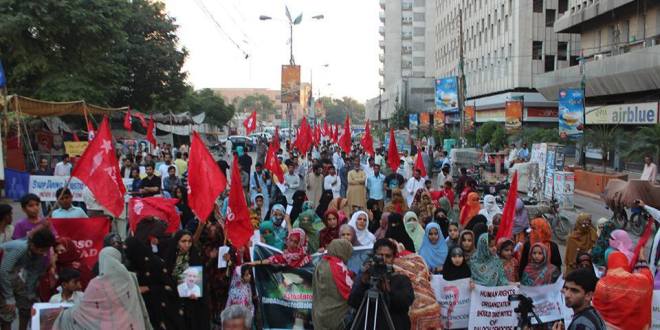
Their sons and brothers and fathers staged demonstrations outside press clubs and filed petitions in the courts of law to demand the recovery of their loved ones. They too went missing.

Then came out the women. Along with their children.

It was the first time in the strongly patriarchal Baloch society that men, out of helplessness, allowed their women to go out in the public to campaign for the recovery of their missing male relatives. It worked.

As a journalist, and a relative or friend of several missing persons, I witnessed first-hand the power of women’s tears and children’s innocence. Holding the framed photos of their missing fathers and husbands outside press clubs, these women and children made perfect photo shoots for news photographers. Their teary eyes also evoked sympathy from the otherwise detached judges.

In 2007, I travelled along with several families of missing persons to Islamabad to appear for a Supreme Court hearing. The women had purposefully brought as many children as possible. They were all lined up in the front row in the courtroom with trained innocent faces. Their mothers sat behind them with pleading eyes. It worked magic.

The judge blasted at an interior ministry official who was in attendance: “This will not be tolerated any longer. Go and find the missing persons. All of them. Bring them to the court if they’ve committed a crime.”

Now hopeful that their missing relatives will soon be brought back, many families went to sightseeing on the scenic Islamabad hills after the court hearing. Having spent their entire lives in scrappy mud-houses in arid Balochistan villages, these women and children were awestruck by Islamabad’s lush greenery. They posed in front of random trees and bushes, recklessly spending their precious money on a rental photographer. They were celebrating their newly-gained freedom and power.

The missing men began to reappear.

The women and children had successfully brought about sympathy and attention to the issue of missing persons. The security agencies — now being consistently nagged by the human rights groups, media and courts — were forced to return back some of their spoils.

However, the intelligence agencies came up with a brutally intelligent idea in 2009. They initiated the now infamous kill-and-dump of the missing persons. On April 3 the same year, they picked up three Baloch leaders from Turbat and their bodies were found dumped nearby just a week later. It never stopped since then.

This new strategy didn’t allow time to Baloch women and children to bring to use their power of tears and innocence. But they came up with other tricks.

If you are from Balochistan, you often come to hear about stories of late-night or early morning military raids at a friend’s or a relative’s house. Mothers trained their children to wail and beg the personnel to spare their father from being dragged to a military jeep. The mother would hold out a copy of Quran to save her house from being burnt down.  These tricks seldom worked but they surely put the uniformed men in emotional distress.

Last week, the Baloch women and children were robbed of their all power.

On October 28, nine students – some of them as young as eight-year-old Aftab – went missing in Karachi. A women, Farah Baloch, who pleaded the personnel to spare them, was thrown off the third floor of the building in Gulistan e Johar breaking her back.

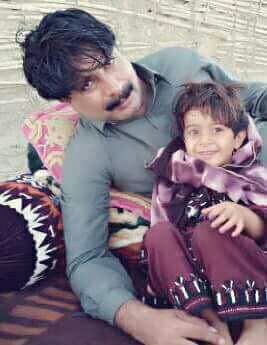
Dr Allah Nazar Baloch with his daughter Popal, who was kidnapped by Pakistani forces along with her mother. Popal was later released.

On October 30, four women and six children – including Dr Allah Nazar’s wife, Fazeela and his daughter, four-year-old Popal – were whisked away from Quetta.

What did they think of themselves? That they will not be touched because they were women and children? You happen to be Allah Nazar’s daughter and yet expect to be spared just because you are four years old? It was about time to teach them a lesson.

A year earlier, I saw on the Facebook a photo of Allah Nazar along with a little girl. It is one of those rare photos of him in which he is not carrying a gun. I did not know then who the girl is. On October 30, she became a missing person and I came to know her name is Popal.

She and her mother were released earlier today along with other women and children taken away from Quetta. But I wonder does she still have the power of innocence? Does she still have that effect on her father to make him pose with her without a gun slinging over his shoulder? Will she still be able to cry during a raid on her house?

This article was first published in Balochistan Times on November 3, 2017. It is being re-published in News Intervention as part of our #FindSajidHussain campaign.

Is Islamabad deliberately mishandling Covid-19 in Balochistan ?

In times of Coronavirus, when rumour mills are working overtime and social media is pregnant with stories of sinister plots and intrigue, one has learnt to be more discerning when it comes to believing conspiracy theories. Perhaps that’s why I didn’t think much of a piece titled “Pakistan is using Coronavirus as a Biological Weapon against Balochistan” written by Dr Murad Baloch that appeared in the media last week. I would probably have missed out the weighty import of Dr Baloch’s incisive insight had Pakistan Health Minister Zafar Mirza not tried to use the SAARC video conference forum on Coronavirus to rake up the issue of Kashmir in a rather fatuous manner.

However, it was a comment by a reader advising Mirza to focus more on tackling the Coronavirus pandemic in Pakistan rather than worrying about Kashmir that got me thinking. After seeing a proud man like Prime Minister Imran Khan literally going down on his knees and begging the world community “to think of some sort of a debt write-off for countries like us which are very vulnerable,” the reader’s suggestion made even more sense.

But from Islamabad’s clumsy effort to justify its Kashmir remarks made during the SAARC video conference it became more than evident that Khan’s “concern over poverty and hunger as a consequence of the corona pandemic,” was nothing but mere posturing necessitated by his promise of raising Kashmir on every occasion, despite being repeatedly humiliated!

Since Covid-19 spreads through humans, it would be reasonable to assume that transmission of this contagion is to some extent proportional to the population density of the region, as the data of Pakistan’s top two regions (in terms of population density) indicates. Punjab, which is Pakistan’s most populous province with a population density of 353 person per square kilometre has reported a total of 335 Coronavirus cases. Though Sindh, with a marginally lower population density (340 persons per square kilometre) has reported a relatively higher number of Coronavirus cases (421), this variation isn’t absolutely out of tune as this in all probability is due to a corresponding variation in the number of individuals screened. 

But surprisingly, Balochistan, which has an unbelievably low and only a two-digit population density of just 36 people per kilometre has reported a whopping 131 confirmed cases of Covid-19. Being grossly disproportionate to the miniscule population density by any standards, this unusually high number of Coronavirus infected cases should have set alarm bells ringing in Islamabad. But since no such thing has happened, and for Khan it’s business as usual as far as Balochistan is concerned, there are all the reasons to suspect that something is amiss. Failure of the government to institute appropriate preventive measures for arresting rapid proliferation of Coronavirus in Balochistan lends greater credence to Dr Baloch’s assertion that Islamabad is using Coronavirus as a biological weapon in Balochistan. 

But is this really so?

Whereas it’s highly improbable that Islamabad could anyway be involved in physically infecting Baloch with the novel Coronavirus, but there are bright chances that it may be achieving the same results through indirect means. Media reports of the squalid conditions existing in Balochistan’s Taftan Coronavirus camp reinforces suspicions that the sorry state of affairs is certainly due to something more than sheer apathy.

Quoting doctors, former inmates and other witnesses, ‘The Guardian’ details how due to “lax regulations on movement for those in the camp… Hundreds of people supposedly under lockdown left the camp to shop at local markets and stores, buying food and returning to the camp without any checks.” To make matters even worse, “No guidelines were issued for how those in quarantine could protect themselves from getting the disease, and there was no running water for people to wash their hands.” The ultimate tragedy is that even the condition of hospitals in Balochistan is no better, with a doctor describing the situation there as “depressing and disturbing.”

Islamabad could have been given benefit of doubt by assigning its failure to provide Balochistan with an effective setup for combating Coronavirus, to the unprecedented panic and chaos caused by COVID 19 outbreak. But considering its highly discriminatory past track record of dealing with the Baloch nationals there’s no scope of making any allowances in this regard.

Readers may recall that in third week of September 2013, Balochistan was hit by two massive earthquakes that killed nearly 700 people and left about 1,000 injured. But despite the widespread suffering caused, the government of Pakistan refused to allow international NGOs from undertaking the much-needed relief activities on the premise that following this disaster, Baloch militants were attacking security forces.

Whereas this is certainly true, but the fact that not even a single aid worker had been targeted by militants is something that Islamabad didn’t make public. While various NGOs of international repute like Doctors Without Borders (MSF) sought government permission for carrying out relief work here and Balochistan Chief Minister Abdul Malik Baloch himself wrote a letter to Islamabad seeking permission to allow international aid agencies to undertake relief effort, permission wasn’t granted and the quake-ravaged Baloch nationals were left to their own device for facing the fast approaching harsh winters.

With the needle of suspicion that Islamabad’s apathy towards Balochistan is motivated and directly pointing at it, the ball is squarely in Prime Minister Imran Khan’s court!

Tailpiece– Before take-off, the flight attendant invariably advises passengers that they must first wear their own face mask before trying to help others in doing so. Perhaps Khan will be a much happier man if he did the same and put Pakistan first by evacuating the 600 odd Pakistani students stranded in China’s Wuhan province and setting Balochistan in order before shedding crocodile tears on Kashmir!

Covid-19 Fallout: Economy may see negative growth in April-June Quarter

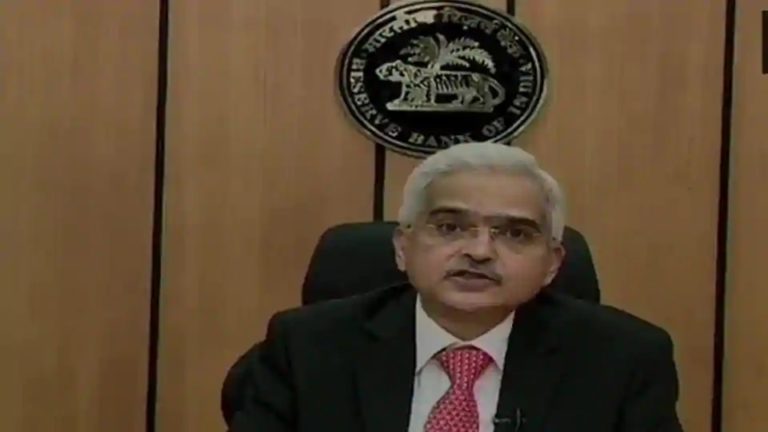
As Prime Minister Narendra Modi announced a three week lockdown, India needs to start preparing for no-growth or even a contraction of the economy in its very first quarter of the new financial year. While many think tanks and rating agencies have slashed India’s growth projections, RBI said on Friday that with an unprecedented situation arising due to the spread of COVID 19, it’s difficult to come up with any growth projection.

Needless to say that the unorganised sector, which employs over 75% of the country’s workforce will be the worst impacted. A State Bank of India report suggested that the total cost of the lockdown could be Rs 8.03 lakh crore.

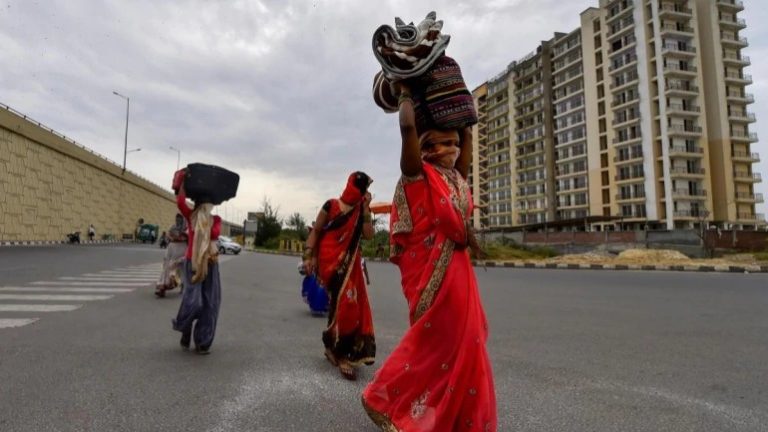
Sectors such as hospitality, aviation, tourism, trade, and the micro, small and medium enterprises among others will witness the maximum income and job losses in the coming months. It is important for the government to start preparing a concrete package for these sectors immediately so that it can be rolled out right after life comes back to normal. The sudden lockdown, which has forced thousands of migrant workers to return to their home towns and villages, will lead to an exponential rise in the unemployment numbers.

The Reserve Bank of India (RBI) announced a slew of measures leading to an additional liquidity injection of Rs 3.74 lakh crore into the system –nearly 2% of the GDP. Finance minister Nirmala Sitharaman has already announced a Rs 1.7 lakh crore relief package for the poor.

Both these moves are much needed to combat the severe economic impact in the wake of the spread of the novel Coronavirus.

The monetary policy committee of RBI met on Friday, much ahead of its scheduled meet slated in April. RBI has reduced the repo rate—the rate at which banks borrow from RBI—by 75 basis points to 4.4% besides bringing down the mandatory cash reserve ratio (CRR) — the proportion of deposits banks have to mandatorily park with the central bank — by 100 basis points to 3% with effect from March 28 for a period of one year. This move alone will inject Rs 1.37 lakh crore into the banking system. The reverse repo rate, too, was lowered by 90 basis points.

This is also the time to go aggressive with Make In India programme to reduce dependence on imports.

If India has to reduce the shock of COVID-19, it needs to act fast and in addition, it may be a good idea for RBI to look at taking the non-conventional route to ensure that the economy is kick-started without much hiccup.

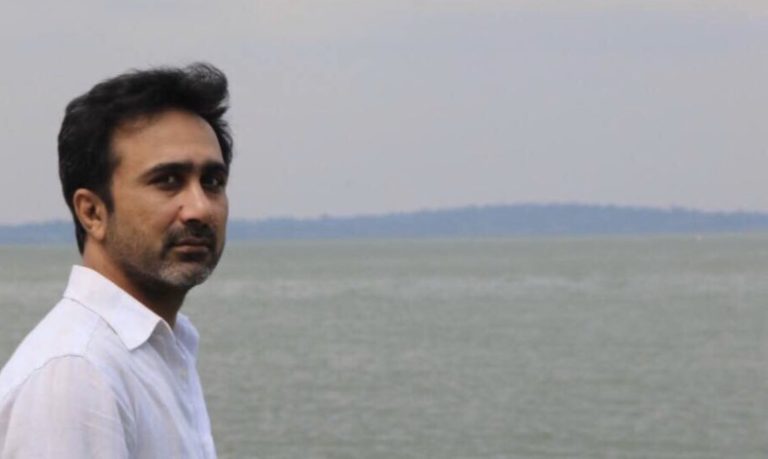
Sajid Hussain, Chief Editor Balochistan Times, goes “Missing” in Sweden

Sajid Hussain, the Chief Editor of Balochistan Times has gone missing since March 2, 2020 from Uppsala, Sweden. The editorial board of Balochistan Times has shared this upsetting news. A formal case has also been filed with the Swedish police on March 3, 2020.

There is no clue about Sajid Hussain’s whereabouts and well being till date. The Swedish police has not shared any progress into the investigations with his family and friends. The entire Baloch diaspora has urged Swedish government to investigate this matter with utmost urgency.

Considering Sajid Hussain’s role as a leading figure in the Baloch media and his reports on the conflict in Balochistan, the Baloch diaspora expressed solidarity with his family about his safety. “Since it is an ongoing investigation, we hope to see progress on this matter soon. We would like to assure Sajid’s family that Balochistan Times stands with them at this uncertain and difficult time. Our team is also ready to offer any assistance the Swedish authorities might need in locating him,” Balochistan Times said in its statement published on its news portal.

COVID-19: Let’s mend our relations with Mother Nature

The most ‘dominant’ and universally pervasive inhabitants of the planet earth– human beings- have suddenly gone into hiding. Their swift and forced ‘disappearance’, in the form of a lockdown, seems to be the only option to protect them from an invisible, microscopic, lesser-known and lethal virus called COVID-19, the latest entrant in the family of coronavirus. Originated in Wuhan, China a few months ago, the virus has spread rapidly to create the biggest global health pandemic of the century. With more than 20000 people already dead and more than 5 lakh under treatment COVID-19 is affecting 198 countries and territories around the world and one international conveyance (the Diamond Princess cruise ship harboured in Yokohama, Japan). The human, economic and social cost of the pandemic is staggering and its impact will be felt for a long time.

Interestingly, while the virus has virtually caged millions of human beings in their homes, most other species in the natural world have no threat from it. Humans are forced to eschew their carefully crafted and structured lifestyle, while rest of the inhabitants of the planet are continuing with their daily rhythm. Does this signify something?  

Inger Andersen, Executive Director, UN environment Programme, recently said that nature is sending us a message with the coronavirus pandemic and the ongoing climate crisis. Andersen said humanity was placing too many pressures on the natural world with damaging consequences, and warned that failing to take care of the planet meant not taking care of ourselves.

Humans have always taken pride in calling themselves as the smartest, strongest and most intelligent species in the world, who could thrive on this planet, with their physical and mental superiority over other species, including large carnivores. They have put themselves on the highest pedestal, claiming pre-eminence over all other living beings, primarily because they have intellect (viveka) to change this world, unlike any other creatures. During thousands of years of evolutionary process, Homo sapiens did pretty impressive things and gradually spread to all corners of the globe, exploring the depth of oceans and the outer limits of sky. But, what humans could do in several thousand years, COVID-19 did in a few months’ time. The analogy might sound irrelevant, but what it makes us understand is that other creatures on this planet also have the capacity to ‘change’ the human world. They have done it several times in the past and they are doing it now.

The current crisis has once again proved that nature is far more complex than what humans think and understand about it. The global health crisis not only needs medical solutions but a complete re-alignment of our equations with the natural world. Amidst, all this panic and pressure, there is an opportunity to re-think and more importantly re-establish our relationship with nature – both in spirit and action.  Time has gone, long ago, to justify human’s dominance through the prism of ‘survival of the fittest’ and the focus should be on the most fundamental aspect of life on this planet i.e ‘co-existence of all”. This planet and the natural world can survive without humans, but humans can’t survive without nature

In her bestseller “A history of God” author Karen Armstrong writes in the chapter ‘Has God a future’, “Human beings cannot endure emptiness and desolation; they will fill the vacuum by creating a new focus of meaning”. Perhaps, this is the time to focus on re-building our relationship with mother nature and have a dialogue with an open heart. Let nature reign and we all will survive.

Balochistan must stay indoors to avoid COVID-19: Dr Allah Nizar Baloch

Pro-independence Baloch leader and the leader of Balochistan Liberation Front (BLF), Dr. Allah Nizar Baloch has appealed to the Baloch nation to stay at homes in order to avoid Coronavirus infection. “In case if this disease spreads across Balochistan, it would be uncontrollable. Balochistan, which lacks basic amenities of life including healthcare and the people of Balochistan, who in this modern age, are already dying from curable diseases like malaria, would be affected irrecoverably. Such a situation is not new for the enslaved and colonized people, as the history of imperialism reverberates with the fact that colonizers are interested only in the land and resources of the colonized people. For the last seventy years, the occupying forces have plundered the resources of rich Balochistan by selling them for a pittance; in return, the indigenous sons and daughters get atrocity, poverty, and humiliation from Pakistan,” Dr Allah Nizar Baloch said in his statement.

Dr. Allah Nizar added that the pathetic situation of healthcare in Balochistan can be imagined by the fact that there are only four ventilators available across Balochistan.

Ventilators are basic health infrastructure requirement to treat critical patients of Covid-19. In Balochistan, only Sheik Zayad Hospital has the facility of isolation rooms which are not more than a dozen. In such a situation, self-imposed precautions are the only way to avoid contraction for the oppressed people. “The majority of our population dwells in villages and hillsides and their lives mostly depend on agriculture and livestock. Amid these growing cases of Coronavirus infection they should either opt to stay at home or try to limit their movements and don’t expect and wait for help from the state of Pakistan; because for Pakistan, Baloch lives are not only expendable but it is also using this disease as a biological weapon against the Baloch nation,” said Dr Allah Nizar.

Dr. Allah Nizar Baloch further explained that we believe that the Pakistan Army would use the COVID-19 outbreak to expand its occupation and stranglehold over Balochistan while continuing its atrocities and genocide of the Baloch. Slogans, such as the development of Balochistan, the 18th Amendment including Concurrent List are well-established conspiracies to expand the colonization of Balochistan. The disaster at quarantine center in Taftan (Pakistan-Iran border town) which is run by Pakistan Army is a clear example. The Pakistan Army is deliberately spreading the virus in Balochistan by keeping around one hundred infected patients of Coronavirus together with the four thousand non-infected people on the pretext of so-called quarantine. Now, this disease is continuously being spread throughout Balochistan in order to annihilate already oppressed people of Balochistan.

“I appeal to the Baloch nation that they should understand the machinations of Pakistan and prefer to stay in their homes and rely on preventive measures,” Dr Allah Nizar Baloch made a fervent appeal to the people of Balochistan.

Fighting Corona: Indian Army is ready for challenge, people must emulate discipline & resolve

The response of the Indian Government to Corona Virus is creditable. The government, under Prime Minister Narendra Modi, is not hesitating from taking necessary decisions however difficult and unpopular they may be. The Chief Ministers are responding with great commitment; even the Police and the administration are working with a sense of purpose.

It is being hoped against hope that the efforts of the government will bear fruit, at least to the extent where the damage remains manageable. There is also a realisation that this might not happen. Despite the efforts being put in, the Corona Virus may spread to community levels and hence the need to prepare for the worst case scenario.

In such a scenario, all eyes will once again be directed towards the Armed Force of the nation. Traditionally, they have been the last bastion in all natural disasters and emergencies that the nation has faced, and in all instances they have stood up to the challenge commendably. The present scenario is grim enough to cause considerable alarm and anxiety to the forces too. It is for this reason that they are preparing with a sense of purpose and on a war footing for the times ahead .

The Indian Army, in view of its numerical strength, infrastructure and wherewithal will be steering the campaign with sterling support from the  Indian Air Force and the Indian Navy. The all important segment will be the Armed Forces Medical Corps which are a Tri-service entity.

In this preparation stage, the Indian Army is working on three prongs. The first is to maintain the health of the soldiers themselves so that they are fit to take on all tasks in the future; the second is to remain prepared for aid to civil authority in whatever manner required, right from dealing with the medical emergency to maintaining law and order; the last is to remain prepared for the primary task of keeping the nation safe from inimical designs of the enemy.

Tremendous efforts are being put in from the unit to the headquarter level in ensuring success of the first prong which is, by far, the most critical. Military medical experts have devised Standard Operating Procedures (SOPs) which have been disseminated to the grass roots level for strict implementation. Screening, quarantine and  isolation mechanisms have been put in place;  personnel coming from leave are quarantined for 14 days with immediate isolation of symptomatic cases.

Northern Command of the Army, that has an enhanced role to play in all three prongs, has issued an exhaustive “Best Practice” directive. It caters for multiple level screening  from the Transit Camps to the Formation/Station level for all personnel returning to duty from leave etc. This process culminates only after segregation on a day wise basis for 14 days after arrival to unit. To trace contact history All Ranks are instructed to carry a notebook and record details of all such persons with whom they come in contact. Screening by Regiment Medical  Officers during Physical Training and Roll Call parades is being carried out. Door to door screening of all family quarters by medical teams is underway.

Round the clock control room for COVID-19 related activities  have been established in all units. These are linked with Corona Virus control centres in headquarters. The control centre monitors movement of all personnel.

Boots on ground capacity is being enhanced by creation of ad hoc medical platoons of Group -D (Combat soldiers) personnel with basic training being imparted. Personnel on leave are being contacted telephonically for coordination of their move and other instructions from the unit.

SOP (standard operating procedure) for lock down is in place and being practiced over a few days. Corona Virus protocols in presentation form have been issued down the command chain. Commanding officers are creating awareness during Sainik Sammelans to encourage self reporting of health status. In case there is a confirmed case, extensive disinfection of living areas is to be resorted to.

Formations across the country are preparing for aid to civil authority should the need arise. Liaison with civil authorities is being carried out to remain well informed about the situation. The operations rooms of all units and formations have a war like atmosphere with war gaming and planning underway round the clock. Every possible contingency is being considered and response being fine tuned. Preparation for crisis expansion, law and order and administrative issues, including provision of tented accommodation, flag marches and securing of facilities is underway. Helpline telephone numbers for all, especially veterans, are already in place and widely circulated, especially in Jammu and Kashmir and Ladakh. The Armed Forces, should the need arise, will be in a position to provide massive medical and logistics facilities across the country.

Since COVID-19 is a global phenomenon it is widely believed that all countries will shed animosity to meet the challenge. Such a thought, unfortunately, cannot be harboured with regard to our neighbour– Pakistan. Despite being in the depth of despair, this country continues to look for options to harm India. Hence, cease fire violations, infiltration attempts and terrorist activity in the hinterland of Kashmir is underway and will remain so. It will probably accentuate with the intention of putting more pressure on the Indian forces. An attempt to infiltrate Corona infected terrorists into India is not beyond the imagination of the evil terrorism planners sitting in Pakistan. The Indian Army, especially the Theatre commands deployed on the Indo-Pakistan borders is ready for all eventualities, Corona or no Corona.

The people of India need to remain assured that the Indian Army on which they have maximum faith is fully poised to come to their assistance in whatever manner required and it will not allow the situation to get out of control. The people can help by adhering to the same discipline and reslove that the Indian Army is exhibiting to overcome this challenge. If this is done then together the people, the leadership and the Indian Army will emerge victorious and stronger than before.

India’s Armed Forces at the forefront in fight against COVID-19

Even as Pakistan Army chief Gen Qamar Javed Bajwa was holding a “special” commanders conference in Rawalpindi on the single-point agenda on how to deal with the COVID-19 pandemic, 770 miles away, the Indian Army had completed the construction of yet another quarantine centre in Jaisalmer. With this, the Indian Army has created facilities that can accommodate nearly 5000 people in different parts of the country. In contrast, the state of Coronavirus quarantine camps in Pakistan isn’t very encouraging as is evident from reports trickling out of one such facility in Balochistan’s Taftan area.

Predictably, the Pakistan Army has turned the issue of assisting in combatting the COVID-19 into a public relations exercise by making political statements like “Nothing can defeat a responsible and determined nation” and repeating the obvious by saying, “Pakistan Army, being part of national effort, shall serve and protect the nation as a sacred duty.” In sharp contrast, even though the Indian Army didn’t make a big show of its concern on outbreak of the COVID-19 pandemic through the charade of high-level conferences or nationalist sloganeering, it has nevertheless been silently and efficiently working overtime in order to ensure availability of hygienic and comfortable facilities to those quarantined.

Here it would be appropriate to clarify that what has been stated above is not intended to belittle the Pakistan Army, or to eulogise the Indian Army- it’s only to highlight that unlike its boisterous counterpart across the Radcliff Line, the Indian Army firmly believes in diligently doing its duty without resorting to theatrics. In fact, there are times when its traditional aversion to undue publicity makes many take the Indian armed forces for granted, but this doesn’t upset our soldiers, sailors or airmen because for them it’s not adulation but the mental satisfaction of having been able to have contributed towards ameliorating the sufferings of their own people is what really matters.

So, let’s leave Rawalpindi to its own devices and instead, focus on the sterling role being played by the Indian armed forces in the nation’s concerted fight against COVID-19. 

Besides proving its unmatched prowess in thwarting external aggression, the Indian armed forces have simultaneously displayed their phenomenal ability to successfully overcome fearful odds by ensuring safety, providing medical attention and succour to our countrymen during natural calamities, man-made disasters, unrest and other tragedies. In fact, it’s the tradition of selfless service, deep sense of responsibility and genuine concern for the well being of the people that endears the soldiers, sailors and air men of the Indian armed forces to every Indian.

It’s not that the army’s job will end once they complete construction of quarantine hubs. Au contraire that’s the time when their actual role will start, because the overall responsibility of such centres will be that of the men in uniform. Since there are bound to be confirmed cases of COVID-19 amongst those under quarantine, these facilities will have to be kept under a frequent disinfection and extremely stringent quarantine regime. In addition, since the army will be also providing requisite administrative support to facilitate efficient functioning of these centres, it may be appreciated that soldiers employed here would be working in a potentially hazardous environment!

COVID-19 ward at Command Hospital of the Indian Army’s Northern Command.

The Indian Army has already established quarantine centres at Jodhpur, Jaisalmer, Kolkata, Chennai, and Manesar, while Indian Air Force (IAF) has done likewise in Dundigal (Hyderabad), Bengaluru, Hindon, Kanpur, Gorakhpur, Jorhat and Jaisalmer. The Indian Navy has established quarantine centres at Kochi, Visakhapatnam and Mumbai and Defence Minister Rajnath Singh has assured the nation that the Indian armed forces will set up more such hubs as per the requirement. The fact that soldiers of the army in Jaisalmer have even vacated their accommodation to make the same available to those being quarantined speaks volumes!

While administering quarantine centres is an onerous responsibility, in J&K and Ladakh, challenges being faced by the army on this account are further accentuated due to remoteness of the area, widely dispersed habitation centres and harsh climatic conditions. For example, while ensuring social distancing as a mandatory norm during quarantine, to be able to provide adequate space as well as effective heating arrangements necessitated by the cold climate in the upper reaches isn’t cost-effective and hence an impractical proposition. Similarly, though establishing quarantine centres near habitation centres would amount to frittering resources, but at the same time those living in isolated areas cannot be left unattended.

Accordingly, quarantine centres for people of J&K and Ladakh would perforce have to be located in areas that have temperate climatic conditions as well as easy accessibility. The Northern Command Headquarters has already established a COVID -19 monitoring hub which is functioning under Command Hospital Udhampur and has four isolation wards a dedicated team of specialist doctors. This centre has all the requisite medical equipment and is geared for round the clock functioning to screen and manage COVID-19 patients.

The army and IAF are working in tandem to ensure that the civil administration is fully geared to combat COVID-19. Based on the requirement projected by Srinagar Municipal Corporation, IAF airlifted 1,200 kilograms of critical sterilization chemicals from Delhi to Srinagar in two Dornier aircrafts while the army organised its delivery at the required sites. COVID-19 screening facility setup by the civil administration at Srinagar airport have been enhanced by providing additional medical teams of the army. Srinagar-based 15 Corps has also established a quarantine hub near the airport and an isolation facility at 92 Base Hospital in Badami Bagh. In addition, personnel of Army Medical Corps are also undergoing combined training programmes being organised under the aegis of WHO.

Plans are also in place to establish more screening centres and quarantine hubs in J&K and Ladakh when civil administration requests for the same and resources have also been earmarked to ensure that no time is wasted in setting up these facilities. At the grass root levels, the army has undertaken an extensive programme to educate locals on the precautionary measures against COVID-19 and the importance of those noticing symptoms to immediately seek medical attention. By laying additional emphasis on removing public apprehension regarding quarantine and advising people to remain calm, refrain from believing in rumours or spreading them and not falling prey to quacks or faith healers, the scope of mass panic erupting has been minimised.

With the armed forces taking all necessary precautions to ensure that quarantine hubs function efficiently and are kept free from the contagion, there’s no cause for undue worry. All we have to do is to act responsibly, fully cooperate with the authorities by strictly adhering to the stipulated ‘do’s and don’ts’ and ensuring that the environment is conducive for doctors and the medical staff to attend to the patients.