Home Blog Page 56

Pashtun businessman found dead in South Waziristan after disappearance

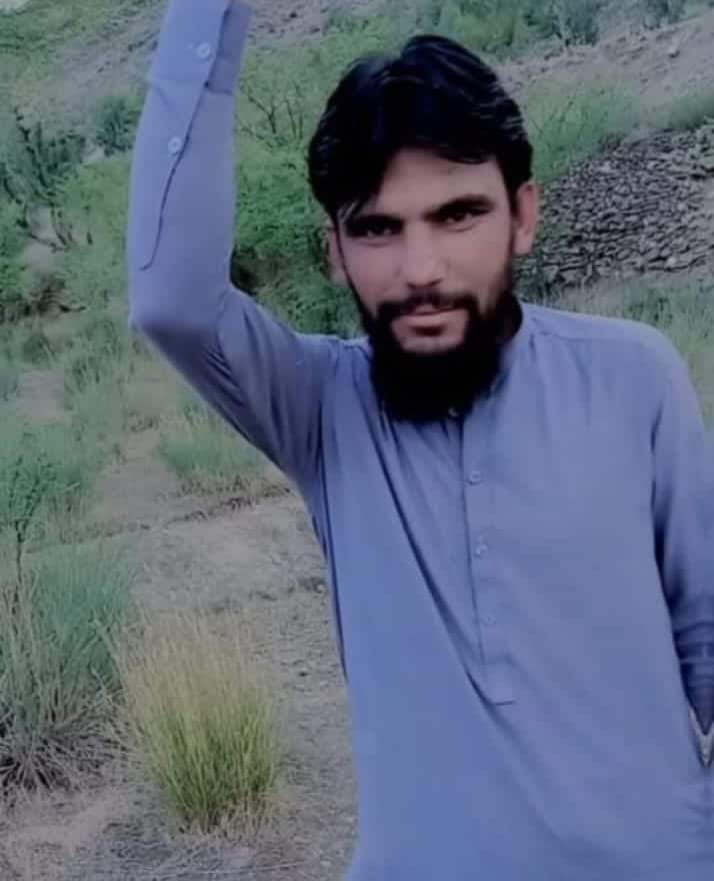
Recently, the body of Fazal Manan, who had been subjected to enforced disappearance, was discovered in South Waziristan. Manan, a businessman from the Mohmand District involved in the clothing trade, went missing several days ago in Makin, a heavily monitored area surrounded by military checkpoints.

This tragic incident is yet another example of the daily challenges faced by the people of Pakhtunistan. Recently, terrorists from groups such as Tehreek-i-Taliban Pakistan (TTP) and Lashkar-i-Islam (LI) have begun patrolling areas near the Afghanistan border, further destabilizing the region. While ordinary citizens are subjected to constant body searches and questioning at security checkpoints, these militants move freely and without restraint.

A pamphlet circulating on social media, written in Pashto, also said that TTP militants have taken “complete control” of the Peer Tharee area in Shalobar and Bhutan. The pamphlet also said that these militants have begun patrolling Pir Mela Bazaar and surrounding areas, as Pak forces have abandoned their positions.

The situation paints a grim picture: if it’s not the Punjabi-dominated Pakistan Army causing havoc in the Pashtun community, then it’s the very militants they once supported who have now gone rogue, wreaking havoc on the region.

POB: Pak Army’s latest crackdown sees abduction of six Baloch youth

In a disturbing continuation of a decades-long pattern of repression, Pak forces have once again targeted the youth of Pak-occupied-Balochistan, abducting six individuals from various regions of the province, including Barkhan, Karachi, Kharan, and Kech. These abductions are part of a systematic campaign by the Pak Army, which has been tightening its grip on Balochistan ever since its forceful occupation of the region in 1948.

In Barkhan, Asif Jan Baloch, a senior member of the Barkhan Youth Alliance, was summoned by the Kohlu Commandant at noon, only to vanish without a trace. This incident follows a familiar and sinister pattern where the Pak Army’s apparatus is used to silence those who dare to organize or voice their concerns against the ongoing military occupation and exploitation of Balochistan’s resources.

Similarly, in the Nasirabad area of Kech, forces abducted Nadeem Beyous two days ago, and he too has disappeared. His family is left in the dark, with no information on his whereabouts—a common tactic employed by the Pak military to instill fear and prevent any form of resistance.

The situation in Kharan is equally harrowing. Just before the evening prayers, Pak forces abducted two young brothers, Bakhtiar and Kamran, sons of Muhammad Ghaus Yalanzei, from Chief Chowk. Their family is now staging a sit-in at Red Zone Kharan, a site notorious for housing the offices of intelligence agencies that have been implicated in countless enforced disappearances. The family’s desperate plea for the release of their sons highlights the ongoing terror faced by Baloch families at the hands of the military.

In Karachi, a city far from the borders of POB but not immune to the reach of the Pakistan military, Hasnain, son of Khalid, a resident of Baloch Abad Kech Mand, and Rehman, son of Aslam, a resident of Pishin, Western Balochistan, were abducted by personnel from Karachi Police and intelligence agencies. Taken from Lyari’s Eight Chowk area, they have been moved to an unknown location, continuing the pattern of enforced disappearances that the occupied-state uses to crush any form of dissent.

Family members who have sought answers from local police have been met with denial and ignorance, with the occupied-authorities claiming that intelligence agencies may be responsible. The sporadic activation of the abductees’ phone numbers only deepens the fear that they are being held under conditions designed to break their spirits and silence them permanently.

Since the forcible annexation of Balochistan in 1948, the Pak military has waged a relentless campaign against the Baloch people, who have been subjected to systematic marginalization, exploitation and violence. The abduction of Baloch youth has become a hallmark of this campaign, aimed at erasing any voice that challenges the military’s stranglehold on the region. These latest disappearances are not isolated incidents but are part of a larger strategy to suppress the Baloch identity, culture and resistance.

North Waziristan: Suicide attack on Pak Army backed peace militia

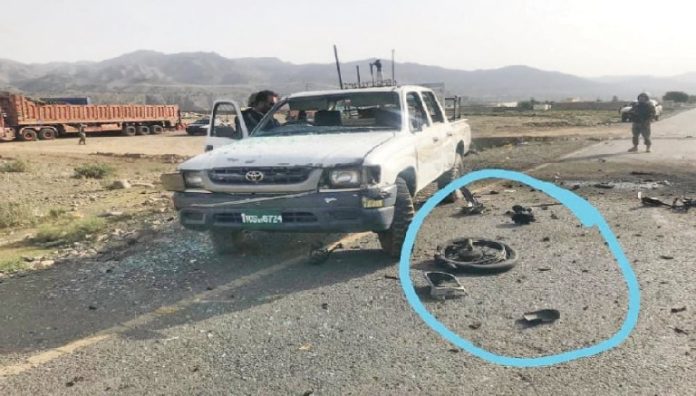
A suicide bomber attacked a local peace militia in the Razmak Bazaar area of North Waziristan, resulting in several deaths and injuries. The attack occurred, with the bomber detonating explosives while Army personnel, including surrendered Taliban commander Osman alias Lion, were present at the scene.

Reportedly, the suicide bomber, riding a motorcycle, carried out the attack during a security operation involving the peace militia. While Commander Osman survived the explosion unscathed, multiple members of the local militia were reported killed or wounded.

A local Taliban commander said that the attack was a reaction to security agencies’ attempts to use the Pak Army against “good Taliban” in tribal areas. This perspective implies that the incident was part of a broader conflict involving shifting alliances and local resistance.

As of now, no group has claimed responsibility for the attack. However, attacks on security forces and their allies in the region are frequently claimed by Tehrik-e-Taliban Pakistan (TTP) and the Hafiz Gul Bahadur group.

Kupwara Operation: Indian Army executes one Pak- backed terrorist

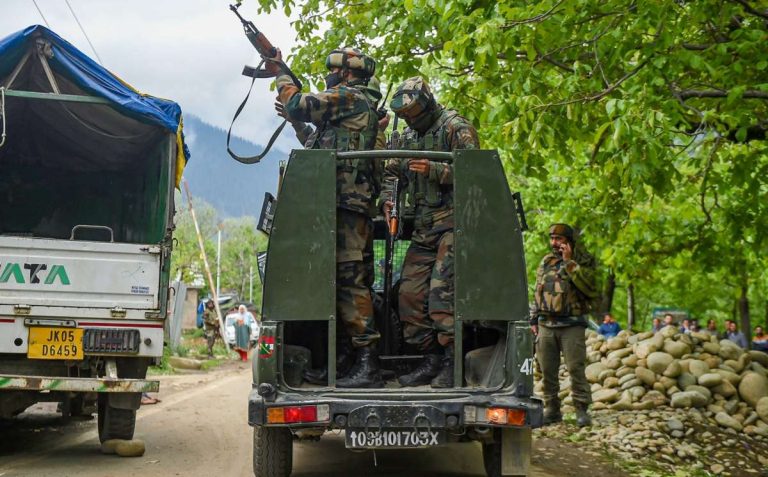
A terrorist has been killed in a joint anti-infiltration operation conducted by the Indian Army and Jammu and Kashmir police in the Kupwara district. The operation, which began on the night of August 28-29, was prompted by intelligence inputs indicating potential infiltration attempts in the Tangdhar area.

In a statement posted on X, Chinar Corps confirmed the operation, saying, “Based on intelligence inputs regarding likely infiltration bids, a Joint anti-infiltration Operation was launched by #IndianArmy & @JmuKmrPolice on the intervening night of 28-29 Aug 24 in general area Tangdhar, Kupwara. One terrorist is likely to have been neutralised.” The operation is still ongoing.

Simultaneously, a search operation is underway in the Rajouri district following an exchange of gunfire between terrorists and security forces on August 28. The operation was initiated around 9:30 PM in the areas of Kheri Mohra Lathi and Danthal. According to Jammu and Kashmir police, contact with the terrorists was established at approximately 11:45 PM, leading to a confrontation near Kheri Mohra. Further details are awaited.

Jammu and Kashmir Crisis

Amid escalating terror attacks in Jammu and Kashmir, the Indian Army has significantly increased troop deployment in the Jammu region to enhance security and address emerging threats. This bolstering of forces includes deployments in Kathua, Samba, Doda, Badarwah, and Kishtwar, with additional troops arriving from the Western Command. This deployment shift is unprecedented since the April 2020 Chinese face-off and is aimed at intensifying efforts to eliminate terrorist threats.

The Jammu and Kashmir region has seen a sharp rise in terror attacks over the past month and a half, resulting in the deaths of numerous security personnel. Notably, nine civilians were killed in a terror attack in Reasi on June 9. The timing of these attacks coincides with heightened political instability following the recent general elections. On the day of the Prime Minister’s oath-taking, the Reasi attack occurred, and since then, terrorist activity has increased. The political shifts following the general election, where the Modi government fell short of a majority and became more focused on domestic issues, appear to have provided Pakistan with a strategic opportunity to intensify its terrorism in Jammu and Kashmir, especially in the Jammu region.

POB: Pak Army abducts journalist Hayat Khan Khetran

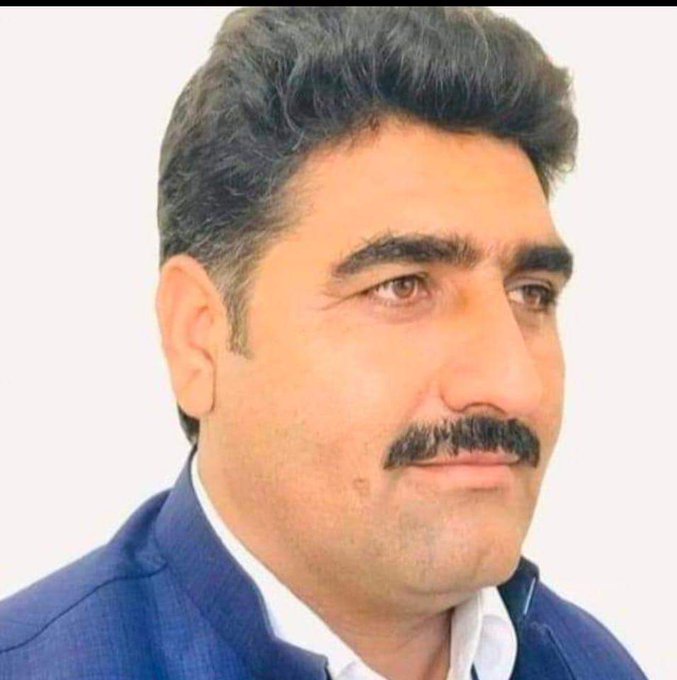
In a disturbing and all-too-familiar scenario, journalist Hayat Khan Khetran from Pak-occupied-Balochistan’s Barkhan district has been forcibly disappeared, reportedly on the orders of a Pakistan Army Colonel. This latest incident is yet another grim chapter in the ongoing exploitation and oppression faced by the people of POB at the hands of the Pak military.

The family of Hayat Khan has confirmed the Frontier Corps (FC) of being responsible for his abduction, specifically naming Colonel Babar Khalil of FC Kohlu’s 86 Wing. Their plea for his safe return has so far fallen on deaf ears, as the occupied-government remains silent, complicit in these acts of repression.

The Pakistan Army’s grip on POB has long been characterized by a brutal campaign to suppress any form of dissent. The province, rich in natural resources, has been systematically plundered by the occupied-state, with little to no benefit trickling down to the local population. Instead, the people are met with repression, as the military tightens its control, often resorting to enforced disappearances, extra-judicial killings, and other human rights abuses to maintain its dominance.

Activists, journalists, and anyone who dares to raise their voice against Pak Army’s exploitation find themselves targeted. The enforced disappearance of Hayat Khan Khetran is not an isolated incident; it is part of a wider strategy to marginalize and intimidate those who speak out against the injustices perpetrated by the Paki establishment. Journalists and activists in POB are on the front lines, constantly at risk of being abducted or killed simply for doing their job—reporting the truth and advocating for the rights of their people.

The people of POB deserve more than a life lived in fear. They deserve the right to speak, to dissent, and to demand a fair share of the wealth that their land provides. It is high time that the Pak military’s stranglehold on the province is challenged, and the voices of the oppressed are amplified rather than silenced.

Rawalpindi’s battle to finish Pakistan Tehreek-e-Insaf Party faces struggles

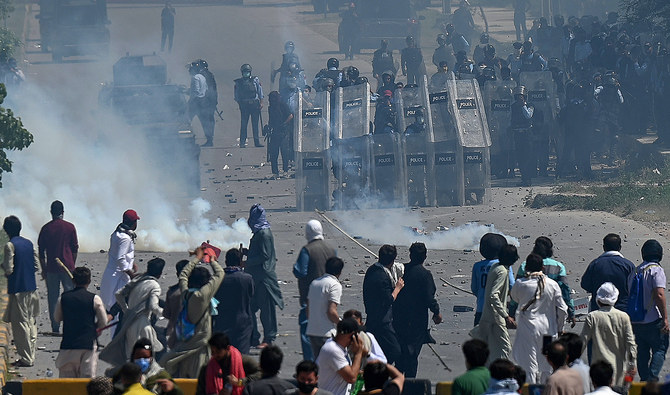
Less than two weeks after the May 9 protests in which military assets and facilities in Pakistan were targeted by incensed mobs, Pakistan Army’s media wing Inter Services Public Relations [ISPR] issued a press release stating that Army chief Gen Syed Asim Munir had said that “legal process of trial against planners, instigators, abettors and perpetrators involved in 9 May tragedy has commenced under Pakistan Army Act [PAA] and Official Secret Act as per existing and established legal procedures derived from the Constitution of Pakistan.”

Despite public outrage against the Army’s arbitrary decision to try civilians under PPA, Pakistan’s National Assembly dutifully defended Rawalpindi’s contentious decision, maintaining that “Across the world, the right of inquiry against people involved in incidents such as attacks on military installations lie with the Army.” This claim in itself is debatable and is tantamount to the victim serving as both the jury and judge during trial of the accused, thereby brazenly violating the fundamental principle of natural justice.

Stating that “It is alarming to note that the Pakistan Army has stated its intention to try civilians under military laws, possibly in military courts,” Deputy Regional Director for South Asia at Amnesty International [AI] Dinushika Dissanayake has rightly pointed out that “Trying civilians in military courts is contrary to international law.” [Emphasis added]. In October 2023, a five-member bench of Pakistan’s Supreme Court declared that the trial of civilians in military courts was unconstitutional.

Rawalpindi is nevertheless going ahead and there’s no doubt that come what may, in the end it’ll have its way!
 
ISPR has craftily played-up the foreign hand narrative by suggesting that the May 9 riots were orchestrated by New Delhi and by participating in it, the Pakistan Tehreek-e-Insaf [PTI] supporters had betrayed the nation. It’s no secret that in Pakistan, anti-India rhetoric is the most effective and enduring stratagem to galvanise public opinion and that’s why many agree with the Army’s logic that since the May 9 rioters had humiliated the Pakistan Army, strong retribution against this unprecedented act was necessary to restore Rawalpindi’s ‘izzat’ [honour].
 
The Pakistan Army’s concern for maintaining its honour and image is however very selective. In November 2023, the Supreme Court of Pakistan in its written order on a complaint of extortion and intimidation levelled by the owner of a private housing scheme against former Inter Services Intelligence chief Lt Gen Faiz Hameed, stated “The allegations are of an extremely serious nature, and if true, undoubtedly would undermine the reputation of the federal government, the armed forces, ISI, and Pakistan Rangers, therefore, they cannot be left unattended.”
 
Alleged involvement of a serving three-star General in an extortion case is indeed a very serious matter as it reflects rather poorly the Pakistan Army’s already faltering image. Hence, one had accepted that like the May 9 riots case, Rawalpindi would insist that this case should be investigated and tried by the Army. But for reasons unknown the Army demurred and by its own admission opened investigations against ex-ISI chief only after the Supreme Court’s explicit directions issued in November 2023 to do so.
 
However, what has finally emerged is even more surprising.
 
Rawalpindi’s investigations have concluded that the allegations of extortion and intimidation against Lt Gen Hameed have been found to be true. While confirming that “appropriate disciplinary action has been initiated against Lt Gen Faiz Hameed [Retd], under provisions of Pakistan Army Act,” ISPR has also revealed that “In addition, multiple instances of violation of Pakistan Army Act post-retirement have also been established.”  
 
That “multiple instances of violation of Pakistan Army Act” by the former spy master escaped notice of the Pakistan Army’s highly rated spy agency ISI is hard to digest. Who would ever believe that had the Pakistan Army not been directed by the Supreme Court to investigate extortion and other related allegations against the former ISI chief, then the multiple violations of PPA committed by him would have gone unnoticed?
 
Though details of these violations have not been specified, given the proximity of the former ISI chief with Khan, what ISPR is implying is obvious. The timing of this revelation itself raises strong suspicions that Rawalpindi has adroitly used directions of the Supreme Court on investigating corruption charges against the former ISI chief to further its own motivated agenda against the cricketer turned politician and has hence linked Lt Gen Hameed’s transgressions with the PTI chief and his party.
 
Yet, despite cornering the former ISI chief, Rawalpindi will think twice before taking any strict action against him because it knows that this could well open a can of worms. Lt Gen Hameed has been directly involved in several covert Army dealings like the 2017 Rawalpindi facilitated Tehreek-e-Labbaik Pakistan’s [TLP] sit-in at Faizabad against the anti-Nawaz Sharif government.
 
The former ISI chief is also privy to Pakistan Army’s secret talks with Tehreek-e-Taliban Pakistan [TTP] and reasons behind undue concessions made this terrorist group like unconditional release of its convicted fighters and surreptitiously allowing TTP cadres to make a systematic comeback in Khyber Pakhtunkhwa [KP].
 
By being the first foreign official to visit Kabul and that too just days after US troop withdrawal from Afghanistan and even before the Taliban interim government was formed, Lt Gen Hameed unambiguously endorsed former US President Donald Trump’s 2018 observation that “they [Pakistan government and Army] give safe haven to the terrorists we hunt in Afghanistan.” 
 
Surprisingly, despite the inopportune timing of this visit and his much publicised tea session there that severely embarrassed both Islamabad and Rawalpindi, the Pakistan Army didn’t initiate any disciplinary action against him and no prizes for guessing why!
 
Despite Rawalpindi’s multi pronged attack, its efforts to render former Prime Minister Imran Khan and PTI politically irrelevant haven’t fully succeeded. Whoever has given Gen Munir the idea of using Lt Gen Hameed as a weapon for delivering the coup de grâce to Khan’s political existence may not have realised that the former ISI chief is no pushover, and that just like Khan, he too will not go down without a fight.
Rawalpindi’s ongoing fight to politically finish Khan will only further aggravate political instability in Pakistan and such the only option for Gen Munir is to sheathe the sword and talk it out with Khan. But this is easier said than done because in Pakistan where the military ‘selects’ prime minister, for an Army chief to negotiate with a politician is not only blasphemous  but also an unacceptable blow to Rawalpindi’s fiercely protected ‘izzat’!   


PTM activists face escalating crackdown by Pak Army

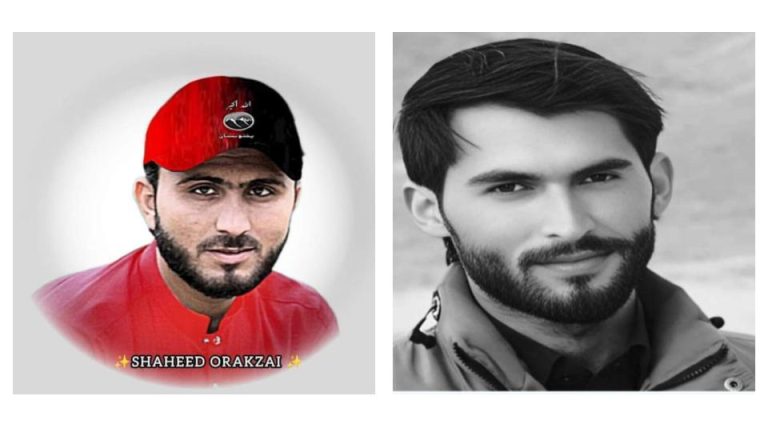
In a troubling escalation of repression, the Punjabi Pakistan Army and local police forces have recently intensified their crackdown on the Pashtun Tahafuz Movement (PTM), a group advocating for the rights of the Pashtun community. Abdul Shaheed, the District Orkazai Social Media Coordinator for PTM, has been arrested by Kohat Police without any formal charges or FIR. This arrest exemplifies the disturbing trend of targeting peaceful activists while allowing terrorists to operate with impunity.

In a further display of the Pak Army’s heavy-handed tactics, PTM Pashin media member and poet Muhammad Samsoor was apprehended by the Pashin SHO under a fabricated FIR. The unjust detention highlights the pervasive abuse of power against those who seek justice and transparency in the region.

The ongoing oppression is underscored by recent developments involving key PTM figures. Shehzad Wazir, the South Waziristan Coordinator for PTM, has been imprisoned again following a new FIR. Additionally, Salman Turi, a PTM member from Kurram, has been forcibly disappeared by the Punjabi military. These actions reflect a broader pattern of enforced disappearances used by the Punjabi Pak Army to suppress dissent and silence activism.

The PTM’s struggle against the Pakistani establishment has intensified, particularly in light of the movement’s planned national gathering on October 11. The PTM’s vocal opposition to the militarization of Waziristan through Operation Azm-e-Istehkam and its criticism of the occupied-government’s inhumane policies have made it a target for increasingly brutal repression.

The Pak Army’s systematic campaign of intimidation and violence against PTM activists illustrates a grave violation of human rights and an alarming disregard for the rule of law since it forcefully occupied the region in 1947.

Skardu suffers under Paki establishment’s neglect & exploitation in PoGB

Villages surrounding Skardu city in Pakistan-occupied Gilgit-Baltistan (PoGB) are enduring extreme hardship due to the occupied-govt’s gross neglect and mismanagement. The occupying regime, under the Pak Army’s rule, continues to suppress and exploit the local population while failing to provide even the most basic infrastructure and services.

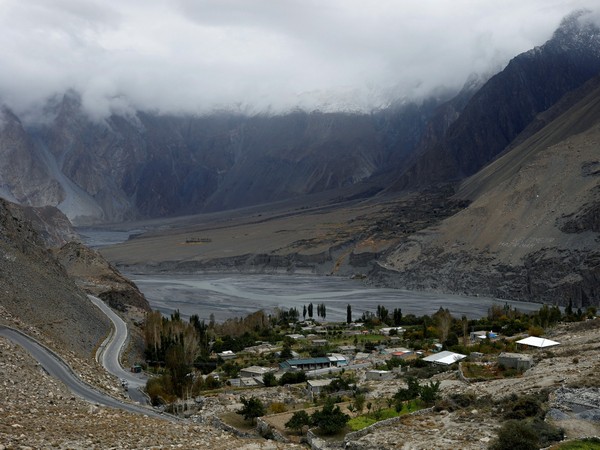
In Sadpara, a village near the Satpara Lake just a few kilometers from Skardu, the situation is dire. Residents are grappling with severe infrastructural deficiencies, particularly the glaring absence of a civil dispensary. Despite numerous appeals, the village remains devoid of essential services. This neglect has resulted in tragic consequences, including the recent deaths of two newborn babies who lacked access to proper medical care.

Sadpara, despite being close to a major tourist attraction, is starkly deprived of fundamental amenities. The village suffers from poor road connectivity, inadequate infrastructure, and a complete absence of electricity. This stark lack of basic services is a direct consequence of the occupying government’s exploitation of the region’s resources and the systematic marginalization of its people.

A local resident expressed their frustration, saying, “We have repeatedly raised the issue of the civil dispensary, but it remains woefully understaffed and ill-equipped. There is only one person present when there should be three technical staff members, and the essential medical staff, including nurses and Lady Health Assistants, are completely absent.”

Skardu’s Crisis

This dire situation is exacerbated by the fact that the only available dispensary has recently been closed, further jeopardizing the health and safety of the villagers. The resident said, “The dispensary is often closed, and when it is open, the dispenser arrives late in the day, making it nearly impossible for villagers to get timely medical attention. The administration’s indifference to our plight is unacceptable. We demand immediate action, or at the very least, the provision of an ambulance to our village.”

Another resident highlighted the plight and ongoing struggle with obtaining essential medicines, criticizing the occupied-govt’s failure to ensure their availability.

The situation in occupied-Gilgit-Baltistan serves as a stark reminder of the broader issues under Paki establishment rule. The occupying government’s consistent suppression, resource exploitation, and neglect have left the population marginalized and without access to education, healthcare, or basic infrastructure. This ongoing crisis underscores that the occupying government in POGB is working directly under the influence of Islamabad, with the no responsibility towards people. 

BLA’s Operation Herof kills 130 Pak Army soldiers; 9 Baloch fidayeen attain martyrdom

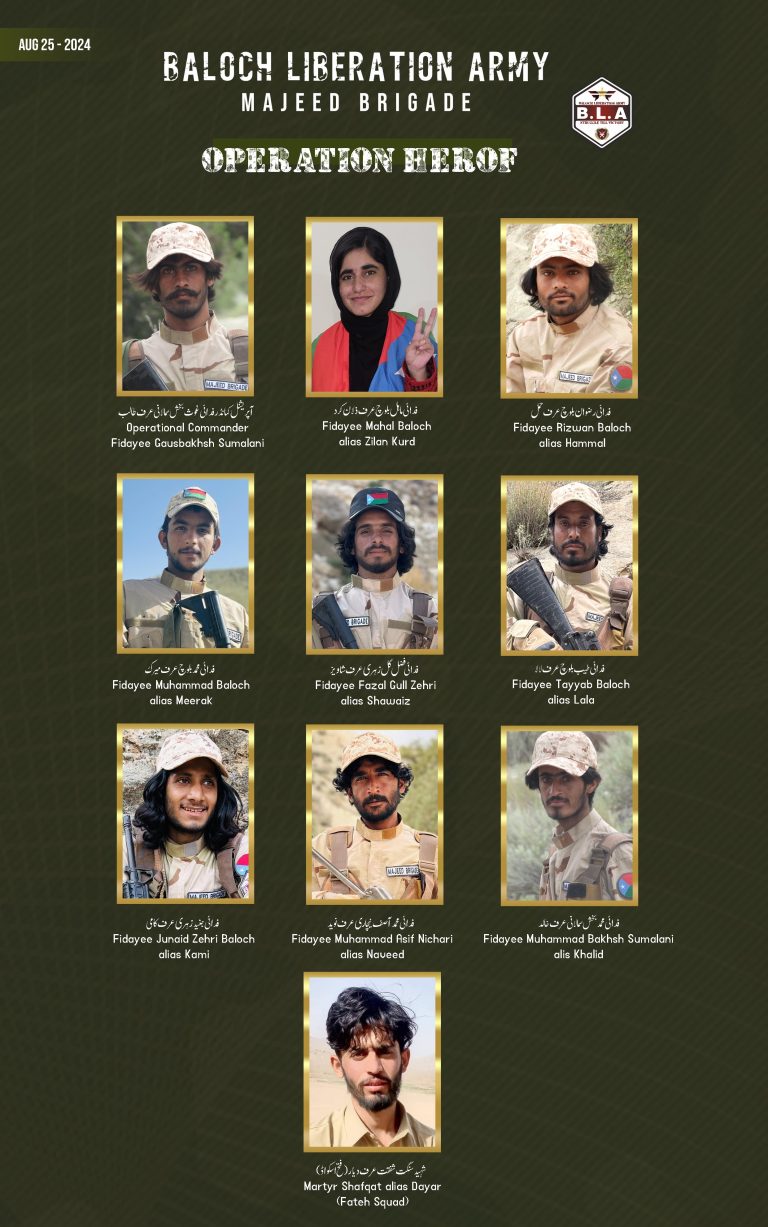
In a detailed statement released to the media, Baloch Liberation Army (BLA) spokesperson Jeeyand Baloch announced the successful conclusion of Operation Herof, a 20-hour long military campaign that resulted in significant losses for the Pakistan forces. The operation, marked by extraordinary bravery and self-sacrifice, saw the martyrdom of nine fidayeen from the BLA’s Majeed Brigade and one valiant fighter from the Fateh Squad, while inflicting heavy casualties on the Pak Army, with 130 personnel killed.

The spokesperson paid tribute to the self-sacrificing revolutionaries, beginning with Operational Commander Ghous Bakhsh Simalani, known as Talib, who led the attack on Bela Headquarters. Simalani, a dedicated freedom fighter from Turkhdi, Shahrag, had been associated with the BLA since 2019. He was the son of Meshedar Simalani, a revered BLA warrior who embraced martyrdom in November 2022 during a fierce battle against occupying Pak forces. Following the footsteps of his father and younger brother, both of whom sacrificed their lives for the cause, Ghous Bakhsh joined the Majeed Brigade in 2022. Despite being wounded early in the operation, he led his comrades with unparalleled courage, eliminating several soldiers and fighting for 20 hours before attaining martyrdom.

Among the martyrs was Sangat Mahil Baloch, also known as Zalan Kurd, a 22-year-old law student from Surbandar, Gwadar. Mahil, who joined the BLA in 2022, epitomized the revolutionary spirit of Baloch women. As the driver of an explosive-laden vehicle, she initiated the attack on the Army’s headquarters, allowing her fellow fighters to penetrate the camp. Her self-sacrifice was a powerful demonstration of the role women play in the Baloch liberation movement, proving that the struggle transcends gender and unites all Baloch people in the pursuit of freedom.

Another brave soul was Sangat Rizwan Baloch, known as Hammal, a 22-year-old revolutionary from Panwan, Gwadar. Rizwan joined the BLA and the Majeed Brigade in 2022. During Operation Herof, he courageously drove the second explosive-laden vehicle into the Bela Headquarters, disrupting the Pak Army and embracing martyrdom with honor.

BLA’s Fidayeen Martyrs

The spokesperson also honored the memory of Muhammad Baloch, known as Mirak, from Surab Tasp, Panjgur. Muhammad, a young fighter who joined the BLA in 2022, was part of the Majeed Brigade and fought for the liberation of his people with unwavering determination. His relative, Sangat Raees, had similarly sacrificed his life in the 2018 attack on the Chinese consulate in Karachi.

Sangat Fazal Gul Zehri, known as Shavez, from Pirshar, Zehri, Khuzdar, was a highly skilled sniper who joined the BLA in 2022. During the Bela camp attack, Fazal Gul displayed remarkable precision, taking out over a dozen soldiers with headshots, thereby enabling his comrades to advance.

The spokesperson also highlighted the valor of Sangat Tayab, known as Lala, from Ahmedwal, Noshki. A former Pak soldier, Tayab renounced his military position due to the realization of Baloch national oppression. He left his life abroad to join the BLA’s liberation struggle. During Operation Herof, he fought bravely until his ammunition was depleted, ultimately taking his own life to avoid capture, symbolizing the ultimate act of self-sacrifice for his people.

The youngest of the martyrs, Sangat Junaid Zehri, known as Kami, was a 20-year-old from Samwani, Zehri, Khuzdar. Despite his youth, Junaid’s dedication and combat skills made him an invaluable member of the Majeed Brigade. He fought continuously for over 20 hours during Operation Herof, earning a place of honor among his fellow revolutionaries.

BLA Commemorates Martyrs

Additionally, the BLA spokesperson remembered two more fidayeen from the Majeed Brigade, Muhammad Asif Nechari, known as Naveed, and Muhammad Bakhsh Simalani, known as Khalid. These brave fighters were en route to join their comrades in Bela when they encountered Pakistan forces in Mastung. After a fierce battle, during which they killed seven soldiers, both attained martyrdom, further demonstrating their unwavering commitment to the Baloch cause.

The spokesperson also paid tribute to the martyrdom of Sangat Shafqat Mengal, a courageous member of the BLA’s Fateh Squad. Shafqat, a student at Balochistan University and an active participant in Baloch student politics, joined the BLA in 2023 and quickly became a key figure in the organization due to his combat skills. He fought valiantly in the clashes with Pakistan forces in the Mastung area during Operation Herof.

The BLA reiterated its commitment to honoring the sacrifices of these self-sacrificing revolutionaries. The organization vowed to continue the struggle for an independent and sovereign Baloch homeland, ensuring that the dreams of these martyrs would one day be realized. Since 1948, Pak-occupied-Balochistan province has witnessed decades of unrest and a ruthless crackdown by Pak Army against the Baloch community. Therefore, pro-independence groups like BLA are engaged in armed struggle against the brutal occupation. 

Pak Army storms Turbat University, harasses students over fidayeen Mahil Baloch

In a disturbing development, Pak forces have encircled Turbat University in Pak-occupied-Balochistan and launched a search operation in the women’s hostel, reportedly targeting students in their quest for information on a fidayeen fighter involved in a recent attack.

Reportedly, the university reported that Pak Army and intelligence agencies have been conducting aggressive searches and interrogations, particularly focusing on Mahil Baloch, also known as Zalan Kurd. Mahil, a resident of Gwadar and a law student at Turbat University, was identified as the individual who carried out a fidayeen attack on a central camp of Pakistan Army in Bela as part of the Baloch Liberation Army’s Operation Herof.

According to student accounts, Pak Army personnel questioned multiple students about Mahil Baloch’s activities and presence within the hostel. They scrutinised Mahil’s room and removed several items during their operation. The occupied-authorities reportedly interrogated students about Mahil’s involvement in the recent attack, with some students being separately summoned for questioning.

The heavy-handed approach by Pak forces shows their use of force and cruel treatment of students and the militarization of educational institutions. The raid, marked by its intensity and invasive nature, is targeting innocent students and creating an atmosphere of fear and intimidation on campus.

Despite the gravity of the situation, the administration of Turbat University has yet to release an official statement or provide a stance on the raid and the subsequent harassment of students. The lack of response from the university raises further questions about the absence of safeguards and the lack of protection for students in such politically charged environments.