Home Blog Page 320

Canada – The Right to Vote for All is Recent in Our Society

0

Since the inception of Canadian society as a nation-state, there has been turmoil as a colonial country and then as a post-colonial Member State of the United Nations in which the main objective of the majority and the minority of the population has been increasing their own rights insofar as they deem them rights and can claim them as such.

Indeed, with the creation of Canada, our general mandate as a society, now, appeals to some of the better instincts of the Canadian populace with the alignment with some of the international sentiments at some of the highest levels of legitimate democratic authority, e.g., the United Nations.

At the beginning of the country in the middle of the 19th century into the early portions of the 20th century, insofar as a democratic country counts the personhood of citizens as the capability to vote in relevant elections, women were not participatory members of the democratic state.

In that, women were considered second-class citizens by some metrics, but, in actuality, in my manner of thinking on the topic; they were thought as no-class citizens because of the non-viability of their ability to vote. It was a separate kind of vote to become a lower-class vote in a democratic state, as in 3/5ths of a person.

No, it was based on the arrogant presumption of women as not people, i.e., as in not being able to vote in the democratic processes of the State in selecting leadership. In turn, we can stipulate: Women were not people in the 19th and early 20th century of Canadian society by the base standards of democracy.

In 1916, these foundings began to shift, as women won some provincial election rights, as in Alberta, Manitoba, and Saskatchewan. Subsequently, in 1917, British Columbia and Ontario awarded the same right to women, the right to vote.

On principle, this should have been clear as day. However, as turns out over time, the general principle, as things start out for democracies, isn’t generally applied, as in women are not seen as persons, fundamentally democratically.

As these provincial rights to vote changed in 1916 and 1917, Canada, federally, passed the War-time Elections Act granting women who are in the military and who had male relatives fighting in WWI the same rights to vote.

This was a tremendous win for the equality and egalitarian movements. In 1918, all white or Caucasian women in Canada were granted the right to vote. A right, in my opinion, that all women deserved from the outset and were denied whole cloth.

Still, several provinces failed to grant women the right to a provincial vote. This is another national failing in the history of Canada society that deserved correction far earlier; a mistake that never should have been, in the first place. This is also sidestepping an entire conversation of the right for minority groups’ rights to vote.

Now, as a matter of historical fact, Quebec was the last province permitting women the right to vote in 1940, while the Northwest Territories was the last one to permit the right to vote of the territories in 1951. That’s quite a while after the original ones. That’s more than 20 years; that’s an entire generation until the corrective actions for women’s equality were made by the province and a generation and a half for the territory.

By 1960, the final crime of the denial of voting rights was corrected with Aboriginal or Indigenous men and women permitted the right to vote. Happily, we have a number of organizations changing the situation, where I did contribute editing, researching, and writing, and some administrative work, for three years to the former UN Women Canada branch, which became the Almas Jiwani Foundation. As far as I can gather, UN Women and then the Canadian national branch or committee, UN Women Canada, had a falling out, which created tension between the international body and the national committee.

Unfortunately, the national committee doesn’t exist anymore, while it became a foundation, which is when I came on board. Outside of great international rights work of the Almas Jiwani Foundation, where I was a Board Member, or the international efforts of Human Rights Watch, Amnesty International, and UN Women, Canada has a number of national organizations committed to making sure the failings do not continue to happen into the future.

These include Royal Commission on the Status of Women, Oxfam Canada, The MATCH International Women’s Fund, Nobel Women’s Initiative, Vancouver Women’s Caucus, Local Council of Women of Halifax, Canadian Women’s Suffrage Association, Equal Voice, LEAF, Abortion Rights Coalition of Canada, National Action Committee on the Status of Women, and Pauktuutit, Canadian Women’s Press Club, CARE Canada, REAL Women of Canada, Fédération des femmes du Québec, Vancouver Rape Relief & Women’s Shelter, Department for Women and Gender Equality Almas Jiwani Foundation, National Council of Women of Canada, Canadian Association of Elizabeth Fry Societies, Canadian Women’s Foundation, and Manitoba Political Equality League.

It’s important to maintain the wins while bearing in mind; nothing is set firm or guaranteed in the history of these movements. Therefore, these organizations and this provincial, territorial, and national history, become important markers as to what is needed to be kept, whether in memory or in rights, to succeed where prior generations failed.

Photo by Jimmy Dean on Unsplash

Recent Proposal for Freedom of the Will and Consciousness

1

Dr. Mir Faizal is an Adjunct Professor in Physics and Astronomy at the University of Lethbridge and a Visiting Professor in Irving K. Barber School of Arts and Sciences at the University of British Columbia – Okanagan.

One of the more interesting colleagues, for me, is quantum cosmologist and string theorist professor Mir Faizal. I am always keen to have conversations on a wide range of subject matter with him, including cosmology and consciousness.

Recently, in the International Journal of Geometric Methods in Modern Physics, he published a solo article entitled “Quantifying consciousness using quantum uncertainty in the brain.”

The paper on consciousness has been published. He makes the basic premise assumption of the undefinability of consciousness followed by the quantifiability of freedom of the will. In that, with quantum uncertainty, there is a proportional increase with coupling, so Faizal argues, with neurological complexity.

Perhaps, this terminology could be extended to computational complexity, as the premise is quantifiability, then the quantifiable more readily accessibly to colloquial expression comes in the form of computation rather than neurology.

In neurology, as a discipline, the premise is something of gross anatomy and examination in contrast to neuroscience, for example, where precision and process reign supreme. Computation covers the big and the small in one as a more generic and generally applicable term.

The real intriguing aspects of the proposal in the paper are the seemingly bold assertions of two items. One, the existence of freedom of the will. Two, the possibility to quantify the degree of freedom of the will.

One of the implications of such a view is the finite form of freedom of the will derived from the argument. As Faizal describes, he sees a direct relationship between consciousness and free will. In that, if an organism is more conscious, then the organism has more free will.

He sees free will as something related to a deep idea of ontological lack of information. As he has described to me, there is an epistemological form of a lack of information. For example, when we think about something in the ordinary world, the way in which we know things inevitably leads to a lack of information.

As epistemology is how we know, it is in the way in which we know that we derive a lack of information. You may have some information about an archaeological dig. However, you have some general coordinates, and then begin the dig and search for the buried remnants. There’s a there to be discovered with the quality of the discovery depending on the epistemology.

Or think of the scientific method, its general methodology leads to a lack of information because of its epistemology, but the empirical knowledge exists. It’s an epistemological lack of information. As to how the universe seems fundamentally, it appears to lack information about itself.

At bottom, the universe, in some manner, lacks sufficient internal information to communicate with itself entirely. In this sense, we come to an ontological lack of information. Where, the way we know isn’t the issue, epistemological lack of information, but the way the universe is, is the problem, ontological lack of information.

In this way, it doesn’t have to do with how you know, your epistemology, because, fundamentally, you will not have complete access to the universe; no matter the precise epistemology or way of knowing applied.

According to Faizal, the more information lacked, then the more freedom of will, which, as he interprets, the more consciousness connected to the system. Furthermore, as an example, with only a particle and two holes, there is an ontological lack of information about the end-point of the particle in terms of which of the two tubes.

To Faizal, this can be considered freedom of the will. If considered as a closed system, then this can be considered a system with the property of freedom of the will and, in turn, quantifiable freedom of the will.

Any further systems with more holes added would mean more freedom of the will due to ontological lack of information rather than epistemological lack of information. Faizal’s argument for freedom of the will is highly interesting due to its foundational thinking, as in ontology, where the basic premise is more rigid in its fundaments.

In that, it doesn’t matter how much one changes the system of knowing, because the freedom of the will links to the basic nature of the world as a consequence of how the world operates quantum mechanically, a specialty for him.

Here, the higher the degree of lack of ontological information, i.e., the more holes, then the more freedom of the will for the system. Quantifiable freedom of the will, where 2-hole systems have less free will than 3-hole systems, than 4-hole systems, and so on, to the nth-hole systems.

He argues that the classical uncertainty is epistemologically true and the quantum mechanical uncertainty is ontologically true. In this interpretation, Faizal argues two things: 1) free will exists, and 2) free will is calculable, as per the above example and reasoning.

He couples the increases in quantum uncertainty with more complexity of a system, including “neurological complexity” or computational complexity, with more free will. Think about it in this manner, the more complexity, neurologically or computationally, amounts to more holes “to the nth-hole,” which means more uncertainty grows with more cognition and so more freedom of the will in the system.

This would not count as a classical formulation of the freedom of the will with an infinite capacity for change of an agent. It would not define the “spirit” or “soul” of an organism, or even assume such an extra-corporeal entity, so as to argue for that which would be free in and of itself as if the organism was a puppet on the spirit’s freely willing strings.

With larger brains, there will be more complexity, more neurological complexity, and more computational complexity, so more quantum uncertainty and, therefore, more freedom of the will in the system.

Faizal, following from the above reasoning, argues for more free will directly following from larger consciousness, so neither free will nor consciousness are illusions. He argues for metaphysical implications of such an argument, for which few true models fit.

Photo by Michael Dziedzic on Unsplash

Philosophy of Economics Crash Course 11 – Thou Shalt Philosophize

0

Dr. Alexander X. Douglas‘s biography states: “I am a lecturer in philosophy in the School of Philosophical, Anthropological, and Film Studies at the University of St. Andrews. I am a historian of philosophy, interested in the philosophy of the human sciences, particularly from the early modern period. I am interested in theories of human reasoning, desire, choice, and social interaction – particularly work that questions the foundations of formal theories in logic and economics from a humanistic perspective. I am particularly interested in the thought of Benedict de Spinoza, which continues to inspire alternatives to the dominant paradigm in economics and social science. My first book, Spinoza and Dutch Cartesianism, proposed a new interpretation of Spinoza, situating him in the context of debates within the Dutch Cartesian tradition, over the status of philosophy and its relation to theology. I am completing a book manuscript, which aims to introduce and develop Spinoza’s theory of beatitude. This is the culmination of Spinoza’s theory of desire, since it describes the condition of ultimate satisfaction. Although Spinoza saw the revelation of true beatitude as the ultimate goal towards which his philosophy reached, there are few interpretative works devoted primarily to this theme. Spinoza’s theory of beatitude is, in my view, the keystone that holds together diverse parts of his philosophy – his theory of desire and the emotions, his metaphysics of time, his theory of human sociability, and his philosophy of religion. These are often studied separately; my introduction to beatitude aims at helping readers understand Spinoza’s philosophy as a unified whole. I have also published a book examining the concept of debt from the perspective of language, history, and political economy. I’m interested in the philosophy of macroeconomics, which receives considerably less attention from philosophers than microeconomics. I am a member of the Centre for Ethics, Philosophy, and Public Affairs, the Executive Committee of the Aristotelian Society, the Management Committee of the British Society for the History of Philosophy, and a Research Scholar at the Global Institute for Sustainable Policy.”

In this series, we discuss the philosophy of economics. For this session, we come back after some time with session 11 on ‌fundamental‌ ‌premises‌, ‌utility-maximization‌ ‌automata, ‌a‌choice, ‌Dr.‌ ‌Carolina‌ ‌Christina‌ ‌Alves‌, ‌human‌ ‌behaviour‌, ‌a metaphysical‌ ‌theory‌ ‌of‌ ‌fundamentally‌ “rational”‌ ‌human‌ ‌nature, ‌normative‌ ‌stance‌ ‌or‌ ‌ethic‌ ‌reflective‌ ‌of‌ ‌ ‌ideology, ‌political‌ ‌examples‌ ‌of‌ ‌Optimal‌ ‌Control‌ ‌Theory, ‌‌profit-motive‌ ‌examples‌ ‌of‌ ‌Optimal‌ ‌Control‌ ‌Theory, ‌understanding‌ ‌colonial‌ ‌narratives‌, and ‌the‌ ‌pretense‌ ‌of‌ ‌“control.”

Scott‌ ‌Douglas‌ ‌Jacobsen:‌ ‌Here’s‌ ‌something‌ ‌following‌ ‌from‌ ‌something‌ ‌else‌ ‌in‌ ‌session‌ ‌9,‌ ‌we‌ ‌talked‌ ‌about‌ ‌this‌ ‌“objective‌ ‌trait‌ ‌of‌ ‌human‌ ‌nature‌ ‌assumed‌ ‌in‌ ‌the‌ ‌framework”‌ ‌(quoting‌ ‌myself)‌ ‌and‌ ‌this‌ ‌“maximization‌ ‌fo‌ ‌preferences”‌ ‌(quoting‌ ‌you)‌ ‌or‌ ‌‘people‌ ‌choosing‌ ‌what‌ ‌they‌ ‌most‌ ‌prefer,‌ ‌given‌ ‌known‌ ‌constraints’‌ ‌(paraphrasing‌ ‌you).‌ ‌Okay,‌ ‌neat,‌ ‌fine,‌ ‌great,‌ ‌there‌ ‌are‌ ‌so‌ ‌many‌ ‌intelligent,‌ ‌and‌ ‌super‌ ‌smart,‌ ‌people‌ ‌in‌ ‌economics‌ ‌working‌ ‌today,‌ ‌and‌ ‌in‌ ‌the‌ ‌past.‌ ‌But‌ ‌if‌ ‌they‌ ‌plug‌ ‌in‌ ‌not‌ ‌necessarily‌ ‌the‌ ‌wrong,‌ ‌but‌ ‌imprecise‌ ‌and‌ ‌poor,‌ ‌assumptions‌ ‌for‌ ‌premises,‌ ‌or‌ ‌hidden‌ ‌premises‌ ‌rather,‌ ‌in‌ ‌this‌ ‌manner‌ ‌of‌ ‌looking‌ ‌at‌ ‌the‌ ‌world,‌ ‌they‌ ‌come‌ ‌to‌ ‌seemingly‌ ‌correct‌ ‌estimations‌ ‌about‌ ‌human‌ ‌psychology‌ ‌based‌ ‌on‌ ‌output‌ ‌–‌ ‌the‌ ‌6.2%‌ ‌vs.‌ ‌6.3%‌ ‌example.‌ ‌Yet,‌ ‌it’s‌ ‌a‌ ‌house‌ ‌of‌ ‌cards‌ ‌from‌ ‌an‌ ‌old‌ ‌water-soaked‌ ‌deck.‌ ‌The‌ ‌whole‌ ‌thing‌ ‌simply‌ ‌collapses‌ ‌on‌ ‌some‌ ‌more‌ ‌critical‌ ‌analysis‌ ‌of‌ ‌this‌ ‌supposed‌ ‌armature‌ ‌of‌ ‌utility-maximization.‌ ‌That’s‌ ‌all‌ ‌a‌ ‌long-winded‌ ‌way‌ ‌to‌ ‌call‌ ‌utility‌ ‌analyses‌ ‌wrong‌ ‌at‌ ‌root,‌ ‌and‌ ‌right‌ ‌in‌ ‌some‌ ‌loose‌ ‌approximation,‌ ‌maybe‌ ‌good‌ ‌for‌ ‌some‌ ‌introductory‌ ‌theory‌ ‌in‌ ‌economics‌ ‌if‌ ‌I‌ ‌am‌ ‌gathering‌ ‌the‌ ‌right‌ ‌analysis‌ ‌from‌ ‌you,‌ ‌while‌ ‌inadequate‌ ‌in‌ ‌its‌ ‌fundamental‌ ‌premises‌ ‌of‌ ‌endeavouring‌ ‌to‌ ‌understand‌ ‌human‌ ‌psychology‌ ‌and‌ ‌behaviour‌ ‌‌en‌ ‌masse‌.‌ ‌

Dr.‌ ‌Alexander‌ ‌Douglas:‌ ‌‌Yes,‌ ‌I‌ ‌think‌ ‌that’s‌ ‌right.‌ ‌There‌ ‌are‌ ‌some‌ ‌incredibly‌ ‌clever‌ ‌ways‌ ‌that‌ ‌people‌ ‌have‌ ‌found‌ ‌to‌ ‌explain‌ ‌how‌ ‌an‌ ‌observed‌ ‌social‌ ‌outcome‌ ‌can‌ ‌be‌ ‌represented‌ ‌as‌ ‌a‌ ‌balance‌ ‌of‌ ‌rationally‌ ‌self-interested‌ ‌forces‌ ‌-‌ ‌an‌ ‌equilibrium.‌ ‌But‌ ‌there‌ ‌is‌ ‌a‌ ‌very‌ ‌big‌ ‌step‌ ‌from “can‌ ‌be‌ ‌represented‌ ‌as”‌ ‌to‌ ‌“is‌ ‌in‌ ‌fact”,‌ ‌and‌ ‌I‌ ‌really‌ ‌haven’t‌ ‌seen‌ ‌the‌ ‌justification‌ ‌for‌ ‌taking‌ ‌that‌ ‌step,‌ ‌at‌ ‌least‌ ‌not‌ ‌in‌ ‌most‌ ‌cases.‌ ‌

There’s‌ ‌also‌ ‌the‌ ‌issue‌ ‌of‌ ‌modelling.‌ ‌We’ve‌ ‌had‌ ‌a‌ ‌pretty‌ ‌stark‌ ‌example‌ ‌of‌ ‌the‌ ‌dangers‌ ‌of‌ ‌depending‌ ‌too‌ ‌much‌ ‌on‌ ‌modelling‌ ‌human‌ ‌behaviour‌ ‌recently.‌ ‌The‌ ‌UK‌ ‌government‌ ‌repeatedly‌ ‌claimed‌ ‌to‌ ‌be‌ ‌“following‌ ‌the‌ ‌science”‌ ‌in‌ ‌handling‌ ‌the‌ ‌pandemic,‌ ‌but‌ ‌many‌ ‌scientists‌ ‌were‌ ‌troubled‌ ‌by‌ ‌how‌ ‌completely‌ ‌it‌ ‌was‌ ‌depending‌ ‌on‌ ‌modelling‌ ‌-‌ ‌even‌ ‌the‌ ‌scientists‌ ‌building‌ ‌the‌ ‌models.‌ ‌And‌ ‌terrible‌ ‌mistakes‌ ‌were‌ ‌made.‌ ‌Care‌ ‌homes‌ ‌were‌ ‌modelled‌ ‌as‌ ‌being‌ ‌shielded,‌ ‌so‌ ‌long‌ ‌as‌ ‌visits‌ ‌were‌ ‌controlled.‌ ‌That‌ ‌turned‌ ‌out‌ ‌to‌ ‌be‌ ‌wrong.‌ ‌There‌ ‌were‌ ‌open‌ ‌channels‌ ‌into‌ ‌the‌ ‌care‌ ‌homes.‌ ‌They‌ ‌weren’t‌ ‌in‌ ‌the‌ ‌models,‌ ‌because‌ ‌nobody‌ ‌put‌ ‌them‌ ‌there.‌ ‌The‌ ‌problem‌ ‌with‌ ‌depending‌ ‌entirely‌ ‌on‌ ‌models‌ ‌is‌ ‌that‌ ‌there‌ ‌is‌ ‌no‌ ‌model‌ ‌to‌ ‌tell‌ ‌you‌ ‌what‌ ‌to‌ ‌put‌ ‌in‌ ‌the‌ ‌model.‌ ‌

There’s‌ ‌a‌ ‌lesson‌ ‌here‌ ‌for‌ ‌economics. ‌Dani‌ ‌Rodrik‌ ‌says‌ ‌that‌ ‌choosing‌ ‌models‌ ‌is‌ ‌the‌ “art” ‌of‌ ‌economics, ‌whereas‌ ‌building‌ ‌models‌ ‌is‌ ‌the‌ ‌“science.” ‌But‌ ‌there‌ ‌is‌ ‌no‌ ‌clear‌ ‌method‌ ‌for‌ ‌this‌ “art”, ‌no‌ ‌quality-control, ‌nothing‌ ‌but‌ ‌instinct‌ ‌-‌ ‌and‌ ‌we‌ ‌shouldn’t‌ ‌want‌ ‌to‌ ‌live‌ ‌by‌ ‌the‌ ‌instincts‌ ‌of‌ ‌people‌ ‌who‌ ‌are‌ ‌experts‌ ‌on‌ ‌building‌ ‌models‌ ‌but‌ ‌amateurs‌ ‌on‌ ‌everything‌ ‌else. ‌

Jacobsen:‌ ‌What‌ ‌seem‌ ‌like‌ ‌symptoms‌ ‌of‌ ‌a‌ ‌“false‌ ‌psychological‌ ‌theory”‌ ‌or,‌ ‌rather,‌ ‌a‌ ‌false‌ ‌mass‌ ‌psychology‌ ‌theory?‌ ‌Is‌ ‌there,‌ ‌in‌ ‌some‌ ‌sense,‌ ‌an‌ ‌assumed‌ ‌idea‌ ‌of‌ ‌human‌ ‌beings‌ ‌in‌ ‌groups‌ ‌as‌ ‌automata,‌ ‌utility-maximization‌ ‌automata?‌ ‌As‌ ‌someone‌ ‌who‌ ‌has‌ ‌loved,‌ ‌i.e.,‌ ‌received‌ ‌and‌ ‌given‌ ‌deep‌ ‌love‌ ‌in‌ ‌intimate‌ ‌settings,‌ ‌this‌ ‌purported‌ ‌framework‌ ‌of‌ ‌“utility-maximization”‌ ‌hardly‌ ‌captures‌ ‌its‌ ‌contours‌ ‌–‌ ‌let‌ ‌alone‌ ‌fine‌ ‌details‌ ‌–‌ ‌if‌ ‌at‌ ‌all.‌ ‌

Douglas:‌ ‌‌What ‌you’ve‌ ‌brought‌ ‌up‌ ‌is,‌ ‌I‌ ‌think,‌ ‌that‌ ‌human‌ ‌actions,‌ ‌choices,‌ ‌feelings,‌ ‌preferences‌ ‌-‌ ‌they‌ ‌all‌ ‌have‌ ‌‌meanings‌.‌ ‌The‌ ‌action‌ ‌of‌ ‌pulling‌ ‌out‌ ‌the‌ ‌reproductive‌ ‌organs‌ ‌of‌ ‌plants,‌ ‌carrying‌ ‌them‌ ‌somewhere,‌ ‌and‌ ‌then‌ ‌depositing‌ ‌them‌ ‌isn’t‌ ‌an‌ ‌expression‌ ‌of‌ ‌love‌ ‌in‌ ‌itself.‌ ‌It‌ ‌becomes‌ ‌one‌ ‌under‌ ‌the‌ ‌description‌ ‌of‌ ‌picking‌ ‌flowers‌ ‌for‌ ‌your‌ ‌beloved.‌ ‌But‌ ‌meanings‌ ‌are‌ ‌by‌ ‌definition‌ ‌excluded‌ ‌from‌ ‌economic‌ ‌explanations.‌ ‌The‌ ‌explanatory‌ ‌models‌ ‌are‌ ‌mathematical‌ ‌models,‌ ‌whose‌ ‌variables‌ ‌range‌ ‌over‌ ‌various‌ ‌things‌ ‌that‌ ‌affect‌ ‌and‌ ‌are‌ ‌affected‌ ‌by‌ ‌human‌ ‌behaviour‌ ‌-‌ ‌prices,‌ ‌for‌ ‌instance.‌ ‌What‌ ‌doesn’t‌ ‌appear‌ ‌in‌ ‌the‌ ‌models,‌ ‌and‌ ‌therefore‌ ‌isn’t‌ ‌relevant,‌ ‌is‌ ‌the‌ ‌descriptions‌ ‌under‌ ‌which‌ ‌the‌ ‌human‌ ‌actions‌ ‌fall,‌ ‌and‌ ‌therefore‌ ‌their‌ ‌meaning.‌ ‌

Jacobsen:‌ ‌You‌ ‌stated,‌ ‌“Economists‌ ‌can‌ ‌only‌ ‌avoid‌ ‌having‌ ‌it‌ ‌falsified‌ ‌by‌ ‌adding‌ ‌so‌ ‌much‌ ‌noise‌ ‌into‌ ‌the‌ ‌environmental‌ ‌factors…”‌ ‌It’s‌ ‌a‌ ‌choice.‌ ‌It‌ ‌looks‌ ‌as‌ ‌if‌ ‌a‌ ‌choice:‌ ‌From‌ ‌the‌ ‌dehumanizing‌ ‌language‌ ‌to‌ ‌the‌ ‌false‌ ‌mass‌ ‌psychology‌ ‌theory‌ ‌to‌ ‌‌ad‌ ‌hoc‌ ‌‌terminology‌ ‌to‌ ‌the‌ ‌complex‌ ‌mathematical‌ ‌models‌ ‌to‌ ‌the‌ ‌implied‌ ‌metaphysical‌ ‌theory.‌ ‌Why‌ ‌do‌ ‌these‌ ‌professionals‌ ‌make‌ ‌these‌ ‌choices?‌ ‌Why‌ ‌have‌ ‌they‌ ‌consistently‌ ‌made‌ ‌these‌ ‌choices?‌ ‌

Douglas:‌ ‌‌I’m‌ ‌not‌ ‌sure‌ ‌it‌ ‌is‌ ‌a‌ ‌choice,‌ ‌exactly.‌ ‌The‌ ‌profession‌ ‌has‌ ‌ended‌ ‌upon‌ ‌following‌ ‌the‌ ‌path‌ ‌you‌ ‌describe.‌ ‌I‌ ‌guess‌ ‌at‌ ‌every‌ ‌stage‌ ‌there‌ ‌was‌ ‌a‌ ‌choice,‌ ‌and‌ ‌the‌ ‌combined‌ ‌choices‌ ‌led‌ ‌to‌ ‌where‌ ‌we‌ ‌are‌ ‌now.‌ ‌But‌ ‌I‌ ‌don’t‌ ‌know‌ ‌if‌ ‌anyone‌ ‌would‌ ‌have‌ ‌chosen‌ ‌in‌ ‌advance‌ ‌to‌ ‌go‌ ‌down‌ ‌the‌ ‌whole‌ ‌path.‌ ‌One‌ ‌thing‌ ‌philosophy‌ ‌is‌ ‌quite‌ ‌good‌ ‌at,‌ ‌as‌ ‌a‌ ‌discipline,‌ ‌is‌ ‌taking‌ ‌a‌ ‌broad‌ ‌view‌ ‌of‌ ‌how‌ ‌it‌ ‌has‌ ‌developed‌ ‌over‌ ‌time‌ ‌and‌ ‌reflecting‌ ‌on‌ ‌whether‌ ‌it‌ ‌might‌ ‌have‌ ‌done‌ ‌better‌ ‌to‌ ‌take‌ ‌a‌ ‌different‌ ‌road.‌ ‌Economics‌ ‌has‌ ‌been‌ ‌much‌ ‌less‌ ‌successful‌ ‌at‌ ‌doing‌ ‌this.‌ ‌Generally,‌ ‌economists‌ ‌are‌ ‌taught‌ ‌a‌ ‌set‌ ‌of‌ ‌techniques‌ ‌and‌ ‌then‌ ‌succeed‌ ‌by‌ ‌pushing‌ ‌those‌ ‌techniques‌ ‌further.‌ ‌To‌ ‌be‌ ‌honest,‌ ‌I‌ ‌think‌ ‌philosophy‌ ‌is‌ ‌less‌ ‌good‌ ‌at‌ ‌broad-view‌ ‌self-reflection‌ ‌than‌ ‌it‌ ‌used‌ ‌to‌ ‌be.‌ ‌Maybe‌ ‌it’s‌ ‌something‌ ‌to‌ ‌do‌ ‌with‌ ‌the‌ ‌current‌ ‌institutional‌ ‌structure‌ ‌of‌ ‌research.‌ ‌But‌ ‌the‌ ‌result‌ ‌is‌ ‌that‌ ‌nobody‌ ‌seems‌ ‌to‌ ‌be‌ ‌choosing‌ ‌to‌ ‌take‌ ‌the‌ ‌approach‌ ‌they‌ ‌take:‌ ‌you‌ ‌sign‌ ‌up‌ ‌to‌ ‌do‌ ‌economics,‌ ‌or‌ ‌philosophy,‌ ‌and‌ ‌then‌ ‌they‌ ‌tell‌ ‌you‌ ‌how‌ ‌to‌ ‌do‌ ‌it.‌ ‌You‌ ‌can‌ ‌get‌ ‌into‌ ‌the‌ ‌big‌ ‌journals‌ ‌and‌ ‌have‌ ‌a‌ ‌career,‌ ‌or‌ ‌you‌ ‌can‌ ‌do‌ ‌things‌ ‌your‌ ‌own‌ ‌way‌ ‌as‌ ‌an‌ ‌amateur‌ ‌blogger.‌ ‌

Jacobsen:‌ ‌In‌ ‌reference‌ ‌to‌ ‌Joan‌ ‌Robinson‌ ‌in‌ ‌session‌ ‌9,‌ ‌Dr.‌ ‌Carolina‌ ‌Christina‌ ‌Alves‌ ‌is‌ ‌the‌ Joan‌ ‌Robinson‌ ‌Research‌ ‌Fellow‌ ‌in‌ ‌Heterodox‌ ‌Economics‌ ‌at‌ ‌Girton‌ ‌College‌ ‌at‌ ‌the‌ ‌University‌ ‌of‌ ‌Cambridge,‌ ‌where‌ ‌readers‌ ‌can‌ ‌expect‌ ‌an‌ ‌intriguing‌ ‌educational‌ ‌series‌ ‌on‌ ‌Heterodox‌ ‌Economics‌ ‌in‌ ‌this‌ ‌same‌ ‌publication‌ ‌as‌ ‌Philosophy‌ ‌of‌ ‌Economics‌ ‌and‌ ‌Heterodox‌ ‌Economics‌ ‌seem‌ ‌to‌ ‌complement‌ ‌one‌ ‌another‌ ‌nicely.‌ ‌Without‌ ‌proper‌ ‌means‌ ‌by‌ ‌which‌ ‌to‌ ‌make‌ ‌precise‌ ‌demarcations,‌ ‌is‌ ‌orthodox‌ ‌economics‌ ‌left‌ ‌in‌ ‌the‌ ‌muck‌ ‌–‌ ‌so‌ ‌to‌ ‌speak‌ ‌–‌ ‌without‌ ‌the‌ ‌recourse‌ ‌to‌ ‌simplicity‌ ‌or‌ ‌parsimony‌ ‌available‌ ‌to‌ ‌the‌ ‌pure‌ ‌mathematician‌ ‌or‌ ‌the‌ ‌particle‌ ‌physicist?‌ ‌Simply‌ ‌put,‌ ‌there’s‌ ‌too‌ ‌many‌ ‌confounds‌ ‌for‌ ‌legitimate‌ ‌alternative‌ ‌theorizing‌ ‌in‌ ‌many‌ ‌directions.‌ ‌

Douglas: ‌‌I’m‌ ‌glad‌ ‌you’re‌ ‌speaking‌ ‌with‌ ‌Carolina. ‌She‌ ‌has‌ ‌a‌ ‌very‌ ‌interesting‌ ‌insider’s‌ ‌perspective‌ ‌on‌ ‌this, ‌which‌ ‌I‌ ‌don’t‌ ‌have, ‌and‌ ‌she’s‌ ‌worthy‌ ‌of‌ ‌the‌ ‌great‌ ‌Robinson‌ ‌legacy. ‌

Yes,‌ ‌I‌ ‌think‌ ‌that’s‌ ‌a‌ ‌good‌ ‌way‌ ‌of‌ ‌putting‌ ‌it.‌ ‌Economics‌ ‌goes‌ ‌off‌ ‌in‌ ‌so‌ ‌many‌ ‌different‌ ‌directions,‌ ‌even‌ ‌within‌ ‌the‌ ‌“orthodox”‌ ‌space.‌ ‌When‌ ‌you‌ ‌question‌ ‌economists‌ ‌about‌ ‌gaps‌ ‌in‌ ‌their‌ ‌theory,‌ ‌it‌ ‌feels‌ ‌a‌ ‌bit‌ ‌like‌ ‌being‌ ‌run‌ ‌around‌ ‌a‌ ‌bureaucracy.‌ ‌You‌ ‌get:‌ “oh,‌ ‌my‌ ‌model‌ ‌doesn’t‌ ‌have‌ ‌money‌ ‌in‌ ‌it;‌ ‌that’s‌ ‌for‌ ‌macroeconomists/monetary‌ ‌economists”;‌ ‌“oh,‌ ‌experimental‌ ‌economists‌ ‌work‌ ‌on‌ ‌that”;‌ “oh,‌ ‌that’s‌ ‌something‌ ‌behavioural‌ ‌economists‌ ‌work‌ ‌on”;‌ ‌”oh,‌ ‌that’s‌ ‌a‌ ‌problem‌ ‌for‌ ‌social‌ ‌choice‌ ‌theory”;‌ ‌“there’s‌ ‌probably‌ ‌some‌ ‌game-theoretic‌ ‌explanation‌ ‌for‌ ‌that”,‌ ‌et‌ ‌cetera‌ ‌ad‌ ‌nauseum.‌ ‌With‌ ‌many‌ ‌of‌ ‌the‌ ‌special‌ ‌sciences,‌ ‌you‌ ‌get‌ ‌these‌ ‌piecemeal‌ ‌snapshots,‌ ‌like‌ ‌the‌ ‌images‌ ‌from‌ ‌an‌ ‌MRI‌ ‌machine.‌ ‌You‌ ‌can‌ ‌then‌ ‌run‌ ‌them‌ ‌all‌ ‌together‌ ‌into‌ ‌a‌ ‌solid‌ ‌picture.‌ ‌With‌ ‌economics,‌ ‌it‌ ‌feels‌ ‌like‌ ‌the‌ ‌snapshots‌ ‌are‌ ‌all‌ ‌at‌ ‌different‌ ‌angles,‌ ‌and‌ ‌cut‌ ‌across‌ ‌each‌ ‌other‌ ‌in‌ ‌baffling‌ ‌ways.‌ ‌If‌ ‌you‌ ‌run‌ ‌them‌ ‌together,‌ ‌you‌ ‌get‌ ‌a‌ ‌pure‌ ‌tangle.‌ ‌

Despite‌ ‌the‌ ‌plurality‌ ‌of‌ ‌approaches,‌ ‌I’m‌ ‌not‌ ‌convinced‌ ‌that‌ ‌economics,‌ ‌at‌ ‌least‌ ‌orthodox‌ ‌economics,‌ ‌can‌ ‌tell‌ ‌us‌ ‌much‌ ‌about‌ ‌what‌ ‌we‌ ‌really‌ ‌want‌ ‌to‌ ‌know.‌ ‌Economists‌ ‌can‌ ‌go‌ ‌on‌ ‌their‌ ‌instincts‌ ‌about‌ ‌a‌ ‌fair‌ ‌wage,‌ ‌a‌ ‌fair‌ ‌level‌ ‌of‌ ‌inequality,‌ ‌etc.,‌ ‌and‌ ‌how‌ ‌we‌ ‌might‌ ‌get‌ ‌there.‌ ‌But‌ ‌I‌ ‌don’t‌ ‌see‌ ‌any‌ ‌‌scientific‌‌ ‌approach‌ ‌to‌ ‌answering‌ ‌these‌ ‌questions‌ ‌emerging.‌ ‌The‌ ‌models‌ ‌can‌ ‌do‌ ‌things‌ ‌like‌ ‌determine‌ ‌a‌ ‌wage‌ ‌level‌ ‌assuming‌ ‌a‌ ‌certain‌ ‌distribution‌ ‌of‌ ‌income,‌ ‌but‌ ‌that’s‌ ‌assuming‌ ‌the‌ ‌most‌ ‌contentious‌ ‌thing.‌ ‌As‌ ‌a‌ ‌layperson,‌ ‌I‌ ‌probably‌ ‌like‌ ‌institutional‌ ‌economics‌ ‌the‌ ‌best,‌ ‌but‌ ‌perhaps‌ ‌that’s‌ ‌because‌ ‌large‌ ‌parts‌ ‌of‌ ‌it‌ ‌resemble‌ ‌social‌ ‌anthropology‌ ‌and‌ ‌other‌ ‌hermeneutic‌ ‌disciplines.‌ ‌

Jacobsen:‌ ‌Why‌ ‌does‌ ‌human‌ ‌behaviour‌ ‌seem‌ ‌non-algorithmic?‌ ‌

Douglas:‌ ‌‌Because‌ ‌it‌ ‌has‌ ‌meaning.‌ ‌Algorithms‌ ‌can‌ ‌be‌ ‌represented‌ ‌by‌ ‌mathematical‌ ‌equations.‌ ‌Can‌ ‌you‌ ‌represent‌ ‌what‌ ‌somebody‌ ‌‌does‌‌ ‌mathematically?‌ ‌Sure‌ ‌-‌ ‌you‌ ‌can,‌ ‌e.g.,‌ ‌find‌ ‌an‌ ‌equation‌ ‌that‌ ‌tracks‌ ‌a‌ ‌person’s‌ ‌movement‌ ‌through‌ ‌space‌ ‌over‌ ‌time.‌ ‌But‌ ‌the‌ ‌meaning‌ ‌of‌ ‌her‌ ‌behaviour‌ ‌wouldn’t‌ ‌come‌ ‌out‌ ‌that‌ ‌way.‌ ‌You‌ ‌can‌ ‌describe‌ ‌the‌ ‌meaning‌ ‌of‌ ‌an‌ ‌action‌ ‌in‌ ‌words,‌ ‌or‌ ‌maybe‌ ‌in‌ ‌painting‌ ‌or‌ ‌music,‌ ‌but‌ ‌those‌ ‌only‌ ‌work‌ ‌because‌ ‌they‌ ‌conjure‌ ‌thoughts‌ ‌of‌ ‌meanings‌ ‌in‌ ‌our‌ ‌minds.‌ ‌Take‌ ‌the‌ ‌meaning‌ ‌out‌ ‌of‌ ‌words‌ ‌and‌ ‌they‌ ‌become‌ ‌grunts‌ ‌and‌ ‌scribbles.‌ ‌Take‌ ‌the‌ ‌meaning‌ ‌out‌ ‌of‌ ‌action‌ ‌and‌ ‌it‌ ‌becomes‌ ‌dead‌ ‌motion.‌ ‌R.G.‌ ‌Collingwood‌ ‌said‌ ‌that‌ ‌every‌ ‌rational‌ ‌human‌ ‌action‌ ‌expresses‌ ‌some‌ ‌sort‌ ‌of‌ ‌meaning.‌ ‌To‌ ‌study‌ ‌it‌ ‌algorithmically‌ ‌keeps‌ ‌the‌ ‌syntax,‌ ‌at‌ ‌best,‌ ‌and‌ ‌throws‌ ‌the‌ ‌semantics‌ ‌away.‌ ‌But‌ ‌meaning‌ ‌is‌ ‌everything‌ ‌in‌ ‌human‌ ‌life.‌ ‌

But‌ ‌look,‌ ‌even‌ ‌if‌ ‌you’re‌ ‌not‌ convinced‌ ‌by‌ ‌that‌ ‌point,‌ ‌the‌ ‌way‌ ‌that‌ ‌modern‌ ‌orthodox‌ ‌economics‌ ‌treats‌ ‌human‌ ‌behaviour‌ ‌leaves ‌out‌ ‌almost‌ ‌everything‌ ‌that‌ ‌people‌ ‌ought‌ ‌to‌ ‌care‌ ‌about‌ ‌in‌ ‌political‌ ‌economy.‌ ‌Marx‌ ‌made‌ ‌the‌ ‌point‌ ‌that‌ ‌”bourgeois”‌ ‌economics‌ ‌obscures‌ ‌relations‌ ‌among‌ ‌people‌ ‌behind‌ ‌relations‌ ‌among‌ ‌‌things‌:‌ ‌the‌ ‌prices‌ ‌at‌ ‌which‌ ‌things‌ ‌exchange.‌ ‌The‌ ‌trick‌ ‌here‌ ‌is‌ ‌to‌ ‌say‌ ‌that‌ ‌prices‌ ‌can‌ ‌be‌ ‌determined‌ ‌if‌ ‌we‌ ‌hold‌ ‌something‌ ‌else‌ ‌fixed:‌ ‌the‌ ‌preferences‌ ‌of‌ ‌individuals.‌ ‌But‌ ‌then‌ ‌prices,‌ ‌especially‌ ‌wages‌ ‌and‌ ‌profits,‌ ‌determine‌ ‌the‌ ‌incomes‌ ‌of‌ ‌individuals.‌ ‌Others‌ ‌might‌ ‌not‌ ‌feel‌ ‌as‌ ‌strongly‌ ‌as‌ ‌me‌ ‌that‌ ‌our‌ ‌desires‌ ‌and‌ ‌preferences‌ ‌are‌ ‌determined‌ ‌by‌ ‌our‌ ‌social‌ ‌situation,‌ ‌but‌ ‌few‌ ‌would‌ ‌deny‌ ‌that‌ ‌our‌ ‌desires‌ ‌and‌ ‌preferences‌ ‌are‌ ‌determined‌ ‌by‌ ‌our‌ ‌income‌.‌ ‌The‌ ‌only‌ ‌way‌ ‌the‌ ‌neoclassical‌ ‌models‌ ‌work‌ ‌is‌ ‌if‌ ‌we‌ ‌assume‌ ‌that‌ ‌people‌ ‌have‌ ‌some‌ ‌hard‌ ‌core‌ ‌of‌ ‌unvarying‌ ‌preferences‌ ‌that‌ ‌remain‌ ‌unmoved‌ ‌by‌ ‌all‌ ‌changes‌ ‌in‌ ‌income‌ ‌and‌ ‌social‌ ‌position.‌ ‌That’s‌ ‌a‌ ‌strong‌ ‌dose‌ ‌of‌ ‌philosophical‌ ‌anthropology‌ ‌to‌ ‌take‌ ‌as‌ ‌an‌ ‌axiom.‌ ‌

Jacobsen:‌ ‌You‌ ‌said,‌ ‌“I‌ ‌find‌ ‌that‌ ‌the‌ ‌scholarly‌ ‌literature‌ ‌often‌ ‌presents‌ ‌it‌ ‌as‌ ‌a‌ ‌‘black‌ ‌box’‌ ‌whereas‌ ‌textbooks‌ ‌suggest‌ ‌that‌ ‌we‌ ‌really‌ ‌do‌ ‌think‌ ‌and‌ ‌act‌ ‌according‌ ‌to‌ ‌the‌ ‌economist’s‌ ‌definition‌ ‌of‌ ‌rationality…‌ ‌rationality,‌ ‌on‌ ‌the‌ ‌economist’s‌ ‌conception,‌ ‌seems‌ ‌to‌ ‌involve‌ ‌some‌ ‌normative‌ ‌element.‌ ‌Being‌ ‌rational‌ ‌is‌ ‌something‌ ‌to‌ ‌be‌ ‌proud‌ ‌of;‌ ‌being‌ ‌irrational‌ ‌is‌ ‌something‌ ‌to‌ ‌be‌ ‌ashamed‌ ‌of.”‌ ‌It‌ ‌comes‌ ‌out‌ ‌in‌ ‌colloquial‌ ‌phrases‌ ‌of‌ ‌non-academic‌ ‌culture‌ ‌too:‌ ‌“You’re‌ ‌being‌ ‌irrational”‌ ‌or‌ ‌“that’s‌ ‌irrational.”‌ ‌It’s‌ ‌saying‌ ‌they’re‌ ‌temporarily‌ ‌wrong‌ ‌in‌ ‌the‌ ‌head.‌ ‌In‌ ‌that,‌ ‌it‌ ‌sort‌ ‌of‌ ‌gives‌ ‌part‌ ‌of‌ ‌the‌ ‌social‌ ‌game‌ ‌away,‌ ‌and,‌ ‌in‌ ‌turn,‌ ‌may‌ ‌hint‌ ‌at‌ ‌some‌ ‌of‌ ‌the‌ ‌same‌ ‌instant‌ ‌filler‌ ‌happening‌ ‌in‌ ‌academic‌ ‌economics‌ ‌circles.‌ ‌To‌ ‌make‌ ‌the‌ ‌normative‌ ‌charge,‌ ‌“You’re‌ ‌irrational.”‌ ‌It‌ ‌is‌ ‌to‌ ‌say‌ ‌that‌ ‌they’re‌ ‌not‌ ‌precisely‌ ‌conforming‌ ‌to‌ ‌some‌ ‌abstracted‌ ‌ideal‌ ‌human‌ ‌being‌ ‌who‌ ‌would‌ ‌act‌ ‌rational‌ ‌in‌ ‌such‌ ‌a‌ ‌circumstance,‌ ‌where‌ ‌this‌ ‌“irrational”‌ ‌individual‌ ‌is‌ ‌failing‌ ‌to‌ ‌achieve‌ ‌this‌ ‌idealized‌ ‌state.‌ ‌It‌ ‌hints‌ ‌at‌ ‌the‌ ‌‌faux‌‌ ‌precision‌ ‌of‌ ‌the‌ ‌mathematical‌ ‌modelling‌ ‌and‌ ‌the‌ “metaphysical‌ ‌theory”‌ ‌that‌ ‌you‌ ‌talked‌ ‌about‌ ‌before.‌ ‌A‌ ‌metaphysical‌ ‌theory‌ ‌of‌ ‌fundamentally‌ “rational”‌ ‌human‌ ‌nature.‌ ‌

Douglas:‌ ‌‌Yes,‌ ‌in‌ ‌the‌ ‌medieval‌ ‌and‌ ‌early‌ ‌modern‌ ‌period‌ ‌rationality‌ ‌was‌ ‌often‌ ‌understood‌ ‌in‌ ‌terms‌ ‌of‌ ‌this‌ ‌abstract,‌ ‌ideal‌ ‌human‌ ‌being;‌ ‌it‌ ‌was‌ ‌even‌ ‌argued‌ ‌that‌ ‌since‌ ‌rationality‌ ‌is‌ ‌a‌ ‌specifically‌ ‌human‌ ‌trait,‌ ‌the‌ ‌ideal‌ ‌human‌ ‌would‌ ‌be‌ ‌purely‌ ‌rational.‌ ‌But‌ ‌I‌ ‌think‌ ‌there’s‌ ‌a‌ ‌sleight-of-hand‌ ‌here.‌ ‌People‌ ‌make‌ ‌it‌ ‌look‌ ‌as‌ ‌if‌ ‌they‌ ‌start‌ ‌from‌ ‌the‌ ‌idea‌ ‌of‌ ‌rationality‌ ‌and‌ ‌then‌ ‌derive‌ ‌an‌ ‌ideally‌ ‌rational‌ ‌agent‌ ‌from‌ ‌that.‌ ‌I‌ ‌think‌ ‌what‌ ‌really‌ ‌happens‌ ‌is‌ ‌that‌ ‌they‌ ‌start‌ ‌with‌ ‌their‌ ‌conception‌ ‌of‌ ‌an‌ ‌ideal‌ ‌agent‌ ‌and‌ ‌then‌ ‌define‌ ‌rationality‌ ‌in‌ ‌terms‌ ‌of‌ ‌what‌ ‌approaches‌ ‌that‌ ‌exemplar.‌ ‌Spinoza‌ ‌explains‌ ‌this‌ ‌in‌ ‌the‌ ‌Preface‌ ‌to‌ ‌Part‌ ‌Four‌ ‌of‌ ‌his‌ ‌‌Ethics‌.‌ ‌

Hume‌ ‌came‌ ‌in‌ ‌with‌ ‌this‌ ‌idea‌ ‌that‌ ‌what‌ ‌is‌ ‌rational‌ ‌for‌ ‌you‌ ‌is‌ ‌purely‌ ‌subjective‌ ‌-‌ ‌relative‌ ‌to‌ ‌your‌ ‌passions‌ ‌and‌ ‌desires.‌ ‌Reason‌ ‌is‌ ‌just‌ ‌the‌ ‌“slave-hand”;‌ ‌it‌ ‌works‌ ‌out‌ ‌how‌ ‌to‌ ‌satisfy‌ ‌your‌ ‌desires‌ ‌and‌ ‌cater‌ ‌to‌ ‌your‌ ‌passions,‌ ‌but‌ ‌it‌ ‌doesn’t‌ ‌determine‌ ‌them.‌ ‌Thus,‌ ‌you‌ ‌might‌ ‌think,‌ ‌there‌ ‌is‌ ‌no‌ ‌abstract‌ ‌ideal,‌ ‌and‌ ‌Hume’s‌ ‌notion‌ ‌is‌ ‌in‌ ‌line‌ ‌with‌ ‌Enlightenment‌ ‌liberalism.‌ ‌But‌ ‌this,‌ ‌again,‌ ‌is‌ ‌deceptive.‌ ‌Christine‌ ‌Korsgaard‌ ‌has‌ ‌a‌ ‌thought‌ ‌something‌ ‌like‌ ‌this:‌ ‌suppose‌ ‌that‌ ‌I‌ ‌passionately‌ ‌want‌ ‌an‌ ‌ice-cream,‌ ‌am‌ ‌happy‌ ‌to‌ ‌pay‌ ‌for‌ ‌one,‌ ‌know‌ ‌that‌ ‌there‌ ‌is‌ ‌an‌ ‌ice-cream‌ ‌van‌ ‌nearby,‌ ‌and…‌ ‌stand‌ ‌there‌ ‌doing‌ ‌nothing.‌ ‌Even‌ ‌on‌ ‌Hume’s‌ “slave-hand”‌ ‌conception,‌ ‌I’m‌ ‌being‌ ‌very‌ ‌irrational.‌ ‌Reason‌ ‌is‌ ‌failing‌ ‌as‌ ‌the‌ ‌instrument‌ ‌of‌ ‌my‌ ‌desires.‌ ‌But‌ ‌what‌ ‌does‌ ‌it‌ ‌mean‌ ‌to‌ ‌say‌ ‌that?‌ ‌Either‌ ‌it‌ ‌means‌ ‌nothing‌ ‌at‌ ‌all,‌ ‌or‌ ‌it’s‌ ‌somehow‌ ‌normative:‌ ‌I’m‌ ‌not‌ ‌being‌ ‌as‌ ‌I‌ ‌‌ought‌‌ ‌to‌ ‌be;‌ ‌I’m‌ ‌falling‌ ‌short ‌of‌ ‌an‌ ‌ideal‌ ‌version‌ ‌of‌ ‌myself.‌ ‌But‌ ‌then‌ ‌you‌ ‌see‌ ‌that‌ ‌Hume‌ ‌is‌ ‌pushing‌ ‌an‌ ‌ideal‌ ‌after‌ ‌all:‌ ‌the‌ ‌Enlightenment‌ ‌ideal‌ ‌of‌ ‌the‌ ‌unrepressed,‌ ‌self-possessed‌ ‌agent‌ ‌who‌ ‌follows‌ ‌his‌ ‌passions‌ ‌and‌ ‌does‌ ‌what‌ ‌he‌ ‌desires.‌ ‌This‌ ‌is‌ ‌just‌ ‌the‌ ‌moderate‌ ‌hedonist‌ ‌of‌ ‌that‌ ‌‘commercial‌ ‌society’‌ ‌Hume‌ ‌so‌ ‌admired.‌ ‌You‌ ‌find‌ ‌the‌ ‌same‌ ‌ideal‌ ‌type‌ ‌painted‌ ‌and‌ ‌explicitly‌ ‌celebrated‌ ‌in‌ ‌Sterne’s‌ ‌‌Sentimental‌ ‌Journey‌.‌ ‌So‌ ‌it‌ ‌turns‌ ‌out‌ ‌that‌ ‌Hume,‌ ‌in‌ ‌defining‌ ‌rationality,‌ ‌was‌ ‌defining‌ ‌a‌ ‌type‌ ‌after‌ ‌all‌ ‌-‌ ‌a‌ ‌type‌ ‌that‌ ‌was‌ ‌needed‌ ‌for‌ ‌the‌ ‌sort‌ ‌of‌ ‌society‌ ‌he‌ ‌wanted‌ ‌to‌ ‌promote.‌ ‌Later‌ ‌economists‌ ‌do‌ ‌the‌ ‌same‌ ‌thing.‌ ‌

Jacobsen: ‌Following‌ ‌from‌ ‌the‌ ‌Joan‌ ‌Robinson‌ ‌point‌ ‌before, ‌what‌ ‌is‌ ‌the‌ ‌ideology‌ ‌behind‌ ‌this‌ ‌“metaphysical‌ ‌theory‌ ‌of‌ ‌fundamentally‌ ‘rational’‌ ‌human‌ ‌nature” ‌as‌ ‌an ‌normative‌ ‌stance‌ ‌or‌ ‌ethic‌ ‌reflective‌ ‌of‌ ‌the‌ ‌ideology? ‌

Douglas:‌‌ ‌Robinson‌ ‌said‌ ‌that‌ ‌one‌ ‌self-appointed‌ ‌task‌ ‌of‌ ‌economics‌ ‌is‌ ‌to‌ ‌“justify‌ ‌the‌ ‌ways‌ ‌of Mammon‌ ‌to‌ ‌man.”‌ ‌That‌ ‌means‌ ‌justifying‌ ‌the‌ ‌status‌ ‌quo‌ ‌-‌ ‌after‌ ‌all,‌ ‌the‌ ‌status‌ ‌quo‌ ‌must‌ ‌be‌ ‌what the‌ ‌wealthy‌ ‌approve‌ ‌of,‌ ‌or‌ ‌they‌ ‌would‌ ‌have‌ ‌paid‌ ‌to‌ ‌stop‌ ‌it.‌ ‌Well,‌ ‌one‌ ‌easy‌ ‌way‌ ‌to‌ ‌justify‌ ‌the‌ ‌status‌ ‌quo‌ ‌is‌ ‌to‌ ‌present‌ ‌it‌ ‌as‌ ‌the‌ ‌outcome‌ ‌of‌ ‌fairly‌ ‌rational‌ ‌choices‌ ‌by‌ ‌fairly‌ ‌rational‌ ‌agents.‌ ‌Now‌ ‌that‌ ‌we‌ ‌know‌ ‌that‌ ‌”rational”‌ ‌really‌ ‌just‌ ‌means‌ ‌”ideal‌ ‌according‌ ‌to‌ ‌some‌ ‌model”,‌ ‌we‌ ‌see‌ ‌how‌ ‌this‌ ‌becomes‌ ‌an‌ ‌endorsement.‌ ‌

Of‌ ‌course,‌ ‌we‌ ‌need‌ ‌to‌ ‌accept‌ ‌the‌ ‌ideal‌ ‌model‌ ‌in‌ ‌the‌ ‌first‌ ‌place.‌ ‌This‌ ‌is‌ ‌worked‌ ‌at‌ ‌subtly.‌ ‌The‌ ‌”typical‌ ‌household”‌ ‌in‌ ‌an‌ ‌economic‌ ‌model‌ ‌maximizes‌ ‌consumption,‌ ‌lifetime-income,‌ ‌perhaps‌ ‌intergenerational‌ ‌income.‌ ‌In‌ ‌other‌ ‌words,‌ ‌it‌ ‌is‌ ‌a‌ ‌household‌ ‌that‌ ‌works‌ ‌hard,‌ ‌saves‌ ‌carefully‌ ‌for‌ ‌the‌ ‌future,‌ ‌and‌ ‌prudently‌ ‌enjoys‌ ‌the‌ ‌rewards‌ ‌of‌ ‌its‌ ‌labour.‌ ‌This‌ ‌is‌ ‌the‌ ‌same‌ ‌“hard-working‌ ‌family”‌ ‌that‌ ‌the‌ ‌politicians‌ ‌are‌ ‌always‌ ‌parading‌ ‌before‌ ‌us.‌ ‌The‌ ‌point‌ ‌isn’t‌ ‌merely‌ ‌description,‌ ‌nor‌ ‌is‌ ‌it‌ ‌merely‌ ‌praise;‌ ‌it’s‌ ‌an‌ ‌instruction:‌ ‌‌be‌ ‌like‌ ‌this‌.‌ ‌There’s‌ ‌really‌ ‌a‌ ‌double‌ ‌meaning‌ ‌in‌ ‌the‌ ‌notion‌ ‌of‌ ‌an‌ ‌“economic‌ ‌model”:‌ ‌the‌ ‌model‌ ‌consumer,‌ ‌model‌ ‌household,‌ ‌even‌ ‌model‌ ‌government‌ ‌is‌ ‌something‌ ‌for‌ ‌us‌ ‌to‌ ‌be‌ ‌like,‌ ‌an‌ ‌exemplar‌ ‌of‌ ‌our‌ ‌nature.‌ ‌Economics‌ ‌is‌ ‌like‌ ‌a‌ ‌sort‌ ‌of‌ ‌Confucianism.‌ ‌It‌ ‌tells‌ ‌us‌ ‌which‌ ‌model‌ ‌to‌ ‌emulate,‌ ‌and‌ ‌then‌ ‌justifies‌ ‌emulation‌ ‌in‌ ‌terms‌ ‌of‌ ‌the‌ ‌greatness‌ ‌of‌ ‌the‌ ‌model.‌ ‌

Jacobsen: ‌What‌ ‌are‌ ‌some‌ ‌political‌ ‌examples‌ ‌of‌ ‌Optimal‌ ‌Control‌ ‌Theory? ‌

Douglas:‌ ‌‌Optimal‌ ‌Control‌ ‌Theory‌ ‌is‌ ‌a‌ ‌branch‌ ‌of‌ ‌mathematics‌ ‌that‌ ‌was‌ ‌used‌ ‌in‌ ‌engineering,‌ ‌to‌ ‌solve‌ ‌various‌ ‌sorts‌ ‌of‌ ‌optimization‌ ‌problems,‌ ‌such‌ ‌as‌ ‌trying‌ ‌to‌ ‌set‌ ‌the‌ ‌right‌ ‌throttle-response‌ ‌in‌ ‌an‌ ‌engine‌ ‌to‌ ‌maximize‌ ‌fuel‌ ‌efficiency.‌ ‌Macroeconomists‌ ‌took‌ ‌it‌ ‌over‌ ‌in‌ ‌sort‌ ‌of‌ ‌a‌ ‌weird‌ ‌way:‌ ‌they‌ ‌wanted‌ ‌to‌ ‌represent‌ ‌the‌ ‌economy‌ ‌as‌ ‌a‌ ‌set‌ ‌of‌ ‌sectors‌ ‌simultaneously‌ ‌solving‌ ‌different‌ ‌optimization‌ ‌problems:‌ ‌e.g.,‌ ‌the‌ ‌government‌ ‌trying‌ ‌to‌ ‌maximize‌ ‌some‌ ‌social‌ ‌welfare‌ ‌function,‌ ‌households‌ ‌trying‌ ‌to‌ ‌maximize‌ ‌lifetime‌ ‌consumption,‌ ‌and‌ ‌firms‌ ‌trying‌ ‌to‌ ‌maximize‌ ‌profits.‌ ‌Stitching‌ ‌the‌ ‌different‌ ‌problems‌ ‌together‌ ‌involves‌ ‌an‌ ‌odd‌ ‌mathematical‌ ‌trick:‌ ‌you‌ ‌solve‌ ‌each‌ ‌one‌ ‌assuming‌ ‌that‌ ‌the‌ ‌others‌ ‌are‌ ‌solved,‌ ‌and‌ ‌then‌ ‌in‌ ‌the‌ ‌end‌ ‌you‌ ‌have‌ ‌a‌ ‌circular‌ ‌justification‌ ‌for‌ ‌your‌ ‌assumptions.‌ ‌Brian‌ ‌Romanchuk‌ ‌tells‌ ‌the‌ ‌story‌ ‌of‌ ‌how‌ ‌Optimal‌ ‌Control‌ ‌Theory‌ ‌fell‌ ‌out‌ ‌of‌ ‌favour‌ ‌with‌ ‌engineers‌ ‌-‌ ‌http://www.bondeconomics.com/2017/11/why-parameter-uncertainty-is-inadequate.html‌.‌ ‌In‌ ‌effect‌ ‌it‌ ‌has‌ ‌to‌ ‌assume‌ ‌a‌ ‌certain‌ ‌model‌ ‌of‌ ‌a‌ ‌system‌ ‌without‌ ‌knowing‌ ‌that‌ ‌it‌ ‌is‌ ‌the‌ ‌correct‌ ‌model.‌ ‌It’s‌ ‌interesting‌ ‌to‌ ‌reflect‌ ‌on‌ ‌how‌ ‌it‌ ‌has‌ ‌received‌ ‌a‌ ‌second‌ ‌life‌ ‌at‌ ‌the‌ ‌hands‌ ‌of‌ ‌macroeconomists.‌ ‌

Jacobsen: ‌What‌ ‌are‌ ‌some‌ ‌profit-motive‌ ‌examples‌ ‌of‌ ‌Optimal‌ ‌Control‌ ‌Theory? ‌

Douglas:‌ ‌‌It‌ ‌was‌ ‌used‌ ‌by‌ ‌engineers‌ ‌in‌ ‌response‌ ‌to‌ ‌the‌ ‌profit-motive:‌ ‌I‌ ‌guess‌ ‌it‌ ‌was‌ ‌hoped‌ ‌that‌ ‌it‌ ‌would‌ ‌be‌ ‌useful‌ ‌for‌ ‌getting‌ ‌the‌ ‌best‌ ‌results‌ ‌at‌ ‌the‌ ‌lowest‌ ‌cost‌ ‌when‌ ‌producing‌ ‌complex‌ ‌equipment.‌ ‌There’s‌ ‌some‌ ‌significance‌ ‌in‌ ‌the‌ ‌fact‌ ‌that‌ ‌something‌ ‌with‌ ‌such‌ ‌a‌ ‌clear‌ ‌commercial‌ ‌application‌ ‌is‌ ‌then‌ ‌used‌ ‌to‌ ‌model‌ ‌the‌ ‌entire‌ ‌economy.‌ ‌Modelling‌ ‌the‌ ‌economy‌ ‌as‌ ‌an‌ ‌engineering‌ ‌problem‌ ‌means‌ ‌you‌ ‌get‌ ‌a‌ ‌picture‌ ‌where‌ ‌everyone‌ ‌is‌ ‌looking‌ ‌for‌ ‌economies‌ ‌and‌ ‌efficiencies‌ ‌all‌ ‌the‌ ‌time;‌ ‌if‌ ‌they‌ ‌aren’t,‌ ‌they’re‌ ‌failing‌ ‌at‌ ‌their‌ ‌purpose.‌ ‌Again,‌ ‌reality‌ ‌starts‌ ‌to‌ ‌converge‌ ‌to‌ ‌the‌ ‌model.‌ ‌Even‌ ‌organisations‌ ‌that‌ ‌aren’t‌ ‌really‌ ‌pursuing‌ ‌efficiency‌ ‌are‌ ‌always‌ ‌frantic‌ ‌to‌ ‌‌look‌ ‌‌as‌ ‌if‌ ‌they‌ ‌are:‌ ‌universities‌ ‌are‌ ‌a‌ ‌clear‌ ‌example.‌ ‌Being‌ ‌exploited‌ ‌for‌ ‌the‌ ‌profit-motive‌ ‌is‌ ‌bad‌ ‌enough,‌ ‌but‌ ‌public-sector‌ ‌employees‌ ‌are‌ ‌exploited‌ ‌as‌ ‌a‌ ‌sort‌ ‌of‌ ‌performative‌ ‌ritual,‌ ‌to‌ ‌appease‌ ‌the‌ ‌gods‌ ‌of‌ ‌the‌ ‌Model.‌ ‌

Jacobsen: ‌How‌ ‌is‌ ‌understanding‌ ‌colonial‌ ‌narratives‌ ‌important‌ ‌for‌ ‌the‌ ‌comprehension‌ ‌of‌ ‌the‌ ‌emergence‌ ‌of‌ ‌ideology-laden‌ ‌disciplines, ‌including‌ ‌orthodox‌ ‌economics, ‌and‌ ‌the‌ ‌ethics‌ ‌incorporated‌ ‌into‌ ‌them‌ ‌connected‌ ‌to‌ ‌the‌ ‌terminology‌ ‌and‌ ‌metaphysical‌ ‌theories‌ ‌of‌ ‌them, ‌too? ‌

Douglas:‌ ‌‌I‌ ‌know‌ ‌that‌ ‌Carolina‌ ‌has‌ ‌looked‌ ‌at‌ ‌this,‌ ‌and‌ ‌I’m‌ ‌sure‌ ‌she‌ ‌has‌ ‌more‌ ‌interesting‌ ‌things‌ ‌to‌ ‌say‌ ‌than‌ ‌I‌ ‌do.‌ ‌But‌ ‌there‌ ‌might‌ ‌be‌ ‌an‌ ‌analogy‌ ‌with‌ ‌philosophy.‌ ‌I‌ ‌recently‌ ‌taught‌ ‌a‌ ‌very‌ ‌interesting‌ ‌article‌ ‌by‌ ‌Kirstie‌ ‌Dotson,‌ ‌called‌ ‌“How‌ ‌is‌ ‌this‌ ‌Paper‌ ‌Philosophy.”‌ ‌She‌ ‌links‌ ‌a‌ ‌certain‌ ‌perception‌ ‌that‌ ‌philosophy‌ ‌is‌ ‌a‌ ‌”white‌ ‌man’s‌ ‌game”‌ ‌with‌ ‌the‌ ‌intense‌ ‌boundary-policing‌ ‌that‌ ‌can‌ ‌go‌ ‌on‌ ‌at‌ ‌philosophy‌ ‌events.‌ ‌People‌ ‌are‌ ‌asked‌ ‌to‌ ‌justify‌ ‌how‌ ‌their‌ ‌work‌ ‌counts‌ ‌as‌ ‌philosophy,‌ ‌and‌ ‌this‌ ‌requires‌ ‌pointing‌ ‌to‌ ‌what‌ ‌Dotson‌ ‌calls‌ “a‌ ‌set‌ ‌of‌ ‌commonly‌ ‌held,‌ ‌univocally‌ ‌relevant,‌ ‌historical‌ ‌precedents.”‌ ‌Now‌ ‌we‌ ‌know‌ ‌that‌ ‌those‌ ‌historical‌ ‌precedents‌ ‌developed‌ ‌in‌ ‌an‌ ‌age‌ ‌of‌ ‌colonialism,‌ ‌the‌ ‌aggressive‌ ‌assertion‌ ‌of‌ ‌a‌ ‌dominant‌ ‌culture,‌ ‌and‌ ‌the‌ ‌exclusion‌ ‌of‌ ‌many‌ ‌voices.‌ ‌Thus‌ ‌if‌ ‌your‌ ‌intellectual‌ ‌heritage‌ ‌runs‌ ‌back‌ ‌to‌ ‌the‌ ‌excluded‌ ‌voices‌ ‌rather‌ ‌than‌ ‌the‌ ‌dominant‌ ‌ones,‌ ‌you’ll‌ ‌struggle‌ ‌to‌ ‌stand‌ ‌up‌ ‌to‌ ‌the‌ ‌boundary-policing.‌ ‌In‌ ‌trying‌ ‌to‌ ‌protect‌ ‌a‌ ‌conception‌ ‌of‌ ‌genuine‌ ‌philosophy,‌ ‌the‌ ‌discipline‌ ‌ends‌ ‌up‌ ‌preserving‌ ‌the‌ ‌intellectual‌ ‌legacy‌ ‌of‌ ‌colonialism.‌ ‌People‌ ‌who‌ ‌aren’t‌ ‌of‌ ‌the‌ ‌“right”‌ ‌heritage‌ ‌are‌ ‌thus‌ ‌discouraged‌ ‌from‌ ‌entering‌ ‌the‌ ‌discipline,‌ ‌and‌ ‌the‌ ‌problem‌ ‌compounds.‌ ‌

Now‌ ‌economics‌ ‌is‌ ‌subject‌ ‌to‌ ‌similar‌ ‌boundary-policing.‌ ‌So‌ ‌I’m‌ ‌sure‌ ‌a‌ ‌similar‌ ‌thing‌ ‌happens.‌ ‌Economists‌ ‌could‌ ‌defend‌ ‌themselves‌ ‌by‌ ‌saying‌ ‌that‌ ‌they‌ ‌speak‌ ‌a‌ ‌culturally-neutral‌ ‌language‌ ‌of‌ ‌mathematics‌ ‌and‌ ‌empirics.‌ ‌But‌ ‌I‌ ‌hope‌ ‌I’ve‌ ‌shown‌ ‌how‌ ‌deep‌ ‌the‌ ‌implicit‌ ‌anthropology‌ ‌in‌ ‌economics‌ ‌runs:‌ ‌how‌ ‌rich‌ ‌it‌ ‌is‌ ‌in‌ ‌ideals‌ ‌and‌ ‌rituals‌ ‌and‌ ‌conceptions‌ ‌of‌ ‌what‌ ‌is‌ ‌right‌ ‌and‌ ‌normal.‌ ‌No‌ ‌disciplines‌ ‌need‌ ‌more‌ ‌of‌ ‌a‌ ‌cultural‌ ‌shake-up‌ ‌than‌ ‌philosophy‌ ‌and‌ ‌economics,‌ ‌in‌ ‌my‌ ‌view.‌ ‌

Jacobsen: ‌Why‌ ‌keep‌ ‌the‌ ‌pretense‌ ‌of‌ ‌“control,” ‌as‌ ‌in‌ ‌the‌ ‌case‌ ‌of‌ ‌computers‌ ‌by‌ ‌analogy, ‌with‌ ‌human‌ ‌beings? ‌All‌ ‌this‌ ‌sounds‌ ‌reminiscent‌ ‌of‌ ‌‌1984‌. ‌Is‌ ‌the‌ ‌vision‌ ‌that‌ ‌bleak‌ ‌of‌ ‌the‌ ‌utility-maximization‌ ‌economists? ‌

Douglas:‌ ‌‌I‌ ‌exaggerated‌ ‌for‌ ‌effect.‌ ‌But‌ ‌a‌ ‌key‌ ‌ambition‌ ‌of‌ ‌social‌ ‌science‌ ‌is‌ ‌to‌ ‌guide‌ ‌policy.‌ ‌And‌ ‌the‌ ‌way‌ ‌our‌ ‌political‌ ‌system‌ ‌works,‌ ‌that‌ ‌means‌ ‌making‌ ‌a‌ ‌calculation‌ ‌that‌ ‌your‌ ‌policy‌ ‌will‌ ‌deliver the‌ ‌right‌ ‌benefits‌ ‌to‌ ‌the‌ ‌right‌ ‌voters.‌ ‌There‌ ‌is‌ ‌the‌ ‌Enlightenment‌ ‌ideal‌ ‌that‌ ‌I‌ ‌cited‌ ‌from‌ ‌the‌ ‌Baron‌ ‌d’Holbach‌ ‌-‌ ‌that‌ ‌if‌ ‌we‌ ‌could‌ ‌just‌ ‌understand‌ ‌the‌ ‌laws‌ ‌of‌ ‌human‌ ‌behaviour,‌ ‌policymakers‌ ‌could‌ ‌move‌ ‌people‌ ‌around‌ ‌the‌ ‌way‌ ‌a‌ ‌scientist‌ ‌can‌ ‌move‌ ‌iron‌ ‌filings‌ ‌around‌ ‌with‌ ‌a‌ ‌magnet.‌ ‌The‌ ‌desire‌ ‌for‌ ‌that‌ ‌level‌ ‌of‌ ‌control‌ ‌is‌ ‌purely‌ ‌political;‌ ‌it‌ ‌doesn’t‌ ‌come‌ ‌from‌ ‌economics.‌ ‌But‌ ‌economics‌ ‌is‌ ‌happy‌ ‌to‌ ‌cater‌ ‌to‌ ‌the‌ ‌desire.‌ ‌It‌ ‌would‌ ‌be‌ ‌fine‌ ‌if‌ ‌people‌ ‌just‌ ‌wanted‌ ‌what‌ ‌they‌ ‌wanted,‌ ‌and‌ ‌the‌ ‌social‌ ‌scientist‌ ‌worked‌ ‌out‌ ‌the‌ ‌ways‌ ‌to‌ ‌optimally‌ ‌provide‌ ‌for‌ ‌everyone‌ ‌(though‌ ‌this‌ ‌would‌ involve‌ ‌determining‌ ‌how‌ ‌much‌ ‌income‌ ‌everyone‌ ‌should‌ ‌start‌ ‌with,‌ ‌in‌ ‌order‌ ‌to‌ ‌effectively‌ ‌signal‌ ‌their‌ ‌desires).‌ ‌But‌ ‌I‌ ‌strongly‌ ‌reject‌ ‌the‌ ‌assumption‌ ‌that‌ ‌human‌ ‌desires‌ ‌are‌ ‌”exogenous”‌ ‌in‌ ‌this‌ ‌way.‌ ‌

Our‌ ‌desires‌ ‌are‌ ‌shaped‌ ‌by‌ ‌what‌ ‌our‌ ‌community‌ ‌values‌ ‌-‌ ‌what‌ ‌models‌ ‌it‌ ‌holds‌ ‌up‌ ‌for‌ ‌emulation. ‌I‌ ‌don’t‌ ‌think‌ ‌policymakers‌ ‌should‌ ‌just‌ ‌mess‌ ‌around‌ ‌seeing‌ ‌how‌ ‌best‌ ‌to‌ ‌get‌ ‌us‌ ‌what‌ ‌we‌ ‌want. ‌Humans‌ ‌are‌ ‌not‌ ‌blank‌ ‌slates, ‌but‌ ‌we‌ ‌are‌ ‌incredibly‌ ‌susceptible‌ ‌to‌ ‌emulation. ‌We‌ ‌have‌ ‌to‌ ‌be‌ ‌careful‌ ‌what‌ ‌we‌ ‌are‌ ‌making‌ ‌ourselves‌ ‌into. ‌That’s‌ ‌my‌ ‌opinion. ‌

Jacobsen: ‌Thank‌ ‌you‌ ‌for‌ ‌the‌ ‌opportunity‌ ‌and‌ ‌your‌ ‌time, ‌Dr.‌ ‌Douglas. ‌

Douglas: ‌‌Thank‌ ‌you‌ ‌-‌ ‌great‌ ‌questions, ‌as‌ ‌always! ‌

Photo by Sharon McCutcheon on Unsplash

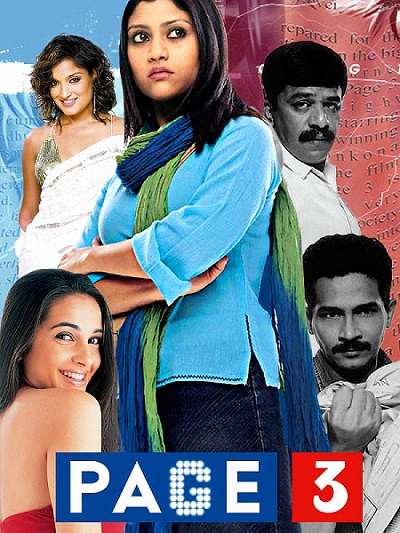
Page 3 shows the dark underbelly of glamour world

Page 3, directed by Madhur Bhandarkar, revolves around the life of high profile people and their relations with media in Mumbai. It is based on Page 3 journalism, a glamour beat of print journalism, which covers stories, gossips about high profile people, well known personalities and social butterflies.

Madhavi Sharma, played by Konkana Sen Sharma, is an aspiring journalist, who comes to Mumbai, looking for a job. She is hired by Deepak Suri (Boman Irani), an editor of a newspaper. She is assigned to cover celebrity news and articles. She enjoys being a part of the glamour world, till things change when she learns about the dark side behind the lavish lifestyles of the celebrities and shifts to crime beat to do meaningful stories. With Vinayak Mane (Atul Kulkarni), crime beat reporter, who burns midnight oil to get his stories, she roams around the city searching for stories and realizes the real worth of journalism covering stories that are heart wrenching.

The plot takes an interesting turn, when Madhavi investigates a bomb blast story and learns how high- profile personalities are directly or indirectly involved in the crime in the city. When she wants to probe further into the bomb blast case, she is asked by her editor to go back to her original beat and cover parties and is shocked to see the ACP partying while the city was reeling under the effects of the bomb blast.

The movie highlights the nexus between the high profile personalities with the media heads when Madhavi’s expose of a high profile socialite Ramesh Thapar’s involvement in molesting children from rehabilitation homes is put into the garbage and she is asked to quit.

This movie has some meaningful dialogues. The conversation between Madhavi and Vinayak during their stroll at the beach after she was fired is worth mentioning. Vinayak explains to Madhavi how she should tell these stories to people. Vinayak says, “we have to be in the system to change the system” working with honesty is good but what also matters is our wisdom and trust.

Page 3 has some good music and deep meaningful lyrics too. The song “Kitne Ajeeb Rishte Hain Yahan Pe” sung by Lata Mangeshkar gels well with the theme of the movie.

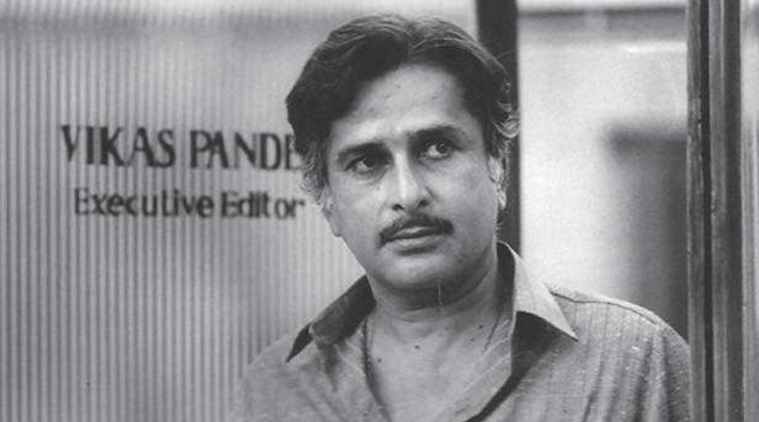
Shashi Kapoor starrer ‘New Delhi Times’ shows the pitfalls of investigative journalism

The Hindi film industry is known to produce commercial movies but when it comes to some thought-provoking movies, the list is not too long. There are some beautifully-written films, which deserve appreciation from the audience. One such film which is remembered as one of the best films ever made on journalism is Shashi Kapoor’s ‘New Delhi Times’. The movie not only shows the true picture of investigative journalism but also tells how politicians use journalists as a tool to fulfill their larger political ambitions. 

The plot of New Delhi Times revolves around a journalist named Vikas Pandey (Shashi Kapoor), who is the executive editor of a newspaper ‘New Delhi Times’.

The story begins with Vikas’s decision to investigate a communal riot that he witnesses during a trip to his hometown Ghazipur. The probe takes him to further investigate the connection between a case of a murder and the relation of the murder with two politicians – Ajit Singh (Om Puri) and Trivedi, who is the chief minister (CM) of the state. When Vikas is convinced that Singh is behind the riots and the murder, he decides to expose him by writing stories against him in his newspaper. It doesn’t go well with Singh, who in turn threats and pressurises the owner of New Delhi Times.

However, unperturbed by the threats, Vikas continues his expose, thereby drawing the ire of Singh and his goons, who assault him and his wife Nisha (played by Sharmila Tagore). The attacks make Vikas even more determined and this time he directly attacks Singh through his article.

The plot thickens when Vikas’s article is held back by his publisher and he threatens to resign if the article is not published. The climax is even more gripping, as the story takes a U-turn to end all the mysteries.

Big Lessons

The movie explains how a journalist can be used by the politicians and also highlights the nexus between the politicians and journalists. A major takeaway for the journos is that you should never decide in your mind about who is guilty and who is innocent. The  best thing about the movie was the way it shows how a journalist chases a story through which he/she can make or break anyone’s image.

The movie was the directorial debut of Ramesh Sharma for which he won the national award. The movie was written by Gulzar. Shashi Kapoor as Vikas Pandey, Sharmila Tagore as Nisha, Om Puri as Ajit Singh and Kulbhushan Kharbanda as J.K have given powerful performances. The dialogues such as ‘Divide and Rule angrezo ka formula nahi tha, Ek system ka formula hai. Hukumat ka formula hai’ (Divide and rule wasn’t the British formula, It is a system’s formula, a formula of rulers) by Vikas’s father on the Ghazipur communal riots is worth a mention.

Similarly, when the publisher refuses to publish Vikas’s story and says, “Main logo ko batana chahta hoon ki jab jab hamare mulk me dange fasaad hote hain unke peechhe kisi badi shaksiyat ya political party ka haath hota hai’ (I want to tell the people of this country, whenever any riot happens in the country then there is always a big political party’s hand behind it) depicts the views of the common man.

Pakistan arrests Pashtun rights activist Ali Wazir from Peshawar

Ali Wazir, a lawmaker and prominent ethnic Pashtun rights activist was arrested on Wednesday on unspecified charges. A police official who took part in the December 16 arrest in the northwestern city of Peshawar told News Intervention that Wazir was “wanted” in the port city of Karachi, where the police had been registered a case against him. Wazir would be transferred to Karachi, according to the police official. He refused to provide further details about the charges.

Ali Wazir, one of the leaders of the Pashtun Tahafuz Movement (PTM), was arrested while he was attending a public gathering marking the sixth anniversary of the massacre of more than 150 people at a Peshawar school in December 2014, according to Manzoor Pashteen, the civil rights group’s leader.

“The arrest of Ali Wazir in Peshawar is representative of the continuation of repression of state,” Manzoor Pashteen tweeted.

Manzoor Pashteen’s tweet about the arrest of Pashtun rights activist Ali Wazir

In a video uploaded on Twitter earlier in the day, Wazir had said police had barred him from entering Peshawar. His arrest comes days after the PTM staged a massive rally in Karachi on December 6.

International rights groups say Pakistani authorities have banned peaceful rallies organized by the PTM and some of its leading members have been arbitrarily detained and prevented from traveling within the country. Some members have also faced charges of sedition and cybercrimes.

Click on the YouTube link to watch our video report

The movement has campaigned since 2018 for the civil rights of Pakistan’s estimated 35 million ethnic Pashtuns, many of whom live near the border of Afghanistan where Pakistan Army had conducted numerous campaigns, which it claimed were to defeat the Pakistani Taliban.

But the PTM accuses Pakistan’s security services of cooperating with the “good Taliban” fighting in Afghanistan and allowing militants to return to the mountainous area.

The Pashtun Tahafuz Movement (PTM) has attracted tens of thousands of people to public rallies in recent years to denounce the powerful Pakistani Army’s heavy-handed tactics that have killed thousands of Pashtun civilians and forced millions more to abandon their homes since 2003.

PTM has been calling for the removal of military checkpoints in tribal areas and an end to “enforced disappearances,” in which suspects are detained by security forces without due process.

Pakistan’s government rejects allegations that its security forces cooperate with militants, pointing out that the military has lost thousands of soldiers fighting the Pakistani Taliban. It also denies intelligence agents are responsible for forced disappearances.

Disappearance of women and children by Pak Army is height of collective punishment: Dr. Murad Baloch

Dr. Murad Baloch, Secretary-General of Baloch National Movement, termed the abduction and forced disappearances of women and children from Gichk area of Panjgur as a continuation of collective punishment and said that such incidents had been happening frequently in Balochistan.

He added, “Pakistan is inflicting collective punishment on the Baloch nation through its horrific barbarism and genocide, so that the Baloch nation may give up its struggle for independence. But history has shown that nations cannot be suppressed by such crimes, instead, their faith is strengthened. They become aware of the fact that it is impossible to get rid of these atrocities without getting rid of this life of slavery.” Dr. Murad Baloch said that a young girl named Samani daughter of Shay Jan, Ajmal son of Shay Jan, Dur Mohammad son of Hassan and his wife Bibi Maryam, his youngest grandson Rashid son of Awaz, Muhammad Karim son of Yar Mohammad and his wife Shah Pari, Yarjan son of Dilmarad, Waheed son of Qadir Bakhsh, Saleem son of Muhammad, Nazir son of Umeed have been abducted by Pakistani Army from Gichk and transferred to secret cells.

Despite a lapse of several days, their whereabouts are still unknown. He said that with the onset of Musharraf’s imperialist plans to usurp Balochistan, began a renewed and never-ending cycle of Baloch genocide and war crimes. Initially, people were released half-dead after the worst punishment and inhumane torture. But over time, human rights violations in Balochistan took a terrible turn. During the PPP’s Zardari government, the “kill and dump” policy was an addition to it.

Nawaz Sharif continued these crimes and a process of burying people in mass graves started during his rule. His accompliance in these crimes was the then Chief Minister of Balochistan, Dr. Malik and Co. Today, he and his same National Party is trying to use the cases of Baloch enforced disappeared persons against Imran Khan’s government.

The BNM Secretary-General said that nothing has changed for the Baloch nation. The so-called Pakistani Prime Minister Imran Khan before becoming Prime Minister had said in his TV interviews about missing persons that if he were the Prime Minister, no one would be enforced disappeared in Balochistan. Of course, the Baloch nation was convinced at that time that these were all political slogans. Today, during the Imran Khan government, the policy of abduction took a new harsher shape, and women and children have become victims of enforced disappearances, a new addition to the previous policies.

This collective punishment is a brazen war crime. Dr. Murad Baloch concluded, “I appeal to local and international human rights organizations and activists to respond immediately as your silence encourages Pakistan to commit more heinous crimes. The biggest need of the hour is for all organizations and institutions to raise their voices to stop this unbridled and terrorist state from committing Baloch genocide.”

After Bangladesh: Pak POW’s Baloch genocide

What happened when 93,000 POWs (Prisoners of War) of the Pakistan Army were sent back to Pakistan after the Shimla Agreement? These vanquished Pakistan Army soldiers who had surrendered before the Indian Army during 1971 Bangladesh Liberation War, committed inhuman atrocities in Balochistan after their return to Pakistan. Sadly the world remains unaware of this dark truth. Watch our documentary After Bangladesh to this stark reality.

Click on the YouTube link to watch the documentary
“After Bangladesh: Pak POW’s Baloch Genocide”

Sindhudesh freedom struggle has uncanny similarities with Bangla repression

Sindhudesh freedom movement has several similarities with yesteryear’s freedom struggle for an independent Bangladesh. Some of these similarities are —

National language
Bangla language was ignored in the erstwhile East Pakistan (now Bangladesh). The people of East Pakistan (Bangladesh) had repeatedly demanded that Urdu language should not be imposed upon them. Similarly, today the demand of the people of Sindh regarding their language is being completely ignored by Pakistan.

Division of Civil and Military representatives in the Federal Government
There was no Federal Secretary or Pakistan Army General from Bengal. The same is the case today with Sindh.

Ratio of capital generation
75% percent of the Pakistan’s capital was generated from East Pakistan (Bangladesh), while they received only 25% money in return. Today, Sindh generates 65% of Pakistan’s total revenue while they receive only 15%.

Skewed Industrialization
Around 25 industrial facilities from Bangladesh were shifted to Punjab. Similar kind of shifting is also been taking place in Sindh.

Non-representation in Sports
Bangladeshi players were not given a chance in national sports team of Pakistan such as cricket, hockey etc. Similar discrimination is observed in Sindh as well.

Propaganda
There was a Pakistani propaganda against the Bengalis. It was claimed that Bengalis favor India, are not good Muslims and are supported by the RAW. Pakistanis also said that Bengalis’ business is in the hands of Hindus and they are share secret intelligence inputs with India. In the same way Pakistan has been propagating about Sindhis and are trying to establish a narrative that Sindhis are not good Muslims and are Jihadis.

Persecution of Hindus
In East Pakistan, Hindu Bengalis were persecuted and killed often because of the enmity of Pakistan with India by Jamaat Islamist groups who received full support from West Pakistan’s state machinery. Similarly, in Sindh the Pakistanis are carrying out genocide of Sindhi Hindus.

Funding of Madrasas
In Bangladesh a lot of government funds were spent on setting up madrassas, rather than spending on modern education in schools. Today, Pakistan is funding Islamist groups to open more madrassas in Sindh.

Ambassadors
There was no Bengali Ambassador from East Pakistan (now Bangladesh) who represented the country abroad. Sindh too has no such representation.

Rigged Elections
After the General Elections of 1970, Sheikh Mujeeb-ur-Rehman won with a clear majority, and yet he was not allowed to form the government. Later Pakistan created a new system of seats for the National Assembly that made it impossible for small provinces to be able to form a government even through a coalition as Punjab was allocated more number of seats.

Federal Land Occupation
The occupation of land in East Pakistan by the federal government was a common practice. Sindh is also suffering from this fate as Pakistan persistently occupies Sindh’s land, islands and is exploiting the natural resources of Sindh.

Plunder of Sindh's Karoonjhar mountains by Pakistan and China.
Plunder of Sindh’s Karoonjhar mountains by Pakistan and China.

Rampant Executions
Execution of Bengali nationalists, political leaders were rampant. Sindh, Balochistan and Khyber Pakhtunkhwa suffer this same fate.

Bangladesh exposed the emptiness of Two Nation Theory. Creation of Pakistan was a historical blunder, and so Pakistan must morally surrender now and give freedom to historical nations that have been enchained in slavery.

In 1842-43 when the East India Company invaded Sindh, Sindh was an independent country, but as British left the region, they created a monster Pakistan to serve their own interests based on a fake two nation theory.

The historical nations Sindhudesh, Balochistan and the Pashtuns have been forced to live under occupation of Panjabi Pakistan Army and Pakistan. In the name of federal government the Punjabis are exploiting and looting resources and wealth of other provinces.

Bangladesh paid price for their freedom, at least now they have their own identity. She is a great country on the path of development, prosperity and a much better economy. This compares to Pakistan’s poverty, corruption, dictatorship, extremism, human rights violations and genocide.

Pakistan commits genocide of historical nations, suppression of minorities, ethnic cleansing, nurseries of terrorist. It has a corrupt identity. Pakistan is a puppet of CCP and CPEC. Pakistan is a threat to world peace because of nuclear weapons in the hands of maniacs like Al-Qaeda and the ISIS that dream of an ottoman caliphate.

“Don’t play with fire, you cannot suppress and kill 70 million Bangla people, victory will be ours,” Sheikh Mujib-ur Rehman said in 1971. At that time it was Bangladesh now it will be Sindhudesh.

Pakistan’s humiliating surrender in 1971 & Balochistan’s current situation

Indian subcontinent was bifurcated and Pakistan created on the 15th August 1947. Two nations theory was used as an ideological tool for getting India divided into two states of Bharat and Pakistan. Such an ideology was fabricated and was far from reality. Factually Muslims of Indian subcontinent weren’t a nation, they were just part of a broader Muslim ummah comprising of believers from different people. This fact became obvious within three months after the creation of Pakistan.

In November 1947, a key resolution at a national education summit in Karachi proposed Urdu and English as the sole state languages despite the fact that either of the two proposed languages belonged to the people of any regions of Pakistan. So language resolution was strongly opposed by the Bengalis in East Bengal, the non-contiguous part of Pakistan who made up 44 million of newly created Pakistan’s 69 million population. Protests erupted across Bengal. Many Bengali students held a meeting in the Dhaka University campus on December 8, 1947 to formally demand that Bengali be made an official language. To promote their cause, students organized protests and rallies in Dhaka.

Despite strong opposition from Bengalis, the Bengali language was omitted as an official language which prompted organized protests and gradually changed into a broader movement which was answered with use of brutal force.

In the height of that unrest Mr. Jinnah, the founder and governor general of Pakistan arrived in Dhaka on 19 March 1948. On 21 March at a reception at Race Course Ground, Dhaka he blamed that language issue was designed by a “fifth column” to divide Pakistani Muslims. Jinnah, in his speeches of 24 and 28 March 1948, reasserted his “Urdu only” policy.

Language issue was the first crack in this so called “two nations” ideology. Despite fraudulent annexation in Pakistan of the British Balochistan’s Baloch and Pashtun regions in 1947, invasion on parts of Kashmir, forcible occupation of entire Balochistan in March 1948, introducing infamous parity or one unit system in 1955, still Bengalis formed the majority of Pakistan’s population but were treated as a lesser people.

News Intervention Documentary
“After Bangladesh: Pak Pow’s Baloch Genocide”

With passage of time Punjabi dominated West Pakistan’s continuous atrocities on Bengalis and oppressive policies united the Bengalis under the leadership of Sheikh Mujibur Rahman.

After more than a decade long martial law when general elections were held in Pakistan on December 7, 1970 the Awami League of Sheikh Mujibur Rahman won an absolute majority of seats in the National Assembly of Pakistan and all seats in East Pakistan. In the provincial elections, held ten days later, the Awami League again swept the all the seats save 2 in the East Pakistan’s provincial assembly.

After elections, initially the then President of Pakistan General Yahya Khan indicated to transfer the power to elected majority party. He met Z.A. Bhutto on 28 December 1970 and the following day a proclamation was issued that the first session of National Assembly would be held at Dhaka. Gen Yahya visited Dhaka on January 12, 1971 met Sheikh Mujibur Rahman and on his return to Karachi he said that Sheikh Mujibur Rahman would be the next Premier. But instead of summoning the national assembly, Gen Yahya Khan delayed the inaugurating of National Assembly on one or the other pretext which escalated unrest among the Bengali people.

The Awami League was being denied transfer of power in federal capital because Punjabi dominated Pakistan Army and bureaucracy didn’t want the majority party from East Pakistan to form government at the centre and lead the country.

Bengali resentment took the shape of widespread protests. West Pakistan’s Punjabi dominated army launched “Pperation Searchlight” against the people of East Pakistan on the night of 25 March 1971.

On 26 March 1971, responding to Operation Searchlight, Mukti Bahini declared war for the liberation of Bangladesh. Islamic extremists and Biharis in Pakistan sided with the Pakistan Army. Pakistan formed private militias namely Al-Shams, Al-Badr and Rizakars and armed them against Bengali freedom movement.

Pakistan Army and its proxy militias massacred Bengali nationalists, teachers, students, intelligentsia and general people at a large scale. After World War-II, Operation Searchlight was the widespread systematic genocidal war against common people.

In the short span of only nine months the savage Pakistan Army and its proxies martyred three million innocent Bengalis including women and children, raped thousands of women, displaced million people and forced them to take refuge in neighboring India. The provisional government of Bangladesh was formed on 17 April 1971 in Mujibnagar and was moved to Calcutta, India as the Government in Exile.

India joined the war on December 3, 1971 after Pakistan launched so called preemptive air strikes on north India. Allied forces of India and Bangladesh rapidly overran the war theatre. Within 13 days of India’s joining the war, Pakistan was brought to its knees. Pakistan Army surrendered on 16 December 1971, before joint forces of Indian Army and Mukti Bahini- National Liberation Army of Bangladesh.

Pakistan's Lt. Gen. Amir Abdullah Khan Niazi (right) surrenders to India after losing the 1971 Indo-Pak War. Lt Gen. Jagjit Singh Aurora (left) received command of entire Pakistan's Armed Forces in Bangladesh.
Pakistan’s Lt. Gen. Amir Abdullah Khan Niazi (right) surrenders to India after losing the 1971 Indo-Pak War. Lt Gen. Jagjit Singh Aurora (left) received command of entire Pakistan’s Armed Forces in Bangladesh.

Lt. General Amir Abdullah Khan Niazi, Chief Martial Law Administrator of East Pakistan signed the Instrument of Surrender before Lt. General Jagjit Singh Aurora of the Indian Army. India captured more than 93,000 Pakistanis including more than 79,000 army personnel as war prisoners. It was the largest surrender of any army since the World War-II.

The humiliating defeat of Pakistan in Bangladesh provided a historic opportunity to both India and Baloch leadership to take advantage of the moment. It was the right time for India to get the Pakistan-occupied Kashmir (POK) reunited with Kashmir. Similarly it provided Baloch leadership with ever best opportunity to get rid of Pakistan’s forcible occupation and colonial rule. But both, Baloch and India failed to avail this opportunity.

India immediately offered a ceasefire which was accepted by Pakistan. India concluded Shimla Agreement with Pakistan, returned 13,000 km of land that Indian troops had seized in West Pakistan during the war, and released within 5 months all the PoWs (Prisoners of War) including those 195 soldiers who were sought for war crimes by Bangladesh.

As soon as Pakistan’s PoWs were released in 1972, Pakistan’s Punjabi dominated army and establishment pushed Z.A. Bhutto to respond to Baloch leadership’s silence during the 1971 war and their goodwill gesture in the process of enacting constitution for dismembered Pakistan with a fierce military operation in occupied Balochistan. Pakistan’s central government dissolved NAP’s elected Balochistan government in February 1973 within nine months of its formation in April 1972.

Baloch leaders along with NAP leaders were arrested, charged with high treason before an special tribunal known as Haiderabad Tribunal comprised of handpicked judges. Thousands of innocent Baloch including students, political activists, tribal were brutally were killed by Pakistan Army during the five year long armed conflict of 1973 to 1978. Thousands of Baloch families were forcibly displaced, their herds and valuables were plundered by the Pakistan Army. One reason, out of numerous others, behind that savage operations of Pakistan Army was to boost the morale of Pakistan’s defeated and humiliated army by unleashing them against innocent and militarily untrained Baloch people.

Since 2000 Pakistan has again launched a large scale military operation in occupied Balochistan. Thousands of Baloch families have been displaced and looted, hundreds of villages have been bombard and destroyed, thousands of Baloch students, political and human rights activists have been abduct by Pakistan Army, Frontier Corps (FC) and intelligence services. Thousands of Baloch, including famous Baloch leaders Sardar Akbar Khan Bugti, Mir Balach Marri and Ghulam Muhammad Baloch, students and members of Baloch intelligentsia have been killed in targeted and extrajudicial custodial killings and military operations.

In the ongoing military operations in occupied Balochistan the Pakistan Army is repeating savage atrocities that they had exercised during “Operation Searchlight” against the Bengalis in 1971. Like Al-Shams and Al-Badr, Pakistan Army and spy agencies have upto now formed dozens of private militias to fight against Baloch people and their freedom struggle.

In urban areas they are particularly targeting students, teachers, political and human rights activists, journalists and other segments of Baloch intelligentsia and the Hindu community of occupied Balochistan. In far flung mountainous regions and villages the Pakistan Army bombs and loots entire civilian population, forcibly displaces them, plunders their herds and valuables, targets women and children as a tool of collective punishment.

Naz Bibi, 6 year old child killed by Pakistani security forces at Harnai in occupied Balochistan. (Representative Photo: News Intervention)

Media is totally controlled, a slight sign of dissent is dealt with enforced disappearance, targeted killing and threats. Dozens of mass graves have been discovered in Tootak village, Parom, Panjgur, Dera Bugti and other regions of Balochistan. Media and the so called political parties have kept silent out of fear on the humanitarian issue of “Enforced Disappearances” in occupied Balochistan.

Despite Pakistan military’s ongoing genocidal operation, Baloch people have successfully kept their freedom movement going since 2000. It’s first longest resistance of Baloch people against Pakistan Army’s savagery and colonial rule with the clear cut demand for independence. We hope Baloch people will, like the Bengalis, succeed sooner or later to get rid of Pakistan’s colonial rule and forcible occupation.