Home Blog Page 108

Pak forces deliberately attack Pashtun protestors in Chaman; one dead, 17 injured

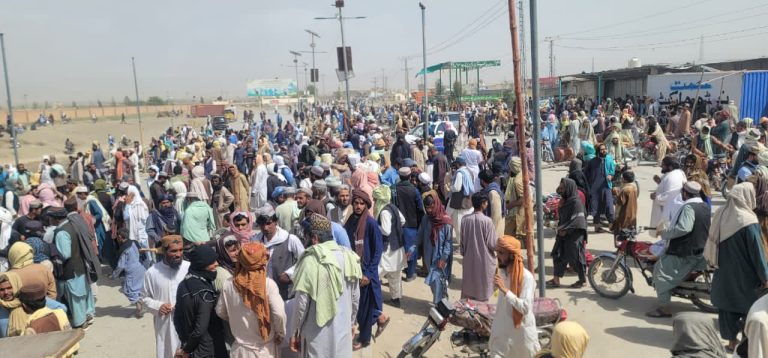
In a disturbing turn of events, the ongoing protest in Chaman faced a violent crackdown as Pakistan FC forces attacked demonstrators, resulting in multiple casualties and further inflaming tensions in the region.

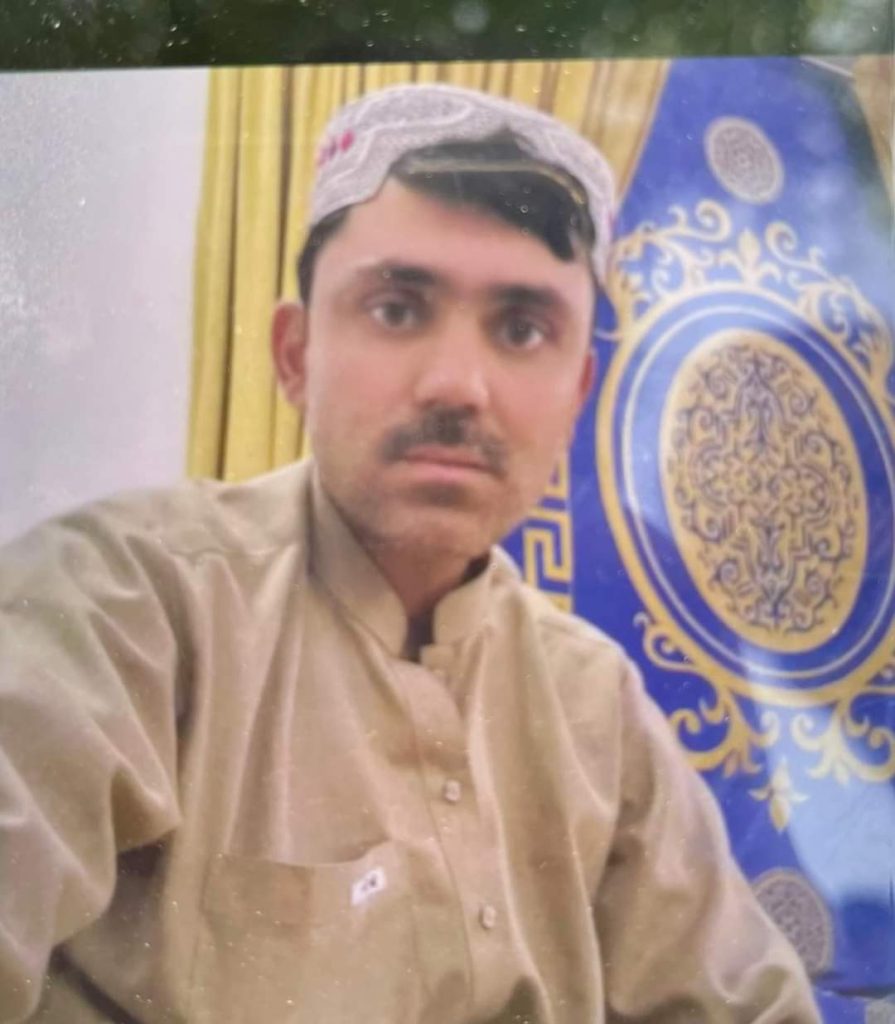
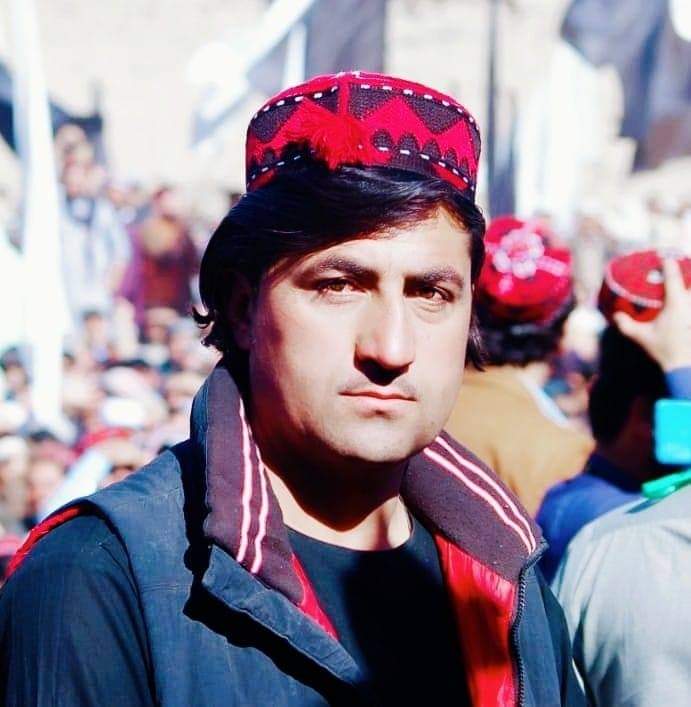
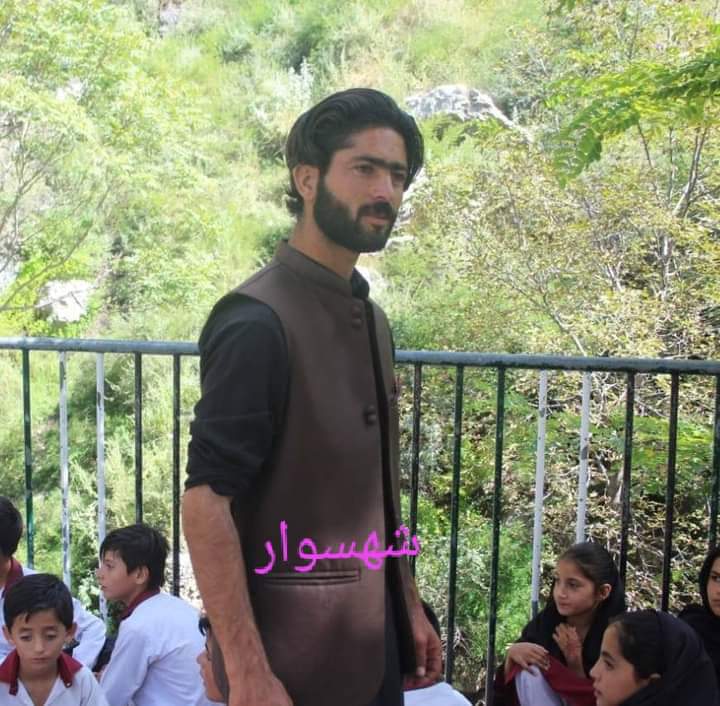
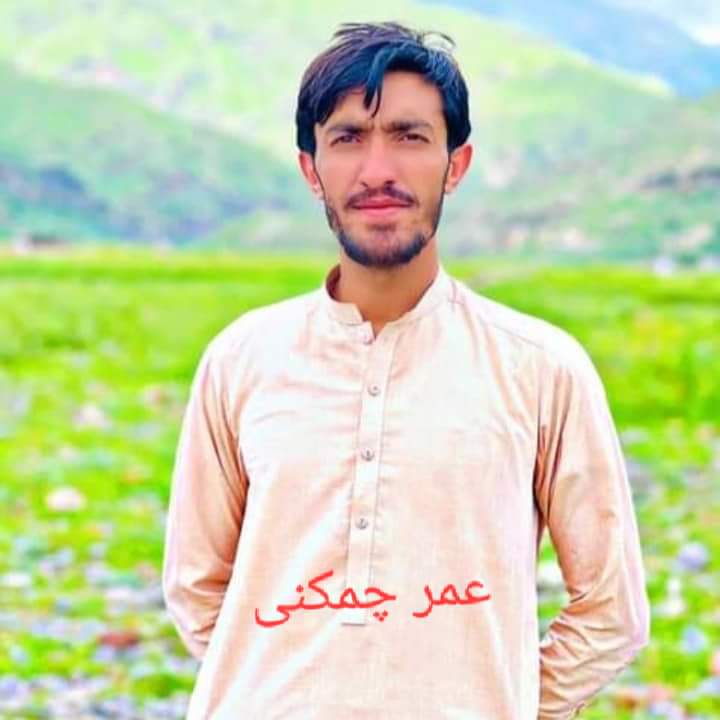
One of the killed include, a labourer Muhammad Ayub, who succumbed to injuries sustained during the Pakistan Army’s attack on the Chaman protest sit-in.

Muhammad Ayub (Photo: X)

The protest, which has persisted for seven months, initially emerged in response to the imposition of the “one document regime,” which requires passports for cross-border travel, disrupting longstanding trade and familial ties between Pashtuns and Afghans living on both sides of the Durand Line.

The decision to mandate passports under the “one document regime” was a response to strained relations between Pakistan and the Afghan Taliban, but it has disproportionately impacted the native population, leading to economic hardships and discontent.

The recent attack on the Chaman protest marks the second such incident in seven months, highlighting the escalating tensions and the systematic targeting of Pashtun demonstrators. Manzoor Pashteen, the leader of the Pashtun Tahafuz Movement (PTM), condemned the attack as a deliberate massacre of Pashtuns, underscoring the gravity of the situation.

Furthermore, Baloch human rights activist Dr. Mahrang Baloch condemned the actions of the Pakistani Army and Frontier Corps (FC) personnel, denouncing the attack on the Chaman protest as a blatant violation of fundamental rights. Dr. Baloch called for the immediate redressal of the protestors’ grievances and an end to the violent suppression of dissent.

Iran backed Hezbollah attacks Shmona following Israeli strike killing Lebanese civilians

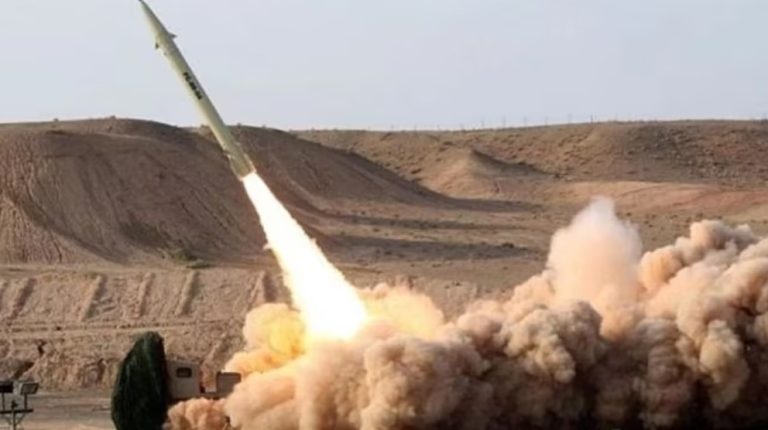
Hezbollah, a Lebanese militant group, launched a barrage of rockets into northern Israel’s Shmona in response to an Israeli airstrike on the southern Lebanese village of Mais al-Jabal.

Hezbollah claimed to have fired “dozens of Katyusha and Falaq rockets” at Kiryat Shmona in northern Israel and later targeted Israeli troops and vehicles along the border. The Israeli army reported intercepting 40 rockets, with no reported casualties at the time of the statement.

The exchange of fire between Hezbollah and Israel follows the Israeli strike on Mais al-Jabal, which resulted in the deaths of four members of a single family, including a couple and their two children aged 12 and 21

Hezbollah has time and again claimed that it will continue to attack Israel in solidarity with Hamas untill a ceasefire is achieved in Gaza.

Around 390 people have been killed in Lebanon in last seven months, including 70 civilians.

These incidents occurred amidst stalled ceasefire talks in Cairo, where Israel refrained from participating due to concerns over Hamas’ intentions.

POB: Women protest Pak Army’s use of locals as forced labor & human shields

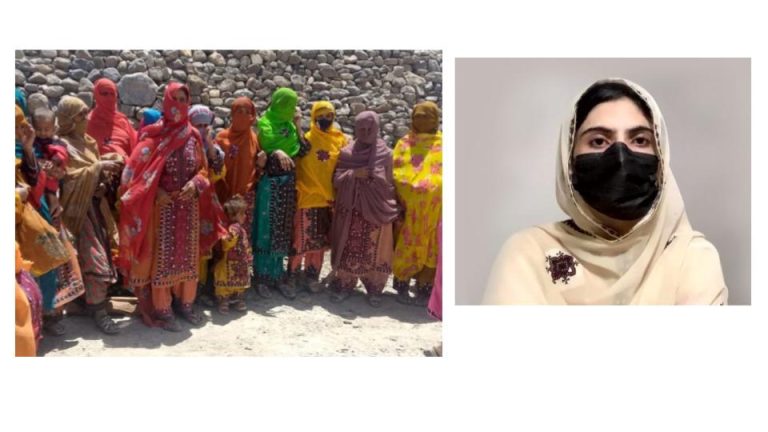
Women in Mashkay town of Awaran district in Pak-occupied-Balochistan have taken to the streets, protesting the harassment, forced labor, and enforced disappearances carried out by Pak security forces against locals.

The protesters, including relatives of the detained or missing persons, said that Army are routinely detaining men from the area, subjecting them to physical labor, and using them as human shields during clashes with  pro-independence groups. “This situation has persisted for a long time, with men being taken to military camps where they face violence and forced labor,” one of the women protesters said.

This year alone, Pak Army had forcibly disappeared three individuals – Sajjad Azam, Wali Jan, and Hasil Muhammad Hassan – after calling them to camps. Till now their whereabouts remain unknown. The women have appealed to Baloch organizations, particularly the Baloch Yakjehti Committee, to take up their cause and ensure the release of their loved ones.

Reacting strongly, prominent human rights activist and Baloch Yakjehti Committee leader Sammi Deen Baloch condemned the Army’s actions as serious violations of human rights and international laws. In a video statement, Sammi shed light on the Mashkay protests, which highlight grave issues like forced labor and the use of locals as human shields by Army,” a spokesman for the group said.

Despite the peaceful nature of the protests, the women are being threatened by local death squads at the behest of the Army instead of their grievances being addressed. Baloch urged human rights groups and political parties to intervene and support the people of Mashkay in their struggle for justice against state oppression.

Sammi Deen Muhammad, leader of Voice for Baloch Missing Persons, stated that Mashkay and Awaran are among the areas worst affected by the Army’s atrocities. After a military checkpoint was attacked in Mashkay’s Tunk area last month, Muhammad said the locals most impacted were forced into “humiliating subjugation” by the Army.

“They are made to abandon their livelihoods and do menial labor like cleaning roads and cutting forests. The men are taken to checkpoints daily and used to accompany troops, with warnings they will suffer if attacked,” she said in a video message. Muhammad added that Tunk has been under curfew for a month, with no movement allowed, leaving women and children starving.

These women have been continuously protesting for three days, marching on the desolate dirt tracks. There is no internet or mobile network facility, yet they continue protesting, demanding that their voices be heard against the oppression and collective persecution, and for the recovery of their forcibly disappeared loved ones.

She said during the protests, these women were threatened and intimidated by death squads. With great difficulty, their videos reached. She appealed to everyone to be the voice of these helpless mothers and sisters and stand with the people of Pak-occupied-Balochistan against this Army oppression.

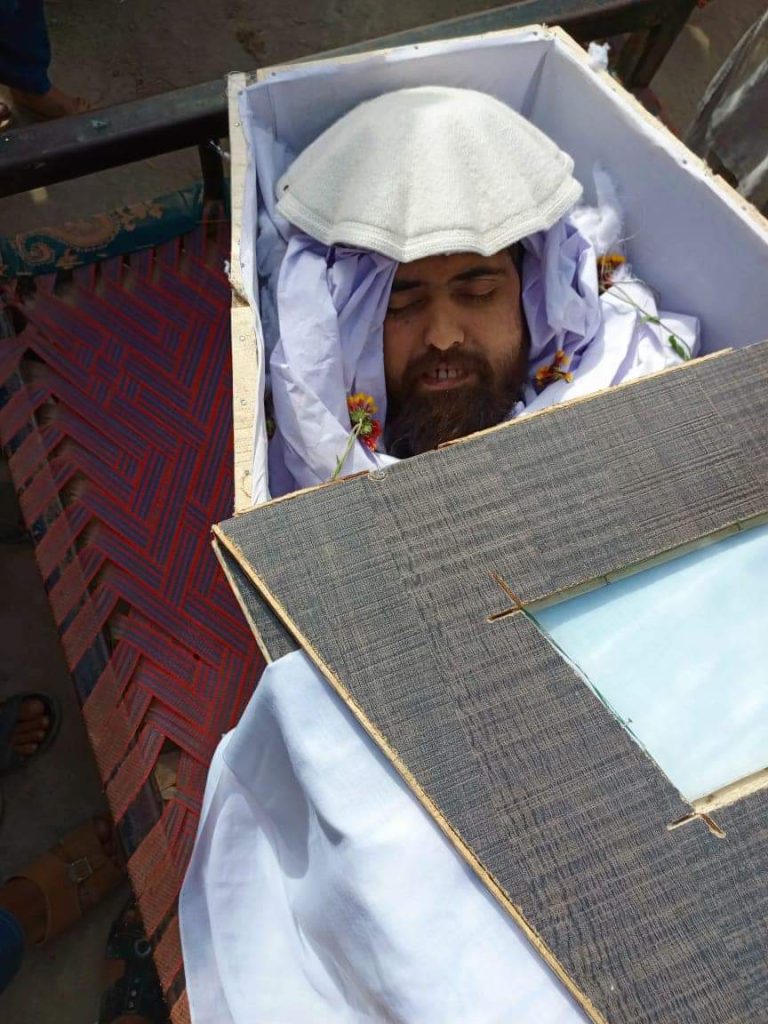
Pak police forcefully abducts & disappears 11 Pashtun activists from Khyber-Pakhtunkhwa

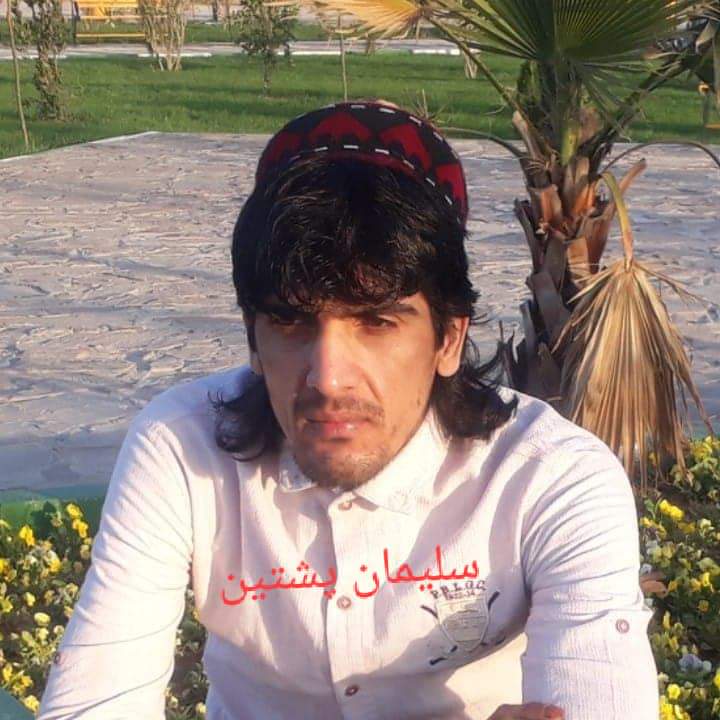
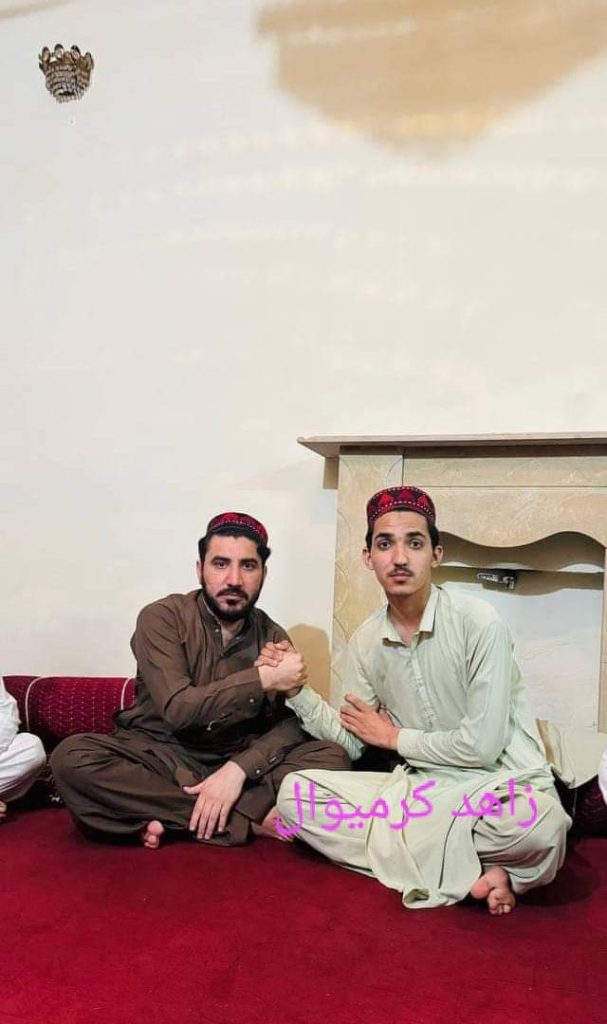
In the latest crackdown against Pashtuns, the police in Pakistan has arrested, abducted and disappeared 11 Pashtun activists from Khyber Pakhtunkhwa.

The Chaman Police have detained Fida Mohammad Qabail, a member of the Pashtun Tahafuz Movement (PTM) South Pakhtunkhwa Central Committee. Shockingly, neither the victim nor his family has been informed of the reasons behind the arrest or the filing of an FIR.

Earlier on same day, Parachinar Police apprehended PTM Provincial coordinator Khabarul Amin Khan, along with Liaqat Yousafzai, Bilal Orakzai, and Mustafa Kamal from Parachinar city.

Six other Pashtun Activists abducted and disappeared

Furthermore, six other Pashtun Activists, associated with PTM, were abducted by the Khurram district police and have since disappeared without a trace, adding to the growing concerns over their whereabouts.

PTM, a Pashtun rights organization, is known for organizing peaceful protests to shed light on the persecution faced by the Pashtun community at the hands of the Pakistan Army. It has also exposed the collusion between the Army and the terrorists, who together destabilize the region for their own gains, leaving the local Pashtun population in distress.

These recent abductions, arrests, and enforced disappearances are part of Pakistan’s efforts to silence dissenting voices. With nearly a dozen individuals detained or abducted within two days without any legal basis, it underscores the vulnerable situation faced by Pashtuns in the country.

J&K Police ramps up security with AI-based face recognition system in Ramban

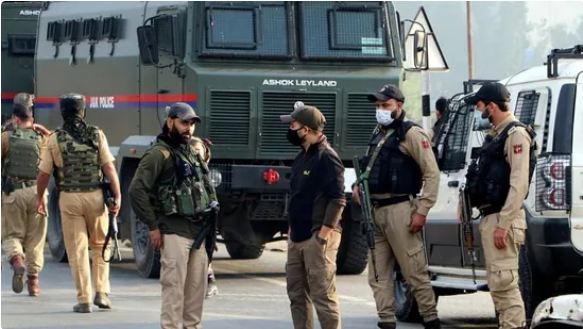
The Jammu and Kashmir Police have introduced an AI-based face recognition system near a tunnel on the Jammu-Srinagar National Highway in Ramban district, officials announced on Friday.

Equipped with high-focus CCTV cameras, the system, reportedly, utilizes a database containing images of militants, overground workers, and criminals. When vehicles pass through the area, the cameras screen the faces of individuals inside, triggering an alert to police if a match is found with any photograph in the database.

Developed by a Chennai-based company, this technology was initially deployed in Kishtwar district’s Thathri area in December. Now, the Navayuga checking plaza in Ramban district’s Banihal region becomes the second location, after Kishtwar, to implement the system.

Notably, this AI-based face recognition system possess the capability to match photographs even if individuals are wearing masks, enhancing their effectiveness in identifying potential threats.

Bomb blast in Khuzdar kills Khuzdar Press Club President

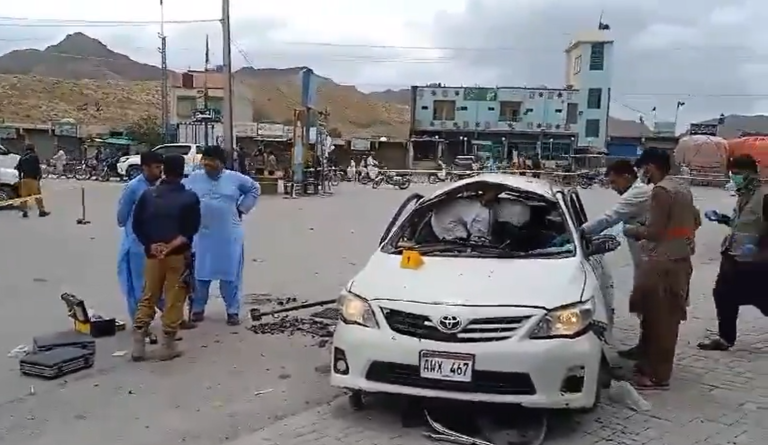
An explosion rocked the Chamrok area of Khuzdar city in Pak-occupied-Balochistan on Friday, killing the president of the Khuzdar Press Club, Maulana Muhammad Siddique Mengal, and injuring 9 others.

In the explosion, local journalist Mohammad Siddique Mengal was killed. The blast targeted Mengal’s vehicle on the central highway in the afternoon hours. He was the president of the Khuzdar Press Club and associated with a local newspaper.

“Mohammad Siddique Mengal was on his way from home to the university when the explosive device detonated”, the city’s police station house officer (SHO) stated.

An investigation into the incident has been initiated.

This latest bombing comes nearly a year after Mengal narrowly survived an assassination attempt by unidentified motorcycle assailants in Khuzdar’s Khattan Bund area in August 2022.

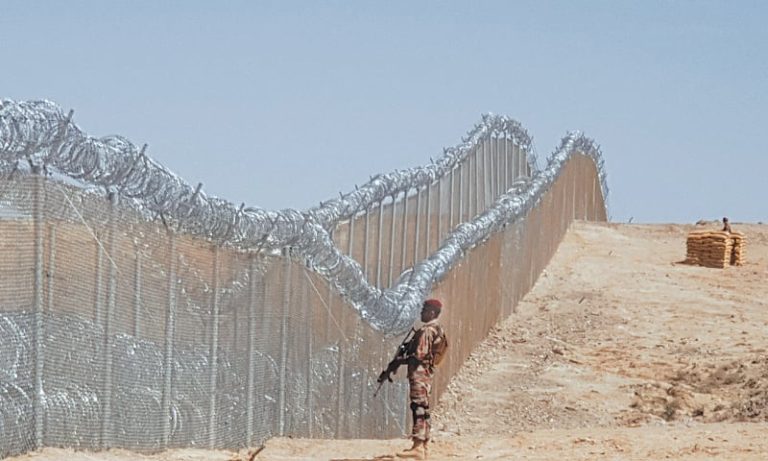
Gwadar farm fencing: China and Pakistan’s surveillance tool

Baloch student and nationalist groups have strongly condemned the construction of barriers by Pak forces on agricultural lands in Gwadar, as it an attempt to displace local farmers from their ancestral lands.

In a statement, the Baloch Students Organization (BSO) said the fencing of agricultural fields by Army is causing immense distress to farmers who depend on these lands for their livelihood. It cited these actions as evidence of Balochistan being under “occupation” of the Pak Army.

The BSO explained that a project labeled the ‘Safe City Project’ was launched in Gwadar in recent years to hasten the exploitation of the area. Initially involving barricading the entire city, it was suspended following resistance from Baloch political groups.

However, the Army has now resumed erecting barricades around a particular section of Gwadar, citing “security” reasons. This section includes vital agricultural fields sustaining local farmers’ livelihoods.

“Gwadar’s puppet representative was present at the meeting where this egregious decision was made and is actively supporting it. The BSO has issued a warning to officials to cease the project or face mobilization against it.

Meanwhile, the spokesperson for the Baloch Yakjehti Committee also expressed deep concern over the fencing. BYC said that this “colonial project” aimed at displacing indigenous populations. The spokesperson said protests and a resistance movement against the fencing would soon be announced.

They highlighted the allocation of 50 million rupees in the 2020-21 federal budget for fencing Gwadar, which was initially halted but is now being revived by the Balochistan’s puppet authority.

The planned fencing of 24 sq km in Gwadar, a key area under the China-Pakistan Economic Corridor (CPEC), with over 500 surveillance cameras and two entry points has raised fears of increased surveillance and control over locals.

The much-hyped infrastructure projects that the Chinese promised at the cost of the Baloch community have fallen short; locals grapple with basics like clean water and electricity.

Abduction of father & son duo by Pak Army from Pak-occupied Balochistan

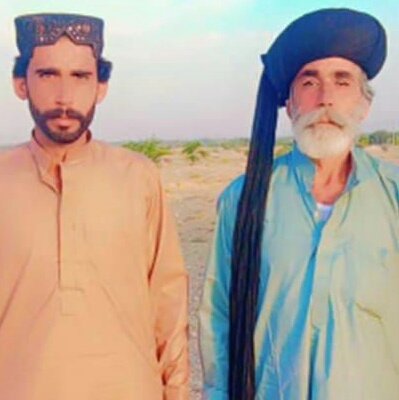
In yet another case of enforced disappearance, Pak Army raided a house and abducted a father-son duo from the Sui area of Pak-occupied-Balochistan’s Dera Bugti district.

The detainees have been identified as Raheemo Bugti and his son Ameer Bugti. They were picked up by the forces and subsequently moved to an undisclosed location.

Enforced disappearances are a grim reality in the region, with such incidents occurring periodically. Pak Army in collaboration with local death squads, have detained several individuals and relocated them to unknown facilities.

This latest incident adds to the mounting cases of enforced disappearances in Pakistan-occupied Balochistan, where thousands have gone missing over the years, with their dead bodies occasionally resurfacing under mysterious circumstances.

Pakistan’s military and intelligence agencies are solely complicit in the enforced disappearances of Baloch citizens. Numerous video evidence has also emerged, depicting instances of forced abductions carried out by security forces.

Baloch Liberation Army launches coordinated attacks on Pak forces, police in Khuzdar

The Baloch Liberation Army (BLA) has claimed responsibility for coordinated attacks targeting Pak security forces and police in Khuzdar district of Pak-occupied-Balochistan on Tuesday.

In a statement issued to the media, BLA spokesperson Jeeyand Baloch said their freedom fighters carried out two separate assaults, resulting in the killing of one personnel and injuries to four others, including an officer.

Jeeyand stated that BLA fighters targeted security checkpoints of a Pak Army camp in the Bazgir area using grenade launchers and automatic weapons. “In the attack, one enemy personnel was killed on the spot and two were injured,” he said.

The spokesperson added that after the initial attack, two police vehicles reached the area. “Our fighters then targeted the vehicle of the Crime Investigation Agency (CIA) with a remote-controlled IED attack as per their plan,” Jeeyand said.

He revealed that the blast left two personnel, including CIA Khuzdar in-charge Maqbool Musiani, injured while their vehicle suffered severe damage.

Jeeyand Baloch asserted that the BLA takes responsibility for both attacks on the “occupying Pak forces and their collaborators.” He warned that such offensive actions will continue.

Since 1947, Pak Army has forcefully occupied Balochistan leaving the Baloch community oppressed and alienated. Therefore, freedom groups have taken up arms to make their motherland free from oppression and make a place where the community will live in peace and happiness.

UN calls for release of detained Uyghur refugees in Thailand

The World Uyghur Congress (WUC) welcomed a recent call from the United Nations urging the Thai government to release 43 Uyghur refugees who have been arbitrarily detained for over a decade. In a statement released on Wednesday, the WUC expressed appreciation for the UN’s voice raised in support of the detained Uyghurs.

The UN letter, written in February 2023, urged Thai authorities to provide information on the prolonged detention of the Uyghur men, their access to medical care, and the detention conditions where they are being held. The letter also sought details on measures being taken to facilitate communication and visitation rights with families and legal representatives.

UN experts said that the detention conditions of the 43 Uyghur migrants may amount to cruel, inhuman, or degrading treatment or even torture, which has reportedly caused the deaths of five Uyghur migrant detainees, including two minors.

From Xinjiang to Thai Camps

The UN expressed “serious concern” regarding the forcible return of 109 Uyghurs in 2015 “without an assessment of their protection needs under international human rights and refugee laws.” They urged the Royal Thai government to safeguard the human rights of migrants, ensuring full adherence to the principle of non-refoulement.

Dolkun Isa, the president of the World Uyghur Congress, stated, “There needs to be an end to the indefinite and arbitrary detention of the Uyghur men in Thailand. They should not be detained for fleeing from a repressive environment out of fear of the genocidal policies in East Turkistan.”

The WUC press statement said that Uyghurs are increasingly recognized as a persecuted group in East Turkistan (Xinjiang), facing arbitrary detention, mass surveillance, separation of families, torture, forced labor, and other human rights atrocities. Those residing outside China continue to face state-led repression abroad, with Uyghurs living in third countries without firm settlement status being particularly vulnerable to detention and forced return.

China’s Abuses

Since March 2014, at least 43 Uyghur men have been held at the IDC Suan Phlu Immigration Detention Centre in Bangkok, Thailand, under inhumane and overcrowded conditions. They were part of a larger group of 350 Uyghur refugees who fled China in 2014, attempting to reach Turkey through Thailand to escape persecution in East Turkistan.

In July 2015, 173 Uyghur women and children were transferred to Turkey, while 109 men, women, and children were forcibly returned to China, where their current whereabouts are unknown. According to the WUC, since 2014, a reported number of five Uyghurs, including two children, have died within the Thai Immigration Centers due to catastrophic conditions.

The WUC urged the Thai authorities and Prime Minister Srettha Thavisin to immediately release the detained Uyghurs and to resolutely avoid refoulement, while enabling resettlement options as soon as possible.

Plight of Uyghurs

Meanwhile, a U.S. Labor Department official stated that international companies cannot responsibly operate in Xinjiang due to forced labor concerns and should leave the western Chinese region. The U.S. government says Chinese officials continue to commit genocide and crimes against humanity against Uyghurs and other Muslim minorities in Xinjiang, while rights groups have pressured Western companies there to audit their operations over forced labor concerns.

The suppression of Uyghur culture extends far beyond the internment camps. Authorities are limiting the use of the Uyghur language, censoring Uyghur history, prohibiting fasting during the Muslim holy month of Ramadan, demolishing mosques, restricting religious classes, and forbidding Islamic clothing and names.

The Chinese government has built a draconian surveillance apparatus in the Xinjiang region, implementing facial recognition systems, tracking technology, surveillance applications, and police checkpoints throughout cities. Despite citing the “three evils” of terrorism, separatism, and religious extremism to justify the internment of Uyghurs, however there is no evidence of widespread religious radicalism among the Uyghur population. In addition, mass sterilization and intrauterine contraceptive device implantation programs are employed to systematically reduce the Uyghur population to an insignificant minority.